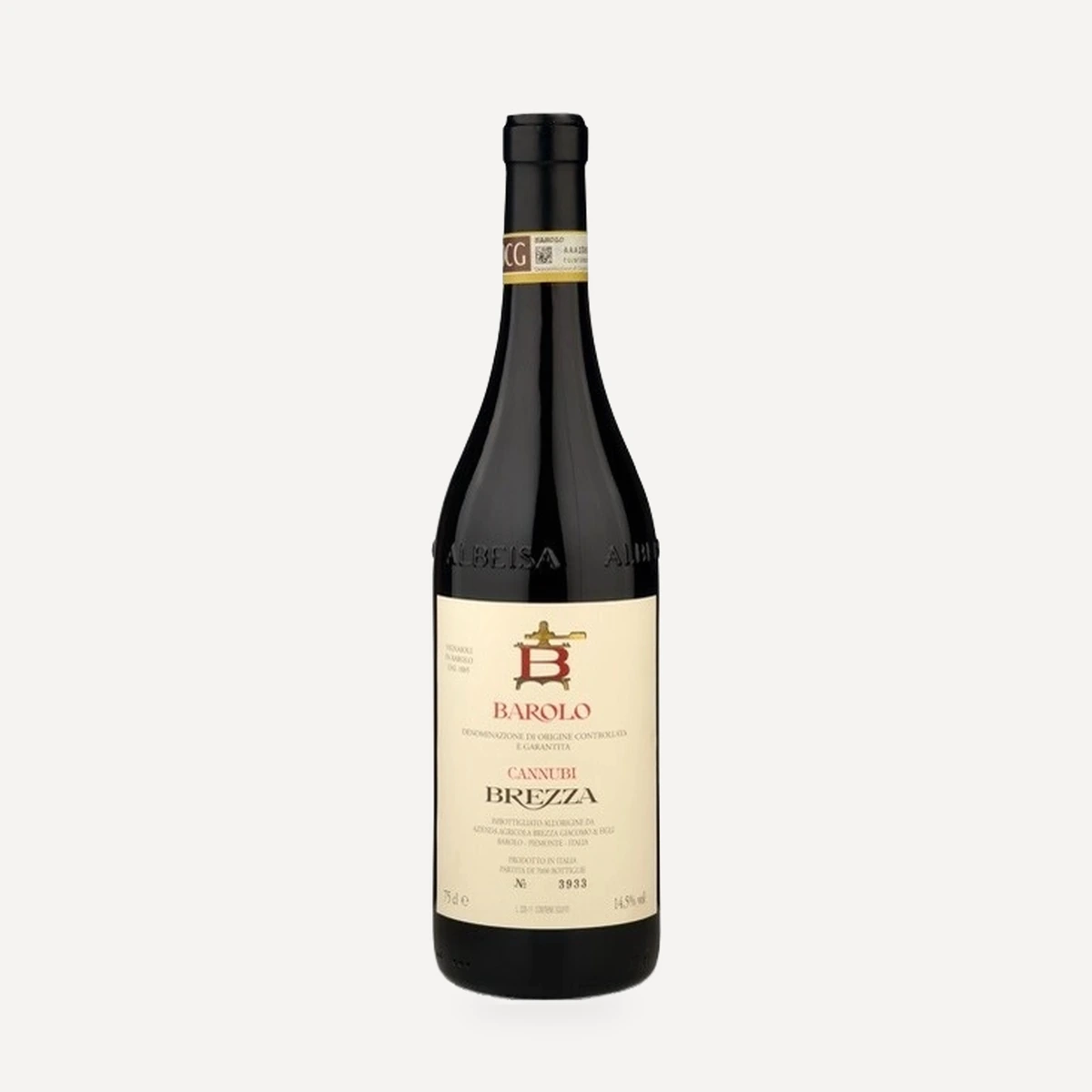
About this wine
Vineyard and terroir
Cannubi is a 1.4 ha southeast-facing vineyard in the town of Barolo at 250 m. Its silt-sand soil comprises 39.5% silt, 36.9% sand and 23.6% clay. The site brings together Sant’Agata Fossil Marl (TOV) and Diano Sandstone, the latter formed by alternating grey sandstone and more or less compact sand.
Plantings date from 1994 and 2003. Density is 3,700 vines per hectare, with 1 × 2.7 m spacing, vertical-canopy training and traditional Guyot pruning. The rootstocks are 420 A and K5BB, and yield is approximately 6,000–7,000 kg/ha.
Grapes
100% Nebbiolo, represented by the Lampia and Michet sub-varieties.
Vinification
Harvest takes place in October. Grapes are selected by hand in the vineyard and transported in small plastic baskets. At the winery they are immediately destemmed and crushed, then transferred to temperature-controlled stainless-steel tanks. Alcoholic fermentation lasts approximately seven to eight days and does not exceed 26°C.
Maceration continues for another 10–15 days with an emerged cap and frequent pump-overs. After racking, malolactic fermentation takes place in cement vats at 18°C.
Ageing
The wine rests for two years in medium-capacity Slavonian oak casks; the technical sheet specifies 30 hl. After bottling, it matures for a further year in a room kept at approximately 15°C.
Technical data
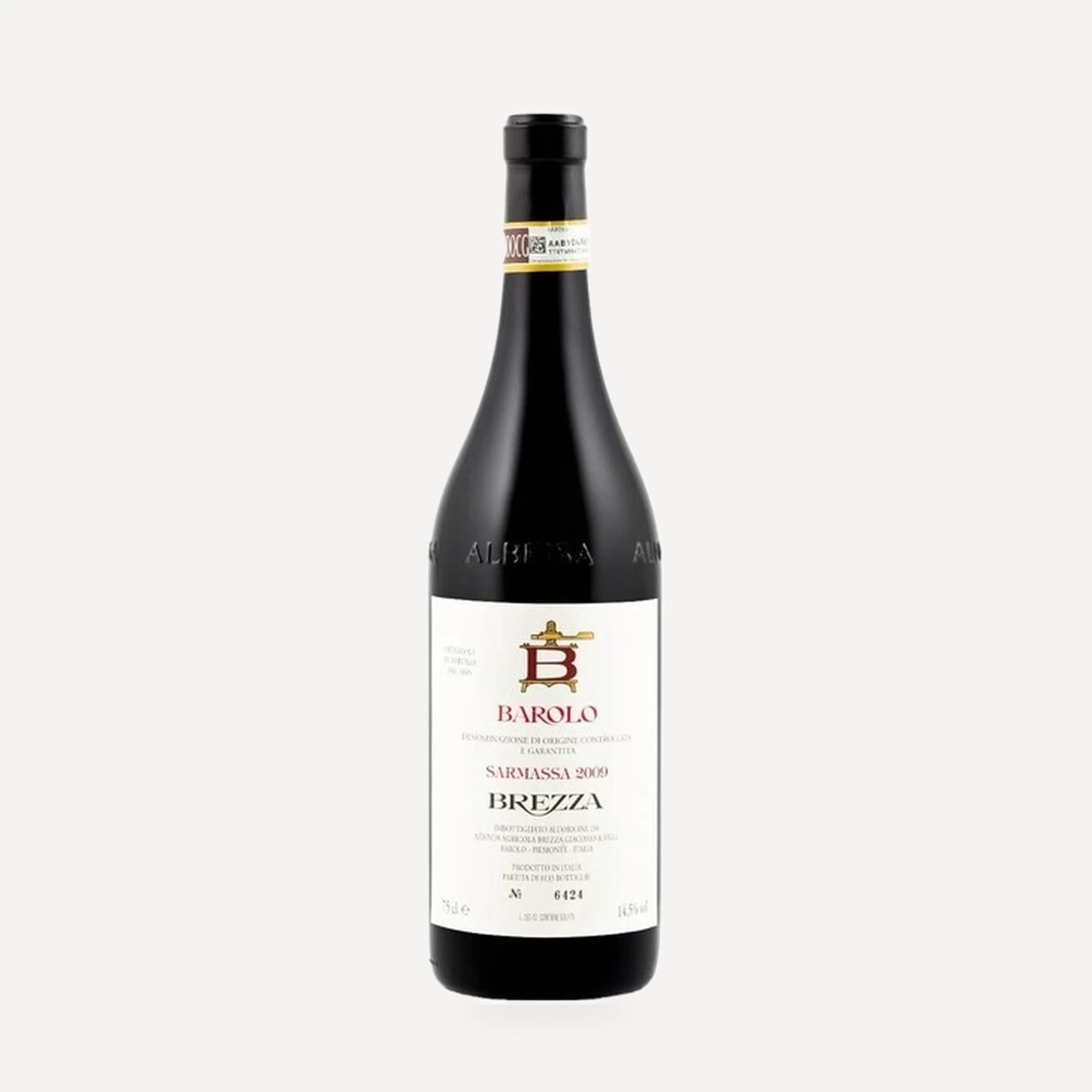
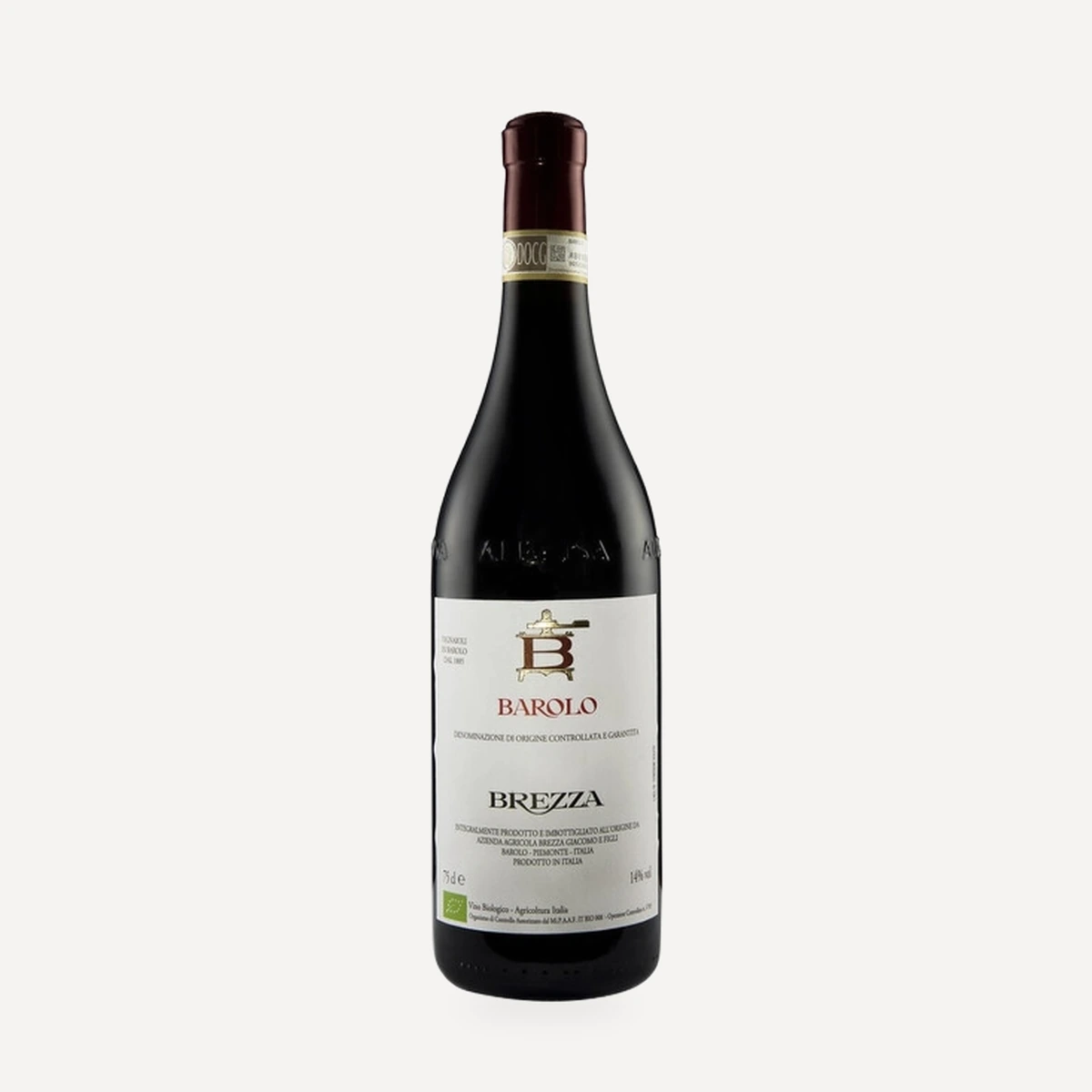
Approximately 9,000 numbered bottles are released after regulatory controls. The published alcohol for the 2022 vintage is 14.5%.
Tasting profile
The 2022 is fragrant, polished and full-bodied. Rose, woodland berries and star anise mingle with leather and forest-floor nuances. Red cherry, truffle, cinnamon and pink peppercorn shape the savoury palate, while taut, fine-grained tannins add grip.
The 2021 combines woodland berries, wild rose, hay, anise, leather and mint with red cherry, pomegranate, liquorice and white pepper. Its youthful austerity is supported by tightly wound tannins and bright acidity.
Serving and pairing
Braised hare with a red-wine reduction is among the published pairings.
Vintage notes
The 2022 received 94 points from Kerin O’Keefe, with a drinking window of 2029–2034. The 2021 received 98 points and Cellar Selection from Wine Enthusiast, 97 points from Kerin O’Keefe, 93 points from Guida Vitae – AIS, 5/5 from Guida Vini BIO and recognition as a Vino Slow Top Wine.
Label / history
A bottle dated 1752 is cited as the oldest known label bearing Cannubi as an additional geographical mention, evidence that the vineyard's reputation predates Barolo as a defined wine.