History
1885: the family’s vineyards in Barolo
The Brezza family has owned vineyards in Barolo since 1885. The present agricultural estate takes its name from Giacomo Brezza and remains a family enterprise situated among the vineyards, a short distance from the centre of Barolo.
Around 1910: the first estate bottling
Around 1910, Giacomo Brezza and his father, Antonio, bottled the estate’s wine for the first time. This established the historical association between the Brezza name and bottled wine produced from the family’s own vineyards.
Development of the cellar and family businesses
The original cellar was built with traditional brick vaulting. It once accommodated all winemaking operations; following the construction of newer production areas, it became the space dedicated to maturation in oak. The newer section was divided between a fermentation cellar equipped with temperature-controlled stainless-steel tanks and a second cellar used for malolactic fermentation and other operations. Bottle maturation takes place underground, where temperature and humidity remain naturally suitable and stable.
The family also developed hospitality alongside winegrowing. The adjacent hotel and restaurant remain family-owned, and the Brezzas describe three generations of work in the hotel and restaurant trade.
1941–1970: surviving old plantings and development of named sites
Plantings documented within the present vineyard holdings include Sarmassa vines dating to 1941 and Barbera vines dating to 1942. A Barbera parcel in Vigna Santa Rosalia was planted in 1952. Castellero was planted in 1970. Some vines within the broader estate have reached approximately 75 years of age while remaining productive.
The 1970s: separation of vineyards and the creation of Rosato
Until the beginning of the 1970s, the family’s Barolo was produced by combining fruit from vineyards in Barolo, Monforte d’Alba and Novello. Separate vinification of individual vineyards then began to gain importance. The estate nevertheless retained a multi-site Barolo that brings together distinct soils and microclimates.
At the end of the 1970s, Oreste Brezza began producing a Rosato from red grapes. The method separates a small portion of juice after overnight skin contact and completes its alcoholic fermentation independently, while preventing malolactic fermentation to retain acidity.
1991–2004: vineyard planting programme
Numerous present-day parcels were established or renewed during this period. Plantings recorded for 1991 include vineyards contributing to the multi-site Barolo, Langhe Nebbiolo, Langhe Rosato, Langhe Freisa, Dolcetto d’Alba and Chardonnay, as well as part of the Barbera holdings. Cannubi was planted in 1994 and 2003. New sections of Sarmassa and Sarmassa Vigna Bricco were planted in 2000, and the Nebbiolo parcel in Vigna Santa Rosalia was planted in 2004.
Fourth-generation management and organic farming
The fourth generation now manages the family estate under certified organic agriculture. The production base consists exclusively of estate-grown grapes. Current operations cover 23.5 hectares in the Langhe, including 20.5 hectares of vineyards, with the remaining land devoted to hazelnut groves and woodland. Annual production is approximately 100,000 bottles, about 95% of it red.
Adoption of glass closures
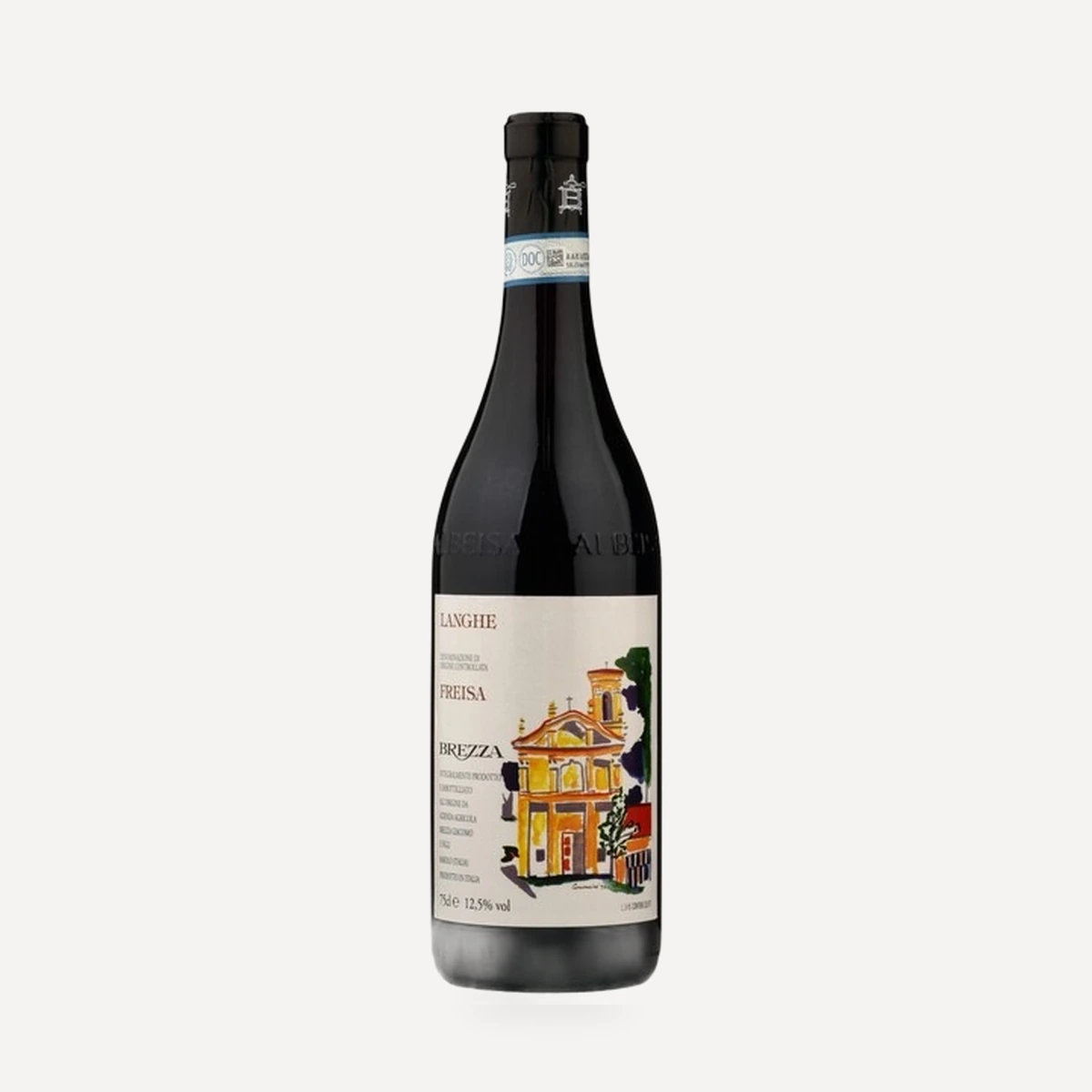
Following experimentation with alternatives to natural cork, the family adopted the Vino-Lok glass closure for a substantial share of Nebbiolo d’Alba, Barbera d’Alba, Dolcetto d’Alba, Langhe Freisa and Langhe Chardonnay. The decision was intended to protect the wine from cork-related faults rather than reduce costs. The estate continues to use traditional cork wherever appellation rules require it.
Terroir
The estate’s vineyards extend through the Langhe, with the principal concentration in the Barolo production zone. Of the documented holdings, 16.5 hectares lie within the Barolo area: 12.5 hectares in the commune of Barolo, 3 hectares in Monforte d’Alba and 1 hectare in Novello. Further vineyards lie between Alba and Diano d’Alba in the Nebbiolo d’Alba zone.
Geological formations
The holdings encompass markedly different soils and microclimates. Marne di Sant’Agata Fossili, formed through offshore sedimentation during the Tortonian period, dominate parts of Barolo and La Morra. These blue-grey marls contain varying proportions of sand, silt and clay and may include sandstone or conglomeratic layers. Arenarie di Diano, derived from submarine turbidity currents, consist of compact sands alternating with grey sandstone and occur in parts of Barolo, Castiglione Falletto and Monforte d’Alba.
Cannubi lies where Marne di Sant’Agata Fossili and Arenarie di Diano meet. Sarmassa is richer in clay and silt, giving it greater water-retention capacity and reducing vine stress in dry years. Castellero is still sandier than Cannubi and is characterised by Arenarie di Diano. The Dolcetto vineyard’s soft, sandy soil drains effectively and can deliver healthy fruit even in wet years.
Elevation and exposure
The individually documented vineyards range from approximately 230 to 300 metres above sea level. Exposures vary substantially: Sarmassa faces west and southwest; Vigna Bricco faces south in a sheltered, mid-slope position; Cannubi faces southeast; Castellero faces south; Santa Rosalia faces west; and other Barolo vineyards include west, southwest and mixed east–west exposures. These variations underpin the estate’s practice of vinifying distinguished sites separately in suitable years.
Winemaking
The entire production is based on grapes grown in estate vineyards, which are managed under certified organic agriculture. The certification identity shown for the agricultural partnership is IT BIO 008, controlled operator V783.
Vineyard work is directed toward maintaining vine and soil health. The estate uses appropriate pruning, careful crop thinning, green manure and composting. Green manure and compost are intended to support the vitality of the soil. Light machinery, including four-wheel vehicles, is preferred to reduce soil compaction and fuel consumption.
Vines are predominantly trained to a vertical canopy and pruned by the traditional Guyot method. Documented planting densities range from 3,700 to 5,000 vines per hectare, while most stated yields fall between 6,000 and 7,000 kg/ha.
Harvesting is manual. Grapes are picked with attention to physiological maturity and, in the detailed Cannubi protocol, are selected in the vineyard and transported to the cellar in small plastic baskets. The long-term emphasis on pruning and vineyard care has preserved productive vines of approximately 75 years of age.
Cellar structure
The historic brick-vaulted cellar, formerly used for every cellar operation, is now dedicated to maturation in oak. A newer production section contains one cellar for primary fermentation in temperature-controlled stainless-steel tanks and another for malolactic fermentation and related operations. Bottle ageing takes place underground, where suitable temperature and humidity are naturally maintained. Humidity and temperature are monitored from fermentation through maturation.
Fermentation and extraction
Alcoholic and malolactic fermentations are conducted with natural yeasts. Red grapes are generally destemmed and crushed promptly after arrival. In the detailed Cannubi protocol, alcoholic fermentation takes place in temperature-controlled stainless steel for about 7–8 days, without exceeding 26°C. Maceration then continues for another 10–15 days with an emerged cap and frequent pump-overs. After racking, the wine moves to cement at approximately 18°C for malolactic fermentation rather than waiting for warmer spring temperatures.
Protocols vary according to grape and intended style. Sarmassa generally receives a longer maceration because its grapes tend to have softer tannins. The multi-site Barolo follows the cru method but with a shorter maceration. Barbera d’Alba Superiore ferments for about 8–10 days, followed by a further 4–6 days of maceration, and completes malolactic fermentation at 18°C. Dolcetto ferments for about seven days below 26°C before separation from the skins and malolactic fermentation at approximately 18°C. Still, dry Freisa ferments and macerates for six days at 26°C before malolactic fermentation.
Maturation
Wines requiring wood maturation are aged traditionally in large Slavonian oak vessels whose staves are bent over fire but not toasted. The general cellar description identifies 3,000-litre barrels; the Barolo programme uses vessels from 1,500 to 3,000 litres, while the detailed Cannubi protocol specifies 15–30-hectolitre barrels. Barolo typically spends two years in large oak and one year in bottle. Bottled Cannubi rests for another year at a constant temperature of about 15°C.
New oak is avoided for Nebbiolo. The youngest Slavonian barrels, between one and three years old, are first used for Barbera d’Alba Superiore, which matures for one year in wood and a further year in bottle. Nebbiolo d’Alba Vigna Santa Rosalia also spends one year in large Slavonian oak. Wines matured in wood are neither filtered nor fined.
Sarmassa Vigna Bricco is always vinified and aged independently. During barrel maturation it undergoes repeated blind comparison with the other crus; the Vigna Bricco designation is retained only when the result is considered sufficiently distinctive. Its bottle maturation is two years longer than that of Sarmassa.
Wines made without oak
Langhe Nebbiolo is matured without oak. The estate describes stainless-steel ageing, while a more recent published tasting note identifies cement for one vintage. Barbera d’Alba Vigna Santa Rosalia is deliberately made without wood to preserve a clean expression. Dolcetto remains in cement until its April bottling. Chardonnay is vinified entirely in temperature-controlled stainless steel, ferments at about 18°C and rests on its lees for several months before bottling.
Rosato
The Rosato method removes approximately 2% of the juice after one night of skin contact. That portion completes alcoholic fermentation independently at about 20°C. It is then held at a lower temperature to prevent malolactic fermentation and preserve acidity.
Closures
A substantial portion of Nebbiolo d’Alba, Barbera d’Alba, Dolcetto d’Alba, Langhe Freisa and Langhe Chardonnay is sealed with Vino-Lok glass closures. The stopper is tempered at 500°C, pressed and boiled, and sealed with a neutral Elvax gasket containing no PVC. Traditional cork remains in use where DOCG regulations do not permit alternative closures.
Philosophy
The family defines tradition as a living discipline rather than a refusal of innovation. New methods are accepted when they protect and clarify the character of Langhe grapes, wines and individual terroirs. The adoption of glass closures is the clearest practical example: it was pursued after experimentation to guard against cork faults, not to reduce costs.
The estate favours monovarietal wines and regards healthy vineyards as the foundation of quality. Pruning, thinning, green manure, composting, light machinery and careful manual harvesting are intended to support balanced fruit while preserving the vitality of the soil.
Cellar work follows the same restrained approach. The aim is to accompany the grapes to bottle with a light hand, allowing each variety, vineyard and vintage to retain its own personality. The family compares this process to guiding a child’s development without forcing it. Separate vineyard bottlings are therefore made only when the quality of the vintage and the wine justify the distinction; otherwise, the fruit contributes to the broader Barolo blend.
For Nebbiolo, traditional large, untoasted Slavonian oak is preferred to new oak so that the variety can develop power without losing elegance. The broader philosophy combines site expression, single-variety identity, family continuity and measured use of technology.
Wines
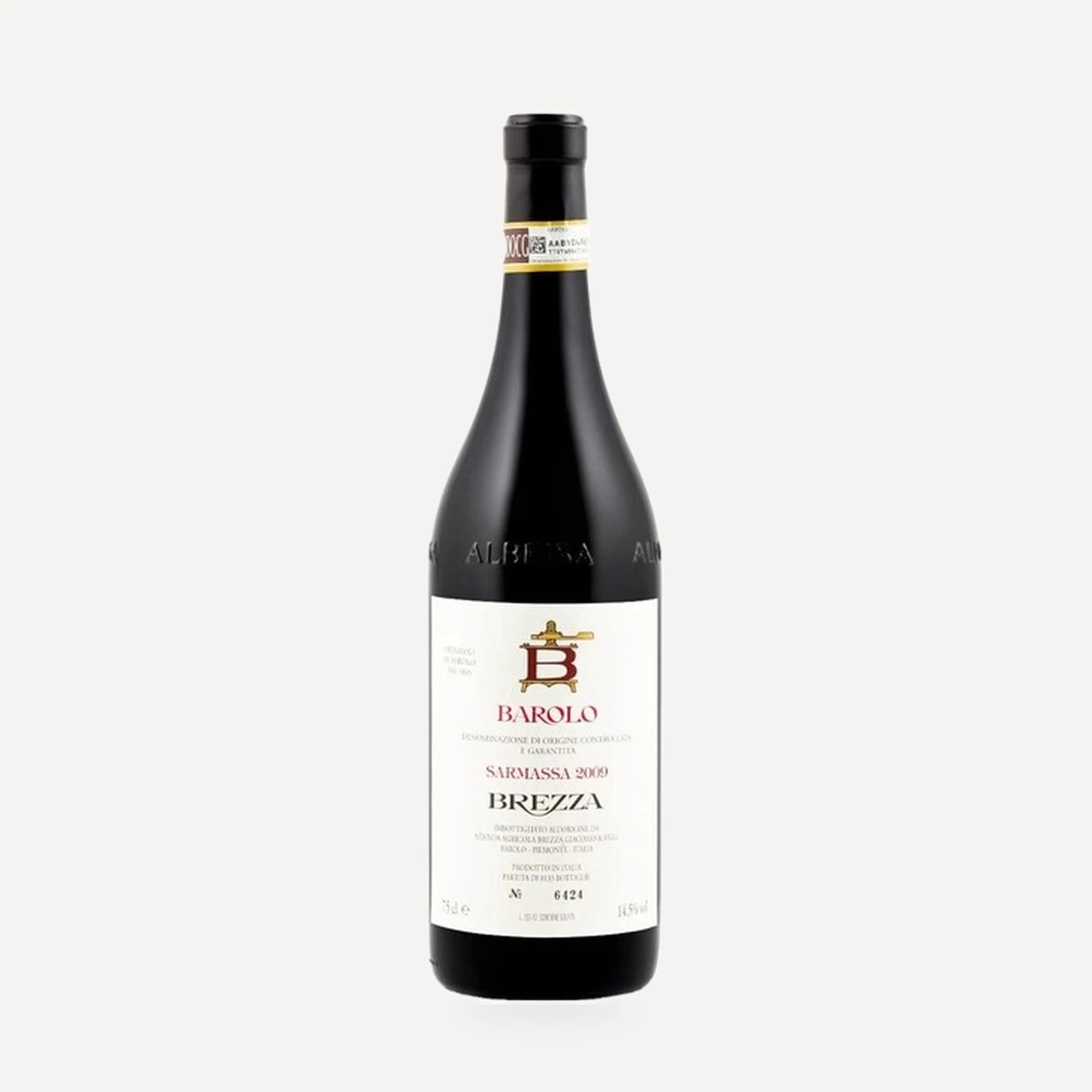
Barolo Sarmassa DOCG
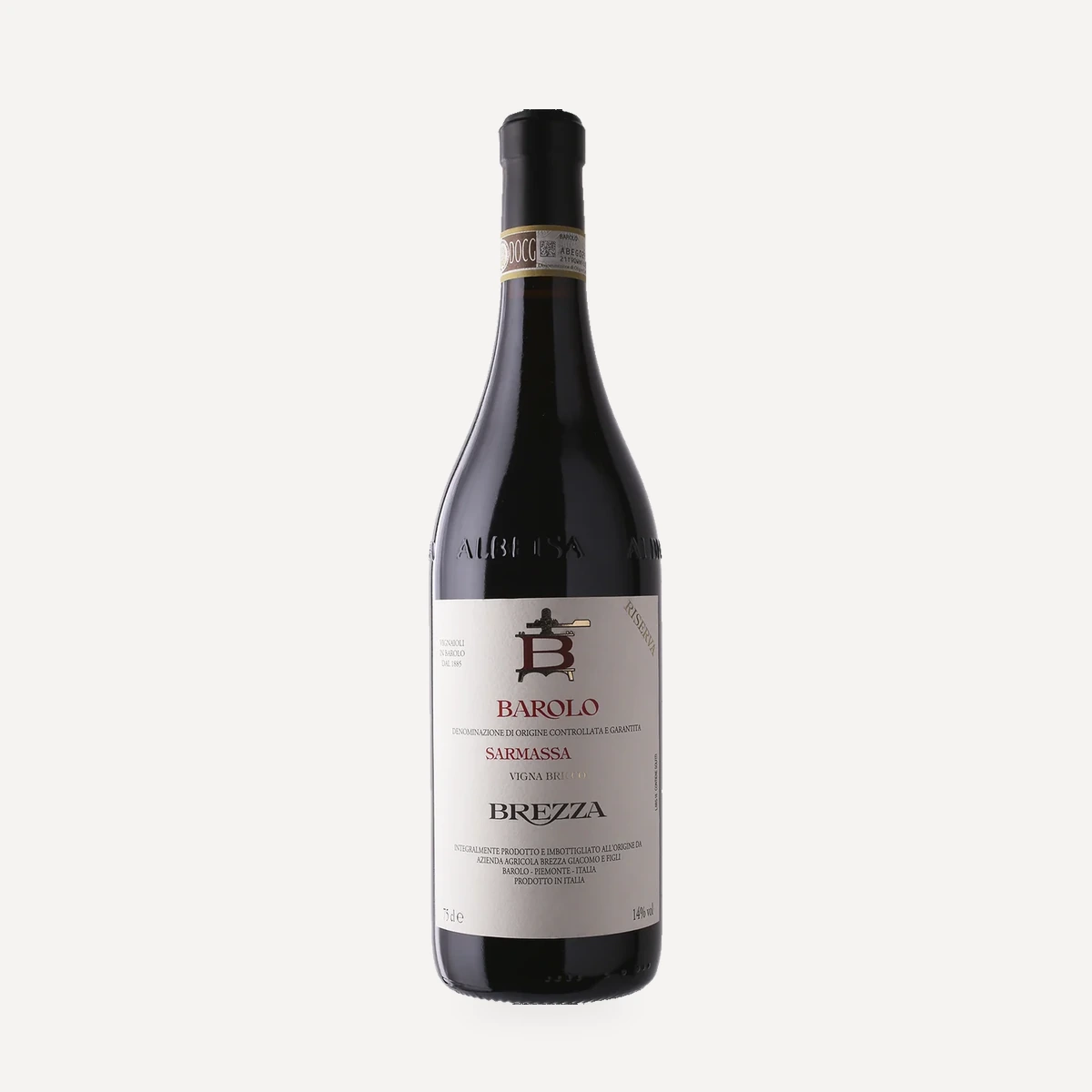
Barolo Riserva Sarmassa Vigna Bricco DOCG
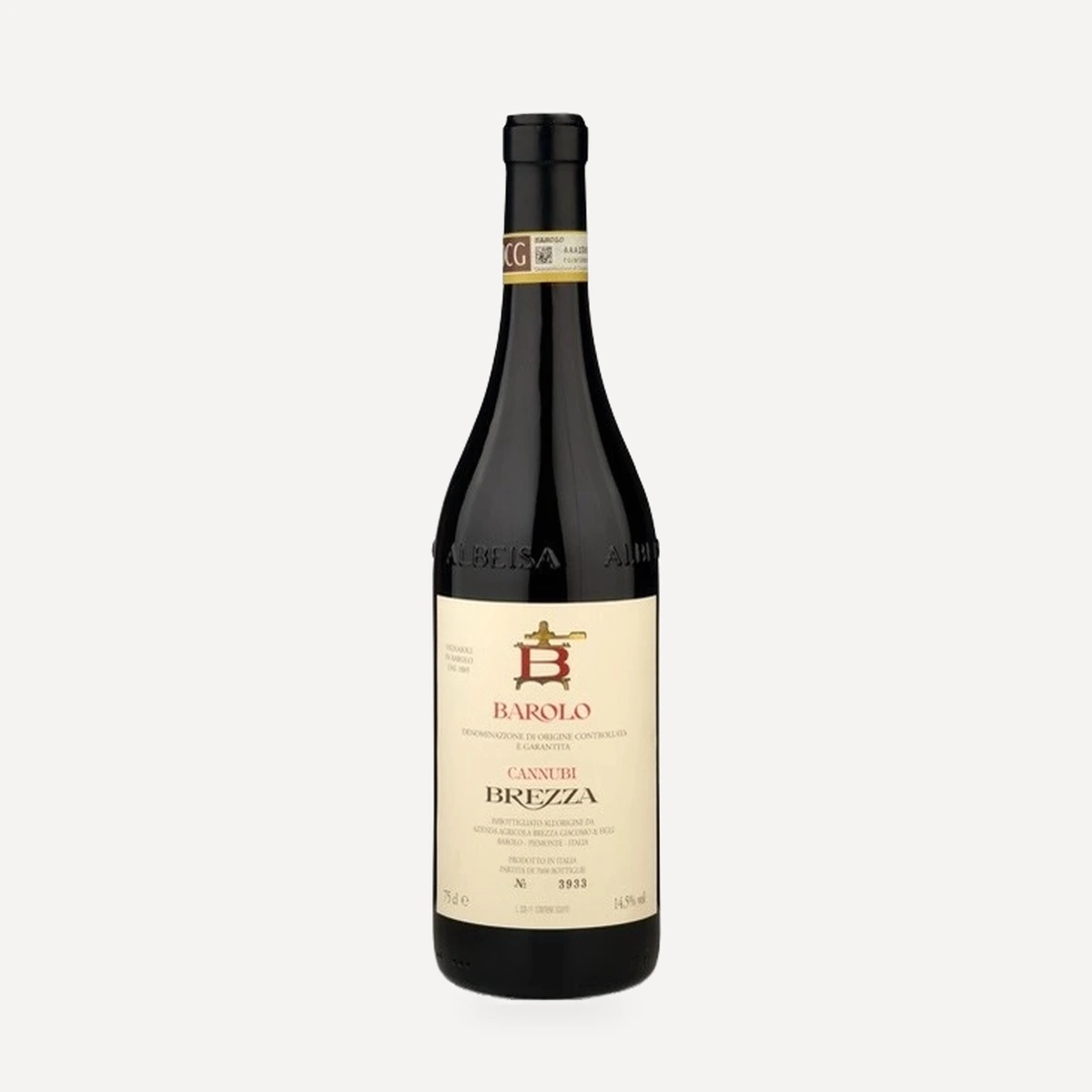
Barolo Cannubi DOCG
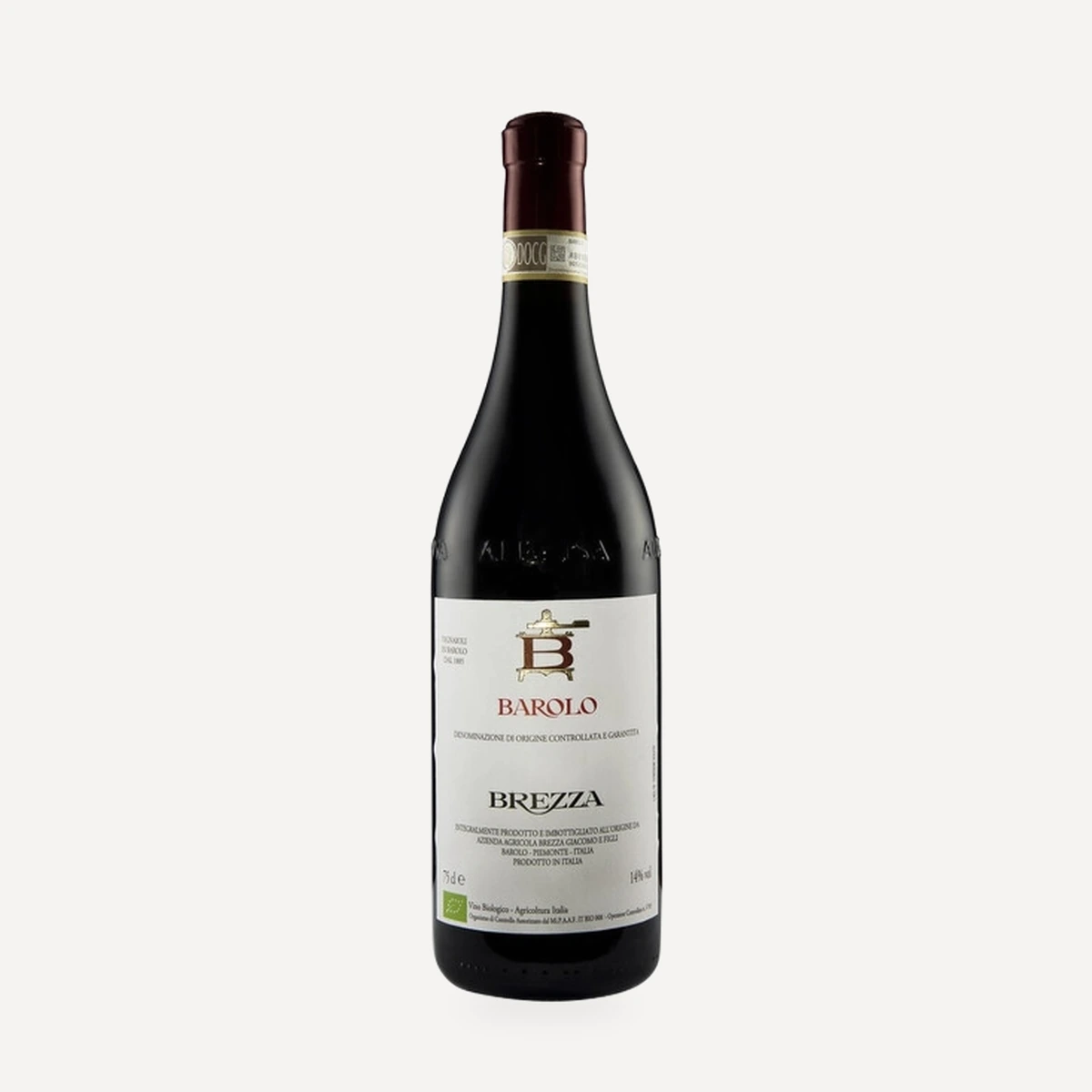
Barolo DOCG
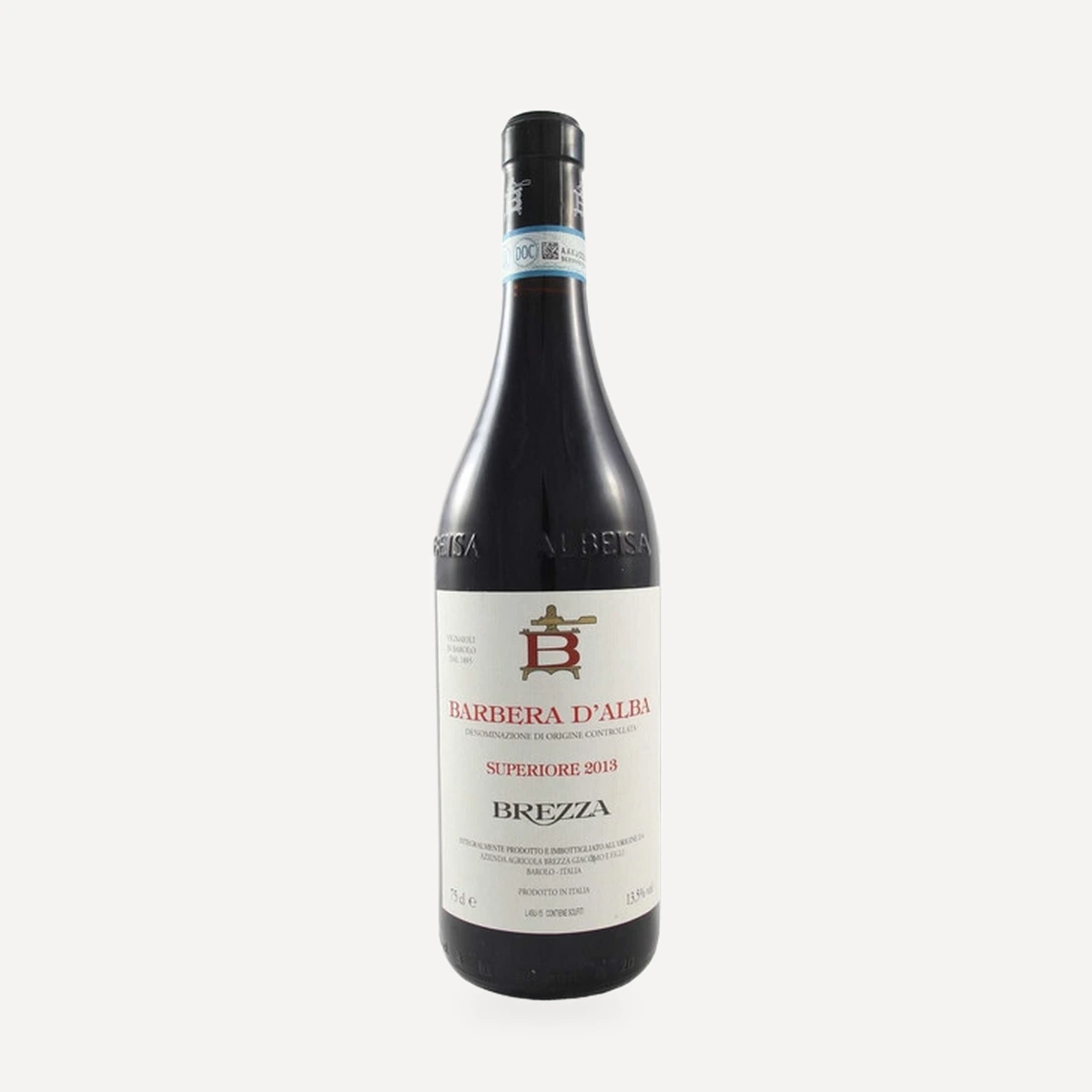
Barbera d’Alba Superiore DOC
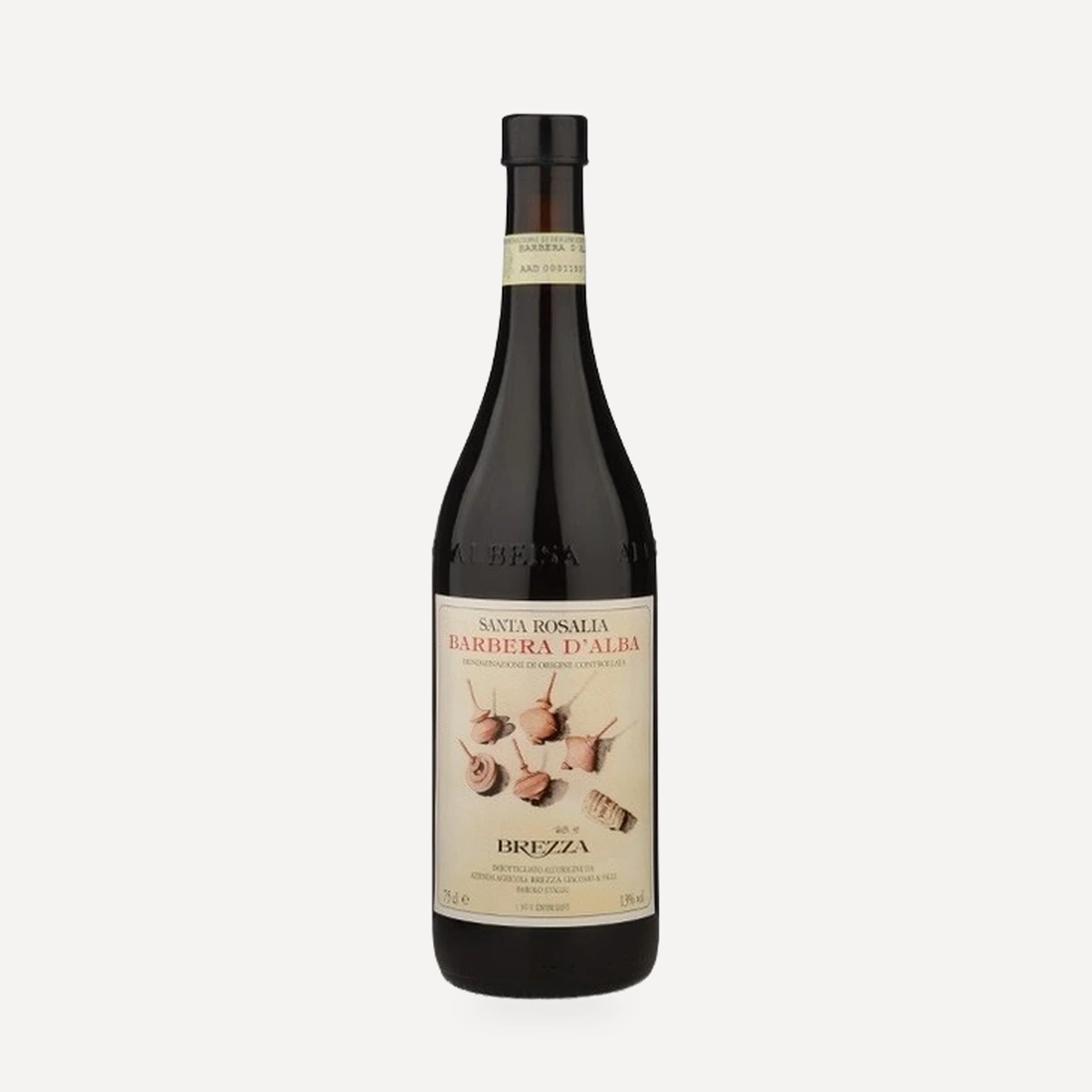
Barbera d’Alba Vigna Santa Rosalia DOC