About this wine
Vineyard and terroir
The vines grow at 430 m on limestone soil and are trained to single-arched-cane Guyot. Planting density ranges from 2,700 to 7,000 vines per hectare in the newer vineyards, with yields of 40–45 quintals per hectare.
Grapes
The 2022 is 85% Sangioveto and 15% Malvasia Nera. It belongs to the small group of Tuscan wines made entirely from native varieties.
Vinification
For the 2022 vintage, harvesting was manual during the first week of October. Bunches were carried in small boxes to prevent crushing, sorted on a selection table and destemmed. Sangioveto and Malvasia Nera fermented separately in stainless steel for seven days at approximately 25°C. Around 20 days of skin maceration and malolactic fermentation followed.
Ageing
The wine entered barriques at the beginning of 2023 and matured for about 30 months, with new barrels accounting for 50%. It then rested in concrete tanks before bottling and aged for a further eight months in bottle before release.
Tasting profile
The established profile is an intense red with garnet nuances, combining clearly defined cherry and spice aromas with depth and refinement. The 2022 has pronounced aromatic intensity and a dense, elegant texture. Its tannins are sweet, silky, mature and well integrated; Sangioveto acidity supplies freshness and a lively, crisp impression. The finish is long and highly persistent.
Serving and pairing
Serve with cold cuts, richly flavoured meats and strong, aromatic cheeses, particularly Pecorino Toscano and Parmigiano. The 2022 can be enjoyed on release but is suited to very long ageing.
Vintage notes
The 2022 growing season was warm and dry. Spring water reserves were followed by a dry, hot summer, while late-August rain supported ripening and produced an early but regular harvest of healthy, concentrated fruit. The resulting wines show intense colour, ripe red-fruit and floral aromas, light spice, good structure, integrated tannins and balancing freshness.
Label / history
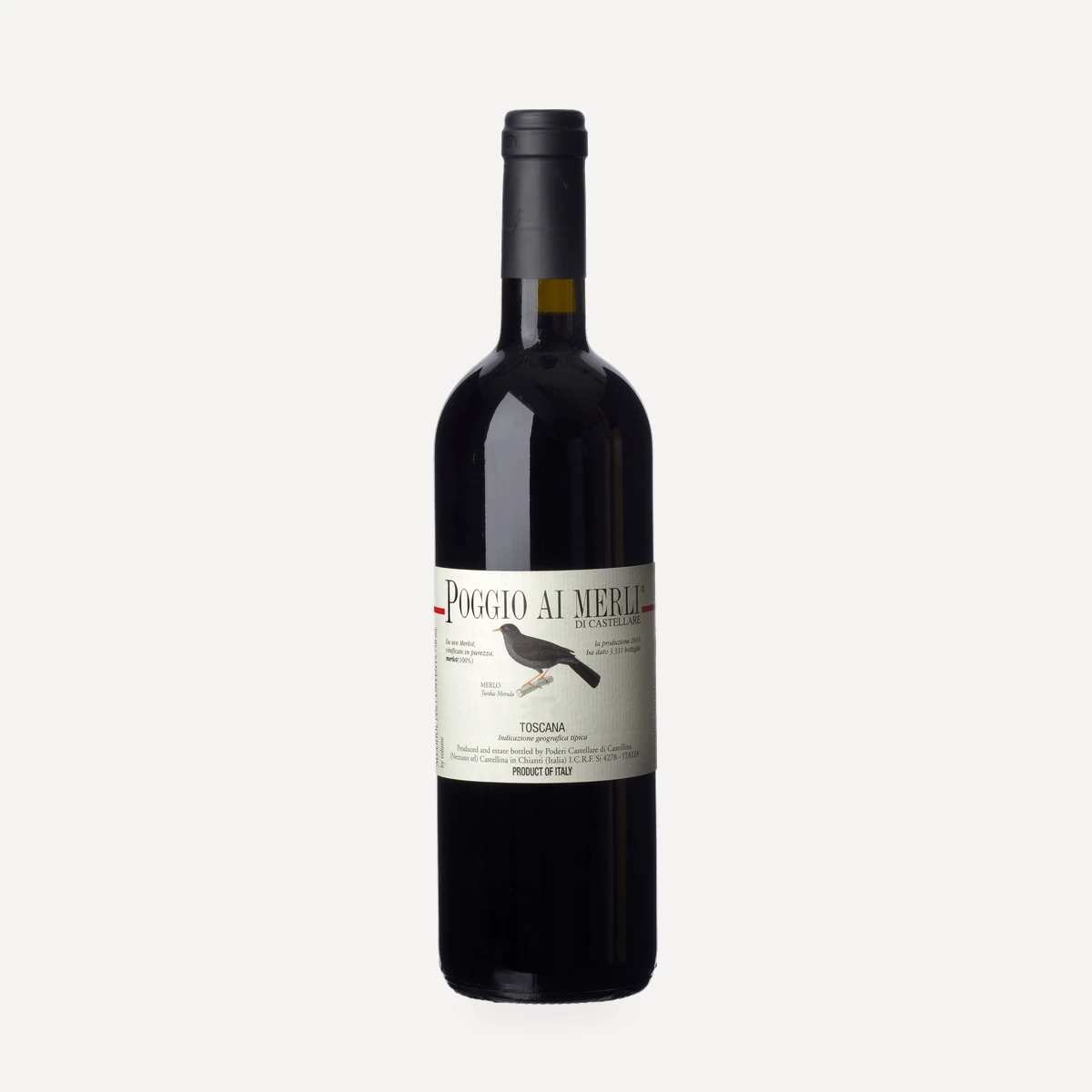
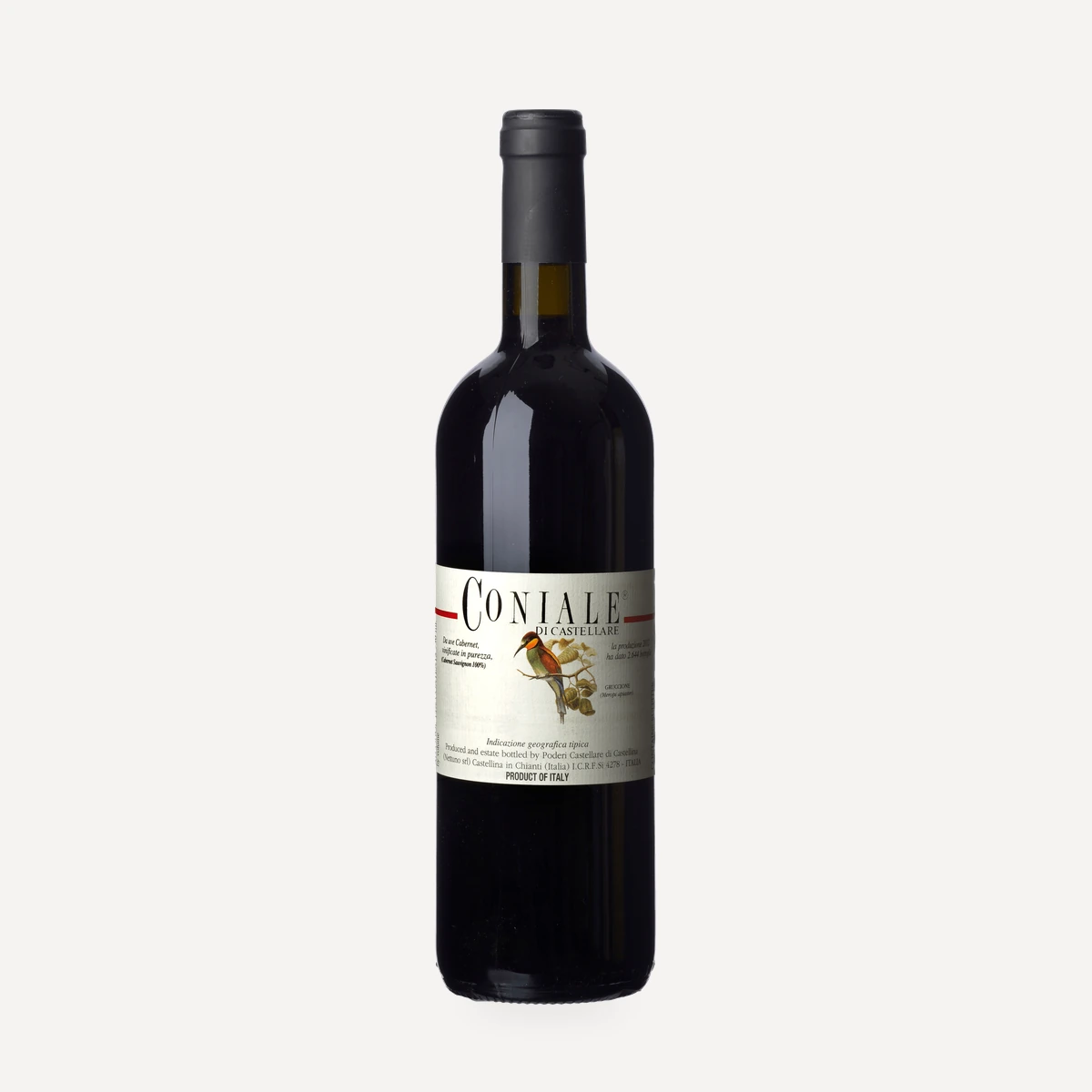
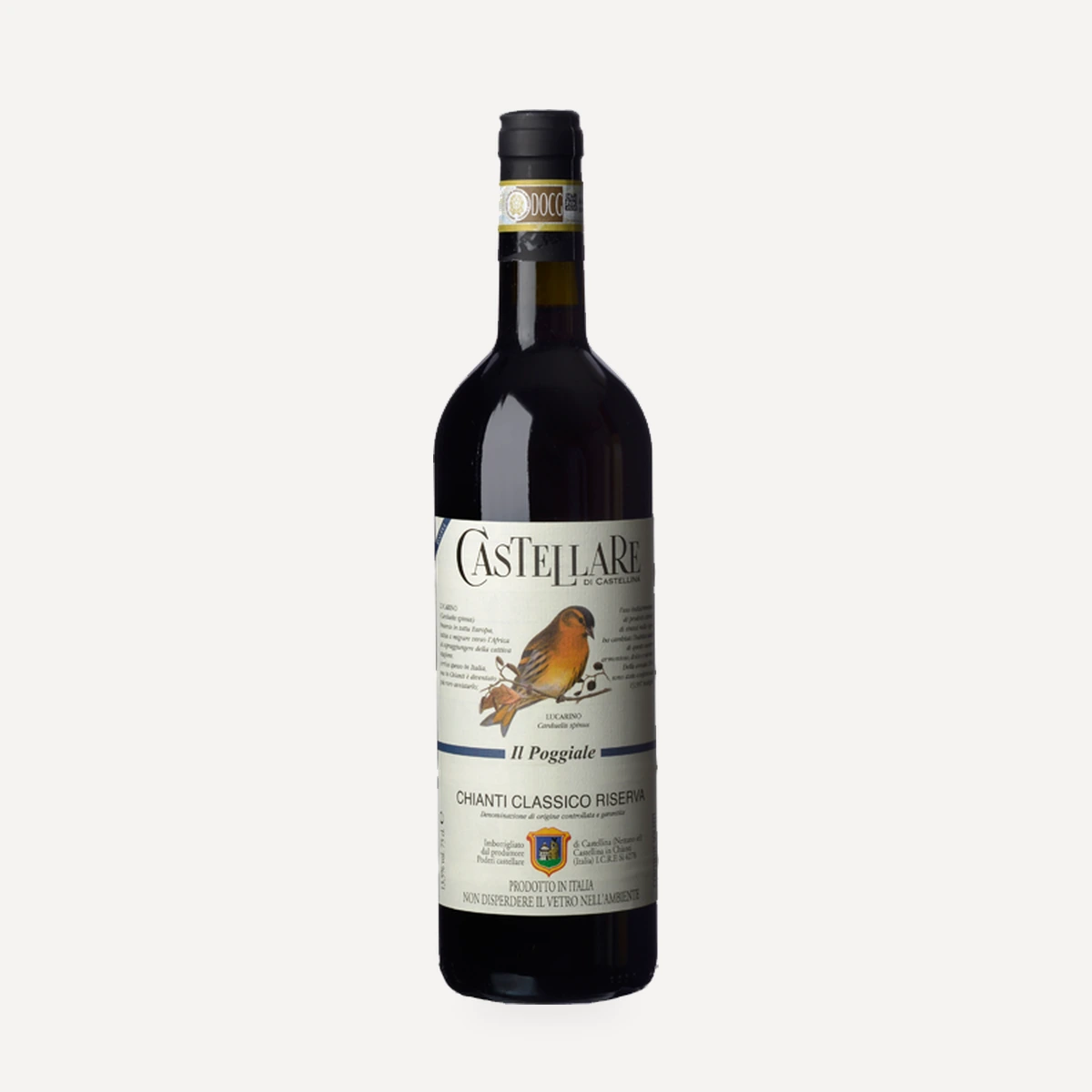
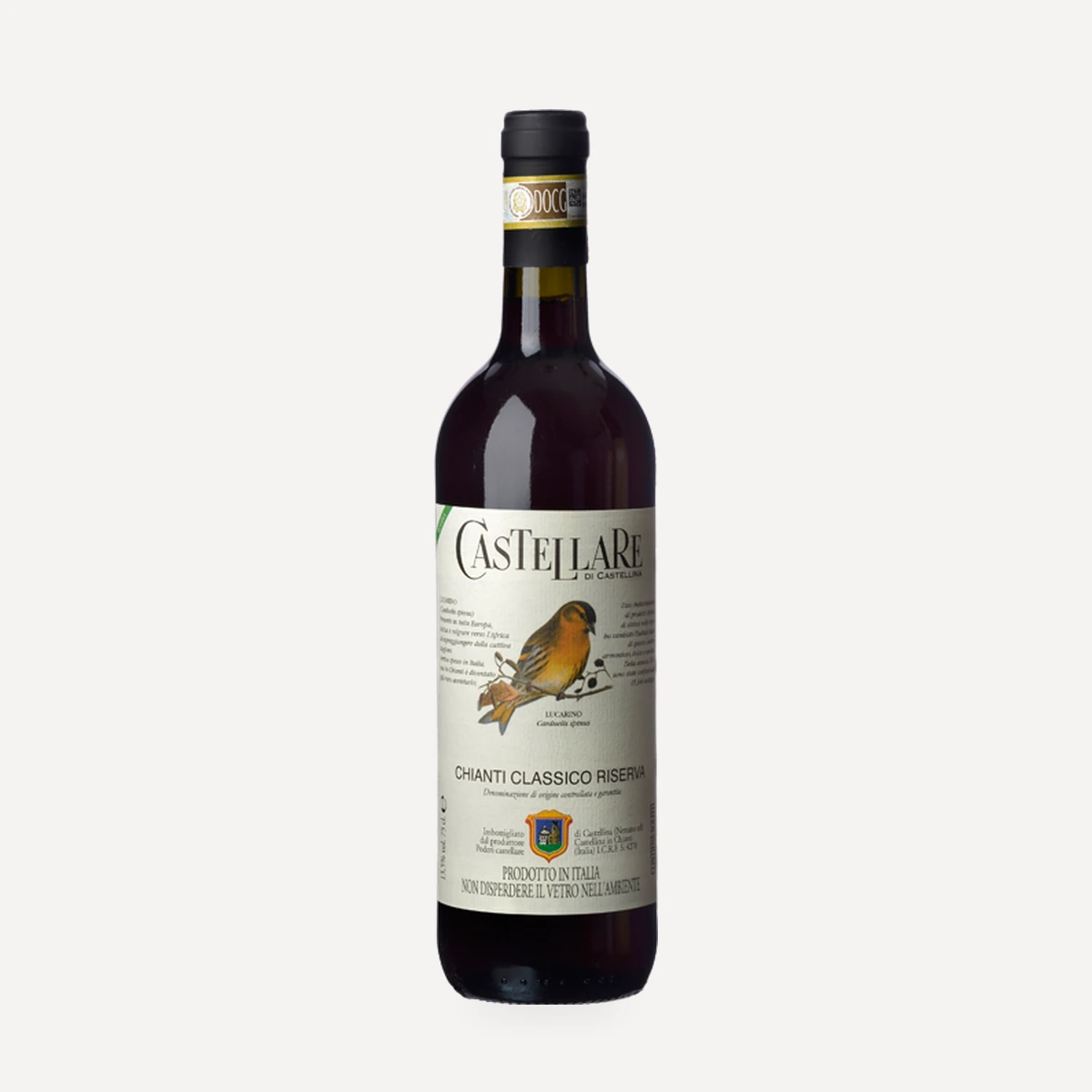
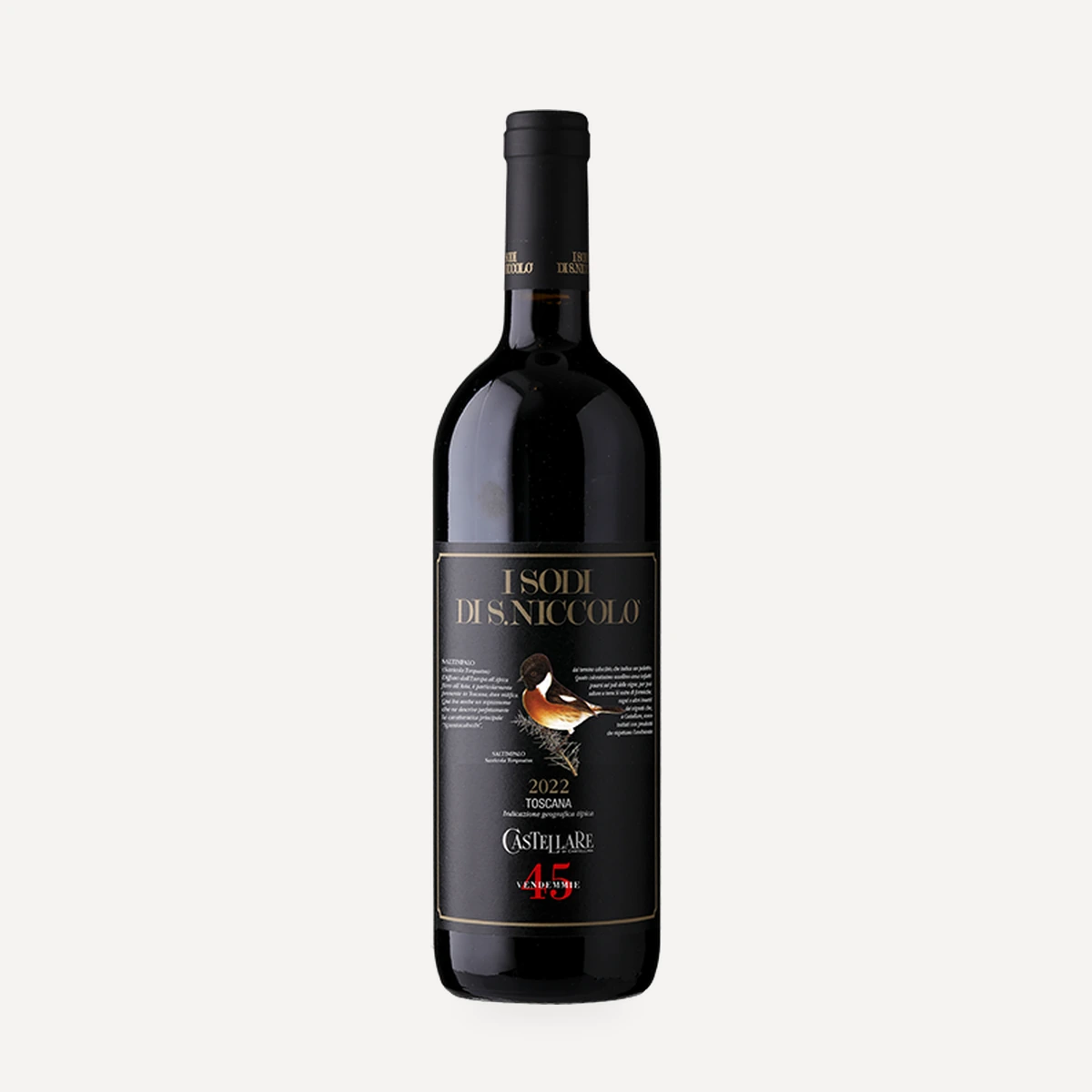
First released in 1977, the 2022 represents the wine’s 45th harvest. A commemorative black label depicts a stonechat (Saxicola torquatus), a bird seen in Castellare’s vineyards. Birds appear throughout Castellare’s red-wine labels as an emblem of its long-term commitment to sustainable viticulture. I Sodi di S. Niccolò has appeared three times in Wine Spectator’s Top 100 and was selected for the inaugural global Vinous Top 100 curated by Antonio Galloni.