History
Historical landscape
Cavalchina occupies a district at the southeastern edge of the Garda morainic amphitheatre. Viticulture here was documented before the creation of the modern estate: in 1848, the Habsburg land register recorded numerous vineyards and placed them in its first and second quality categories. The classification reflected both grape quality and the vineyards’ ability to maintain reliable production during dry, hot periods.
The district was also involved in the First and Third Italian Wars of Independence. During the fighting of 1866, Prince Amedeo di Savoia was wounded near the estate. A brown-slate obelisk at the entrance commemorates the event.
Luciano Piona and the creation of the estate
The agricultural estate began in the early 1900s with Luciano Piona’s acquisition of its first nucleus of vineyards. Luciano Piona, born in 1900, initially treated wine as a passion and a secondary activity alongside the family’s leather-processing business. His industrial interests included one of the relatively few Italian factories then making football boots, an activity that also drew him into the trading of football players.
Luciano was also an opera enthusiast and received Maria Callas as a guest. His interests in wine, industry and culture shaped the estate’s early identity.
In 1948, he built Cavalchina’s cellar. Part of the building housed a pomace distillery, which continued operating until 1967.
The creation of Custoza
By the beginning of the 1960s, the Piona family believed that the local white wine needed an identity distinct from Soave. In 1962, Cavalchina became the first producer to place the name “Custoza” on the label of the area’s white wine. Luciano Piona outlined an early composition based on Fernanda, Trebbiano and Garganega and developed distribution in Rome and Milan, then two of the family’s principal markets.
The wider family wine activity expanded with the acquisition of the separate Prendina estate in 1958. Under Luciano’s son Giulietto Piona, wine gradually developed from a passion into a structured production activity during the 1970s. Recognition of Custoza as a DOC in 1971 strengthened the family business and confirmed the denomination’s place among Italy’s quality white wines. Cavalchina nevertheless remained secondary to the leather business for much of Giulietto’s period, and the cellar was also used to receive guests and commercial contacts from that industry.
Luciano Piona’s direct management
In 1987, Giulietto’s son Luciano Piona took direct control of Cavalchina. This transition made the winery the Piona family’s principal business rather than a secondary activity. A chemical engineer who had also worked as a skipper, crossed the Atlantic several times, taught skiing and pursued cycling and motorcycling, Luciano devoted himself to the estate, its land, vineyards and wines.
He intensified work on innovation, quality and the development of new markets while seeking to preserve Cavalchina’s established identity and connection to Custoza. His approach had to accommodate changing fashions and consumer tastes without abandoning the family character of the wines. He later served as president of the Consorzio di tutela del Custoza, using that role to promote the wine and territory with which he had grown up.
Franco Piona and the next generation
Franco Piona, Luciano’s brother, joined the family wine activity at the end of the 1990s. Born in 1967 and trained as an electronic engineer, he had developed his interest in wine while at university. Franco and Luciano refined an approach in which technique was intended to help nature express itself and to preserve each wine’s recognizable character across vintages rather than transform it.
Luciano Piona died in 2021. The family story continues through his children Francesco and Giulia Piona. Together with Franco Piona and Graziella Bartolini, they are named among the members of the governing body of Cavalchina in Rete.
Terroir
Cavalchina lies at the southeastern edge of the Garda morainic amphitheatre, a landscape originating at the end of the Ice Age. Its vineyards occupy morainic ground in and around Custoza.
The vineyard soils are described as calcareous and clay-rich, with gravel and, in some locations, sand. Their capacity to retain moisture during hot periods helps the vines resist drought and maintain relatively consistent production—a characteristic already considered in the Habsburg vineyard classifications of 1848.
The vineyards associated with the Cavalchina range generally lie between 100 and 140 metres above sea level. Most face south, while individual sites may have southwesterly exposure. The estate connects grape selection to these pedoclimatic conditions, choosing varieties for the habitats in which they are planted.
Winemaking
Cavalchina selects grape varieties in relation to the pedoclimatic conditions of each vineyard. Yields are maintained well below the vines’ potential and below the levels recommended by the relevant protection consortia, with the objective of obtaining healthy grapes at high sugar maturity.
Harvesting is manual and conducted in multiple passes to follow differences in ripening and select the bunches best suited to Cavalchina’s production. Grapes that do not form part of this selection are sold on the bulk market. The resulting quantity varies from vintage to vintage rather than being maintained through less selective harvesting.
Drip irrigation extends across the estate. Continued estate-wide drip irrigation forms part of Cavalchina’s water-management policy. The company also monitors the environmental, social and economic dimensions of its operations under the Equalitas sustainability standard.
Cavalchina’s cellar was built in 1948 and originally incorporated a pomace distillery, which operated until 1967. The facility is responsible for vinification and bottling within the wider family organization, while Cavalchina also handles commercial promotion for the family estates.
The overall production philosophy combines artisanal tradition with contemporary technology. Technical tools are used to manage consistency and help the fruit express its origin without overriding the character of the grapes or territory. Vineyard selection is integral to this process: only the best bunches from the manual, multi-pass harvest enter Cavalchina’s cellar, so production volumes vary between vintages.
Across the range, cellar equipment includes temperature-controlled fermentation vessels, stainless-steel tanks, wooden barrels and Georgian clay amphorae. Practices represented within production include static clarification, lees contact and stirring, malolactic fermentation tailored to the intended style, selective barrel maturation and unfiltered bottling for the amphora-made wine. These techniques are applied according to the different characteristics of the varieties and the intended expression rather than as one uniform protocol for every wine.
Philosophy
Cavalchina defines quality wine as the result of patience, intelligence and care, with soil, grape variety and vinification treated as three inseparable factors.
Its vineyard philosophy begins with matching varieties to their pedoclimatic setting and restricting yields to favour healthy, mature fruit. Selection takes precedence over fixed production volume: harvesting is manual and repeated through the vineyards, and only the most suitable bunches are retained for the estate’s wines.
In the cellar, the guiding principle is to reconcile artisanal tradition with technological development. Technology is intended to assist natural expression, preserve authenticity and keep each wine recognizably itself from one vintage to another, rather than impose a model that erases its origin.
Sustainability is approached through environmental monitoring, protection of natural resources, attention to human capital and transparent, responsible practices across the value chain. Cavalchina’s stated objective is continuous improvement across environmental, social and economic performance under the Equalitas framework.
Wines
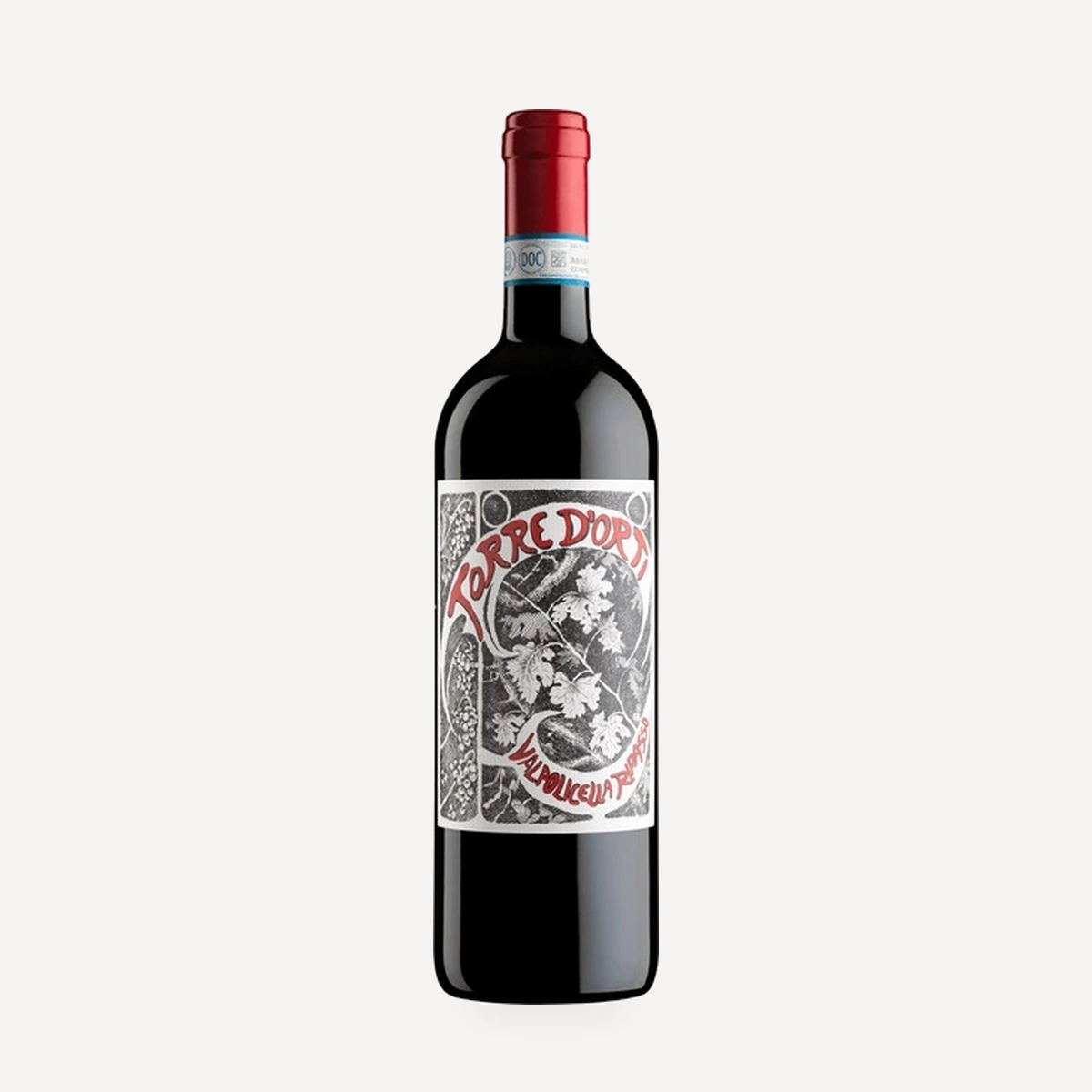
Torre d'Orti Valpolicella Ripasso Superiore DOC
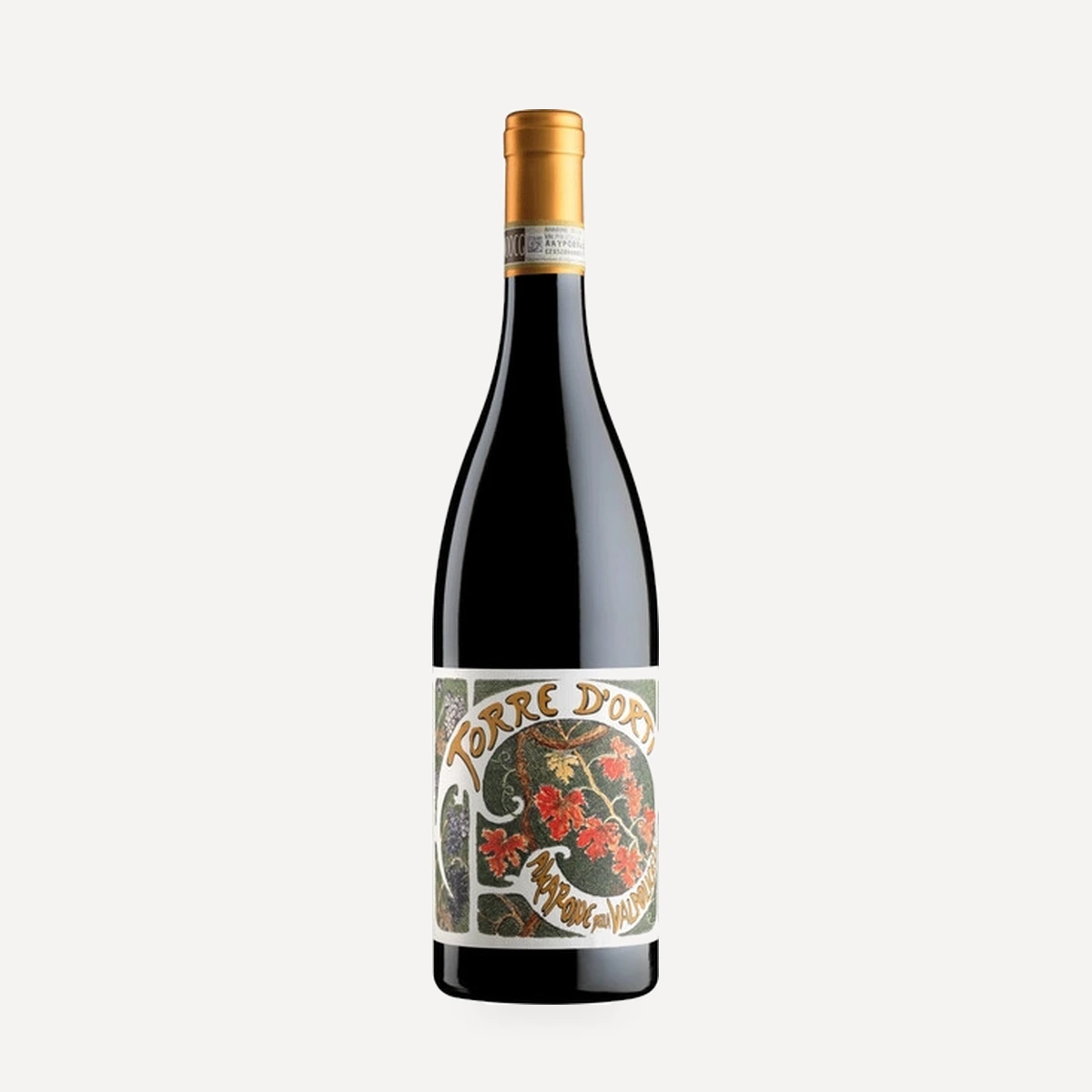
Torre d'Orti Amarone della Valpolicella DOCG
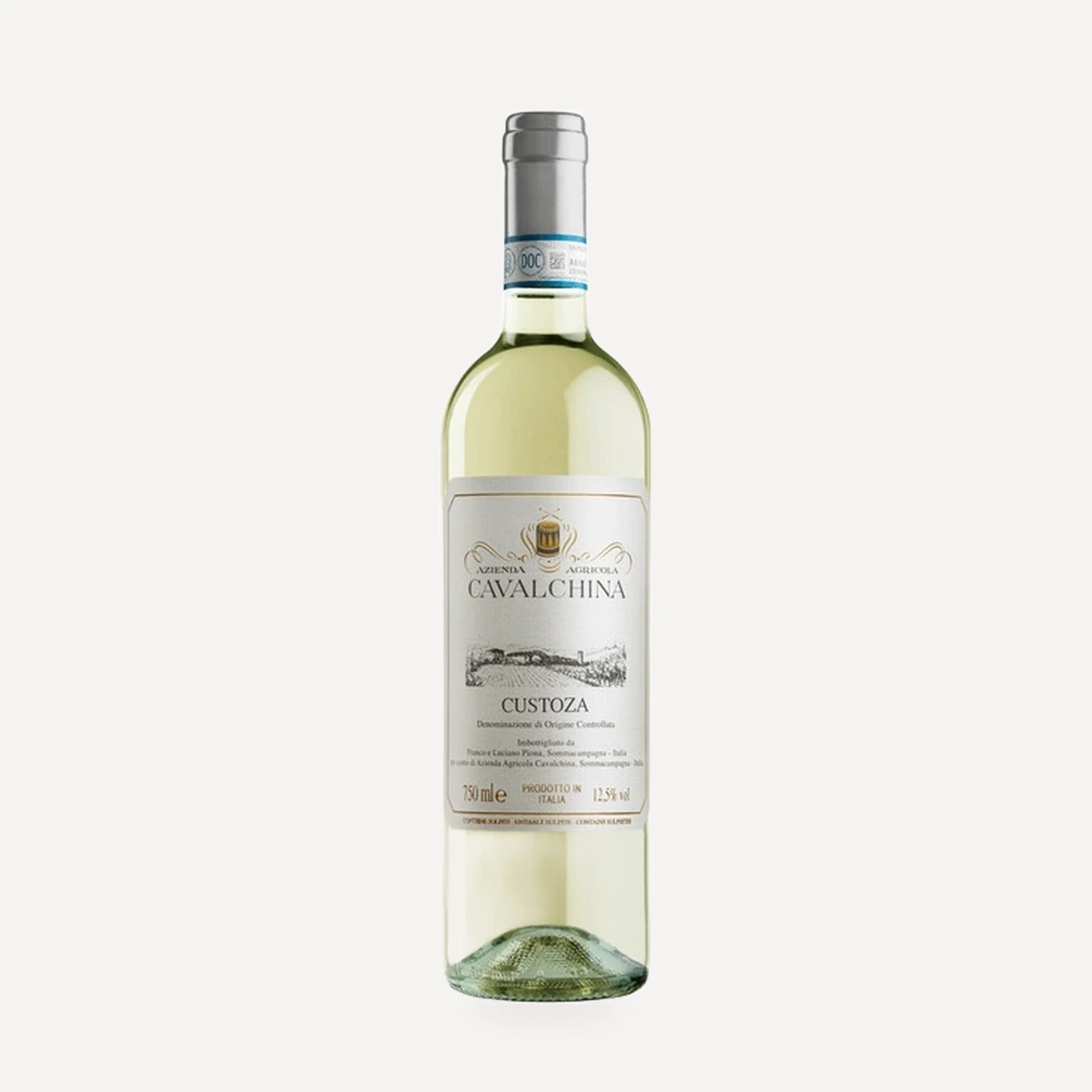
Custoza
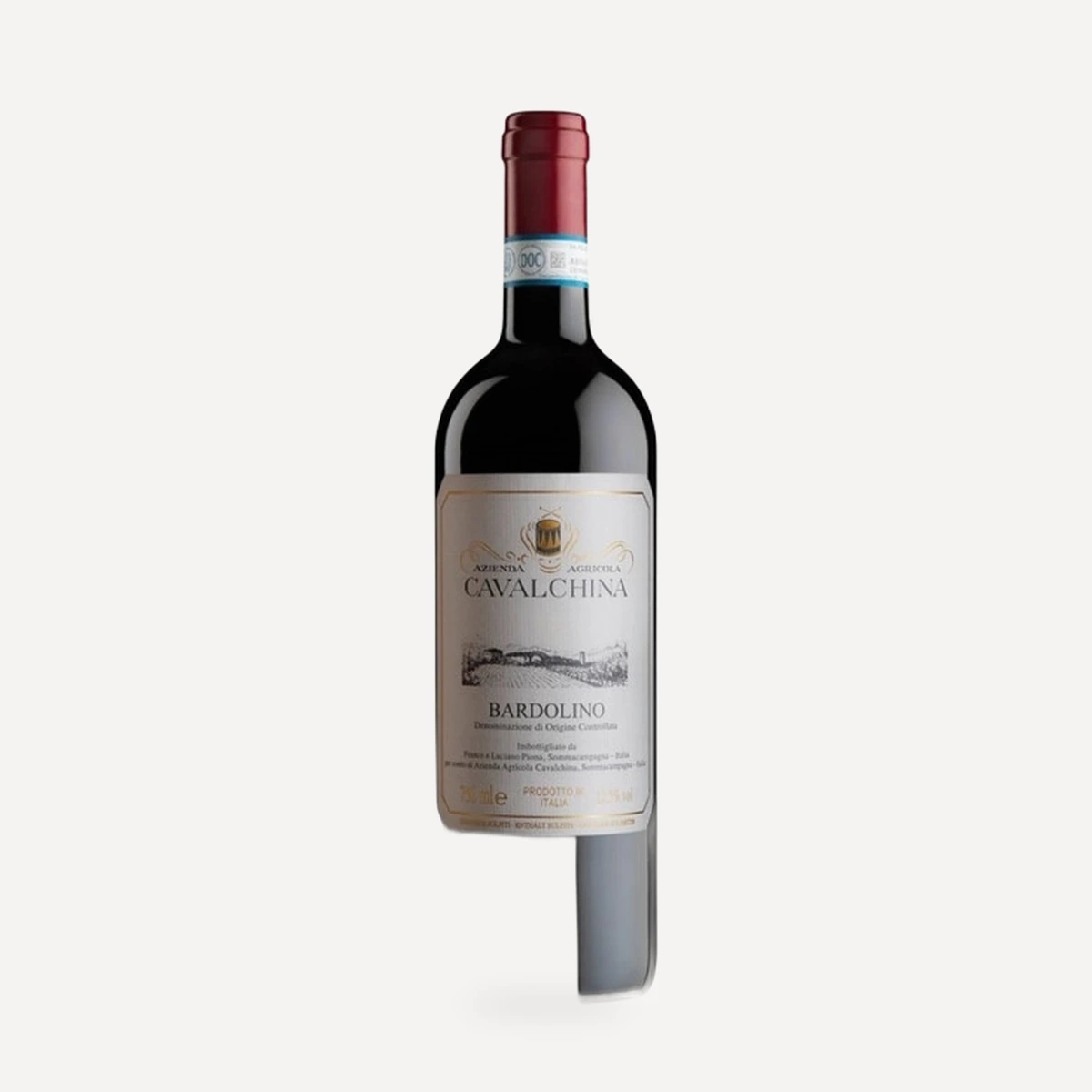
Bardolino
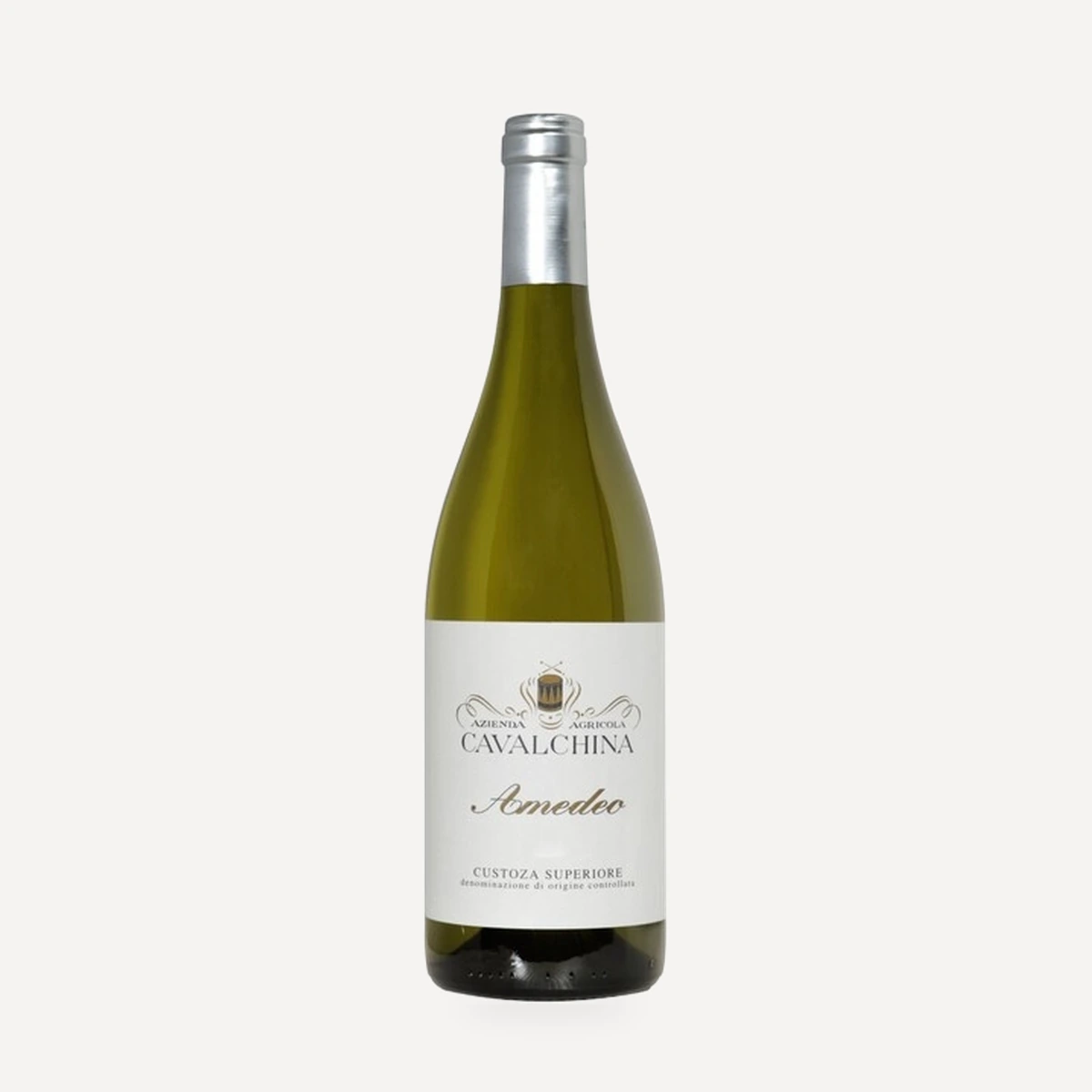
Amedeo
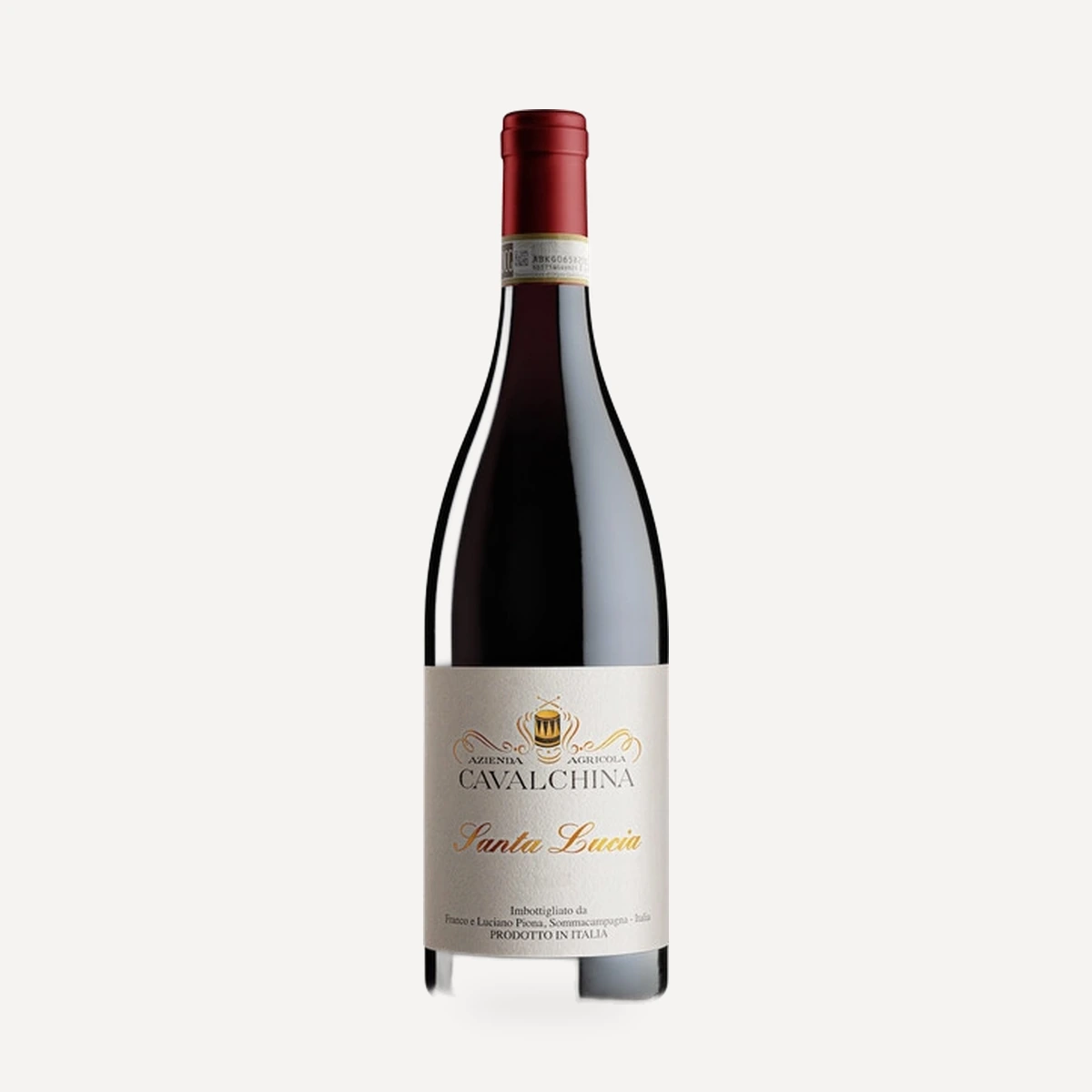
Santa Lucia