History
Origins: Alessandro Lenotti and Villa “i Broi”
Alessandro Lenotti was born in 1855. A senior magistrate and landowner, he combined his judicial career with a passion for wine and became the first generation of the family devoted to viticulture.
In 1884 he commissioned Villa “i Broi” in a panoramic position among the hills of Bardolino, centrally located in relation to the family’s numerous vine-growing properties. Its lower floor housed the family’s first historic cellar, an advanced facility for its period with a capacity of 1,500 quintals. The villa later became a holiday residence.
Alessandro had three sons: Emilio, born in 1890; Ermenegildo, born in 1892; and Francesco, born in 1895. The three brothers became the inspiration for the three wolves howling at the moon in the Lenotti emblem.
1906: the documented foundation
Although the family’s wine production began earlier, 1906 was adopted as the foundation year because it is the first documented date. The Lenotti name appeared among Bardolino wine producers in the Oenological Map of the Province of Verona—Guide to the Main Wineries, issued for the Milan Expo of 1906.
The second generation and the two world wars
By 1912, at the age of twenty, Ermenegildo Lenotti had trained as a chemical and oenological specialist. In 1915 he left for South America to avoid involvement in the First World War. He remained abroad until 1934, broadening his knowledge of different areas of production while strengthening the interest in wine inherited from Alessandro.
A 1928 family photograph records Alessandro continuing to develop the business during difficult years. The family consolidated its presence in Bardolino and Valpolicella, while younger generations grew up among vineyards and olive groves.
Ermenegildo returned from South America in 1934 after nineteen years abroad and assumed responsibility for the family operation. Villa “i Broi” had become too small for the family’s grapes, so he transferred production to Via Santa Cristina, the present location of Cantine Lenotti. There he processed both estate-grown grapes and additional purchased fruit. Wine was sold in bulk, in demijohns, to local inns and merchants in northern Italy.
Ermenegildo married Amelia Baietta in 1941. Despite the war, the family continued producing wine. To support both household and business, he also sold oenological supplies to nearby wineries and established a small warehouse beside the cellar.
The brothers’ lives were also marked by the Second World War. Emilio took part in the civil Resistance and became regent of Bardolino after the Fascists were expelled. Francesco was imprisoned and deported to Mauthausen because of his opposition to the Fascist regime; he died there in December 1944. Bardolino subsequently named its lakeside promenade after him.
Giancarlo Lenotti and the transition to bottled wine
Giancarlo, the son of Ermenegildo and Amelia, was born on 22 November 1943. As a child he accompanied his father while he sold oenological products and helped with family-wine production and sales. He studied at the agricultural school in Conegliano, graduating as an oenologist in 1964 with excellent results. He then worked at a major winery in Sona until 1969 to extend his practical experience.
In 1969 Giancarlo introduced production methods considered innovative for the period. Seeking to sell Lenotti wine directly in bottle beyond the local market, while maintaining a policy of quality at fair prices, he launched the bottling operation. The winery gained its first sterile, low-temperature bottling line and its first temperature-controlled warehouses. The same year also supplied the first harvested and vinified vintage of Lenotti Amarone.
The 1971 vintage was the first in which the complete initial range was successfully produced. It reached the market in 1972 as the first fully bottled and labelled Lenotti line: Bardolino DOC Classico, Chiaretto di Bardolino DOC Classico, Soave DOC Classico, Valpolicella DOC Classico, Recioto della Valpolicella DOCG Classico and Amarone della Valpolicella DOCG Classico.
Growing demand, particularly in export markets, led to another major development in 1980. The family home and original production buildings were completely renovated and enlarged, doubling the company’s area.
Fourth generation and international expansion
Claudio Lenotti joined the winery in 1987 immediately after school while continuing university studies in business management, marketing and languages. He worked alongside his father Giancarlo, the oenologist and production manager, and his mother Marina, who handled Italian sales. Claudio developed the export business until foreign markets represented more than 90% of production across over forty countries.
The production complex underwent successive expansion projects in 1988, 1991 and 1996.
La Prà, native varieties and experimentation
The family purchased the large, already-planted La Prà vineyard at Cavaion Veronese in February 1997. Part of the holding contained native varieties that were initially almost unknown to the family. Research was undertaken to identify and classify them, and removal was considered.
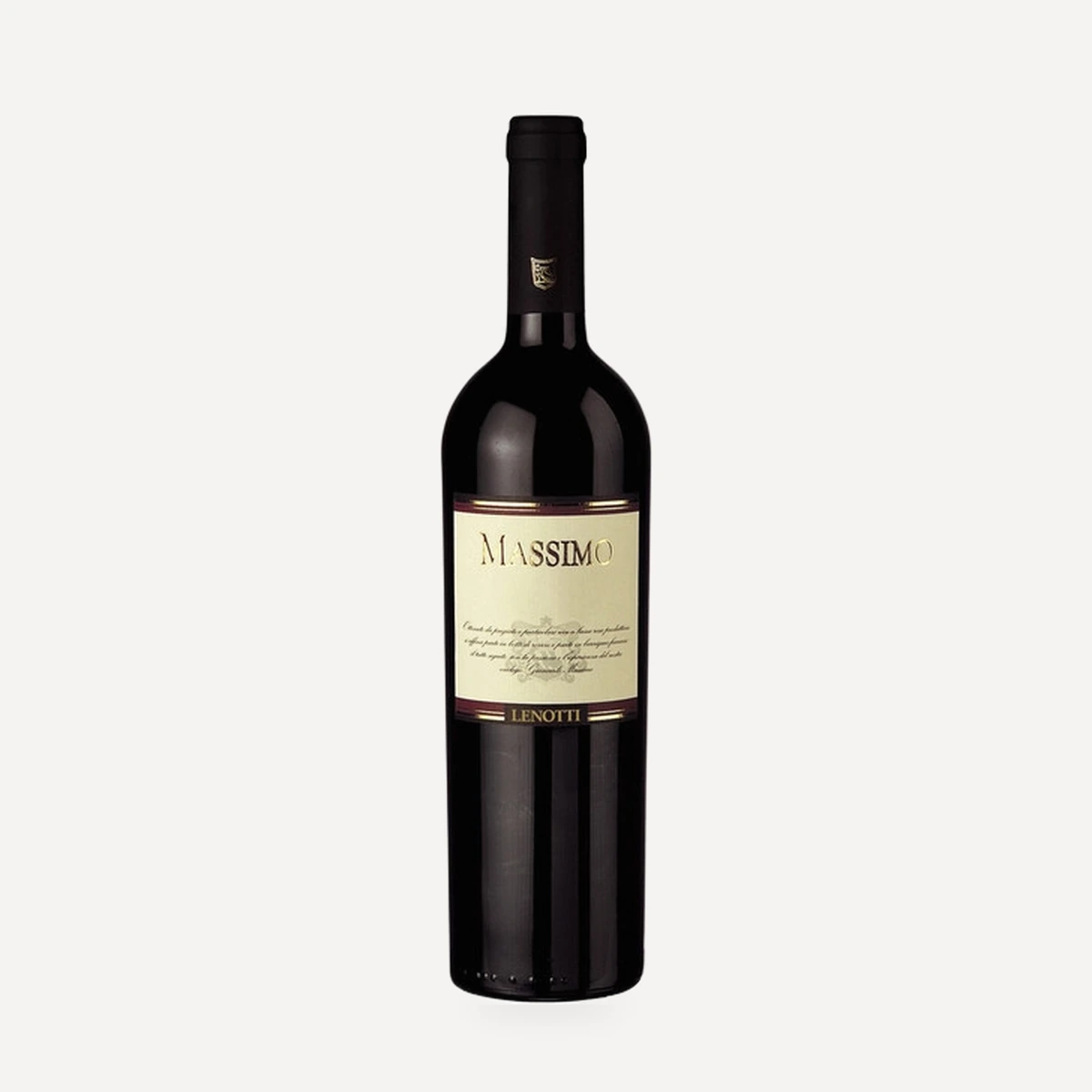
During the first harvest in October 1997, Giancarlo Massimo Lenotti instead vinified Rebo, Pelara, Dindarella and Oseleta separately to understand their structure, aromas and colour. The trials revealed qualities that encouraged blending them with Corvina and Sangiovese. This work produced the first Massimo, whose name both honours Giancarlo Massimo Lenotti and identifies the wine as one of the top selections in the range.
New Rebo and Corvina vines were planted at La Prà in April 2002. On 4 August, between approximately 01:00 and 03:00, one of the strongest hailstorms in the area’s recent history caused extensive damage. Giancarlo considered removing the young vines and replanting. Gianni, the estate’s vineyard foreman, argued that they could be saved. He and the vineyard team restored the plants through four years of work. The recovered vines ultimately produced fruit with unexpected characteristics, leading to the creation of Capomastro, named in Gianni’s honour.
Modernisation and energy infrastructure
Further expansion followed in 2004. The most important modernisation was completed in 2005: the vinification cellar, barrel room and bottling plant were comprehensively renewed. A large solar-thermal installation was added to provide hot water and heating with substantially lower energy consumption and environmental impact.
In 2015 a new temperature-controlled warehouse was built for bottle ageing and for wines awaiting shipment. A 161 kWp photovoltaic installation was placed on the roofs, designed to meet the entire winery’s energy demand at peak generation.
Cantine Lenotti today
The present production complex has capacity for approximately 30,000 hl. Its cellar inventory comprises 150 stainless-steel tanks, forty 25-hl oak casks and more than 1,000 barriques of 300 and 500 litres. The winery also operates a modern bottling plant and maintains UNI EN ISO 9001:2015 quality-management certification.
The family’s environmental programme has continued with lighter bottles, recovered packaging materials, renewable electricity, recyclable plant-polymer closures and label-waste recovery. In 2025 Nomacorc Green Line closures accounted for 922 kg of CO₂ sequestration. The Resily circular-economy programme collected 4.08 tonnes of adhesive-label waste, avoiding 0.77 tonnes of CO₂ compared with incineration or 5.66 tonnes compared with landfill disposal.
Terroir
Lake Garda and the Bardolino setting
Cantine Lenotti is based in Bardolino in northern Italy, approximately 25 km from Verona, on the eastern shore of Lake Garda. The winery lies within a landscape of vineyards and olive groves. Lake Garda moderates climatic extremes and contributes to the mild, privileged microclimate of the surrounding hills.
The vineyards extend beyond Bardolino into Cavaion Veronese, Sant’Ambrogio di Valpolicella, Monteforte, Sona and Castelnuovo del Garda, covering the classic zones of Bardolino, Valpolicella and Soave as well as the Custoza area.
Soils and exposures
The Bardolino holdings Le Giare and Santa Cristina have gravelly soils of morainic origin. Le Giare occupies a panoramic, lake-facing hilltop, while Santa Cristina lies only about 200 m from Lake Garda.
La Prà and Tacchetto at Cavaion Veronese have calcareous, clay-rich soils of glacial and alluvial origin. La Grola in Valpolicella has similarly clayey-calcareous ground of glacial and alluvial origin and a distinctive hillside exposure.
Froscà and Le Coste in Monteforte occupy hilltops in the Soave Classico area. Their dark volcanic soils are described as rich in minerals and organic matter. Froscà receives sunlight from morning through evening. Le Coste has an easterly exposure and remains sunny throughout the day.
Betulla, between Sona and Castelnuovo del Garda, has gravelly soils of morainic origin.
The Valsorda locality is a narrow valley running from the foot of Monte Moscal at Affi toward Bardolino. Rainwater erosion cut it through deposits of fine sand, gravel and friable glacial debris. It opens near the lake into a gently sloping, gravelly and fertile area.
Winemaking
The family has progressively increased direct management of its vineyards, using cultivation trials and continuing investment to improve grape quality. Environmental policy begins in the vineyard and aims to reduce the polluting effects of agriculture.
Mechanical weed control replaces chemical herbicides, while unwanted shoots are removed mechanically without dedicated chemical products. Recovery sprayers capture and reuse treatment material, substantially reducing the quantity applied. Leaf removal increases air circulation through the canopy and supports a progressive reduction in antifungal products.
Drip irrigation limits water waste. Reservoirs collect rainwater for reuse, and cellar wastewater is treated under controlled conditions. The broader objective is to preserve soil and groundwater while maintaining a more natural vineyard ecosystem and a safer working environment.
Conversion toward organic cultivation is progressive across the holdings. Tacchetto is being restructured with the objective of becoming entirely organic.
For Collezione Famiglia Lenotti, grapes are selected from parcels with particular exposures, yields are kept very low and harvesting is performed by hand. The collection draws on La Prà for Bardolino and Chiaretto, La Grola for the Valpolicella wines, Betulla for Custoza, Froscà for Soave and Le Coste for Pinot Grigio.
Cellar infrastructure
The winery has capacity for approximately 30,000 hl. Its equipment includes 150 stainless-steel tanks, forty oak casks of 25 hl and more than 1,000 barriques of 300 and 500 litres. The oak vessels are used to mature the principal red wines. Underground ageing rooms operate at 12–14°C, taking advantage of their position to reduce mechanical cooling requirements. A temperature-controlled warehouse built in 2015 accommodates bottle ageing and finished wines awaiting dispatch.
Fermentation, oxygen and sulphur management
Musts are clarified thoroughly before fermentation. Selected yeasts and precisely controlled low fermentation temperatures allow sulphur additions during vinification to be reduced from a former level of about 150 mg/l to approximately 50 mg/l.
Oxygen is monitored continuously throughout tanks, filters, refrigeration, filling equipment and bottles before and after closure, using instruments capable of ppm and ppb readings. After fermentation, wine is stored sterile and at low temperature. Volumetric pumps limit air uptake during transfers, while tanks are blanketed with an inert mixture of nitrogen and carbon dioxide.
Finished, closed bottles—including their headspace—typically contain 0.4–0.5 ppm oxygen, 8–10 mg/l free SO₂ and 40–60 mg/l total SO₂. The average total sulphur dioxide across the wines is approximately 50 mg/l.
Sterile cold bottling
The bottling line and filters are steam-sterilised daily at 120°C, and bottles are washed with sterile water. Wine undergoes cold filtration through 0.4-micron membranes to remove yeasts and bacteria before filling. Custom-designed machinery fills and closes bottles while preventing oxygen entry.
Tartaric stabilisation
Electrodialysis has replaced conventional cold stabilisation. The process operates at room temperature: wine passes through selective membranes in an electrical field that removes tartrate, potassium and calcium ions without using the membranes as a filter. The oenologist can measure and programme the desired level of stability. No special pretreatment or subsequent fining is required. This preserves colour, structure, colloidal integrity and aroma while reducing the energy demanded by prolonged chilling of large tanks.
Product composition and closures
The wines are made without animal-derived or gluten-containing components and are suitable for vegans, vegetarians and people with gluten intolerance or allergy. Nomacorc Green Line closures are fully recyclable and made from sugarcane-derived plant polymers.
Philosophy
Cantine Lenotti presents wine quality as beginning with respect for the land. Air, water, earth and energy are treated as components of one interconnected balance, supported by technology intended to minimise chemical intervention and keep both wine and its environment clean.
Quality, health, safety and environmental protection guide business decisions. This extends from vineyard practices and working conditions to water treatment, packaging, energy generation and cellar design.
The family combines established oenological tradition with modern production control. Its technical priorities are preservation of the fruit’s original character, low post-fermentation oxygen, restrained sulphur use, hygienic handling and stable storage conditions. The stated commercial principle introduced by Giancarlo is to offer high-quality wine at a fair price.
Environmental measures include solar-thermal and photovoltaic generation, certified locally produced renewable electricity when self-generation is insufficient, LED lighting, insulated buildings, underground ageing rooms, lighter bottles, recycled glass and cardboard, plant-based recyclable closures and recovery of adhesive-label waste.
Family continuity remains central: four generations have combined vineyard ownership, winemaking, production management and direct commercial development. The family characterises its work through nature, tradition, professionalism and passion.
Wines
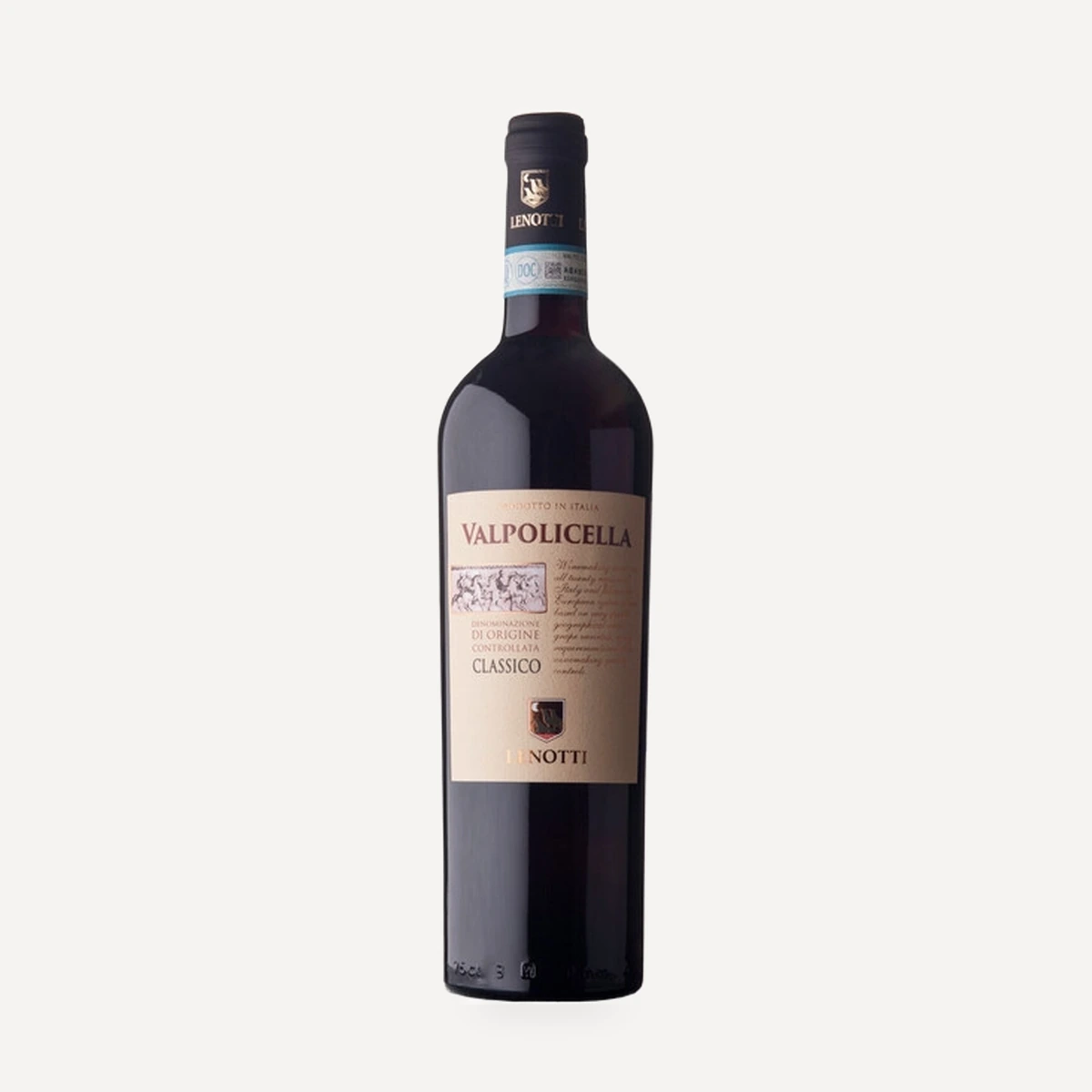
Valpolicella Classico DOC
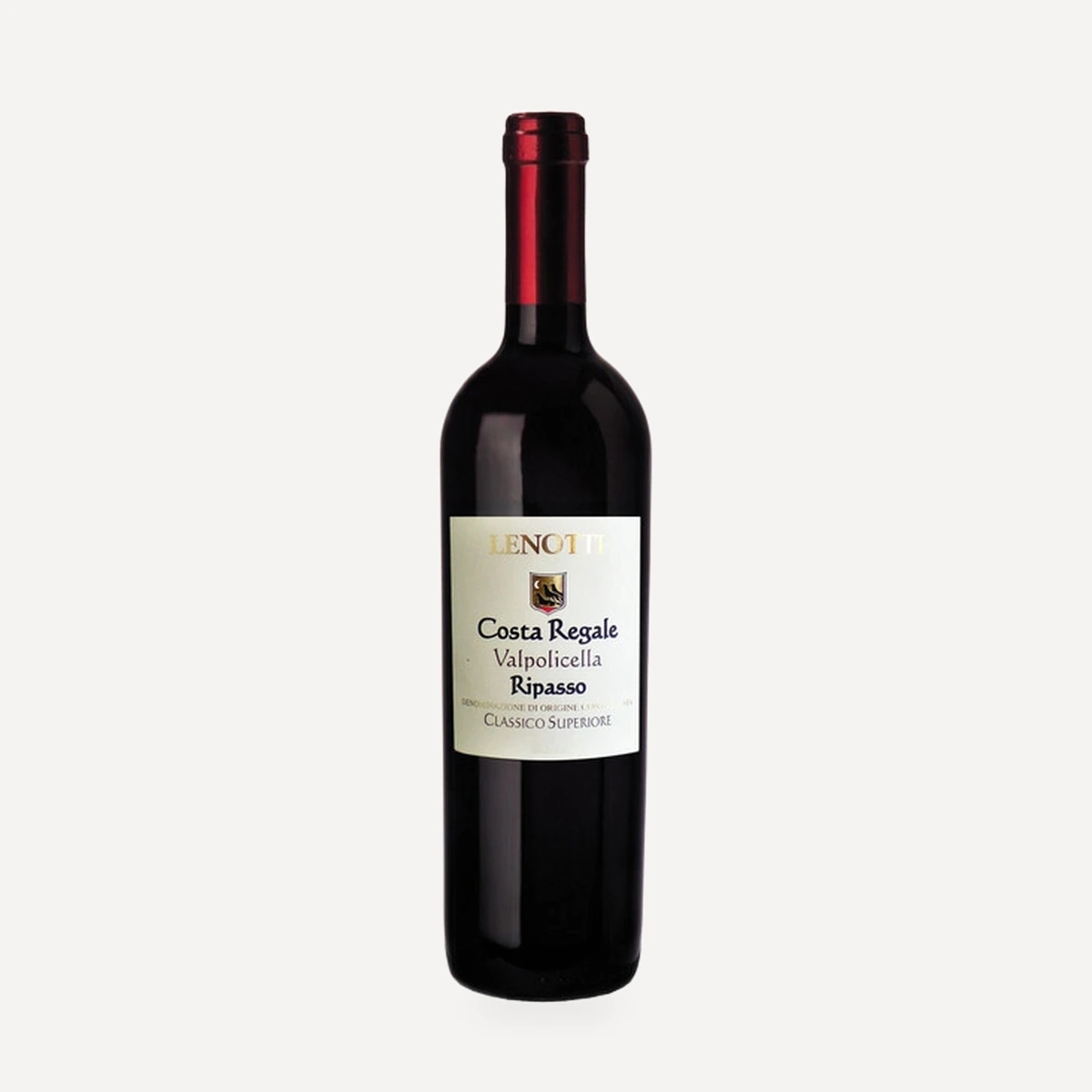
Costa Regale Collezione Valpolicella Ripasso Classico Superiore DOC
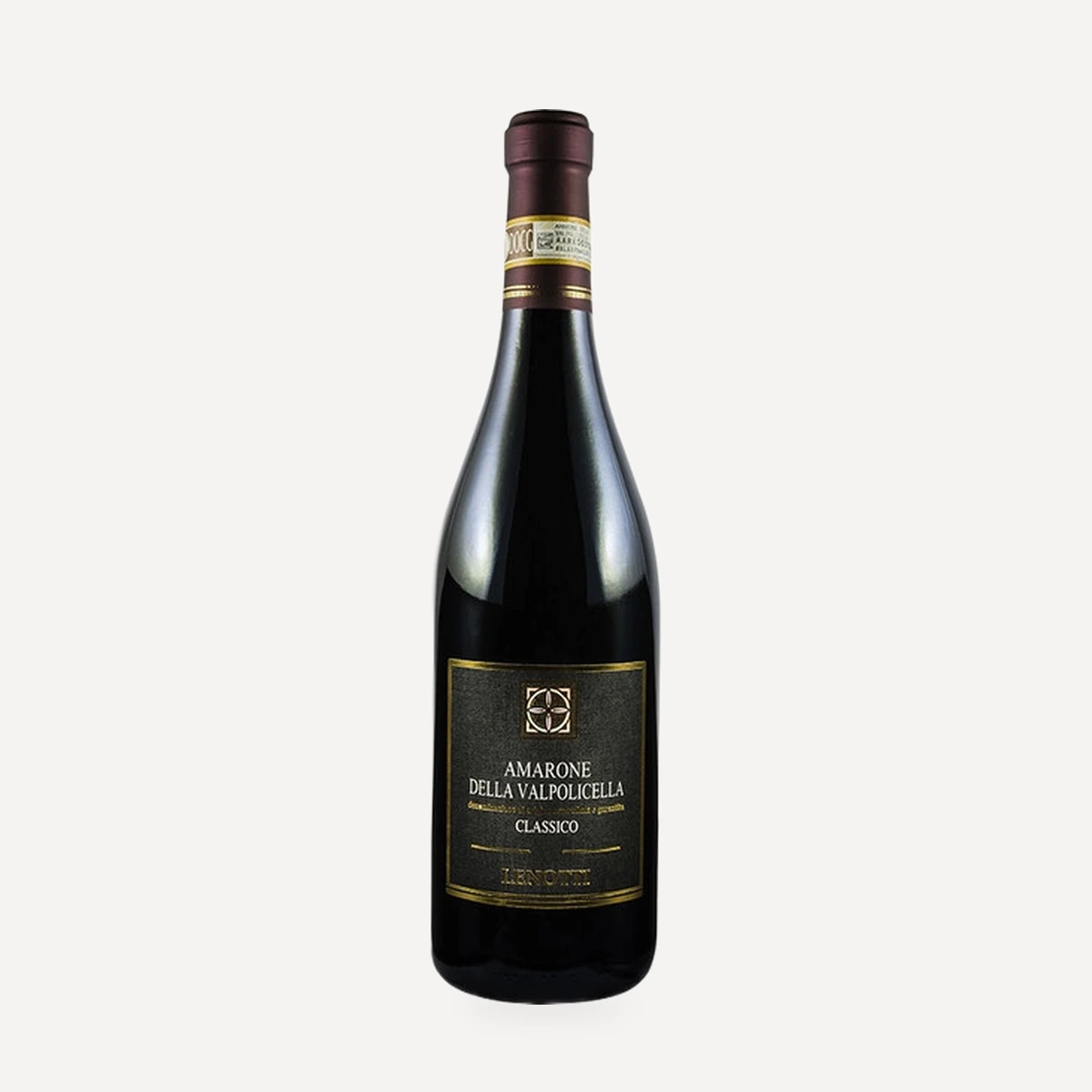
Amarone della Valpolicella Classico DOCG
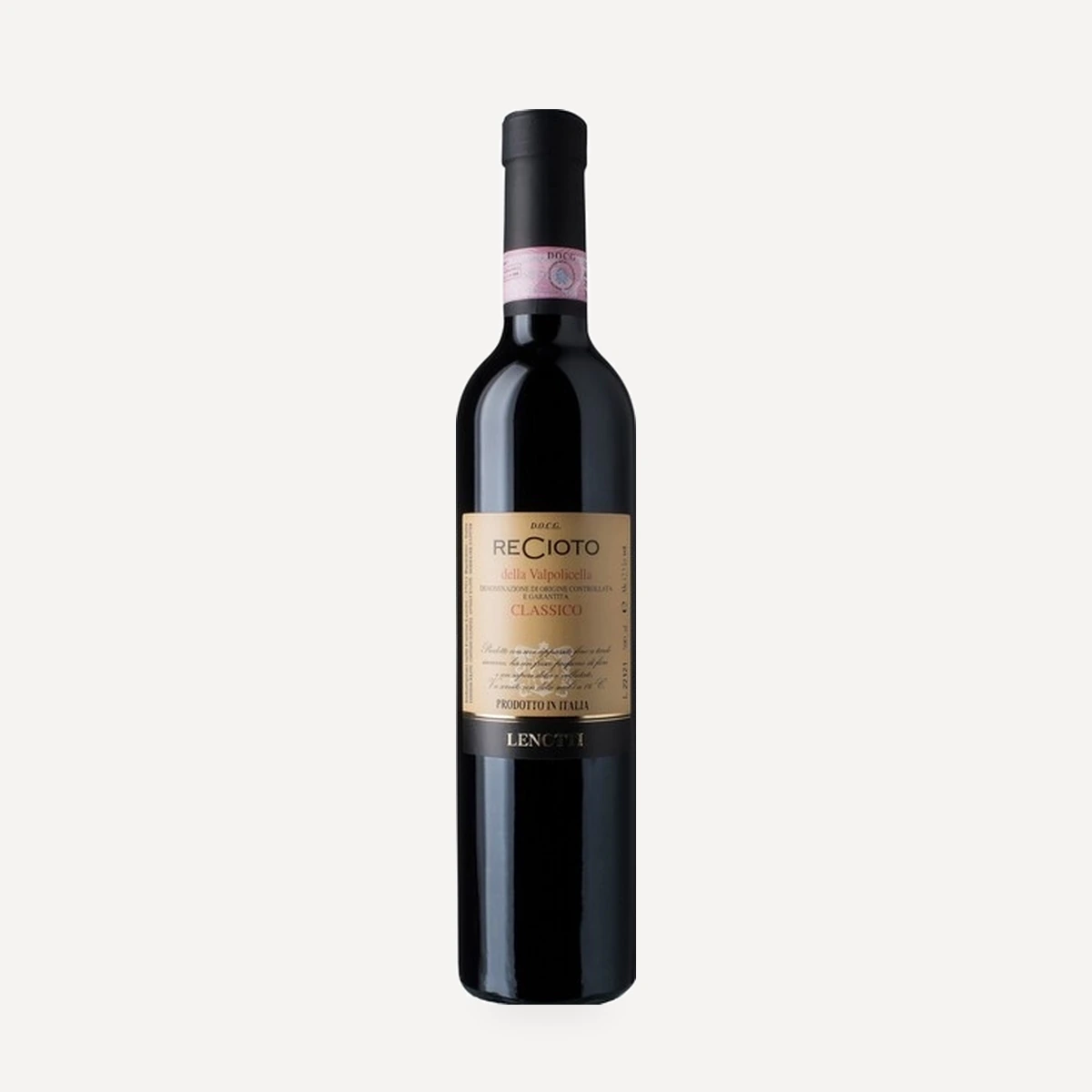
Recioto della Valpolicella Classico DOCG
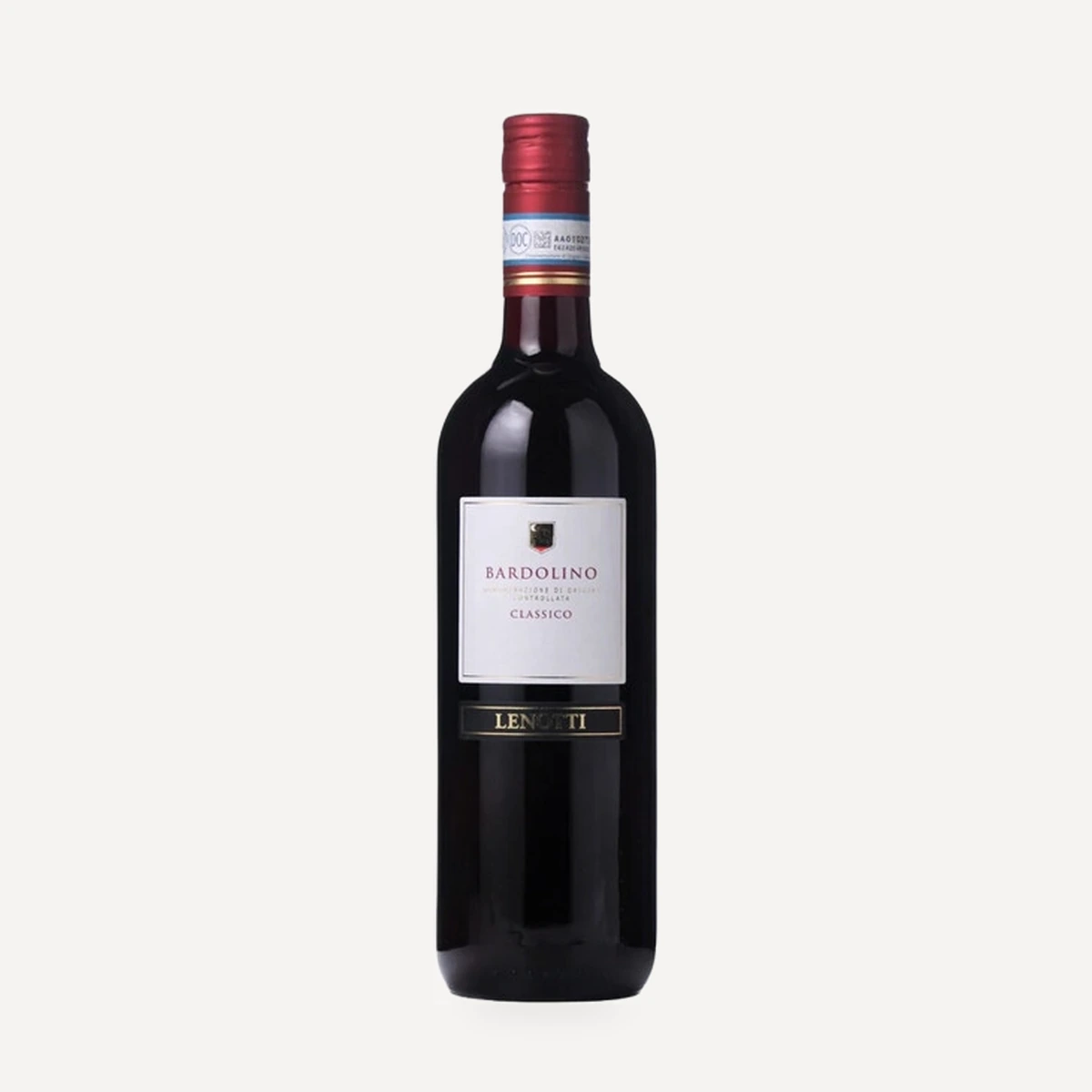
Bardolino Classico DOC
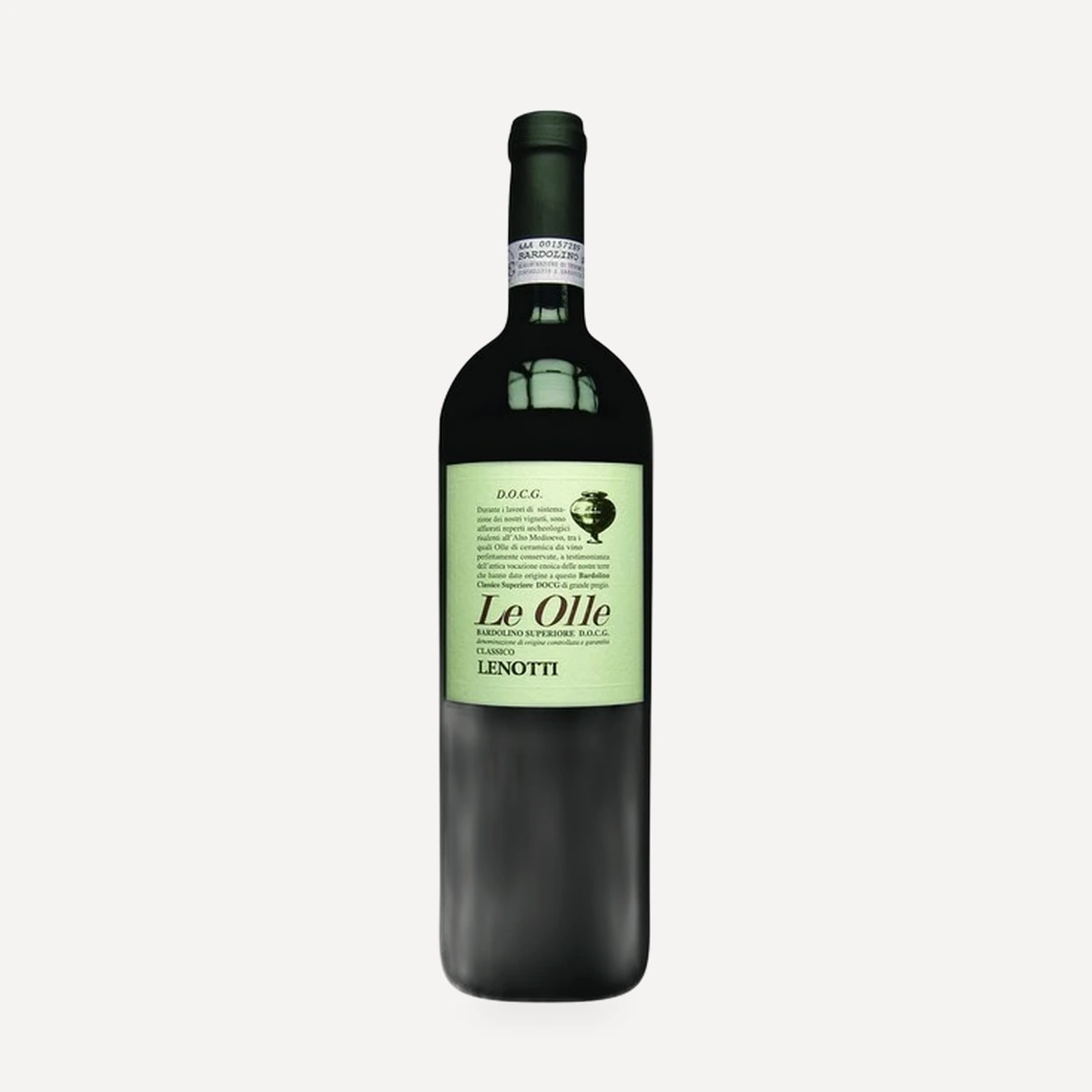
Le Olle Bardolino Superiore Classico DOCG
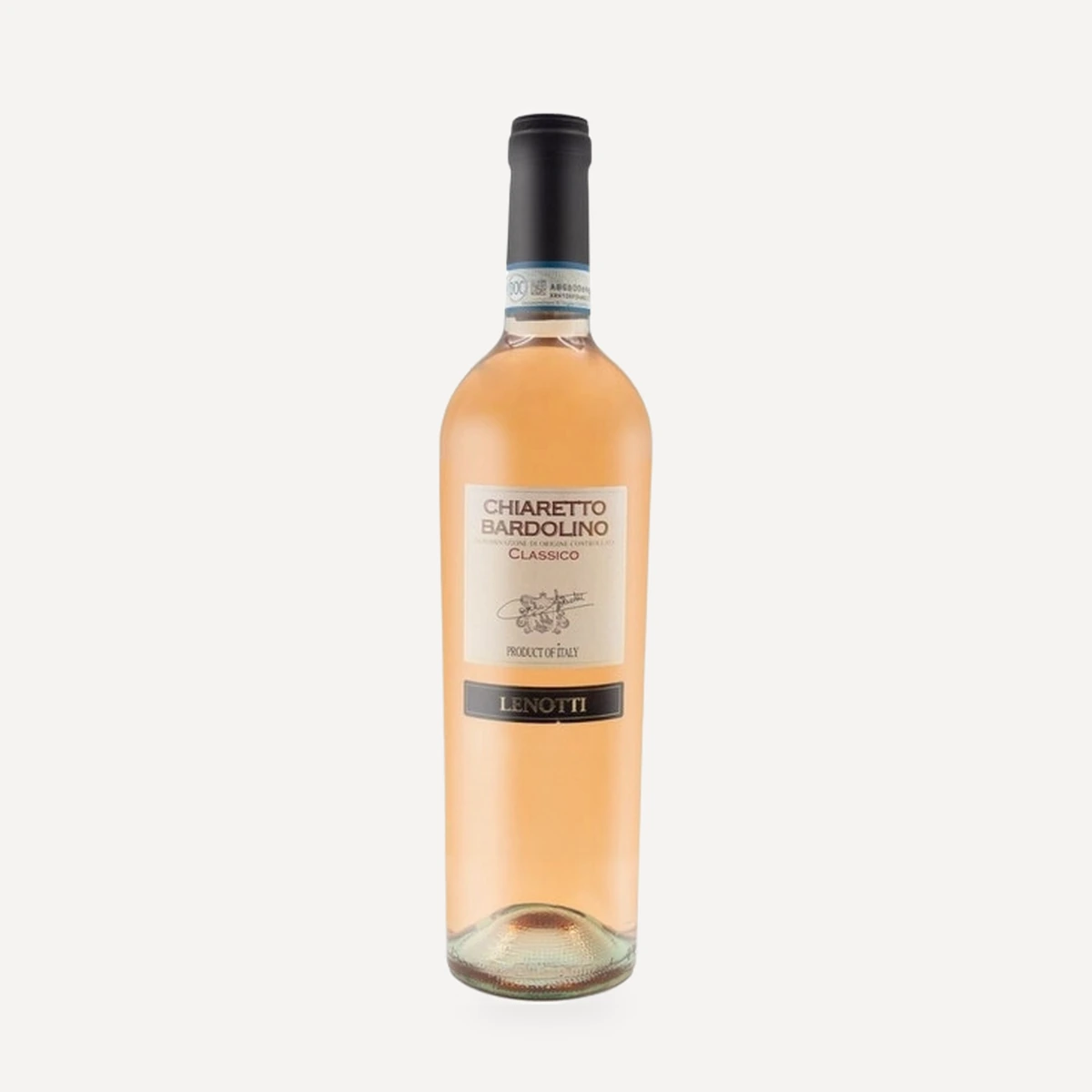
Chiaretto di Bardolino Classico DOC
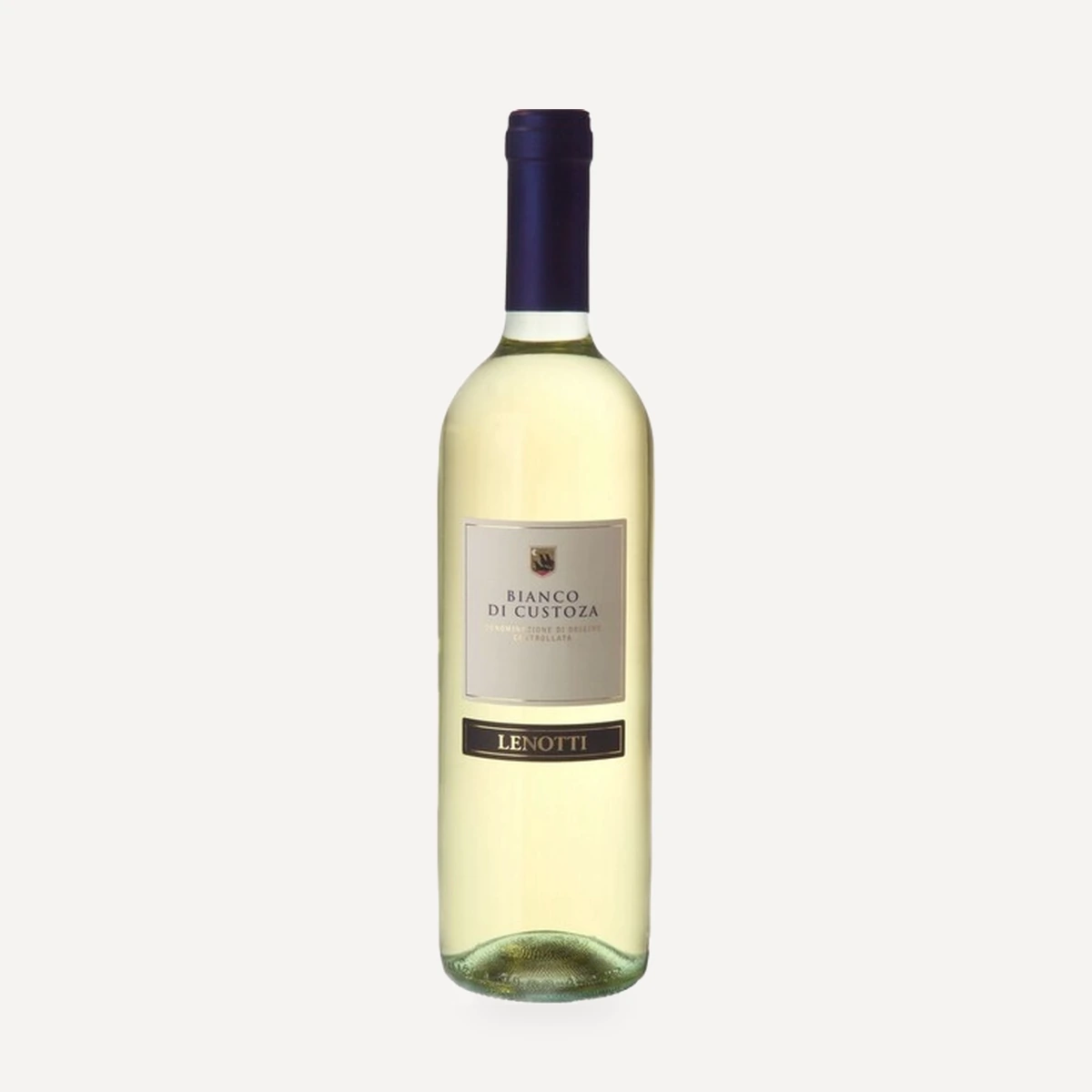
Custoza DOC
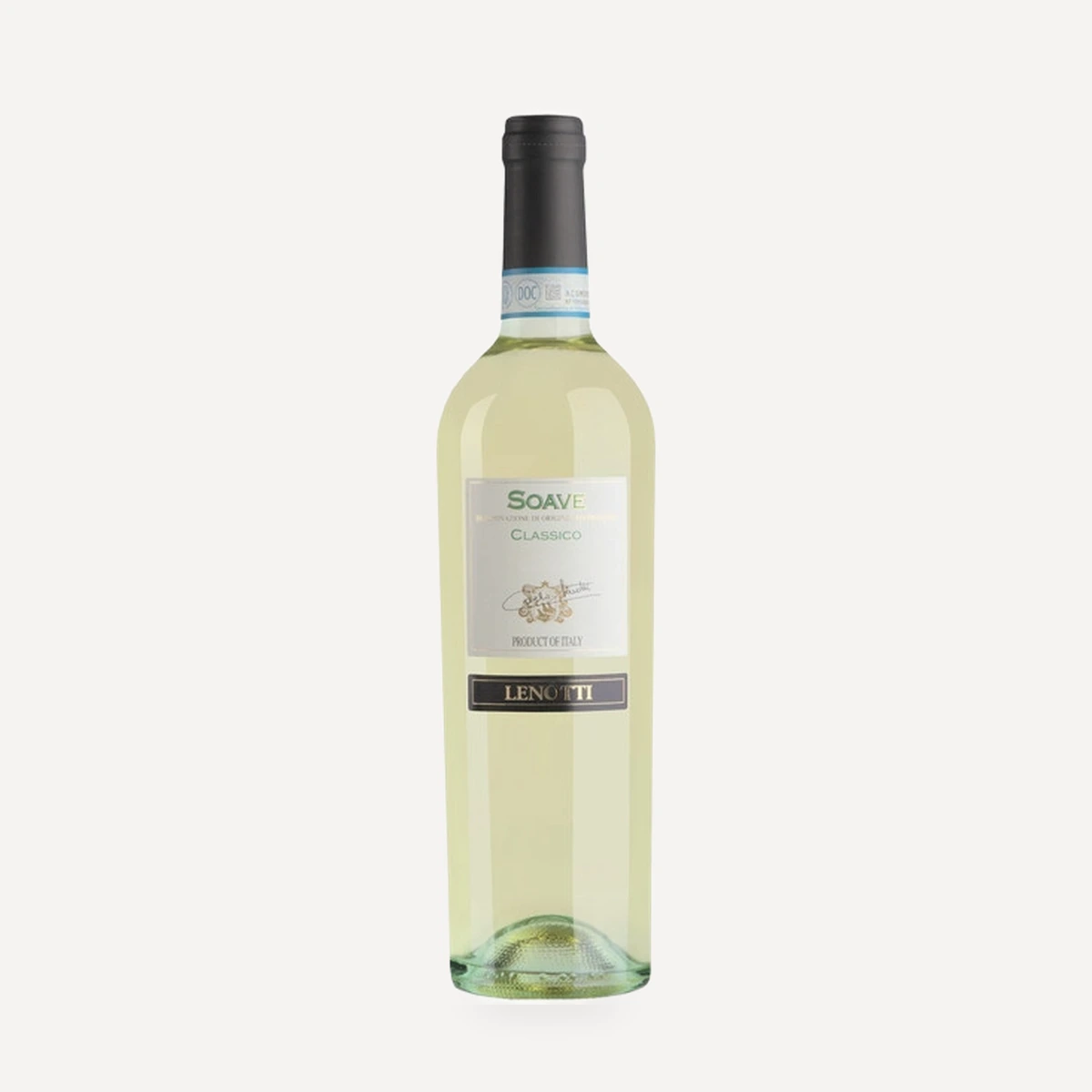
Soave Classico DOC
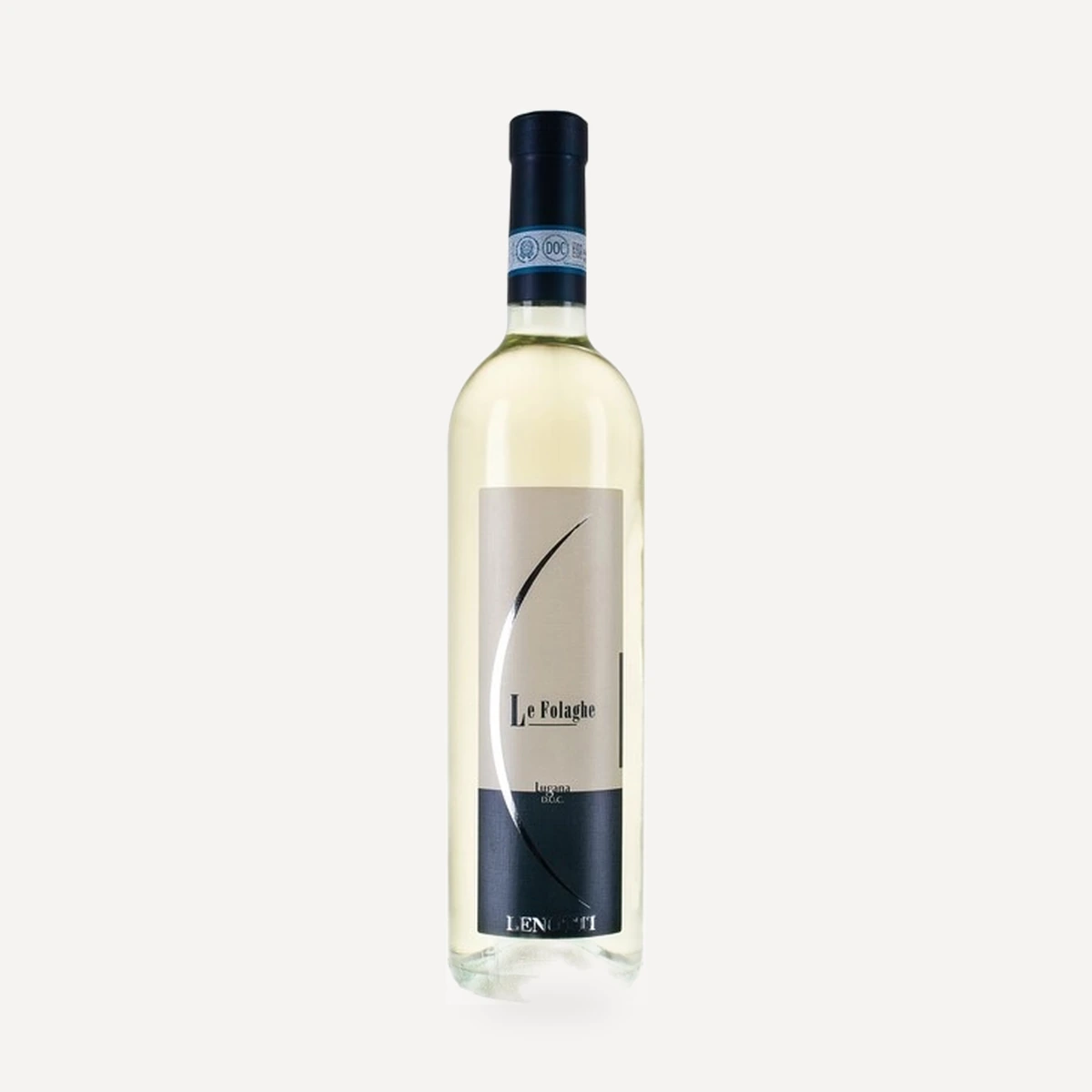
Le Folaghe Collezione Lugana DOC
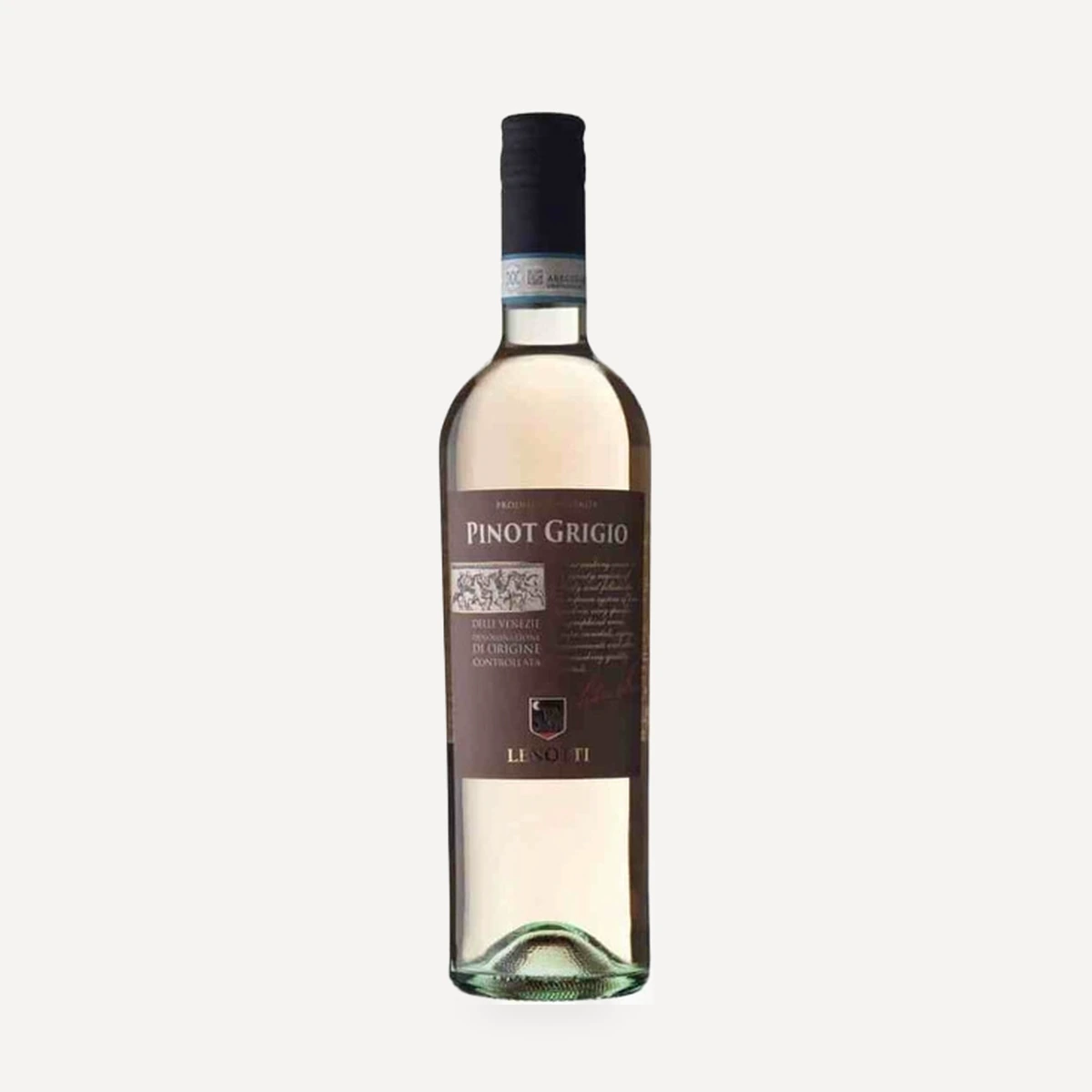
Blush Pinot Grigio delle Venezie DOC
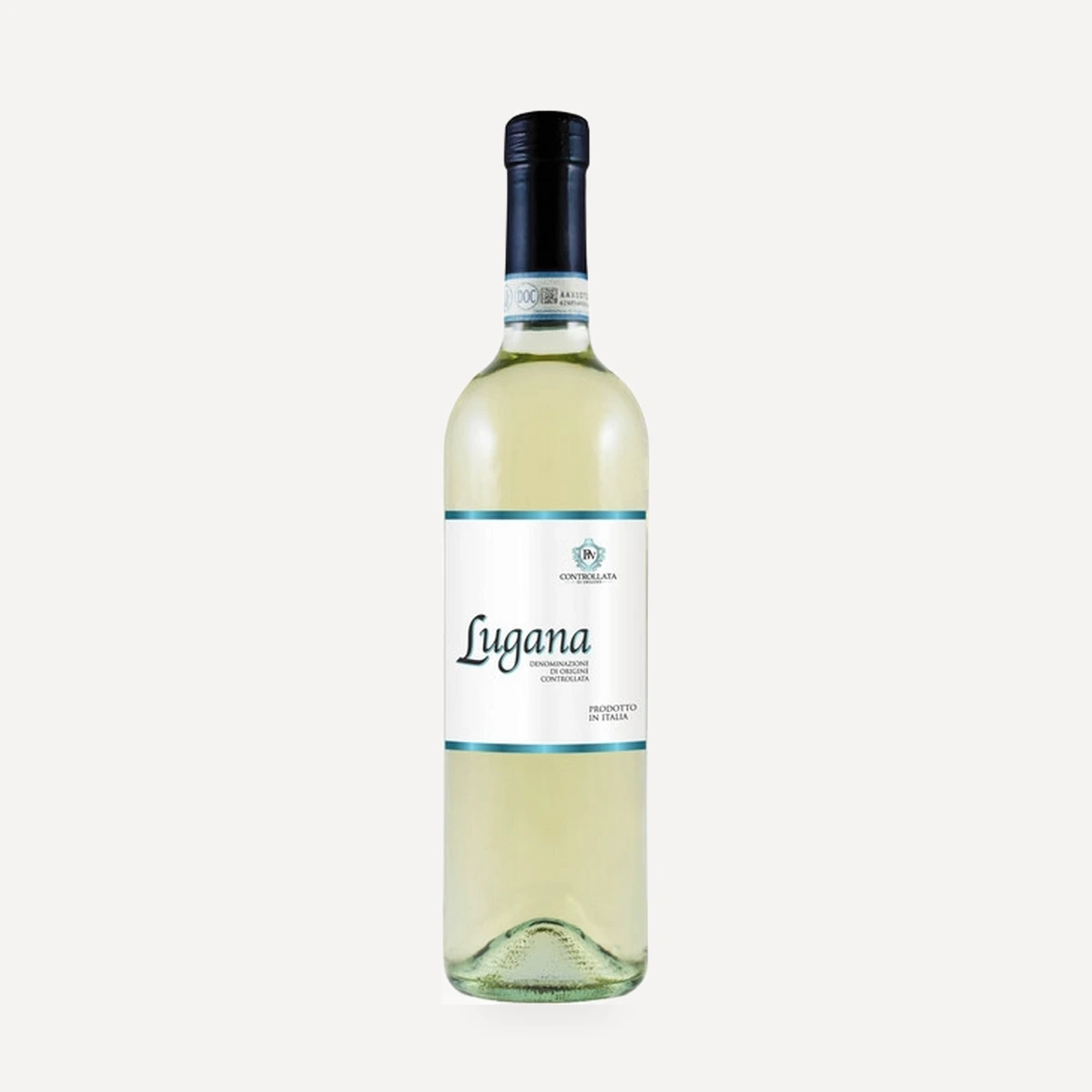
Lugana Collezione Famiglia Lenotti DOC
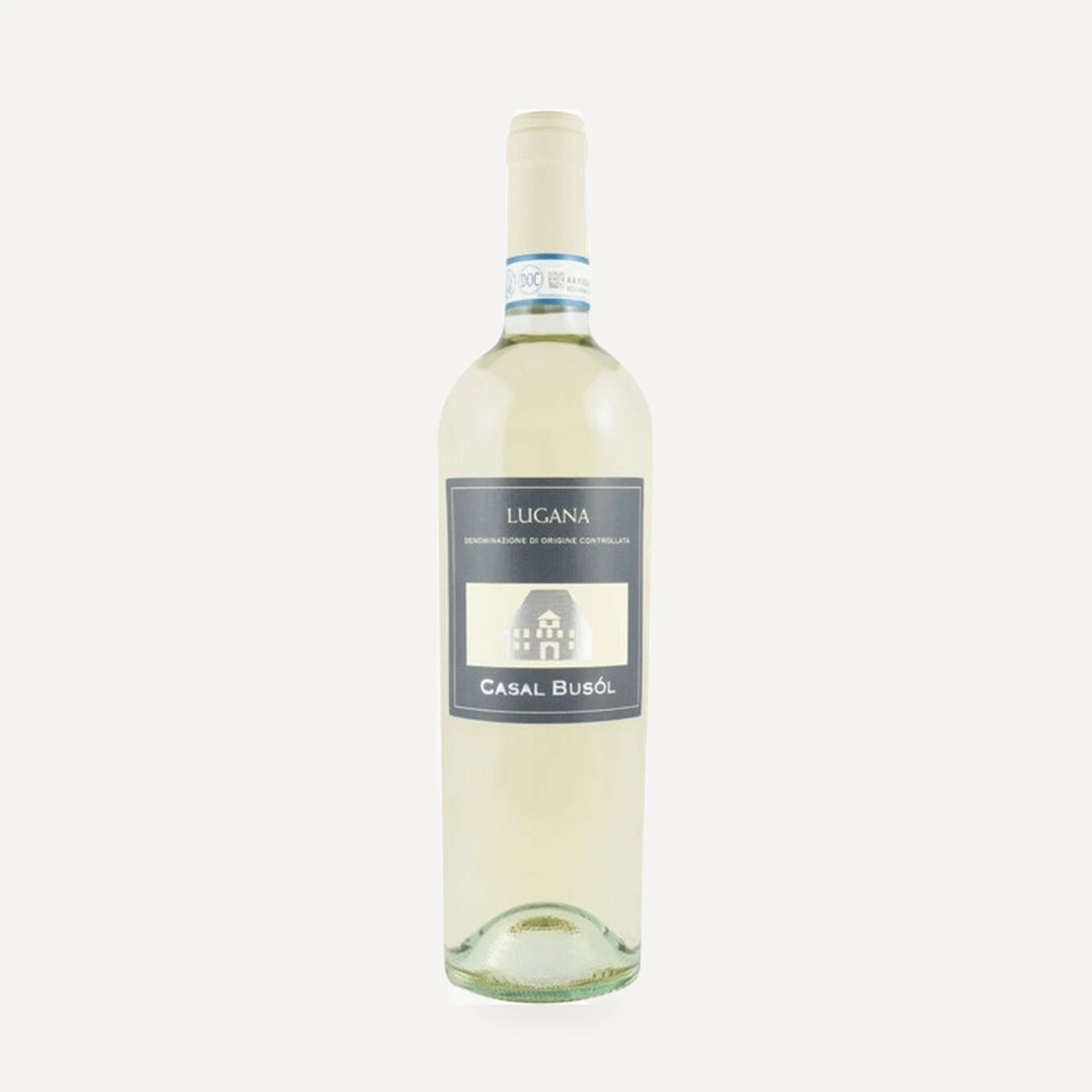
Casal Busol Lugana DOC
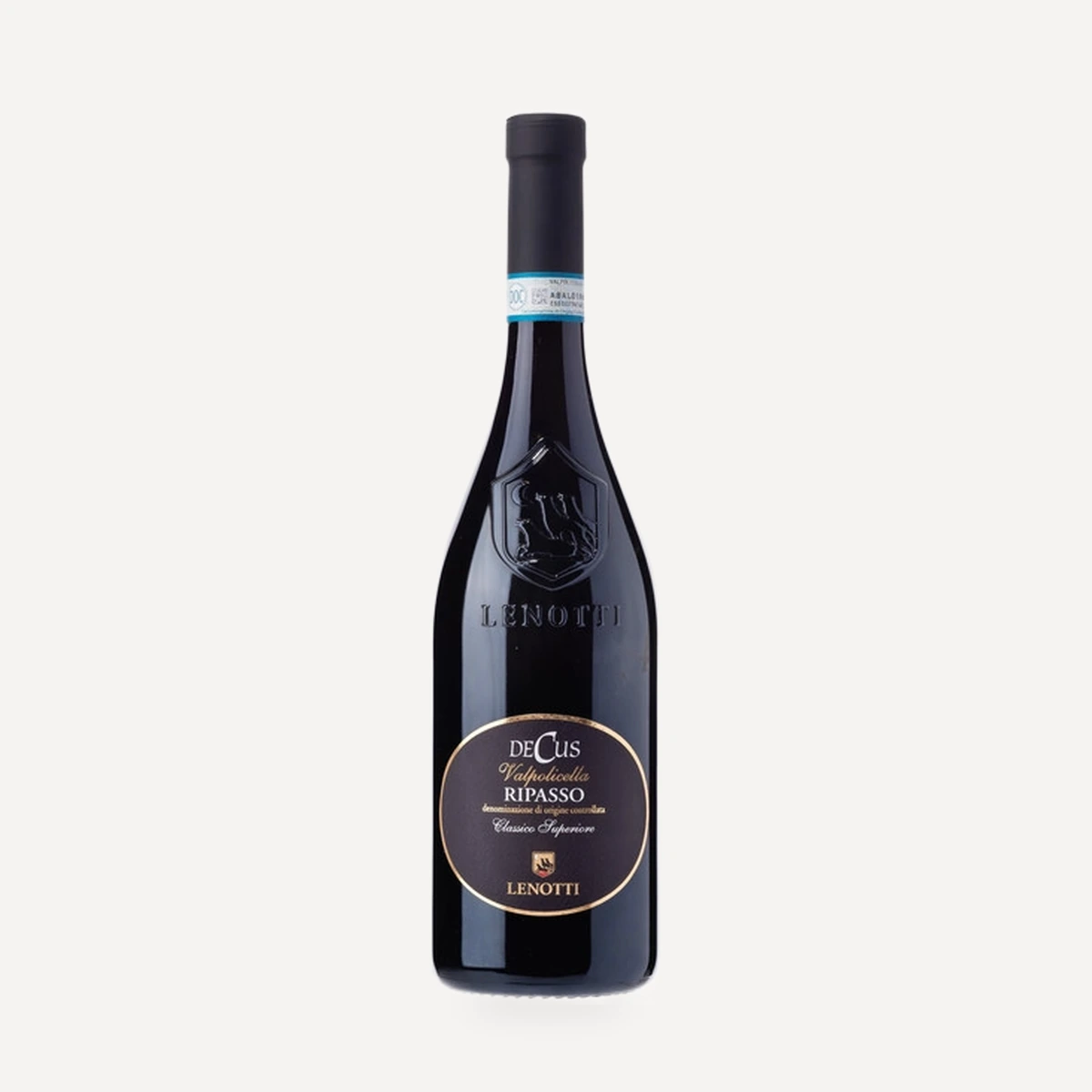
Decus Collezione Valpolicella Ripasso Classico Superiore DOC
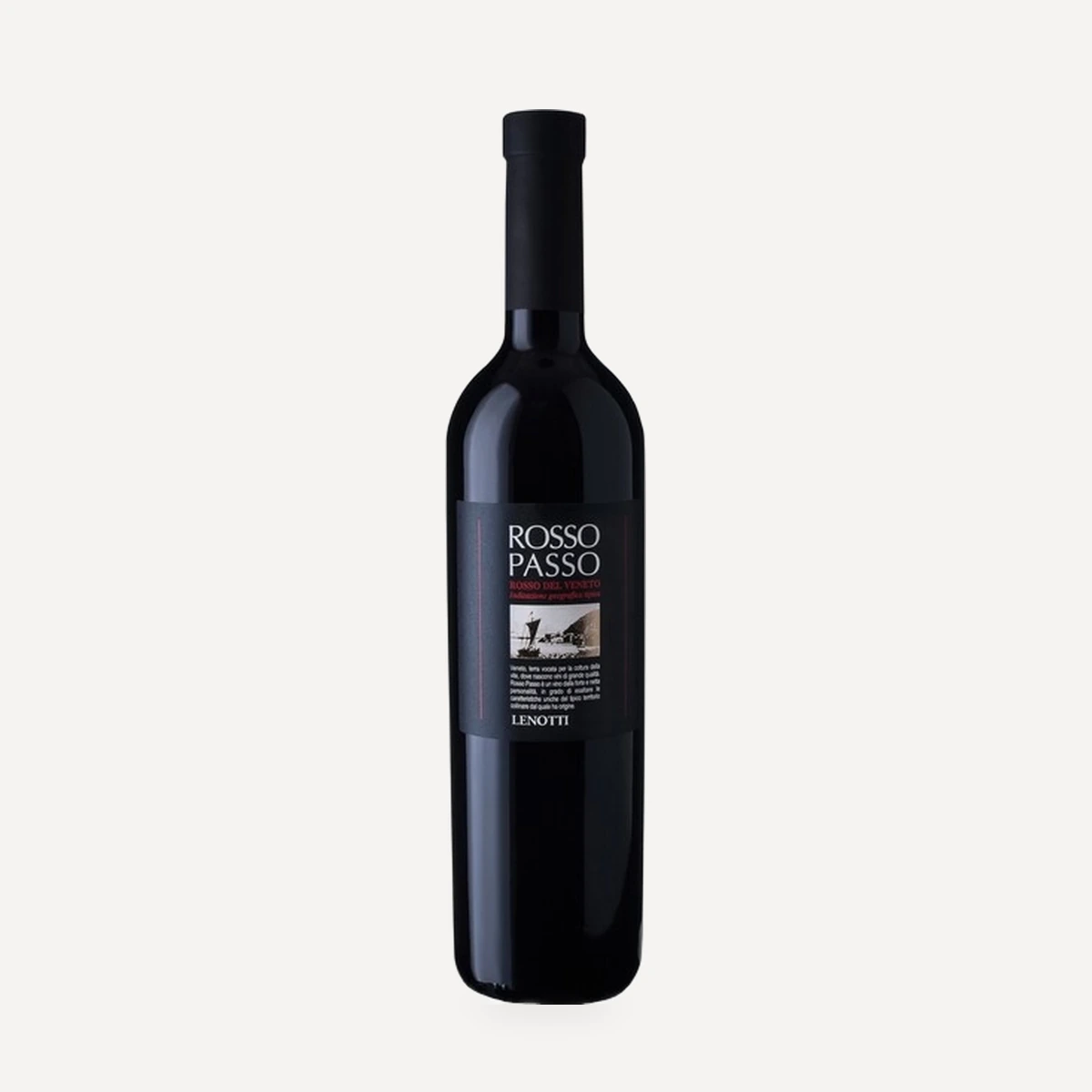
Rosso Passo Veneto Rosso IGT
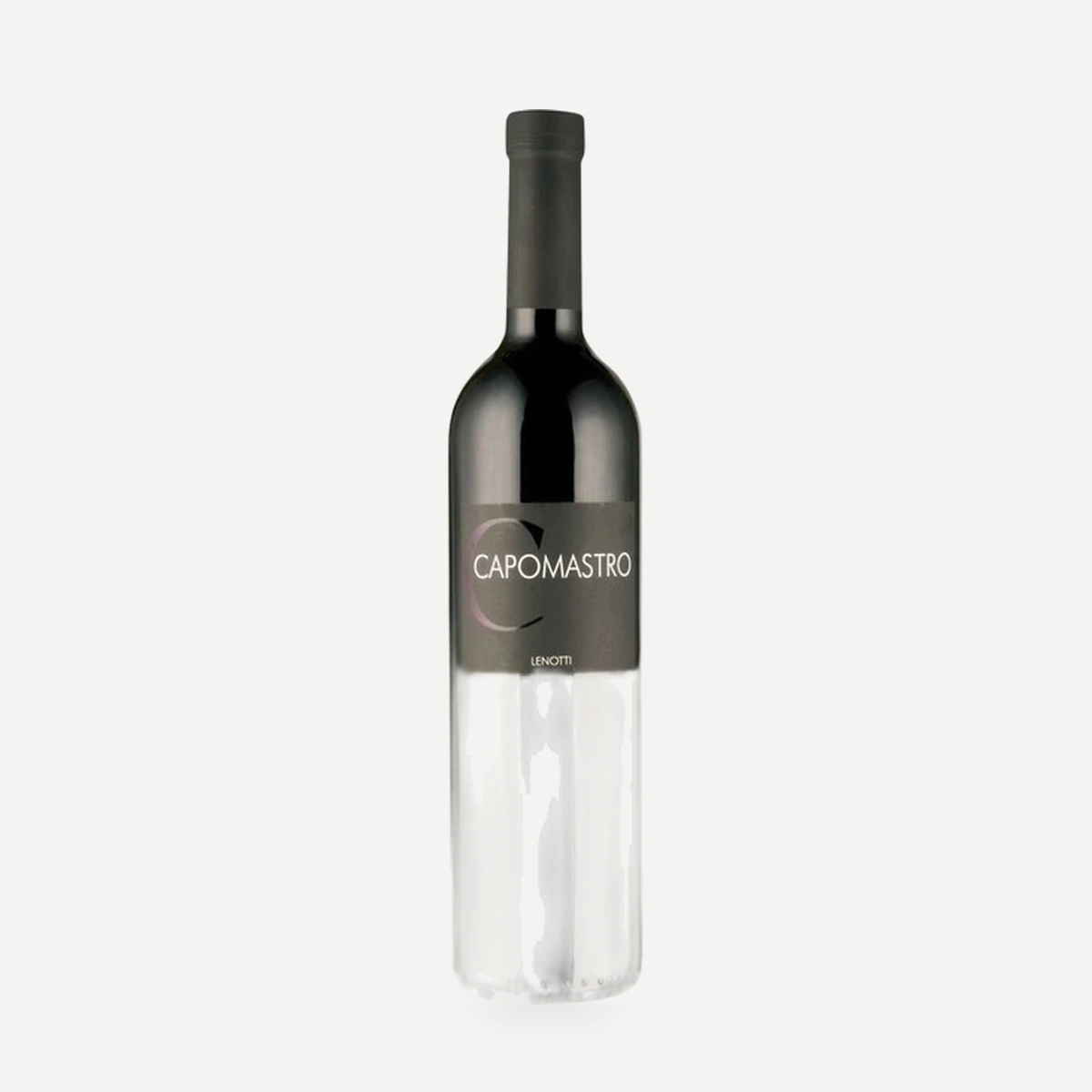
Capomastro Veneto Rosso IGT
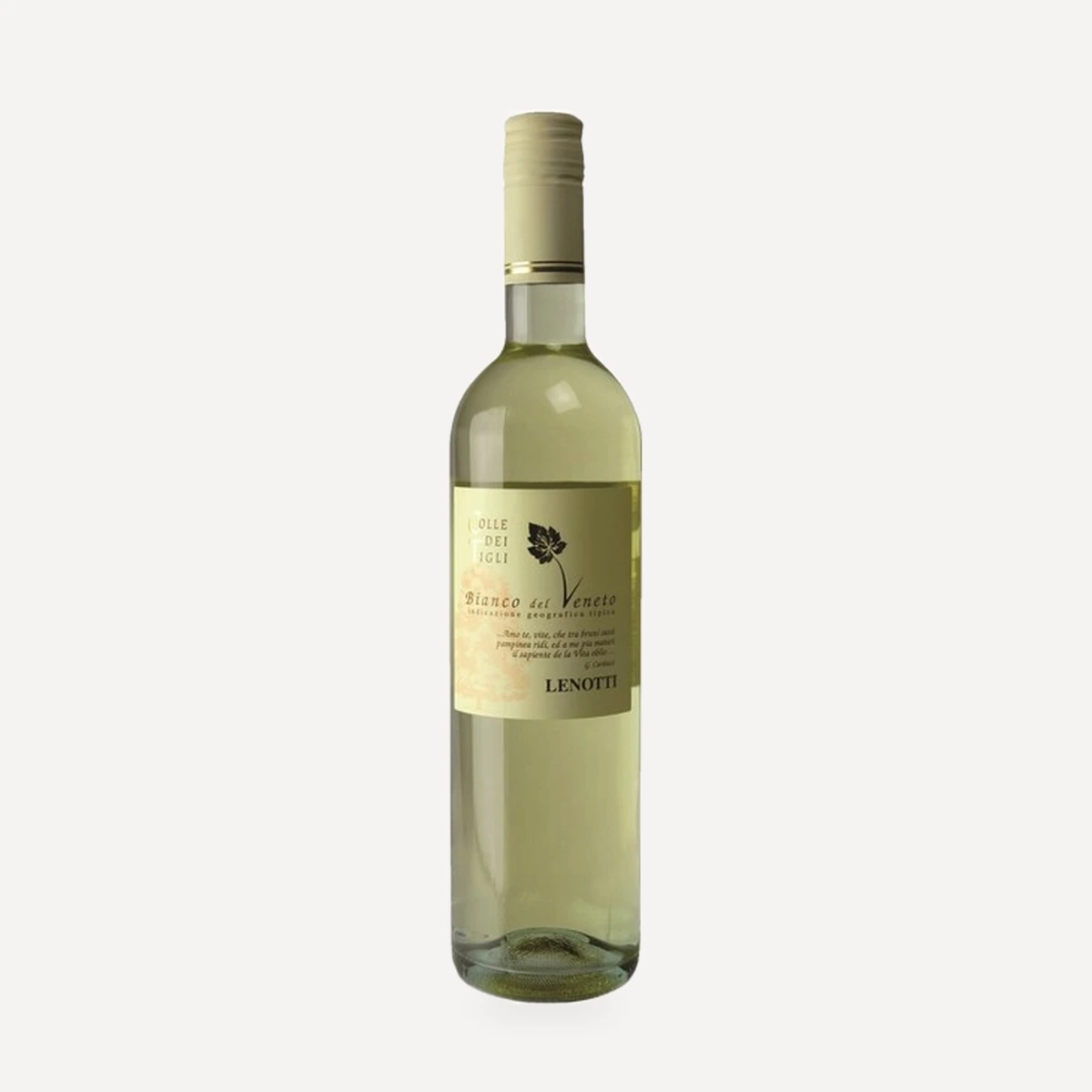
Colle dei Tigli Veneto Bianco IGT
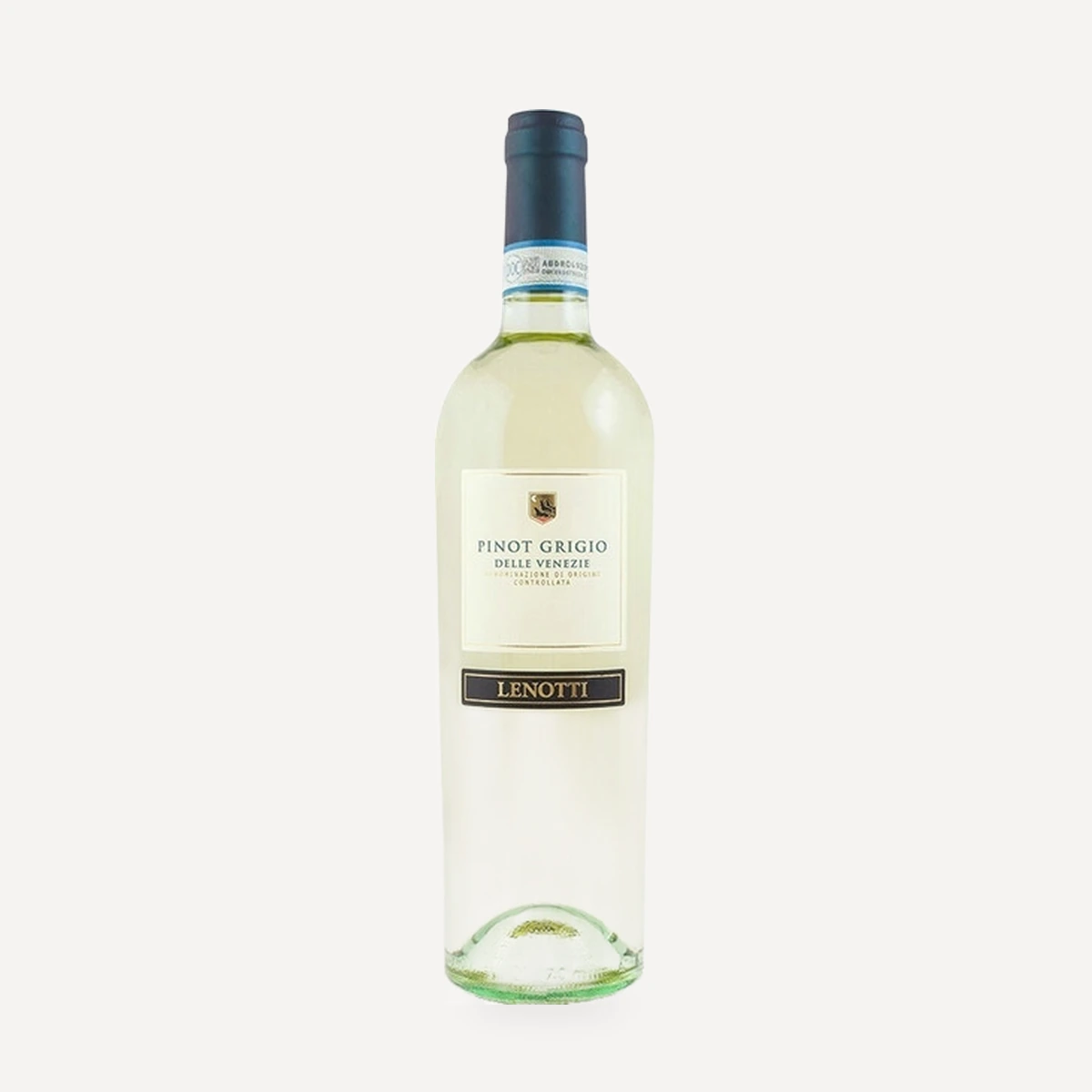
Pinot Grigio delle Venezie DOC
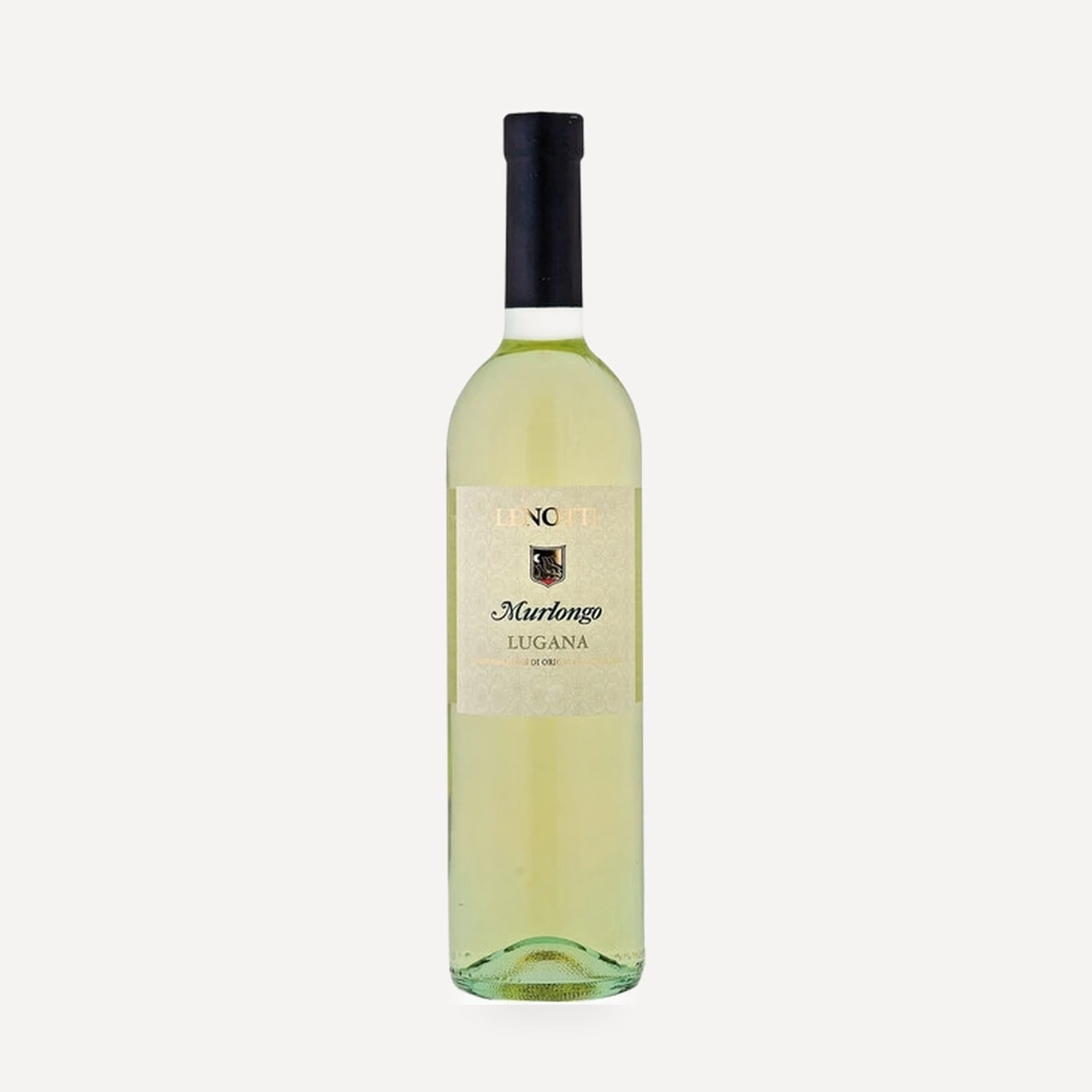
Murlongo Collezione Lugana DOC
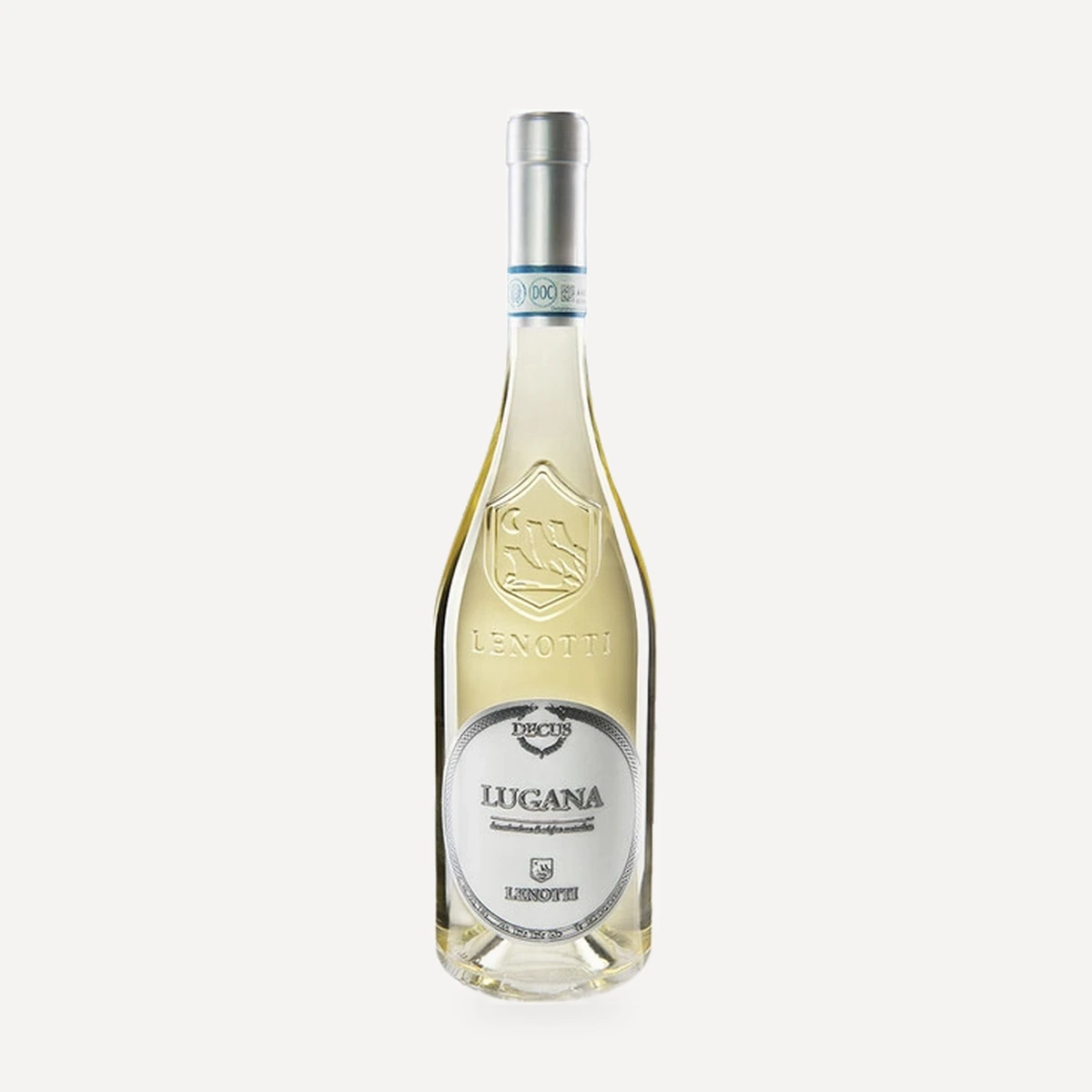
Decus Collezione Lugana DOC
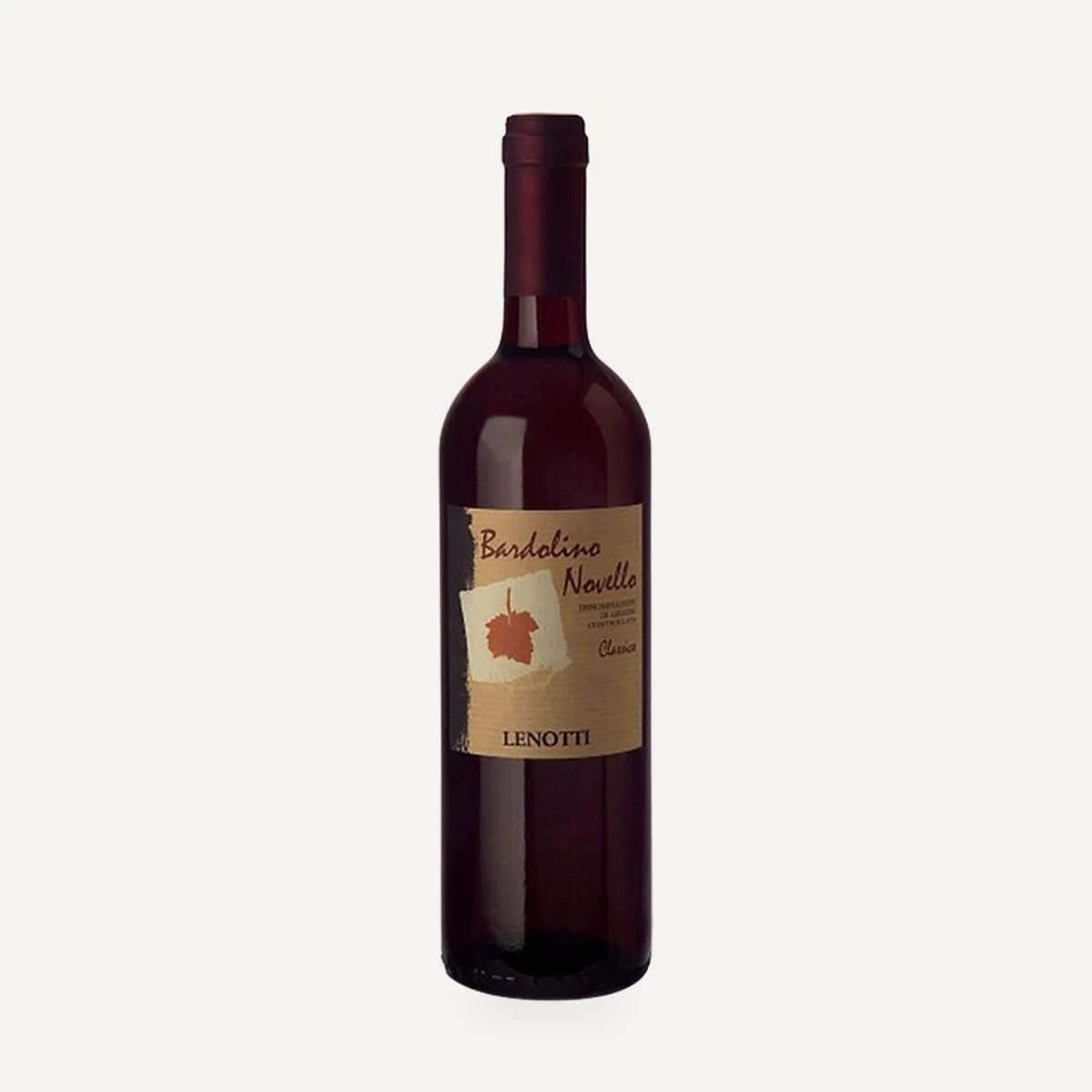
Novello Bardolino Classico DOC
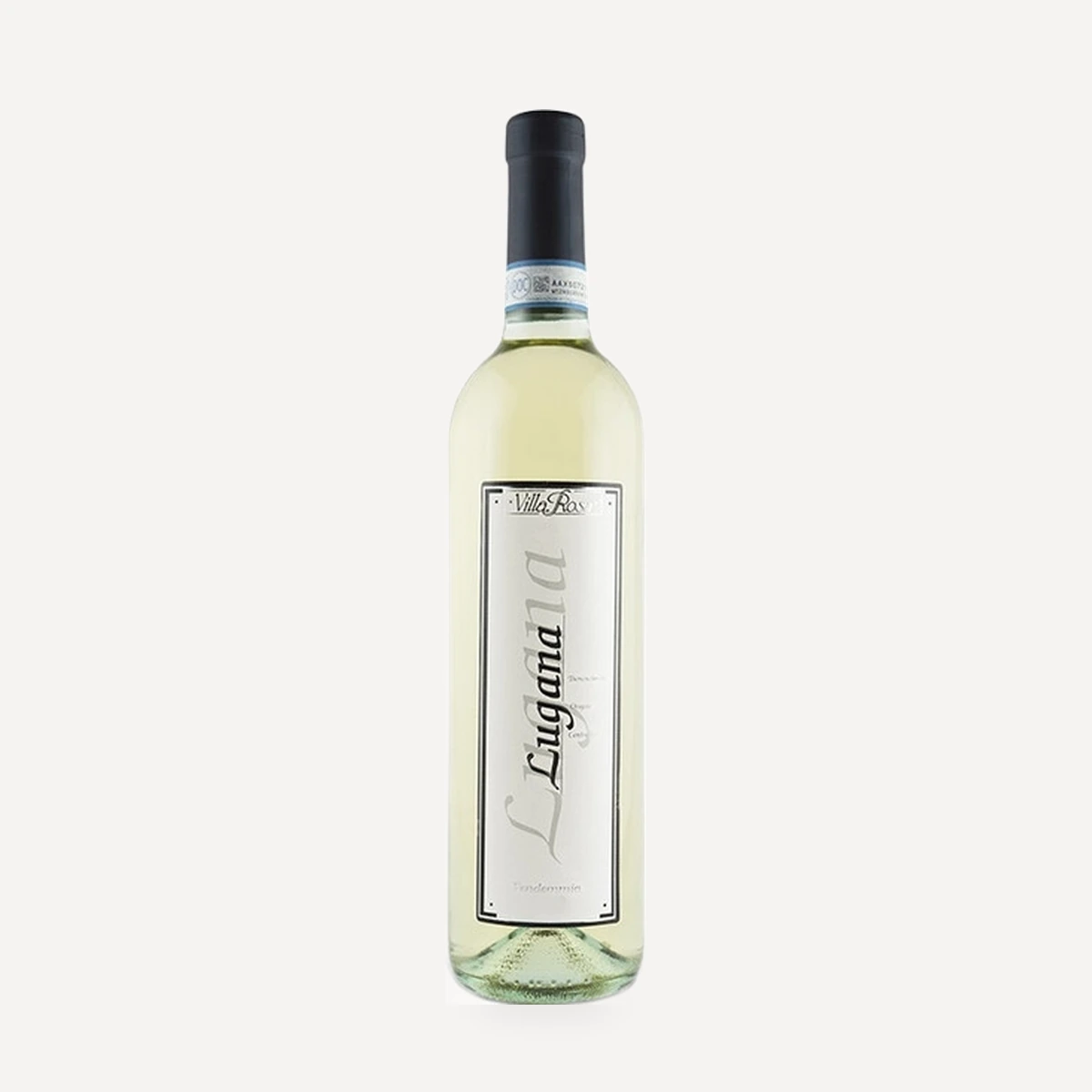
Villa Rosa Lugana DOC
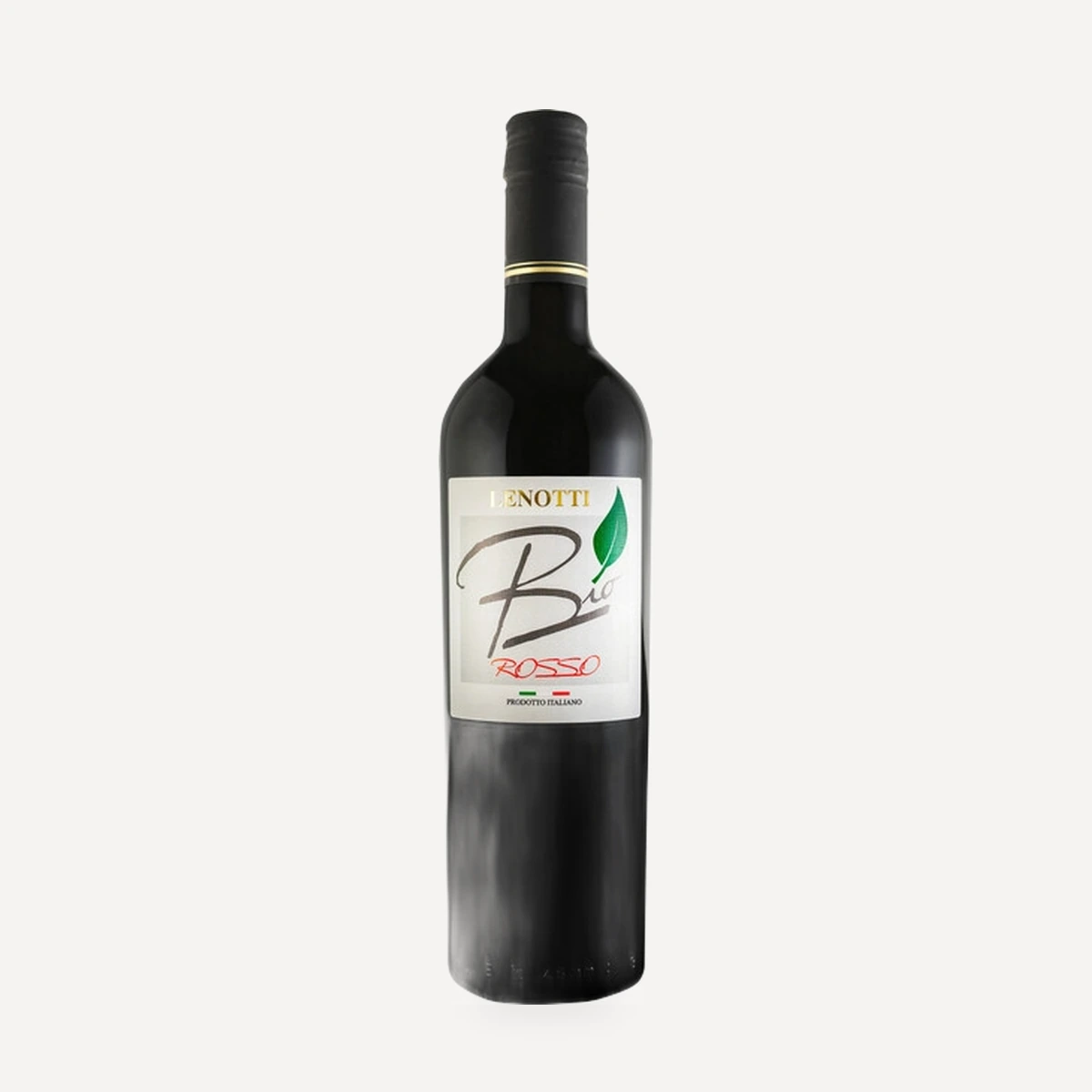
Lenotti BIO Rosso