About this wine
Vineyard and terroir
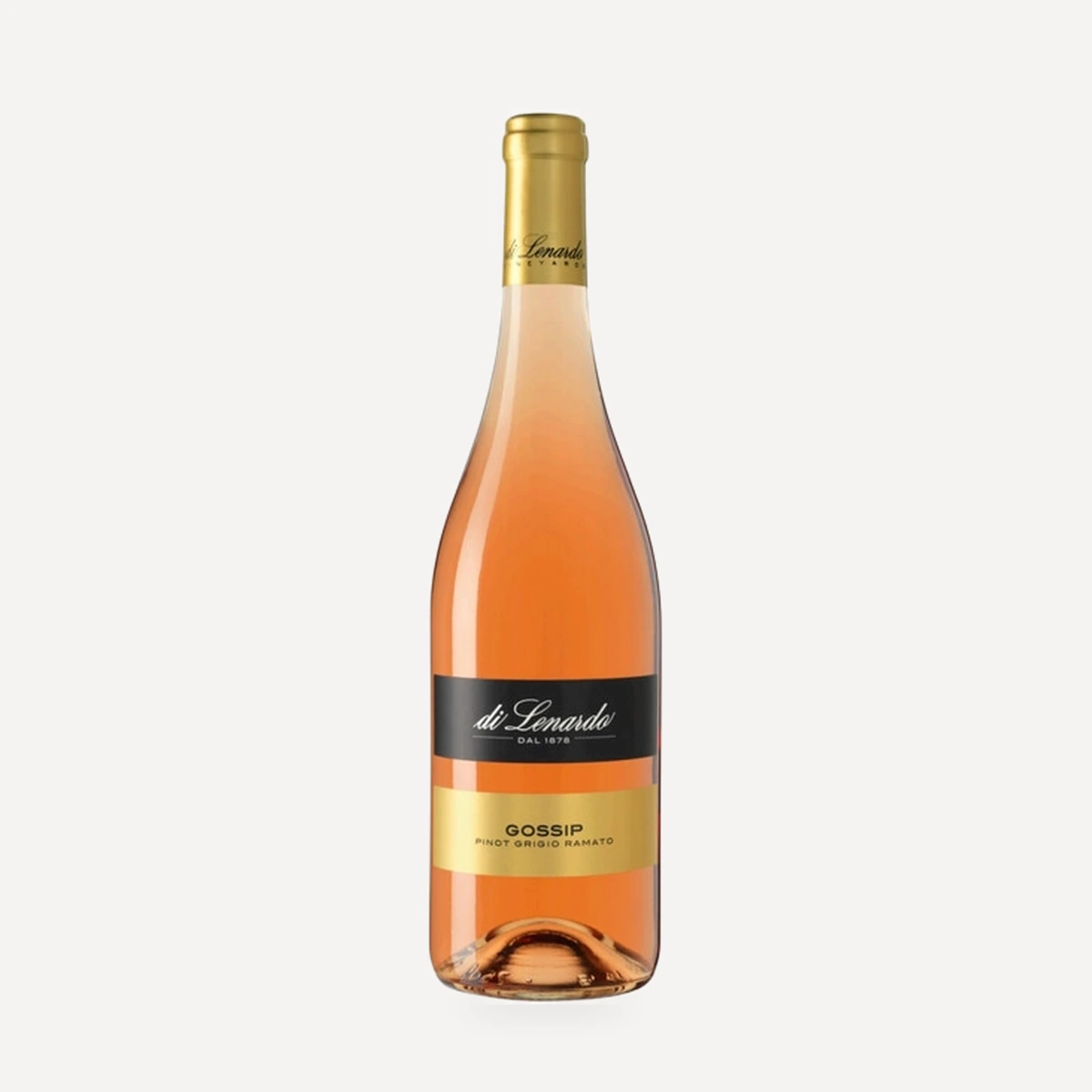
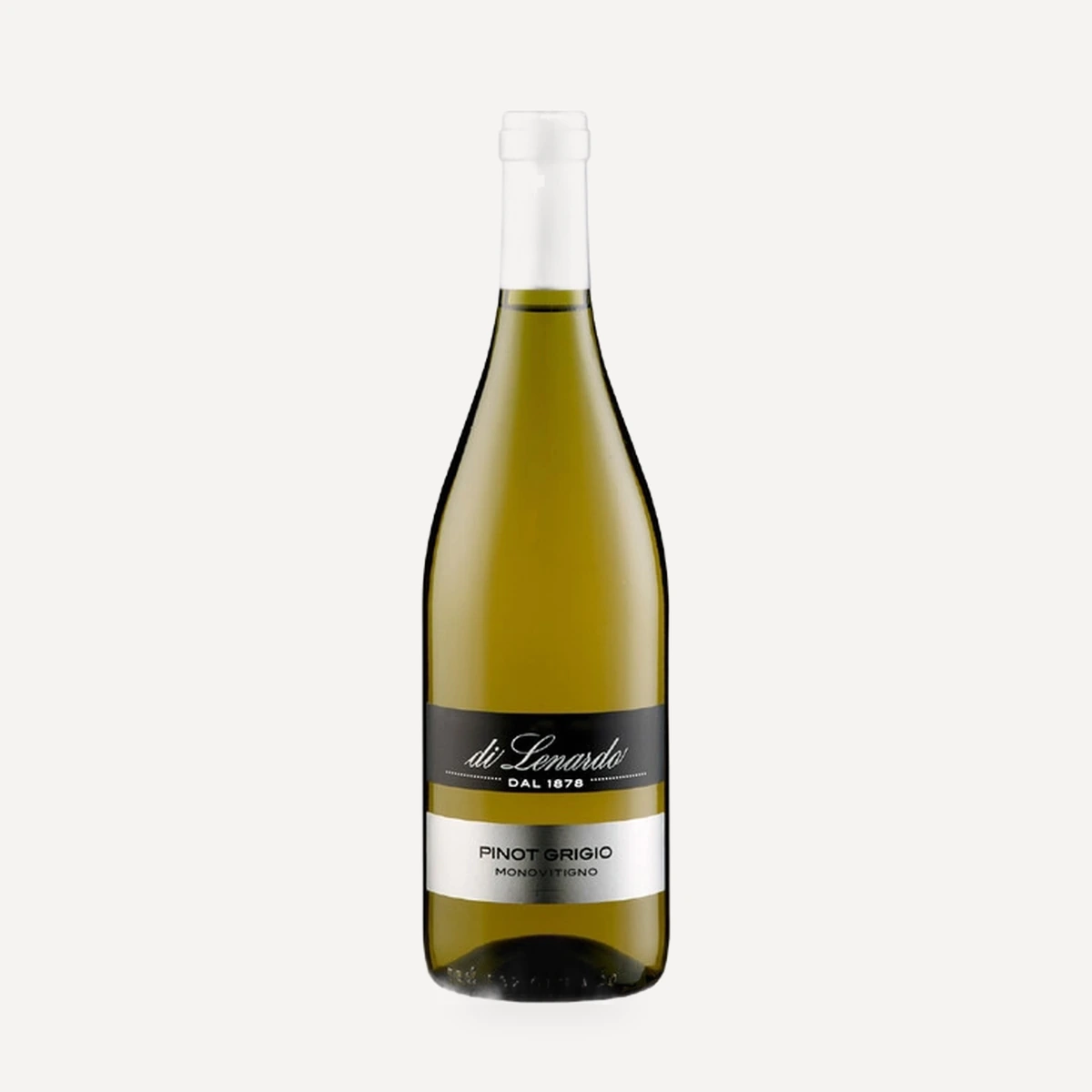
Produced from Pinot Grigio grown in Friuli-Venezia Giulia.
Grapes
100% Pinot Grigio.
Vinification
Whole berries are gently pressed in a pneumatic press without breaking the seeds. Following the first racking, the must is clarified using a flotation biosystem and transferred to temperature-controlled stainless-steel vats, where fermentation proceeds at approximately 15°C. Malolactic fermentation is partially completed. The wine is bottled under vacuum.
Ageing
The wine remains in contact with its lees, supported by frequent bâtonnage, until bottling. It then rests in bottle for at least two months before release.
Technical data
The wine may be sealed with a DIAM composite cork or a STELVIN screwcap. Published production figures differ between language versions: 250,000 bottles on the English page and approximately 200,000 bottles per year on the Italian page.
Tasting profile
The bouquet combines Williams pear, banana, apricot and acacia blossom. Pear syrup and quince peel emerge on the palate. Refreshing acidity is balanced by a full body and a long finish. With maturity, the bouquet develops toasted-almond and straw notes.
Serving and pairing
Serve at 12°C. Pair with chicken, turkey or guinea fowl; baked or grilled fish; fried seafood; sushi; shellfish; swordfish or sea-bass carpaccio; and delicate pasta dishes. Cow’s-milk cheeses emphasize the wine’s sweeter notes, while sheep’s-milk cheeses accentuate its earthy and mineral character. Fresh herbs and vegetables also work well. Avoid strongly acidic accompaniments such as citrus fruit and tomato-based dishes.