History
The villa and the beginning of the estate
The property includes a villa dating to 1737 and described in the family history as Napoleonic. Di Lenardo family history at Ontagnano formally begins in 1878, when Giuseppe di Lenardo, Massimo di Lenardo’s great-grandfather, purchased and restored the villa. The property already combined a small amount of wine production with a considerably larger area devoted to arable crops.
Photographs and paintings preserved from the first half of the twentieth century document this earlier rural estate. Wine remained a local activity for many years.
The transformation of the late 1980s
A new generation radically redirected the business toward higher wine quality at the end of the 1980s. The 1987 vintage marked a decisive advance: the family chose to vinify only grapes grown in its own vineyards, planted newly selected varieties, increased planting density and adopted more rigorous pruning and vineyard-management practices.
The transformation was accompanied by substantial investment in modern machinery. Planting density was progressively raised and is now approximately 5,000 vines per hectare.
Massimo di Lenardo and the 1998 vintage
The success of the 1998 vintage led Massimo di Lenardo to assume full responsibility for the estate’s oenological decisions, assisted by a group of expert oenologists. His direction placed fruit purity, freshness and acidity at the center of the house style. Stainless steel became the preferred medium for most wines, while oak was reserved for selected projects rather than applied as a general finishing treatment.
Technical investment continued in the cellar. Temperature-controlled fermentation and processes based primarily on physical principles were adopted, including fermentation of white wines at approximately 15°C.
Projects and energy independence
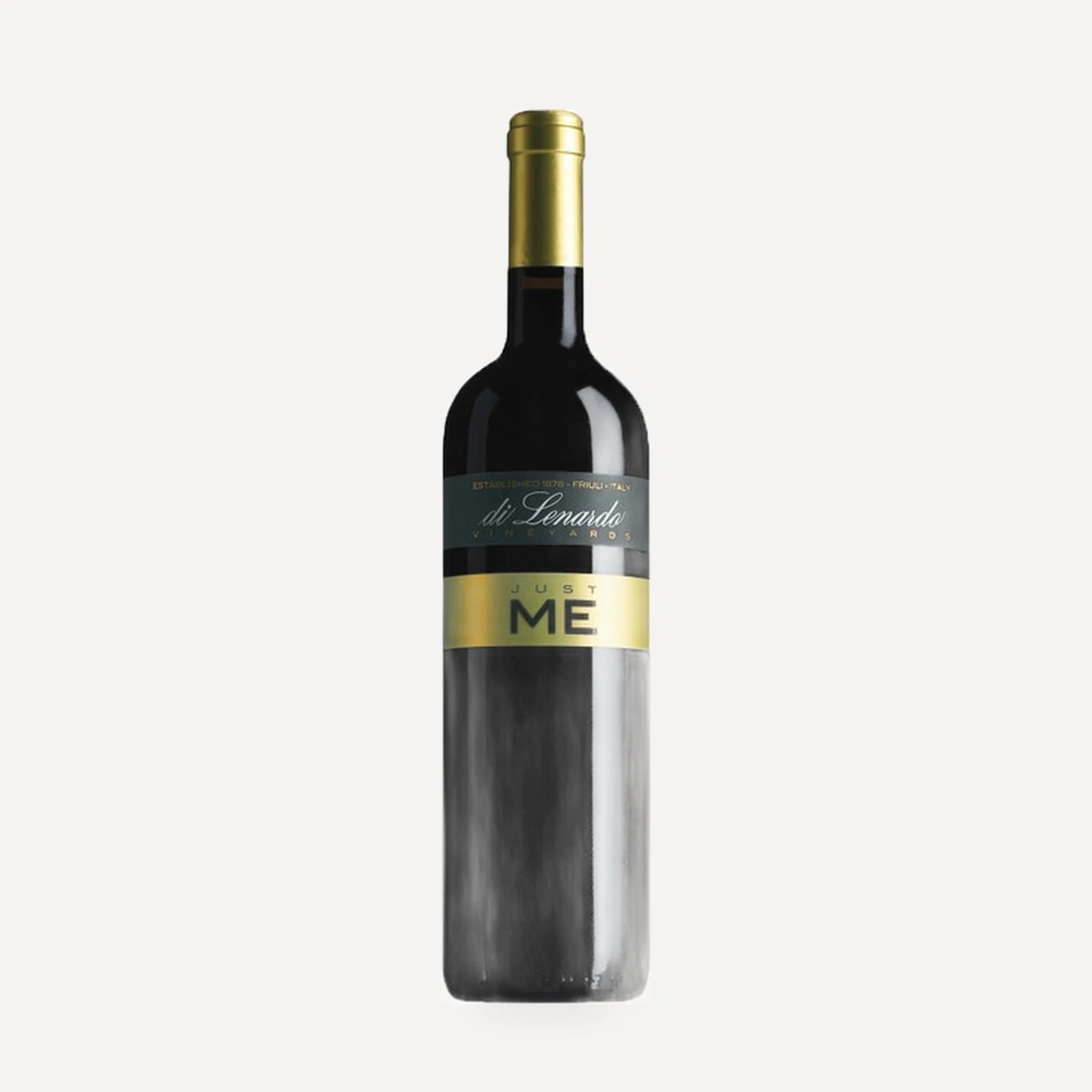
In 2003, the estate began the Just Me project after selecting a particular Merlot vineyard and severely restricting its yield. The grapes are harvested late and partly dried before vinification, creating a long-ageing red that became the estate’s principal red-wine project.
Since 2009, photovoltaic panels covering the roofs of the winery and warehouse have supplied all of the electrical energy required by the cellar.
The Thanks white blend followed several years of cellar trials and entered the market with the 2016 vintage. It was conceived as a tribute to Alberto and Giuseppe di Lenardo, shown with their mother Alba on its label. A Ribolla Gialla Metodo Classico also entered the market with the 2016 vintage.
One Shot Project
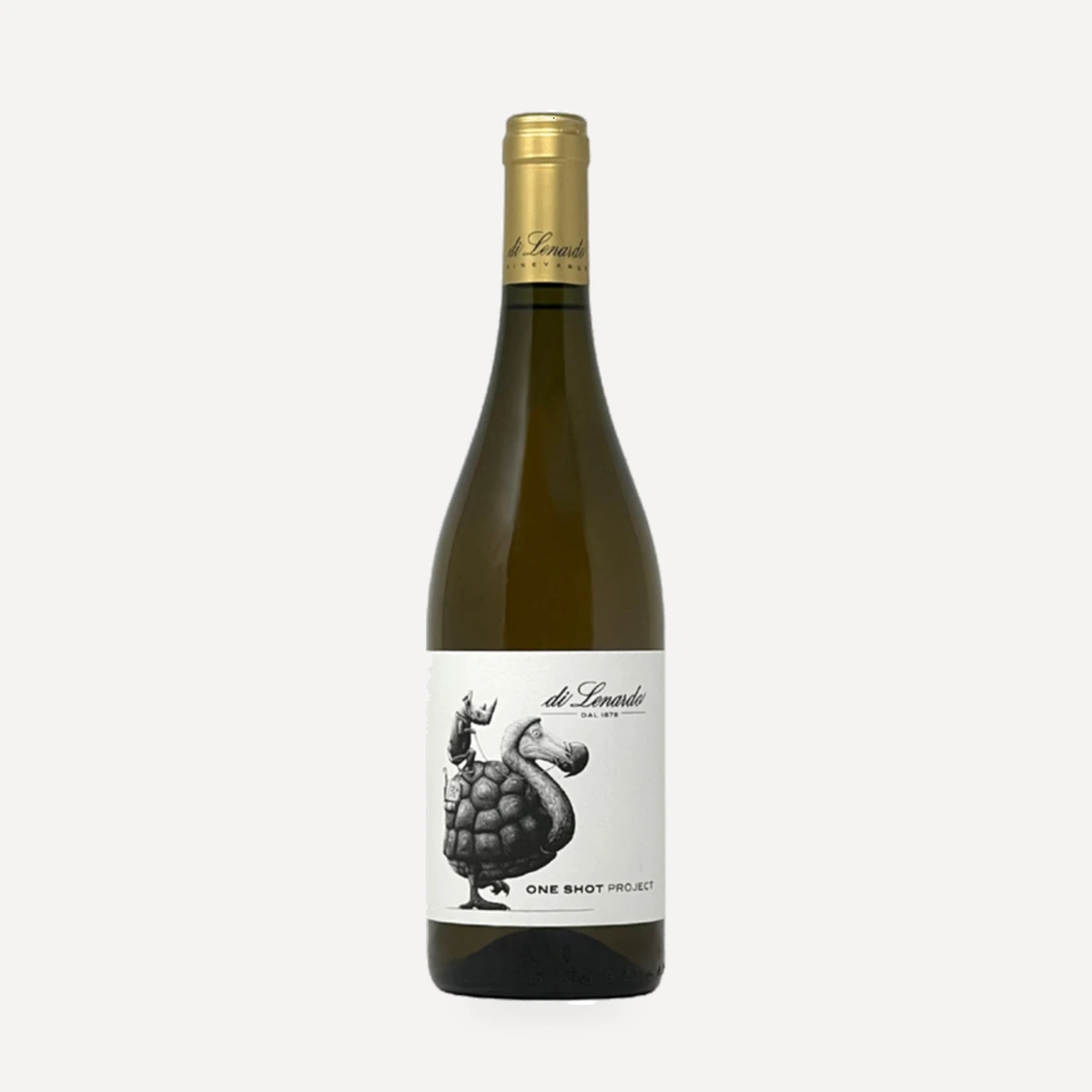
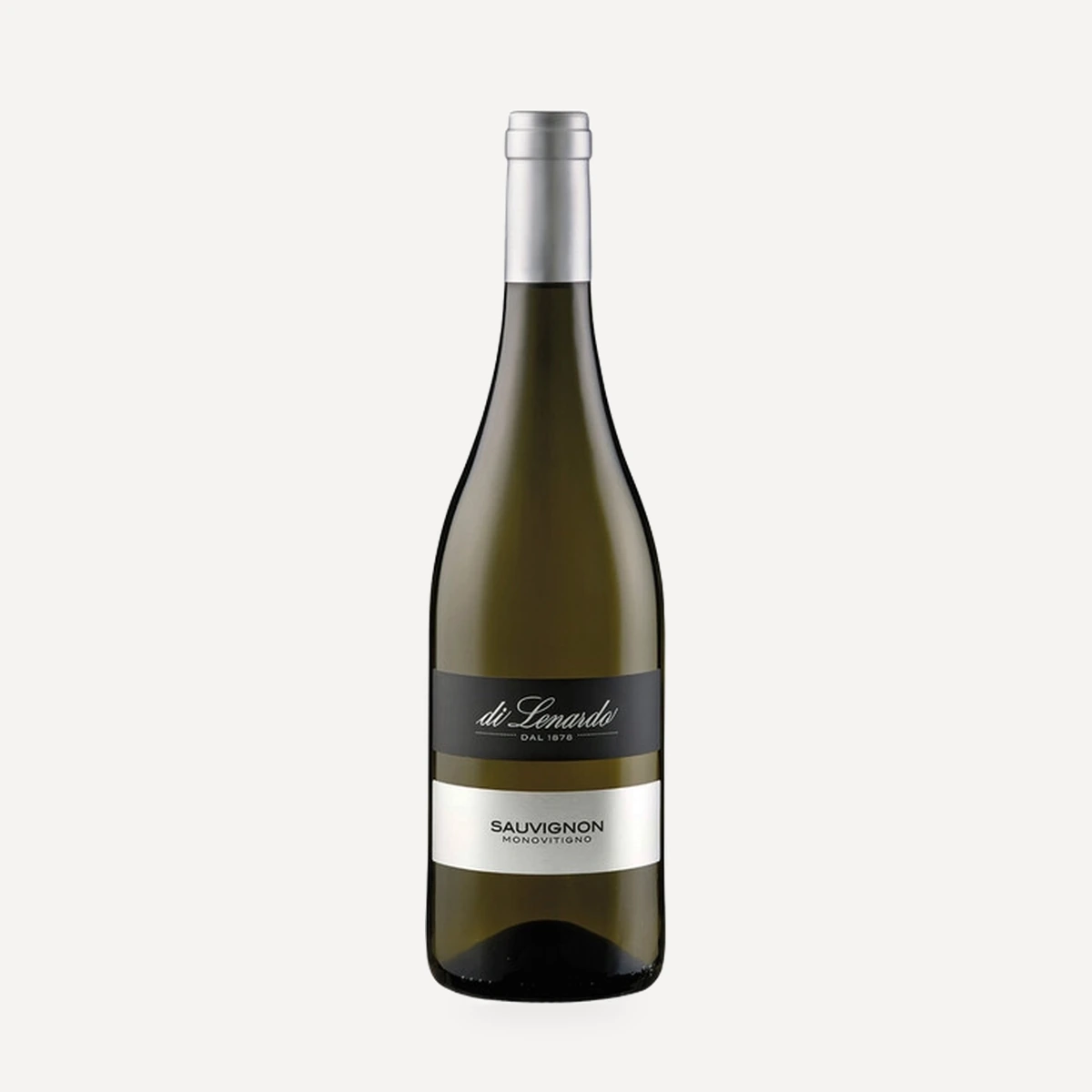
The One Shot Project began with the 2021 vintage as an annual outlet for experimental, non-repeatable wines produced independently of normal volume and market considerations. Each edition uses a different wine concept and a different artist or artwork for its label. The inaugural 2021 Sauvignon edition carried an illustration by Mattias Adolfsson. The 2022 Ribolla Gialla edition featured Redmer Hoekstra. The 2023 Malvasia edition used a photograph by Massimo’s grandfather, Alberto di Lenardo, whose photographic work began receiving public attention after his death.
Terroir
The winery and its approximately 55 ha of vineyards are situated around Ontagnano in Friuli Venezia Giulia. The five vineyards occupy part of a wider estate of approximately 150 ha and fall within the Friuli DOC area.
The individual vineyards have differing terroirs. Years of work have been devoted to understanding those differences and matching them with varieties that require distinct approaches. Climate, local geography, accumulated winemaking experience and the work of the estate team are treated as interdependent components of the wines.
At the broader growing-area level, the proximity of the Alps provides protection from northerly winds, while maritime influence helps moderate temperatures through the year. No parcel-level elevations, exposures, soil profiles or geological descriptions are given.
Winemaking
The estate works exclusively with grapes from approximately 55 ha of family vineyards surrounding the winery. Its late-1980s quality transformation included planting specially selected varieties, progressively increasing vine density, introducing decisive pruning and strengthening the vineyard practices required for quality production. Current planting density is approximately 5,000 vines per hectare.
Each vineyard is treated as a distinct growing environment. The estate has spent years learning its site differences and selecting varieties for them, recognizing that different cultivars require different approaches. Attention throughout the growing season is intended to improve control over grape maturation, subject to vintage weather.
Lateral Guyot is the identified training system across the technical portfolio. Certain specialist productions employ additional measures: the Merlot selected for Just Me is deliberately restricted to low yields, harvested late and partly dried for one month, while Verduzzo Friulano for Pass the Cookies is harvested early by hand to retain acidity and then dried on racks for three months.
The cellar combines continued technical investment with a preference for processes based on physical principles. Electronic temperature control is central to fermentation, and white wines are generally fermented at approximately 15°C to preserve and develop aroma and flavor intensity.
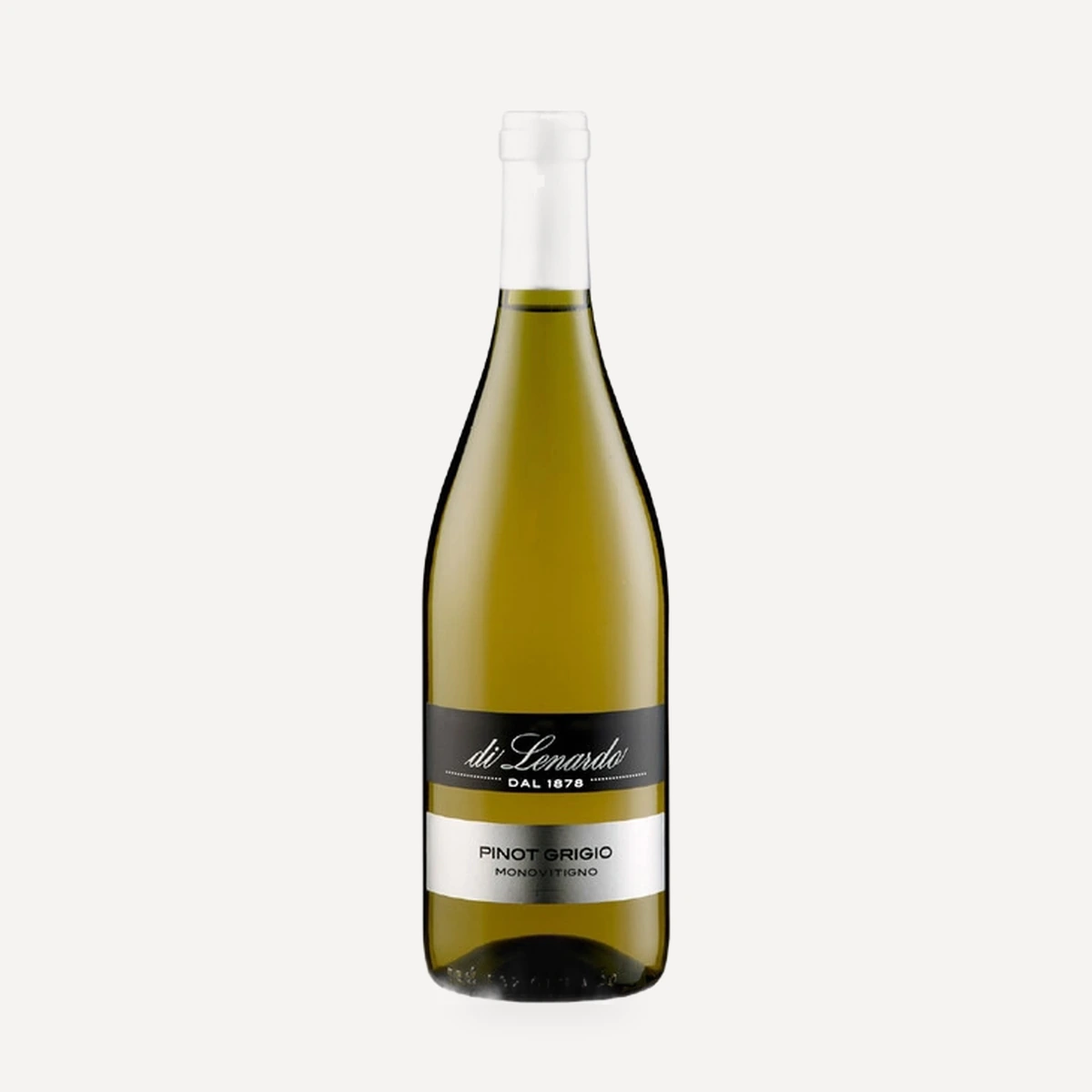
Across the white-wine range, whole berries may be gently pressed in a pneumatic press, followed by an initial racking and transfer to temperature-controlled stainless-steel tanks. Several whites remain on their fine lees until bottling, with frequent bâtonnage used in some cases. Must clarification can employ a flotation bio-system, and several wines are bottled under vacuum. Malolactic fermentation is applied selectively according to the wine and vintage.
The dominant vessel for white production is stainless steel, consistent with the preference for fruit purity and freshness. Oak is used selectively: Chardonnay components may ferment and mature in new American oak, while individual experimental editions have used new French and American barriques. It is not the default finishing treatment for the portfolio.
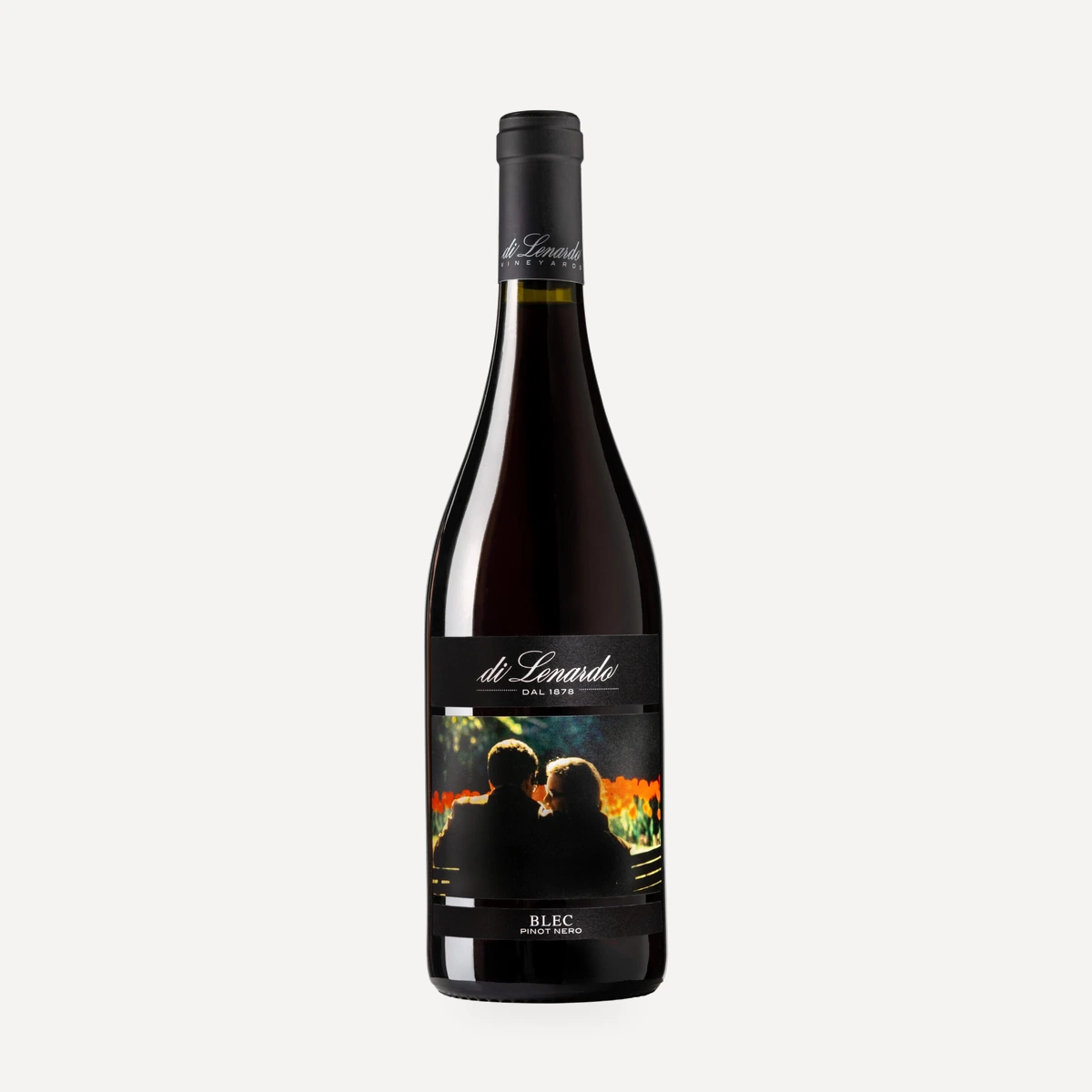
For still reds, grapes are destemmed and maceration-fermentation takes place with the skins in stainless steel under temperature control, commonly around 23°C. The duration varies by project, from approximately 10 days for several varietal reds to about 20 days for a structured blend. After pressing and settling, wines may be racked to stainless steel for malolactic fermentation. Several mature in contact with their lees until bottling; selected reds instead undergo extended maturation in small American-oak barrels.
The sparkling program uses the Metodo Classico. Ribolla Gialla remains on its secondary-fermentation lees for at least nine months, while Sarà, made from Pinot Bianco, remains on the lees for 36 months.
Composite DIAM closures are widely used, while some white wines are also offered under STELVIN screwcap. Bottled wines commonly receive a further cellar-rest period before release.
Philosophy
Massimo di Lenardo’s stated objective is to foreground the grape’s pure fruit character, inherent freshness and acidity. In most cases, this means avoiding an overlay of oak and favoring clearer expression through stainless-steel fermentation. Wood remains a deliberate tool for selected wines rather than a house-wide prescription.
Tradition and technology are treated as complementary. The estate continues to invest in equipment while seeking an increasingly natural vinification founded on physical processes and precise temperature control. Its approach begins in the vineyard, with sustained attention to ripening and an effort to match varieties to the differing conditions of the five sites.
Environmental responsibility is framed as an obligation to act within one’s means. The practical expression of that principle is complete electrical self-sufficiency for the cellar through photovoltaic power.
The One Shot Project expresses a more experimental side of the philosophy: each vintage offers a different, non-repeatable idea, unconstrained by normal production volumes or established markets, and paired with new label artwork each year.
Wines
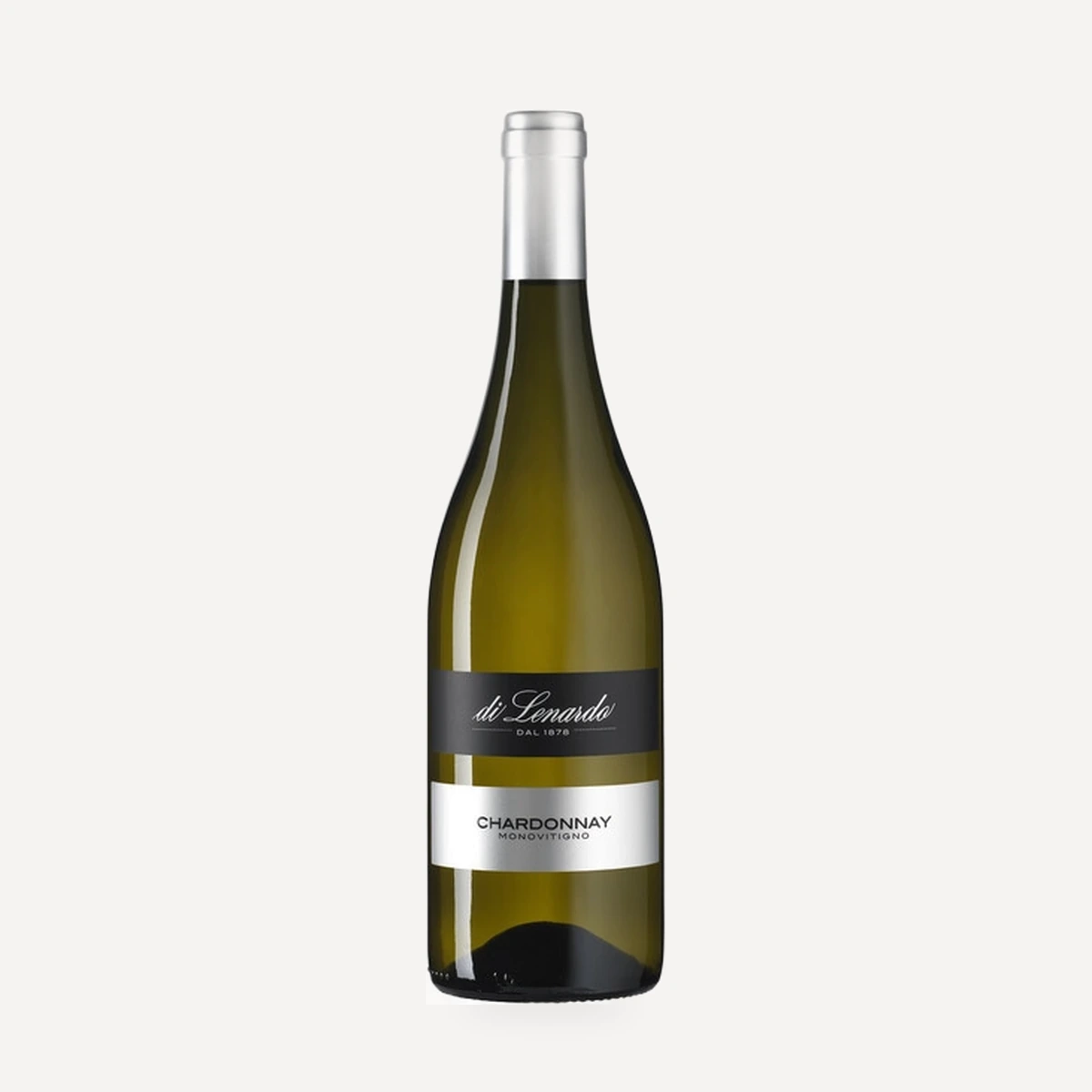
Chardonnay
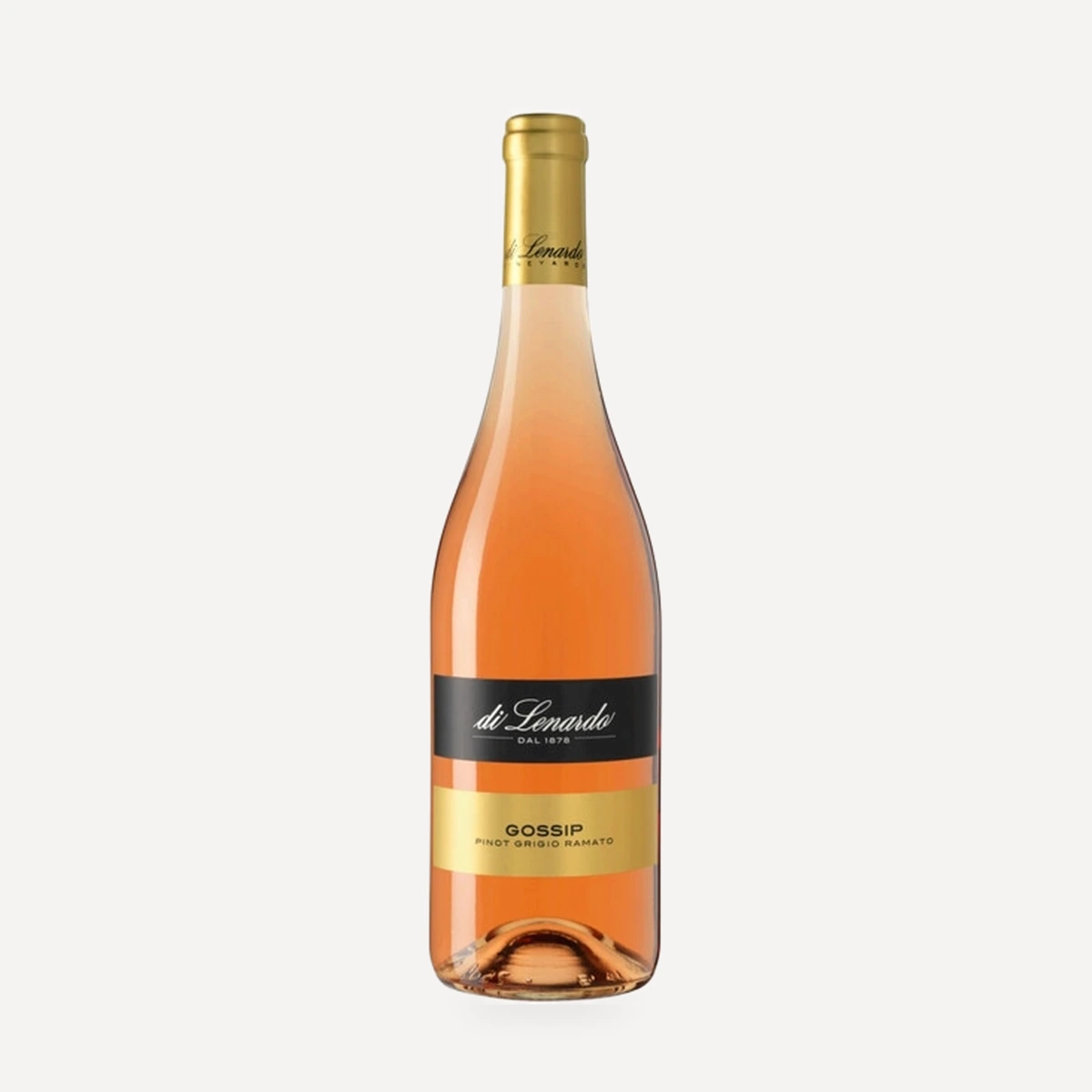
Gossip
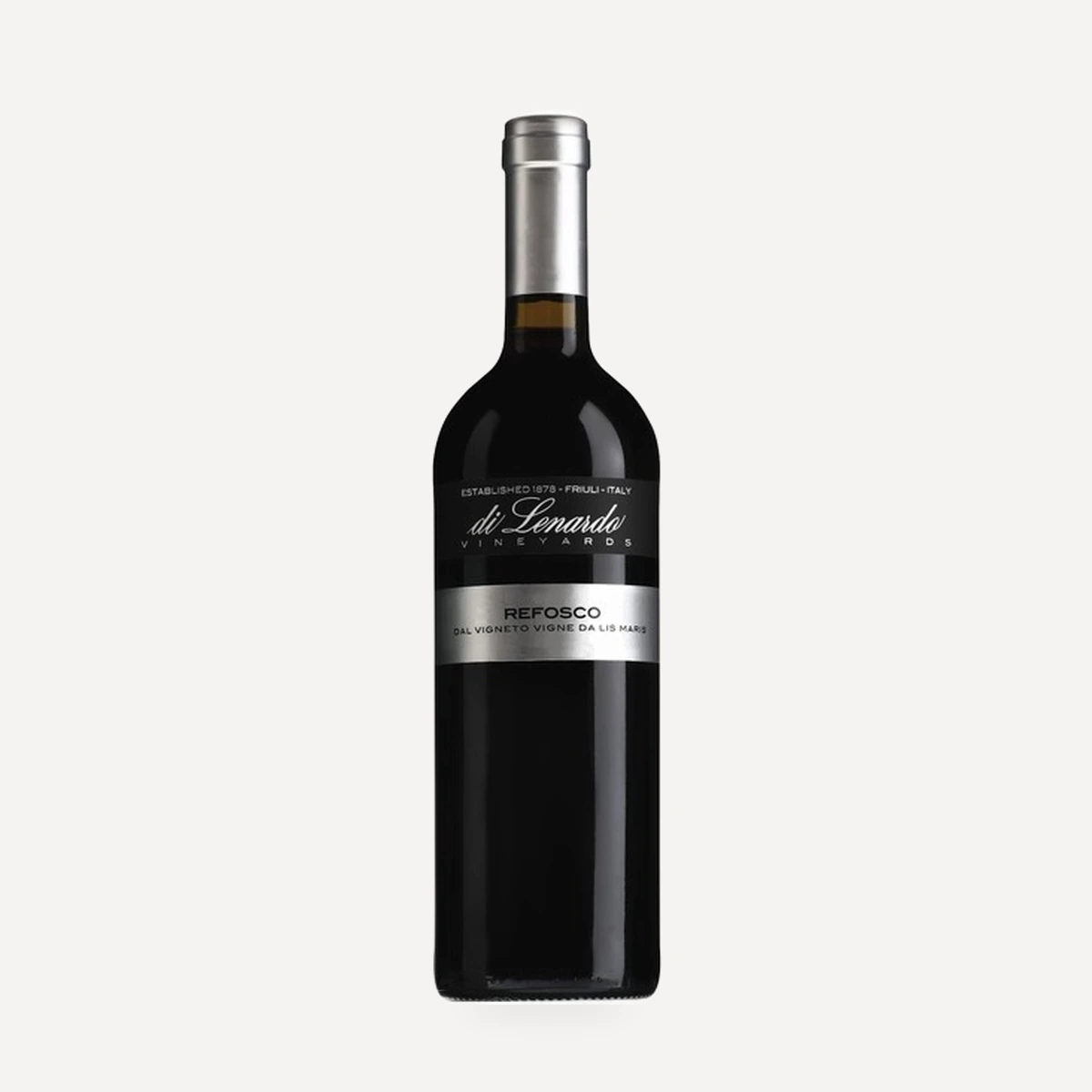
Refosco³
Just Me
Blec
Pinot Grigio
Sauvignon
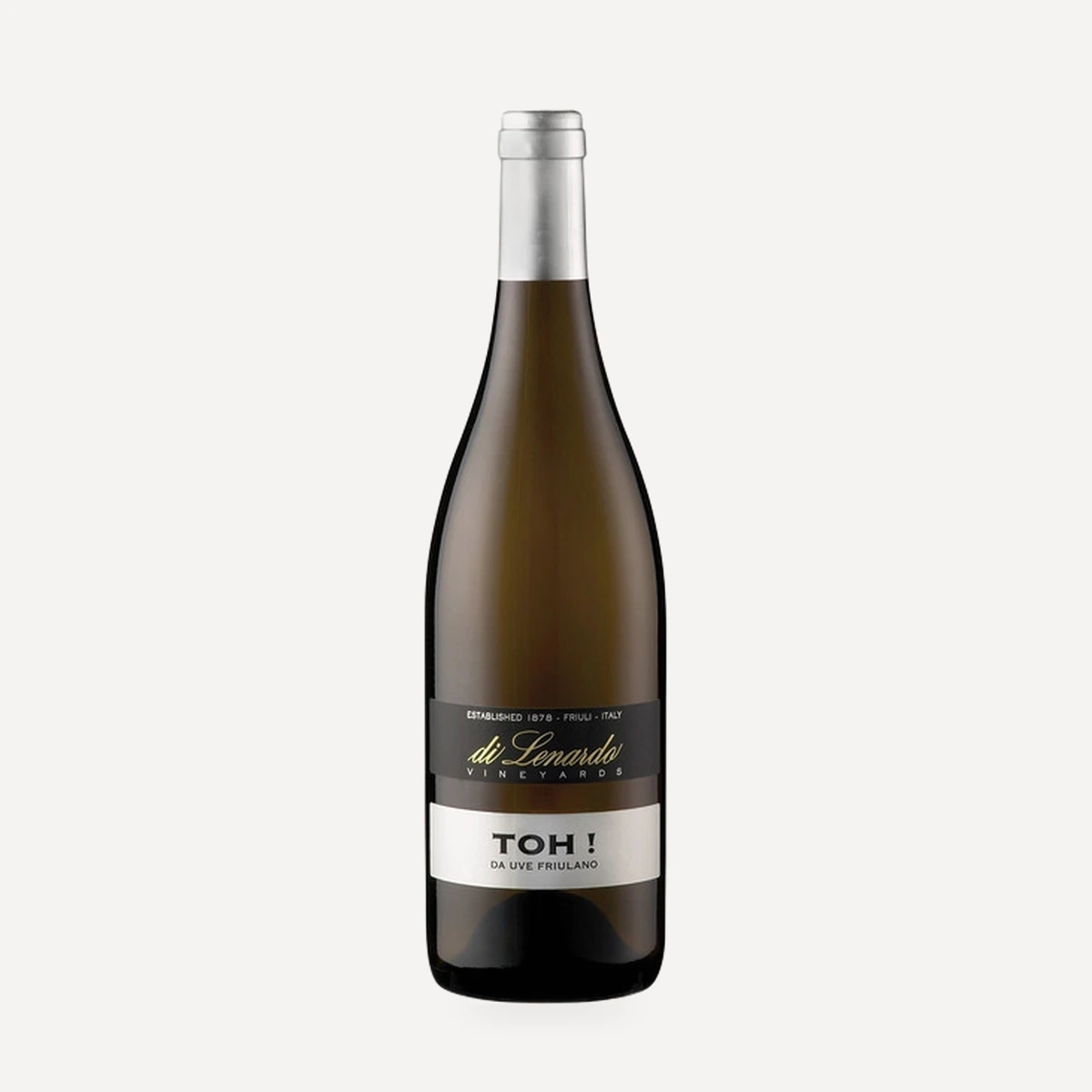
Toh!
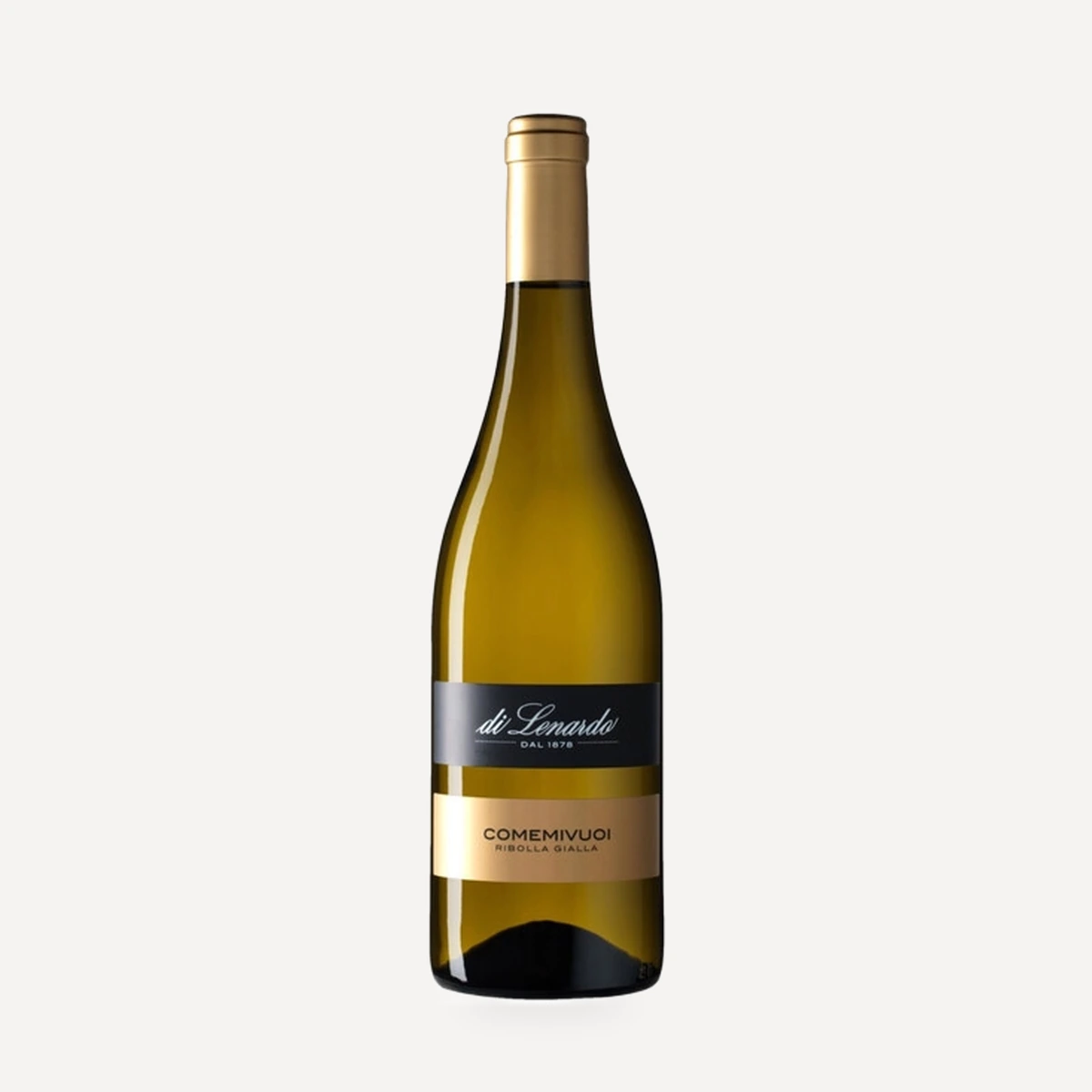
Comemivuoi
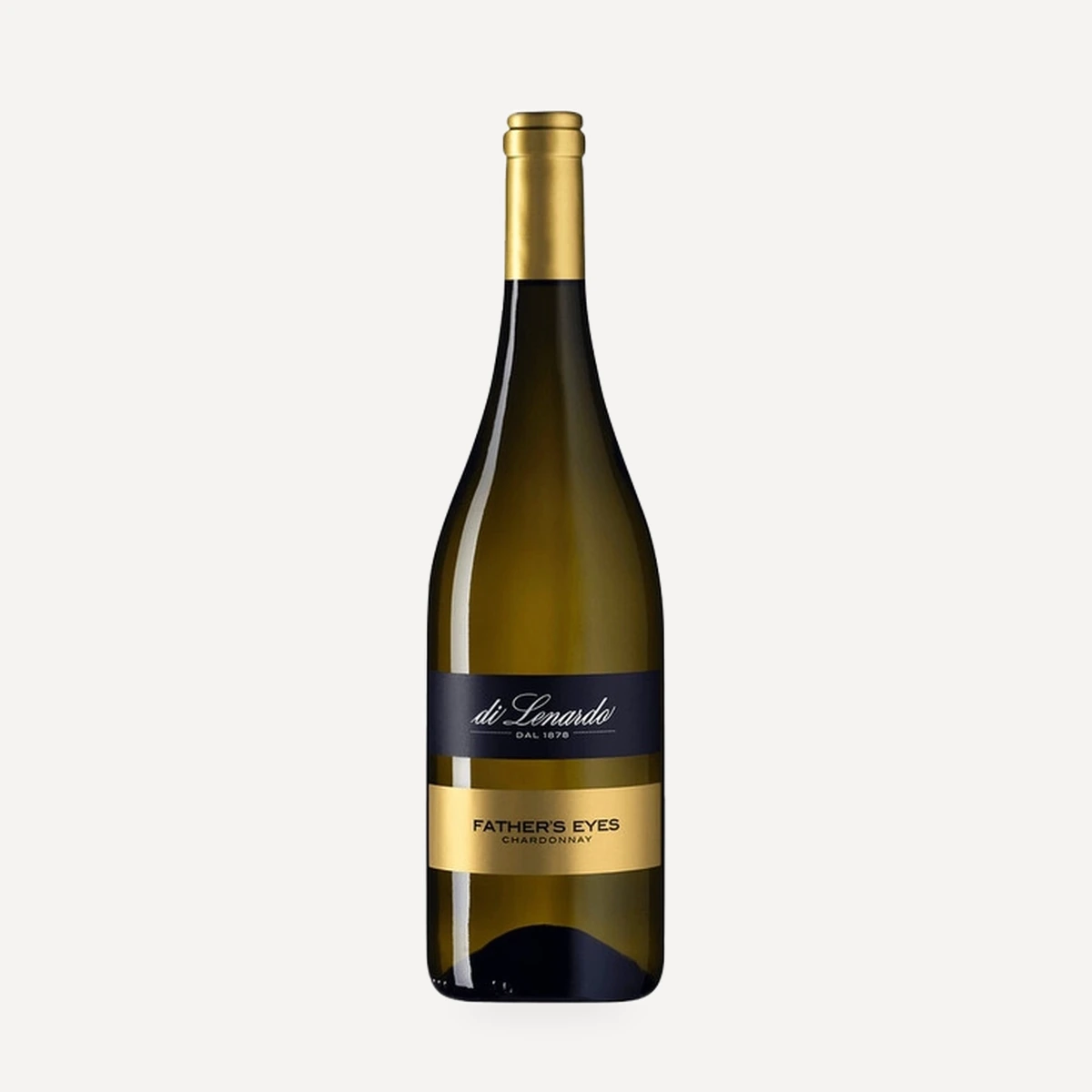
Father's Eyes
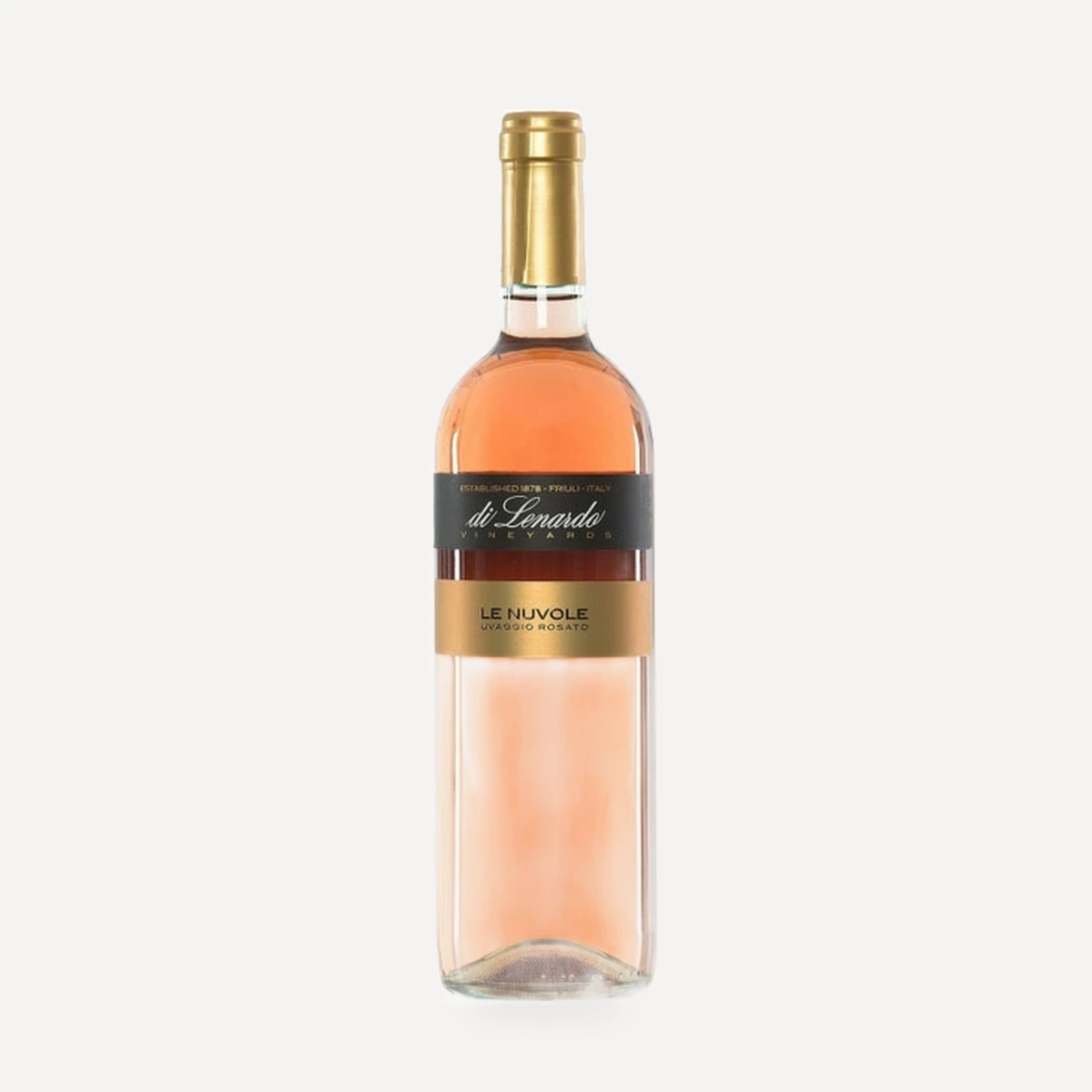
Le Nuvole
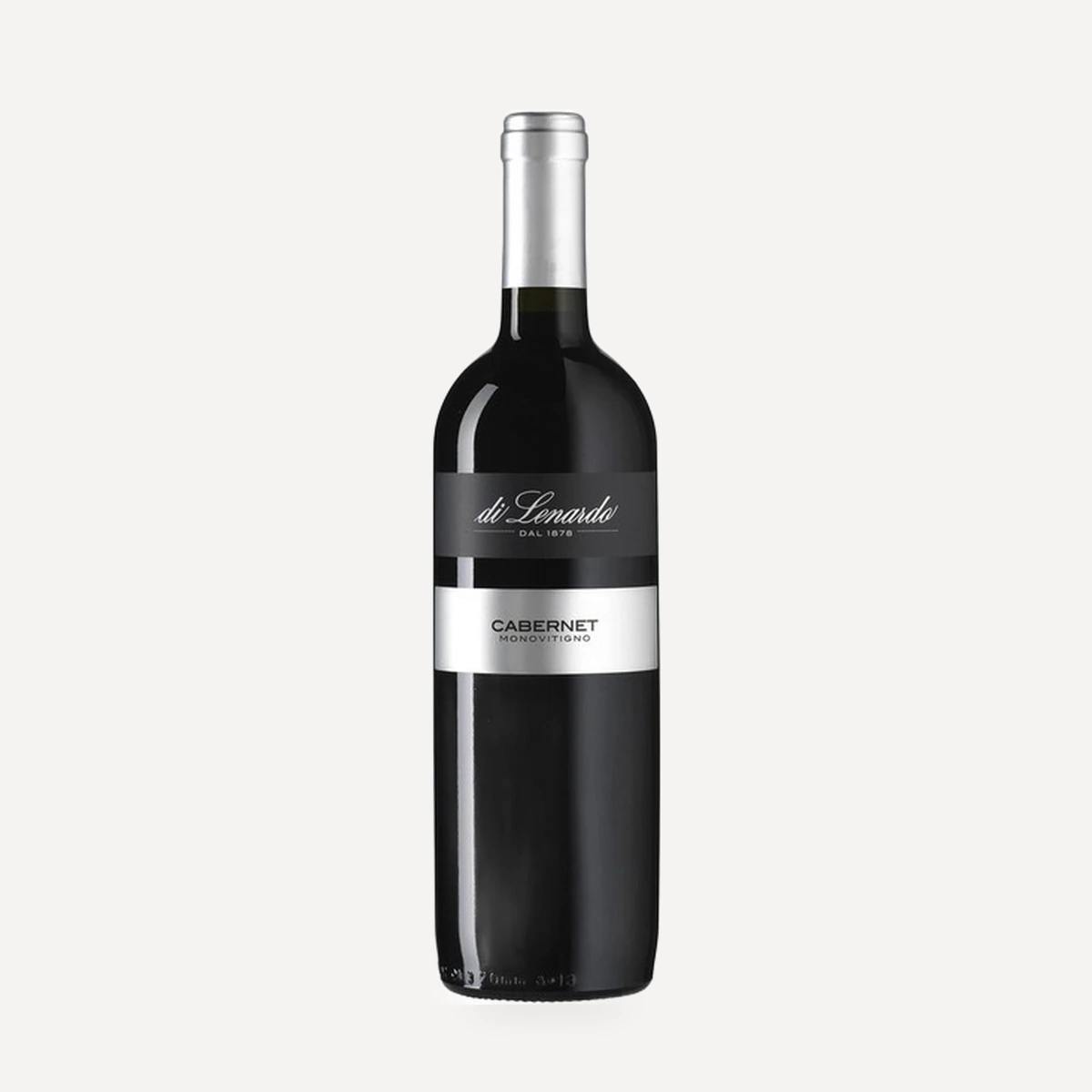
Cabernet
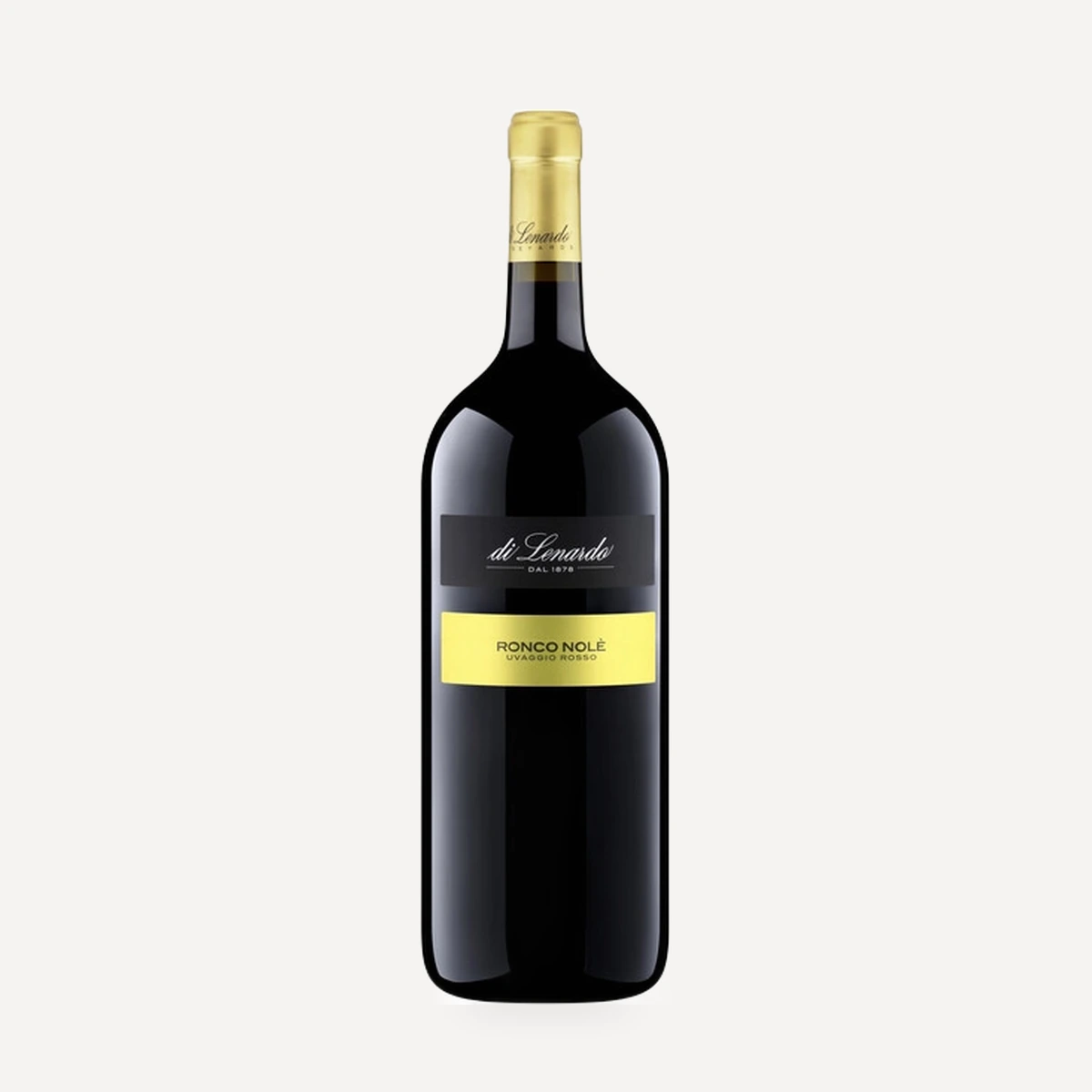
Ronco Nolé
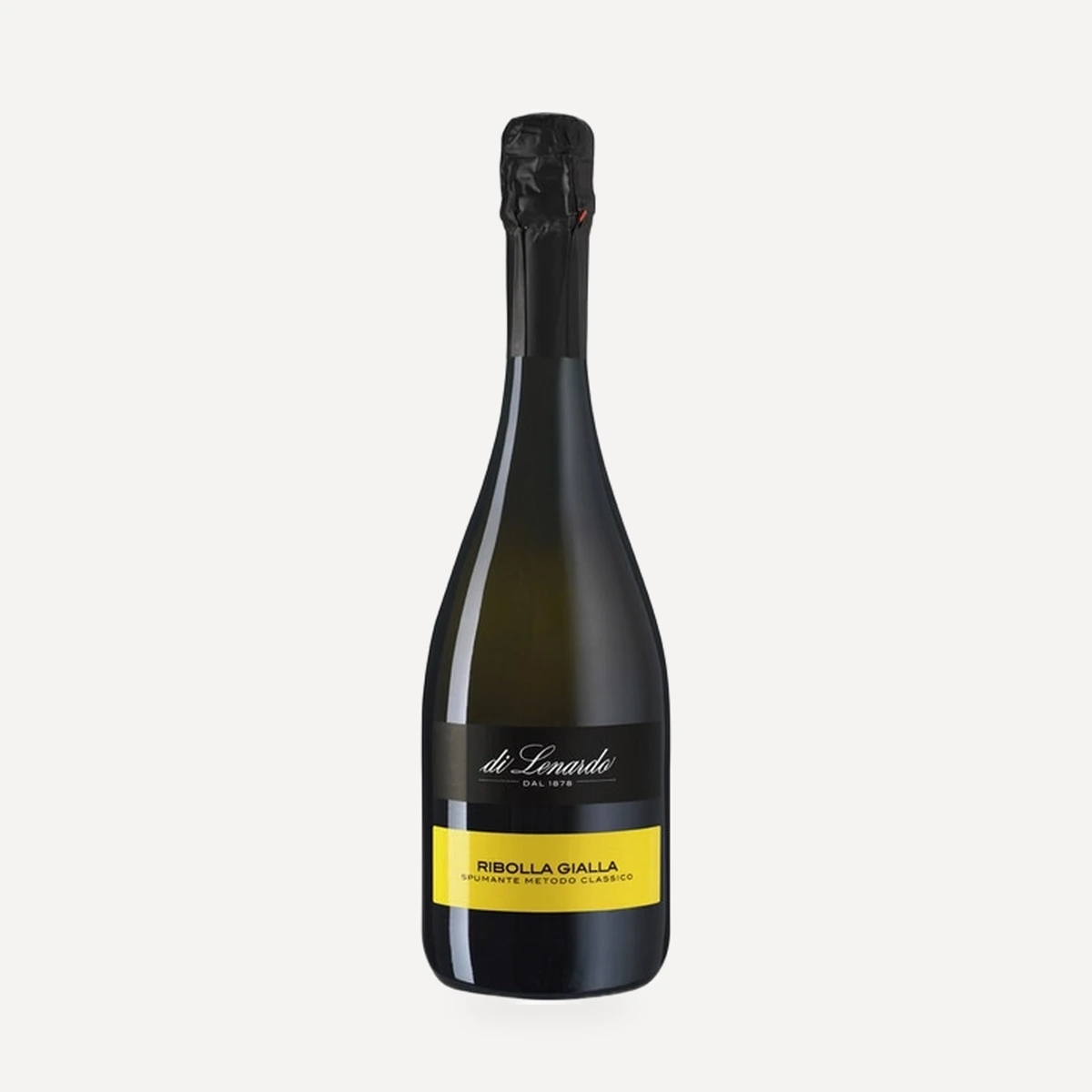
Ribolla Gialla Spumante Metodo Classico
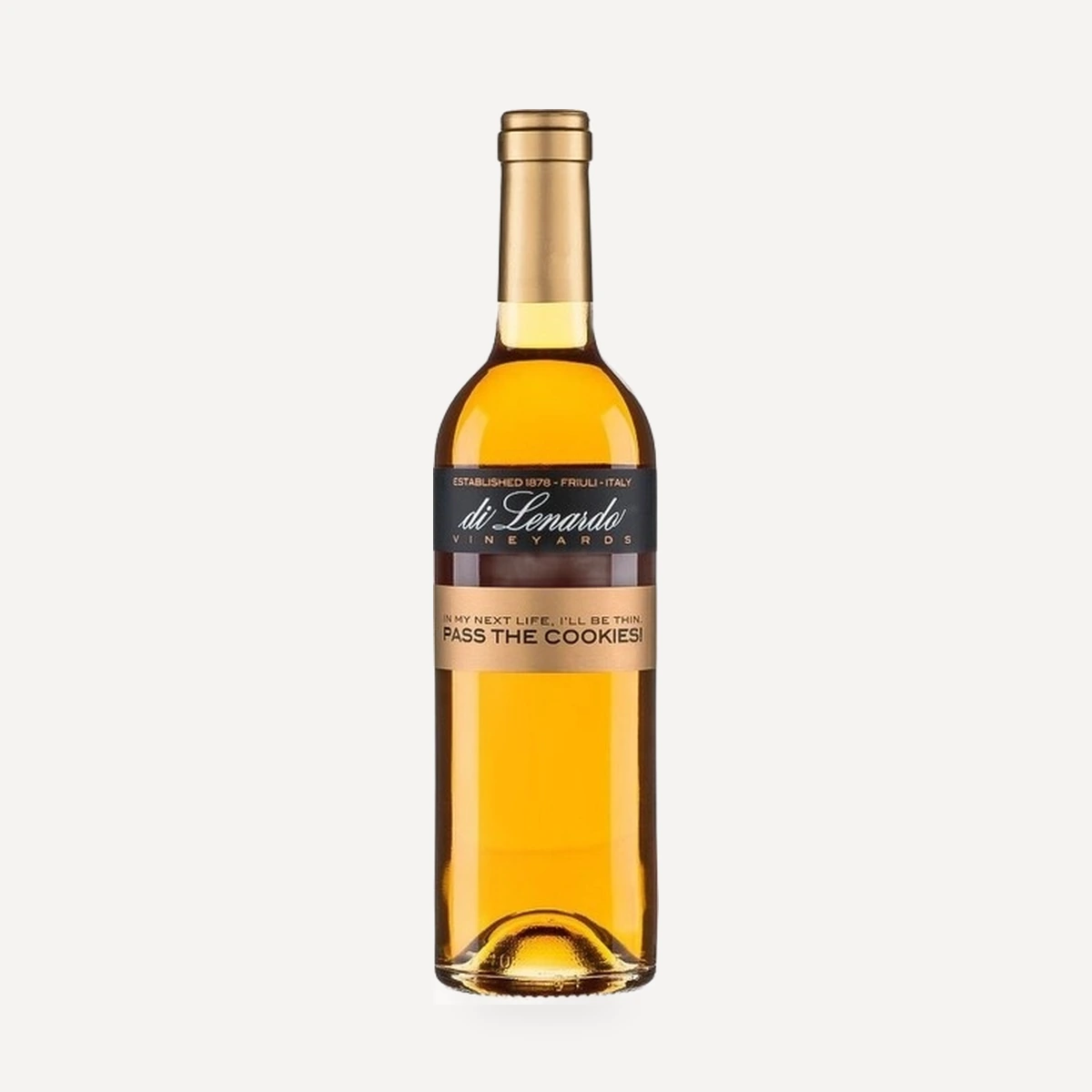
Pass the Cookies