History
Family vineyards before the estate
The Fucci family's agricultural history at Torre Titolo spans four generations. During the 1960s, Generoso Fucci acquired the highest part of the holdings in Contrada Solagna del Titolo, at the foot of Monte Vulture. Generoso and his father tended the vines, sold the harvested grapes and made a small quantity of wine for family consumption. The family house stood—and still stands—within the vineyards.
2000: the decision not to sell
By 2000, the family was considering selling its six hectares of vines. Elena's parents were both teachers, while Elena and her siblings expected university studies to take them away from Barile. Several prospective buyers expressed interest. Elena, then 18, could not accept losing the vineyards surrounding her childhood home or seeing another producer build its reputation on some of Vulture's oldest vines. She therefore changed her plans and persuaded the family to retain and invest in the property. Her father Salvatore and grandfather Generoso supported the decision financially and practically.
Elena chose to study viticulture and oenology at the University of Pisa. The family established the agricultural estate in 2000, and Elena made the first TITOLO vintage that same year while pursuing her studies. An external professional assisted with the early vintages.
2000–2004: one vineyard, one wine
The initial strategy concentrated the entire estate on one label, TITOLO. The choice reflected the low yields and maturity of the vines, as well as the ambition to express Aglianico and the specific conditions of Contrada Solagna del Titolo through a single cru-like wine. The name derives from the contrada in which the vineyards, family house and original cellar are located.
After completing her studies, Elena assumed direct responsibility for every aspect of winemaking in 2004. The inaugural run of vintages nevertheless extends back to 2000, as demonstrated by the complete sequence of TITOLO releases from 2000 onward.
Development of the cellar
The first working cellar occupied former agricultural rooms beneath the family residence, Torre Titolo, where Generoso had kept tractors and other equipment. Its first expansion was excavated directly into volcanic rock to create a barrel cellar. Production gradually occupied every usable area, including Salvatore's garage, and was equipped to manage the entire sequence from harvest through bottling and labelling.
A later building phase added a new winery beside the historic structure. A tunnel cut through volcanic rock links the two sections. The extension follows bioarchitectural principles, incorporates recovered and recycled materials and uses technologies intended to eliminate operational impacts and energy consumption. An earlier 2013 profile recorded the new cellar as imminent and noted that additional vineyards had recently been planted; the completed structure represents the outcome of that expansion.
Diversification
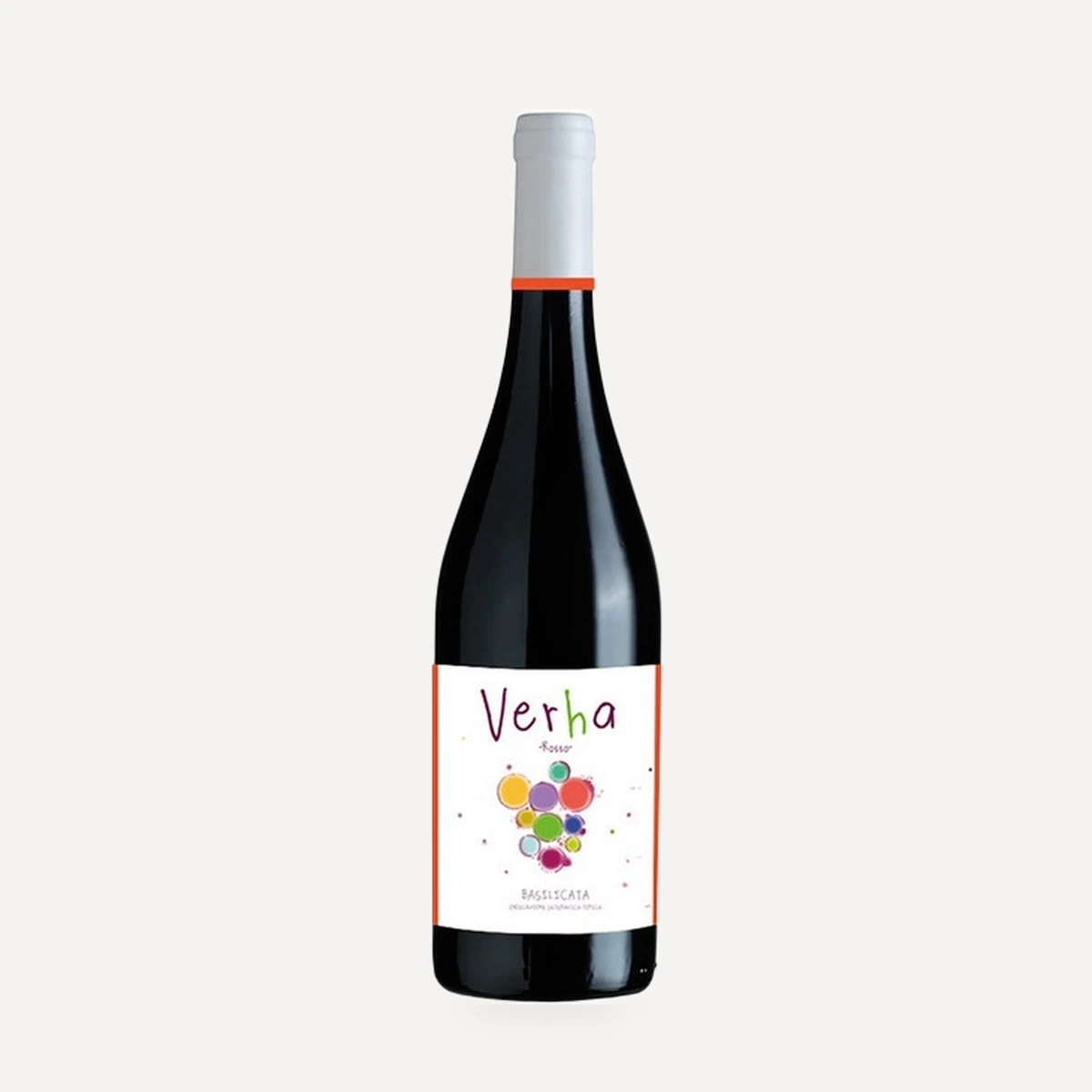
Although TITOLO began as the estate's sole expression, the range subsequently expanded to include amphora-aged, Superiore, Riserva, rosé and commemorative interpretations, alongside olive oil and grappa. In 2022 the Verha Wines project was created using fruit from neighbouring growers in Contrada Catavatta. Its social purpose is to preserve nearby vineyards whose grapes had become difficult to sell after the Covid period, while creating fresher, more immediately accessible expressions of Vulture.
Terroir
The estate lies in Contrada Solagna del Titolo in the commune of Barile, an inland, mountainous part of Basilicata. The family house, cellar and vineyards occupy terraces and lava ridges at approximately 600 metres above sea level, a few hundred metres from the extinct Monte Vulture. The principal exposure is south to south-east.
Monte Vulture and the surrounding hills define a strongly seasonal setting marked by sun, rain, snow and wind. Snow and low winter temperatures support vine dormancy and contribute to soil-water reserves. Wind helps the naturally draining ground dry rapidly after rain, allowing vineyard work to resume. Warm daytime conditions during ripening are moderated by cooler nights; a documented September pattern reached about 30°C by day and 14–16°C at night.
The soil is dark, mineral and pozzolanic. Its visible stratigraphy records successive volcanic phases: volcanic rock and lava, lapilli and ash alternate with clay deposited during periods of volcanic inactivity. The volcanic terraces drain readily, while their clay components retain moisture. This combination supports the vines through warm summers without routine irrigation.
Vigna Titolo surrounds the cellar. Its old Aglianico vines occupy the most highly situated part of the family's original property. The site's combination of altitude, exposure, volcanic strata, moisture-holding clay and seasonal winds is the physical basis of the estate's interpretation of Aglianico.
Winemaking
Work in the estate vineyards is treated as meticulous gardening. The governing principles are respect for nature and its cycles, intensive manual care and the exclusion of chemical products. Technical descriptions identify a biological cultivation system. The estate's Aglianico derives from a massal selection established by Generoso Fucci.
Training systems include short Guyot, alberello and the traditional Capanno vulturino. Favino grown on the property is used as green manure, including in alternating rows. Vine shoots are tied with broom fibres that are dried during summer. Irrigation is not used on the mature estate vineyards; the clay within the volcanic terraces retains moisture beneath naturally draining upper strata.
Harvest is manual. Aglianico's late ripening pushes picking into October and sometimes November. The principal old-vine harvest is not begun before adequate phenolic maturity, historically no earlier than 10 October and commonly toward the end of the month. Grapes are collected in small baskets and moved directly to the adjacent cellar. The oldest parcel receives berry-level selection on a sorting table. Younger, more vigorous vines intended for rosé are harvested earlier, generally in the first week of October.
Cellar
The historic cellar occupies former agricultural rooms under Torre Titolo. A barrel room was excavated into volcanic rock, and the facility handles every stage from grape reception through bottling and labelling. A newer bioarchitectural building stands beside it, connected by a rock-cut tunnel. Recovered and recycled materials and energy-saving technologies were incorporated into its construction.
Grape reception and red-wine fermentation
Hand-picked grapes arrive in small baskets. The fruit is selected and destemmed, with the berries kept whole or nearly whole rather than crushed. Fermentation takes place in temperature-controlled stainless-steel tanks, and skin contact generally lasts for the duration of alcoholic fermentation. After draining, the pomace receives a gentle pneumatic pressing.
For the core barrel-aged method, malolactic fermentation takes place in 200-litre French-oak barriques, typically 50% new. One documented regimen gives 12 months in barrique followed by 12 months in bottle. Longer-aged interpretations extend the barrique phase to 24 months, or combine 12 months in 200-litre barriques with a further 24 months in new 500-litre tonneaux and 12 months in bottle.
Amphora method
Selected, destemmed, almost-whole berries ferment in untreated 700-litre terracotta amphorae made in Impruneta, near Florence. Alcoholic fermentation is temperature-controlled, with 12–13 days of skin contact and repeated délestage and pump-overs. Malolactic fermentation also occurs in terracotta. Maturation continues for 18 months in amphora and six months in bottle. Selected yeasts are identified for this method.
Rosé method
Fruit from young vines is chilled on arrival, destemmed and transferred as almost-whole berries to stainless steel. Alcoholic fermentation and cold maceration last approximately four days. A gentle 30-minute pressing cycle follows, then about two and a half months of stabilization in steel. The wine is filtered, bottled and rested for another two months.
Several technical descriptions set total sulphites at a maximum of 2 mg/L.
Philosophy
Elena Fucci describes her interpretation of Vulture as modern but not modernist: modern in recognizing Aglianico's requirements during ripening and maturation, yet unwilling to distort the character delivered by the fruit. Refinement, restrained oak influence, controlled extraction and preservation of the vineyard's identity take precedence over excessive concentration or overripeness.
Vineyard work is regarded as the decisive stage. Only the estate's own fruit was vinified within the original TITOLO model, and the care invested before harvest creates a corresponding obligation to handle the grapes gently in the cellar. The stated aim is recognizability: the wine should communicate Contrada Solagna del Titolo rather than an imposed stylistic formula.
Family continuity is integral to this approach. Generoso's practical knowledge, Elena's formal training and the estate's technical development are treated as complementary rather than competing forces. Past and future are intended to move together, preserving the family's relationship with Vulture while giving the territory wider visibility.
The later Verha project extends that territorial commitment beyond the estate boundary. By buying grapes from neighbouring farmers whose market weakened after the Covid period, it seeks to keep nearby vineyards in cultivation while presenting fresher, everyday expressions of the area.
Wines
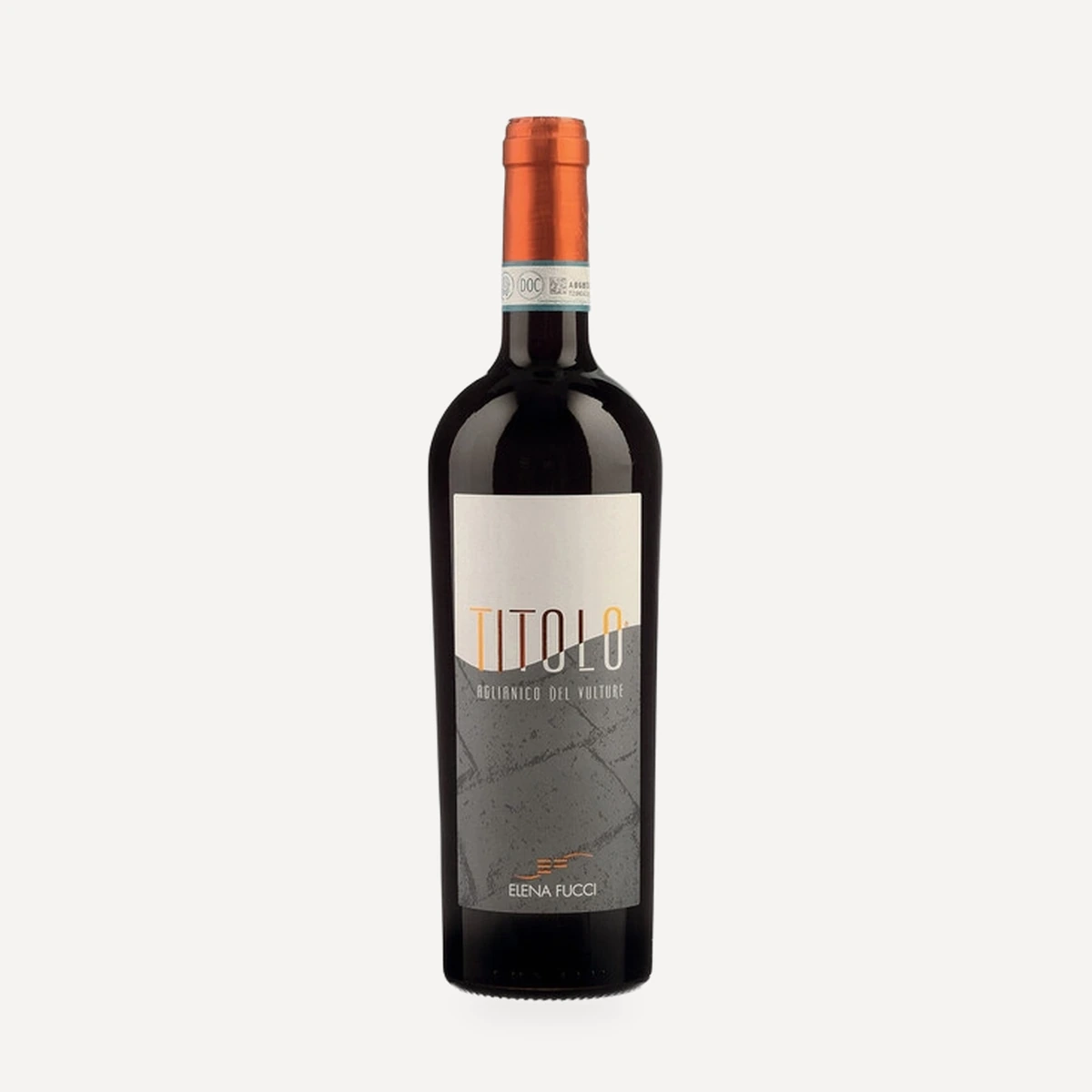
Titolo Classico
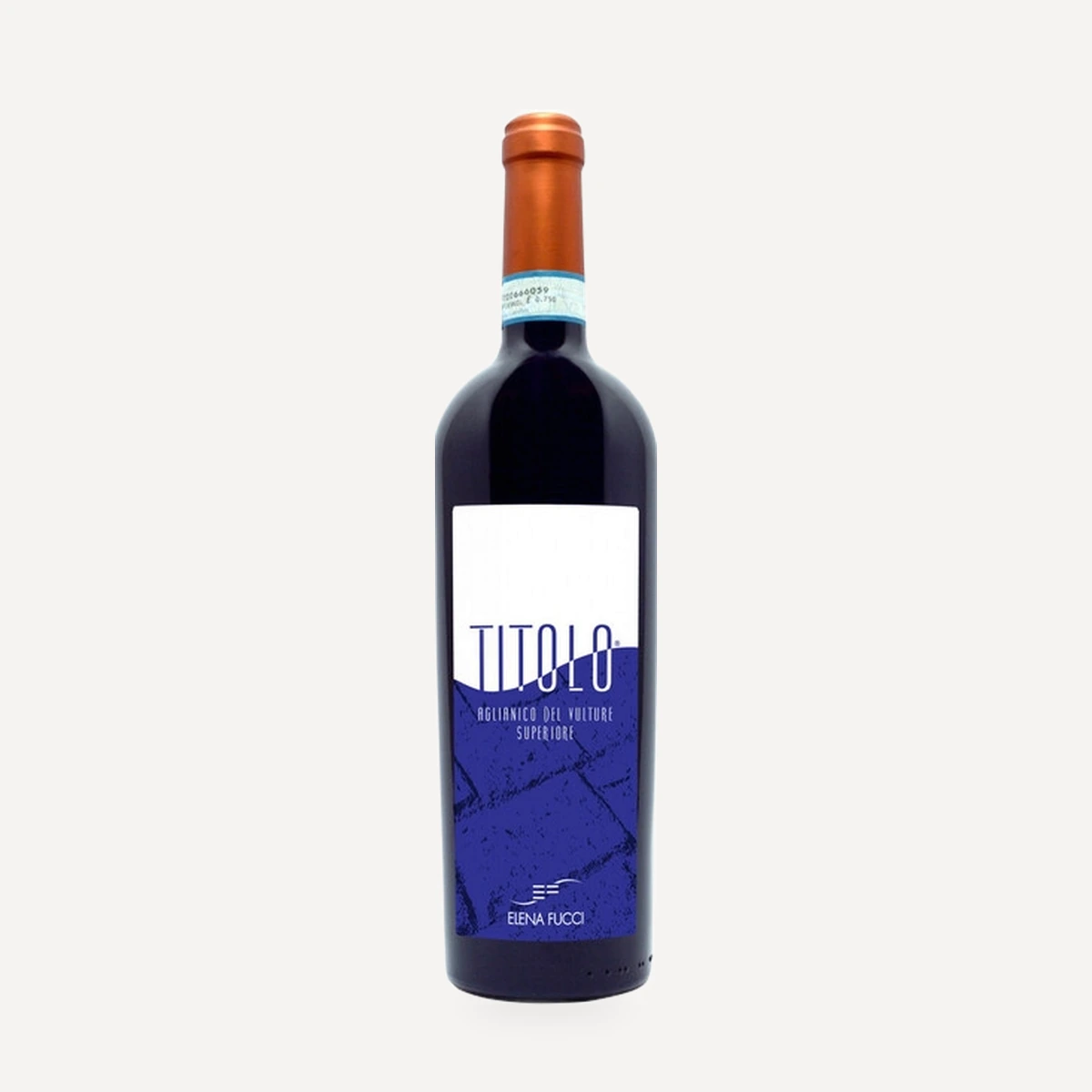
Titolo Superiore
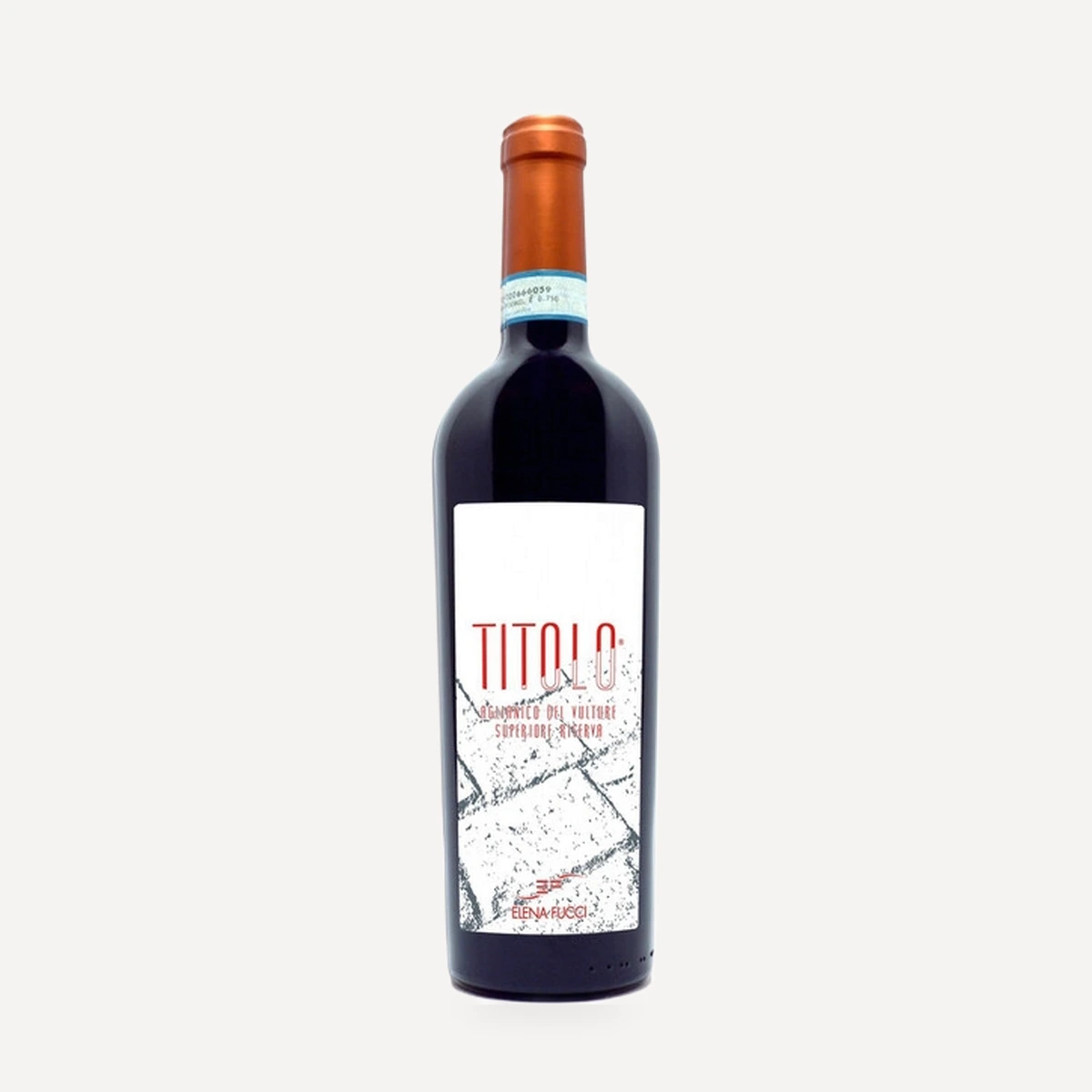
Titolo Riserva
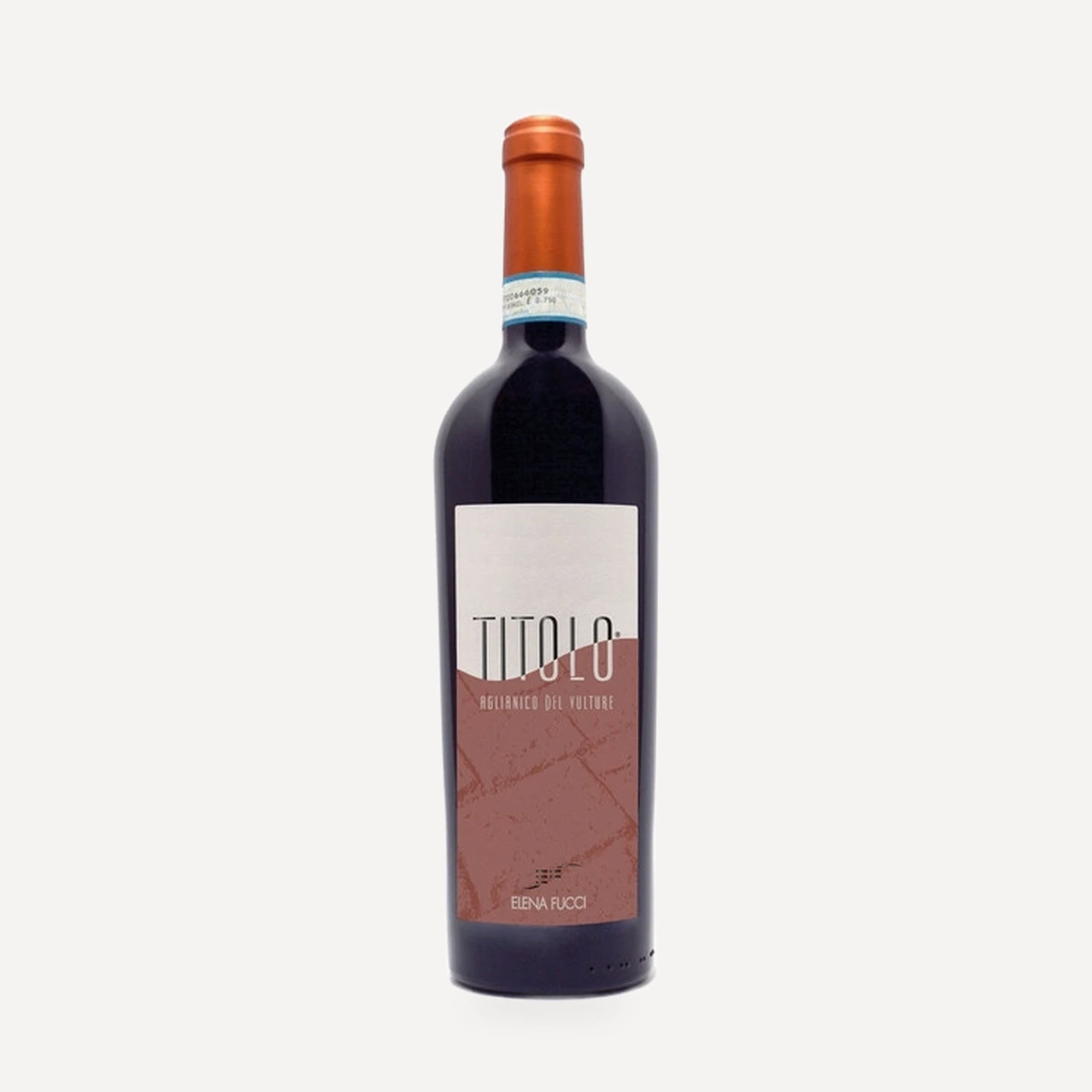
Titolo by Amphora
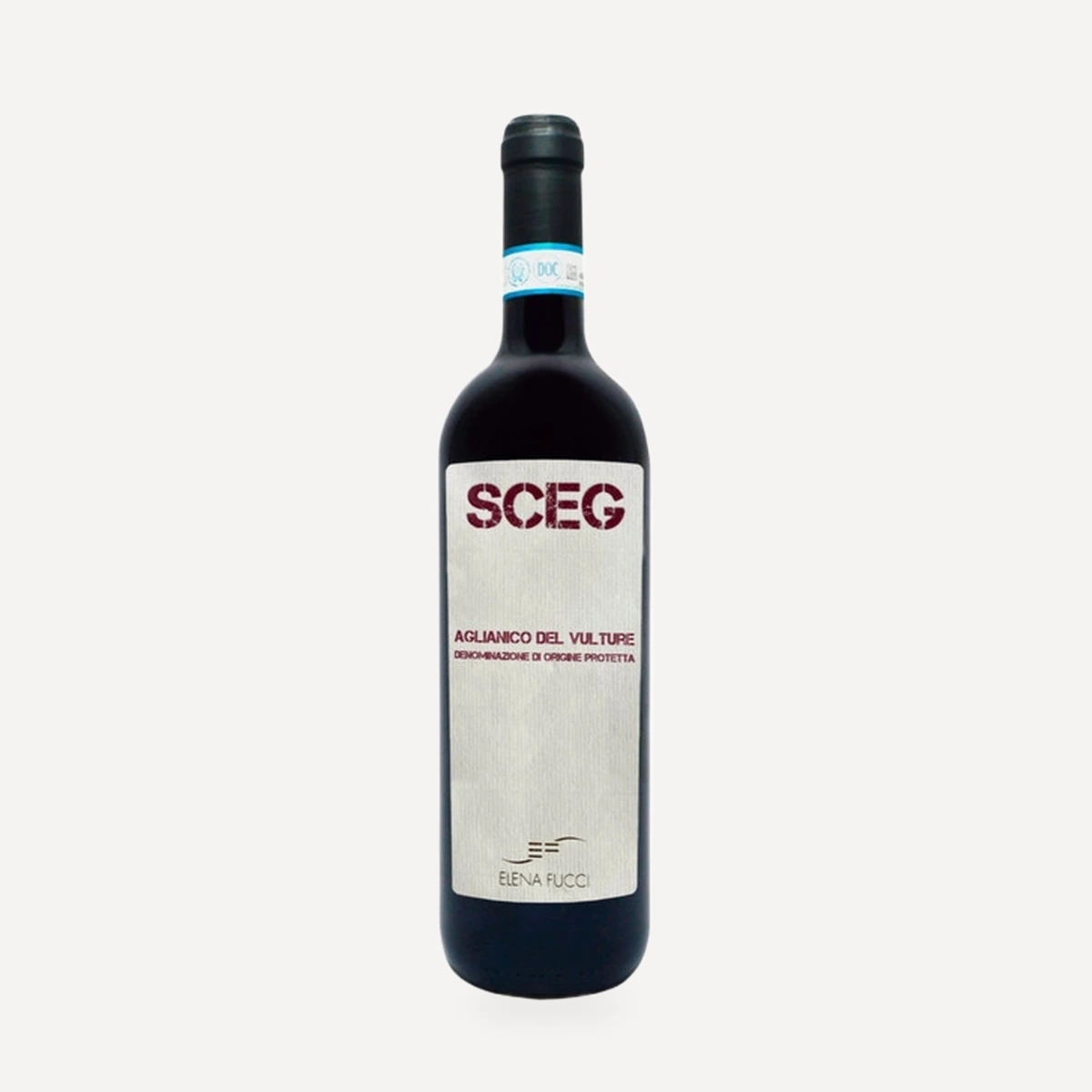
Sceg
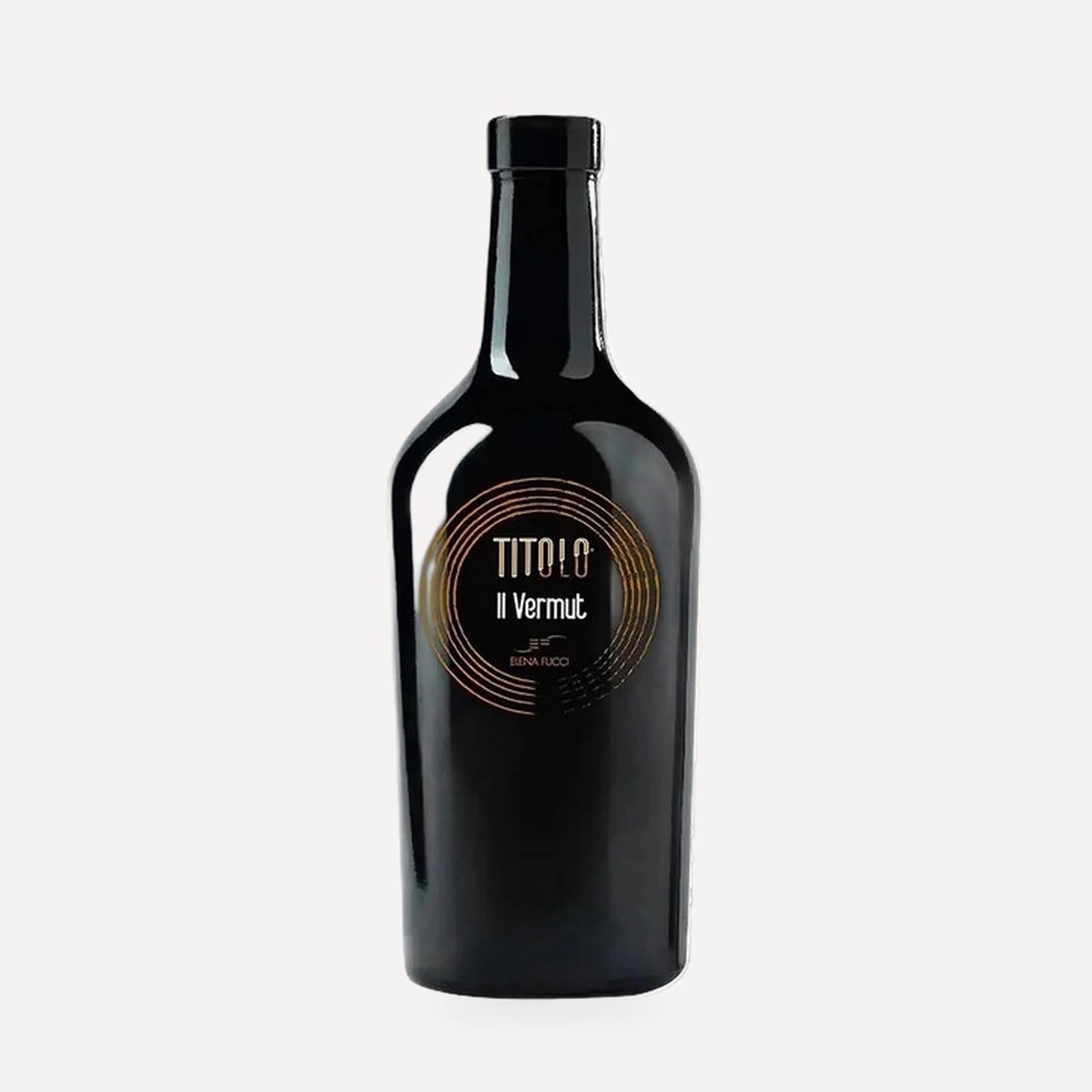
Titolo Il Vermut
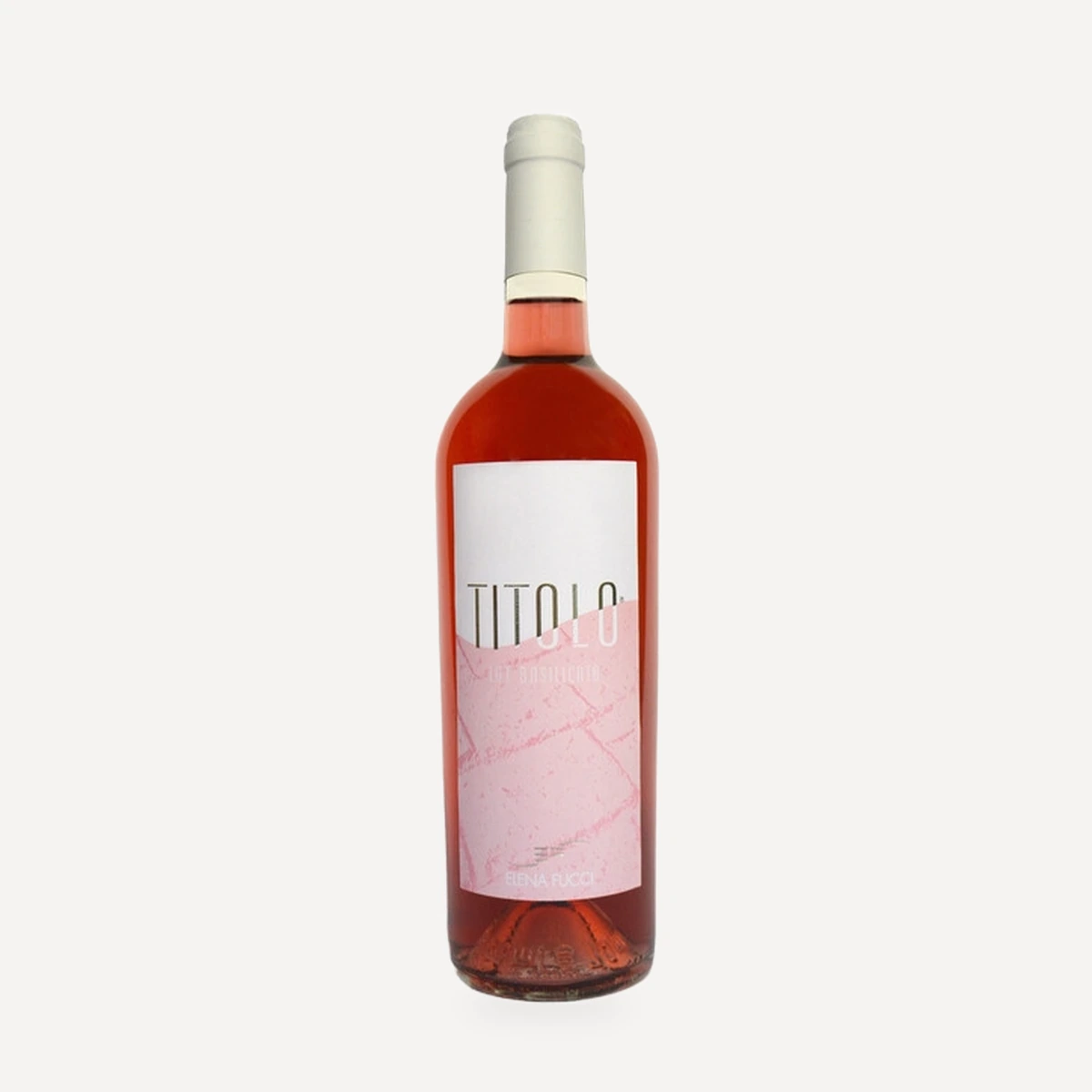
Titolo Pink Edition
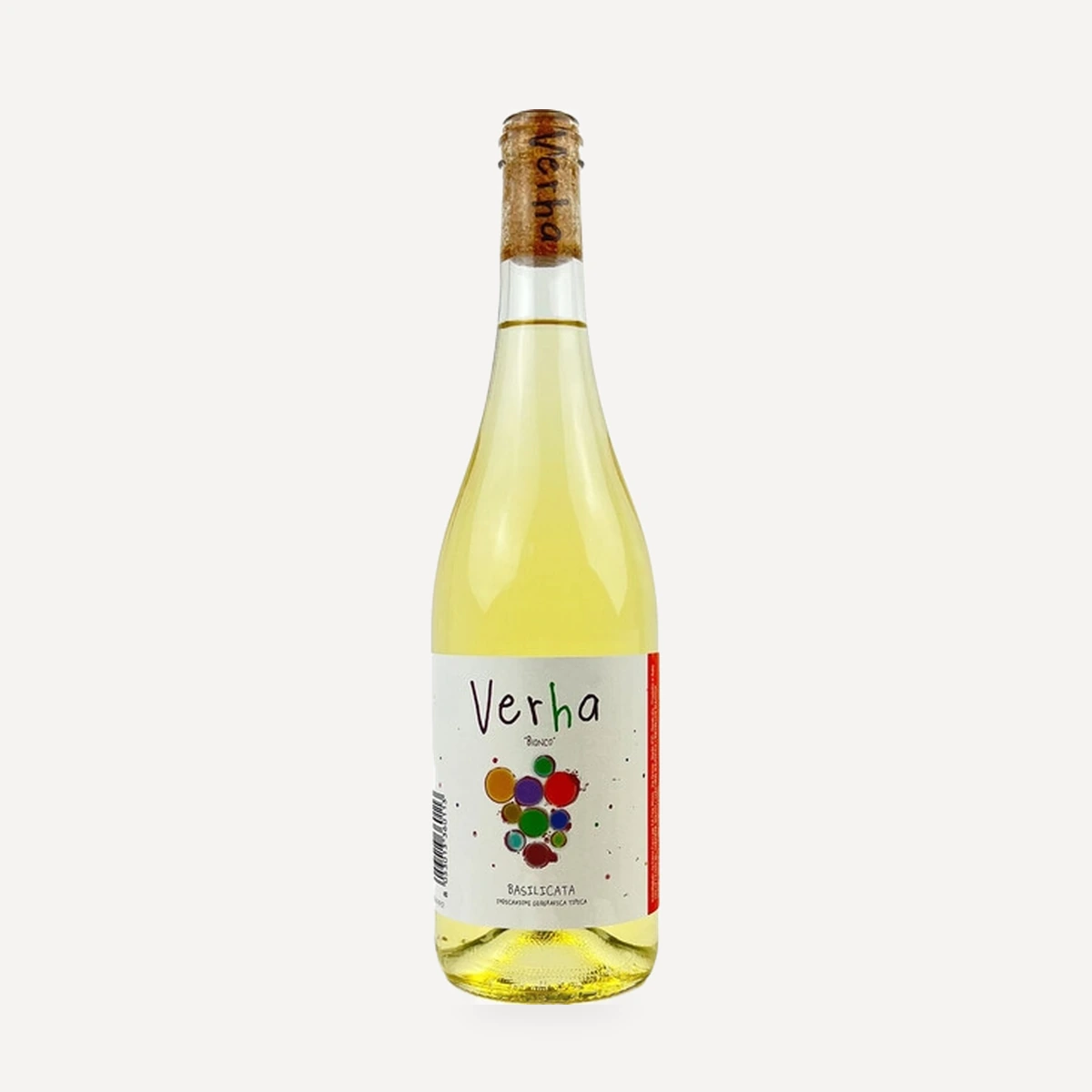
Verha Bianco Basilicata IGT
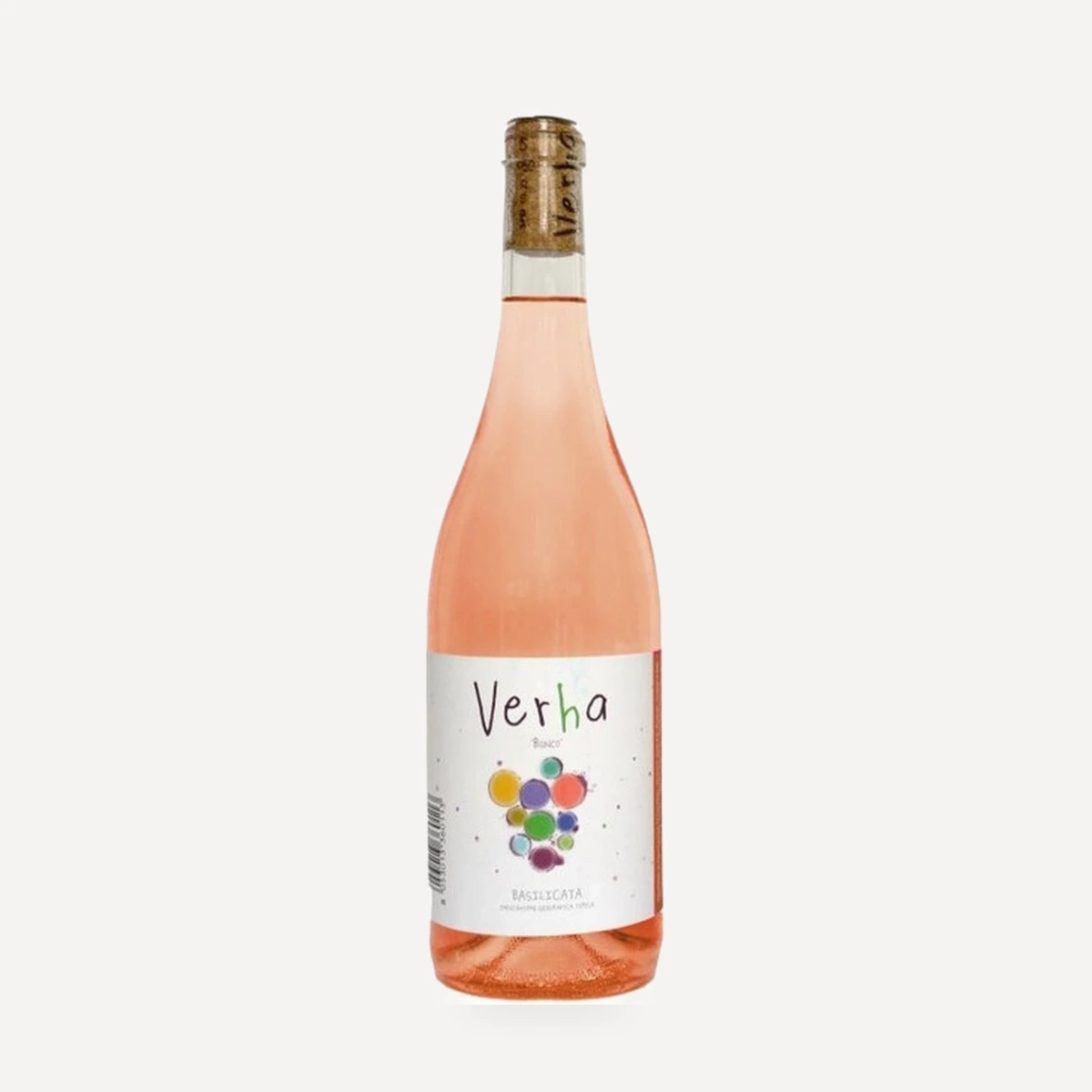
Verha Rosato Basilicata IGT