About this wine
Vineyard and terroir
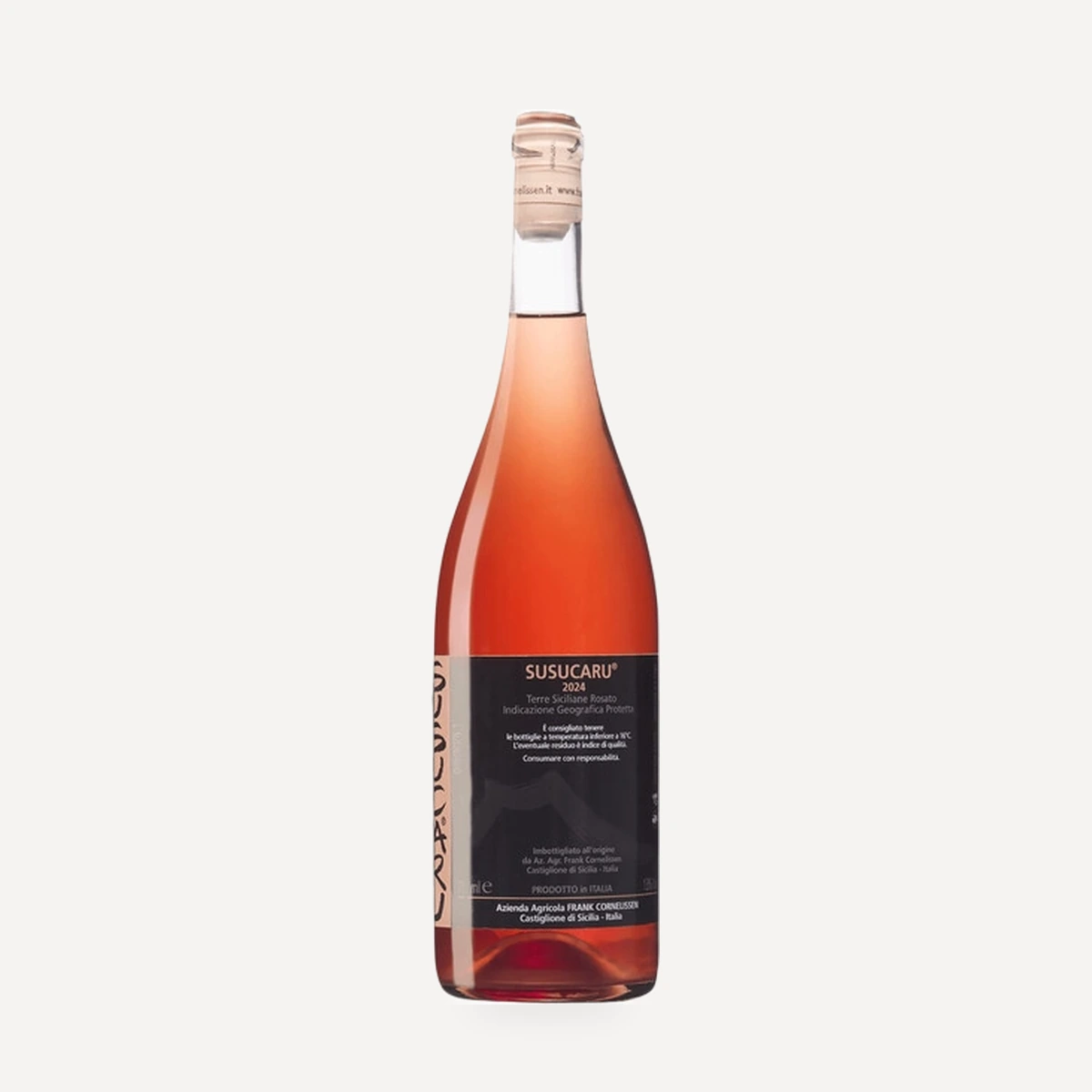
The estate’s only single-vineyard wine from outside Etna’s northern valley comes from contrada Puntalazzo in the frazione of Puntalazzo, comune of Mascali. The 1 ha vineyard lies on Etna’s eastern slope at 610 m a.s.l., faces east and is surrounded by forest with views toward the Mediterranean Sea. Most of its fruit is destined for rosato; a red wine is made from the upper terraces only in years when the grapes achieve suitable ripeness. The vines average more than 20 years of age.
Grapes
100% Nerello Mascalese.
Vinification
The grapes are destemmed and lightly crushed. Fermentation begins with a pied-de-cuve, uses indigenous yeasts exclusively and includes approximately 60 days of skin contact. The wine is neither fined nor subjected to other stated clarification before filtration. Before bottling it is filtered through 5-micron polypropylene cartridges. Sulphur may or may not be added according to grape quality and wine stability; values range from 15 to 50 mg/L.
Ageing
Maturation lasts 18 months in neutral epoxy tanks ranging from 1,000 to 2,500 L, followed by another 18 months in bottle.
Technical data
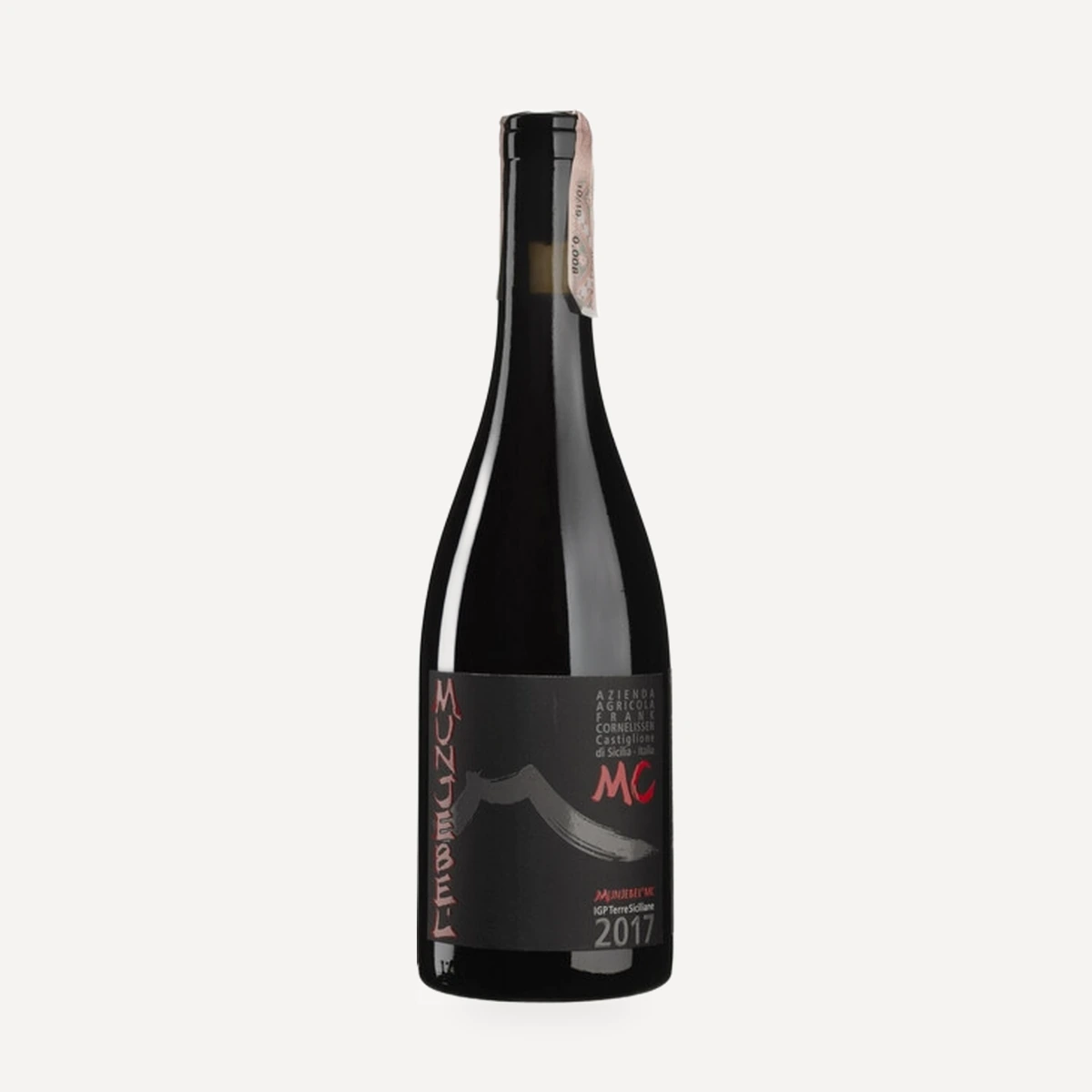
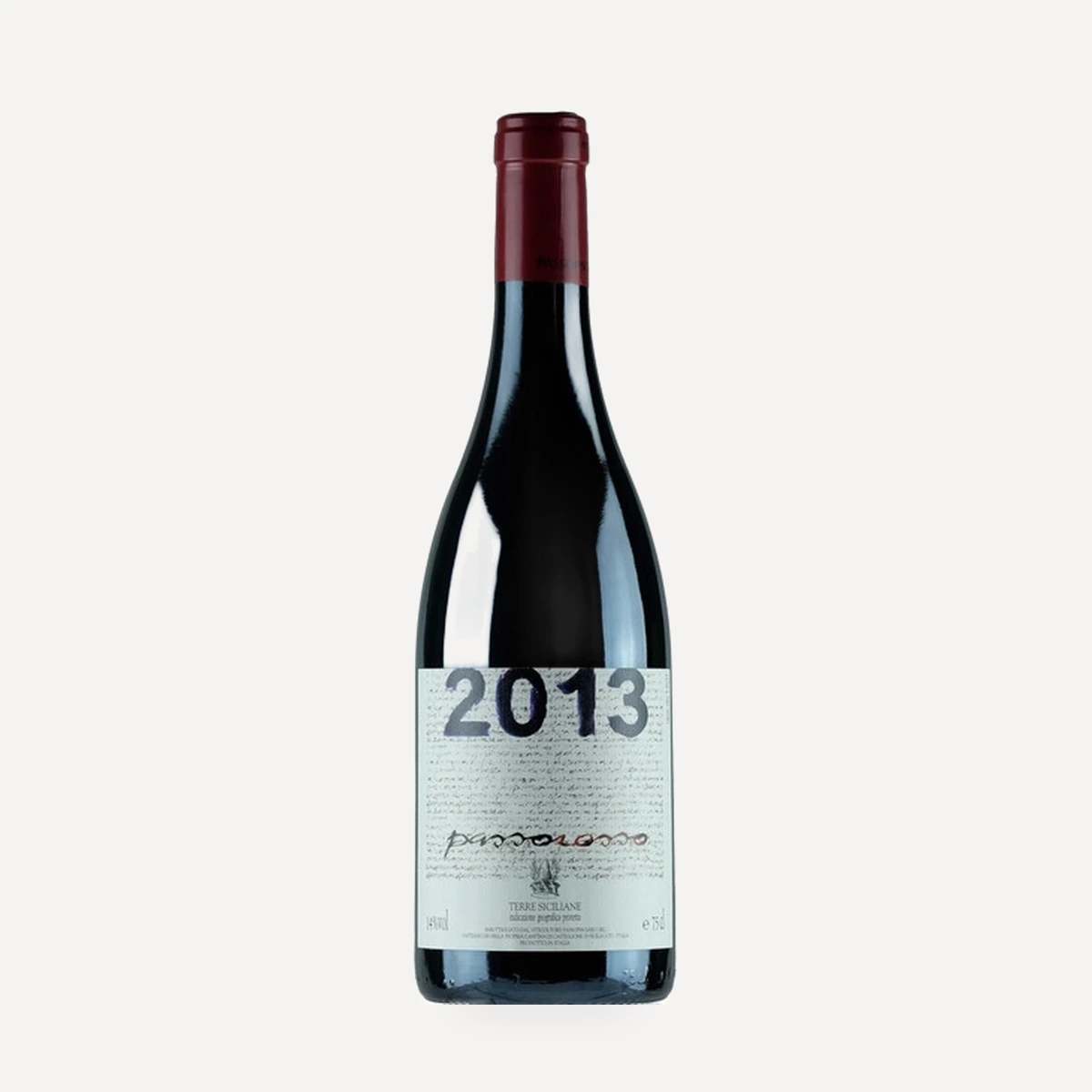
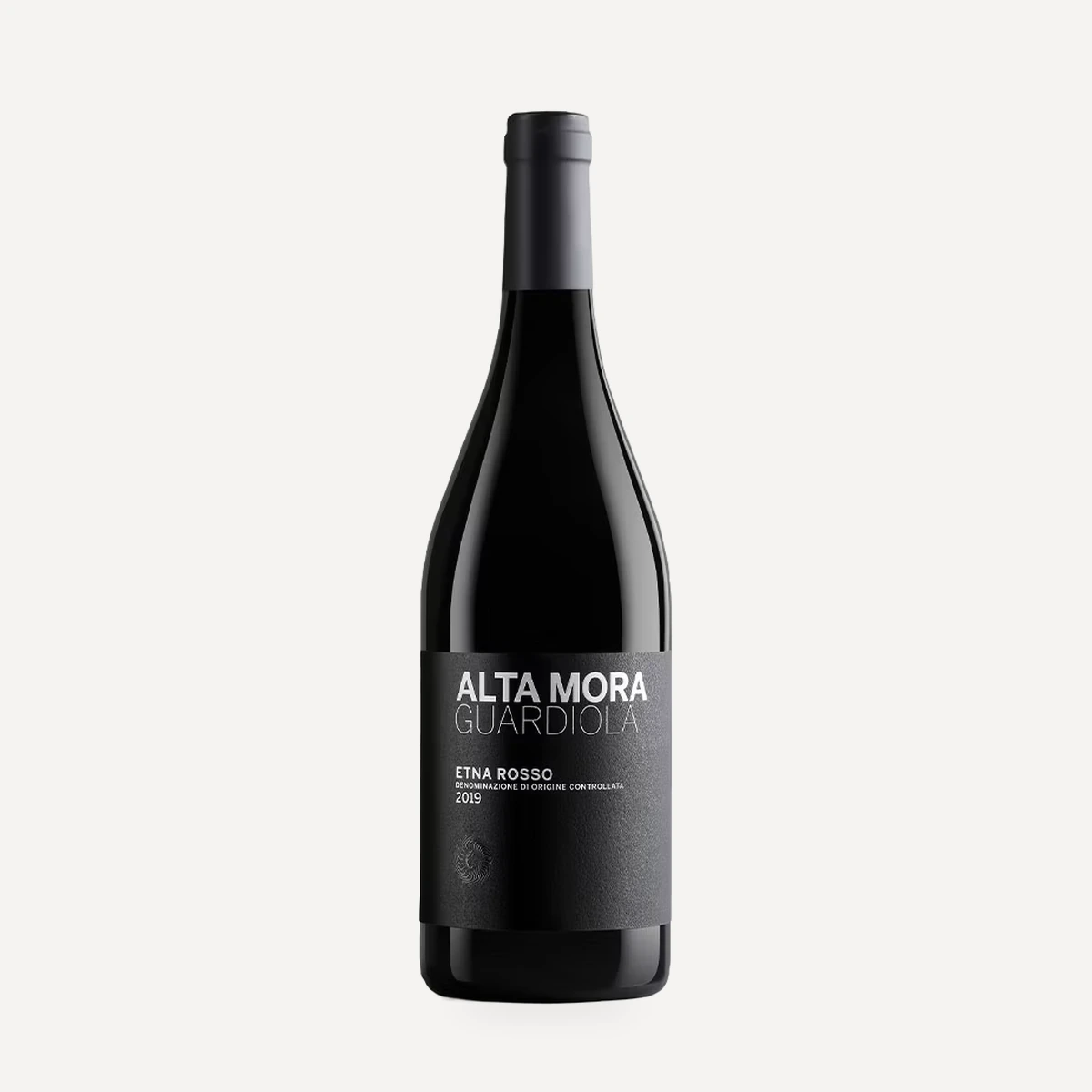
Annual production is approximately 1,200 bottles. The wine may carry either the Etna Rosso DOP or IGP Terre Siciliane Nerello Mascalese denomination. It is bottled in dark Burgundy bottles in 750 mL, 1,500 mL and 3,000 mL formats.
Tasting profile
The wine is fragrant, elegant and almost fragile in character, reflecting the vineyard’s forested setting and proximity to the Mediterranean.
Serving and pairing
Zalto Burgundy stemware is recommended.
Label / history
The first vintage was 2018.