About this wine
Vineyard and terroir
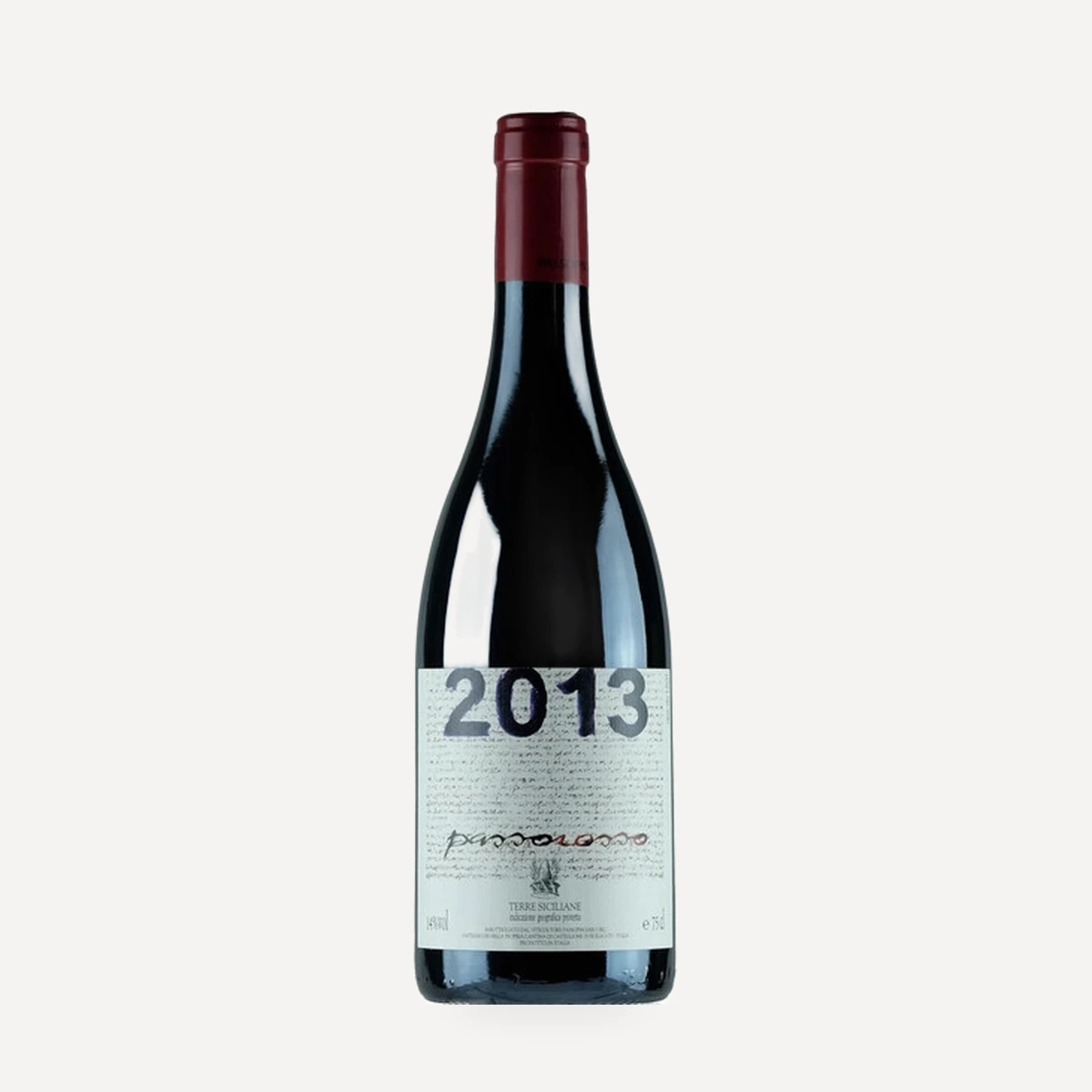
Passorosso brings together Nerello Mascalese from old vineyards across the northern side of Mount Etna. The core sources are Malpasso, Guardiola, Santo Spirito, Favazza and Arcuria, supplemented in particular years by sites including Chiappemacine, Feudo di Mezzo, Sciaranuova and Rampante. It is not a second wine or a selection from young vines: it combines mature parcels from Passopisciaro’s different crus.
The vineyards span multiple elevations and lava flows. The broad historical range is approximately 550–1,000 m, while individual vintage specifications extend from 500 to 1,100 m. Higher sites generally have coarse, gravelly volcanic soils; lower sites have finer, deeper material derived from older, oxidized lava flows reduced to lava dust. Recent descriptions also distinguish volcanic-ash-rich soils from parcels containing lava stones of different grain sizes.
The vines are traditionally bush trained, and most vintage sheets describe them as 70–110 years old. The 2023 and 2024 selections average about 100 years. Where specified, planting density is 8,000 vines per hectare.
Grapes
100% Nerello Mascalese. Grapes from different elevations, volcanic soils and contrade are blended to express the wider territory and the particular character of each growing season. The wine was formerly named Passopisciaro; the name became Passorosso to avoid confusion with the locality of Passopisciaro.
Vinification
Historical vintages underwent temperature-controlled alcoholic fermentation for 15 days in steel vats; the 2005–2007 specifications identify 30 hl tanks. The 2009 must was fermented quickly without maceration and transferred clean of lees to large wood and concrete vessels. The 2019 wine began fermentation in cement.
Extraction became particularly restrained in 2022–2024: maceration lasted 8–9 days, with minimal extraction from skins and seeds, and fermentation temperatures remained at or below 26–28°C. Malolactic fermentation traditionally takes place in large oak barrels; in 2007 these were 30 and 50 hl French-oak vessels.
Viticulture varies with the season. Earlier sheets record no fertilization in 2005–2014, while the 2020 sheet again records none and the 2021 sheet specifies manure. Vineyard treatments cited across the archive include propolis, grapefruit-seed extract, clay, vitamin C, copper, sulphur and lime. Manual picking and bunch selection are explicit for recent vintages; in 2015, diseased berries were removed individually after rain and humidity encouraged mould.
Ageing
Large, neutral oak defines the style. The general élevage is 18 months, followed by bottling without filtration. The 2005 and 2007 wines spent 18–20 months in 30 and 50 hl neutral-oak barrels and at least three months in bottle. The 2011–2016 wines spent 18 months in large oak. The 2017 and 2018 vintages were aged for 10 months in large oak and cement, followed by six months in bottle. From 2019 through 2022, ageing lasted 18 months between cement and large oak. The 2023 wine spent 16 months mainly in large oak with a small concrete component; the 2024 wine followed the same vessel regime.
Bottling dates frequently follow the lunar calendar: April 2016 for the 2014 vintage, April 2017 for 2015, April 2018 for 2016, April 2019 for 2017, June 2020 for 2018, June 2021 for 2019, March 2023 for 2021, February 2024 for 2022, February 2025 for 2023 and September 2025 for 2024, each during the waning moon.
Technical data
The appellation has been Etna Rosso DOC since the 2014 vintage; the 2023 and 2024 sheets use the shorter wording Etna DOC. Recorded yields range from 40 to 49 hl/ha in most historical sheets, with 42 hl/ha in 2011, 2012 and 2014. The 2020 sheet gives 70 hl/ha, while 2021 gives 70 q/ha. The only published alcohol figure in the vintage archive is 15% for 2020.
Production has varied considerably: 30,000 bottles in 2005; 47,000 in 2007; 30,000 in 2008; 29,000 in 2010; 31,000 in 2011; 45,000 in 2012; 39,000 in 2013; 36,800 in 2014; 42,000 in 2015; 47,000 in 2016; 60,000 in 2017; 35,000 in 2018; 47,244 in 2019; 29,800 in 2020; 31,500 in 2021; and 36,700 in 2022. The severely reduced 2023 crop yielded 16,272 standard bottles and 60 magnums. The 2024 release comprised 60,000 bottles of 750 ml and 450 magnums.
Tasting profile
The house profile is bright, pure and mineral, centred on red fruit and herbs. With bottle age, the colour becomes paler while camphor, sandalwood and spice emerge. The Italian description also emphasizes citrus, crunchy fruit and minerality.
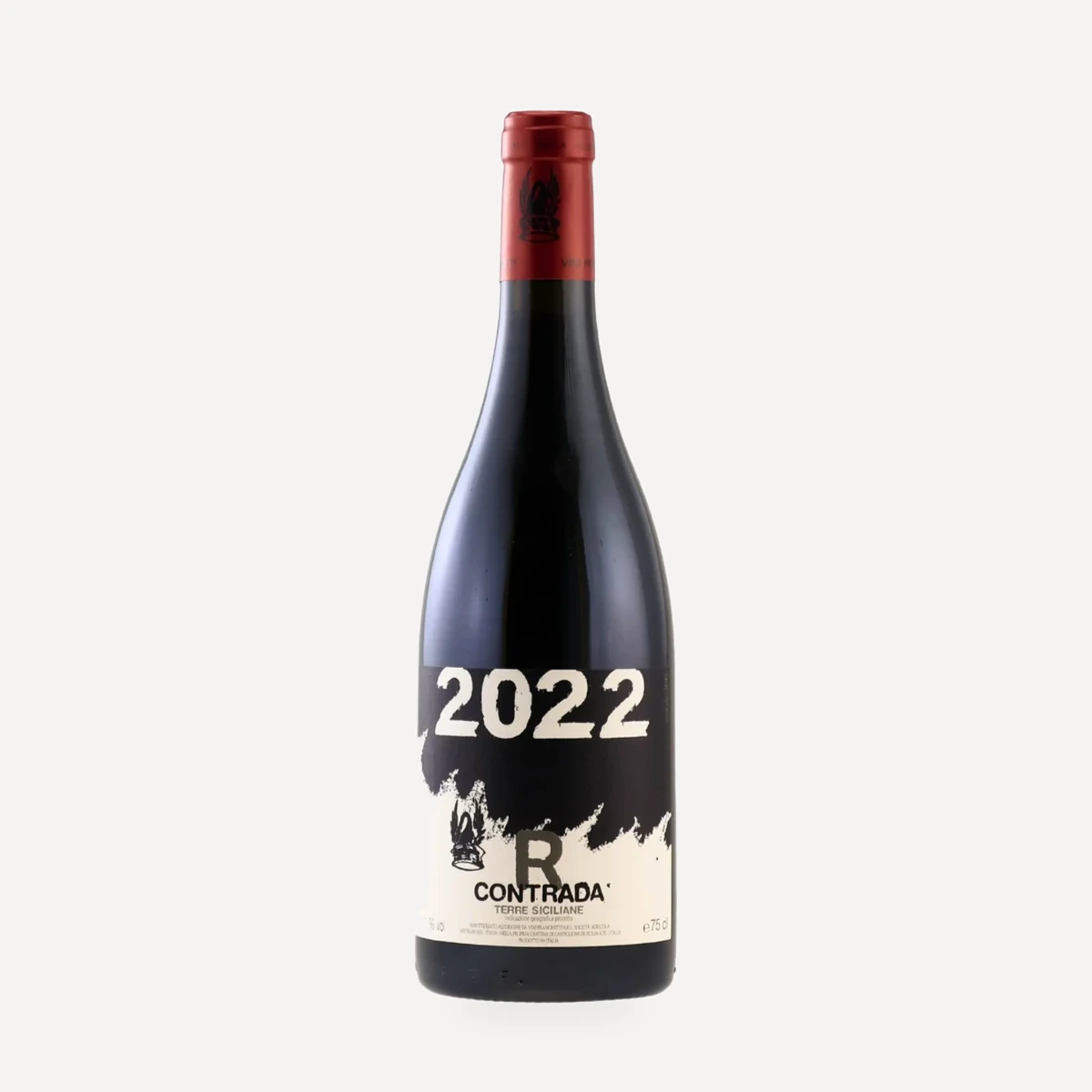
The 2024 has a deep, composed bouquet of fruit and spice. Its lively, savoury palate balances bright acidity, alcohol and silky tannins; it is approachable young but structured for further ageing. The cool, rainy spring of 2023 produced freshness and elegance, silky tannins and fragrant acidity, with a dynamic palate and long bottle-ageing prospects. The 2022 is poised and elegant, balancing acidity, alcohol and silky tannins; it is inviting young and suitable for medium-term ageing.
The 2021 combines strawberry, cherry and raspberry character with rose, herbs, smoke, balsamic nuances and stony minerality. Its silky but energetic palate carries fine tannins, fresh acidity, savoury spice and a succulent finish. The 2020 is spicy and floral, with cardamom, white pepper, cherry, rose and cooling acidity; it is medium textured, firmly tannic and persistent.
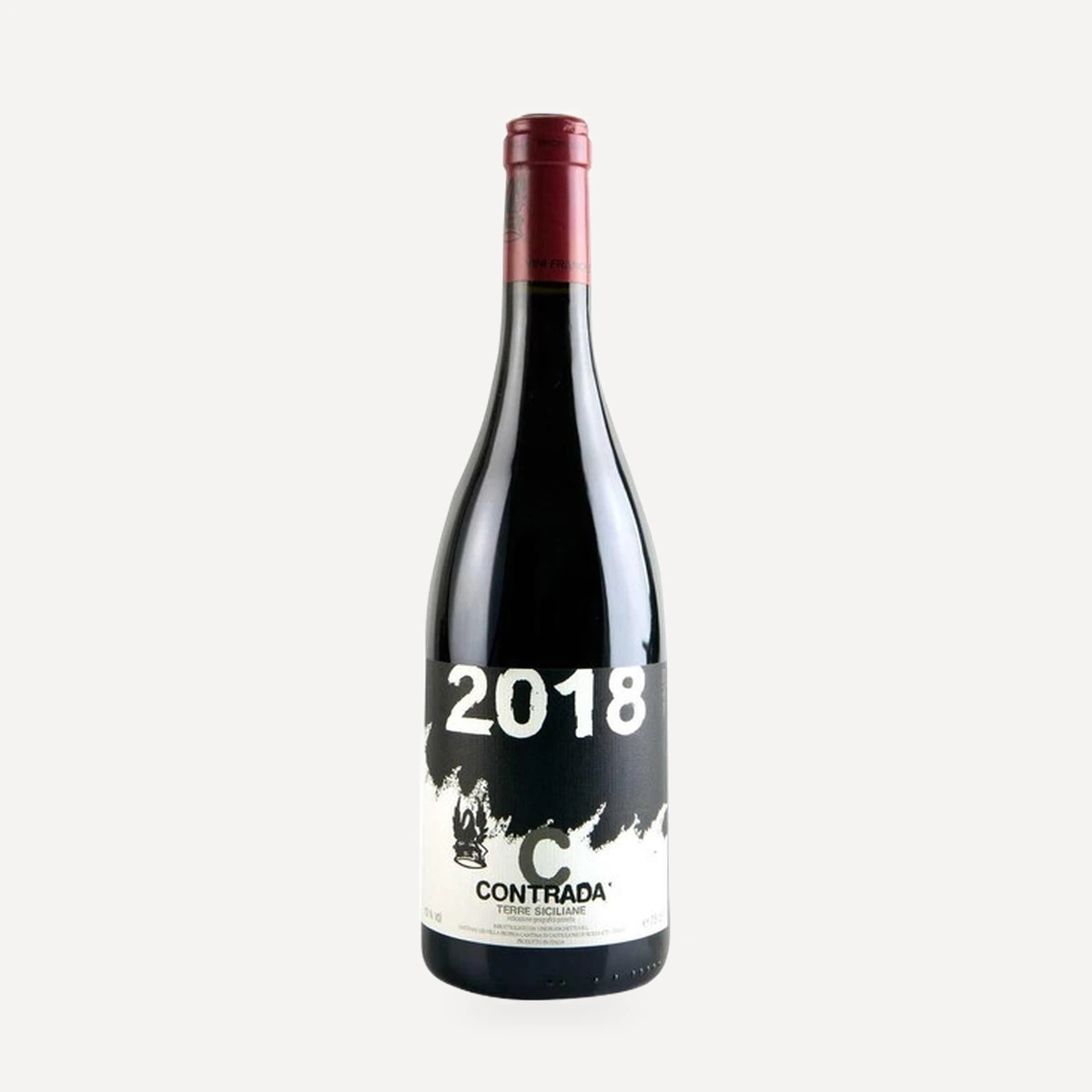
The 2019 is smooth and silky, with rose, bright berries, campfire ash, lively acidity and a dry, gently tannic close. The wet 2018 vintage is linear and energetic, marked by red berries, sour cherry, orange zest, anise, camphor, smoke and mineral tones, firm acidity and polished tannins. The warm 2017 is more powerful and full-bodied, with ripe red fruits, blood orange, pomegranate, camphor, eucalyptus, Mediterranean scrub, liquorice and incense framed by taut tannins.
The 2016 is bright ruby, fresh and mineral, with pepper and vivid red fruit. Pronounced tannins and acidity create tension and a long finish. The 2015 is mineral, saline and structured, with high acidity and restrained alcohol; rose, violet, cinnamon, herbs and menthol lead into a persistent floral finish. The 2014 is dense yet soft and full-bodied, with sandalwood tempering the Etna signatures of citrus and camphor.
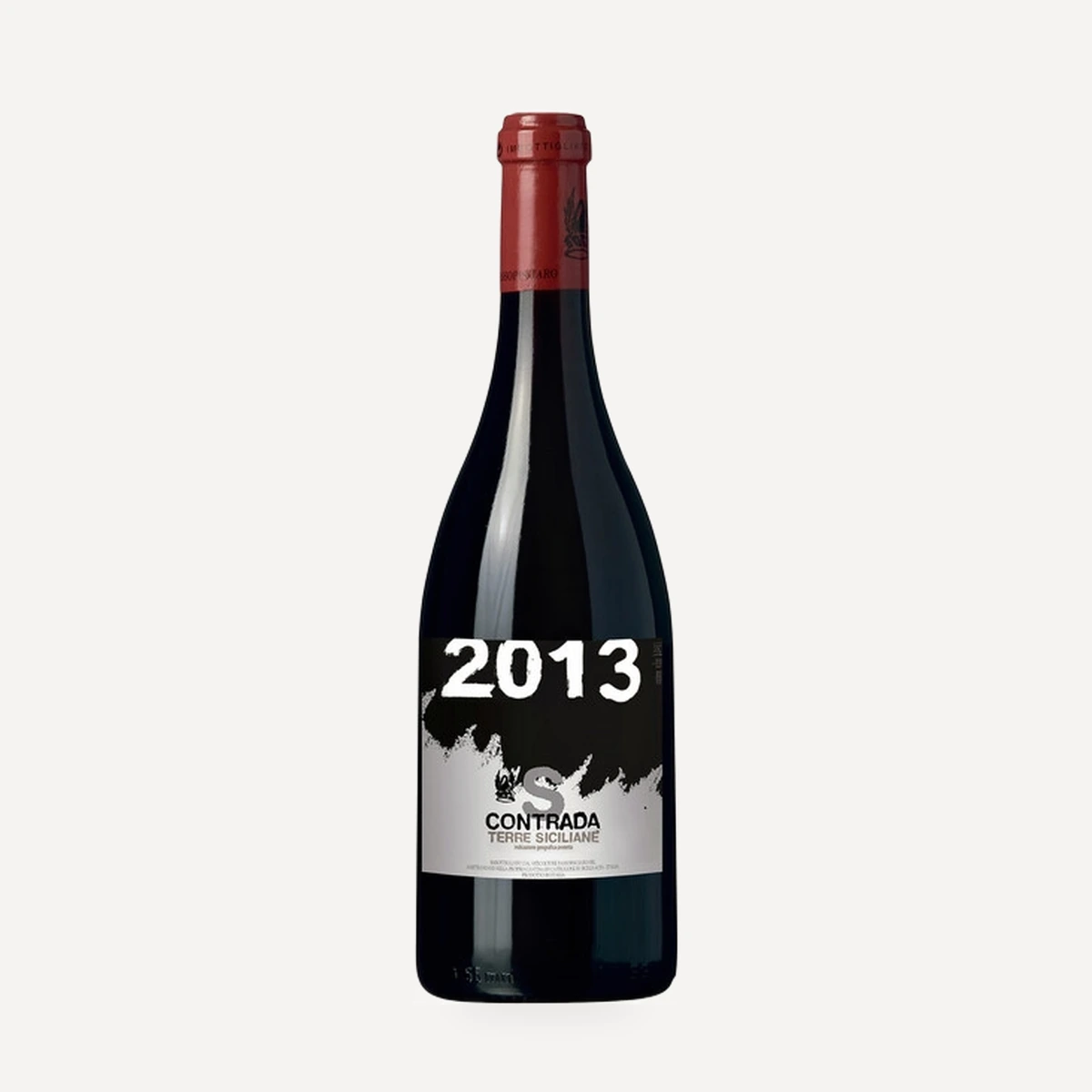
The cooler 2013 is austere, fresh and intense. Its light ruby colour accompanies red berries, violet, herbs, smoke, earth and dark spice; the palate is linear, mineral and high in acidity, finishing dry and flinty with firm tannins. The 2012 is sharp, taut and substantial, with wild strawberry, cherry, cinnamon, herbs, white pepper and bright acidity; it has long ageing prospects.
The 2011 combines flinty red cherry, raspberry, violet, minerals, pressed fruit, ash and spice with a dense, saline structure and youthful tannins. The mild 2010 is soft, silky and precise, with perfumed red berries, flowers, mint, crushed rock and a saline finish. The 2009 is unusually tense and dense, with red cherry, flowers and spice, an aromatic, backward structure and strong ageing potential. The 2008 is concentrated yet weightless, with perfumed red fruit and elegant, silky tannins. The 2007 is subtle and initially reserved, combining candied cherry, flowers, herbs and volcanic minerals. The powerful 2006 vintage developed raspberry, red cherry, herbs and smoky minerals, high but harmonious acidity, fine-grained tannins and a persistent finish. The cool 2005 is aromatic and precise, with candied cherry, raspberry and a perfumed, liqueur-like fruit character.
Serving and pairing
The 2012 vintage was specifically recommended at a cool serving temperature comparable to that used for white wine.
Vintage notes
2024. A cold, clear winter was followed by a favourable spring and abundant, well-formed flowering in late May and early June. Intense summer heat required night irrigation where possible. August rain brought some hail damage in lower vineyards, while drought caused losses elsewhere. Red-grape harvest ran from 3 to 11 October. The resulting wine combines body, tannins, acidity and alcohol in balanced proportions.
2023. Heavy winter snow replenished water reserves after the 2022 drought. Persistent rain and low temperatures from May through June disrupted flowering, while downy mildew reduced yields despite organic treatments. July repeatedly reached 40°C and ripening was uneven. Careful manual selection was essential. Harvest ran from 10 to 24 October, and total production fell by 60%.
2022. Winter rain, snow and spring precipitation built strong water reserves, but September and October were hot and dry, particularly in lower vineyards. The first harvest pass covered vineyards at 550–700 m from 1 to 8 October; the higher sites followed on 27–28 October.
2021. Winter rain and some snow alternated with unusual warmth, followed by a cold spring and sudden summer heat. Old Nerello Mascalese vines did not require irrigation because of their deep roots. Cooler weather and moderate September rain allowed harvesting from 16 to 19 October, producing balanced, fully ripe red wines.
2020. A moderate, rainy summer turned hotter in late July. Further rain, some hail and an October cold spell preceded the ripening of the red varieties. Passorosso was hand selected on 23, 30 and 31 October.
2019. A cold April and May delayed flowering, but heat approaching 40°C from late June through September allowed the vines to recover. Strong diurnal variation in October advanced phenolic maturity. The wines are supple rather than high in alcohol, balancing fresh fruit with vertical acidity.
2018. One of the wettest and most tropical seasons in eight years required repeated canopy work and natural treatments based on clay and propolis. The wines are linear and high in acidity, with the structure for ageing.
2017. Sustained heat lasted until mid-September and some irrigation was needed. Ripening advanced steadily, moving harvest more than a week earlier than usual, from 20 to 29 October. The wines are powerful, structured and ripe-fruited.
2016. Even, gradual ripening allowed precise picking from 21 to 25 October. Flavour and colour were released easily during fermentation, requiring little forceful extraction.
2015. A rainy winter and hot summer encouraged early ripening, but October rain weakened the skins and promoted mould. Damaged berries were removed by hand. Picking advanced from low sites such as Chiappemacine and Malpasso to higher vineyards below Guardiola, finishing on 27 October.
2014. Four dry, hot months ended with a late-October storm and cold weather. Vineyards at all elevations ripened almost simultaneously, prompting a rapid harvest from 24 October through 2 November. This was the first Etna Rosso DOC vintage.
2013. A cold, rainy season delayed maturity. Warm weather at the end of October finally ripened small, healthy berries with dark skins. Harvest began in the lowest vineyards on 25 October and ended at Rampante on 10 November. The musts were acidic and dark-fruited, producing an austere and elegant wine.
2012. Heat and drought lasted from May through October. High sugar, low acidity and vine stress initially delayed picking; rain restored balance within two days and harvest proceeded rapidly. The result is powerful, taut and long-lived.
2011. Late rain and a long season produced richness within a firm, measured structure. Nerello Mascalese was harvested from Arcuria, Malpasso, Favazza, Guardiola and Feudo di Mezzo between 24 October and 5 November.
2010. Warm fog and drizzle arrived in mid-September after vigorous growth. Parcels were harvested selectively and revisited as needed between 18 and 27 October. Mild conditions produced a soft, precise wine with a silky core.
2009. Rain and humidity encouraged earlier picking across the different elevations. The wine developed greater-than-usual tension, density and varietal definition; careful closures and infrequent rackings preserved its light colour and brightness.
2008. Repeated winter snowfalls hydrated the soils before a hot summer. Timely October rain relieved late-season stress, and picking continued from 23 October through the end of the month.
2007. Humid, overcast autumn weather relieved summer water stress and allowed slow ripening. Picking progressed from the lowest vineyards at 500 m to Guardiola at 1,000 m.
2006. Snow remained on Etna until April, supplying water before a powerful summer. Strong skins carried the fruit safely into November, and multiple harvest passes at different stages of maturity contributed complexity and length.
2005. A cool season allowed harvesting to continue from 12 to 25 November. The dry Alcantara Valley, late ripening at altitude and marked differences among lava-derived soils shaped an aromatic, rich and classically taut vintage.
Label / history
Andrea Franchetti arrived on Etna in 2000 and produced the first vintage in 2001. The wine was initially called Passopisciaro. It was renamed Passorosso to prevent confusion between the wine and the geographic place-name. Beginning with the 2014 vintage, it entered the Etna Rosso DOC denomination.