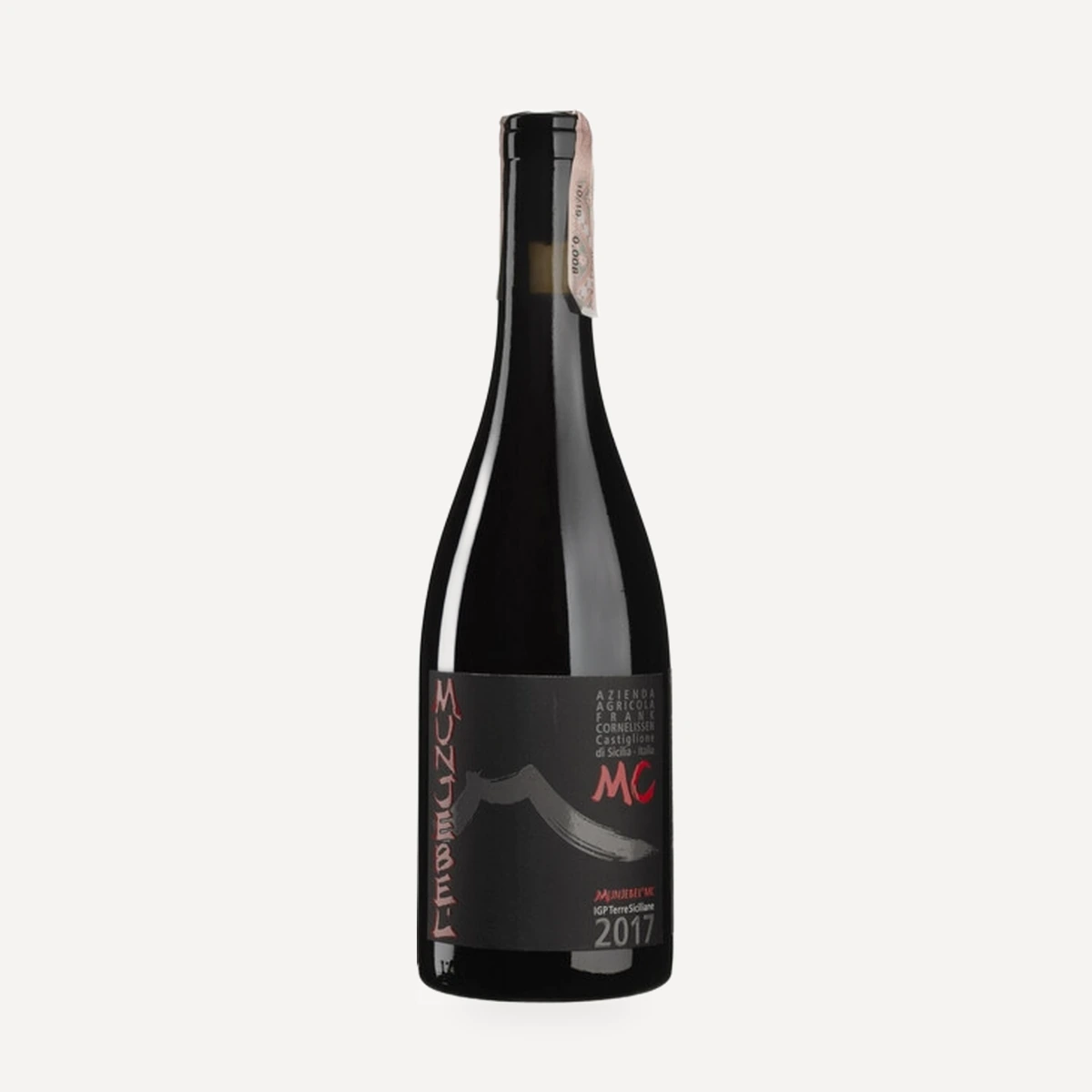
About this wine
Vineyard and terroir
Contrada Scimonetta is a north-facing site at 740 m above sea level in the comune of Randazzo, within Etna’s northern valley. Its geology dates to a pyroclastic period and is associated with complex wines. The approximately 2.5-hectare property formerly belonged to the La Piana family and formed a clos enclosed by stone walls.
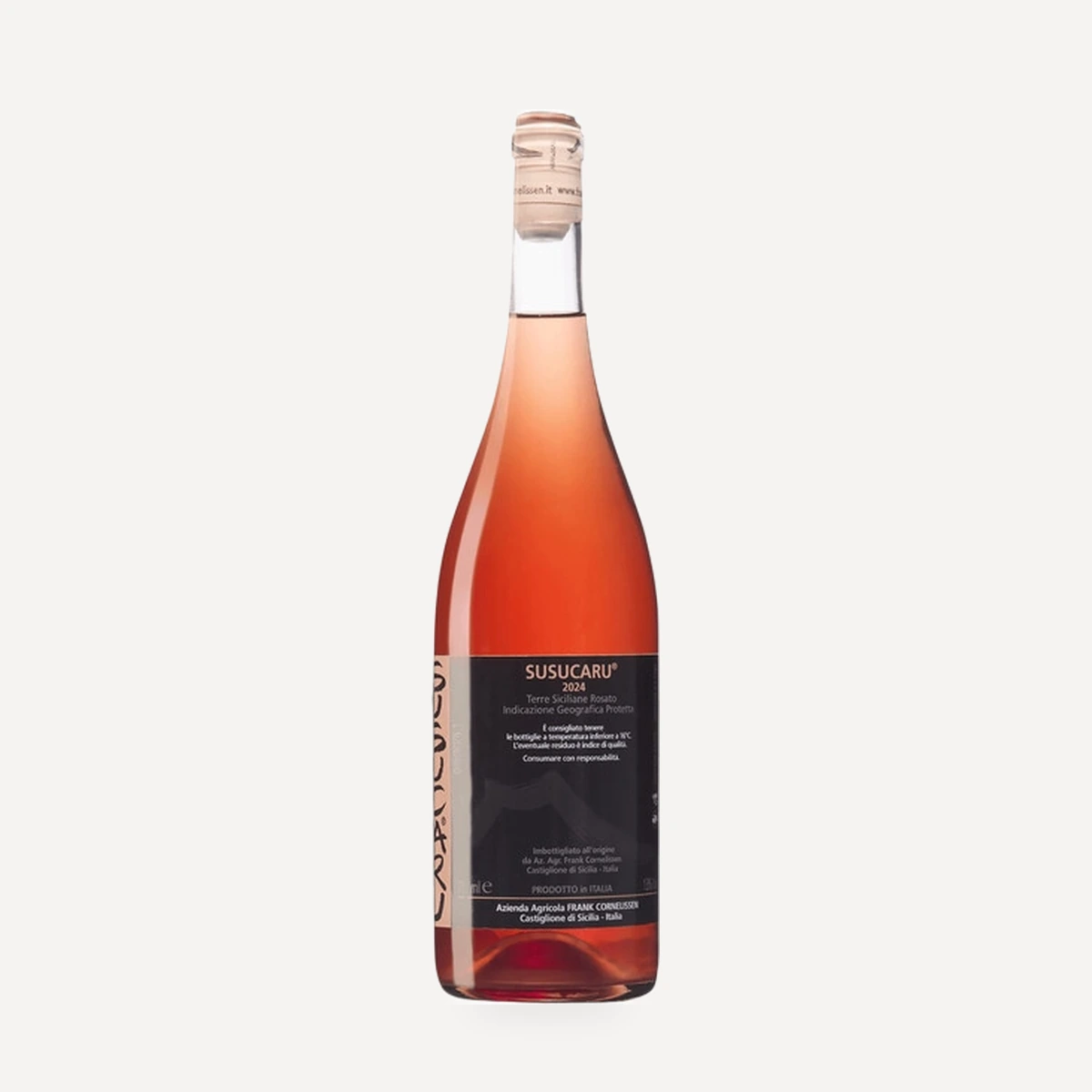
A small portion of the old vines is being retained while the replanted sections mature and begin to produce fruit of the required character. Until then, fruit not selected for the contrada bottling is directed to the estate’s base red or rosato. The old vines average more than 40 years of age; newer sections were planted in 2002 and 2003.
Grapes
100% Nerello Mascalese.
Vinification
The grapes are destemmed and lightly crushed. Fermentation begins with a pied-de-cuve, uses indigenous yeasts and includes approximately 60 days of skin contact. The wine is not fined. Before bottling, it is filtered through 5-micron polypropylene cartridges. Sulphur may or may not be added according to grape quality and wine stability; total values vary from 15 to 50 mg/L.
Ageing
The wine matures for 18 months in neutral epoxy tanks of 1,500–2,500 L, followed by another 18 months in bottle.
Technical data
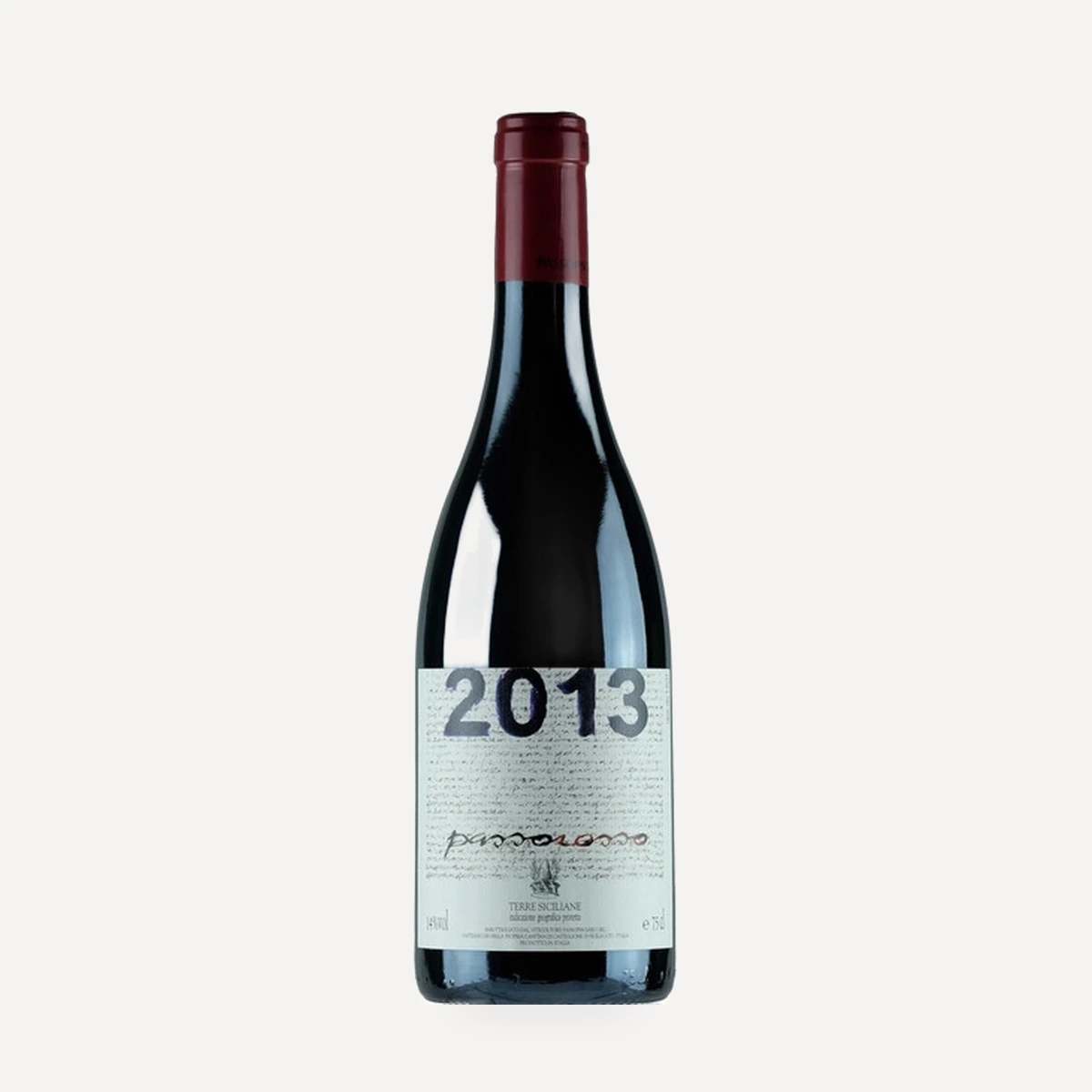
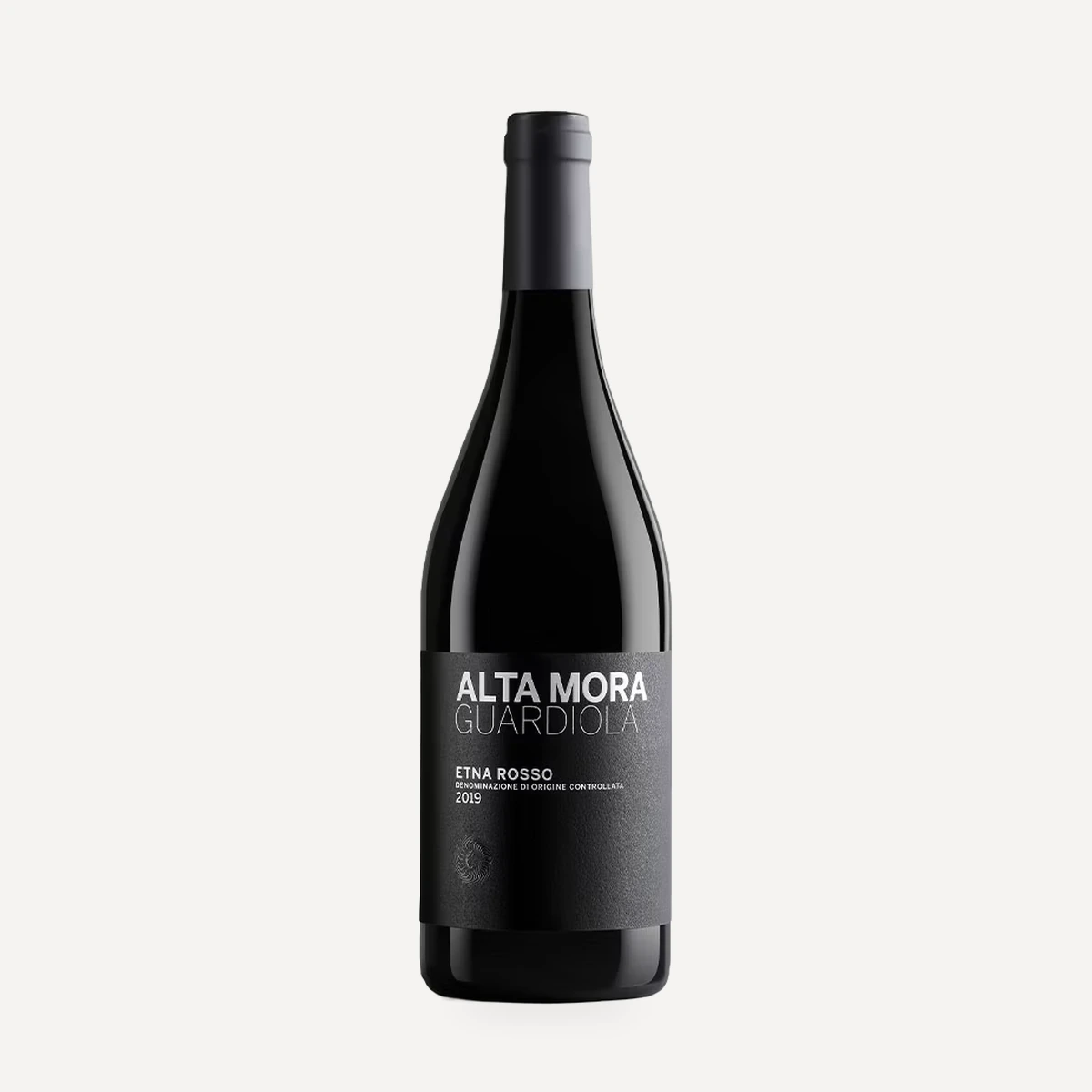
Etna Rosso DOP or IGP Terre Siciliane Nerello Mascalese. Annual production is approximately 600 bottles. It is bottled in dark Burgundy bottles in 750 mL, 1.5 L and 3 L formats. Zalto Burgundy stemware is recommended.
Tasting profile
Generally multilayered, combining elegance and depth with structure.
Label / history
The first vintage was 2021. The site is regarded as a developing contrada whose character will become clearer as the newer plantings mature.