History
Family vineyards and the formation of a vine grower
Graziano Prà grew up in a family connected with viticulture. His grandfather and father managed the family vineyards, establishing the path that he later followed through formal training as an oenologist. From the outset, he chose to work exclusively with native grape varieties and adopted the modern role of the vignaiolo: personally overseeing the sequence from grape growing and transformation to the sale of the finished wine.
The 1980s: the company takes shape
The decisive change came in the early 1980s, when Graziano began managing the enterprise and the F.lli Prà company took shape. It was initially run by Graziano together with his brother Sergio, whose work was concentrated in the vineyards.
The first vintage of Soave Otto was produced in 1983. In 1988 Graziano created the Monte Grande cru to give a distinct identity to the family’s old Monte Grande vineyard. This project followed a period of research and experimentation intended to establish Monte Grande as his principal expression of Soave.
New winery infrastructure and early recognition
A first winery was built in 1990. The 2025 company chronology distinguishes this from the present winery and pressing facility, constructed in 2004.
The 2000 vintage brought the first major recognition: Tre Bicchieri for Soave Classico Monte Grande 2000. In 2004 the estate also began producing Staforte, choosing maturation in stainless steel at a time when barrique ageing was more fashionable.
Expansion into Valpolicella
In 2001 Graziano purchased the La Morandina vineyards in the broader Valpolicella area, around Mezzane and Tregnago. He had spent considerable time searching for a high-altitude Valpolicella site suited to his preference for freshness and definition. The vineyards, planted in 2001, were managed organically from the beginning.
The first Graziano Prà Amarone vintage was produced in 2006 and released three years later. Its development extended the estate’s emphasis on gastronomic wines, freshness and clean expression to the dried-grape tradition of Valpolicella.
Sole ownership and territorial consolidation
In 2007 Graziano purchased Sergio’s share of the business and became sole owner. Under his direction, the estate continued to focus on three principal territories: the family cru Monte Grande, Monte Bisson in Soave and Morandina in Valpolicella.
In 2016 the estate acquired Tenuta Monte Bisson, a hill close to the medieval centre of Soave. The property includes a Venetian tower dating from the fifteenth century. Its 15 ha comprise 7 ha of vineyard and 8 ha of woodland.
In 2018 Soave Otto entered Wine Spectator’s selection of the world’s top 100 wines. In 2022 Agriturismo Monte Bisson opened for overnight stays and tastings, adding hospitality to the estate’s vineyard and winery activities.
Terroir
Soave hills
The estate cultivates 40 ha of hillside vineyards in the Soave area. The soils are volcanic in origin, and the vineyards occupy a specific hill microclimate. Garganega and Trebbiano di Soave are the native varieties associated with this part of the property.
Monte Grande lies in Monteforte d’Alpone at approximately 150 m, with a southern exposure and volcanic soil. The Ponsara UGA site is at about 130 m. Its soils are dark and essentially volcanic; the valley is protected by the Foscarino relief to the north and Froscà to the south. Climatic observations covering 20 years characterise it as a cool site with good rainfall.
Other Soave vineyard selections extend from roughly 100 to 250 m. The combination of hillside position, volcanic ground and individual microclimates forms the basis of the estate’s approach to Soave.
Valpolicella hills
The Valpolicella holding covers 8 ha around Mezzane and Tregnago. The vineyards stand at approximately 450 m, face south-east and have flaky calcareous soils, also described in relation to the marl’s high chalk content. This is a particularly cold area, exposed to cold air currents from the Monti Lessini. Corvina, Corvinone, Rondinella and Oseleta are grown here.
The altitude, cold currents and calcareous ground underpin Graziano Prà’s intended style for Morandina: a high-altitude Valpolicella expression shaped by freshness, spice and definition rather than cellar weight.
Winemaking
Vines are grown on hillsides and the grapes are harvested by hand. The estate links quality to low yields, precise vineyard work and organic farming. La Morandina has been organically managed since its acquisition and planting in 2001, while the broader production presentation describes the vineyards as operating under an organic regime.
The approach favours native varieties selected for their respective territories: Garganega and Trebbiano di Soave in Soave; Corvina, Corvinone, Rondinella and Oseleta in Valpolicella. Pergola Veronese and Guyot are used in the Soave vineyards, while Morandina is trained to Guyot.
Yield targets vary by site and intended production, from 30 hl/ha for the most selective Valpolicella and passito harvests to 70 hl/ha for younger Soave expressions. Some Garganega selections employ taglio del tralcio: the fruit-bearing shoot is cut around the first waning moon of September, and the bunches remain on the vine to dry for approximately one month before harvest.
Environmental measures include close attention to the vineyards’ natural surroundings, preservation of 8 ha of woodland at Monte Bisson and use of renewable energy at the winery. Monte Bisson’s nature trail passes through habitat supporting orchids, butterflies, numerous bird species, squirrels, hedgehogs, badgers and foxes.
General cellar approach
The estate’s production choices aim for elegant, long-lived, clean and gastronomic wines. Work in the cellar is organised around cleanliness, low and controlled temperatures, preservation of fruit and minimal processing once the wine is finished.
White grapes are gently pressed, and only the free-run must is used. White wines do not undergo malolactic fermentation, so that varietal character remains prominent. Fermentations are generally kept at low temperature, with 13 °C specified for several Soave vinifications. Inert gas is used to prevent contact with oxygen and preserve fruit.
Stainless steel is used for fermentation and maturation of several Soave wines. Some lots remain in steel for six months with bâtonnage. Selected Soave wines ferment or mature in large 30 hl Allier oak casks for periods of 10–18 months. The Ponsara project follows a separate path based on indigenous yeasts and spontaneous fermentation initiated by microorganisms naturally present on the grape skins.
For Valpolicella, grapes may undergo a short drying period of approximately 20 days before destemming and crushing. Délestage is used, followed by alcoholic and malolactic fermentation in upright stainless-steel vats. Maturation may take place in 20 hl oak casks, Allier tonneaux, barriques or a sequence of these vessels. Ripasso is produced by refermenting Valpolicella on Amarone pomace. Amarone fruit is selected and dried in trays for two months; fermentation lasts 15 days in upright stainless-steel vats, followed by two years in tonneaux and barriques, a final year after blending in 20 hl Allier oak casks and one year of bottle maturation before release.
Winery and energy
The first cellar dates to 1990, while the current winery and pressing area date to 2004. The Monteforte d’Alpone facility includes production areas and a barrel cellar. Renewable power, primarily photovoltaic energy, is used in the winery. A PNRR-supported project covers installation of photovoltaic equipment on a production building and associated energy-efficiency measures, including asbestos removal, thermal insulation and ventilation where applicable.
Closures
After experiments beginning with Otto and later extending to the other white wines and crus, the estate adopted technological aluminium screw caps for its Soave range. The decision followed years of bottle ageing, old-vintage tastings and 12 years of comparative observation. The closure is intended to provide a consistent seal, controlled micro-oxygenation, bottle-to-bottle uniformity and protection from contamination, while allowing development to reflect the vintage, terroir and grower rather than cork variation. Aluminium is fully and repeatedly recyclable, and the closure also reduces risks associated with long-distance transport, bottle orientation and temperature changes.
Philosophy
Graziano Prà describes the vine grower as a guide rather than someone who improves nature: the task is to bring forward what is already present in the soil and direct it toward an elegant wine. His model of the modern vignaiolo encompasses cultivation, transformation and sale, making responsibility continuous from vineyard to customer.
Native grapes are central to this position. They are treated as expressions of specific places, and the grower’s responsibility is to turn them into wines that retain the distinctive taste of their terroir. The estate therefore works exclusively with native varieties and places its principal emphasis on Monte Grande, Monte Bisson and Morandina.
Purity, essentiality and respect for the land guide the oenological programme. Research and innovation are directed toward expressing the quality of the incoming fruit rather than imposing cellar character. Desired wines are clean, fresh, elegant, long-lived and capable of accompanying food; the finished wine is handled as little as possible.
The team’s stated values extend beyond production. Honesty and trust are associated with individual autonomy, collective wellbeing and social justice in the workplace. Respect for the territory is expressed through native grapes and agricultural decisions intended to protect the wholesomeness of the resulting produce. Order and cleanliness in the winery are treated as forms of beauty and care. Patience is equally important: time is required to identify the appropriate closure, allow wine to mature and let nature reveal each wine’s identity.
Food and wine are understood as social bonds. Harvest is both an intense working period and a shared celebration, while the wines are conceived for the table and for cuisines beyond Italy. The broader agricultural outlook favours food that is good, environmentally responsible and respectful of workers’ dignity.
Wines
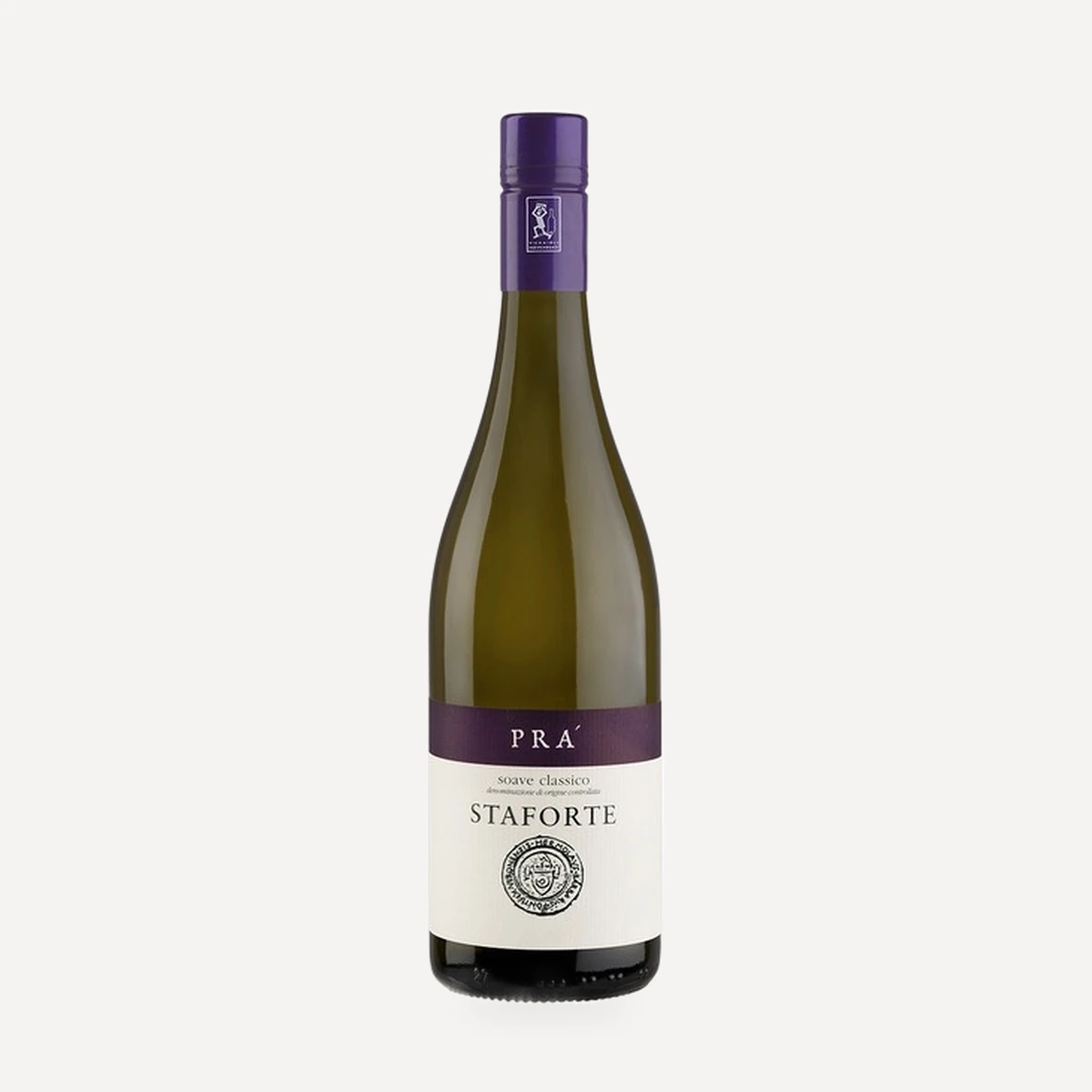
Staforte
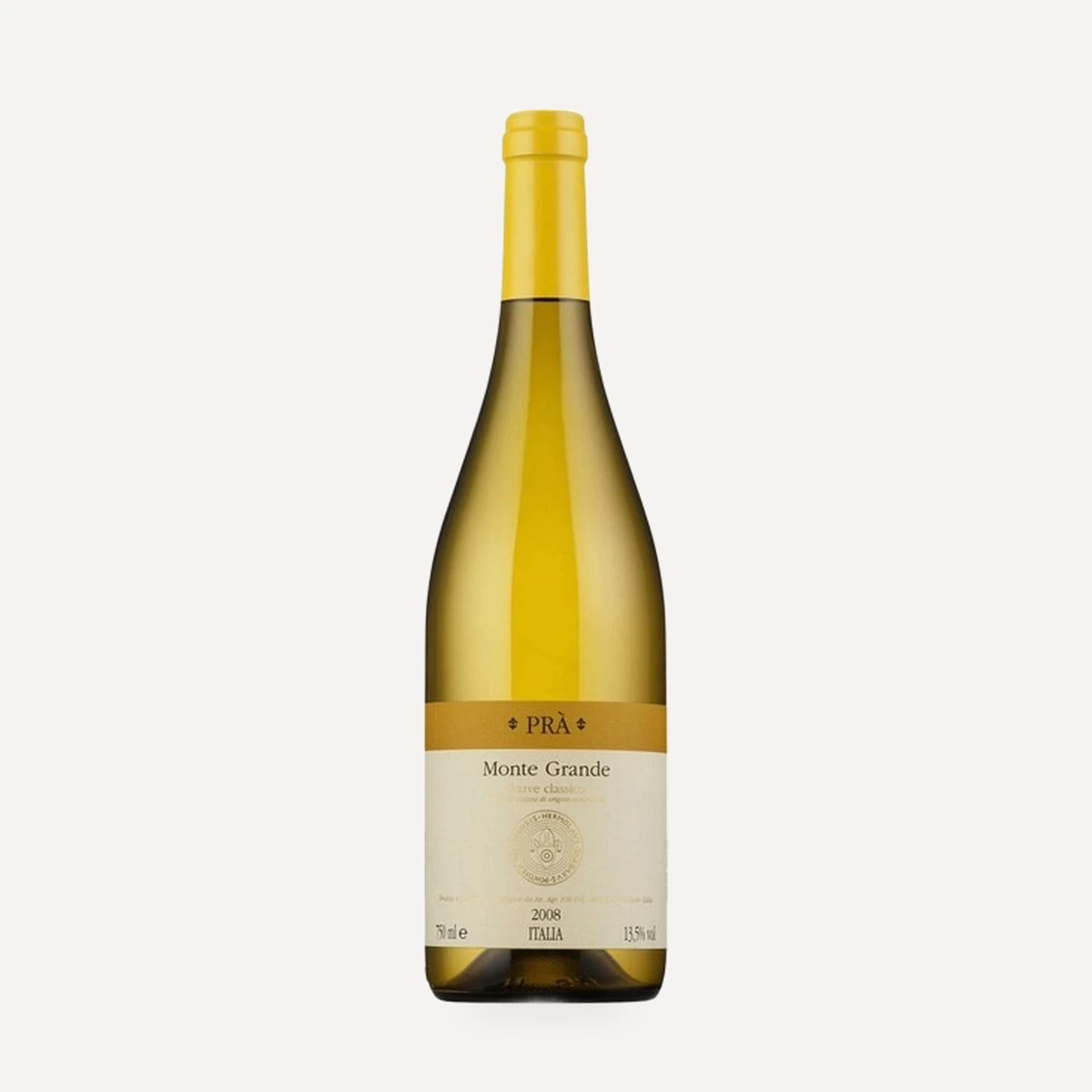
Monte Grande
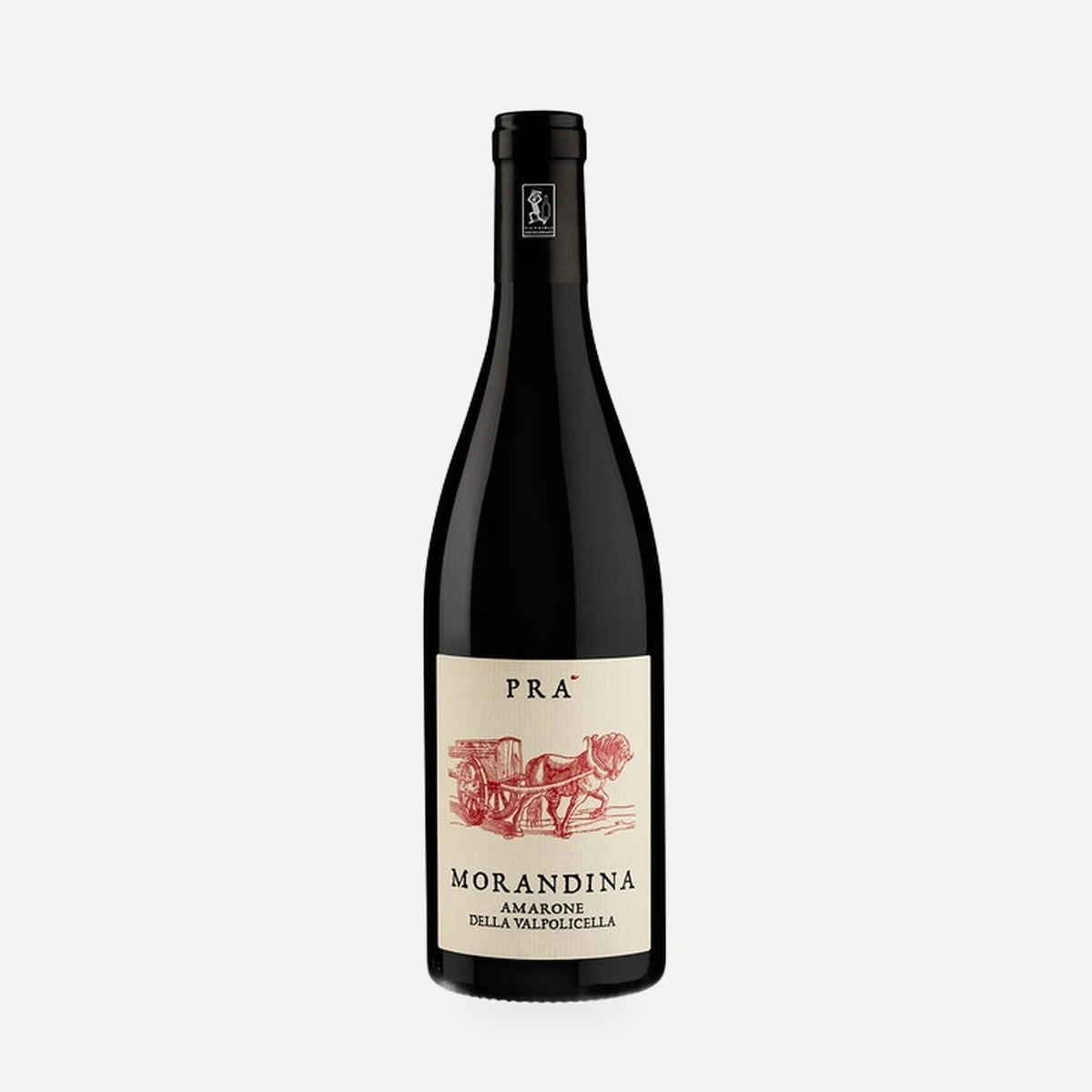
Amarone
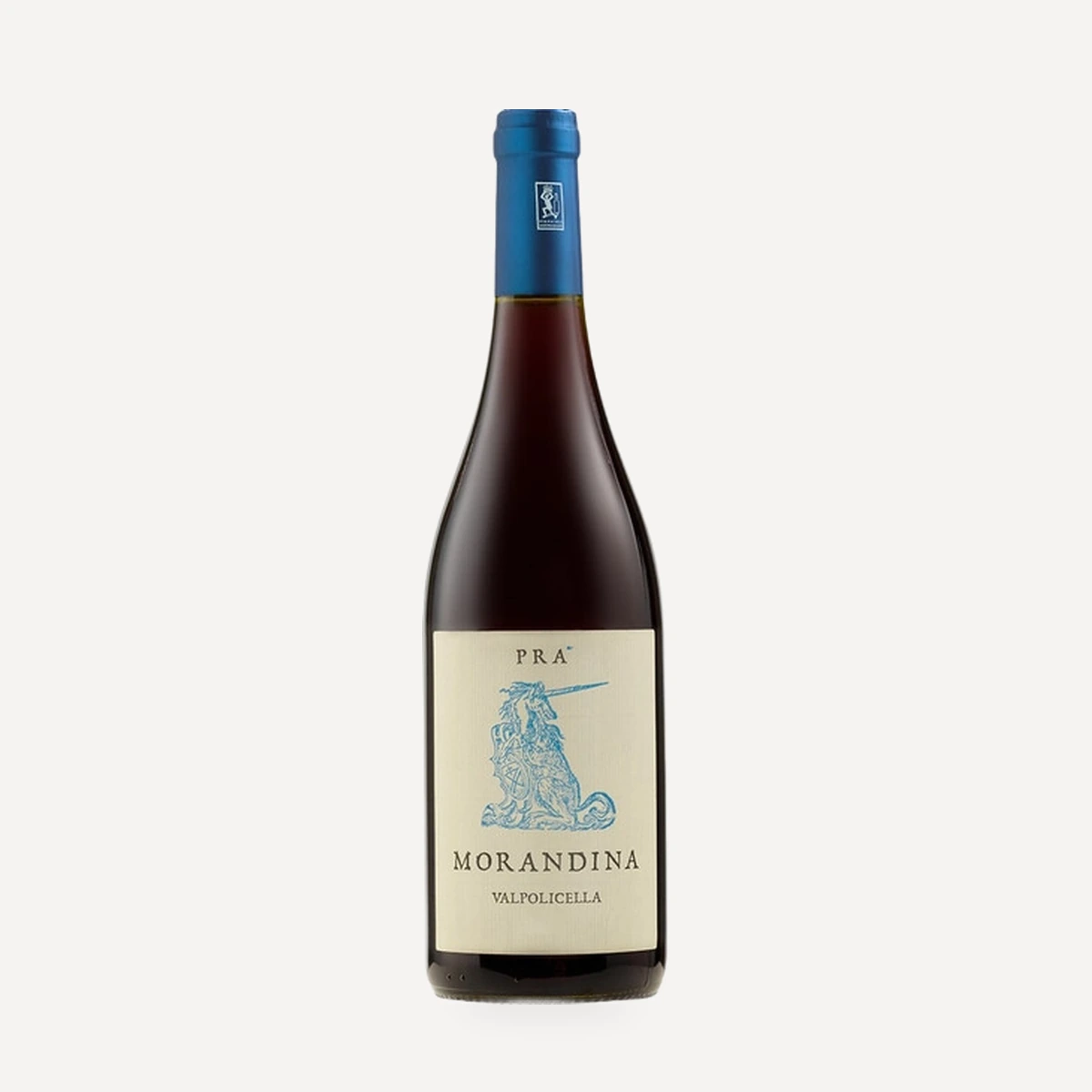
Valpolicella DOC
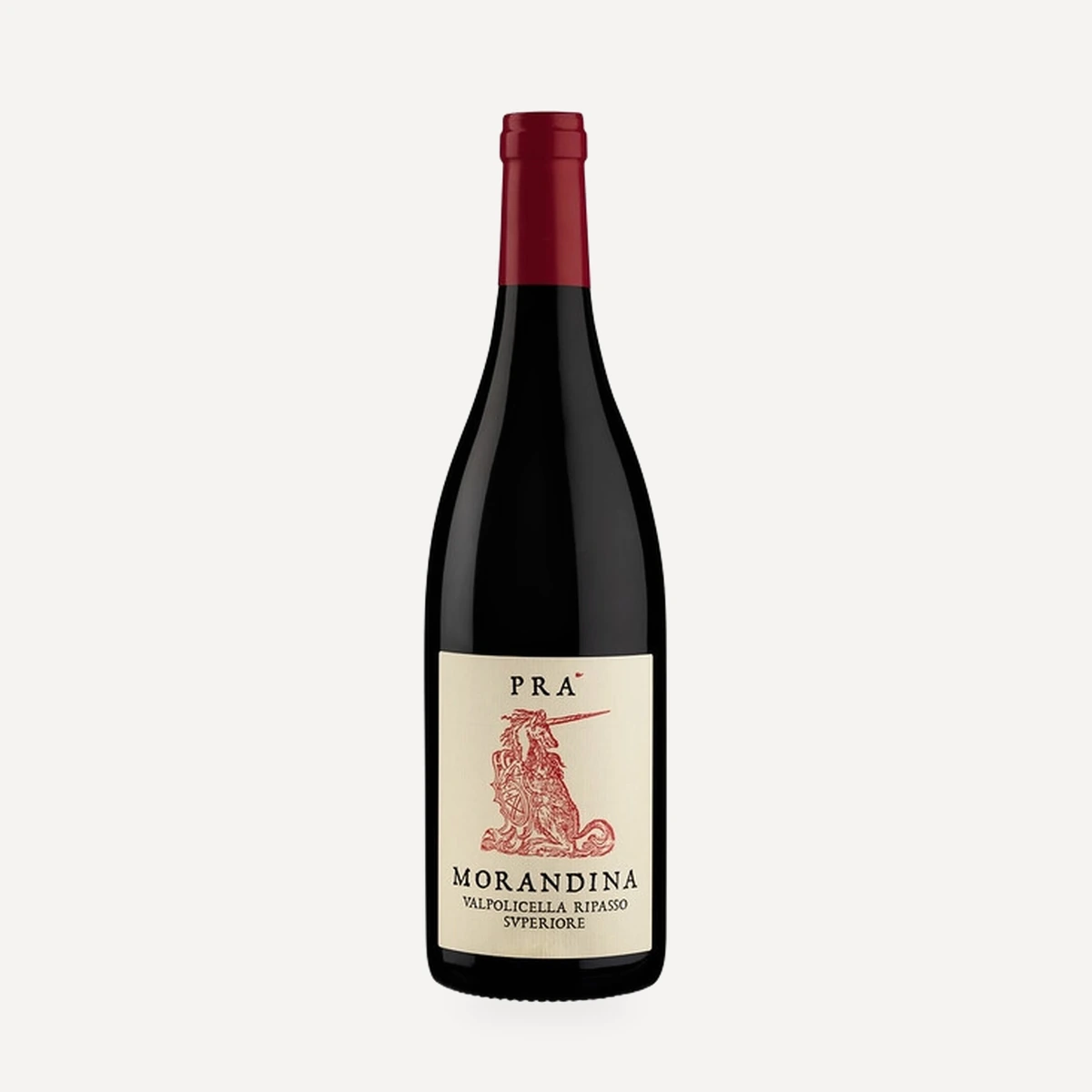
Ripasso
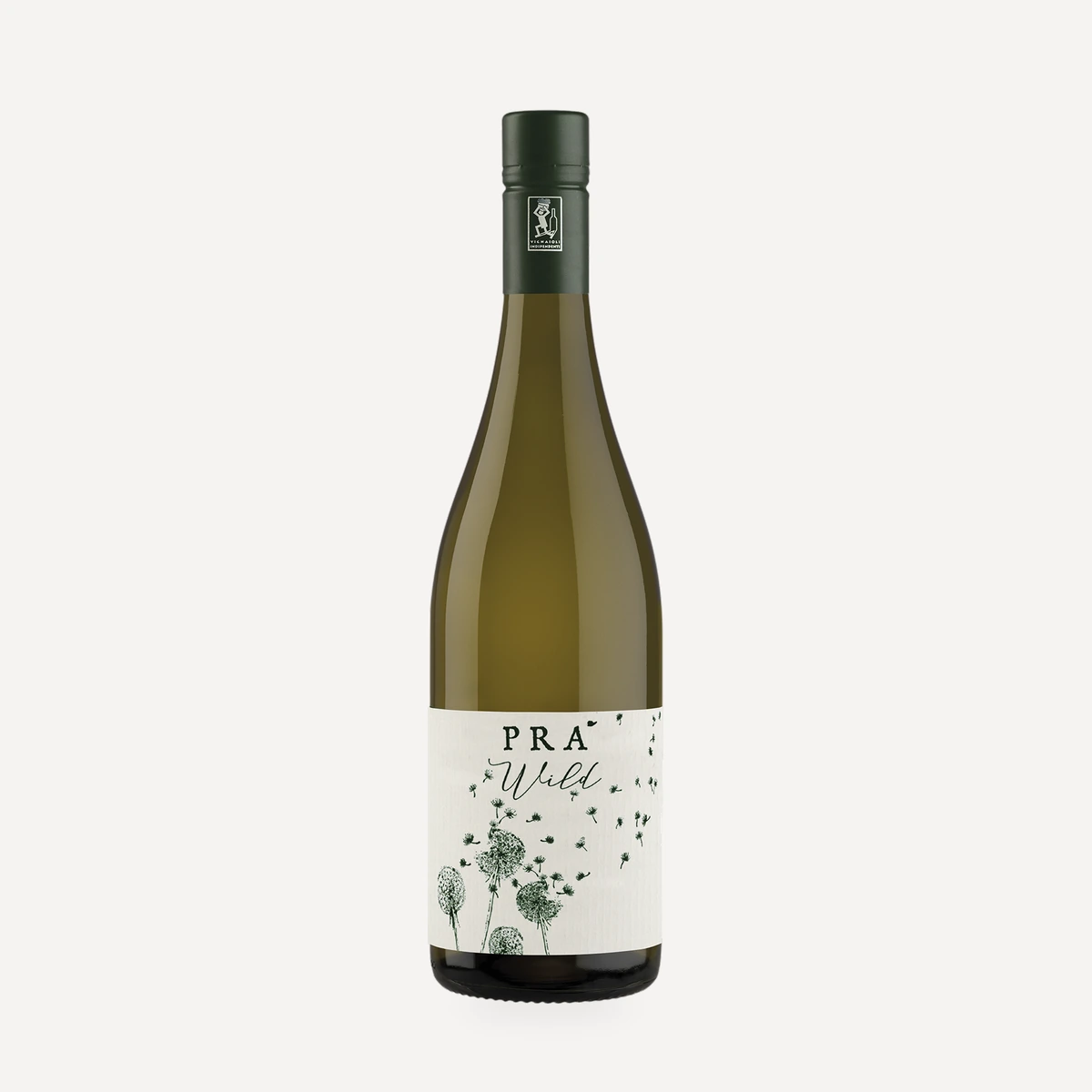
Soave Classico Wild Ponsara DOC
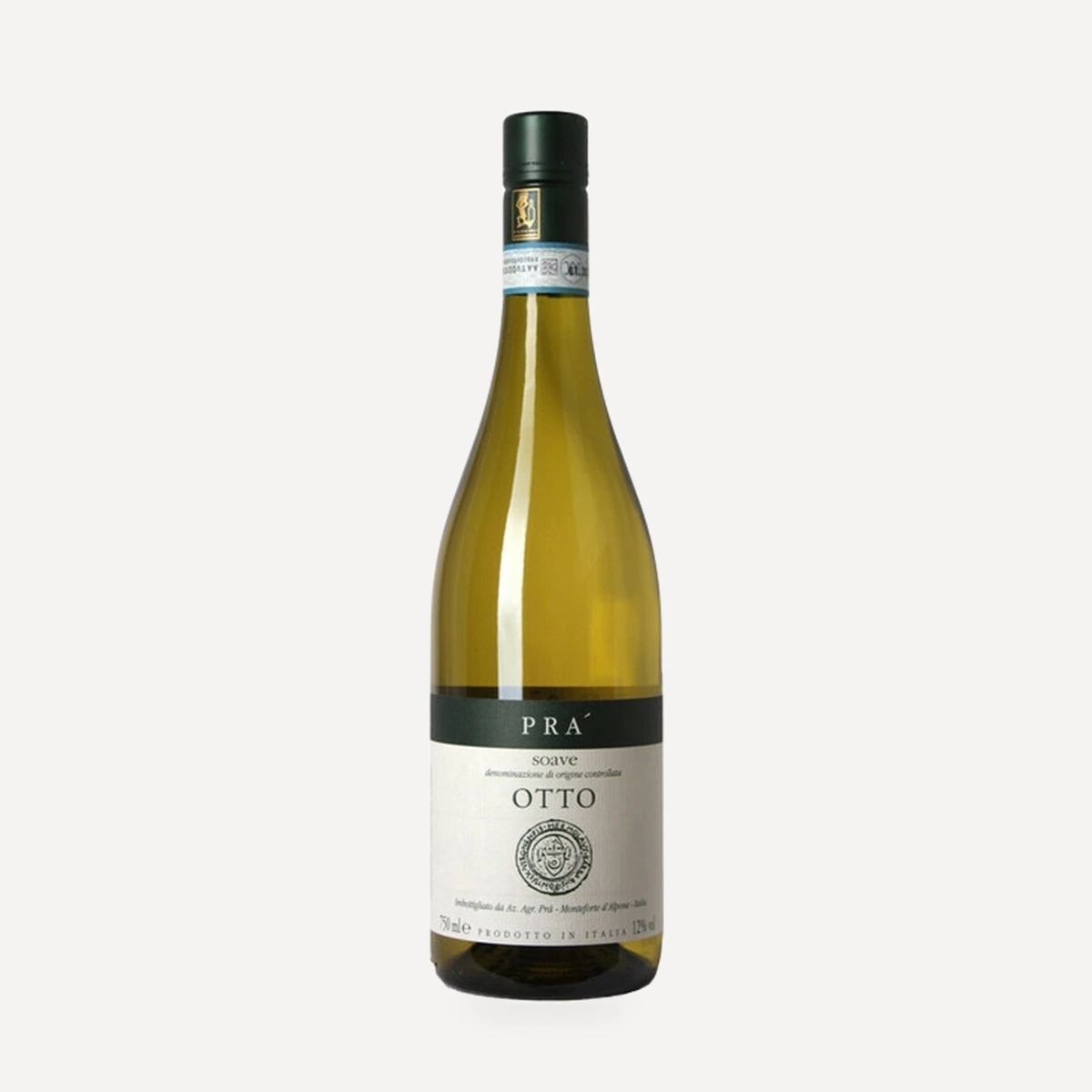
Otto
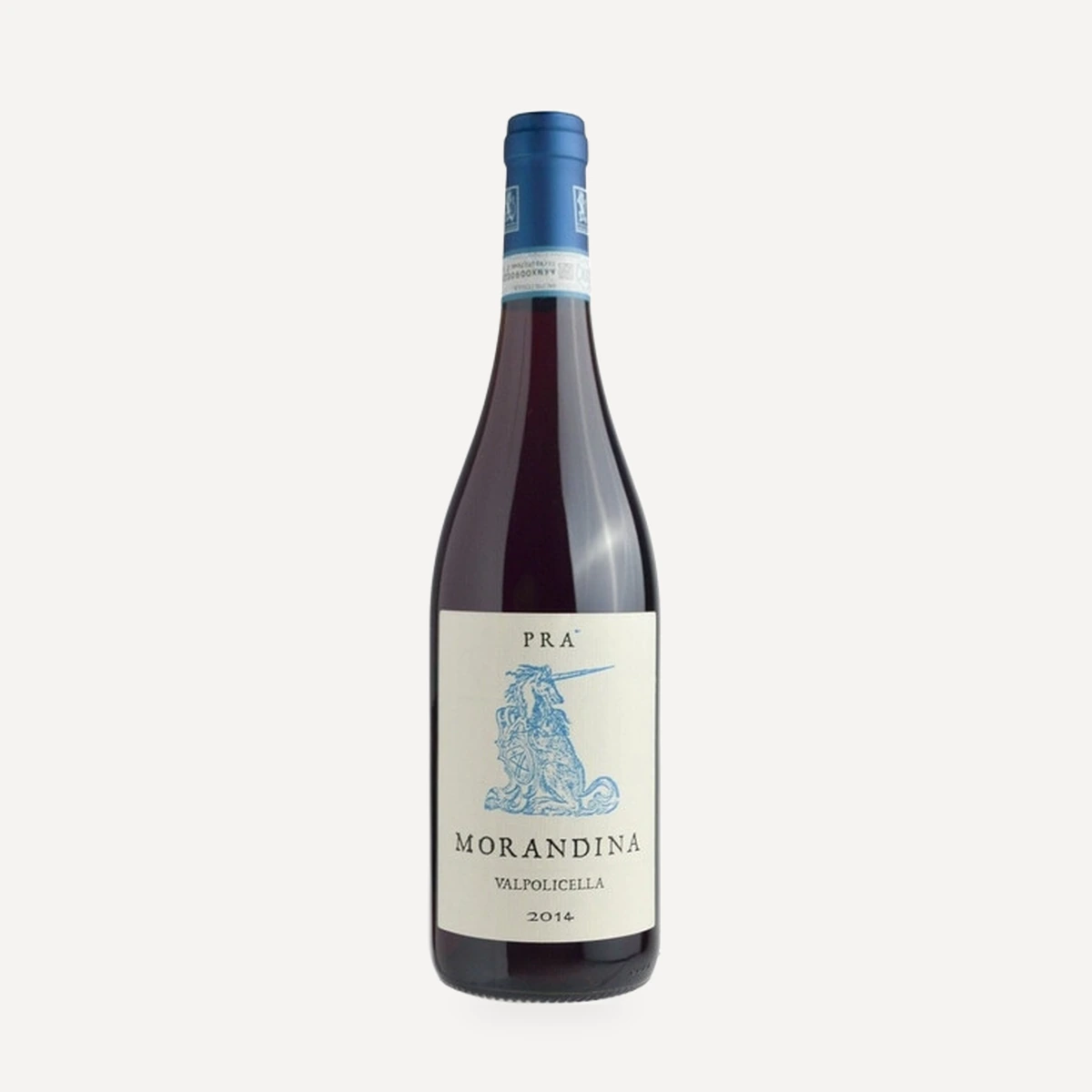
Valpolicella Superiore DOC
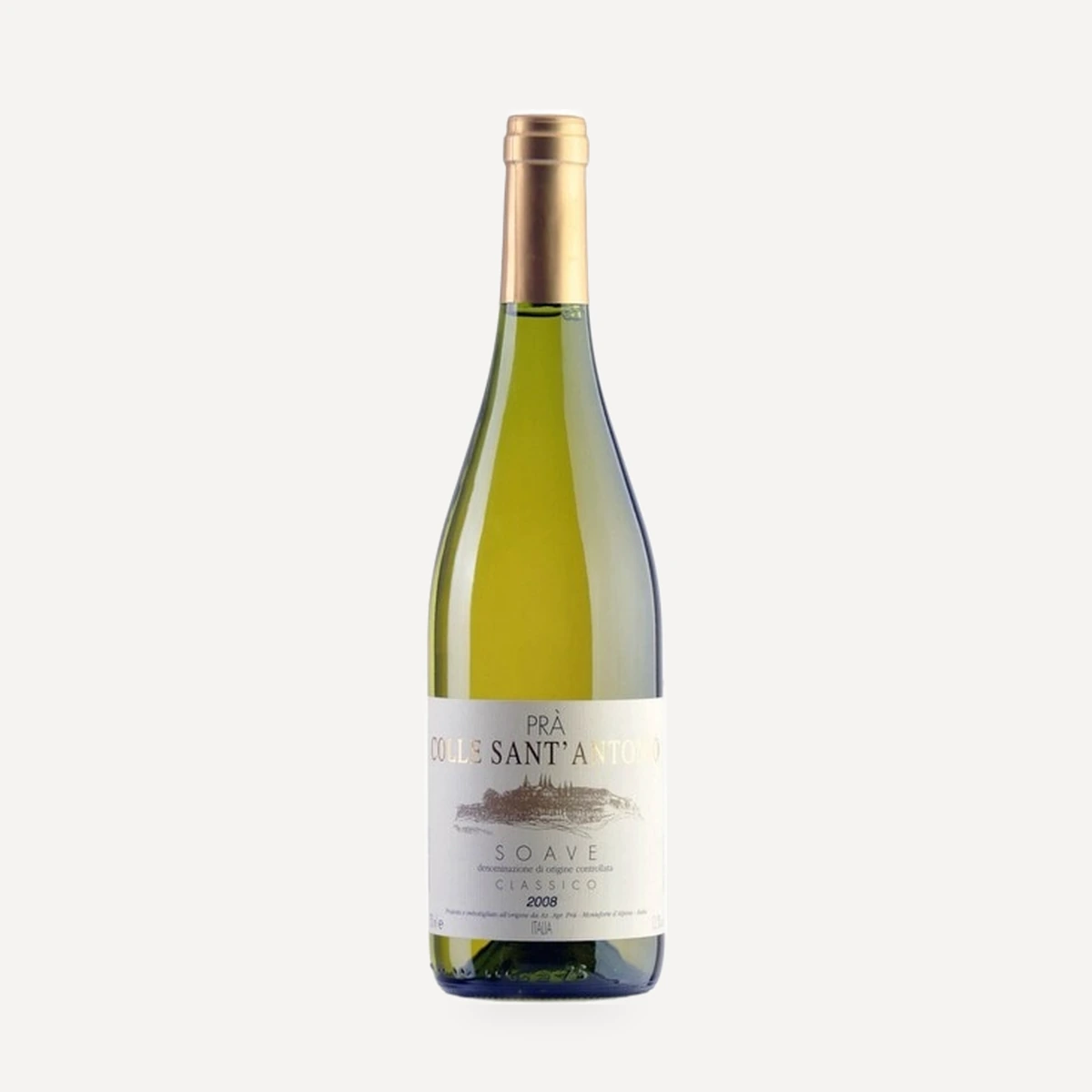
Colle