About this wine
Vineyard and terroir
The Sangiovese grows in south-facing vineyards at Terricciola, 250 m above sea level, on limestone soils. The Casanova estate has around 65 ha of vineyards in the hilly Chianti countryside between Pisa and Volterra.
Vinification
Alcoholic fermentation takes place in stainless-steel vats and is followed by malolactic fermentation.
Ageing
The wine matures for nine months in French oak barrels, followed by a further six months in bottle.
Tasting profile
The 2014 vintage is fresh and generous, with good concentration.
Vintage notes
The 2014 growing season in Tuscany began with a mild, wet winter, followed by a cool, wet spring. A brief warm period aided budding and fruit set, but heavy rain and hail in July and August substantially reduced yields. September was warm, sunny and dry, and the favourable conditions continued into October. Late-ripening varieties benefited most from this Indian summer. The resulting crop was smaller than usual but of surprisingly good quality.
Label / history
Casanova was founded in 2001 in the village of Terricciola. Giorgio Rivetti is its chief winemaker and guiding force, and the estate concentrates on local varieties rather than French grapes.
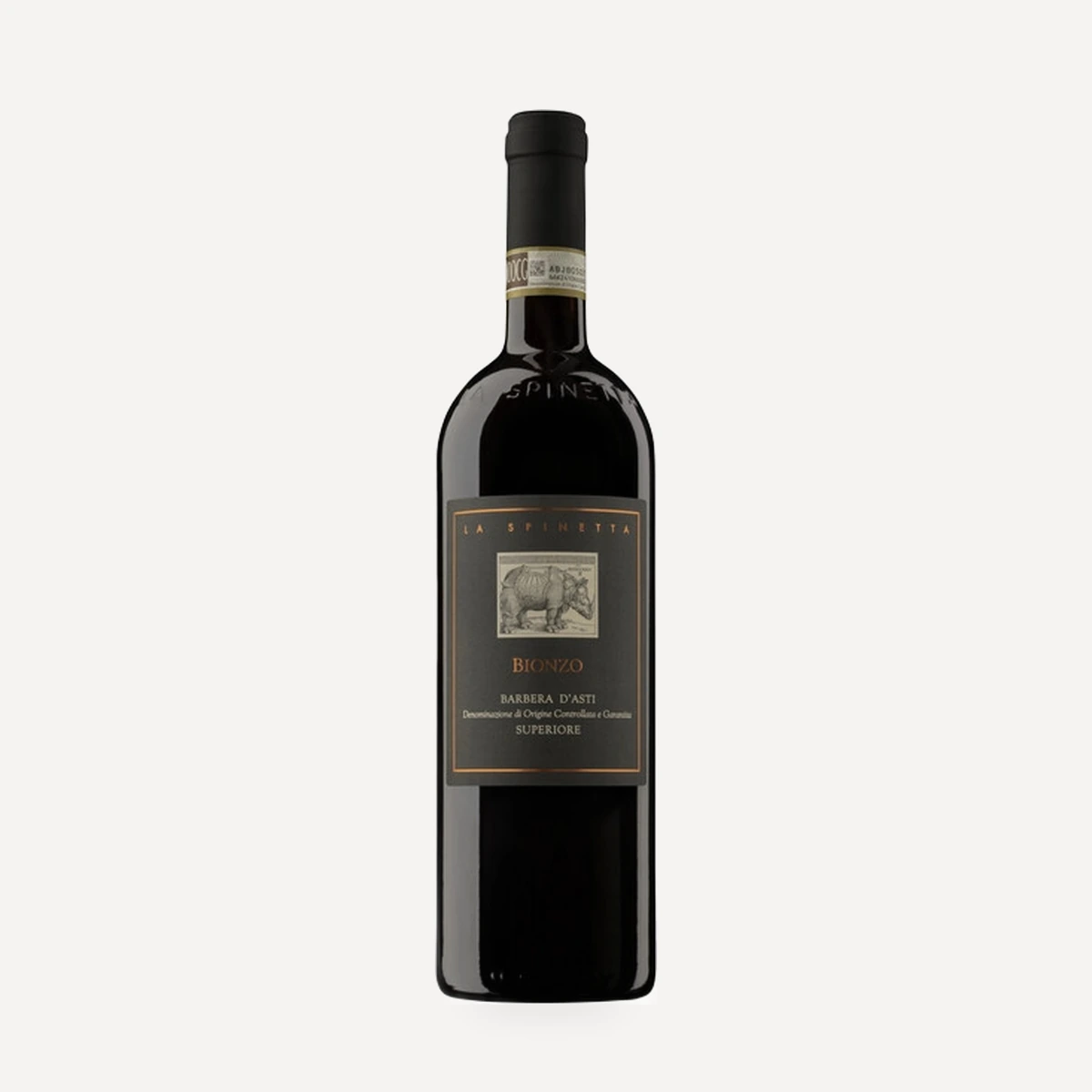
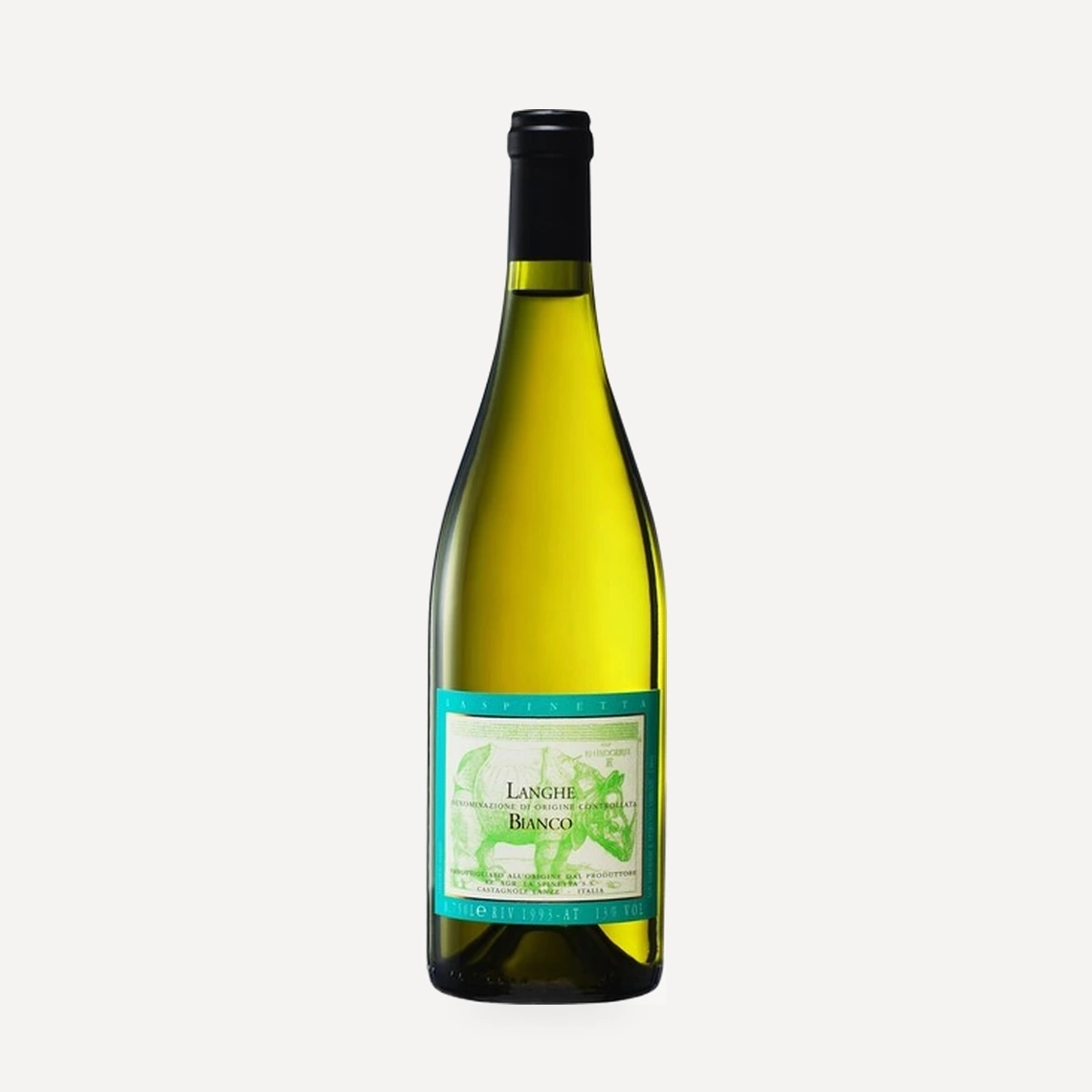
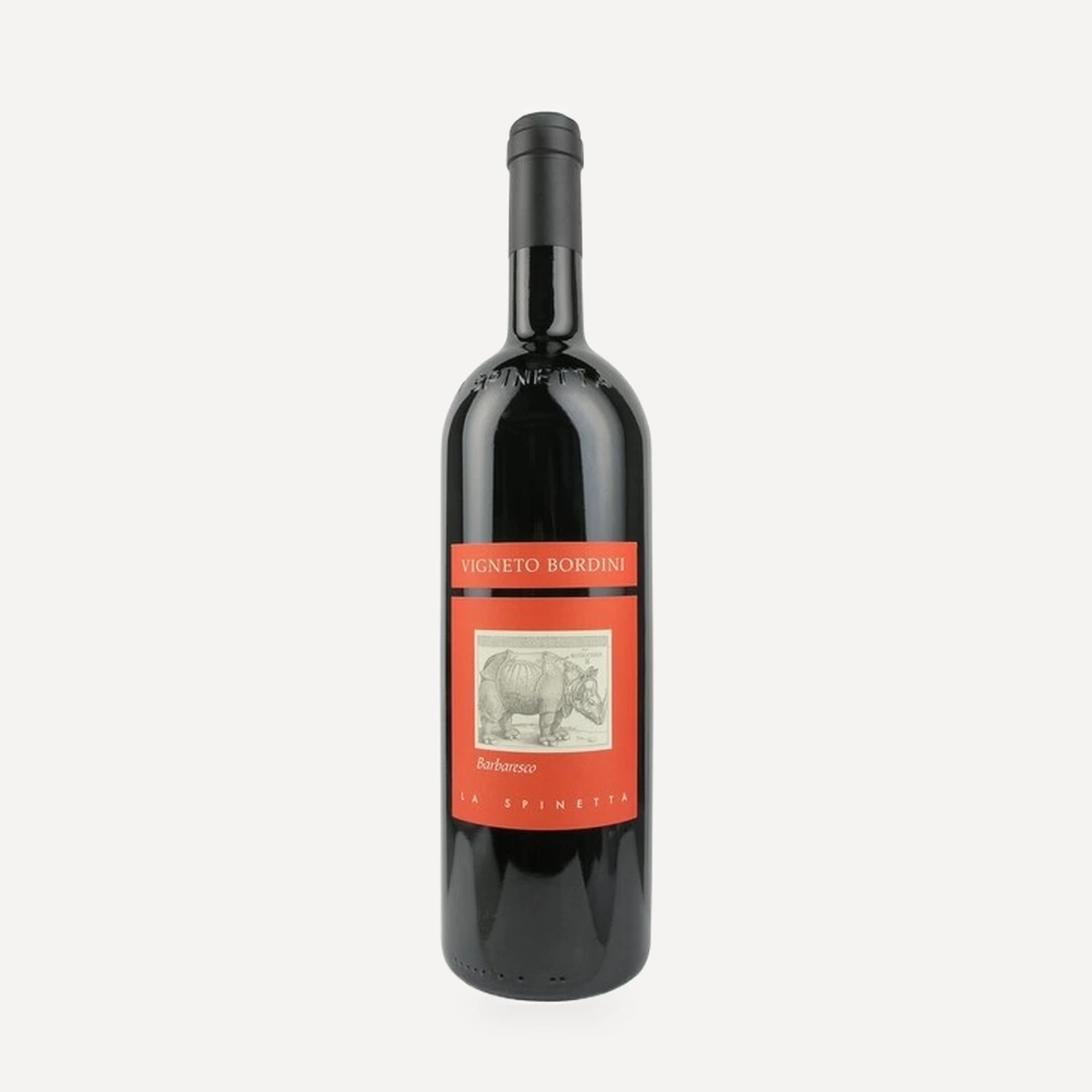
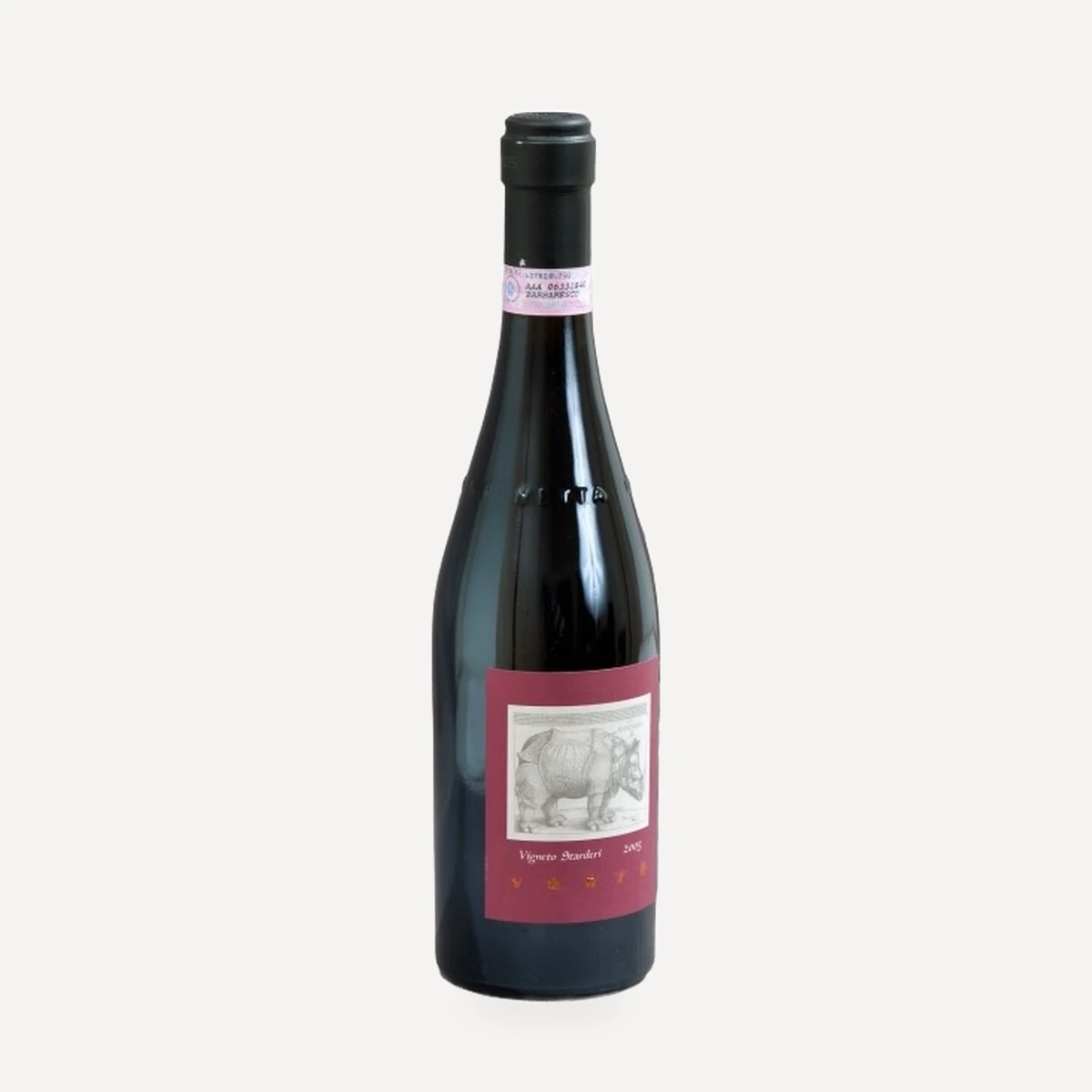
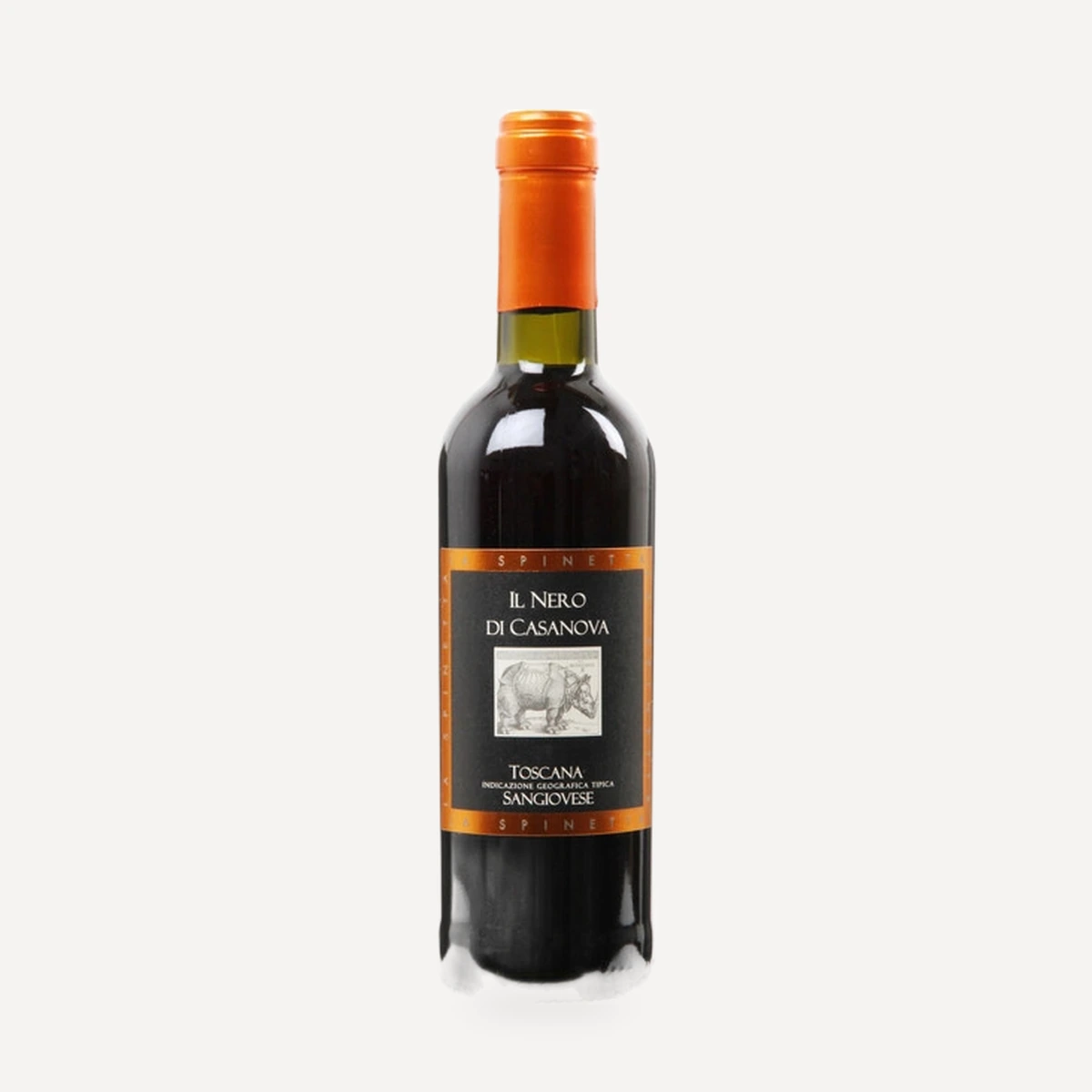
The label reproduces Albrecht Dürer’s celebrated drawing and woodcut of a rhinoceros. The choice appealed to Giorgio Rivetti, although La Spinetta has no direct connection with the animal. Dürer’s image traces its story to 1515, when the governor of India gave a rhinoceros to the King of Portugal. A contest was reportedly arranged between the rhinoceros and an elephant; the elephant is thought to have fled. A description of the previously unseen animal reached Germany, where Dürer apparently created his work from sketches without seeing it himself. European illustrators continued to borrow elements from his imaginative depiction for about 300 years, even after living rhinoceroses could be observed.