History
Family roots before 1945
The Cortonesi family was already living on the land around Montalcino before the end of the Second World War. The difficult post-war setting made investment in the territory far from self-evident, yet the family continued to believe in its potential. Honesty, hard work and the sustained study of vine cultivation and winemaking became enduring family principles. Marco transmitted these values to his children and made the family the foundation of every subsequent project.
Recognising two terroirs in 1998
The estate's northern and south-eastern vineyards were initially treated as a single territory and their grapes contributed to one Brunello. In 1998 Marco recognised that the two soils produced markedly different results and concluded that combining them diminished their individual expression. The existing classic Brunello subsequently took the name La Mannella, while a separate selection from the south-eastern vineyards was created under the name Poggiarelli.
The distinction rested on material differences between the sites: La Mannella has clay and sandstone, whereas I Poggiarelli is rocky and rich in galestro or marl. Their aromas, flavours and overall sensory expression were sufficiently different to justify separate identities.
Parcel-by-parcel development
Following the decision to distinguish the two areas, Tommaso strongly encouraged increasingly precise separation of the estate's grapes. The approach developed beyond the two broad zones toward processing individual plots separately, allowing the family to understand more closely what each parcel could produce and how its fruit should be handled. La Mannella and I Poggiarelli consequently became the estate's two named crus.
From La Mannella to Cortonesi
The family later placed its surname at the centre of the business, adopting the name Cortonesi to reinforce its connection with Montalcino and to give the two Brunello expressions clearer, terroir-specific identities. La Mannella ceased to function simply as the company brand. It retained its central importance as the name of the delimited area on the slopes of Montalcino, near Montosoli, that had shaped the family's development.
This change did not represent a rejection of the past. The family's stated direction combines respect for tradition and the purity of Sangiovese with technical and cultural evolution, leaving behind ideas it considers outdated while preserving a close relationship with its origins.
Terroir
The estate comprises 56 ha around Montalcino. Approximately 8 ha are registered for Brunello di Montalcino. Most of this Brunello area lies to the north, close to the cellar; the balance is situated in the south-east.
La Mannella
La Mannella is a delimited area on the slopes of the Montalcino hill near Montosoli. It represents the main part of the family's winegrowing identity and contains most of the Brunello vineyards. Its soils are composed of clay and sandstone.
I Poggiarelli
I Poggiarelli lies in the south-eastern part of the estate. Its soils are rocky and rich in galestro, rendered as marl in the English description.
The two territories were once worked together, but their differing soil compositions produced distinct aromas, flavours and sensations. Since 1998, that contrast has underpinned their treatment as separate crus, with increasingly fine distinctions extending to individual plots.
Winemaking
The estate works with Sangiovese and identifies respect for the variety's purity as one of its fundamental principles. The cultivation system identified throughout the range is spurred cordon.
Management is organised to recognise differences between the northern and south-eastern territories. The separation has become progressively more detailed, extending to individual plots so that the family can evaluate what each parcel produces and adapt its handling accordingly.
The cellar follows a deliberately restrained, tradition-oriented approach to élevage. La Mannella Rosso, Brunello and Brunello Riserva are associated with Slavonian oak casks holding slightly more than 30 hl. Wood-ageing time is determined vintage by vintage rather than imposed as a fixed formula. Long maturation is favoured, with wines in this part of the programme rarely spending less than three years in wood.
Large casks are chosen to permit extended ageing without imparting excessive wood aromas that could obscure the primary character of Sangiovese or the identity of an individual vintage.
Poggiarelli follows a separate route in French oak tonneaux for approximately 24 months. This period is intended to balance the preservation of freshness with the development obtained through ageing.
Grapes from the estate's contrasting territories are handled separately, and the separation can extend to individual plots. This parcel-focused organisation supports the distinct identities of La Mannella and I Poggiarelli rather than folding both into a single expression.
Philosophy
Family is the foundation of the Cortonesi project: not simply a shared surname, but a shared body of values and perspectives. Montalcino is treated as home, and respect for the surrounding territory is intended to guide both present and future work.
The family's philosophy joins continuity with change. Honesty, hard work, tradition and the purity of Sangiovese remain central, alongside ongoing study of cultivation and winemaking. At the same time, technical and cultural evolution is embraced where it improves the work or replaces ideas considered outdated.
The differentiation of La Mannella and I Poggiarelli reflects this position in practice. Innovation is directed toward a clearer reading of the land: contrasting territories are not forced into a single expression, and even individual plots may be handled separately. Ageing decisions likewise respond to the vintage, while restrained use of wood is intended to protect primary grape character.
The family also places its work within the wider well-being of Montalcino, presenting innovation as something that should serve both the estate and its community.
Wines
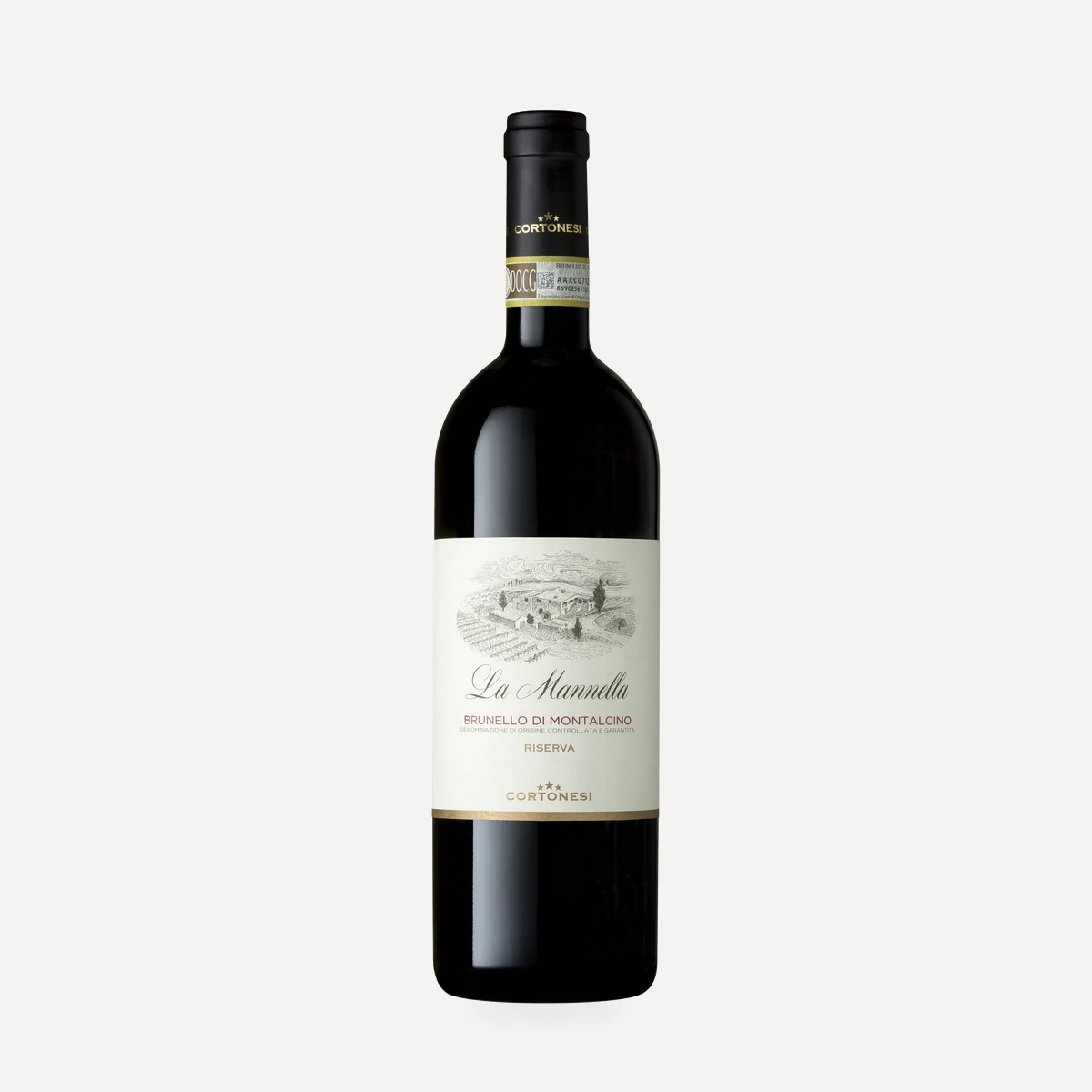
Brunello di Montalcino Riserva La Mannella DOCG
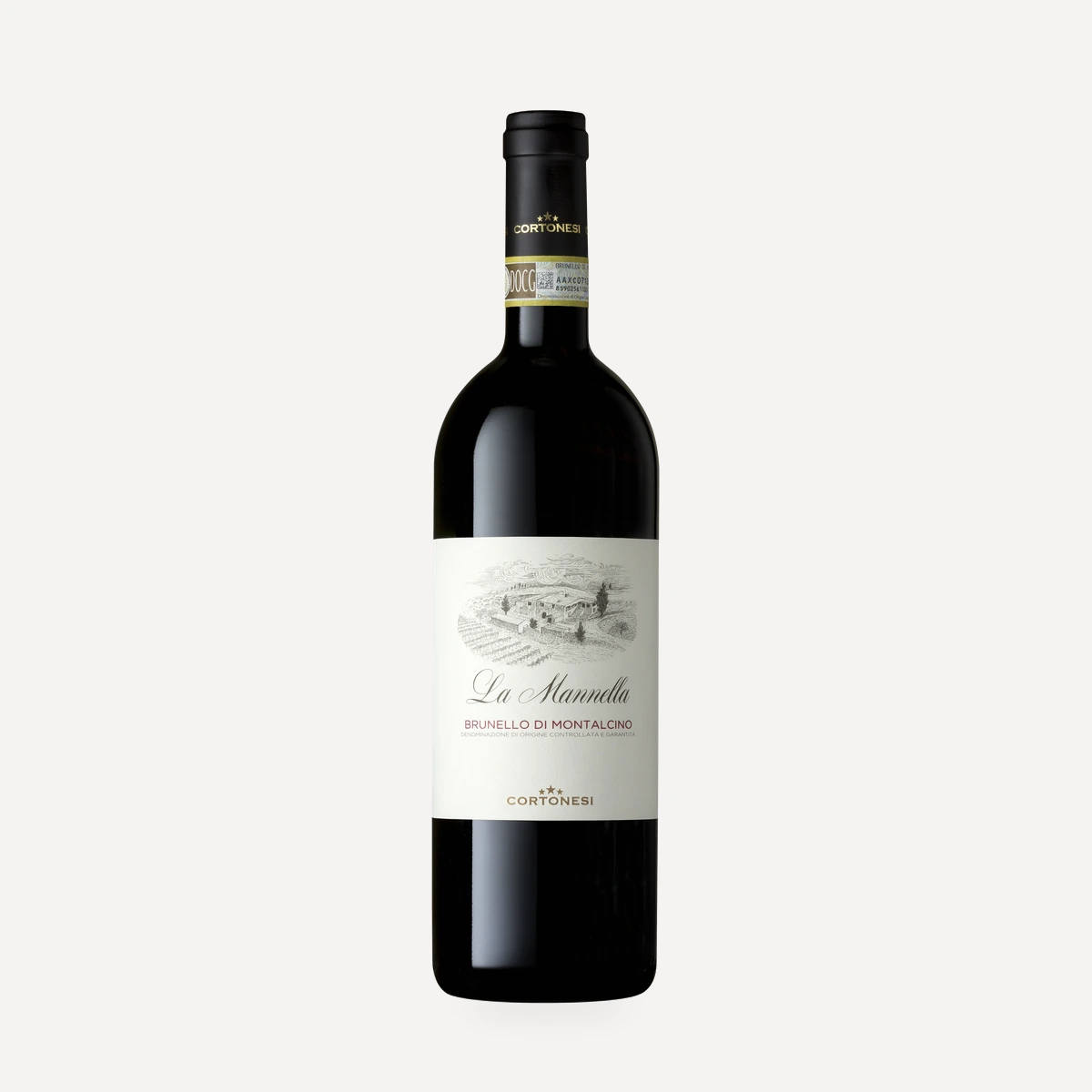
Brunello di Montalcino La Mannella DOCG
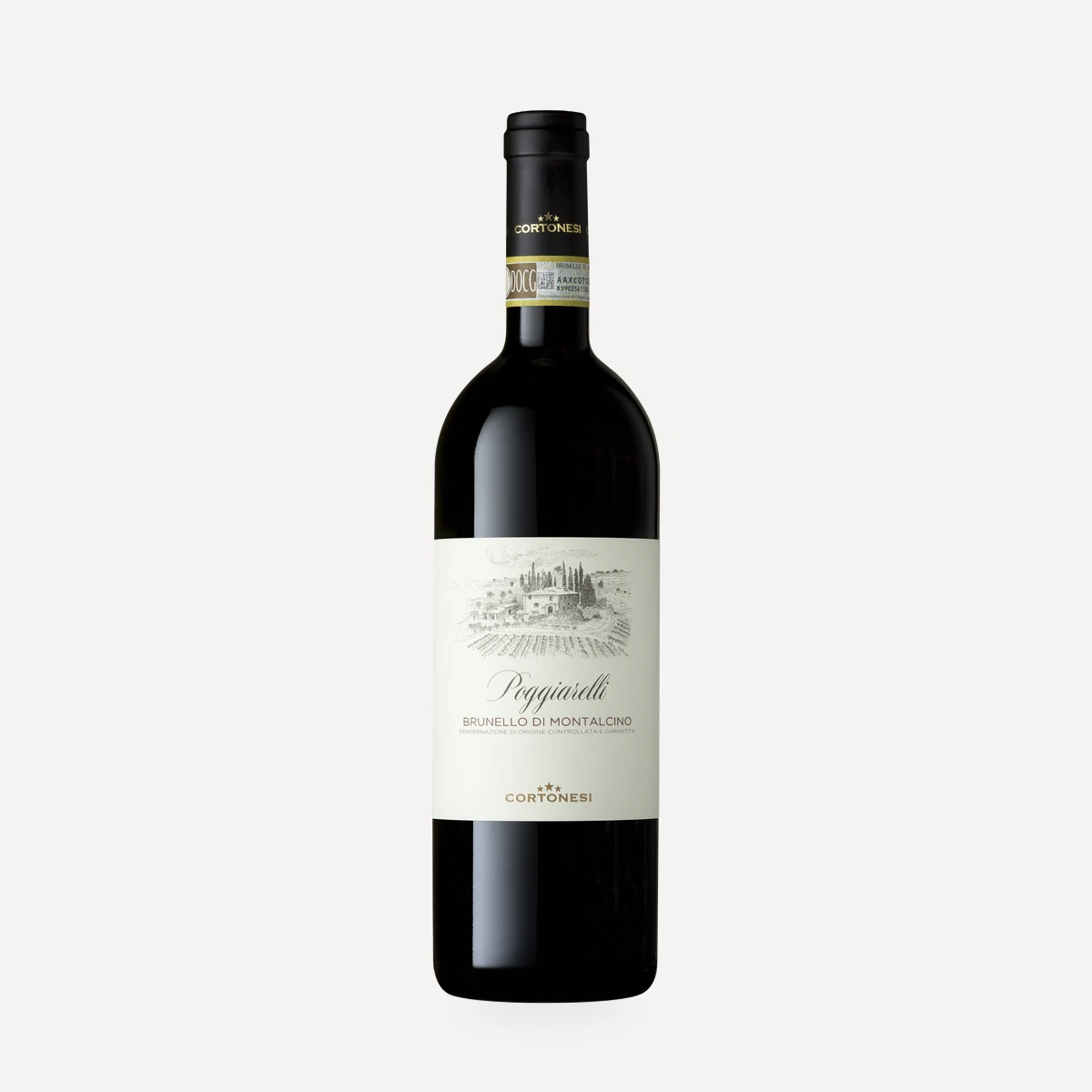
Brunello di Montalcino Poggiarelli DOCG
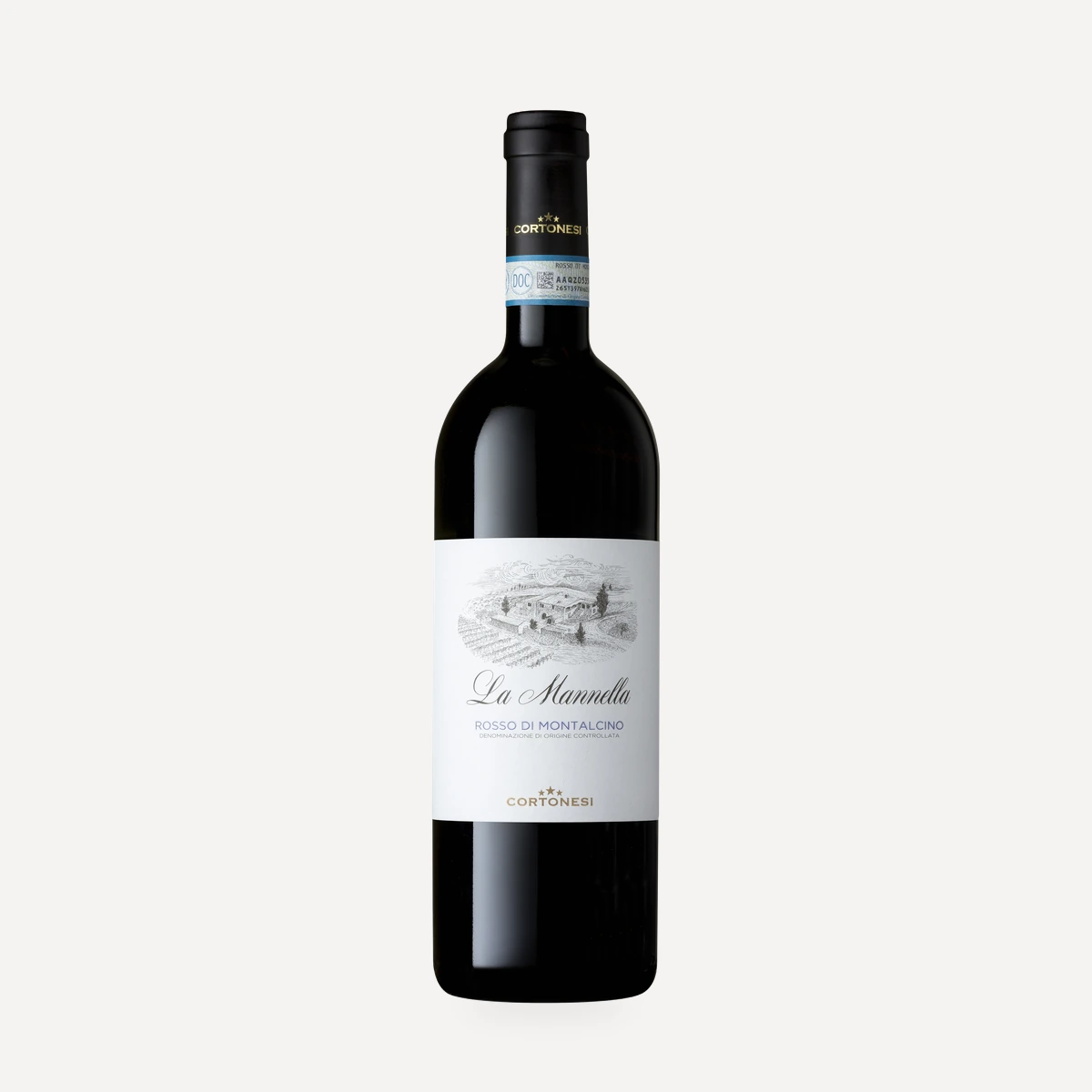
Rosso di Montalcino La Mannella DOC