Dionysus.
ExploreWines
MontalcinoBrunello DOCGMontosoli cru since 197550 ha vineyards

Altesino

History

Palazzo Altesi and the Montalcino landscape

Altesino stands among the north-eastern hills of Montalcino, where the 15th-century Palazzo Altesi overlooks the estate. The palace was built by the Tuscan Tricerchi family, whose marble crest remains above the old oak entrance door. The estate sits inside the historical borders of the Municipality of Montalcino, about 40 km south of Siena, in a landscape that has remained largely wild and far from heavy traffic and major industry.

Ownership and technical direction

Since 2002 Altesino has belonged to the Gnudi Angelini family. The technical and productive sectors work with Paolo Caciorgna. The purchase of Altesino is described as the fulfilment of a long-held wish to become a vigneron.

Innovation in Brunello

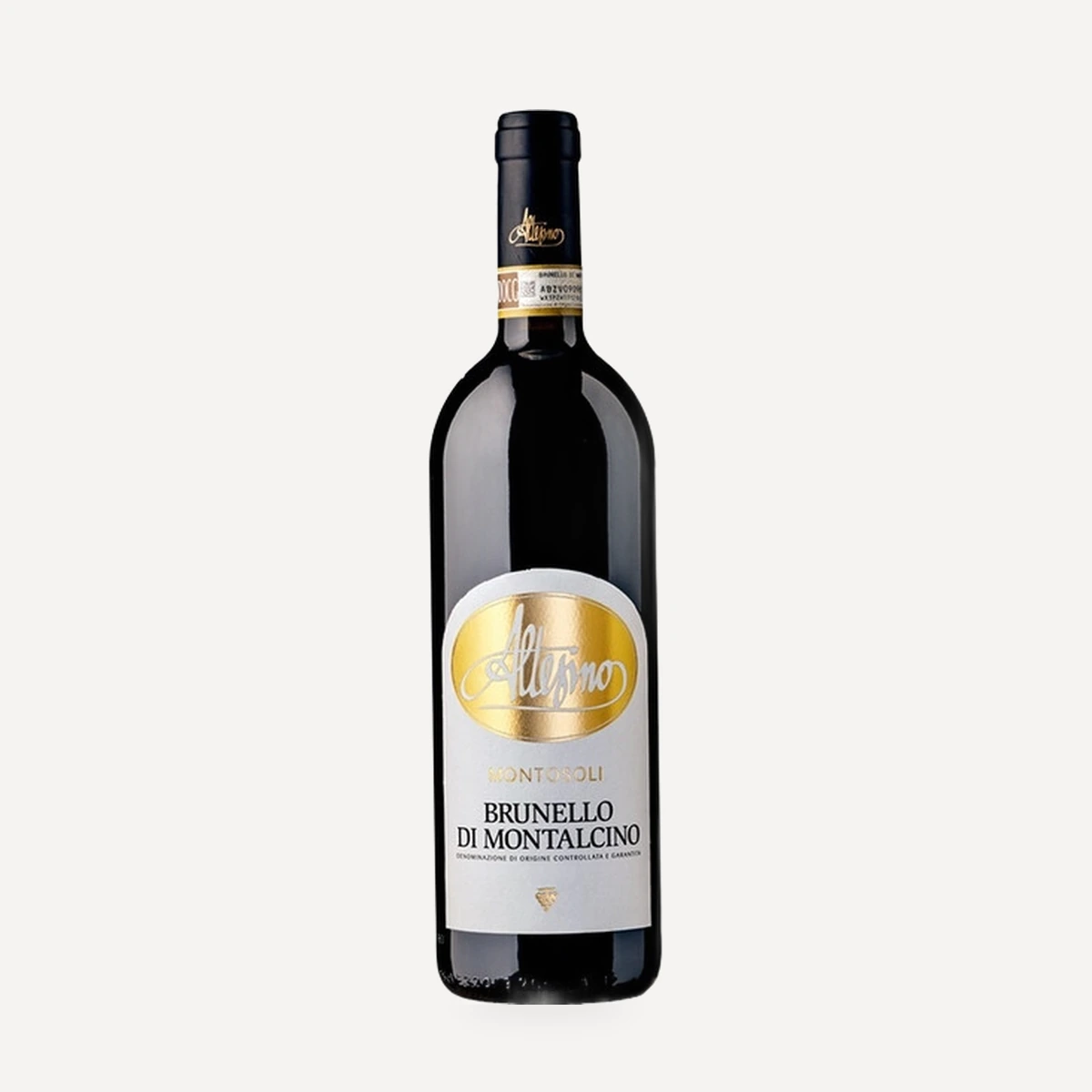
Altesino presents itself as a forerunner of several structural innovations in Brunello di Montalcino over the last forty years. In 1975, the estate introduced the cru concept for Brunello with Brunello di Montalcino Montosoli, fermenting and ageing grapes from the Montosoli vineyard separately. In 1977, with master distiller Gioacchino Nannoni, Altesino created and produced the first Grappa di Fattoria. In 1979, Altesino became the first winery in the area to use barriques.

Cellar development and present identity

Part of the historic cellar remains within the walls of Palazzo Altesi. A modern functional winery was built behind the vineyards, using the natural slope for fermentation, refining and bottling. The building is underground, insulated and designed for low environmental impact according to sustainable-architecture principles. The historic cellar section built in the 1970s is still used for refining Brunello Montosoli.

15th centuryPalazzo Altesi was built by the Tricerchi family.
19th centuryMontalcino growers began experimenting with the Sangiovese variety locally called Brunello or Brunellino.
1975Altesino introduced the cru concept in Brunello with Montosoli and began Vin Santo production.
1977Altesino created the first Grappa di Fattoria with Gioacchino Nannoni.
1979Altesino became the first winery in the area to use barriques.
1980Palazzo Altesi Toscana IGT and extra-virgin olive oil production began.
1985Alte d'Altesi Toscana IGT was first produced.
1989Rosso Toscana IGT and Vin Santo production began.
2002The Gnudi Angelini family acquired Altesino.
2004The Montalcino cultural landscape was declared a UNESCO World Heritage Site.

Terroir

Altesino works within the historic Montalcino area in southern Tuscany, about 40 km south of Siena. The production area coincides with the historical borders of Montalcino and is described as a mostly wild landscape protected from heavy traffic, industry, illegal construction and property speculation. The local culture of Sangiovese, historically called Brunello or Brunellino, emerged from 19th-century experiments by Montalcino farmers.

The estate covers about 100 ha, with 50 ha of vineyards. Six productive parcels form its core: Altesino in the north, Macina in the north-east, Cerbaia and Montosoli in the north-west, Pianezzine near Sant'Angelo in Colle and Velona near Castelnuovo dell'Abate. Soils include sedimentary clay-sandy profiles, galestro and clayey sites. Altitudes range from about 180 m at Velona to 300 m at Montosoli.

Winemaking

Montosoli cruMontosoli grapes were fermented and aged separately for the first time after the 1975 harvest
Oak ageingBrunello wines age for at least 2 years in oak barrels
Sustainable architectureThe modern underground winery is insulated and built for low environmental impact
Hand selectionCareful hand selection of grapes is central to estate quality control
Vin Santo dryingTrebbiano and Malvasia are dried before ageing in oak kegs

The estate's philosophy emphasizes traditional agricultural methods and careful hand selection of grapes. Rose bushes overlook the vines, and quality control is described as a principle governing every aspect of estate life and work. Sangiovese forms the majority of plantings and is used for Brunello, Rosso di Montalcino and Palazzo Altesi. Cabernet Sauvignon and Merlot are cultivated for Alte d'Altesi and Rosso di Toscana with Sangiovese. Trebbiano and Malvasia are used for Vin Santo, while Vermentino, Chardonnay and Viognier are used for Bianco di Altesino.

The Altesino cellar combines historic and modern spaces. Part of the historic cellar remains within Palazzo Altesi, while a modern winery behind the vineyards uses the natural slope for fermentation, refining and bottling. The modern structure is underground, insulated and designed for low environmental impact. A historic 1970s cellar section is still used for refining Brunello Montosoli.

The estate's production history is marked by innovations in Montalcino: separate vinification and ageing of Montosoli from the 1975 harvest, early use of barriques from 1979 and the creation of Grappa di Fattoria in 1977. Wine technical sheets identify traditional fermentation for the still wines. Brunello and Montosoli age at least 2 years in oak barrels with at least 4 months in bottle; Brunello Riserva ages at least 2 years in oak and at least 6 months in bottle. Vin Santo is made from Trebbiano and Malvasia after drying and ages in oak kegs.

Philosophy

Altesino's philosophy combines respect for tradition with a forward-looking perspective. The aim is to preserve Brunello's quality reputation while pursuing excellence through vineyard selection, cellar innovation and attention to detail. The estate links wine quality to every stage of production, as well as marketing, communication and image. Its stylistic imprint remains oriented toward elegance and the austerity of classic Brunello for ageing.

Wines

🍷

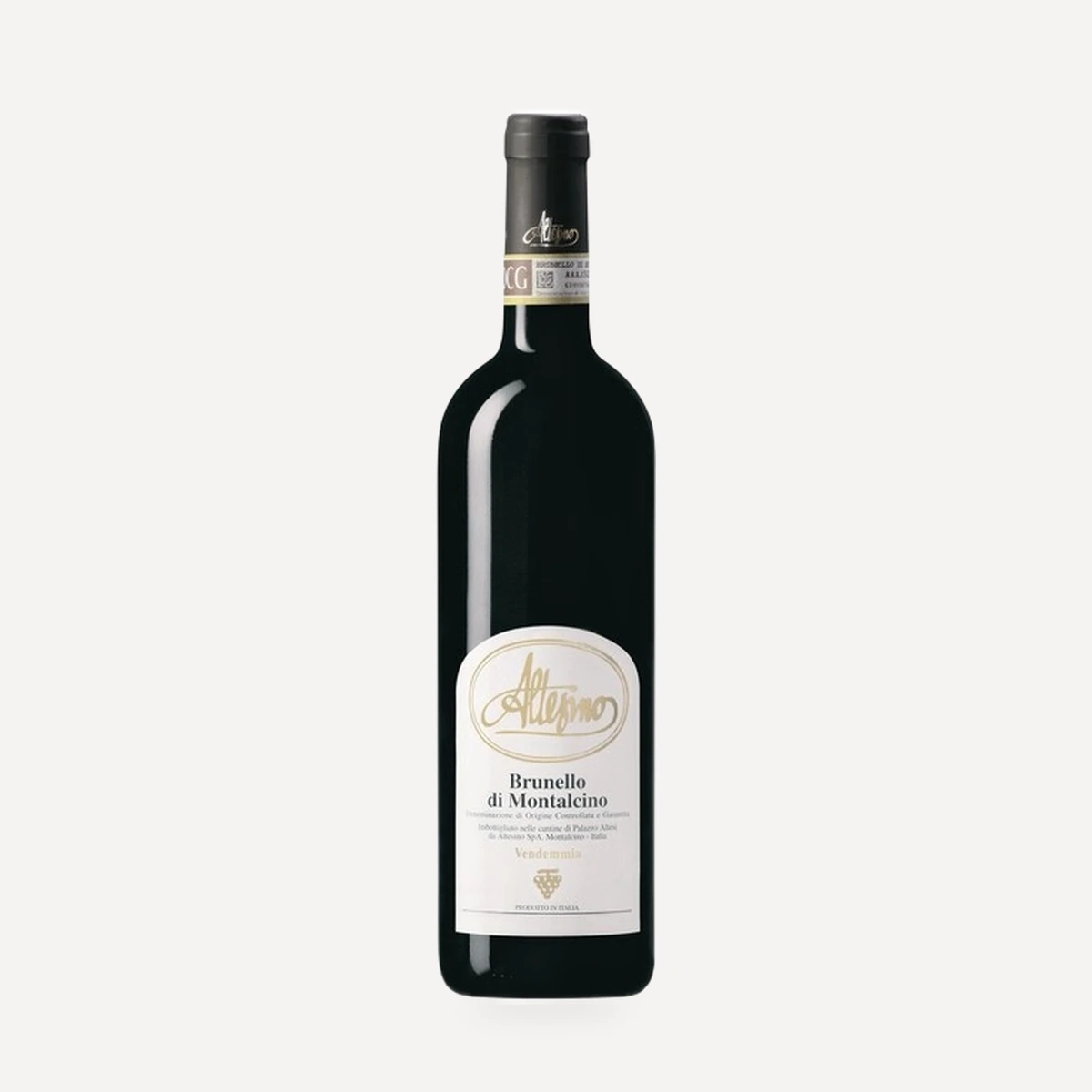
Brunello di Montalcino

Sangiovese · Brunello di Montalcino DOCG
Red
🍷

Brunello di Montalcino Montosoli

Sangiovese · Montosoli
Red
🍷

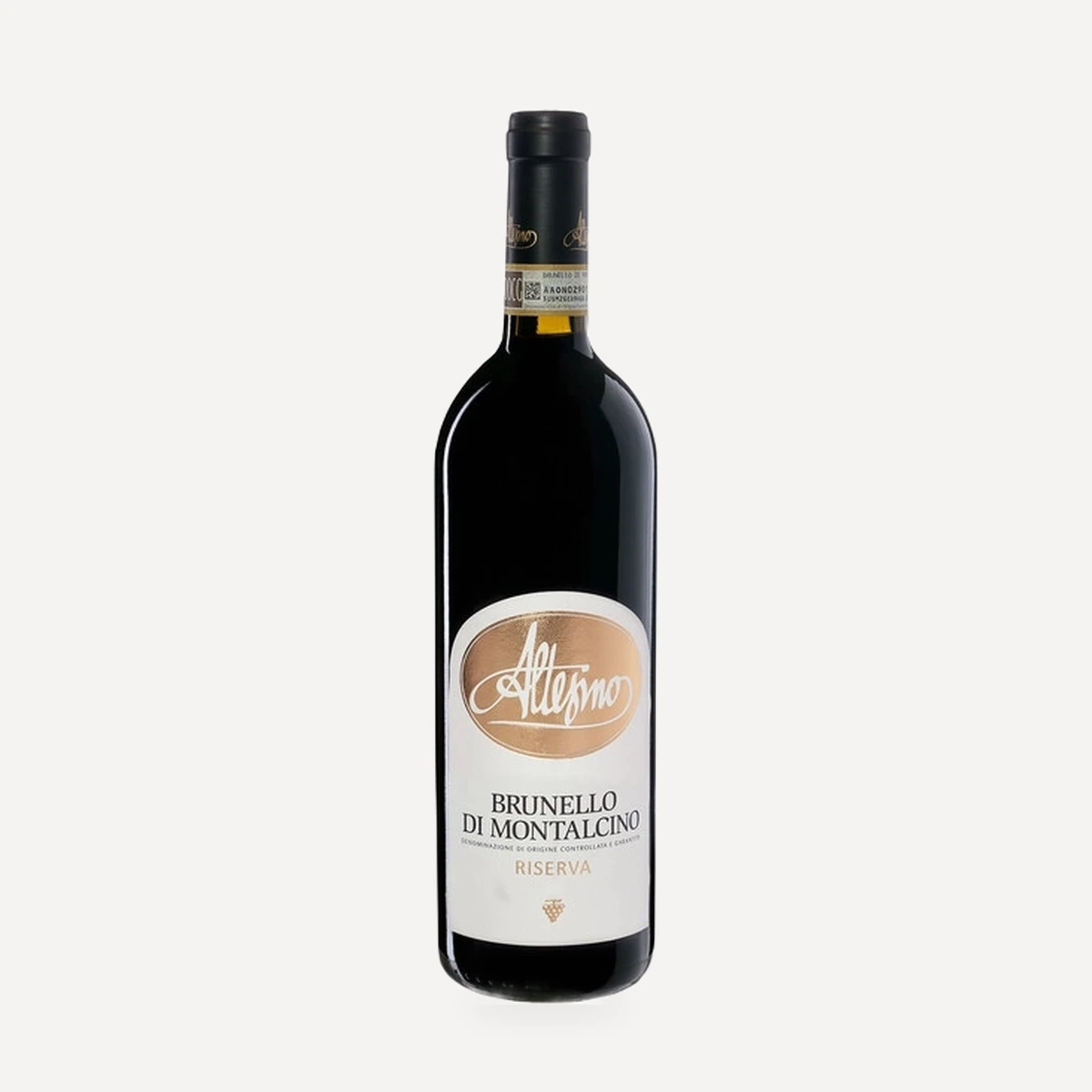
Brunello di Montalcino Riserva

Sangiovese · Brunello di Montalcino Riserva DOCG
Red
🍷

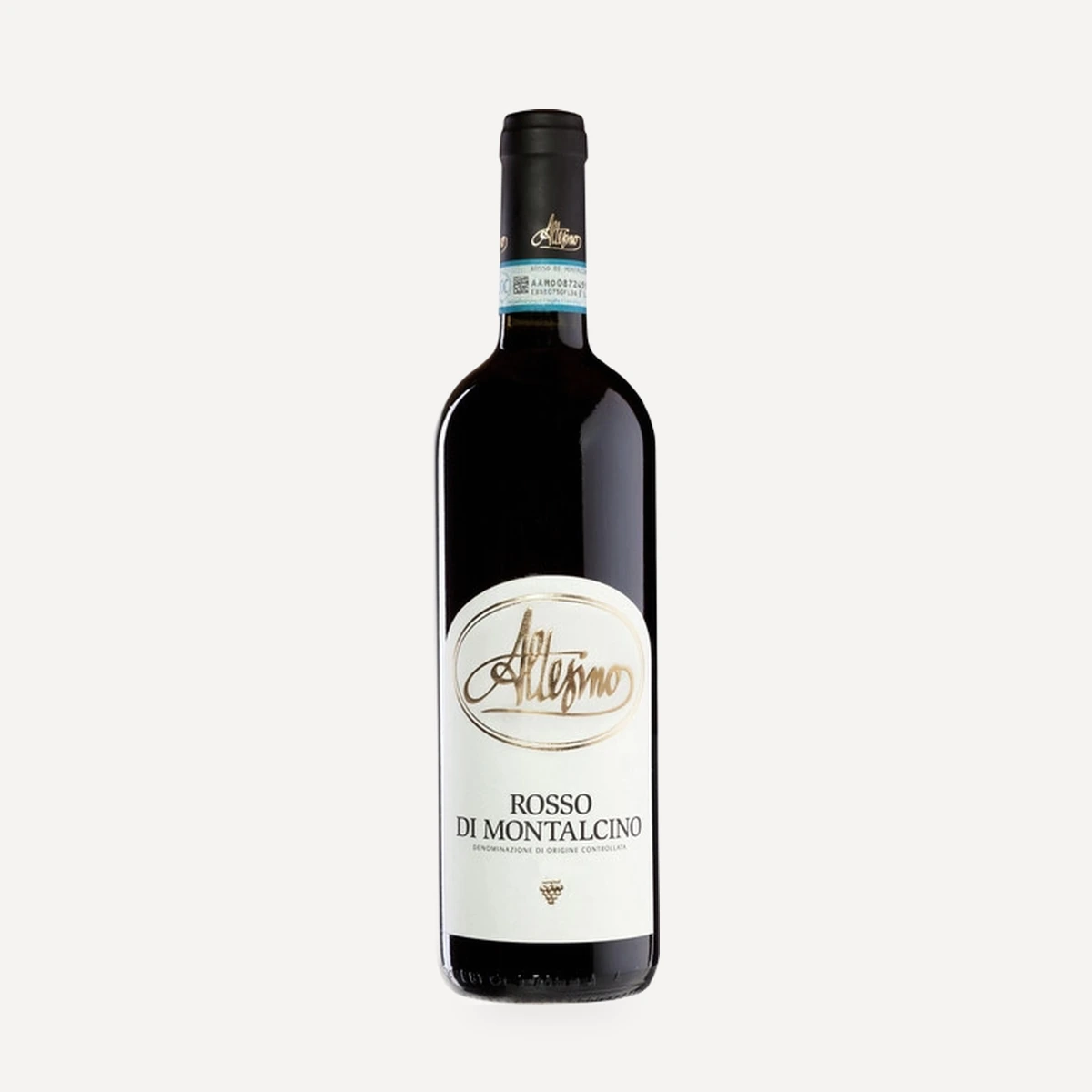
Rosso di Montalcino

Sangiovese · Rosso di Montalcino DOC
Red
🍷

Palazzo d'Altesi

Toscana IGT
Red
🍷

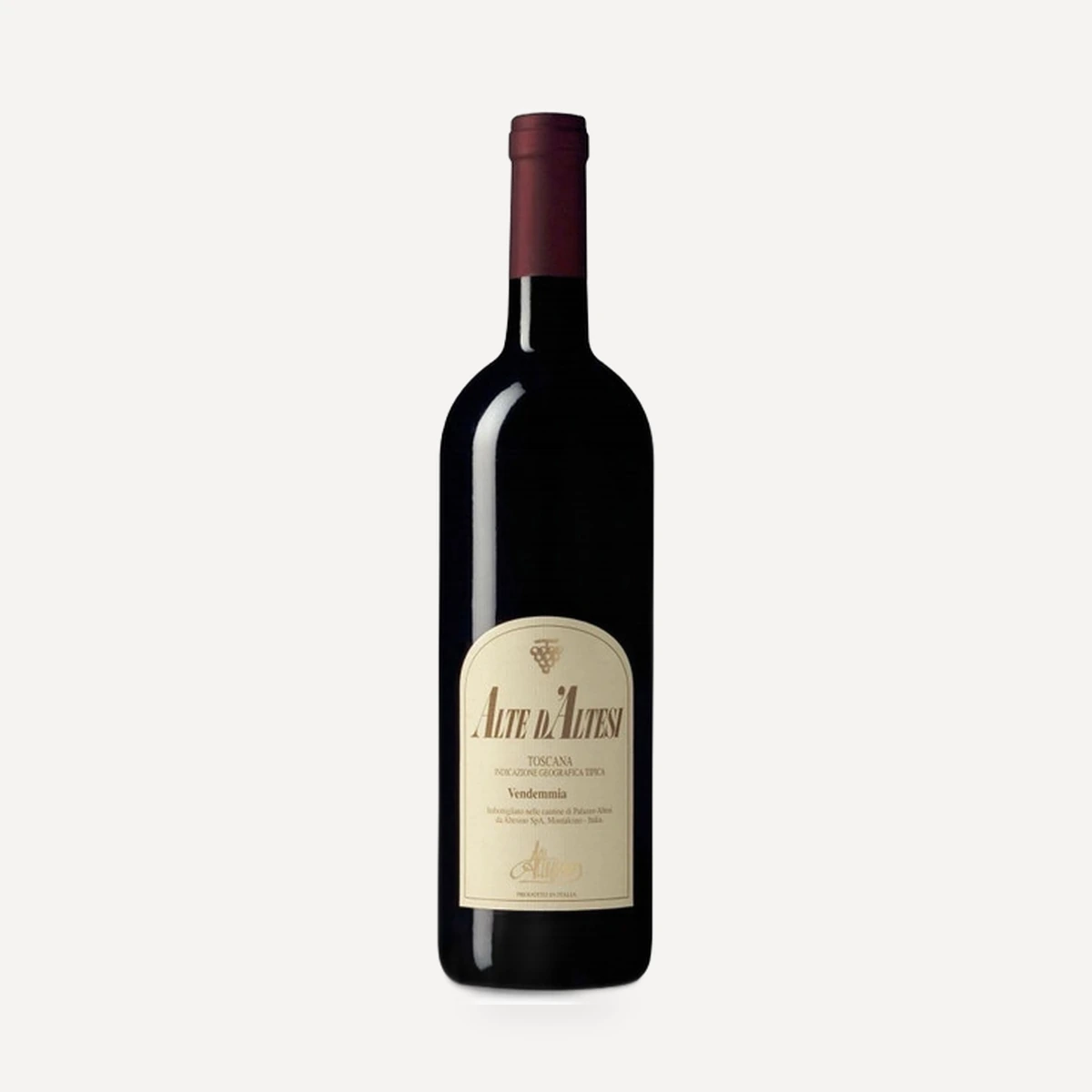
Alte d'Altesi

Sangiovese, Cabernet Sauvignon, Merlot · Toscana IGT
Red
🍷

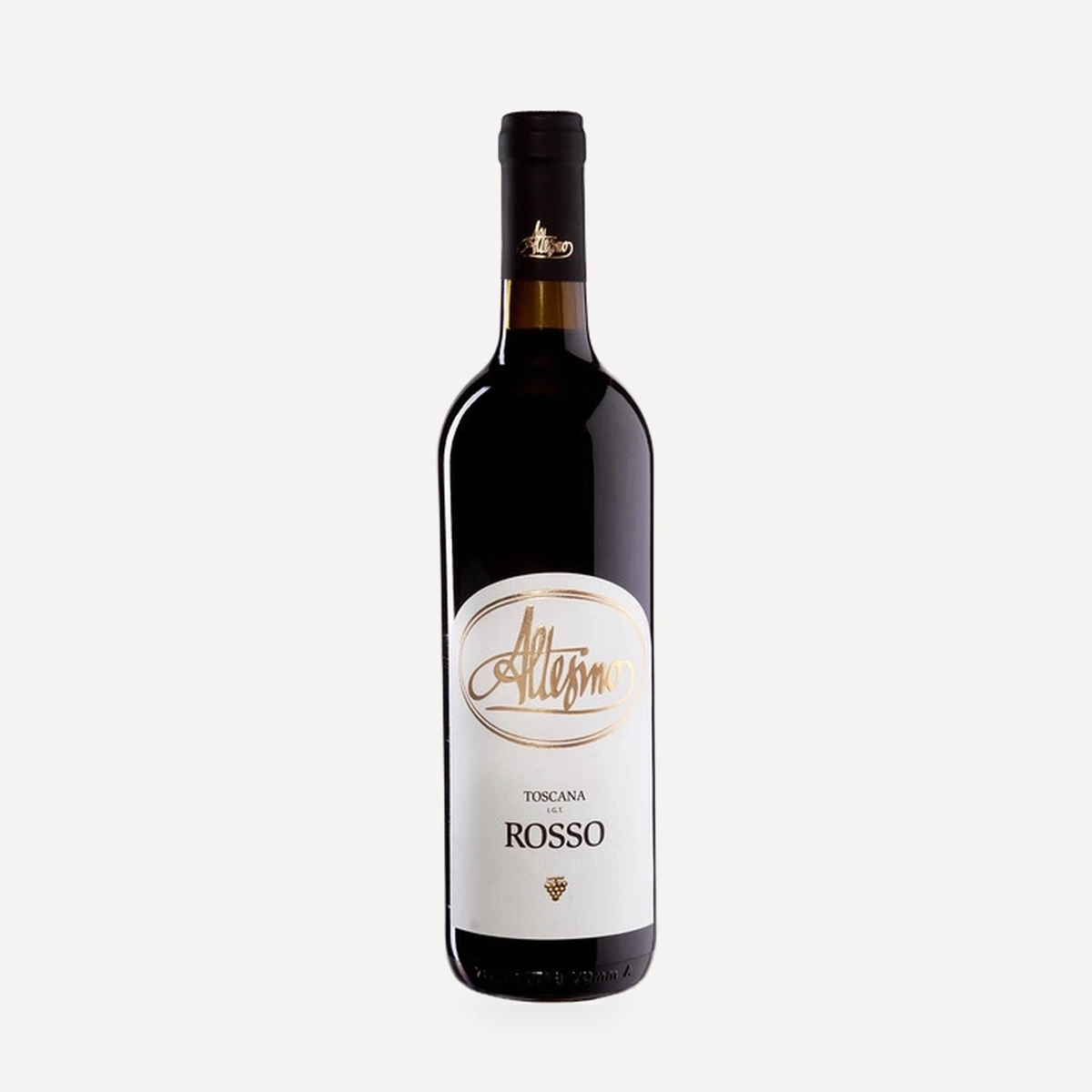
Rosso Toscana

Sangiovese, Cabernet Sauvignon, Merlot · Toscana IGT
Red
🍷

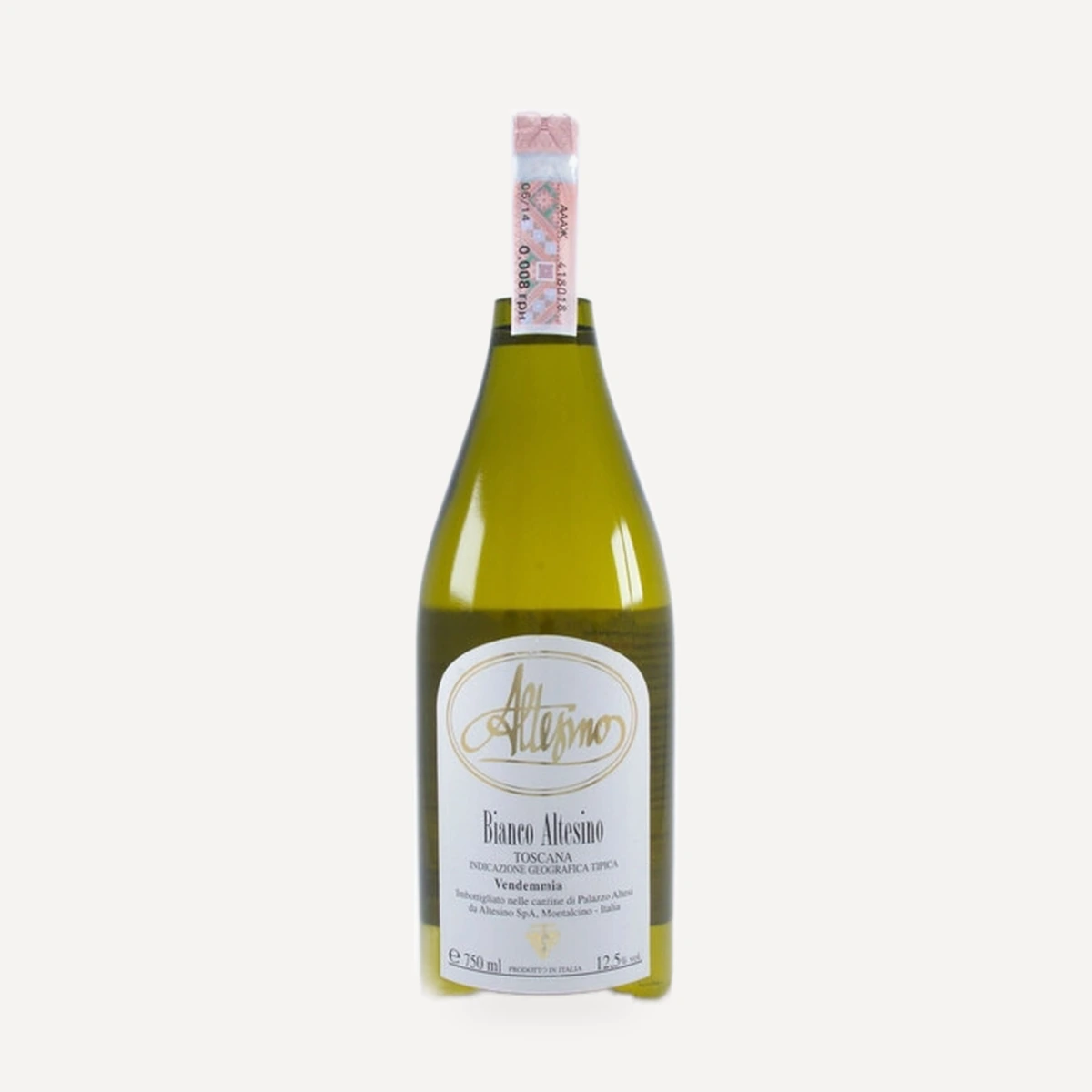
Bianco Toscana

Vermentino, Viognier, Chardonnay · Toscana IGT
White
🍷

Vin Santo

Trebbiano, Malvasia · Sant'Antimo DOC Vin Santo
Sweet