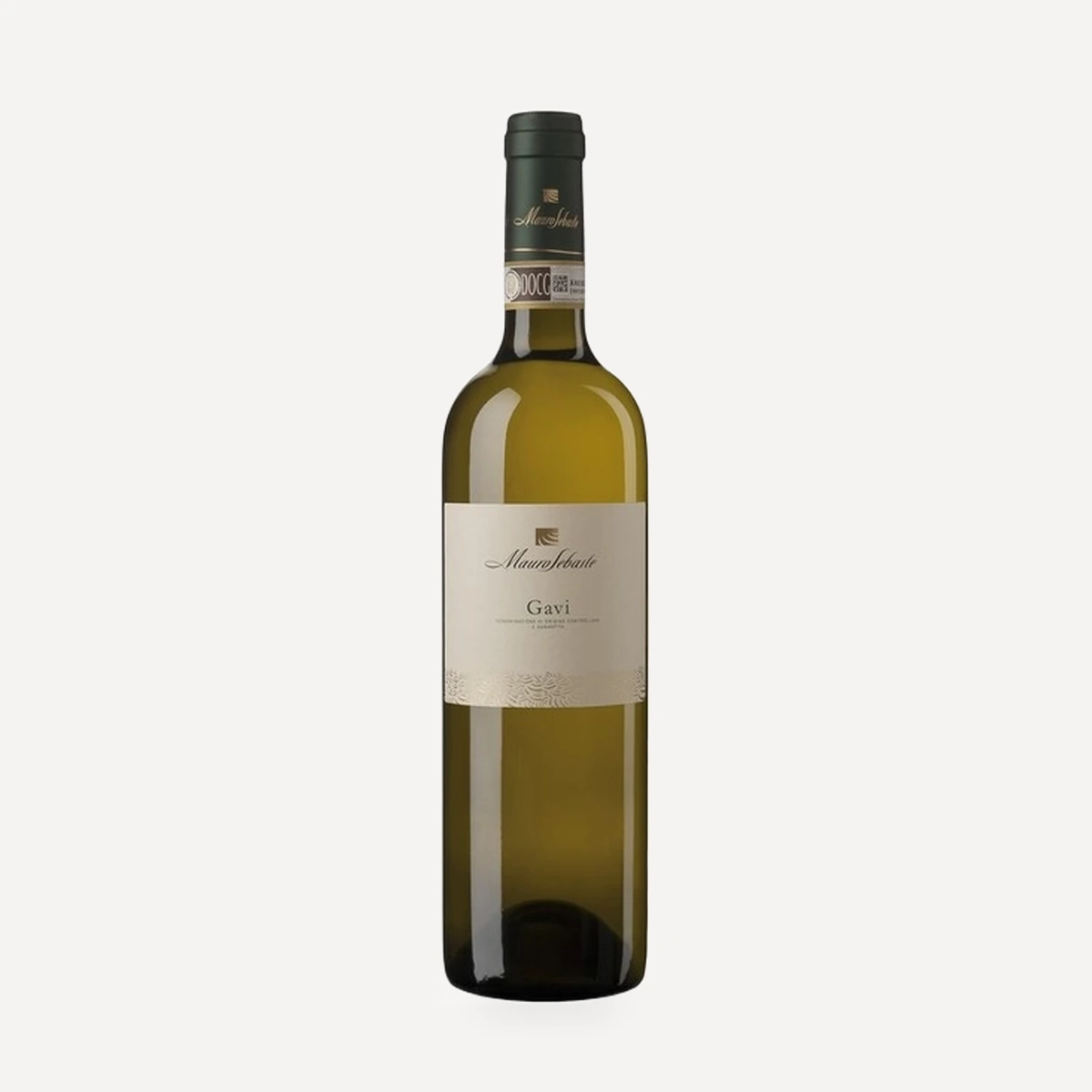
History
Roots in Barolo
The family’s wine story began in Barolo with the pioneering work of Sylla Dogliani, Mauro Sebaste’s mother. Known as La Dama di Langa, she founded her first winery there and became the formative figure behind the family’s relationship with Barolo. Her work was subsequently continued first by Mauro and then by her granddaughters.
1991 — Mauro Sebaste is created in Alba
After Sylla Dogliani’s premature death and a period of difficult family circumstances, Mauro left the family business in 1991. Driven by his commitment to wine, he established Mauro Sebaste in Alba with the objective of producing high-quality wines. His wife, Maria Teresa, joined him in the venture, alongside the company’s working team.
Alba became both the winery’s home and the centre of its vineyard holdings. The estate subsequently developed across Langhe, Roero and Monferrato Astigiano, reaching 30 hectares in more than ten communes.
2014 — Expansion into Nizza
Nizza DOCG was instituted with the 2014 harvest. In the same year, Mauro Sebaste acquired two vineyards in Vinchio, extending the family’s work with Barbera into the Nizza area. Two additional vineyards were acquired more recently in Nizza Monferrato itself. This expansion was presented as a deliberate new attachment to the territory rather than the continuation of an inherited family presence there.
2018 — The daughters join
Mauro and Maria Teresa’s daughters, Sylla and Angelica, joined the company in 2018. Their arrival brought the founder’s daughters into the active family enterprise and continued the succession that began with Sylla Dogliani in Barolo.
The following generation is represented by Sylla’s daughters, Costanza, Celeste and Camilla, who are described as preparing to inherit the family responsibility.
Alta Langa and the first family sparkling wine
After several years of study and research, the family added Alta Langa as a new project. It became the first sparkling wine produced by the family, based on high-hill Pinot Nero and Chardonnay vineyards in Mango, Montelupo Albese and Diano d’Alba.
Hospitality
The family subsequently opened La Casina, an accommodation property near the winery in Alba. It extends the family’s activity into hospitality, tastings, private dining, cooking classes and small corporate or team-building events.
Terroir
Mauro Sebaste manages 30 hectares distributed through more than ten communes in Langhe, Roero and Monferrato Astigiano. The holdings therefore encompass several distinct combinations of altitude, exposure, soil and grape variety.
Barolo area
Nebbiolo for Barolo comes principally from Serralunga d’Alba, with further vineyards in La Morra, Verduno and Monforte d’Alba. Within Serralunga, Cerretta has marl-and-sand soils with limestone and abundant iron, together with south and southeast exposures. A more detailed soil description associates the Serralunga vineyards with the Formazione di Lequio, composed of iron-rich calcareous sands.
The Roncaglie site in La Morra is associated with Marne di Sant’Agata Fossili, whose marly layers contain higher proportions of clay and silt.
Alba and Santa Rosalia
The winery and the core vineyard area are in Alba. Santa Rosalia occupies the ridge between Diano d’Alba and Grinzane Cavour and has favourable solar exposure. Dolcetto d’Alba, Barbera d’Alba and Nebbiolo d’Alba are grown here.
Parigi is a fully south-facing Nebbiolo vineyard on the hillside connecting Alba and Diano d’Alba, opposite the Serralunga hill. Sandstone is a prominent component of its soil. The Barbera parcel used for Contessa Rosalia is associated with clay soils, while the Dolcetto parcel is calcareous. Barbera for Centobricchi also comes from Alba and Diano d’Alba, including Bartu, on calcareous soil.
Nizza and Vinchio
The Nizza holdings comprise two vineyards acquired in Vinchio in 2014 and two more recent vineyards in Nizza Monferrato. At Vinchio, sandy deposits may contain silt, veins of clay and yellow sands rich in marine fossils. Costemonghisio lies at approximately 280 metres with southeast exposure. Valdevani and Boglietto also have sandy soils with silt and clay veins.
Bricco di Nizza is a historic Barbera cru at approximately 180 metres, facing south to southwest. Its soil is marly and silty with a substantial clay component.
Alta Langa and Mango
The Pinot Nero and Chardonnay vineyards associated with Alta Langa lie in Mango, Diano d’Alba and Montelupo Albese at 420–550 metres. Their soils are marly and calcareous. The three named sites are Avene, Remondà and Mortizzo; all are polyclonal, and some contain as many as four clones.
At Mango, Bricco Avene reaches 550 metres. Altitude and the daily temperature range support the accumulation of aromatic precursors in Moscato. Bricco Avene and Schiasso have medium-textured, sub-alkaline soils with an adequate level of organic matter.
Roero
Arneis comes from Vezza d’Alba, Piobesi and Monteu Roero. The Piobesi site is sandy, while another vineyard farther north in Roero is marly; across these holdings, sand and silt are characteristic components.
Winemaking
Summer green harvesting is used across the vineyard programme to regulate the crop. Selection can be particularly strict: the Barbera destined for Centobricchi is thinned to one bunch per shoot, while the Michet parcel at Ghè naturally produces small, loose bunches and limited quantities.
Harvesting is performed manually. Most grapes are collected in perforated 25 kg crates; newer specifications for selected red parcels use 20 kg crates, while Moscato intended for drying is placed in shallow 5 kg perforated crates. The most intact, loosely packed bunches are selected for this drying process and arranged in a single layer.
Fruit receives a further manual selection on vibrating tables. White grapes and grapes for sparkling production may spend approximately two days in a cold room before sorting and pressing. Harvest dates vary by site and variety, from mid-August for high-altitude sparkling-wine fruit through October for Nebbiolo.
No vineyard farming certification, organic-conversion status, disease-control programme, cover-crop system, irrigation regime or biodiversity protocol is identified.
Cellar approach
Production combines technological control with traditional maturation vessels. Vinification is managed without chemical additives, while wood use centres on large casks and tonneaux. Temperature-regulated stainless-steel tanks, automated pumping-over and punching-down systems, pneumatic pressing, vibrating sorting tables and cold rooms are used alongside French-oak maturation.
Reception and red-wine fermentation
Hand-picked grapes arrive in perforated crates and undergo additional manual selection on vibrating tables. Depending on the lot, the fruit is softly pressed or destemmed and conveyed to fermenters. Red fermentations take place in temperature-controlled stainless steel with daily or automated pumping over and punching down. Skin contact varies by grape and objective: approximately 4–6 days for the shortest Dolcetto treatment, 6–8 days for fresher Barbera, 8–10 days for selected Barbera and Nebbiolo, 12–16 days for Barolo, and up to 15–20 days for separately vinified Barolo parcels. Malolactic fermentation generally follows racking.
Some wines remain entirely in stainless steel, including a Barbera fermented at 24°C and matured for 4–6 months. Dolcetto can spend 4–6 months in steel with optional micro-oxygenation.
Oak maturation
The cellar uses 400-litre tonneaux or small casks and large French-oak vessels of approximately 15–16 hl. Allier oak is specified for part of the programme. Maturation periods range from about 6–8 months for Barbera in large casks to roughly 30–36 months for Barolo. Selected lots mature in new 400-litre French tonneaux; one Nebbiolo programme combines 60% American-oak and 40% French-oak tonneaux for 12–14 months. Individual vineyard fractions may be fermented and matured separately, with the final blend determined only later according to vintage and site character.
Bottle maturation ranges from one or two months for earlier-release wines to at least six months for selected reds. Barolo Riserva remains in bottle for approximately 24–30 months, reaching five total years before release.
White-wine production
White grapes may rest in a cold room for two days before manual sorting and soft pressing. Arneis ferments at controlled temperature in stainless steel without chemical additives, then remains on fine lees for 2–3 months with frequent bâtonnage.
Viognier undergoes cold settling before fermentation in new 400-litre French-oak vessels toasted with hot water. Malolactic fermentation and bâtonnage follow, and the wine remains on its lees in the same vessels for 6–8 months before a further 6–8 months in bottle.
Traditional-method sparkling production
Pinot Nero and Chardonnay varieties and vineyard lots are harvested, vinified and matured separately. After cold-room rest and manual sorting, whole bunches are pressed pneumatically. The must undergoes cold static settling and controlled-temperature fermentation, mainly in stainless steel; approximately one third ferments in barriques and tonneaux, preferably second-use wood.
The base-wine cuvée is assembled in February following the harvest. Light clarification and filtration precede tirage and bottling. Slow secondary fermentation and maturation in bottle last at least 30 months, followed by disgorgement and packaging.
Moscato and passito methods
For Moscato d’Asti, cold settling lasts 10–15 days in temperature-controlled steel. Fermentation is stopped by lowering the temperature when the wine reaches 5% alcohol, retaining naturally produced carbon dioxide and approximately 140 g/L of residual sugar. The wine remains in steel for about one month and is bottled by the end of November.
For passito production, selected Moscato bunches dry for approximately two months in a room with controlled temperature, humidity and ventilation. After soft pressing and cold settling in steel, fermentation takes place in new 400-litre French-oak vessels. Malolactic fermentation and bâtonnage are followed by 6–8 months in the same wood. Bottling occurs around the August after harvest, followed by at least one year of bottle maturation.
Pomace and distillation
Pomace obtained through soft pressing is kept fresh and clean until steam distillation for the family’s range of grappas.
Philosophy
The production philosophy brings together innovation and tradition. Technological control is used during vinification, with no chemical additives, while maturation retains a traditional preference for large casks and tonneaux.
The central objective is to express the identity of Piemonte and its native varieties through vineyards spread across Langhe, Roero and Monferrato Astigiano. Different sites are not treated as interchangeable: grapes from individual vineyards may be harvested, vinified and matured separately, and the ageing regime can be adapted to the character of each place and vintage before final blending.
Family continuity forms another core principle. The line extends from Sylla Dogliani’s pioneering work in Barolo to Mauro and Maria Teresa, their daughters Sylla and Angelica, and the younger generation of Costanza, Celeste and Camilla.
Wine, history and local tradition also shape the hospitality programme. Tastings are intentionally organised for small groups so that the family can build a direct relationship with visitors and personally connect the wines with the company’s history and territory.
Wines

Trèsüri Barolo DOCG

Parigi Nebbiolo d'Alba DOC

Ghè Barolo Riserva DOCG

Costemonghisio Nizza DOCG
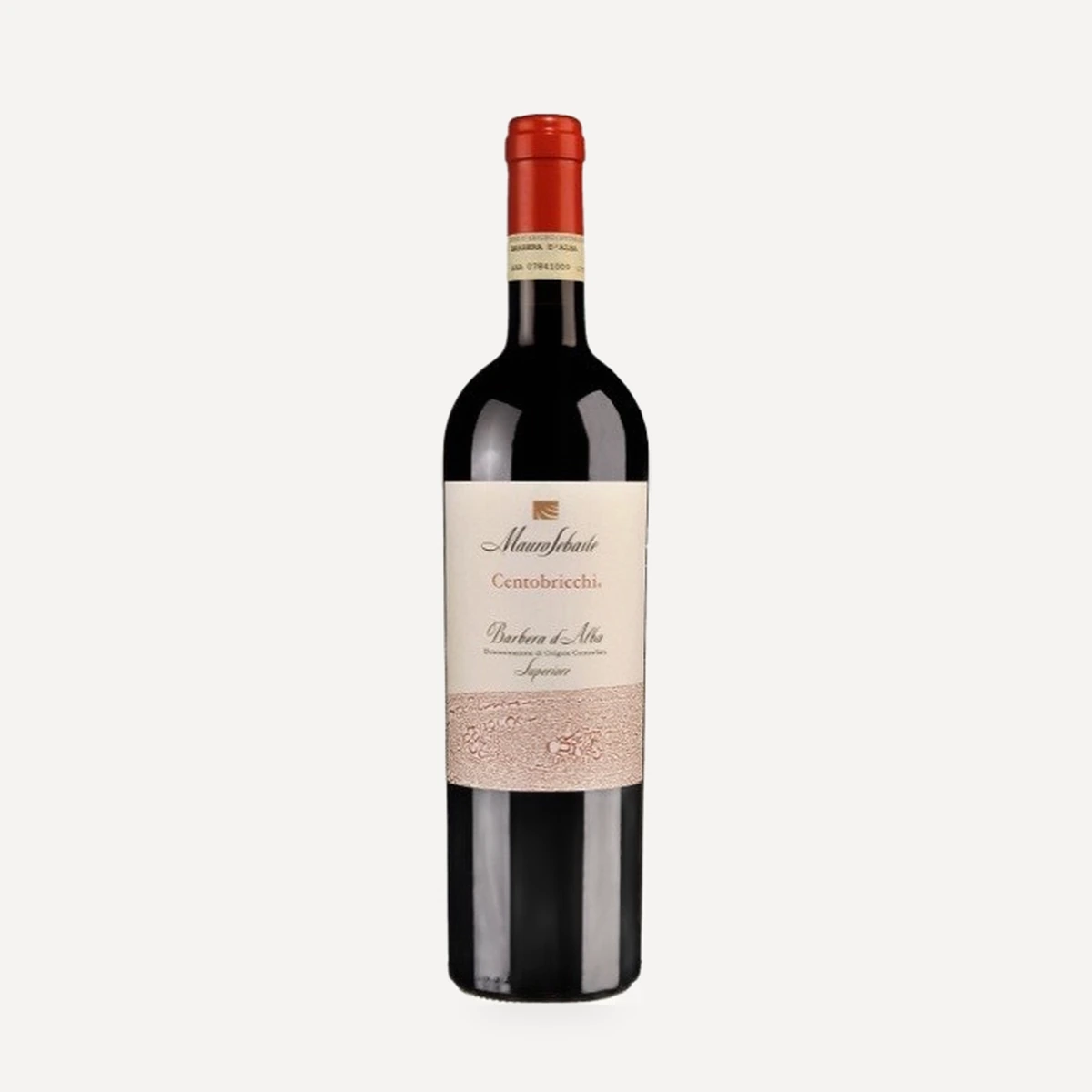
Centobricchi Barbera d'Alba Superiore DOC

Bagagiot Piemonte Moscato Passito DOC

Avremo Alta Langa DOCG

40° Anniversario Barolo DOCG

Arneis Roero Arneis DOCG
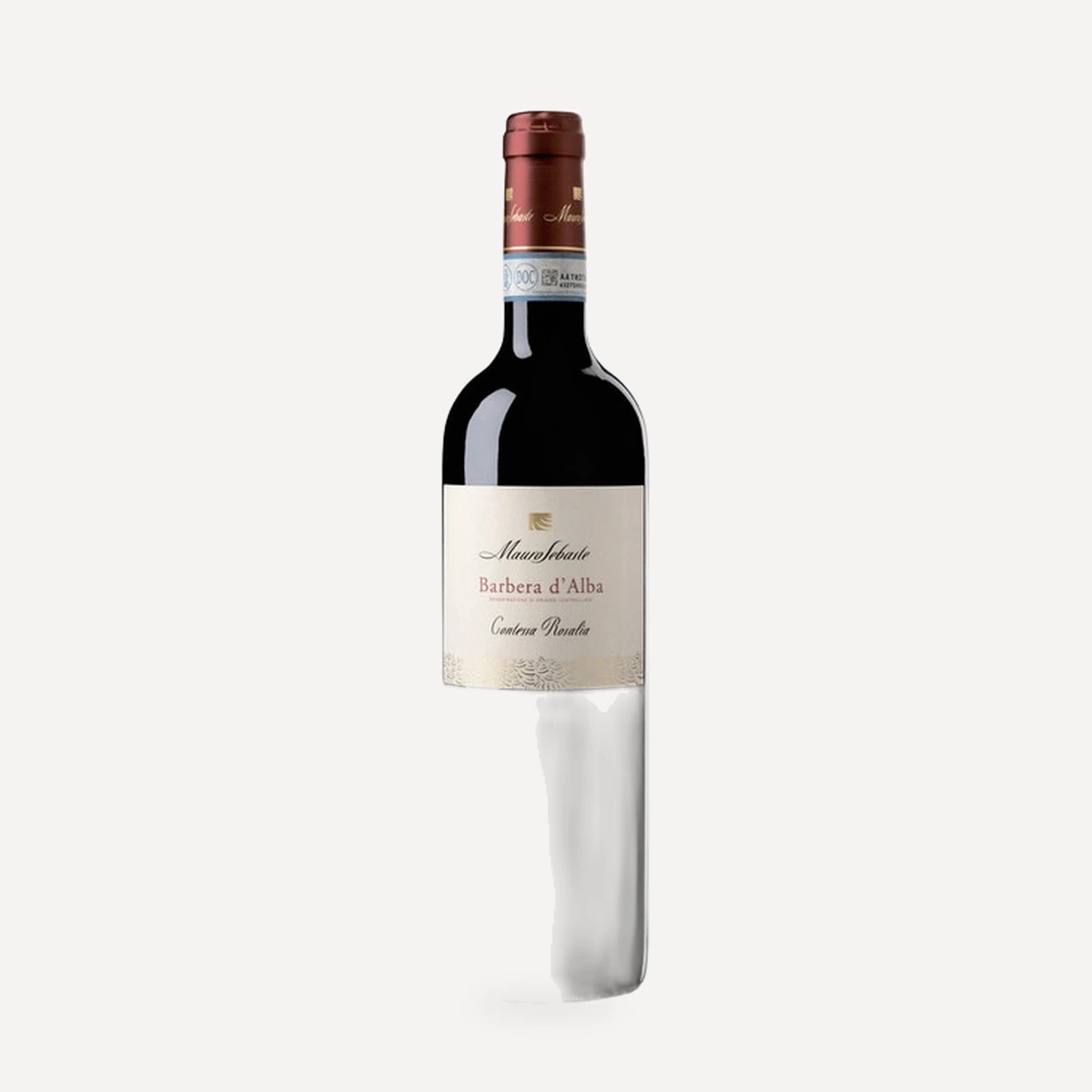
Contessa Rosalia Barbera d'Alba DOC
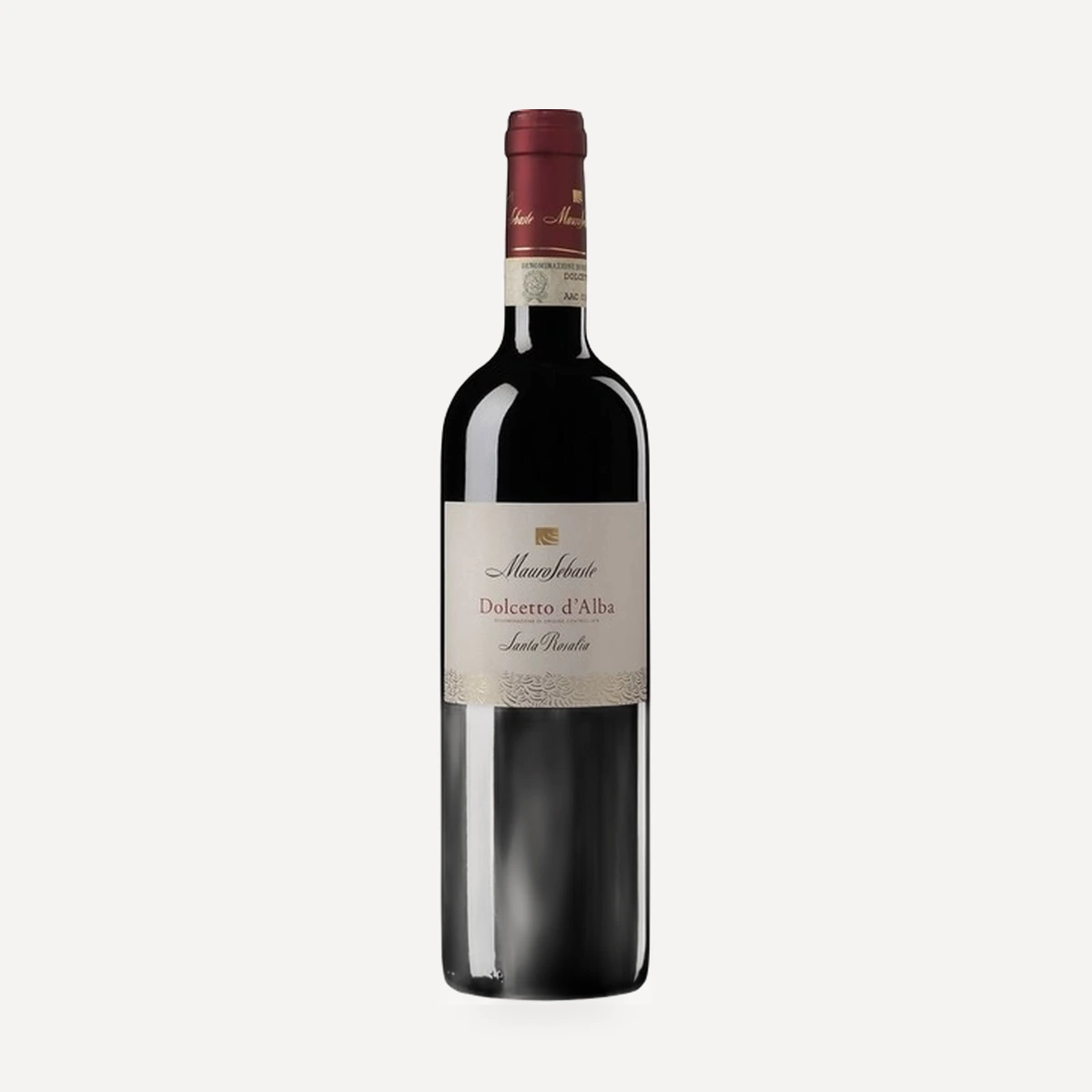
Contessa Rosalia Dolcetto d'Alba DOC
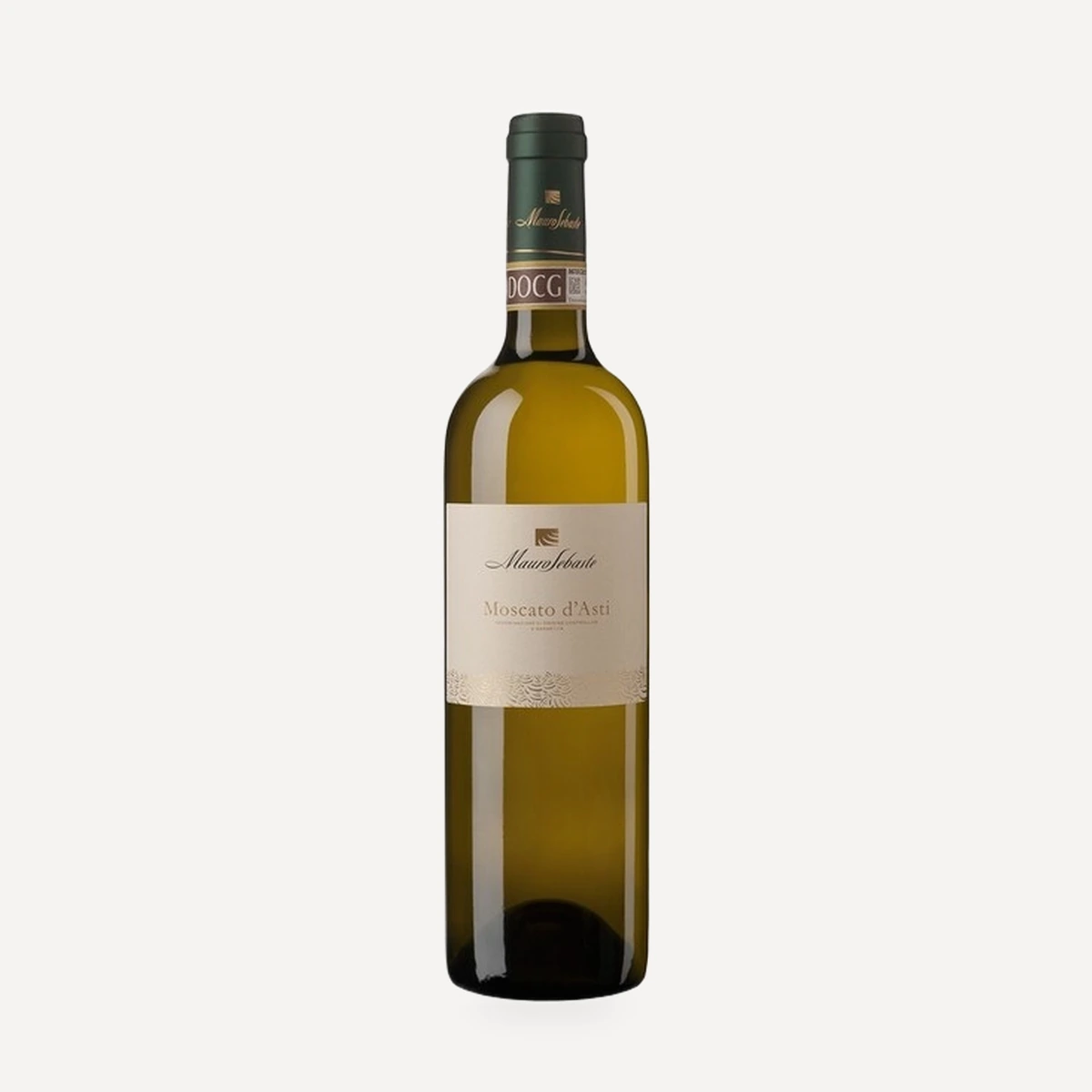
Moscato Moscato d’Asti DOCG
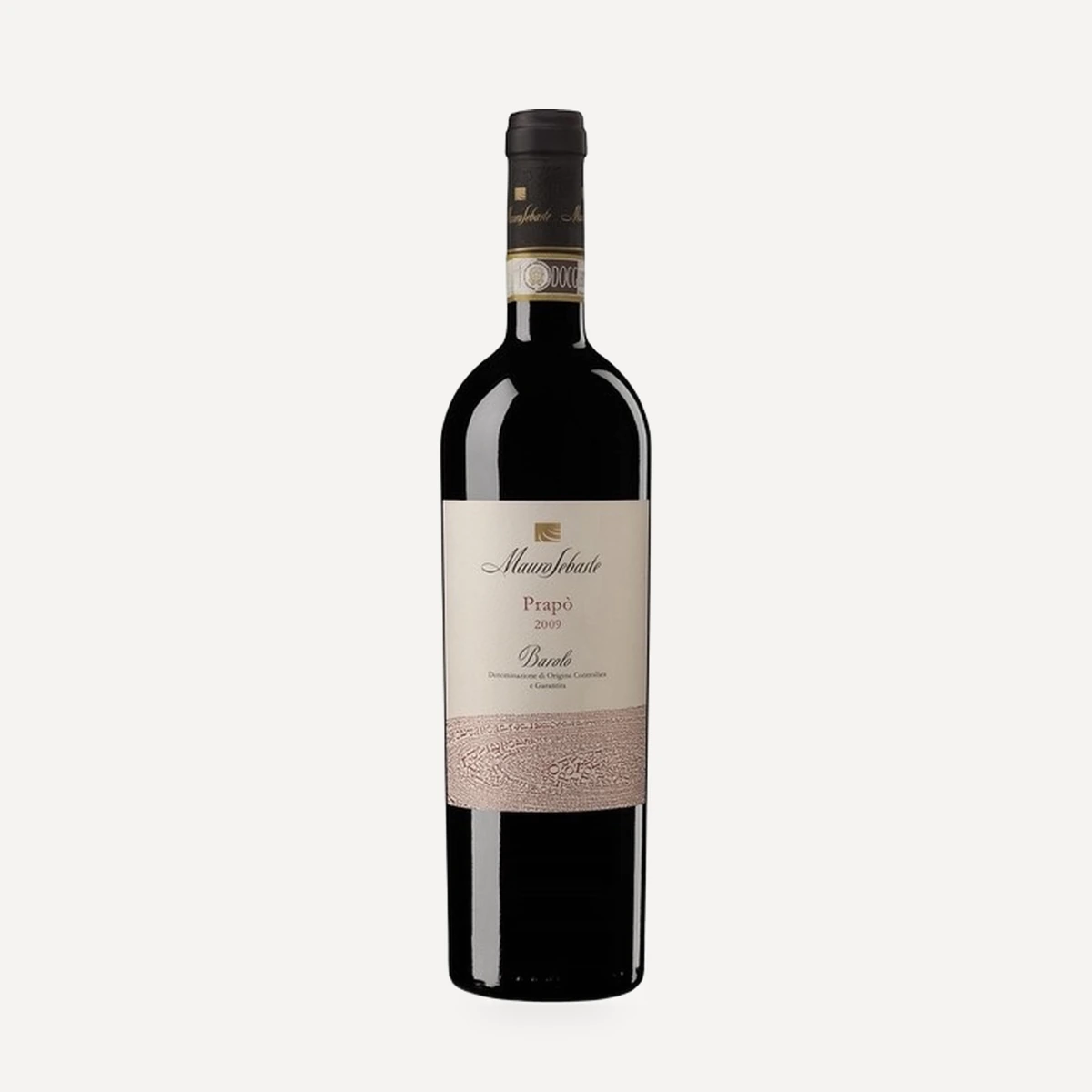
Barolo Prapo