History
Five generations of winegrowing
Attilio Ghisolfi is a family wine estate with five generations of winegrowing behind it. The family's earliest steps in viticulture are associated with an old farmhouse called Lisirun, whose name survives in La Lisi. An old recipe for aromatized Barolo was also handed down by the grandparents and later reworked in a contemporary form.
1988: the decisive change
Until 1988, the estate operated as a mixed farm producing fruit and wine grapes; bottled wine accounted for only a marginal share of its activity. Gianmarco entered the business that year and changed its production structure.
The first Attilio Ghisolfi label was created, and a progressively larger proportion of the wine began to be sold in bottle. Over the following years, orchard land was converted to vineyards. The family also acquired additional land considered particularly suitable for Nebbiolo, increasing the estate's size and directing its work toward bottled wine and a stated objective of uncompromising quality.
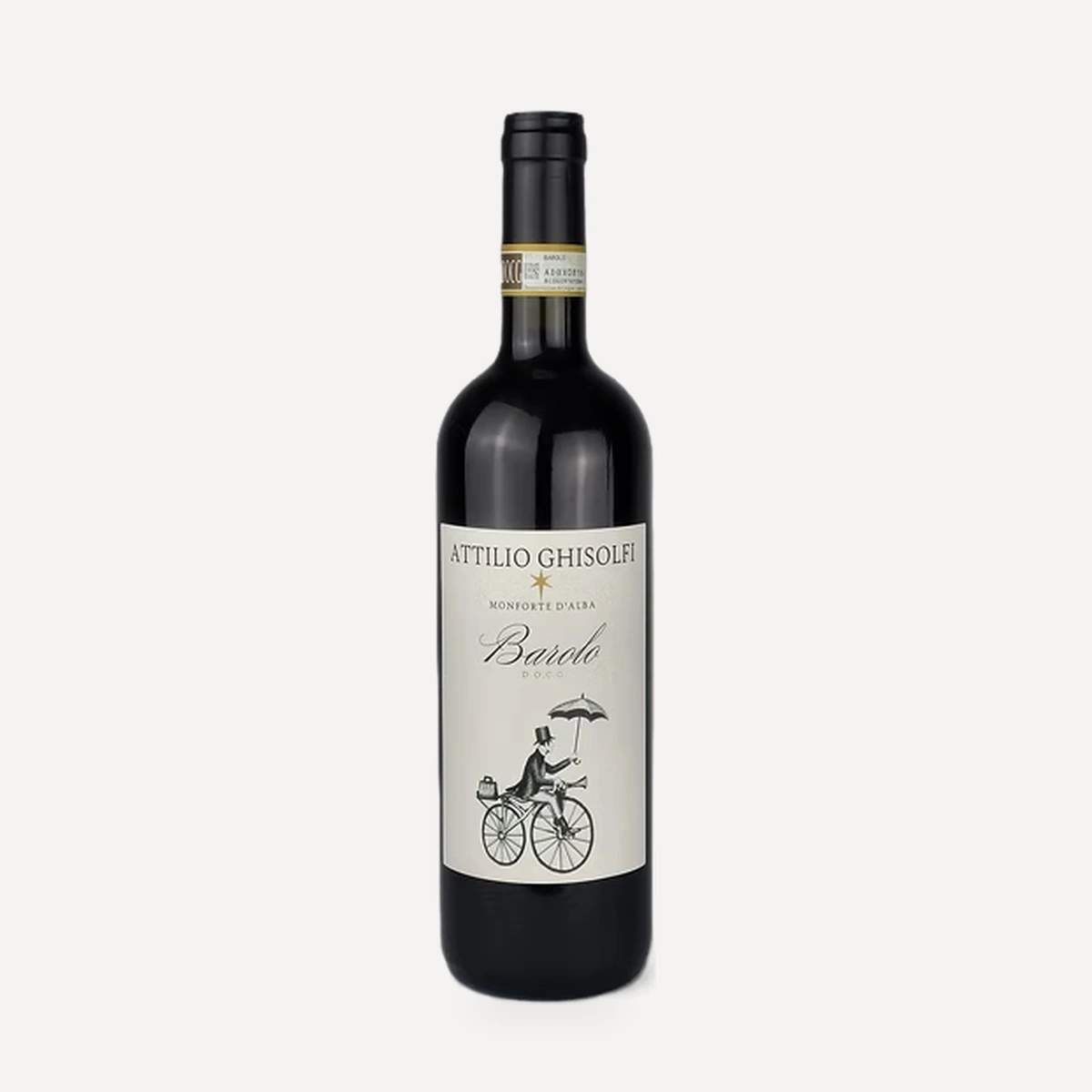
The labels of this period were deliberately simple, reflecting the principle that the wine itself should do the communicating.
Vineyard change at Fantini
Fantini once supplied the Nebbiolo used for Barolo Riserva Fantini. A landslide subsequently destroyed much of the vineyard. Its replacement vines remain comparatively young and now contribute to Barolo Bussia rather than the former vineyard-designated riserva.
2020: a new visual identity
In 2020, the estate adopted new ideas, objectives and label designs in response to changing patterns of communication and a greater emphasis on images. The design presents a Nebbiolo berry transforming into a hot-air balloon. It rises while drawing along a small, blurred human figure representing the hardships, uncertainty and effort involved in the estate's development.
A star represents dreams, objectives and the destination being pursued. On the most important bottlings, the human figure climbs the berry-shaped slope toward the star, expressing the pursuit of the highest level of quality. Nebbiolo occupies the central role in this imagery because it was the variety through which Attilio Ghisolfi established its identity.
2021: formalized environmental commitments
Beginning with the 2021 harvest, the estate joined the Sistema di Qualità Nazionale di Produzione Integrata (SQNPI) environmental-sustainability system, bringing its agronomic and oenological practices under official certification. A bee symbol on the label represents this commitment.
Terroir
Monforte d'Alba and Bussia
The estate is based at Cascina Visette in Località Bussia, Monforte d'Alba. Monforte is one of the 11 communes in which Barolo is produced. Its name derives from Mons Fortis, referring to the fortified walls that once surrounded the summit of the medieval settlement.
Monforte's soils are heterogeneous, ranging from sand-rich zones to areas dominated by compact brown-grey marl. Their formation dates to the Tortonian period, approximately 10–12 million years ago.
In the western part of the commune, toward Novello, the Marne di Sant'Agata Fossili consist of finely stratified greyish marine clays. In upper Bussia toward Perno and Castelletto, the Arenarie di Diano d'Alba comprise sandstone formations with sometimes-thick layers of fine sand alternating with light-grey or brownish marl layers up to 10 cm thick.
Variation among the estate's sites
Peschiera has a high proportion of sand and abundant marine fossil remains. Fantini is also predominantly sandy, resembling the Diano d'Alba marl and sandstone soils around Castelletto. Maggiora has a strong clay component. At Bricco Visette, Ciabot Minat and Tornetta, sandy veins occur alongside clay-rich zones and widespread limestone formations. Bovi lies at the base of the Visette hill and has clay-rich ground with frequent limestone formations.
The individually described blocks lie chiefly between 300 and 400 m above sea level. Exposures range from northeast at Peschiera to west at Bovi and parts of Maggiora, while the principal Barolo vineyards generally face south or southwest. Vintage observations also identify meaningful day–night temperature differences during ripening, especially for Nebbiolo.
Winemaking
Integrated farming
The estate follows integrated agriculture, coordinating vineyard inputs to reduce the use of technical products that can affect the environment or consumer health. Organic fertilizers are used on the land. Herbaceous species are sown to return nutrients to the soil, support active soil bacteria, increase biodiversity and attract pollinating insects.
Plant-health decisions are made with technicians and a meteorological-data network. Treatments are applied only when considered necessary and use lower-impact products. This approach is intended to deliver healthy grapes carrying a diverse population of naturally occurring yeasts.
Beginning with the 2021 harvest, the agronomic and oenological program has operated within SQNPI, the Italian national integrated-production quality system.
Canopy and crop management
Vintage conditions determine the intensity and type of vineyard intervention. During the hot 2015 season, the estate balanced the need to ventilate the canopy against the risk of sunburn. Because south- and southwest-facing Barolo Nebbiolo was particularly exposed, leaves were removed only partially and on the uphill side of the vineyard, leaving protection around the bunches. The hot, dry summer also reduced downy-mildew pressure and made chemical protection almost negligible.
The abundant 2018 crop required drastic thinning across the varieties to restore yields to normal levels. Targeted thinning was also used in the regularly more productive portions of the Nebbiolo vineyards, even though some other sections carried few, small bunches.
In the dry 2017 season, stable weather from May onward allowed plant-health treatments for fungal disease to be reduced almost to zero. The medium-to-high hillside position protected the vineyards from the late-April frost that affected valley floors and cooler slopes.
Natural fermentations
Healthy grapes arrive at the cellar with a diverse population of naturally occurring yeasts. Fermentations are conducted without selected yeast additions, allowing different indigenous strains to contribute their individual characteristics. These fermentations proceed more slowly and generate heat more gradually, so active temperature control is needed only occasionally, with a corresponding reduction in energy consumption.
The range is not made according to one uniform cellar recipe. Separate vineyard lots used for the classic Barolo are vinified and matured independently, with methods adapted to their individual terroirs before blending. Across the portfolio, the estate employs stainless-steel tanks, large barrels, small oak barrels and 500-litre tonneaux according to the intended expression. The cellar is equipped with a photovoltaic system.
Philosophy
The family's stated objective since the 1988 restructuring has been to pursue quality without compromise. Its earlier label design was intentionally restrained, embodying the conviction that the wine should speak for itself.
Nebbiolo is treated as the central vehicle of the estate's identity and development. The 2020 label imagery translates that relationship into a berry becoming a hot-air balloon, lifting a human figure through difficulty and uncertainty toward a star that represents aspirations and the highest quality goals.
In the vineyard and cellar, this outlook combines site-sensitive work with measured technology. Vineyard treatments are tied to actual need and meteorological observation, while naturally occurring yeasts are retained for fermentation. The environmental program extends beyond farming to energy use and packaging: the cellar has photovoltaic power, cartons contain 80% recycled paper, and bottles contain 70% recycled glass.
Wines
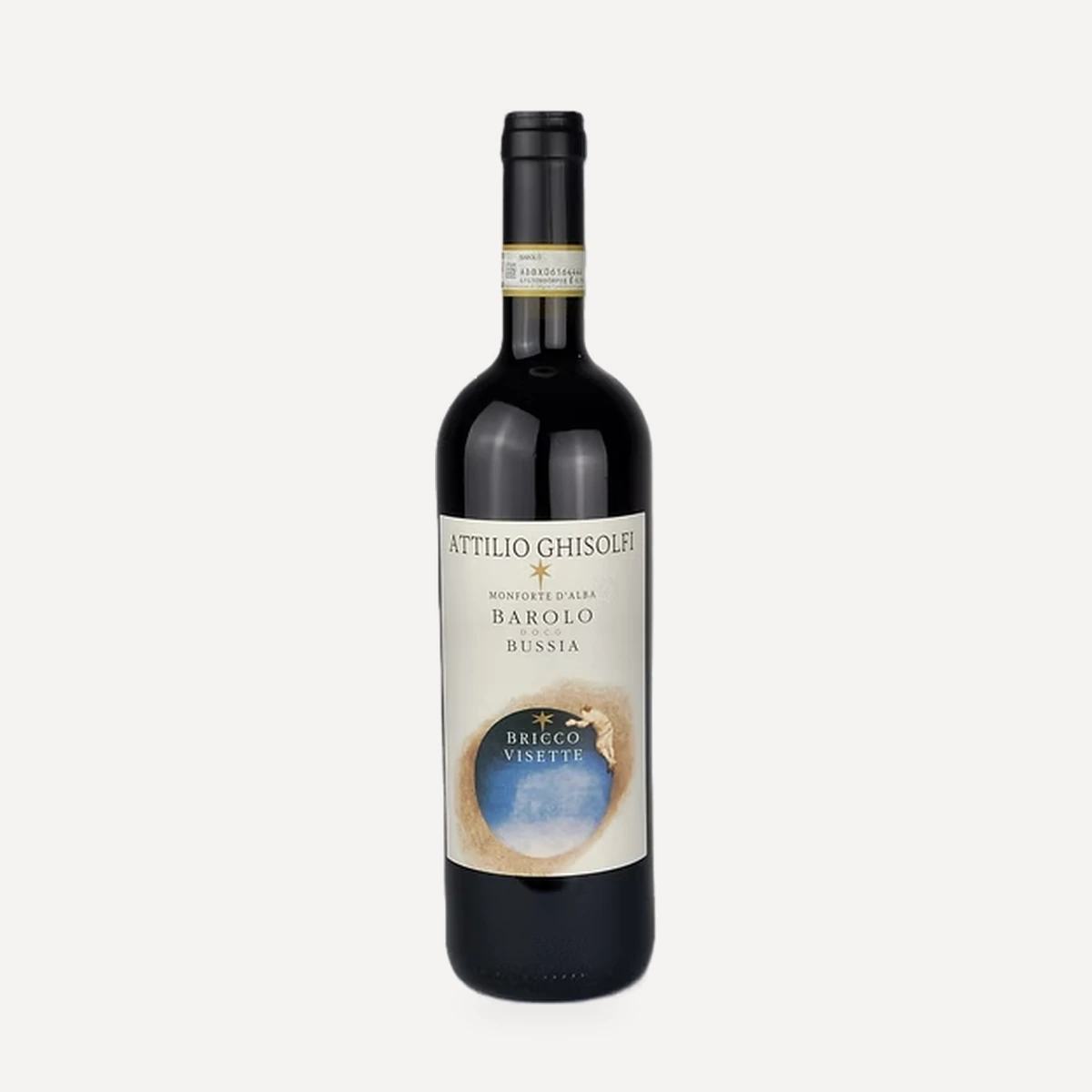
Barolo Bussia Bricco Visette
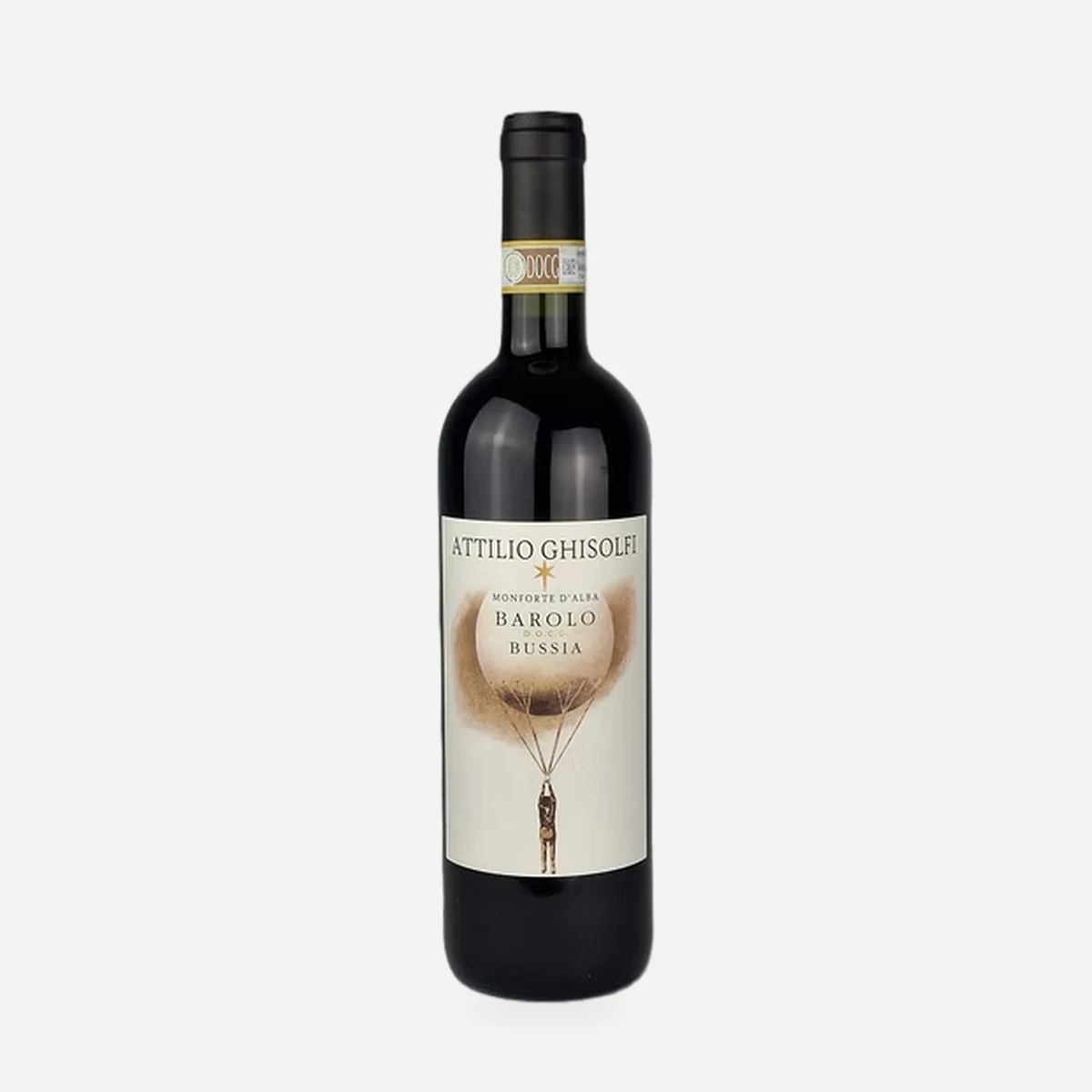
Barolo Bussia
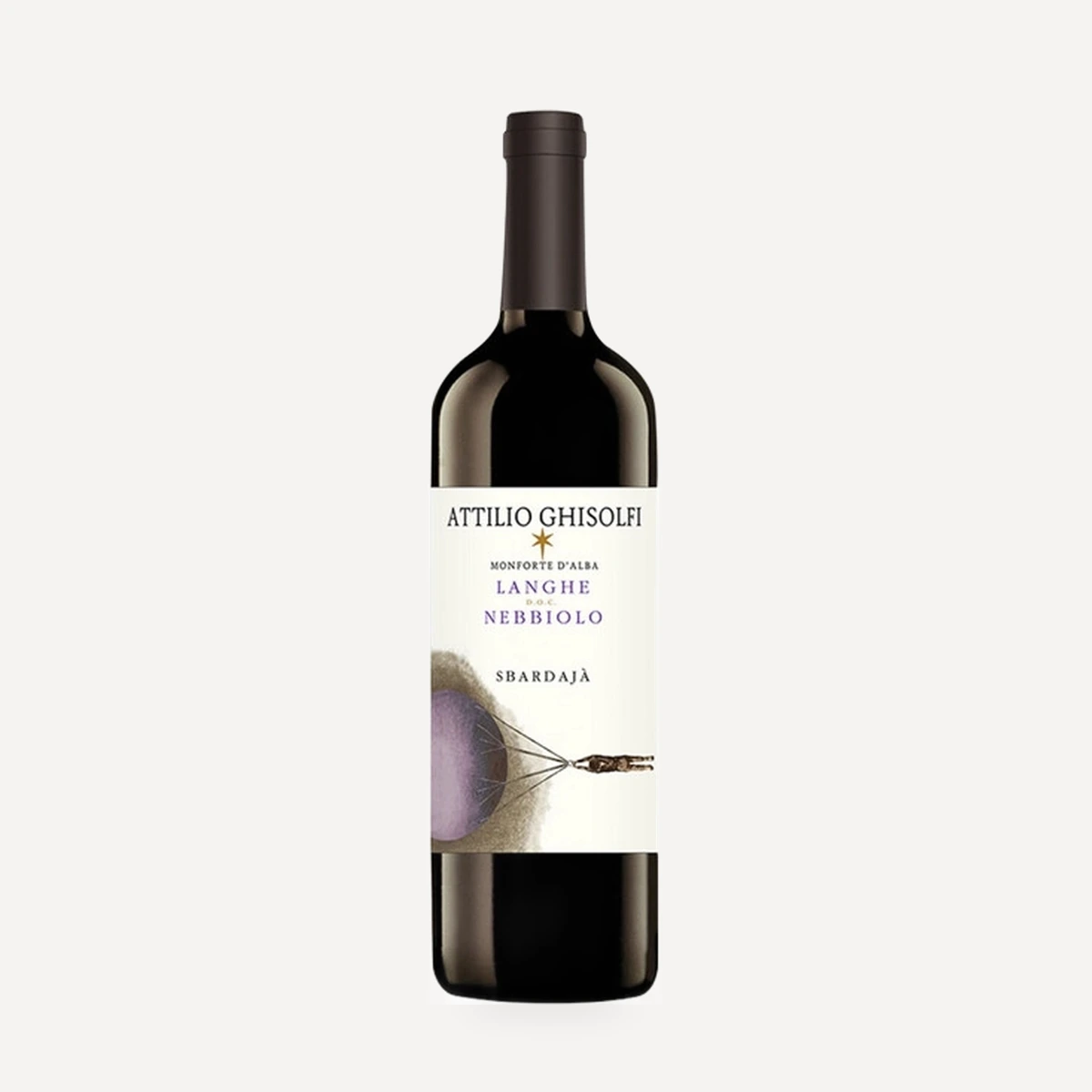
Langhe Nebbiolo Sbardajà
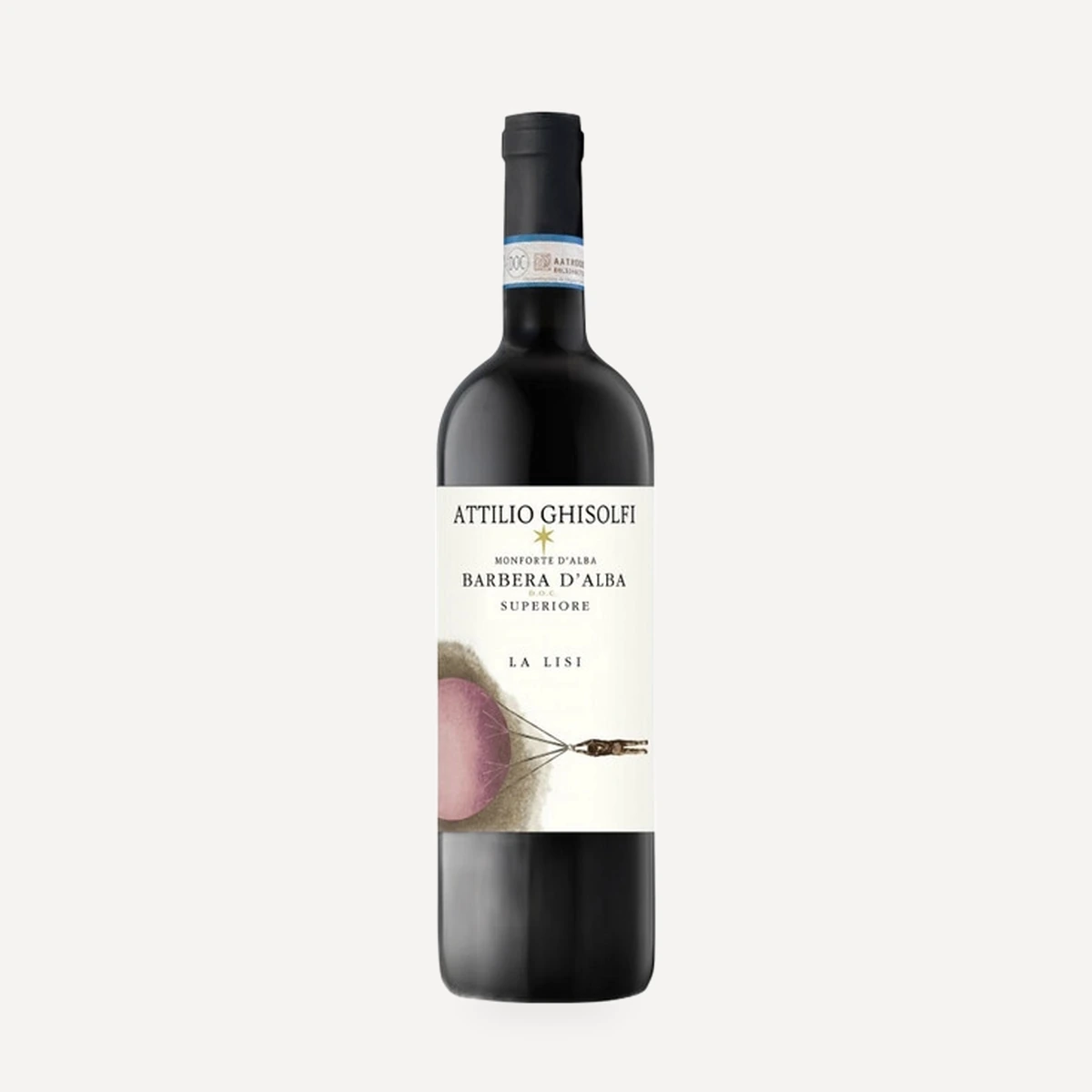
Barbera d'Alba Superiore La Lisi
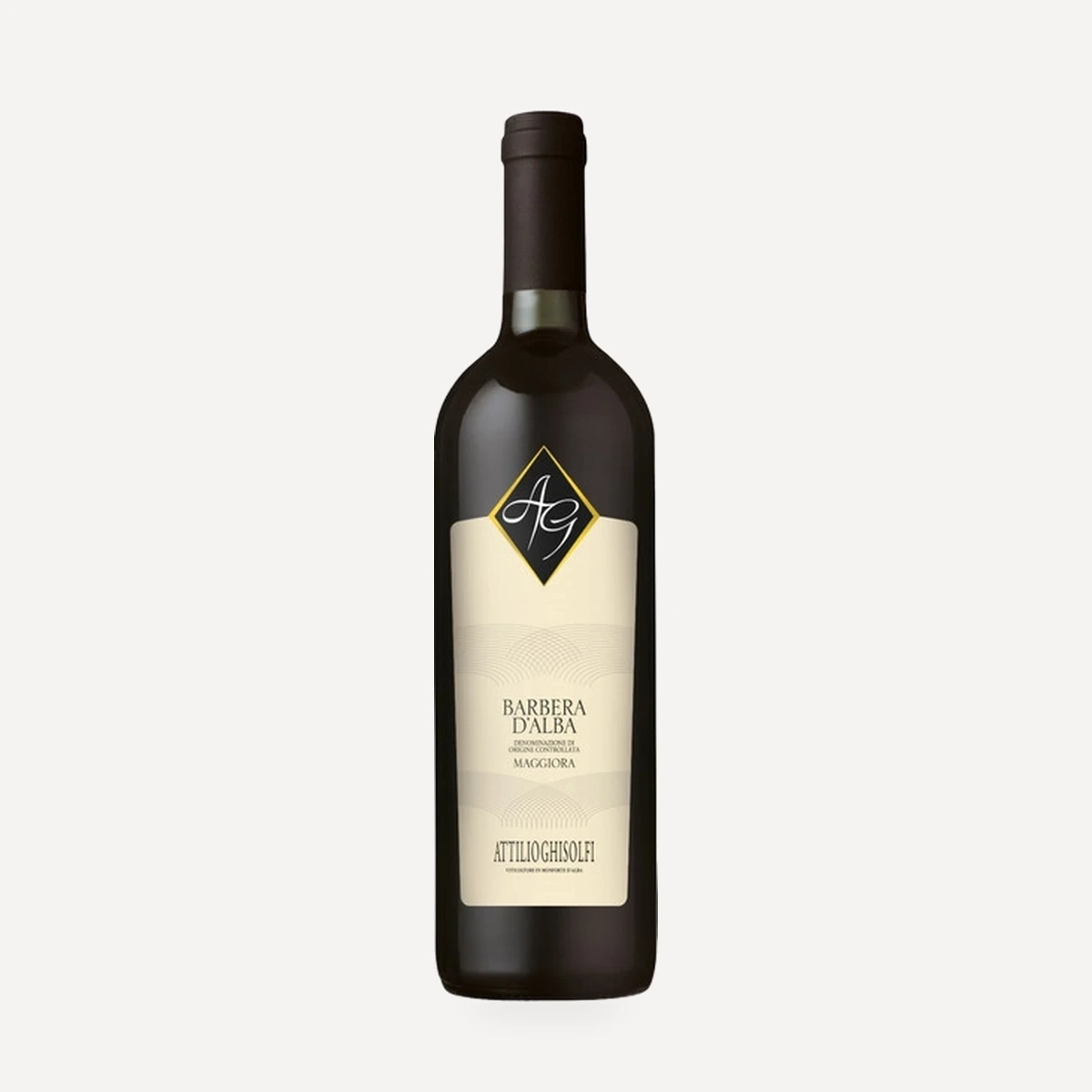
Barbera d'Alba Maggiora DOC
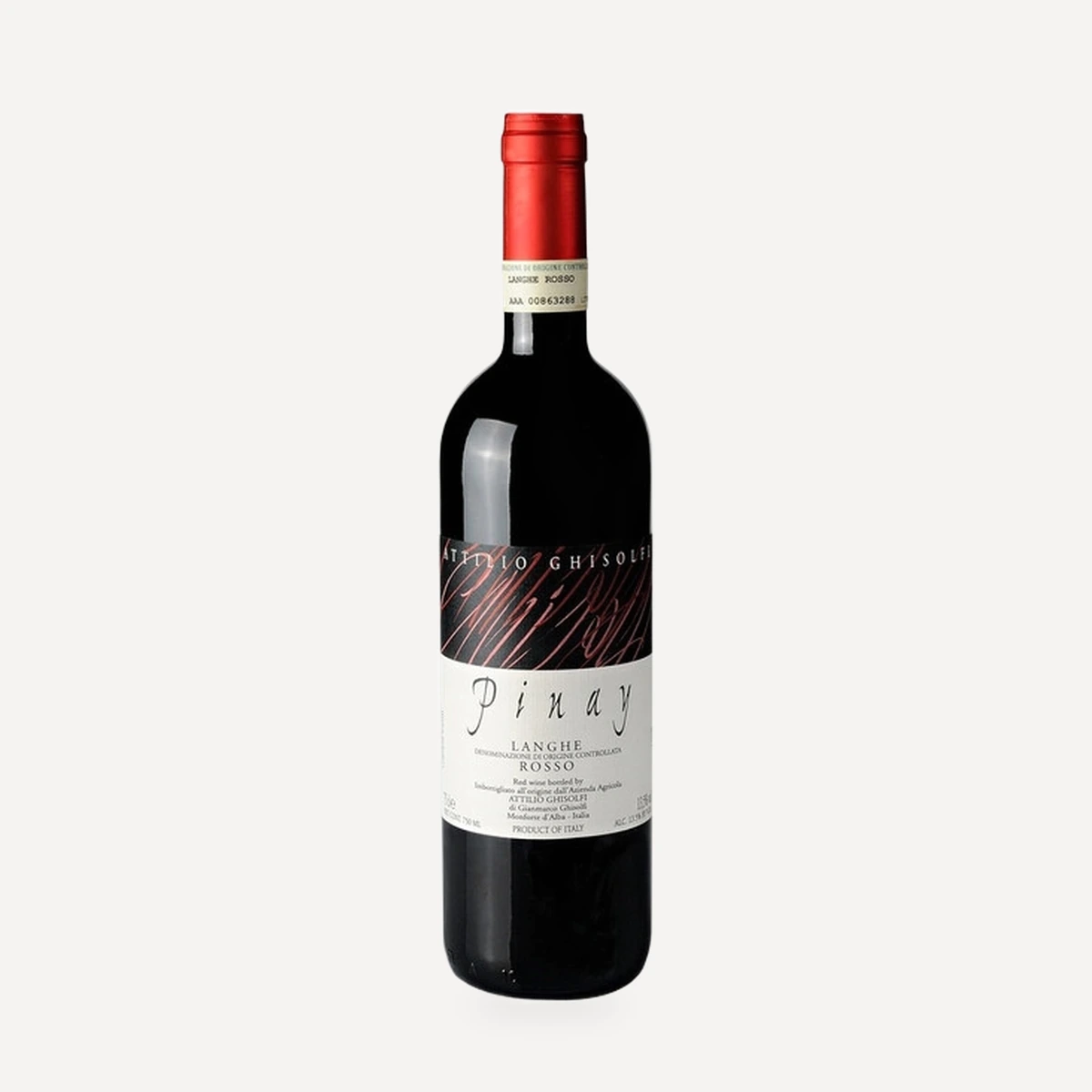
Langhe Pinay DOC