History
The family farm begins — 1959
In 1959, a farmer from the Langhe concentrated his work in the commune of La Morra and purchased a farmhouse. The holding depended on the participation of the entire family: responsibilities were shared, work was undertaken collectively and common objectives were established.
Viticulture was initially one component of a diversified farm. The family supplemented its vineyard work by growing peaches and raising livestock. Although the activity expanded on a small scale, the founder’s son, Andrea Oberto, left the family enterprise to pursue other occupations and supplement his income.
Andrea Oberto returns — 1978
The unexpected death of his father brought Andrea back to his home village. He inherited more than an agricultural occupation: his father had created a family structure rooted in shared work, attachment to the land and a common passion. Andrea assumed responsibility for this legacy in 1978. He consolidated the family’s approach to wine and pursued the objective of making wines that combined broad appeal with quality.
An independent winery — 2003
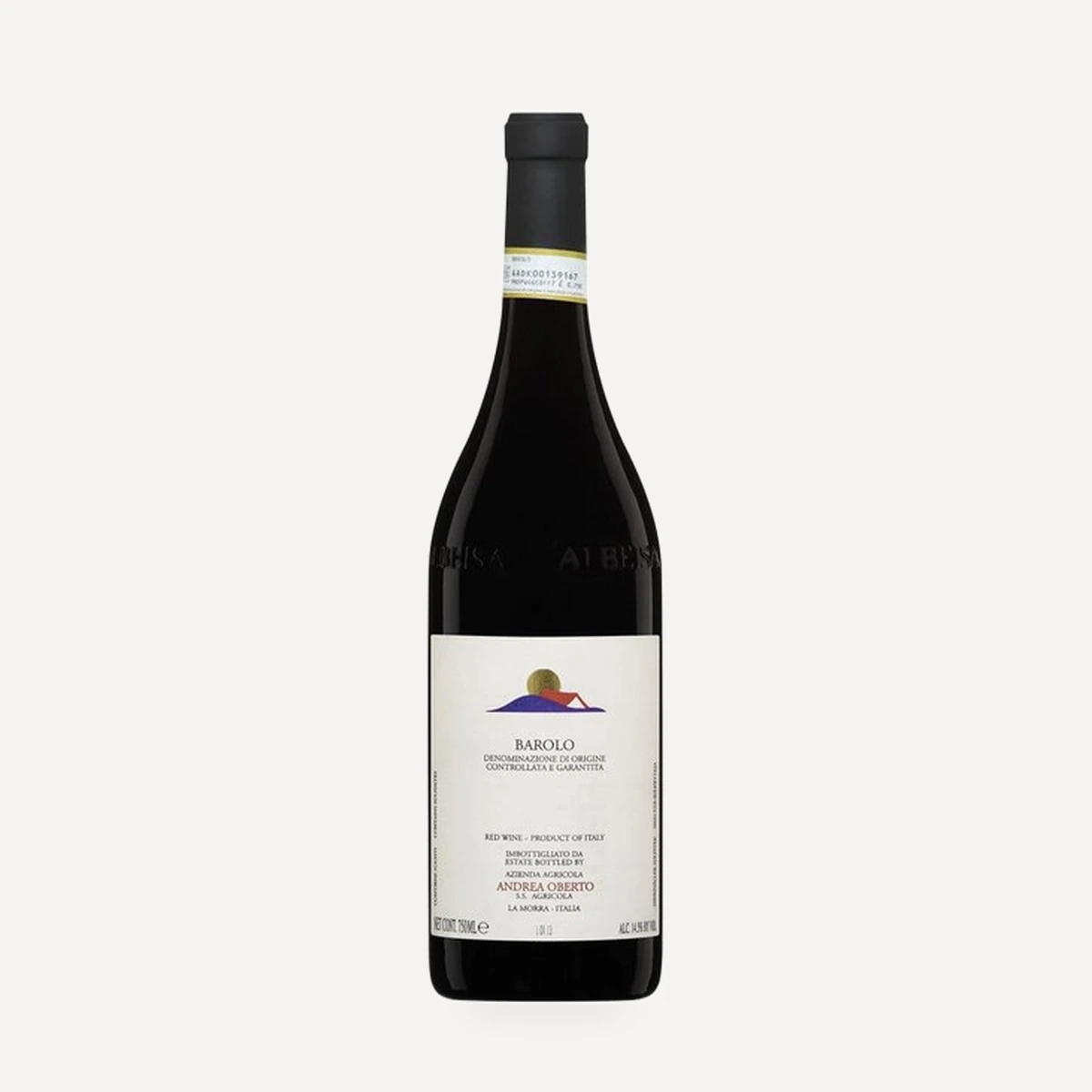
In 2003, the estate established its own winery. Its production included three Barolo crus associated with vineyards in the Barolo production area: Brunate, Rocche and Albarella. The broader range encompassed Dolcetto, Barbera, Langhe Rosso, Langhe Nebbiolo and Barolo, including named bottlings such as Giada, San Giuseppe and Vigna Vantrino Albarella.
The estate today
The original small mixed farm has become a specialist wine estate with 14 hectares under vine, its own production facility and annual output of approximately 80,000 bottles. Its current catalogue comprises eight red wines based on Nebbiolo, Barbera and Dolcetto.
Terroir
The estate’s vineyards are concentrated in La Morra. Their documented aspects range from southeast to southwest, creating distinct conditions for Nebbiolo, Barbera and Dolcetto. The soils are predominantly clay and limestone, while the named Barolo sites introduce more specific variations: Rocche dell’Annunziata has sandy soil, and Albarella is described as clayey.
The estate regards La Morra’s terroir as an active element in cultivation, interacting dynamically with vineyard practices and bringing the defining characteristics of each site into relief. The vineyard sources represented in the current range have planting densities between 4,000 and 5,000 vines per hectare.
Winemaking
All documented vineyards are trained using classic Guyot with medium-short pruning. The system directs vine growth according to the intended production objective.
Yields are controlled through thinning. Documented limits range from 1 kg per vine for the Barbera source used for Giada to 1.5 kg per vine in the Dolcetto vineyards. Nebbiolo sources range from 1.1 to 1.3 kg per vine, while the other Barbera sources range from 1.1 to 1.3 kg per vine. Planting densities vary from 4,000 to 5,000 vines per hectare.
Grape bunches undergo strict selection before vinification, supporting the distinct identity sought for each wine.
The estate has operated its own winery since 2003. Vinification is based on rigorous grape-bunch selection and is intended to preserve recognizable distinctions among sites and varieties.
The cellar employs several maturation media across the range. These include stainless steel, wood, second-use wood, new wood, oak barrels and barriques. Some wines combine maturation in wood and stainless steel, while the Barolo wines mature in oak barrels and barriques. Where required, maturation in wood is followed by bottle ageing. Documented maturation periods range from four months in second-use wood to 26 months in oak, with bottle ageing of up to six months.
The present production is approximately 80,000 bottles per year from 14 hectares of vineyards.
Philosophy
The estate presents family participation as the foundation of its identity. Shared work, divided responsibilities and common objectives sustained the original farm and remained central when Andrea Oberto returned to continue his father’s legacy.
Its declared principles are care, passion, experience and quality. Tradition is understood as the product of commitment rather than a static inheritance, while wine is treated as a vehicle for expressing family history and place.
In production, the objective is to give each wine a recognizable identity through the interaction of La Morra’s terroir, vineyard management and strict bunch selection. The range is conceived to accompany different moments of a meal, from simple occasions to more formal ones, while conveying the flavours of its land of origin.
Wines
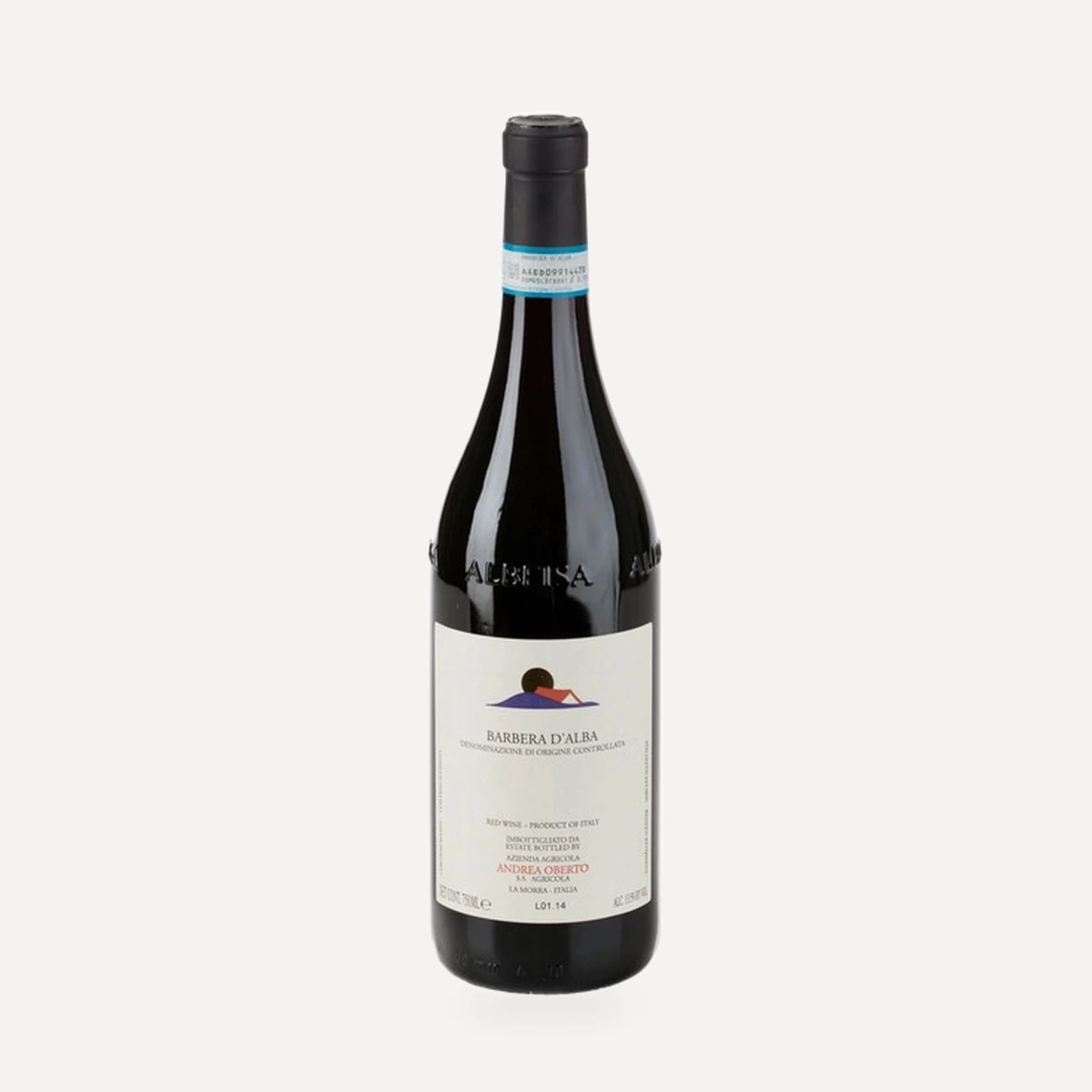
Barbera d'Alba DOC
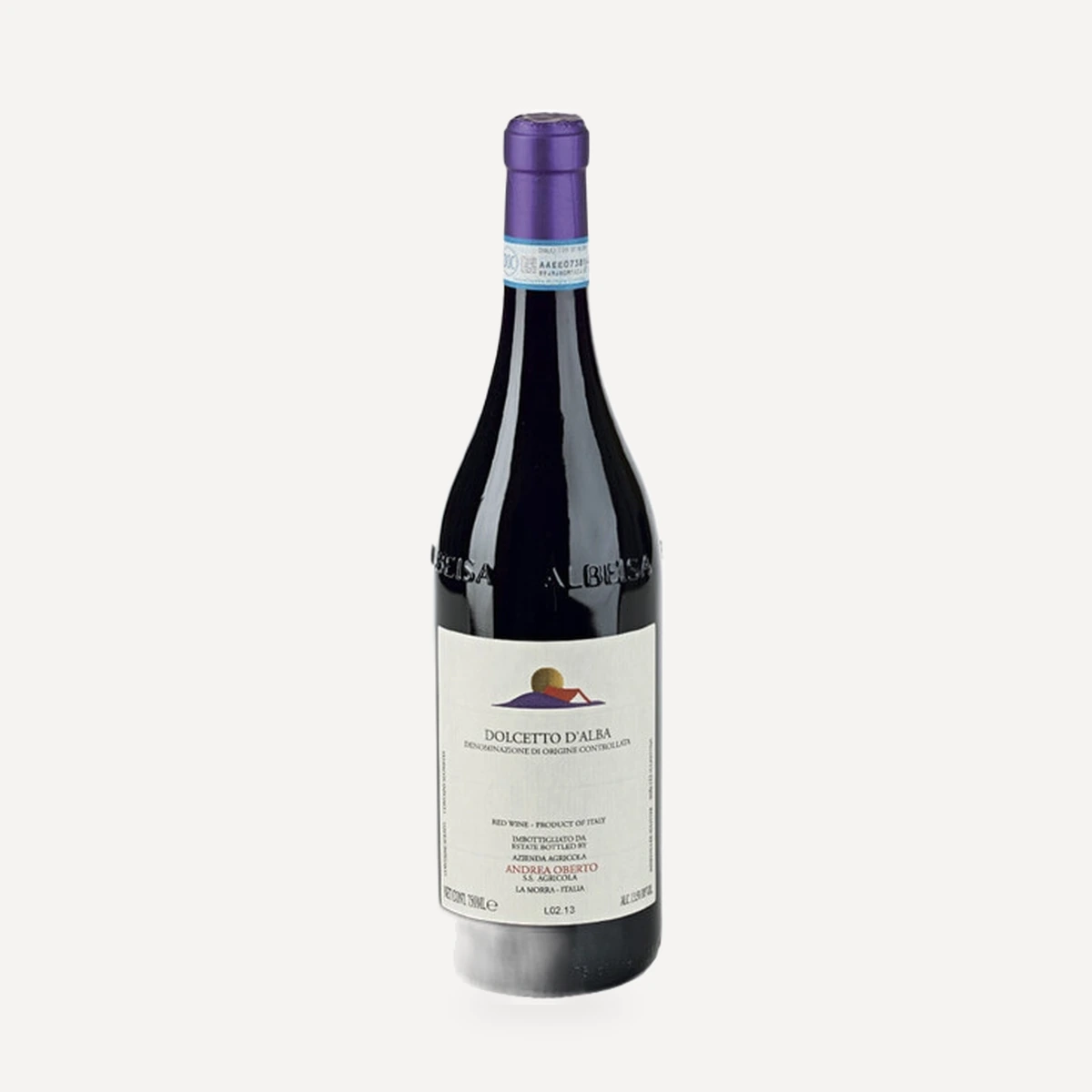
Dolcetto d'Alba DOC
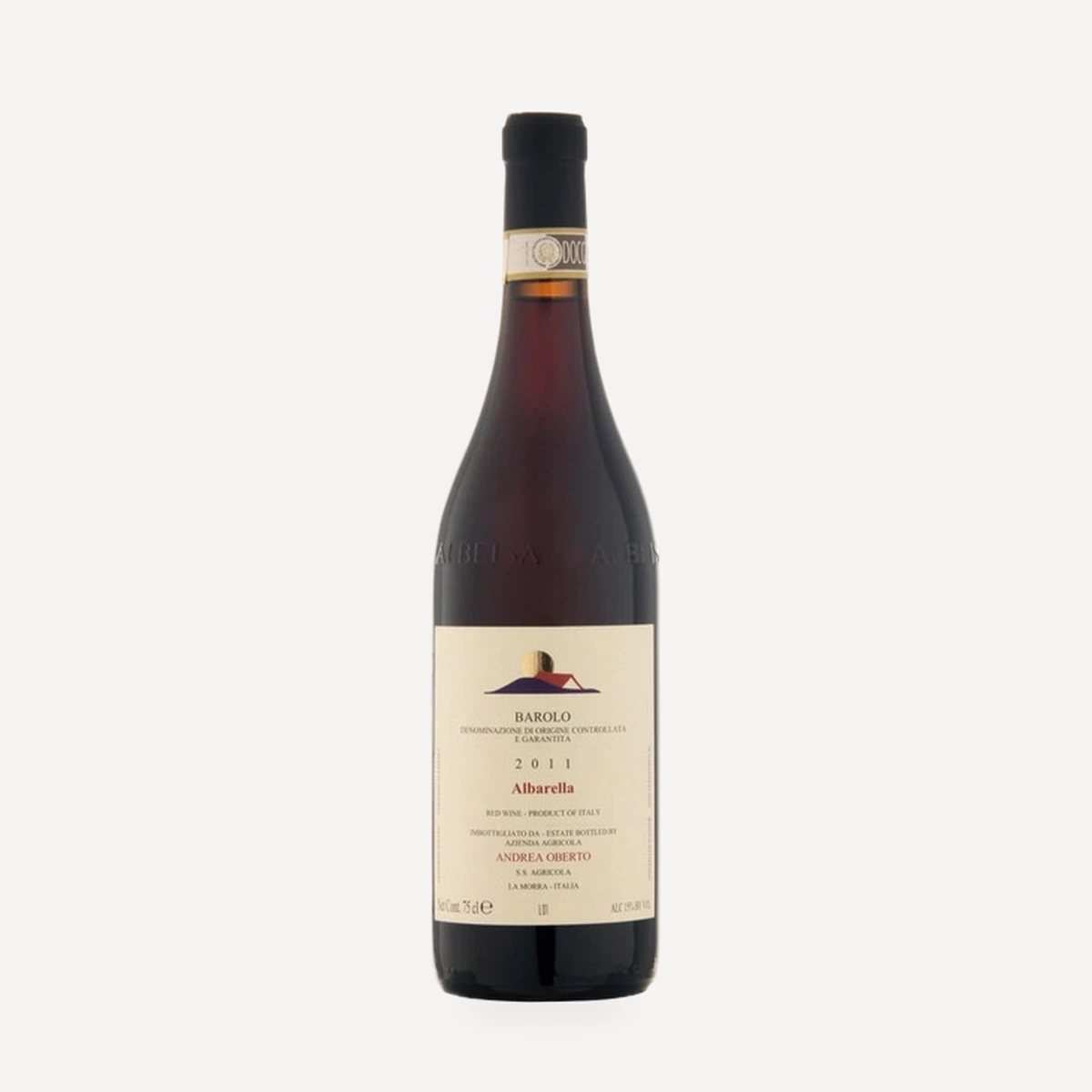
Barolo Albarella DOCG
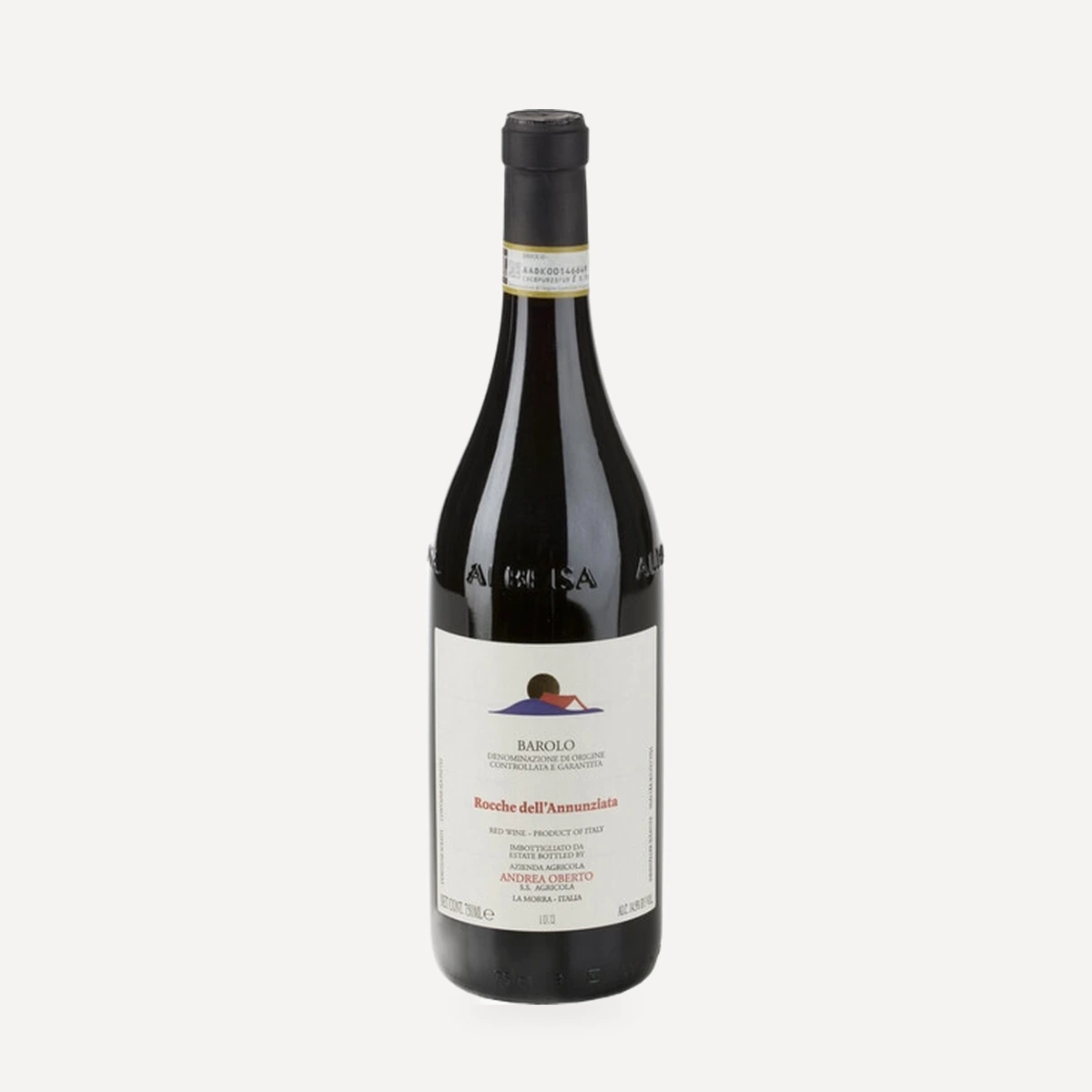
Barolo Rocche dell'Annunziata DOCG
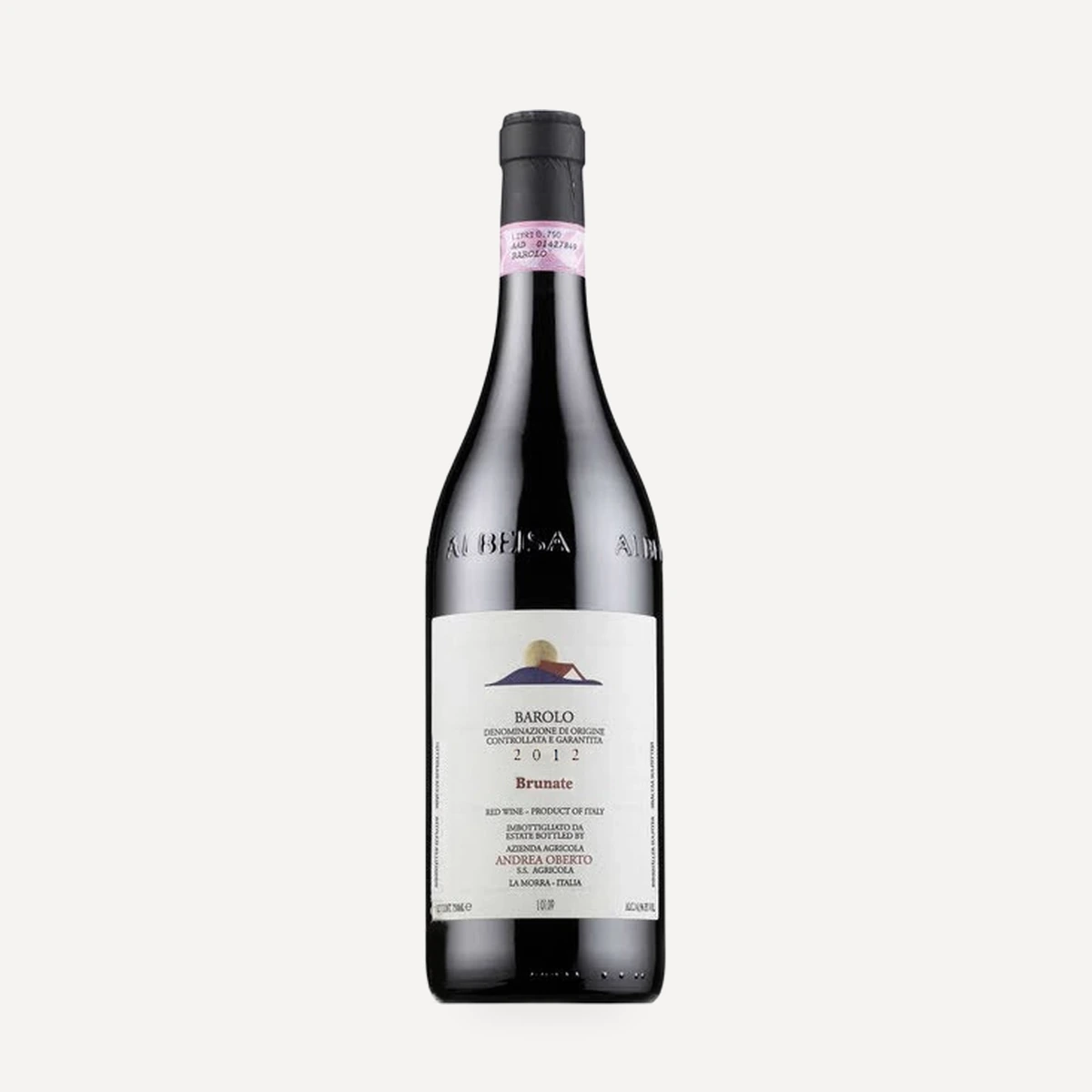
Barolo Brunate DOCG