History
Family origins and return from Argentina
During the 19th century, Aldo Conterno’s ancestors emigrated to Argentina. After several years, family circumstances brought them back to Italy. Giovanni Conterno returned with his family to the small wine farm belonging to his father, Giuseppe, in Monforte d’Alba and began helping him produce local wine.
Giovanni expanded production beyond local sales. The family sold wine in cask in Italy and also shipped it to America through a relative who had remained in Argentina.
The creation of a long-lived Barolo
As market demand increased, the Conterno family decided to produce a superior Barolo only in the best vintages. The wine was conceived with a long vinification period and the ability to age for many years.
In 1920, the family bottled its first Barolo Riserva.
Giacomo Conterno and the expansion of the family label
At the end of the 1930s, Giovanni transferred management of the business to his son Giacomo. Giacomo continued the family tradition with commitment and foresight. He personally visited customers and used the growing prestige of the family’s Barolo to establish the label in many Italian regions.
During this period, Giacomo’s sons, Giovanni and Aldo, began working alongside him and learning every aspect of the business.
Aldo Conterno’s years in California
In 1950, Aldo left Italy for the United States. His ambition was to establish a winegrowing and winemaking business with an uncle living in California.
The experience lasted approximately five years and played an important role in his professional development. Circumstances eventually forced Aldo to abandon the American project and return to the family business in Italy.
Division of the family business
In 1961, Giacomo transferred the prosperous and nationally respected family activity to his sons. Aldo worked alongside his brother for a considerable period, but the experience in California had strengthened his wish to establish an independent estate.
Foundation of Poderi Aldo Conterno
Aldo purchased the Favot estate in Bussia, Monforte d’Alba, and founded Poderi Aldo Conterno in 1969.
The new winery was based in the heart of the Barolo production area and developed exclusively around grapes grown in its own vineyards.
The current generation
The estate is now run by Aldo’s three sons: Franco, Stefano and Giacomo Conterno. They continue the work of their father and the wine tradition developed over five generations of the family.
Terroir
Poderi Aldo Conterno is located at the Favot estate in Bussia, Monforte d’Alba, in the heart of the Barolo production area.
The estate has 25 hectares of vineyards and uses only grapes grown on its own land. Most vineyards lie between 350 and 400 metres above sea level and face south or south-south-west.
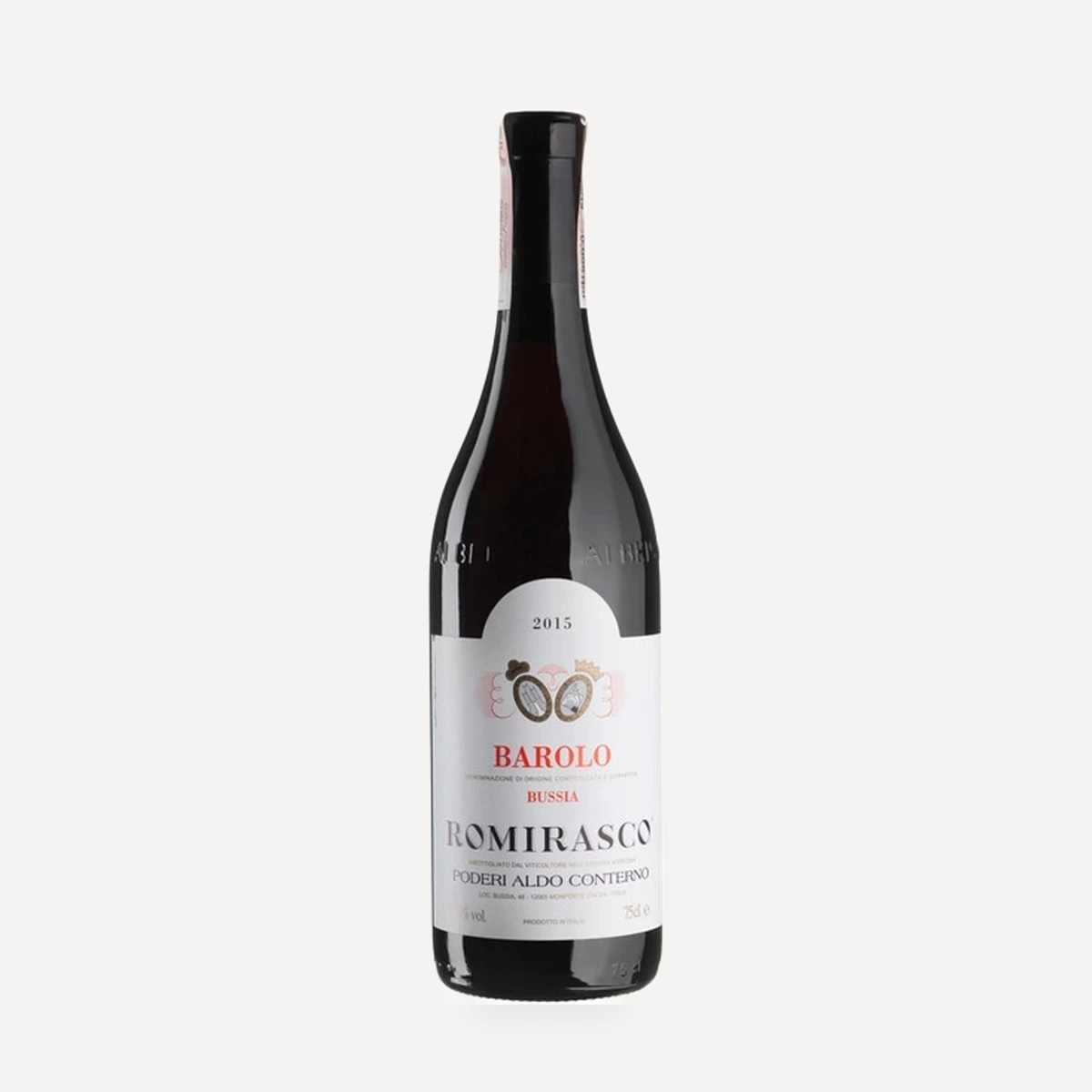
The general estate soils consist of clayey marl and limestone with layers of sand. In the historic crus Romirasco, Cicala and Colonnello, the soils are described as clayey-calcareous and rich in calcium carbonate and iron.
The estate describes Bussia as a fresh, solid land that is simultaneously powerful and sensual. The Granbussia page adds that its soils contain calcareous marl and compact sand.
The south and south-south-west exposures support ripening of Nebbiolo while retaining the firm character associated by the family with Bussia. The winery identifies spice, structure, determination and classical Nebbiolo character as direct expressions of these soils.
The family presents the three historic crus as a microcosm created through long observation and the balance offered by nature. Understanding the territory requires detailed knowledge of all its components and many years of study, vineyard work and interpretation.
Winemaking
The estate vinifies exclusively grapes grown in its own 25 hectares of vineyards.
Yields per hectare are described as very low. Harvesting begins in mid-September and continues according to the ripening period of each variety. Every grape is harvested manually and selected in the vineyard.
The three historic crus—Romirasco, Cicala and Colonnello—are maintained through periodic replacement of individual vines rather than complete replanting. This preserves mature vineyard material while renewing individual plants when necessary.
The family describes its relationship with the crus as a form of symbiosis. Vineyard work is intended to reveal the individual characteristics of each site rather than impose a uniform style.
Harvest periods documented for the wines are:
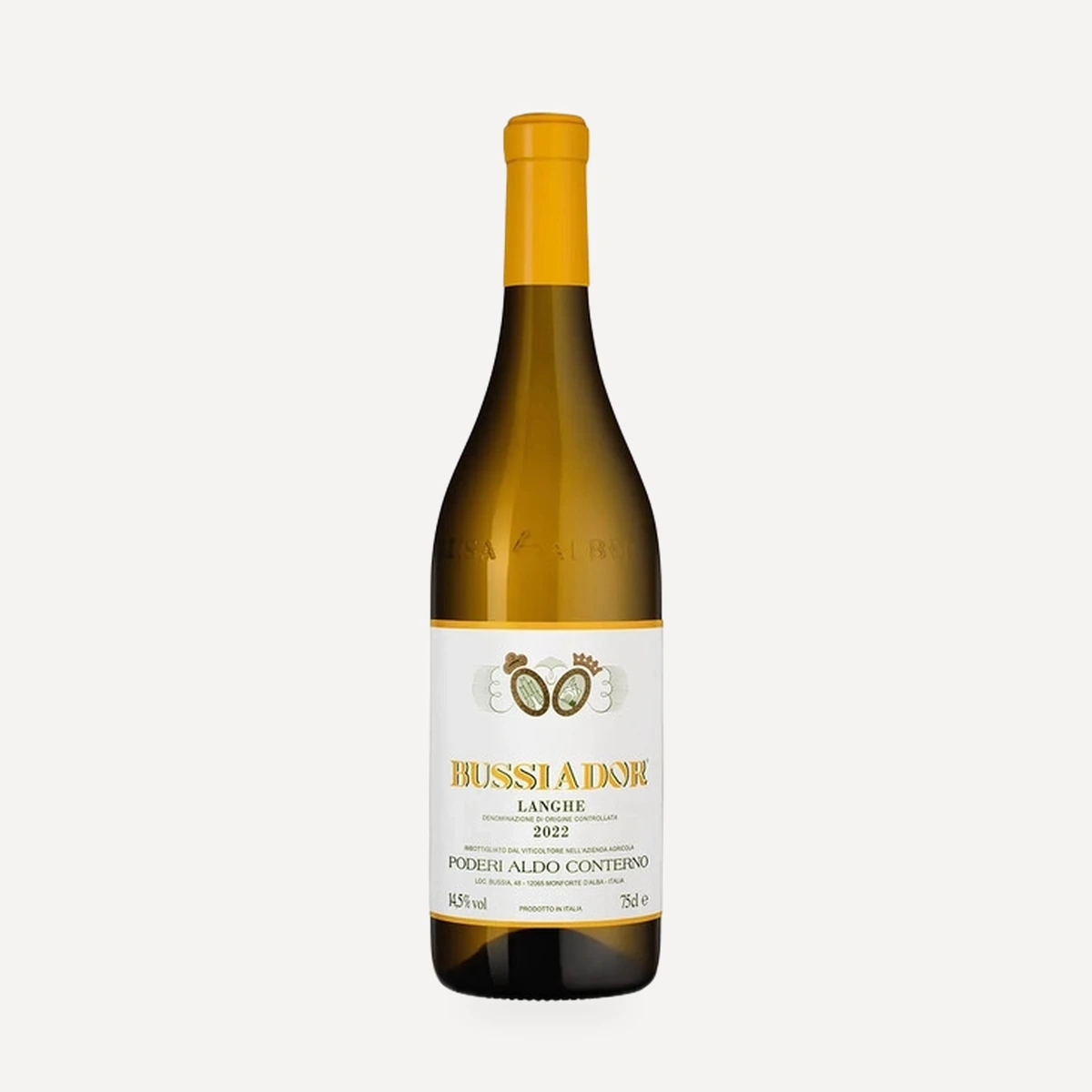
- Bussiador Chardonnay: first ten days of September;
- Conca Tre Pile Barbera: first week of October;
- Nebbiolo and the Barolo wines: mid-October;
- Quartetto: mid-October.
The site does not publish an organic, biodynamic or other formal viticultural certification.
The estate’s red wines are neither clarified nor filtered.
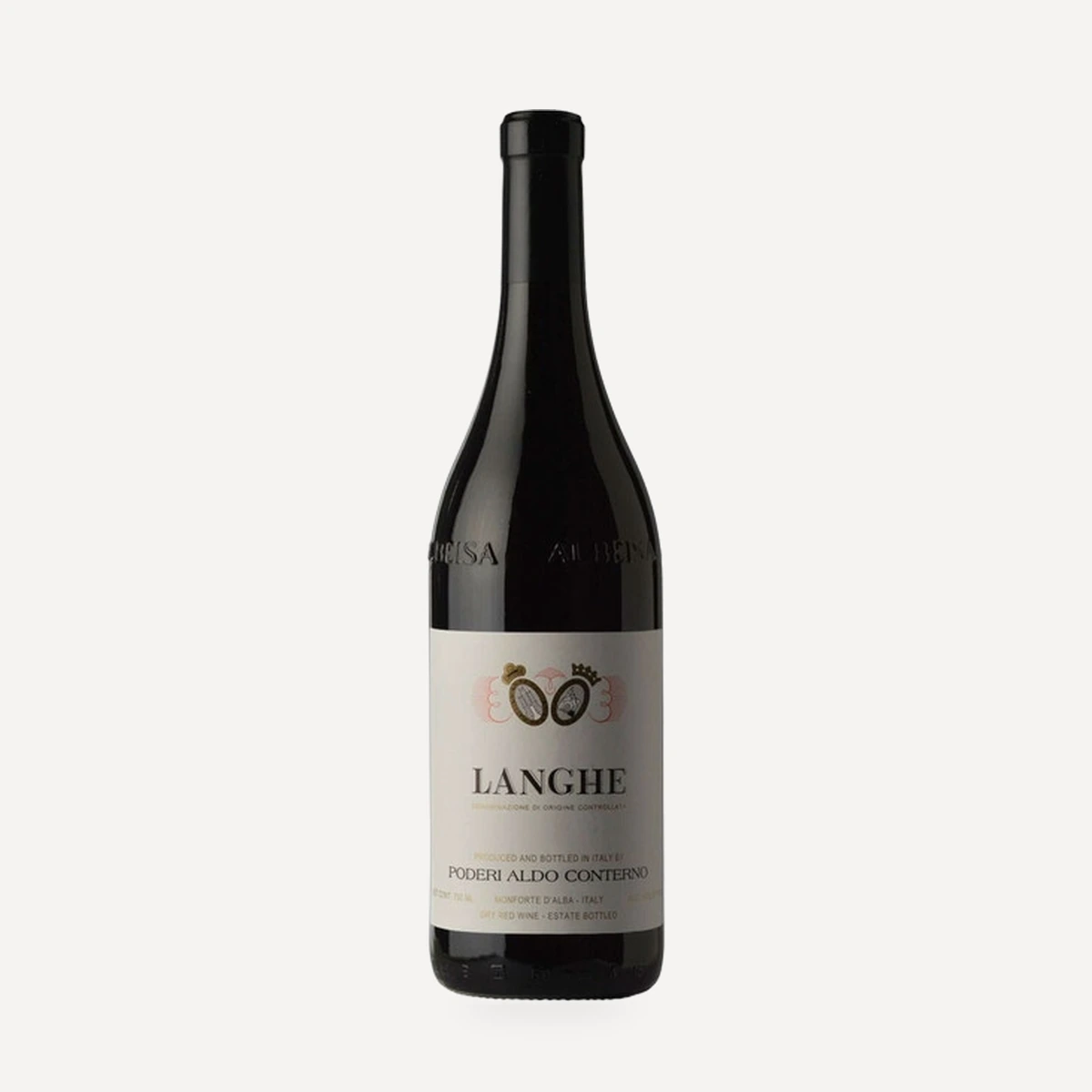
Nebbiolo, Barbera and the red blend Quartetto ferment with skin contact in stainless-steel vats. Fermentation temperatures and maceration times are adapted to the grape and wine.
The Barolo wines ferment at variable temperatures reaching peaks of 32°C. Romirasco, Cicala, Colonnello and Granbussia remain on their skins for 30 days, during which alcoholic fermentation is completed. Barolo Bussia macerates for 20–30 days.
After fermentation, the new Barolo is racked several times and transferred to oak casks for aging and refinement.
Il Favot is designed as a softer Nebbiolo. It macerates for 6–8 days at 24–26°C, extracting less tannin and more colour. After several months in stainless steel and repeated rackings, it spends several months in oak before bottling.
Conca Tre Pile and Quartetto macerate for 8–10 days at 24–26°C. Both remain for several months in stainless steel before several additional months in oak.
Bussiador is fermented as a white wine. The must remains in stainless steel for three or four days. Once alcoholic fermentation begins, it is transferred to wood, where fermentation is completed at 20–24°C. The wine is then racked and returned to barrel for several months.
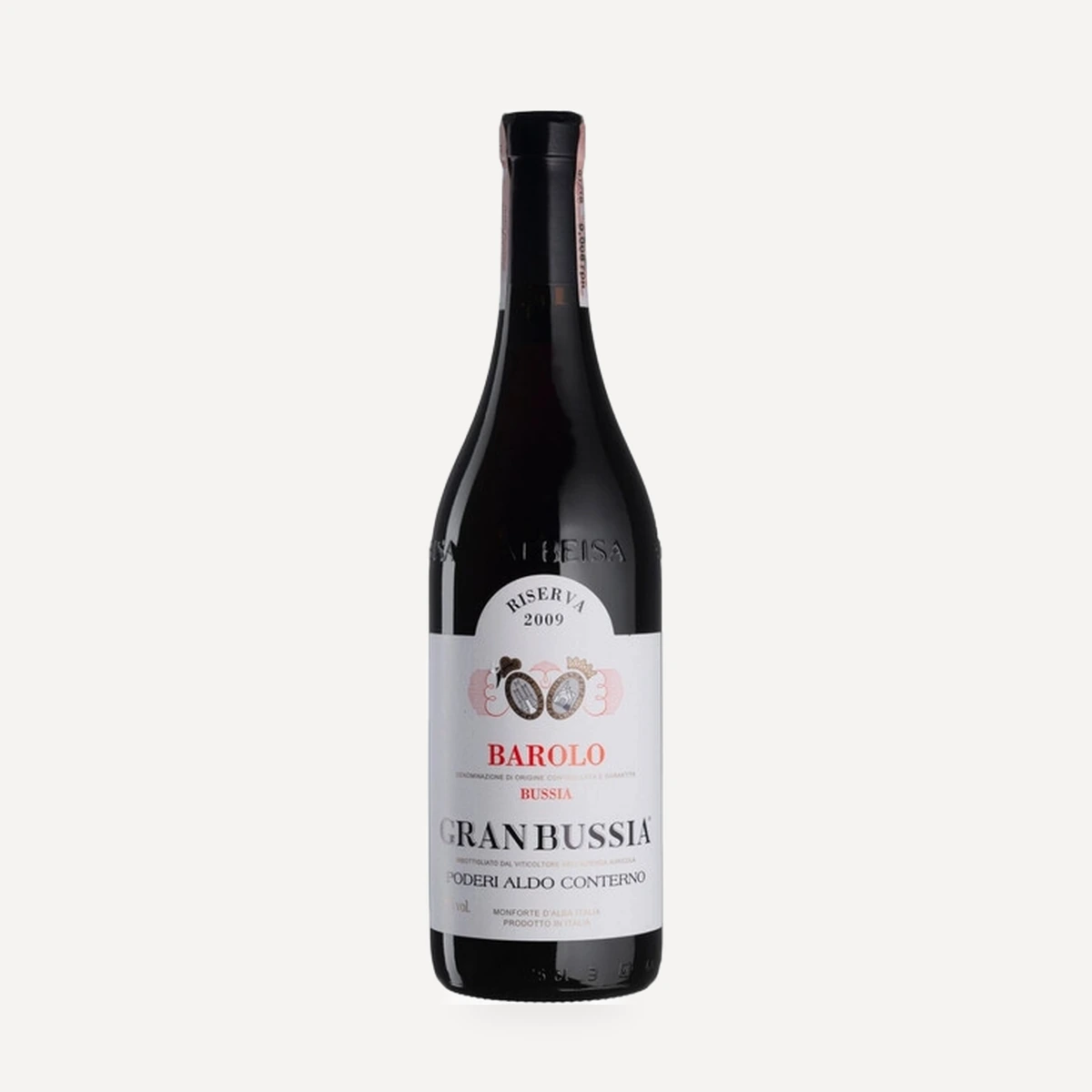
Granbussia is produced by blending grapes from the oldest vines of Romirasco, Cicala and Colonnello before fermentation, in proportions of 70%, 15% and 15% respectively. It is made only in vintages considered worthy and in limited quantities. The wine ages for more than 30 months in oak and remains in the cellar for at least ten years before release; the dedicated Granbussia page describes a further six years of refinement after oak aging.
Philosophy
The estate follows the principle “in medio stat virtus” — virtue lies in balance.
Five generations of the Conterno family have worked with the vineyards of Bussia. The wines are produced exclusively from estate-grown grapes and are shaped by the character of Romirasco, Cicala, Colonnello and the other family vineyards.
Tradition and technical evolution are used together to preserve the identity of Nebbiolo and the Bussia territory.
Wines
Romirasco
Granbussia
Langhe DOC
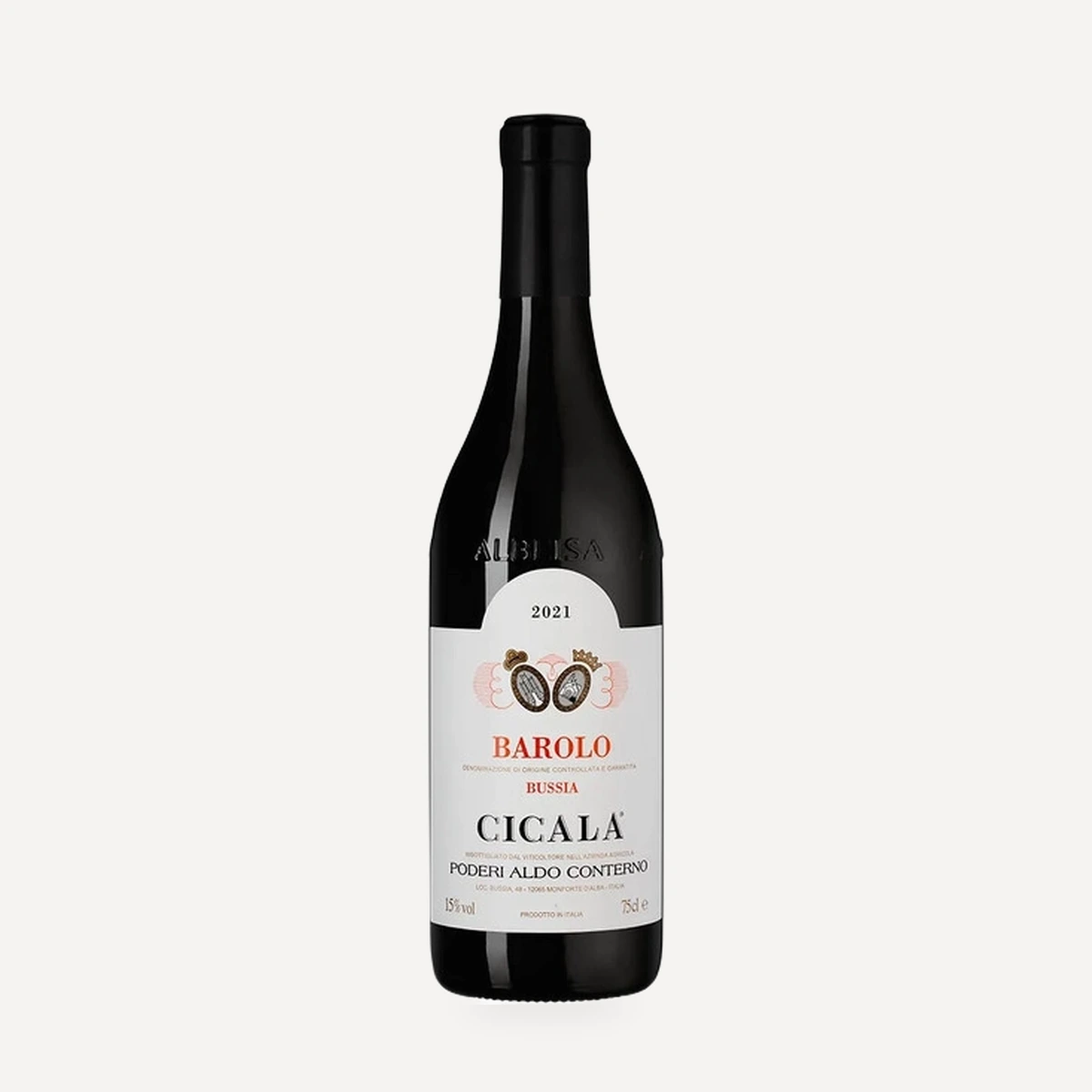
Cicala
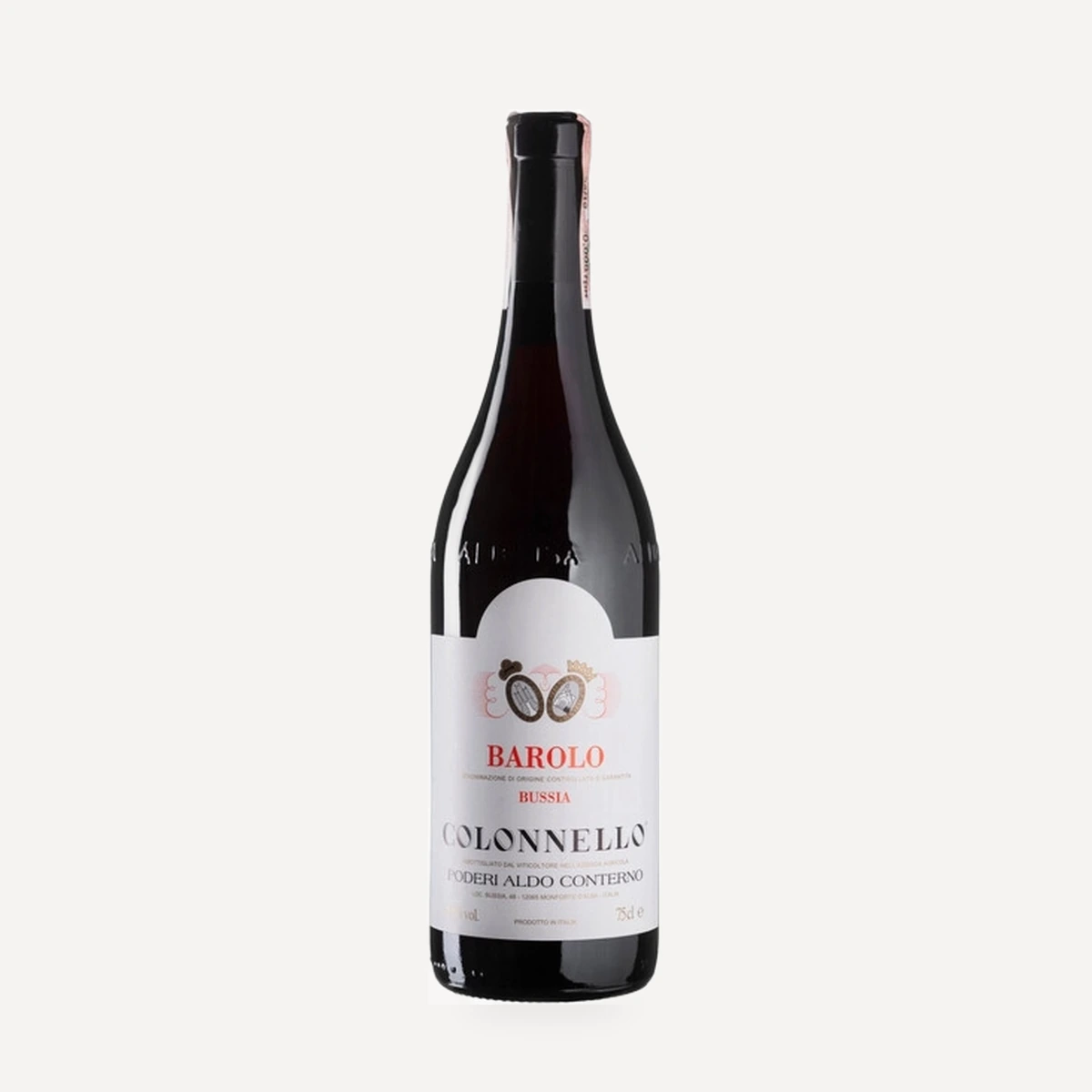
Colonnello
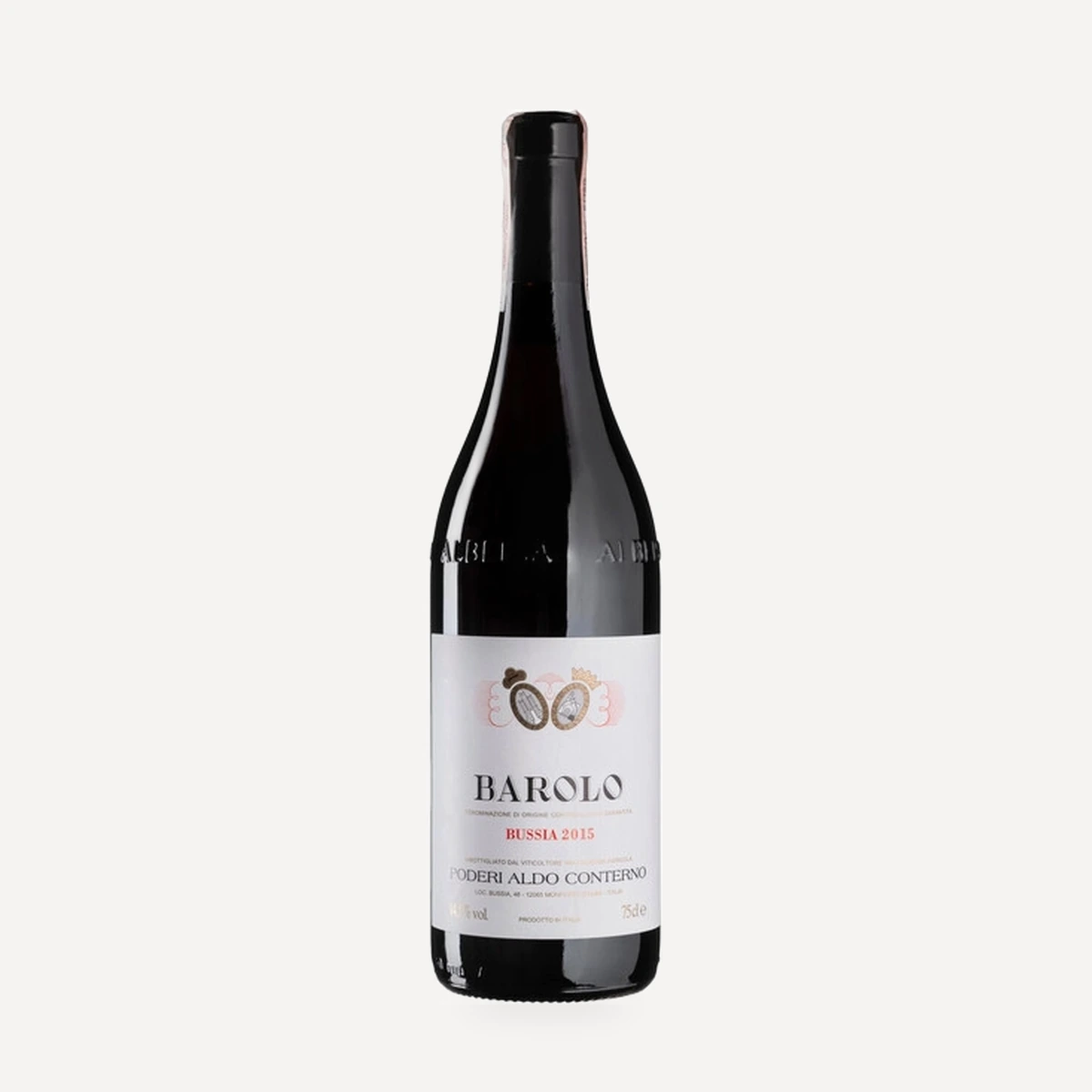
Barolo Bussia
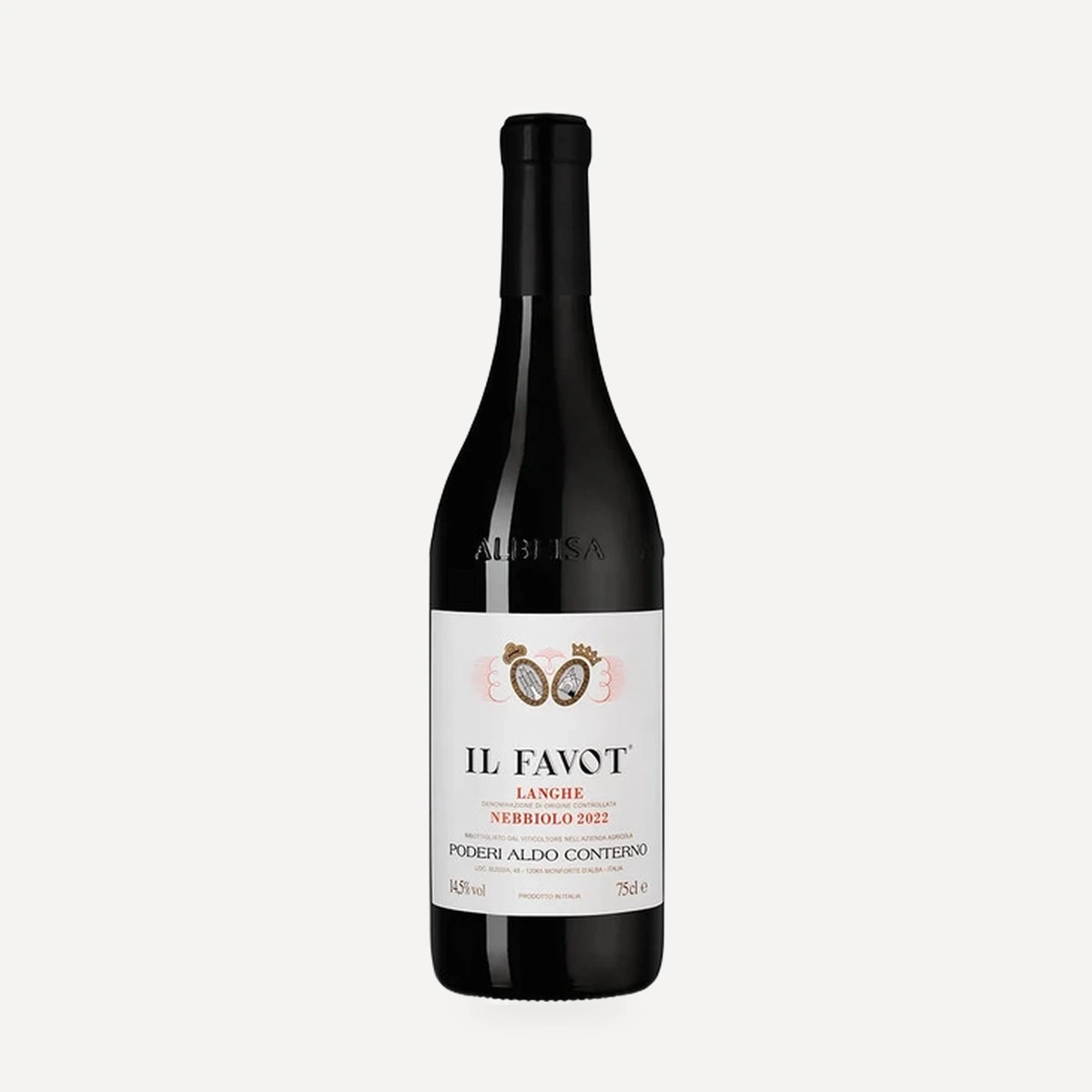
Il Favot
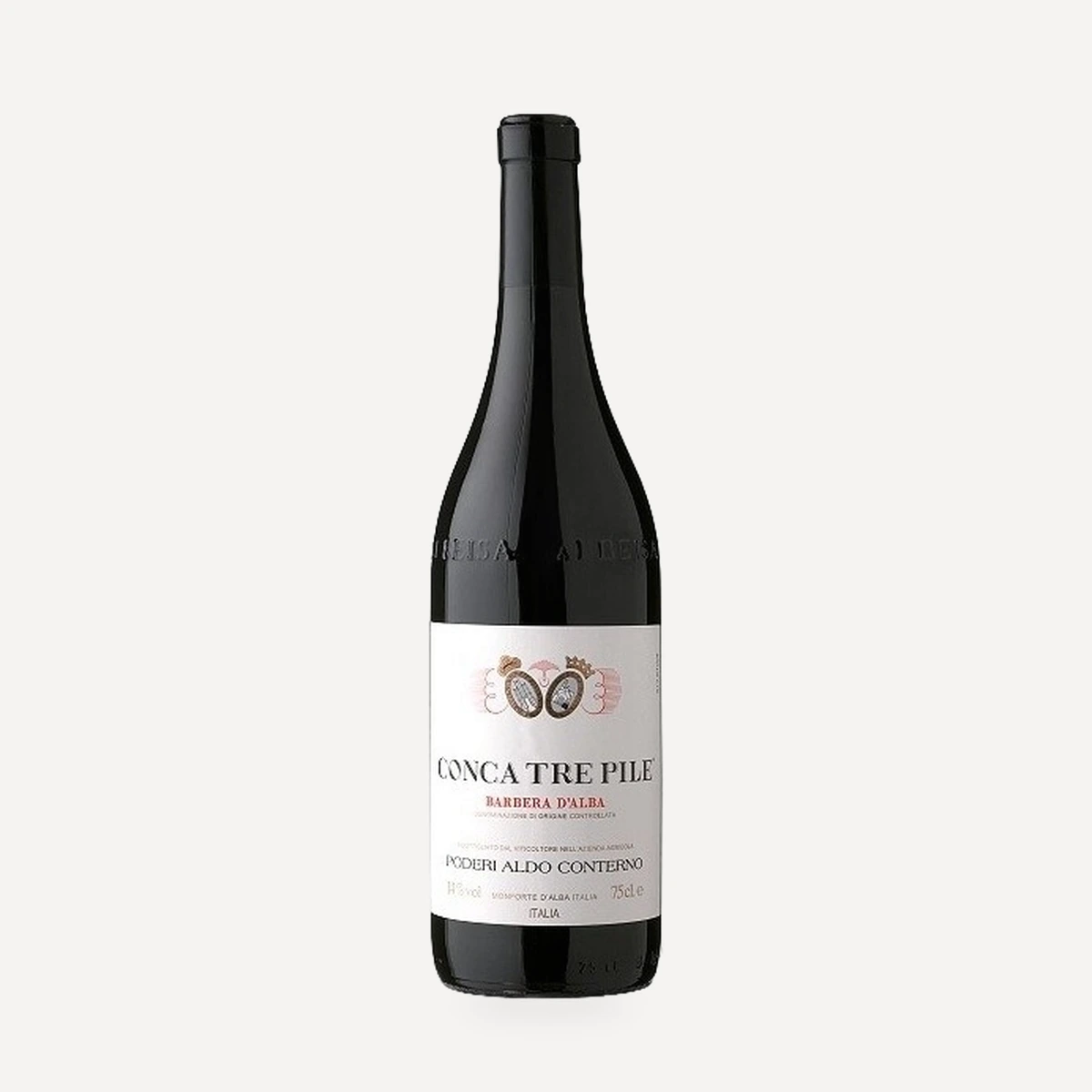
Conca Tre Pile
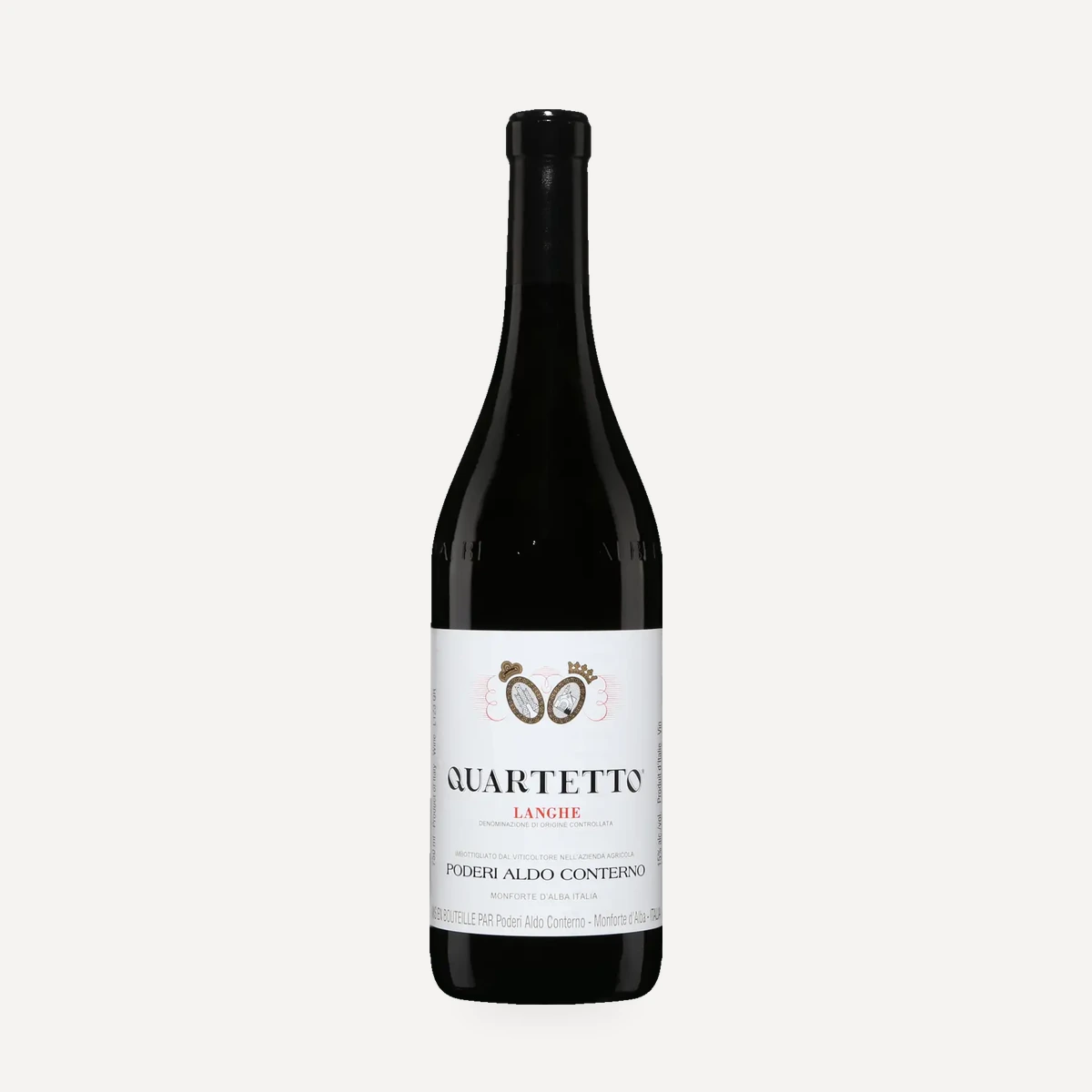
Quartetto