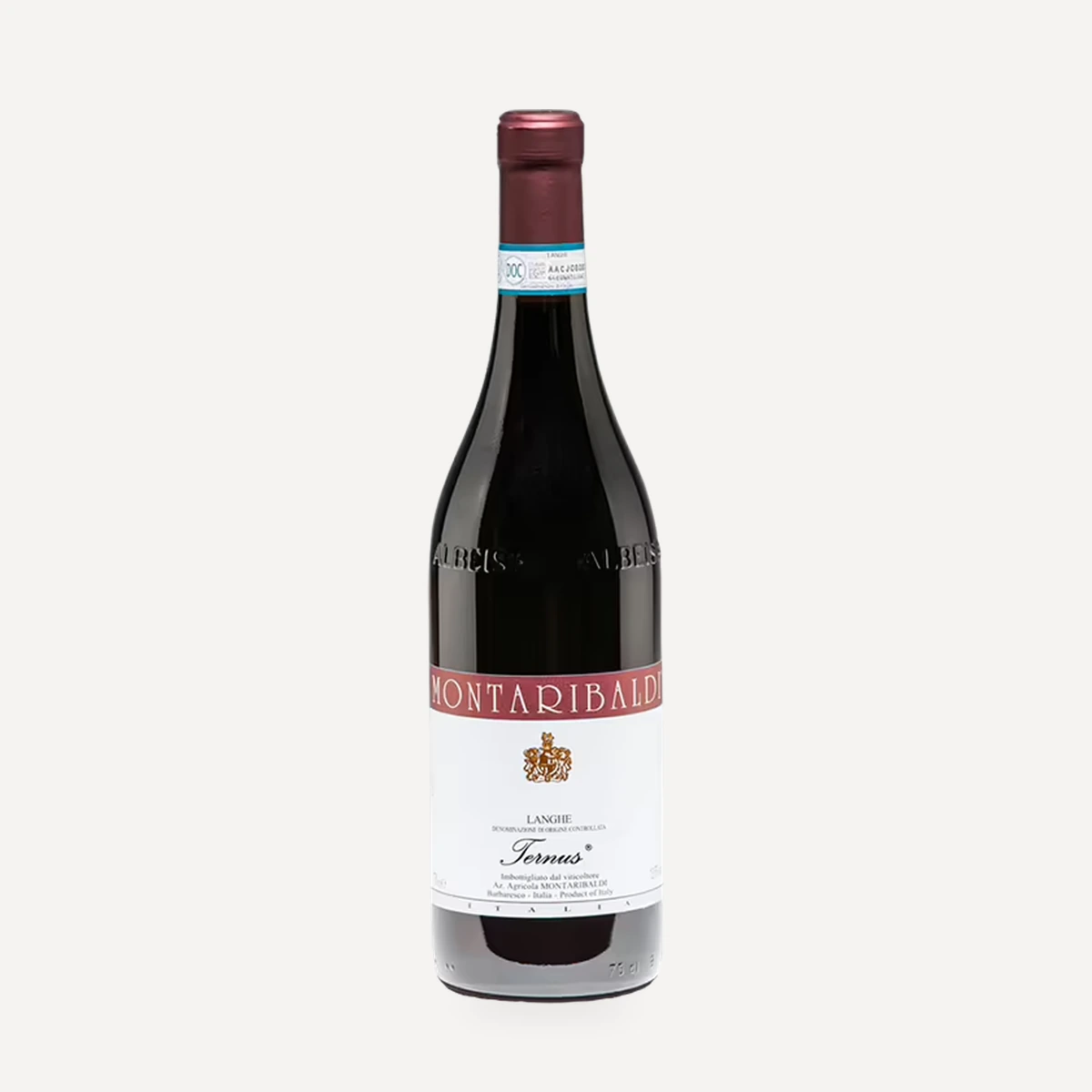
About this wine
Vineyard and terroir
The component varieties grow at 250–300 m above sea level on south- and east-facing hillsides. Vine density is 4,000–4,500 plants per hectare; the vines are trellised and Guyot-pruned. Fine, calcareous Typic Ustorthent developed on hillsides over two geological formations: S. Agata fossil marls, consisting of grey-blue, variably sandy marls with local sandy-conglomeratic intercalations, and the Lequio Formation, comprising sandstones of varying cementation, sands and compact marls. Grape yield is 9,000 kg/ha, corresponding to 6,300 L of wine per hectare.
Grapes
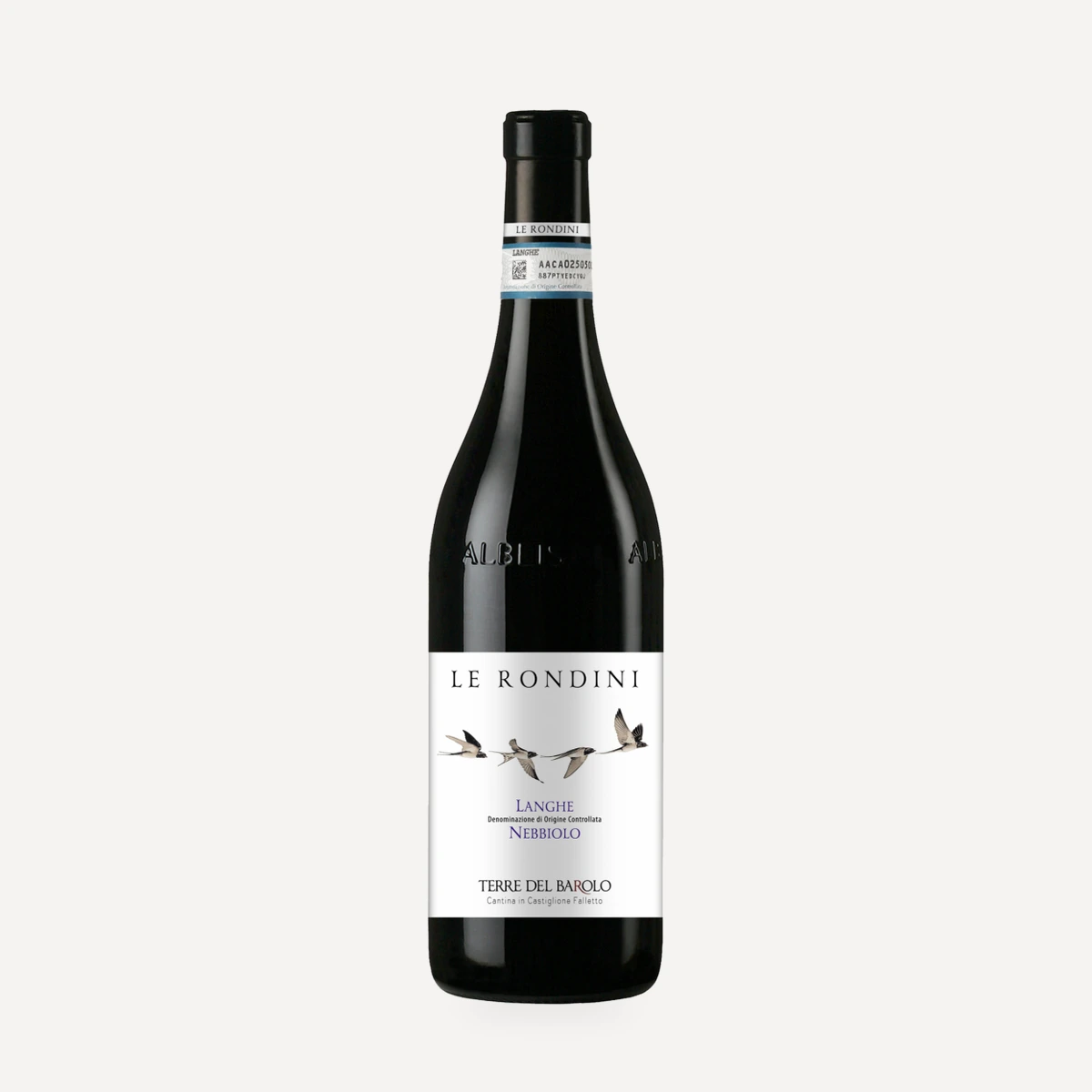
Nebbiolo, Dolcetto and Barbera.
Vinification
The varieties are vinified separately in temperature-controlled stainless-steel tanks. Dolcetto ferments for 4–6 days at 26–28°C; Barbera and Nebbiolo each ferment for 6–8 days at 27–29°C. Every component then rests on its lees in stainless steel for at least two months. The technical summary characterizes this phase as malolactic fermentation lasting approximately two months at 20–22°C. The wines subsequently rest for 3–4 months at low winter temperatures to encourage settling and clarification. Blending follows, guided by the character of the individual wines.
Ageing
The assembled wine matures for approximately eight months. The wine-page technical specifications identify the vessels as large wooden barrels with a capacity of 25–30 hL. After bottling, it rests in the cellar for a few months before release.
Tasting profile
Rather intense, brilliant purple-red. The broad, fruit-led bouquet also displays floral and spicy notes. The palate is full and well structured, with soft tannins and a pleasantly warm, persistent finish.
Serving and pairing
Serve at 18°C. Suitable throughout a meal.