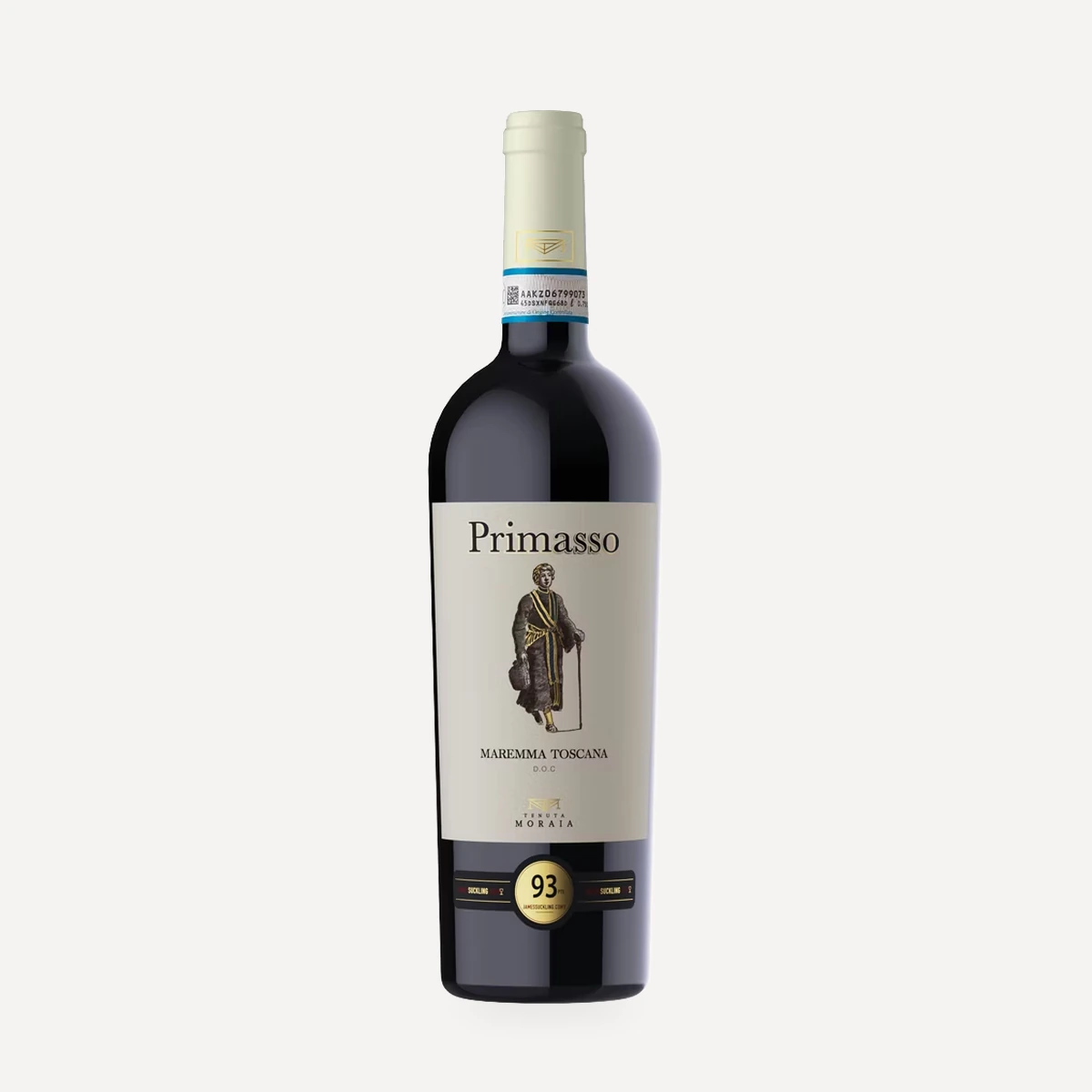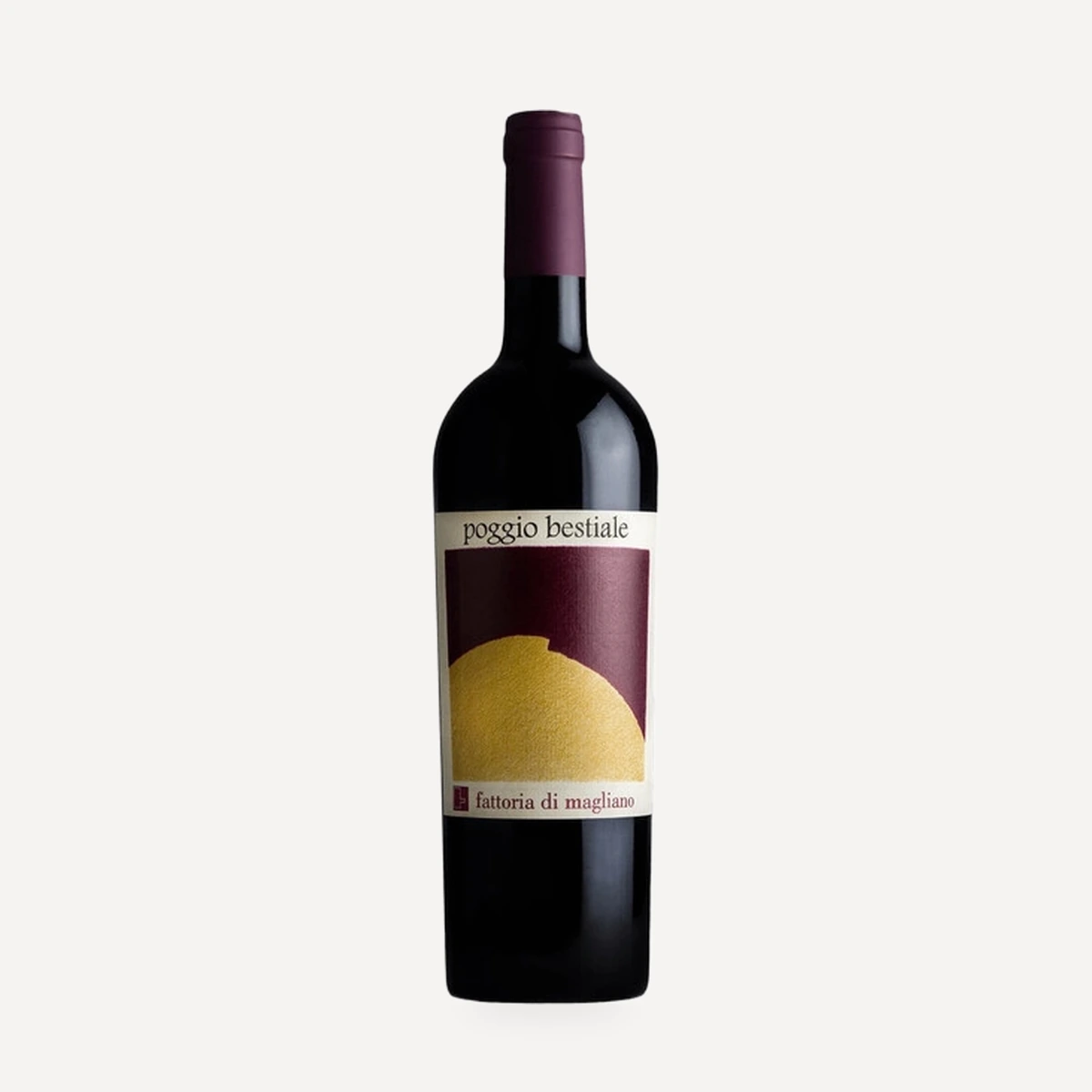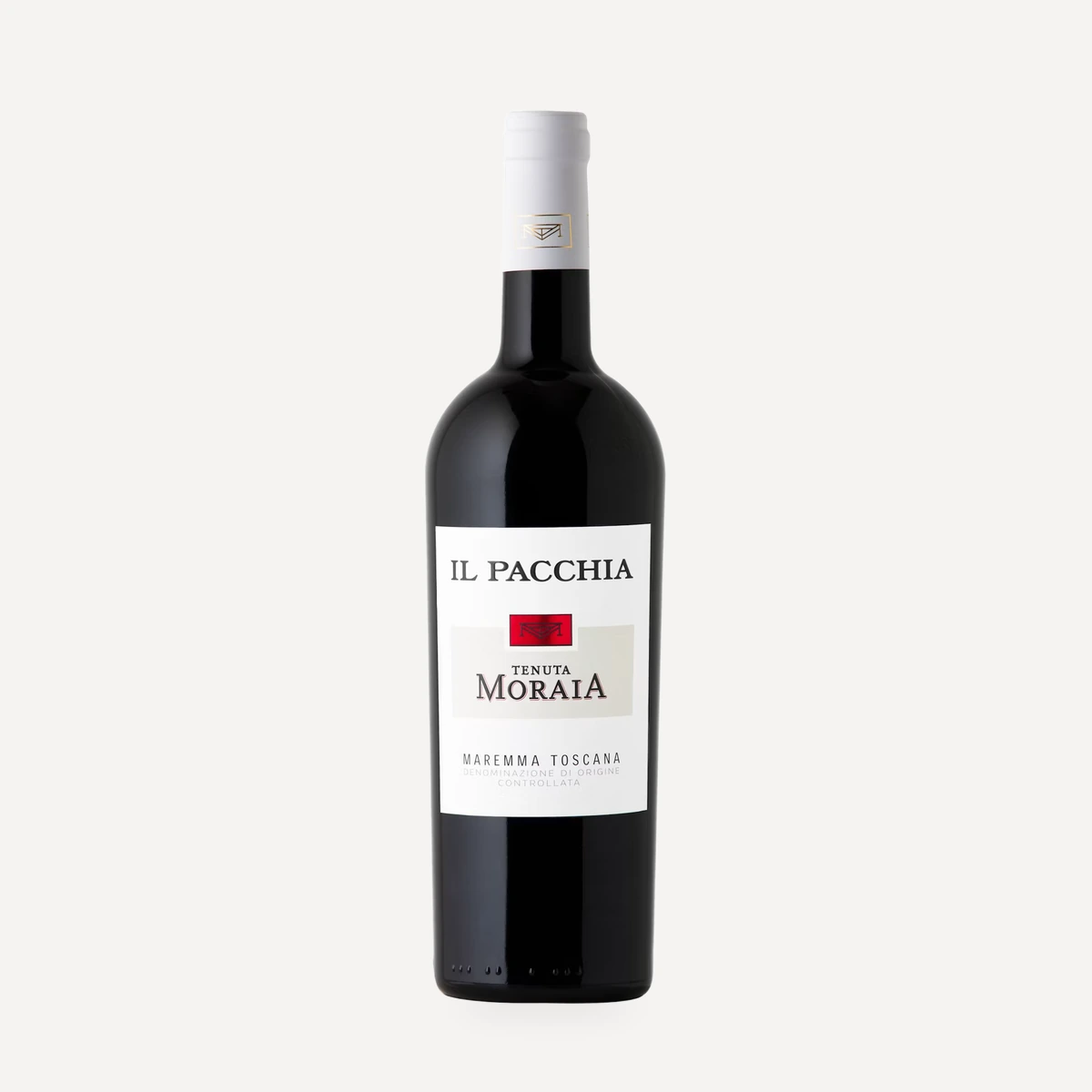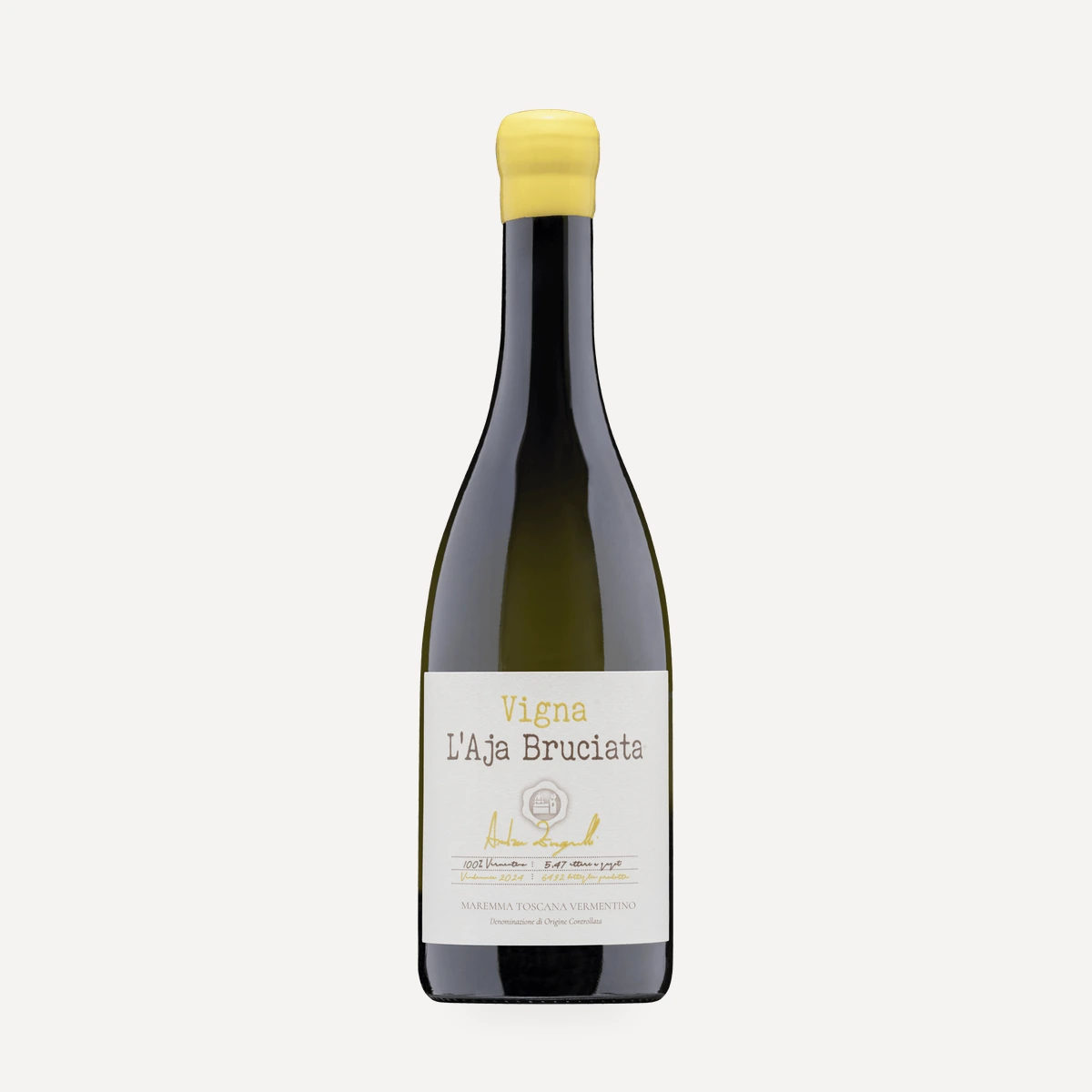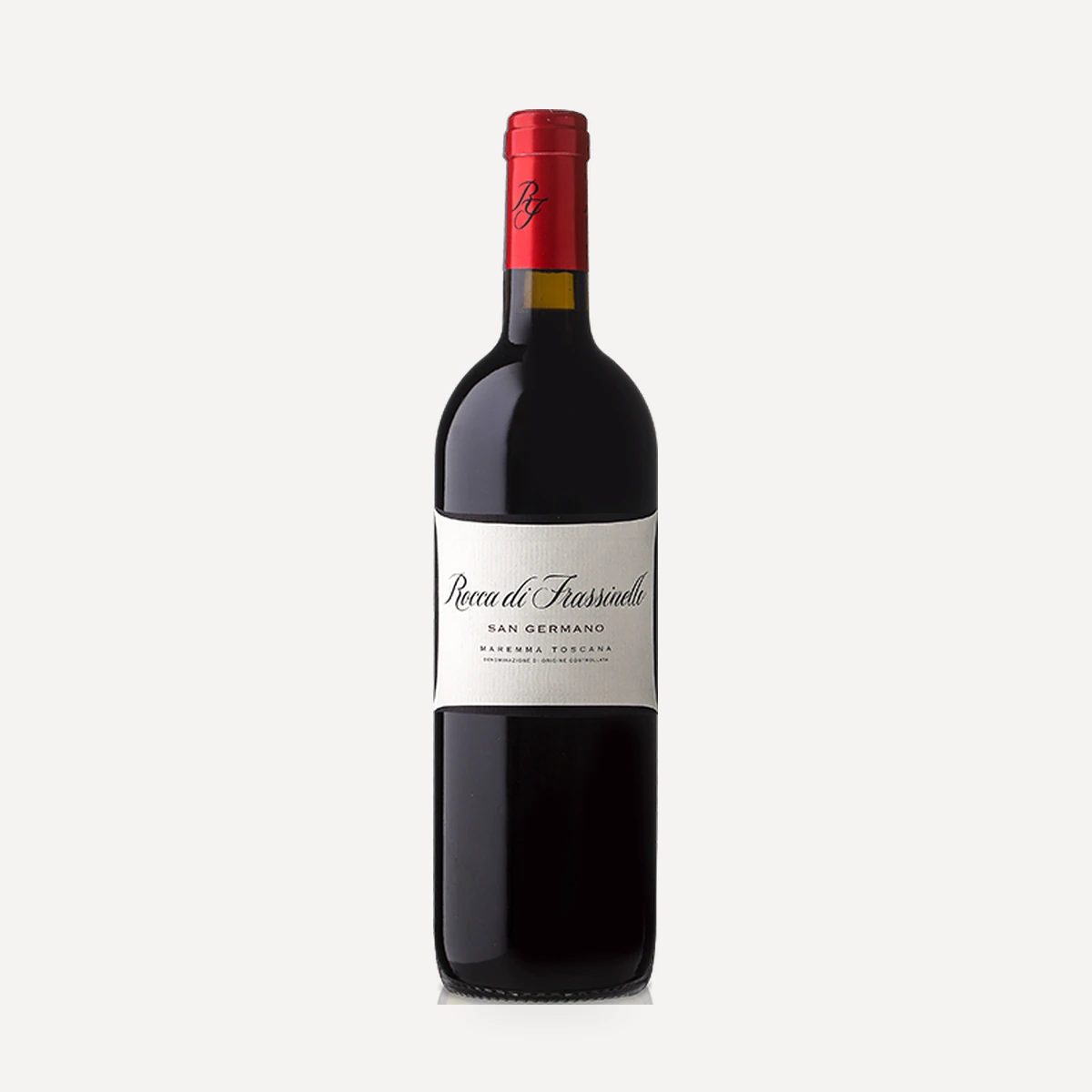
About this wine
Vineyard and terroir
The grapes are grown in Vigna Vecchia and Vigna Eucalipti near the San Germano Etruscan necropolis in Gavorrano. Archaeological finds indicate that vines were cultivated and wine produced on this hill around 3,000 years ago. The long history of cultivation is associated with plants naturally selecting for resilience to climatic and biological adversity. The vineyards stand at 90 m a.s.l. on medium-textured clay soil rich in skeletal material. Spurred-cordon vines are planted at 5,900 plants/ha, with a yield of 40 q/ha.
Grapes
45% Merlot, 45% Cabernet Sauvignon and 10% Sangioveto.
Vinification
Vinified in temperature-controlled stainless steel, with completed malolactic fermentation.
Ageing
The 2019 technical sheet records 14 months in barriques, 80% new, and 11 months in bottle. The current wine description instead gives 24 months in barriques, 70% new, followed by the same 11 months in bottle.
Technical data
Available in 0.75 L, 1.5 L and 3 L formats.
Tasting profile
Impenetrable ruby red, signalling substantial concentration. The nose combines blackberry and blackcurrant with coffee and vanilla. It is structured yet harmonious and elegant on the palate, with Sangioveto contributing freshness and an exceptionally persistent finish.
Serving and pairing
Pairs with red meat, roasts, game and mature cheeses.
Vintage notes
The 2019 growing season was highly variable. Below-average spring and early-summer temperatures, together with rain during flowering, delayed later phenological stages and lengthened the vegetative cycle. Summer was sunny and hot without causing sunburn or dehydration, and pronounced day–night temperature differences encouraged complete phenolic ripening. Despite early concerns, the vintage developed notable structure and freshness and was considered among the strongest of the preceding years.
Label / history
The wine takes its name from the nearby San Germano Etruscan necropolis and the hill where viticulture was already practised about three millennia ago.