About this wine
Vineyard and terroir
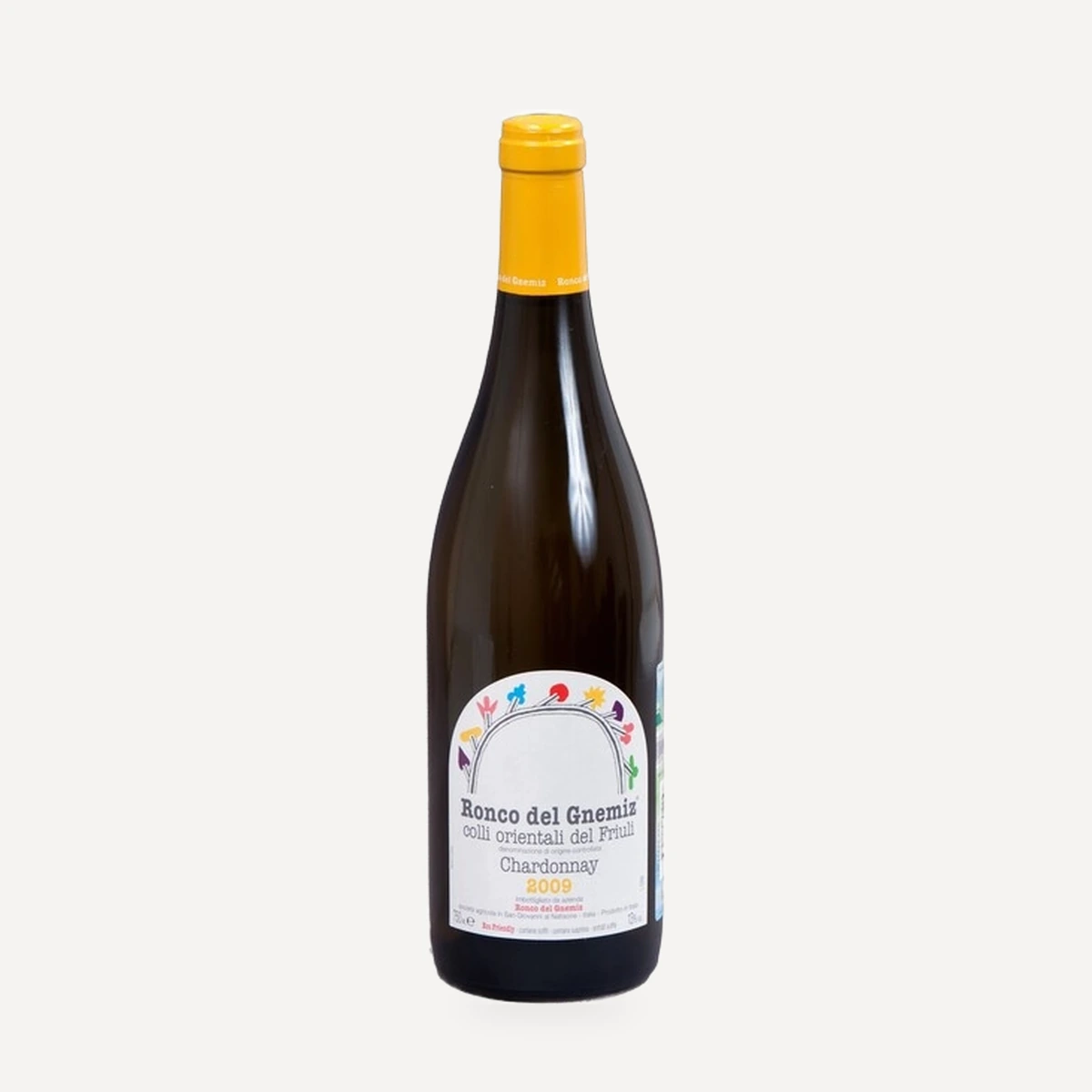
The Chardonnay grows on a gentle rise in the hills of Colli Orientali. The vineyards are sheltered from cold northern winds by a mountain range, while the wider area has a mild, humid climate and lies close to both the mountains and the sea. The vines are 10–35 years old.
The site is characterized by flysch di Cormons, a rock formed through repeated sedimentary cycles, with alternating layers of marl—limestone-rich clay—and sandstone. The vineyard is managed organically, with biological practices intended to maintain balance among the soil, climate and vines.
Vinification
The grapes are harvested by hand at full ripeness and gently pressed in a pneumatic press. The must is cold-settled, with sediment separated by lowering the temperature. Fermentation takes place 80% in second-fill barriques and 20% in cement tanks. Organic cellar practices and minimal intervention are employed. The wine is filtered before bottling.
Ageing
The wine matures 80% in second-fill barriques and 20% in cement tanks.
Tasting profile
Fresh, soft and supple, with notes of green apple, stone fruit and wet stone.
Label / history
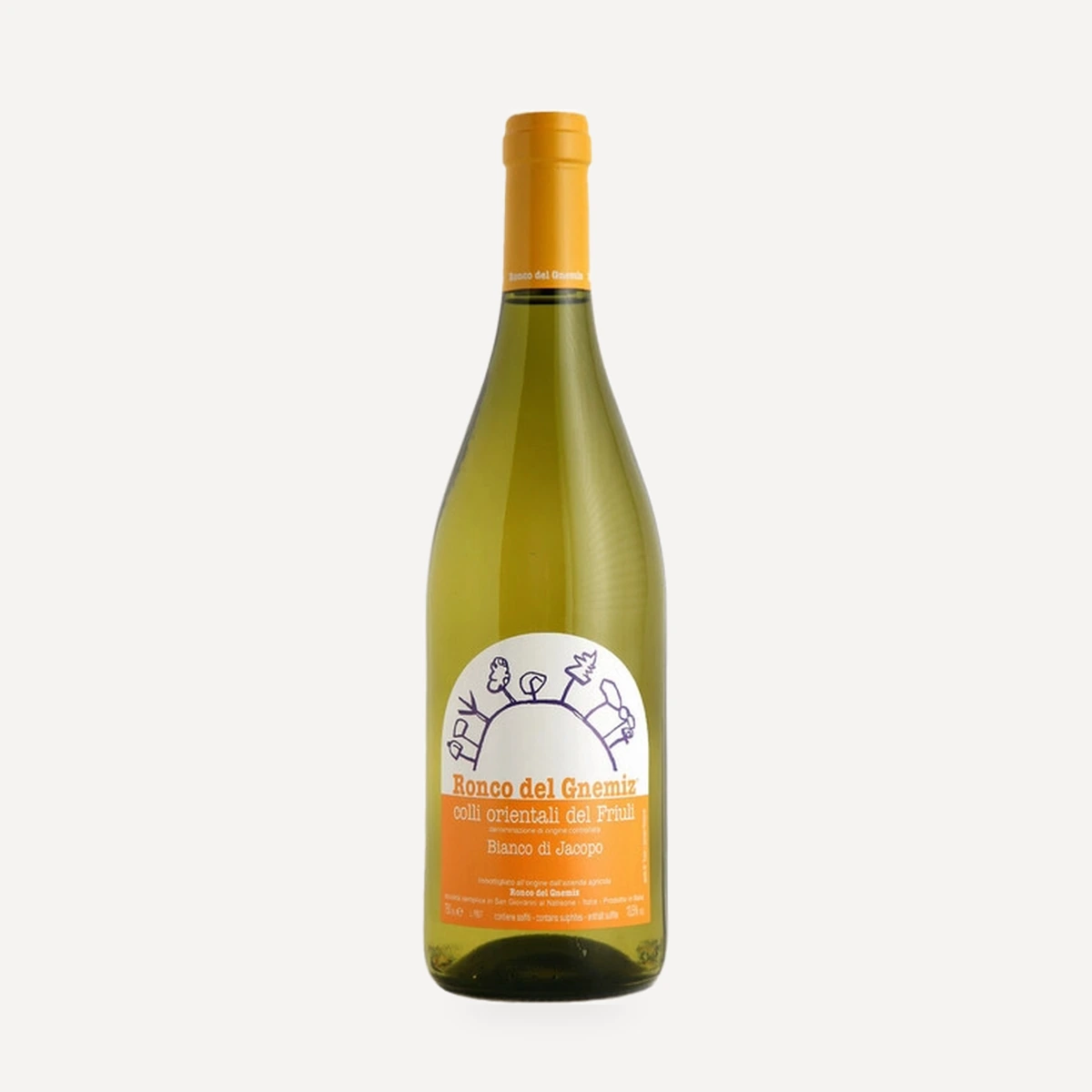
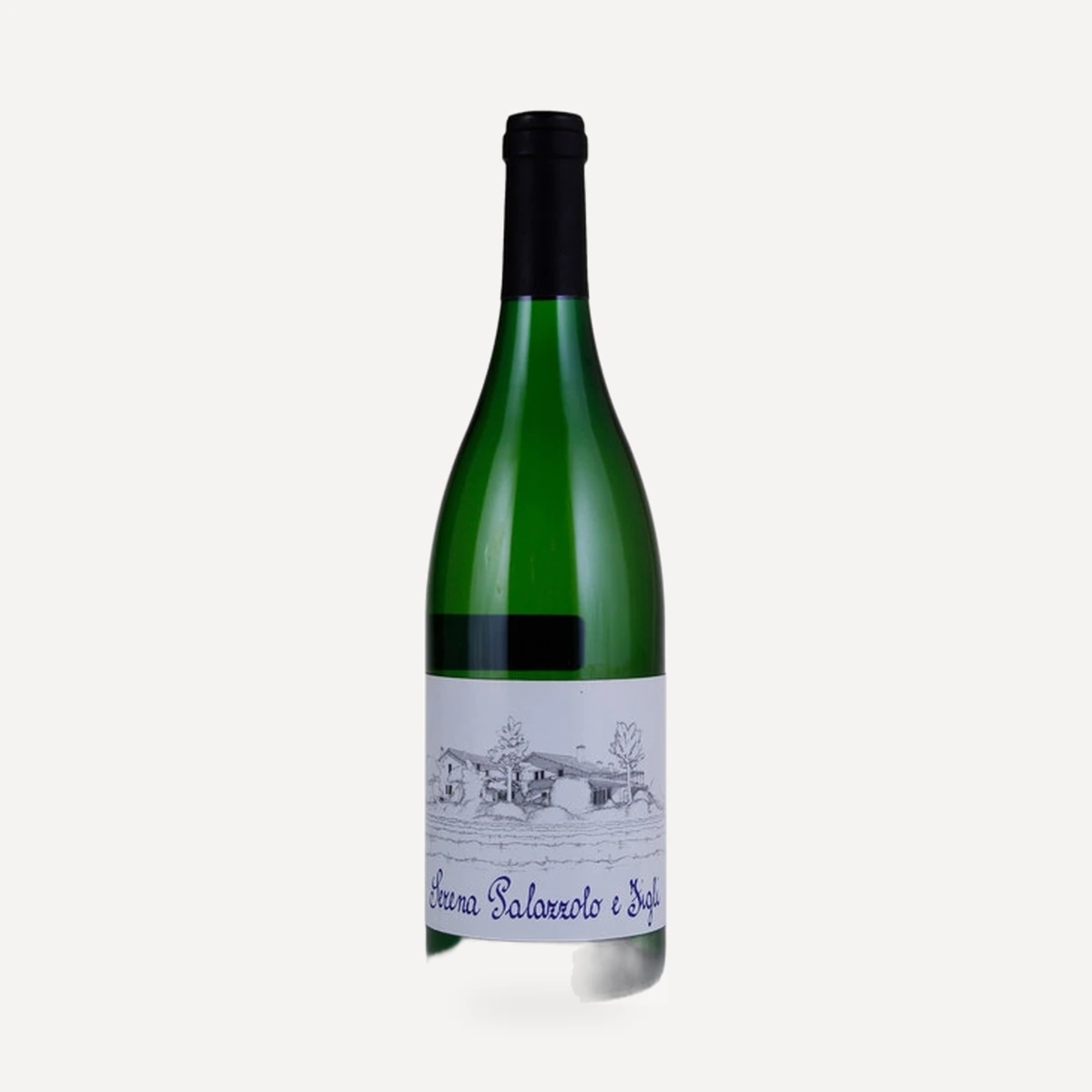
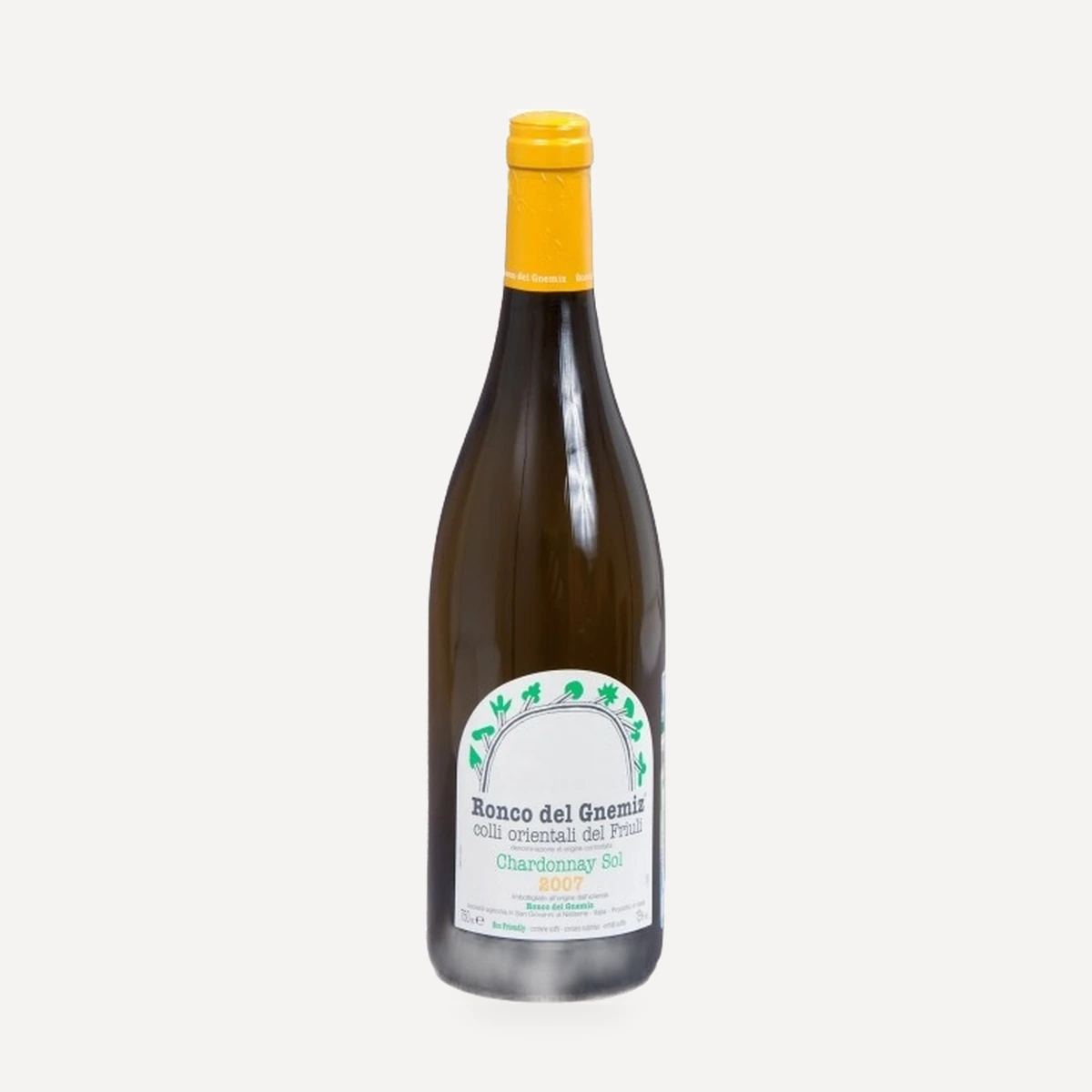
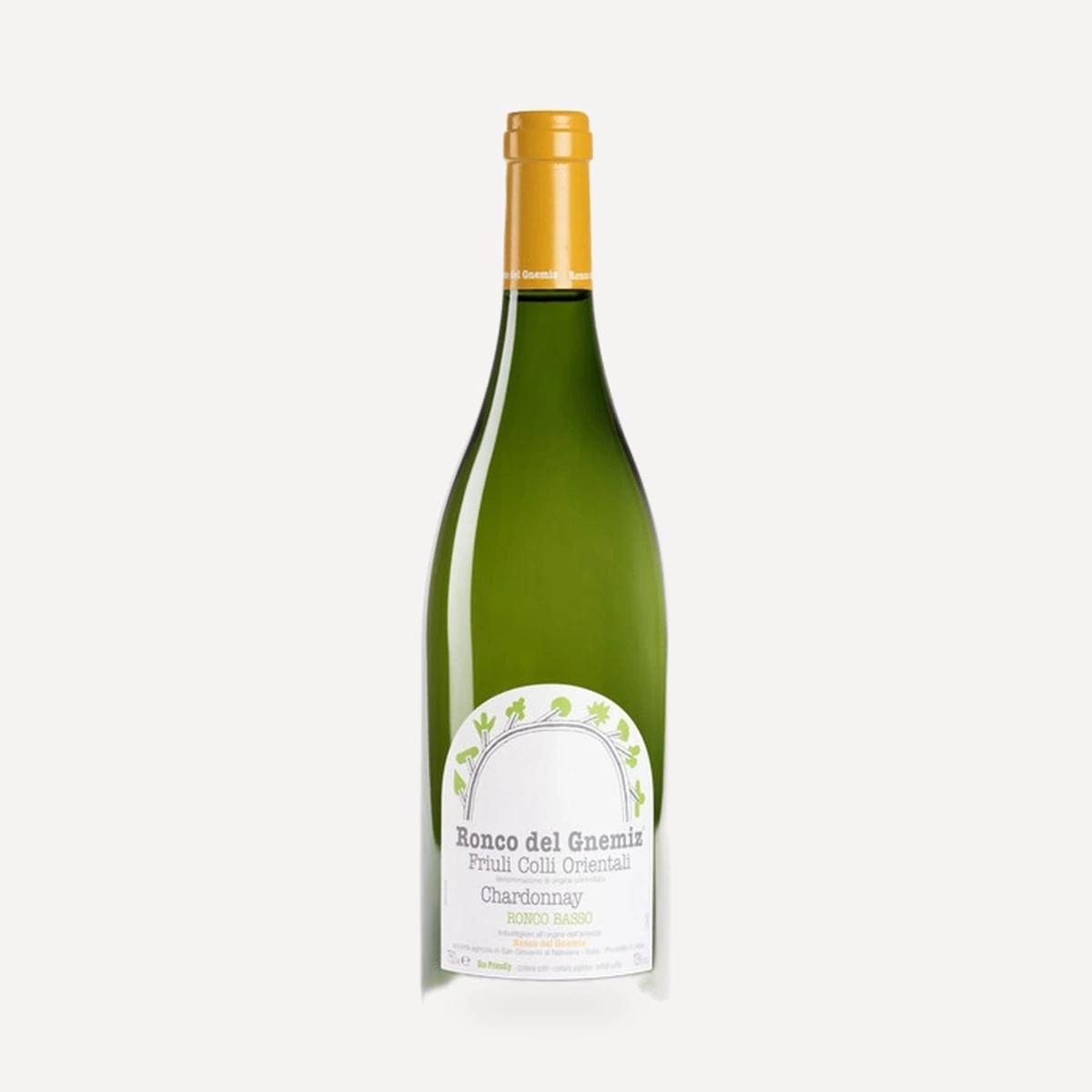
In the local dialect, “Ronco” means “vineyard on a hill,” while “Gnemiz” is the name of the family that lived and made wine on the property for centuries. The Palazzolo family acquired the land in the early 1960s and retained its historic name. Enzo Palazzolo built a new winery in 1964, and management passed to his daughter Serena in 1981. She oversees production from vineyard work through bottling, with assistance from oenologists Roberto Cipresso and Andrea Pittana.