History
Origins and foundation
The locality of Colterenzio stands at the edge of Cornaiano. Farms and wines from the area were recorded around 1200 under the name vinum schrechpuhlensis. When 26 growers from Colterenzio, Cornaiano and Frangarto founded their cooperative near Appiano in 1960, they named it Schreckbichl/Colterenzio after their home village. The new organization allowed them to free themselves from the wine merchants who then determined grape and wine prices.
The cooperative’s north wing was constructed during the 1960s above extensive underground cellars. It contained large concrete vats extending through several floors; some also formed structural supports for the building. The wing later accommodated the retail shop, two tasting rooms, an apartment and numerous production rooms.
Pfefferer and the arrival of Luis Raifer
In 1978 board member Karl Nicolussi-Leck proposed vinifying separately the fruit of old Pfefferer vines growing near the winery. The board approved the experiment, and the first limited quantity of Pfefferer was produced in 1979. Franz Sinn was the winemaker, while Luis Raifer served as president and director during the wine’s early development. Pfefferer took its name from the local grape, a particular form of Moscato Giallo; its name may allude to the variety’s peppery, spicy aroma.
Raifer formally joined the cooperative as director in 1979. A winegrower himself, he returned from a study trip to California convinced that Alto Adige possessed the sites, vineyard area and grower expertise required for more ambitious wines. At a time when the province was still associated primarily with modest red wine, he advocated lower yields, healthier and more concentrated grapes, and site-and-variety matching.
The quality offensive and Lafóa
During the 1980s Raifer transformed his sunny, ventilated Lafóa vineyard on the hill above Cornaiano into a pilot site. Schiava was replaced first by Cabernet Sauvignon and later by Sauvignon Blanc. The model combined new varieties, sharply reduced yields and organized quality groups of growers. The principles tested there were subsequently extended to the cooperative’s broader vineyard and cellar work.
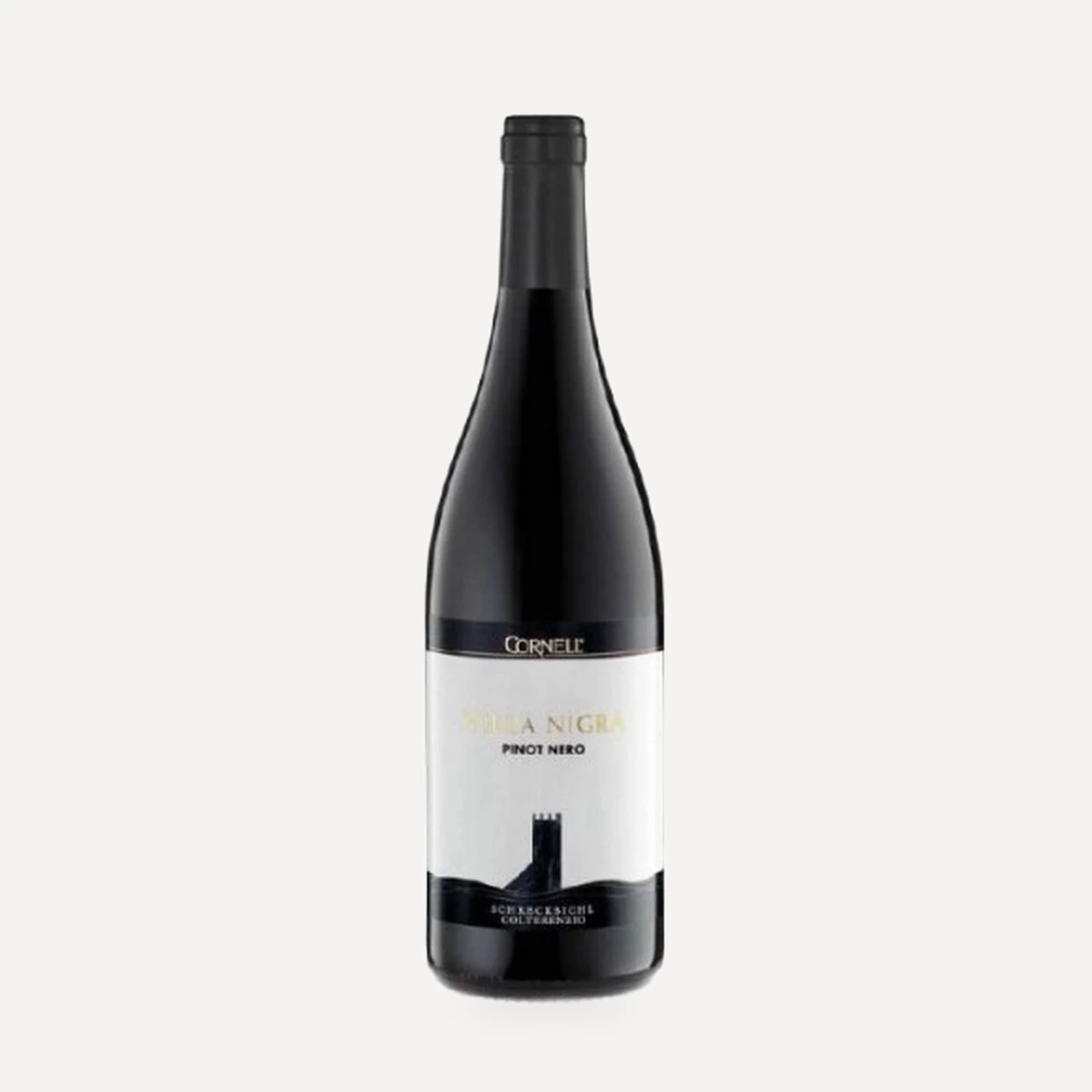
In 1985 the winery introduced the Cornell quality range and commissioned Appiano graphic designer Roland Prünster to modernize its identity. Prünster created a spare label centered on a stylized black tower, inspired by the castles and fortifications of Alto Adige. The motif spread from Cornell to the rest of the range and became the cooperative’s logo. The label series won an Art Directors Club Deutschland award in 1988.
The first Lafóa Cabernet Sauvignon was made in the 1989 vintage, initially under a different label. Sauvignon Blanc followed with the 1993 vintage. The Lafóa label, designed by Studio Guardenti of Lucca, also debuted in 1993. Its central figure reproduces a bronze sculpture by Guido Anton Muss that crowns a column at the entrance to Luis Raifer’s farmhouse and represents the estate’s protective spirit. Earth and humus encircle a column opening toward sunlight, while an Art Nouveau-inspired background evokes the natural forces behind plant growth.
Sustainability, new wines and cellar development
Between 2000 and 2011 Colterenzio developed and implemented an environmental program extending from the vineyards into the winery. The winery underwent an architectural and energy renovation in 2009. Photovoltaics, solar panels and heat recovery subsequently supplied much of its electricity and hot-water demand.
A gravity-fed grape-receiving facility was completed in 2010. It reorganized harvest intake so grapes could move to destemmers, crushers and presses on the floor below with less mechanical handling.
The first vintage of the LR white cuvée was 2011. Named for Luis Raifer, the project had been conceived during his leadership and was first presented publicly in autumn 2014. It is produced only in selected years.
A further graphic redesign by Studio Granit of Merano and Zurich with artist Manfred Alois Mayr received a Red Dot design award in 2014. In 2015 Chardonnay and Gewürztraminer joined the Lafóa family.
Management changes and Cru development
Maximilian Niedermayr was elected president in 2007. Across 38 years in several cooperative roles, including 18 years as president, he contributed to strategy, positioning and two major architectural redevelopments.
Wolfgang Raifer left the organization at the beginning of 2017. Hubert Dorfmann, previously responsible for administration, became director; Alex Ferrigato assumed responsibility for sales. The winery began producing its first Cru in 2017, Pinot Bianco Riserva Berg, released at the beginning of 2019 after years of work on Appiano Monte fruit.
The Pinot Nero quality project examined soils, planting material, vineyard practice and vinification over approximately a decade. Pinot Nero Riserva Lafóa, from the 2018 vintage, completed the five-wine Lafóa family and was presented in 2021.
The Gran Lafóa vineyard
A separate Sauvignon vineyard above Cornaiano traces its modern history to the mid-1980s, when an aged French Sauvignon inspired grower Konrad Schweigkofler to plant the variety. At the end of that decade he established French Sauvignon clones despite the difficulty of obtaining planting material and importing appropriate machinery.
In 2018 responsibility for the vineyard passed formally to Schweigkofler’s nephew Ulrich Prast, who had worked beside him for more than ten years. The oldest vines were then more than 35 years old. After the cooperative’s agronomist and Martin Lemayr identified their potential, the old-vine fruit began to be picked in a separate first pass and vinified independently. The 2021 lot ultimately became the first Sauvignon Riserva Gran Lafóa.
Rebuilding for the future
Planning for another major reconstruction began in 2018. The aging north wing had an leaking roof, oversized concrete tanks that no longer suited contemporary production, confined tasting areas and a small, dark shop. The project also sought shorter working routes, simpler cellar processes and lower energy consumption.
Construction began in November 2023 and affected roughly 40% of the facility while production continued. The Bergmeisterwolf architectural studio, which had already worked on another part of the winery in 2011, designed the new wing. The redevelopment created a larger wine shop, tasting and event rooms, a panoramic roof terrace, a barrique cellar and renewed production spaces.
The work concluded in December 2024. Thirty new stainless-steel tanks and new walkways were installed in the renovated cellars. The architectural centerpiece is a black exposed-concrete tower translating the winery’s logo into built form.
Sauvignon Riserva Gran Lafóa 2021 was introduced in November 2024 after three years of cellar development. It represented the culmination of the old-vine project and a return, with contemporary knowledge and equipment, to the wood-oriented approach of the earliest Lafóa Sauvignon vintages.
New cooperative leadership
In November 2025 Maximilian Niedermayr did not stand for reelection. The members elected Franz Pardatscher as president. Pardatscher, a 39-year-old Appiano winegrower and trained oenologist, had already served six years on the board and participated in the architectural project. Benjamin Reckla became vice president, supported by a newly elected board. Pardatscher defined his priorities as stronger dialogue among members, staff and commercial partners; preserving long-term quality through agricultural change; and meeting future challenges with the cooperative’s established pioneering spirit.
Terroir
Cantina Colterenzio is based in the small locality of Colterenzio, part of Cornaiano in the municipality of Appiano sulla Strada del Vino, approximately 10 km from Bolzano. Appiano lies in the Oltradige, the largest continuous vine-growing area in Alto Adige.
The cooperative’s 300 ha are distributed across a broad north-to-south corridor. Most members work around Colterenzio, Cornaiano and Appiano; other vineyards extend through Settequerce, Gries, Santa Maddalena and Leitach around Bolzano, San Paolo, Monte/Berg and San Michele in Appiano, Caldaro, Ora, Magré, Cortina and Salorno at the border with Trentino.
Elevations range from 230 to 650 m, allowing 14 varieties to be matched with markedly different sites and soils. The Alpine barrier, approximately 1,800 hours of annual sunshine, daytime warmth, cool nights and winds arriving from Lake Garda shape the growing conditions. The day–night temperature range helps preserve fresh aromas and acidity.
The old-vine Sauvignon site used for Gran Lafóa lies above Cornaiano. It is sunny, dry and largely level, with a slight southwesterly inclination and moraine soil. The historic Lafóa pilot vineyard occupies a sunny, ventilated position at the top of the Cornaiano hill, close to the winery.
Winemaking
Quality work begins by assigning each variety to a suitable position and tending every vine throughout the year. Winter pruning removes the old wood until a single cane remains; this is then bent and tied. Summer work includes tying shoots and removing excess leaves that shade the bunches.
The winemaker determines harvest dates for each vineyard. Pinot Grigio, Chardonnay and Sauvignon are among the first varieties picked. All grapes are harvested by hand, and each day’s fruit is delivered and processed on the same day.
The cooperative combines integrated cultivation with organic farming by some members. It encourages growers considering organic conversion, and organically grown lots are received and vinified separately so their development can be assessed. Growers are invited to taste their young lots after harvest.
Manfred Klotz’s certified-organic approach illustrates member-level practice. His farm completed organic conversion in 2011 after a three-year transition. He sows mustard, fodder radish and marigold in alternating rows to regenerate soil and encourage beneficial insects. Chemical or synthetic herbicides and plant-protection products are excluded; organic fertilizer is used only when necessary. Neem oil has been used against leaf miners. The system requires closer observation and more labor but rapidly increased the visible population of beneficial insects.
In the old Sauvignon vineyard above Cornaiano, individual diseased vines are removed and replaced to preserve the historic planting. Management must respond to climate change, esca and emerging pests. The oldest vines are picked separately by an experienced team before the remainder of the vineyard; their fruit is also vinified independently.
Harvest reception
Martin Lemayr examines every incoming load. The fruit is weighed, its sugar level measured and its quality classified. All grapes delivered during harvest are processed the same day.
The gravity-fed receiving facility completed in 2010 transfers fruit to destemmers and crushers on the lower floor. Red grapes are destemmed, crushed and sent directly into fermentation tanks. White grapes are either partly destemmed or simply crushed before reaching the presses.
Membrane presses handle the fruit gently, limit oxidation of grapes and must, and preserve aromatic compounds.
Fermentation and maturation
Fermentation and maturation vary by variety and wine and may take place in stainless steel, concrete or wood. Stainless-steel tanks reach capacities of up to 34,500 litres; Classic white wines spend several months in steel before bottling. Large oak vats of 3,500–5,000 litres are used for fermentation and maturation of Classic reds and some higher-level whites.
Oak tonneaux of 500 litres and barriques of 225 litres are used for premium reds and selected whites. The winemaker chooses new or used vessels according to the desired maturation. Cru wines mature in wood, carry Riserva status and are released only two years after harvest following time in cask and bottle.
The 2024 cellar reconstruction installed 30 new stainless-steel tanks, new walkways and a larger barrique cellar while retaining smaller concrete tanks and wooden vessels as part of the production mix.
Bottling
Bottling begins when the cellar team judges that a wine has reached the appropriate maturity. Selected wines then remain in the cool cellar for additional bottle ageing.
Gran Lafóa research lot
Fruit from the oldest French-clone Sauvignon parcels is picked and vinified separately. For the 2021 Gran Lafóa, the must settled for four days at 5 °C, fermented in barrique and remained on full lees for ten months. It then matured for eight months in 600-litre wooden casks, followed by twelve months in stainless steel and seven further months in bottle. Release came three years after harvest. The process reinterpreted the wood-fermented style of the earliest Lafóa Sauvignon with contemporary knowledge and equipment.
Philosophy
Colterenzio’s identity rests on a cooperative community rather than a single family: approximately 300 member families contribute vineyard knowledge, labor and decision-making experience. For many members, viticulture is not their principal occupation but remains their central passion.
The defining quality principle is that wine begins in the vineyard. Varieties must be matched to their best positions, yields controlled, vines tended through the full season and only healthy, high-quality grapes accepted. The Lafóa program turned this principle into an organized model of quality groups, pilot vineyards and continual experimentation.
The cooperative presents continuity and experimentation as complementary. Long-lived vineyards and decisions that affect several generations require a stable strategy, while every vintage and changing agricultural conditions demand observation, flexibility and the courage to test new methods. Franz Pardatscher’s program retains this long-term quality policy while strengthening consultation, dialogue and knowledge-sharing among growers.
Environmental responsibility extends beyond vineyard cultivation. The winery’s energy program, gravity-fed handling, heat recovery, solar systems and efforts to shorten working routes are intended to reduce resource use. Its architecture follows the same principle by integrating new buildings into the surrounding vineyard landscape.
Community, continuity, conviction and an uncompromising pursuit of authentic quality form the core of the cooperative’s self-description. The goal is not simply to administer inherited achievements, but to carry established projects forward while continuing to learn and improve.
Wines
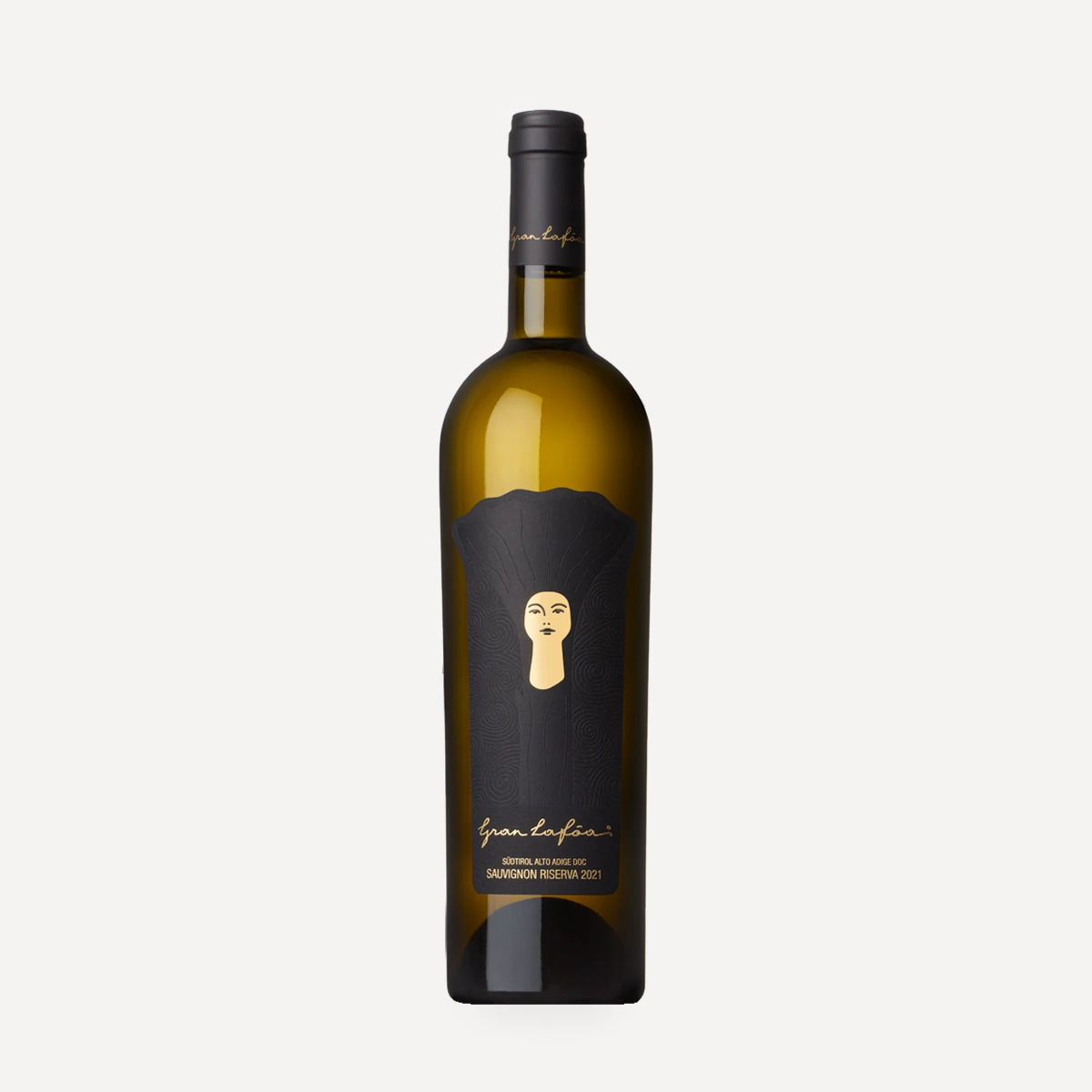
GRAN LAFÓA Alto Adige Sauvignon Blanc Riserva DOC
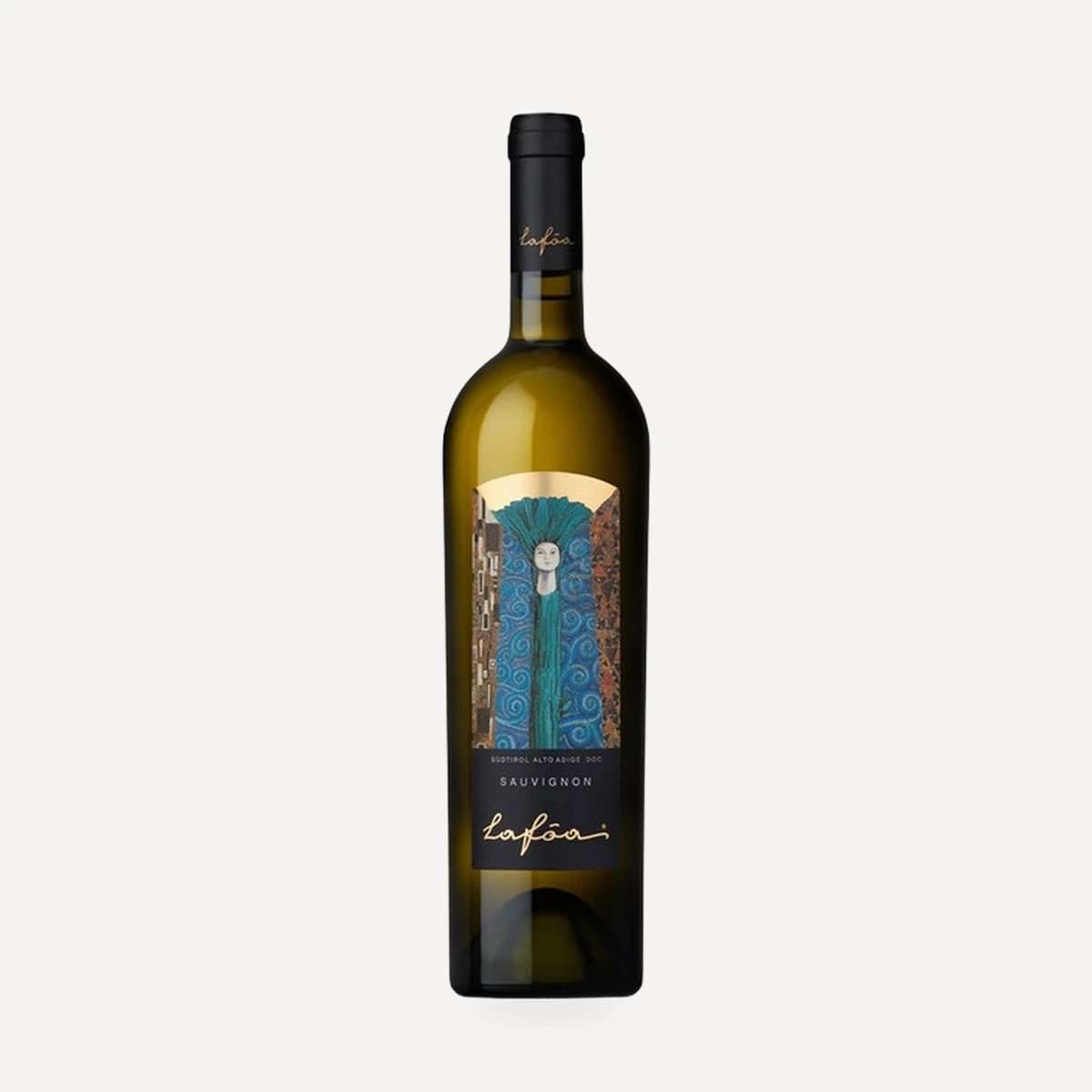
Lafóa Alto Adige Sauvignon Blanc DOC
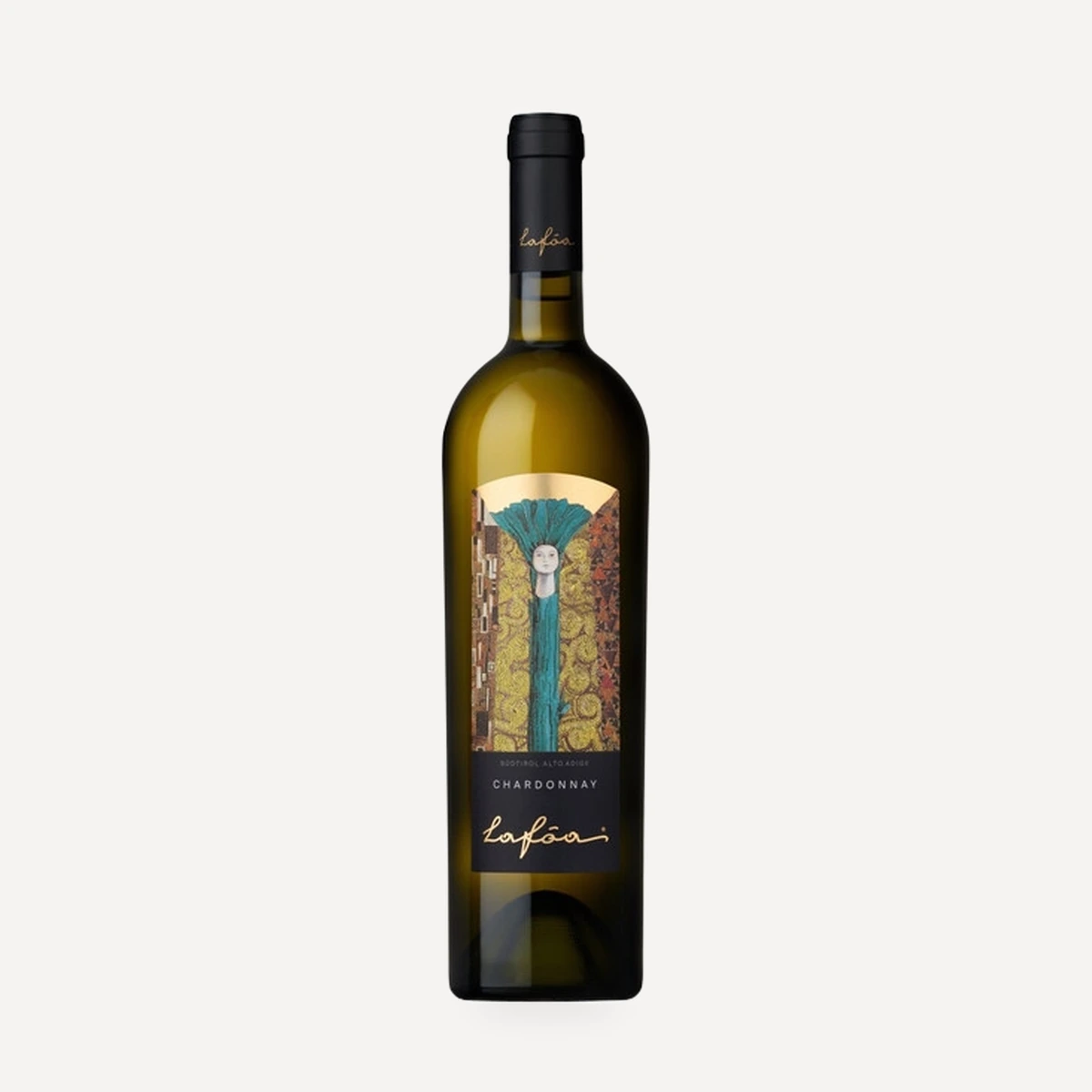
Lafóa Alto Adige Chardonnay DOC
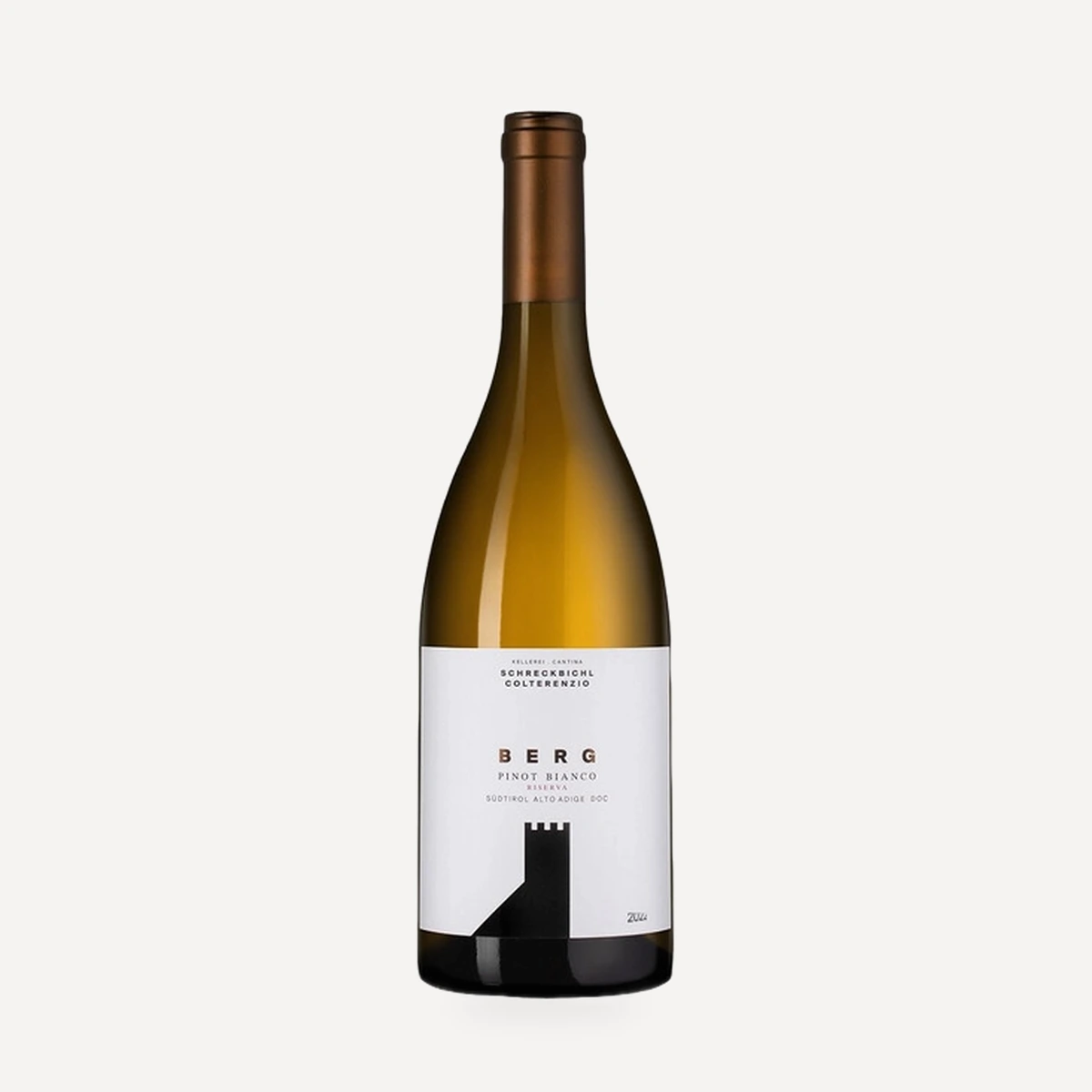
Eppan-Berg Alto Adige Pinot Bianco Riserva DOC
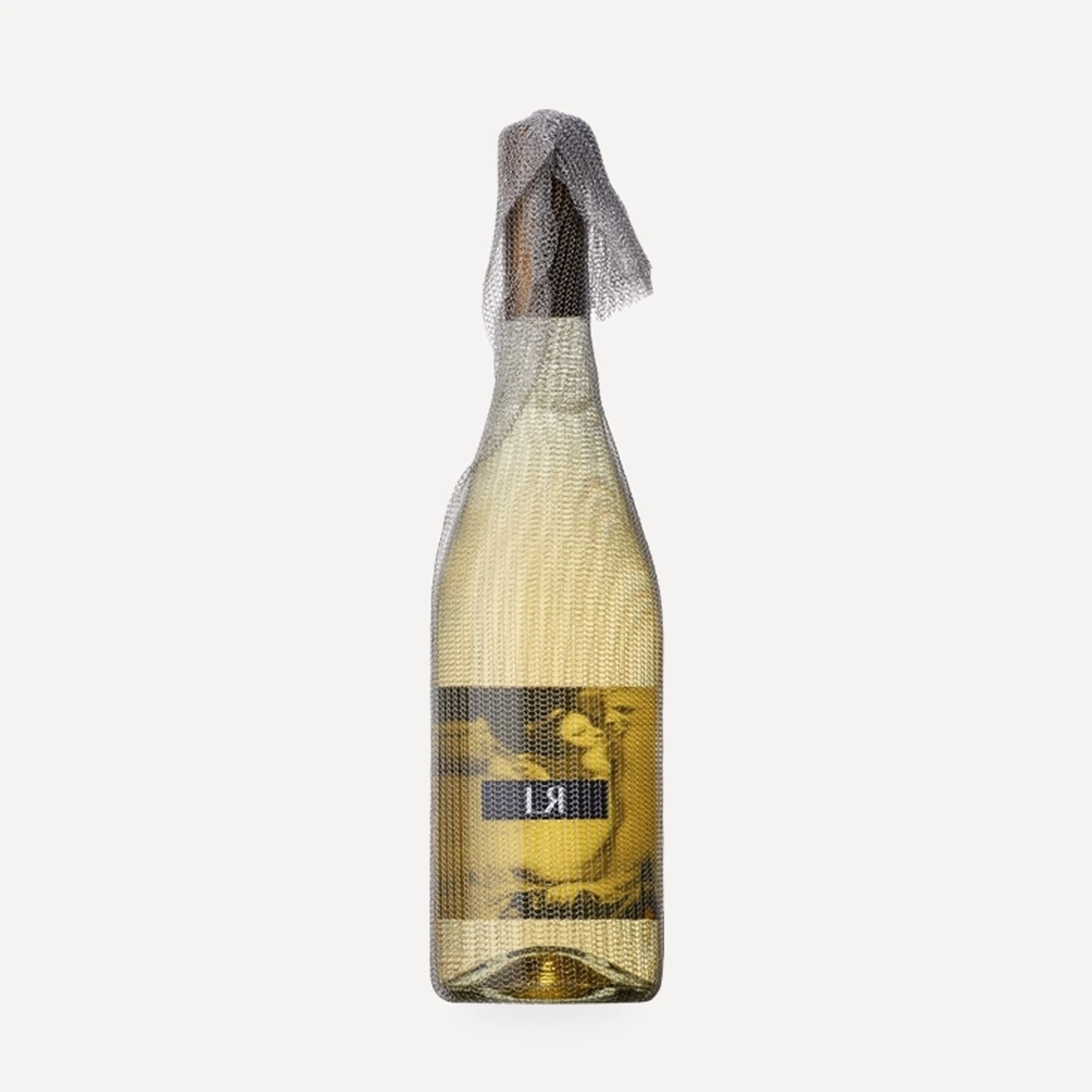
LR Alto Adige Bianco Riserva DOC
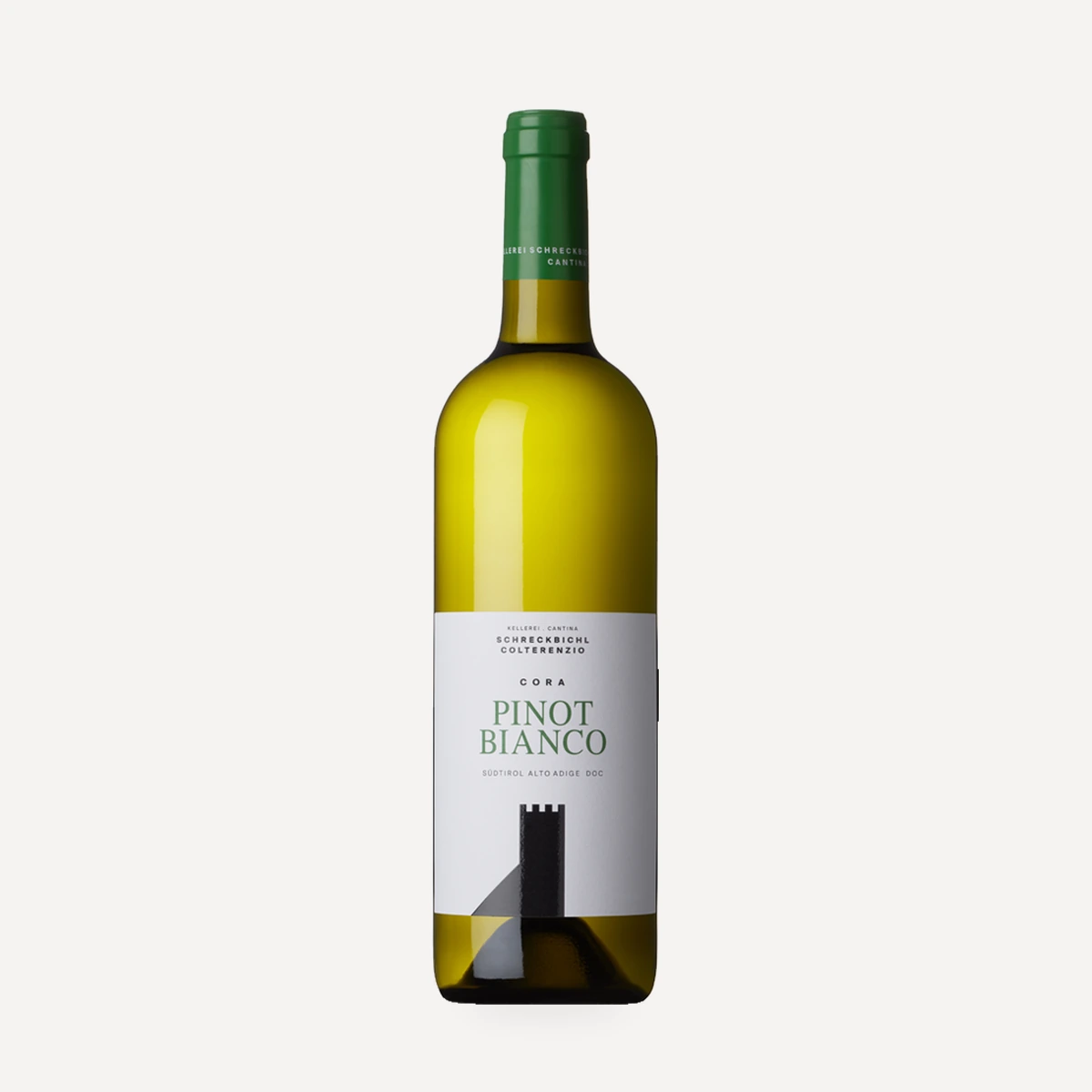
A. Adige Pinot Bianco - Cora DOC
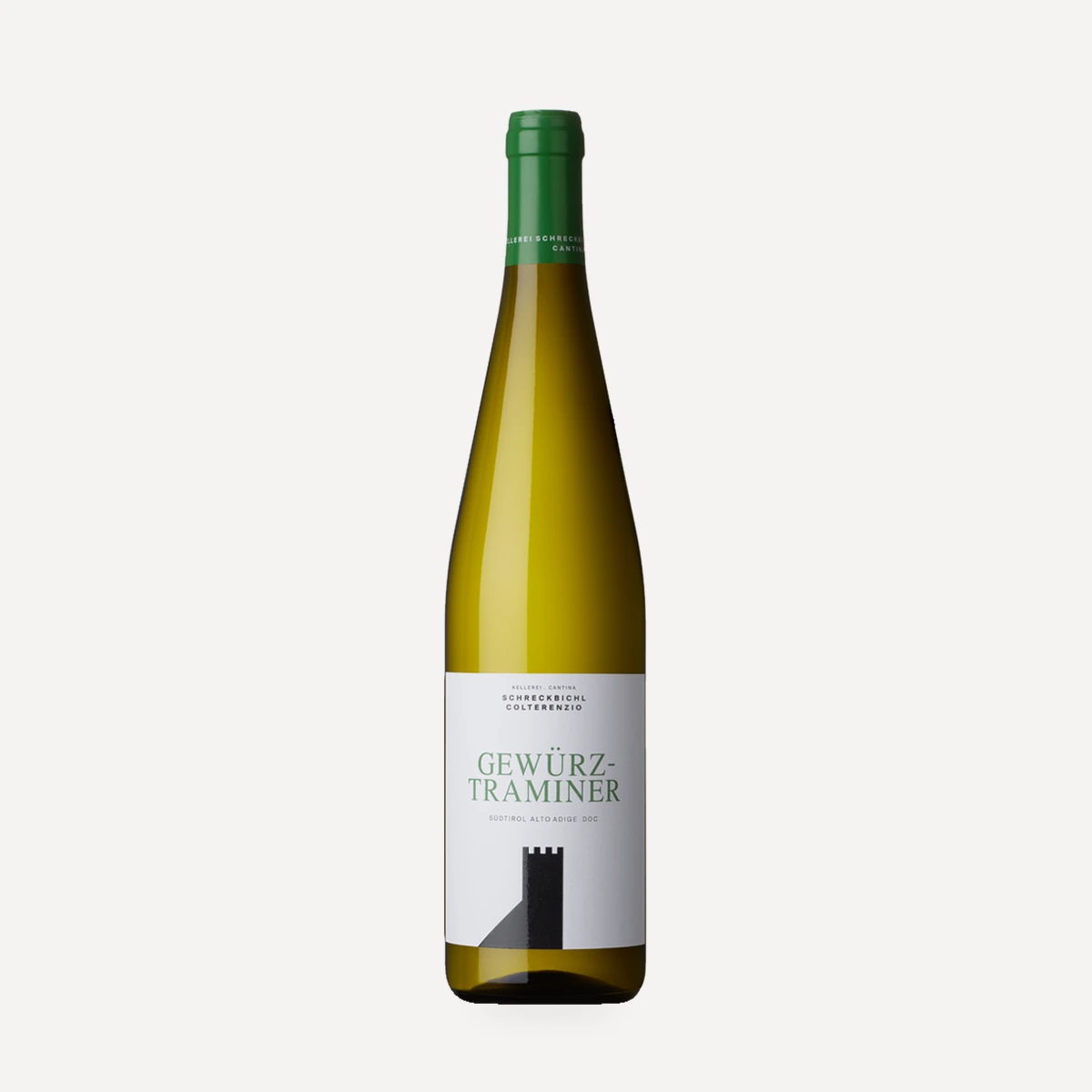
A. A. Gewürztraminer DOC
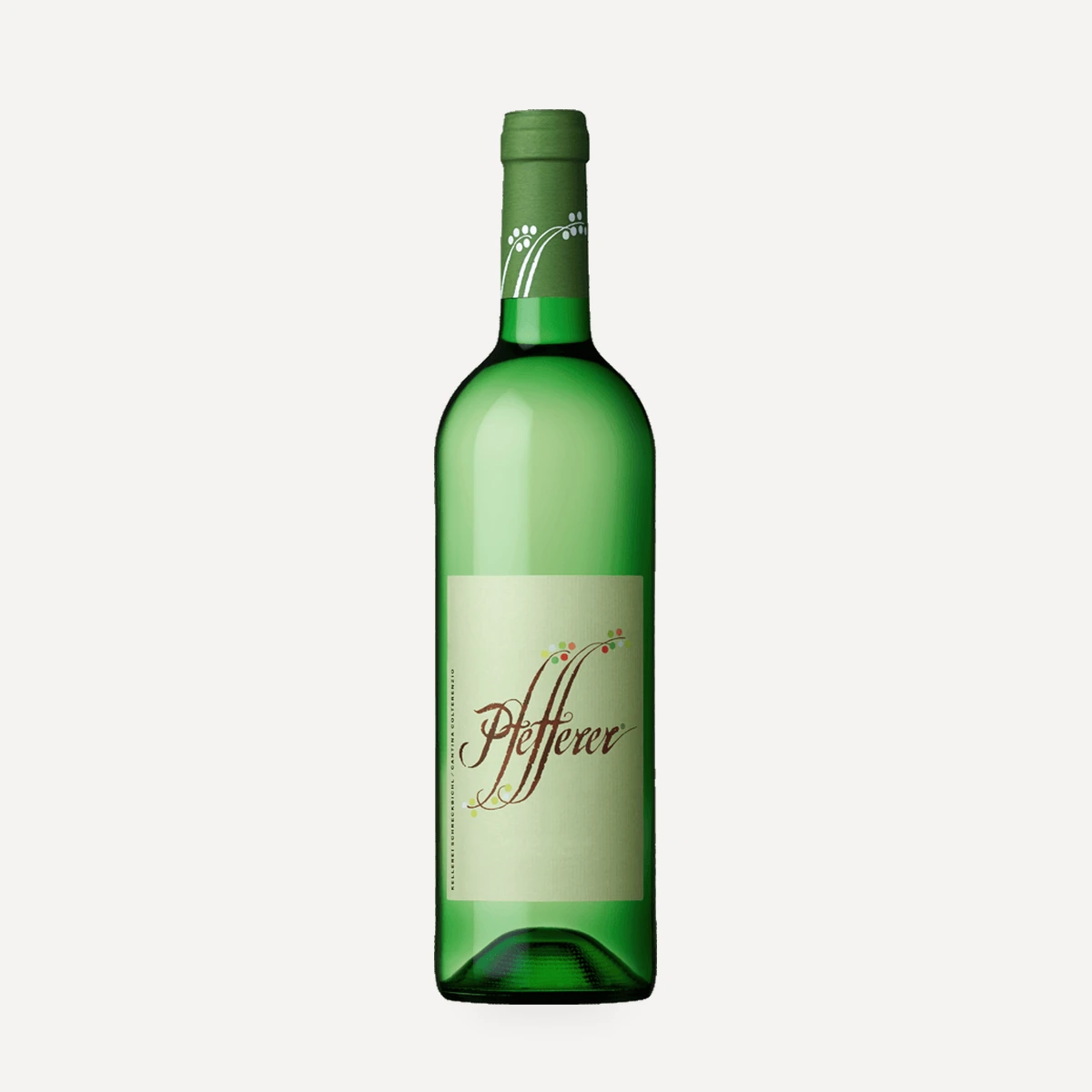
Pfefferer - Vigneti delle Dolomiti Moscato giallo IGT
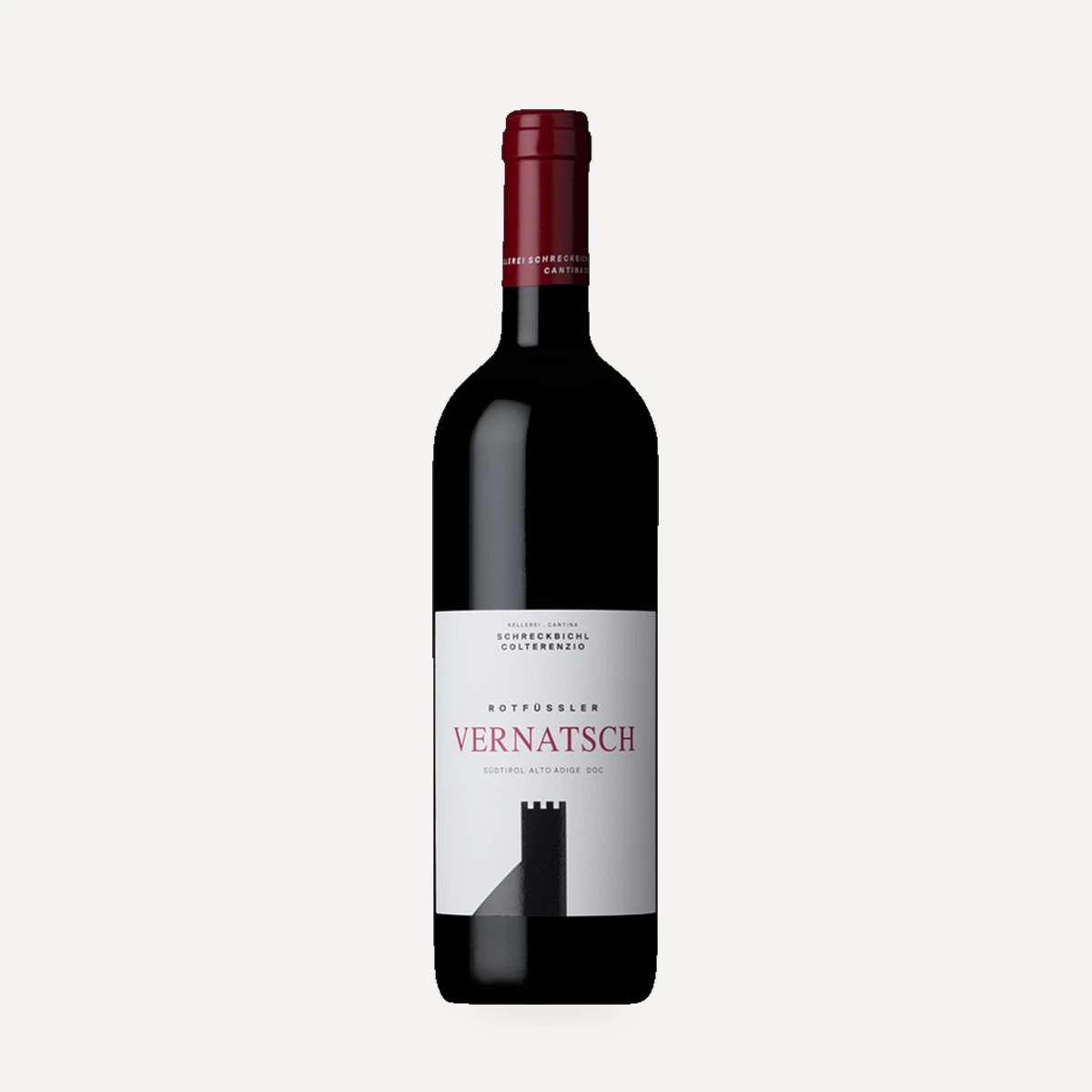
Alto Adige Schiava - Rotfüssler DOC
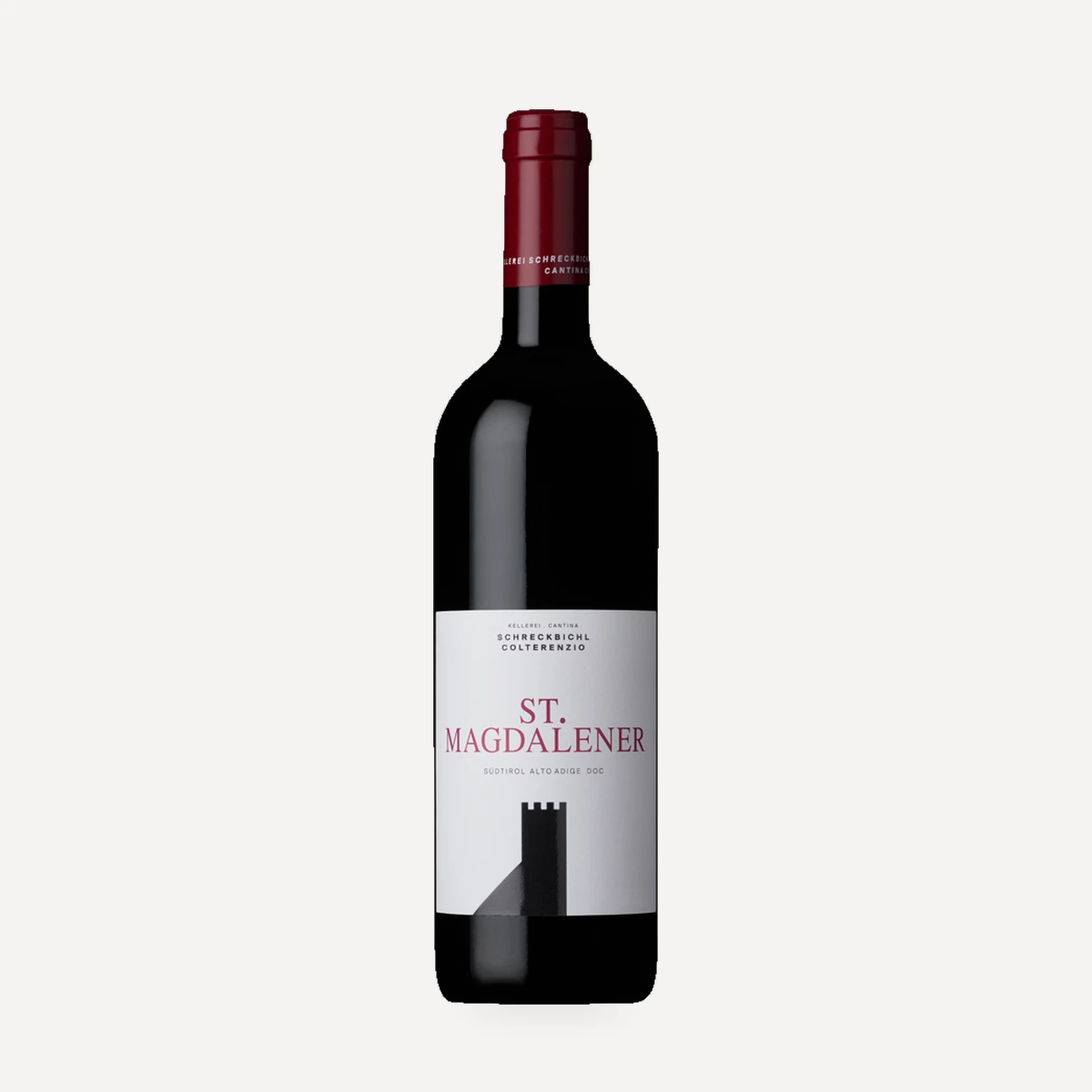
A. A. St. Magdalener DOC
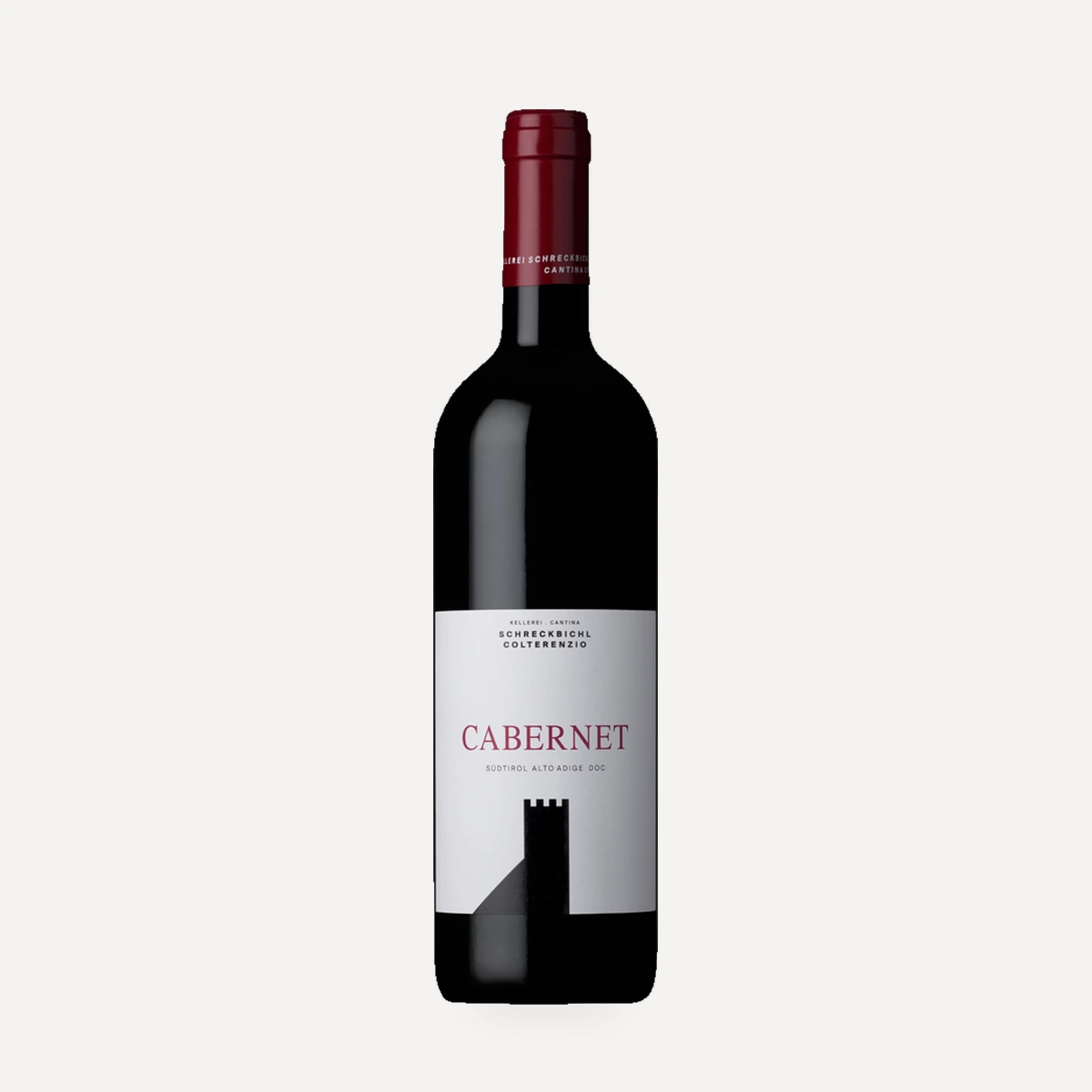
Alto Adige Cabernet DOC
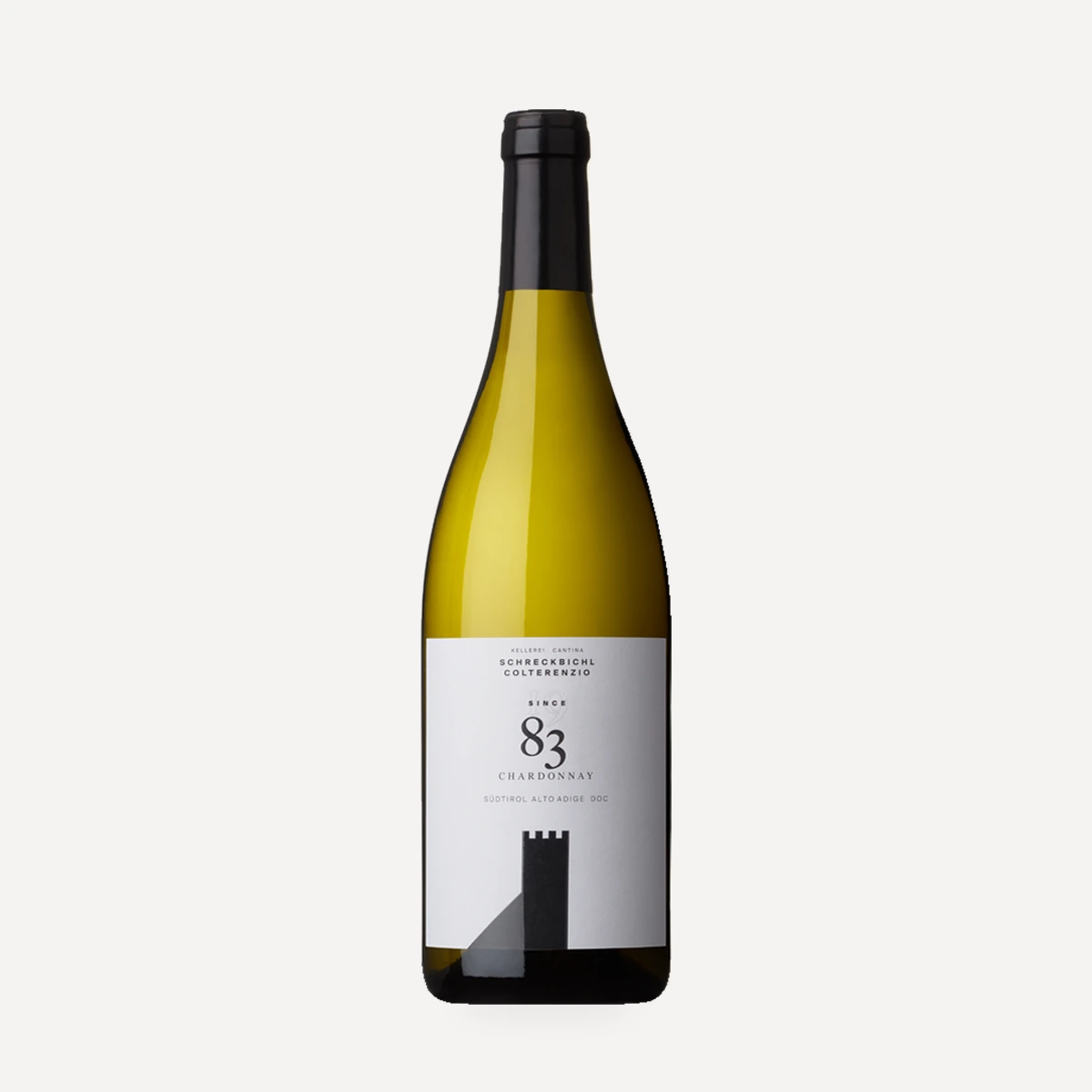
Since 83 Alto Adige Chardonnay DOC
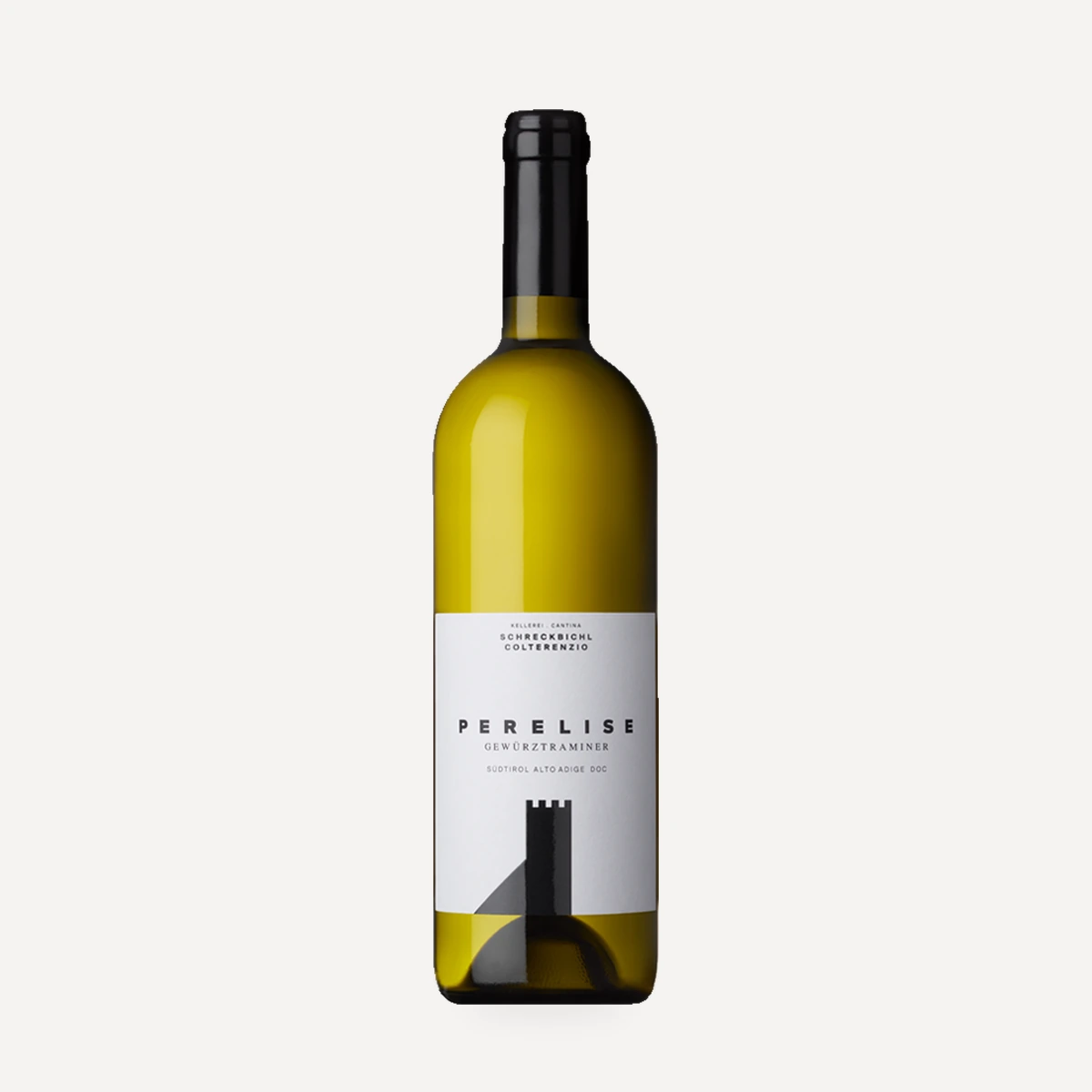
Perelise Alto Adige Gewürztraminer DOC
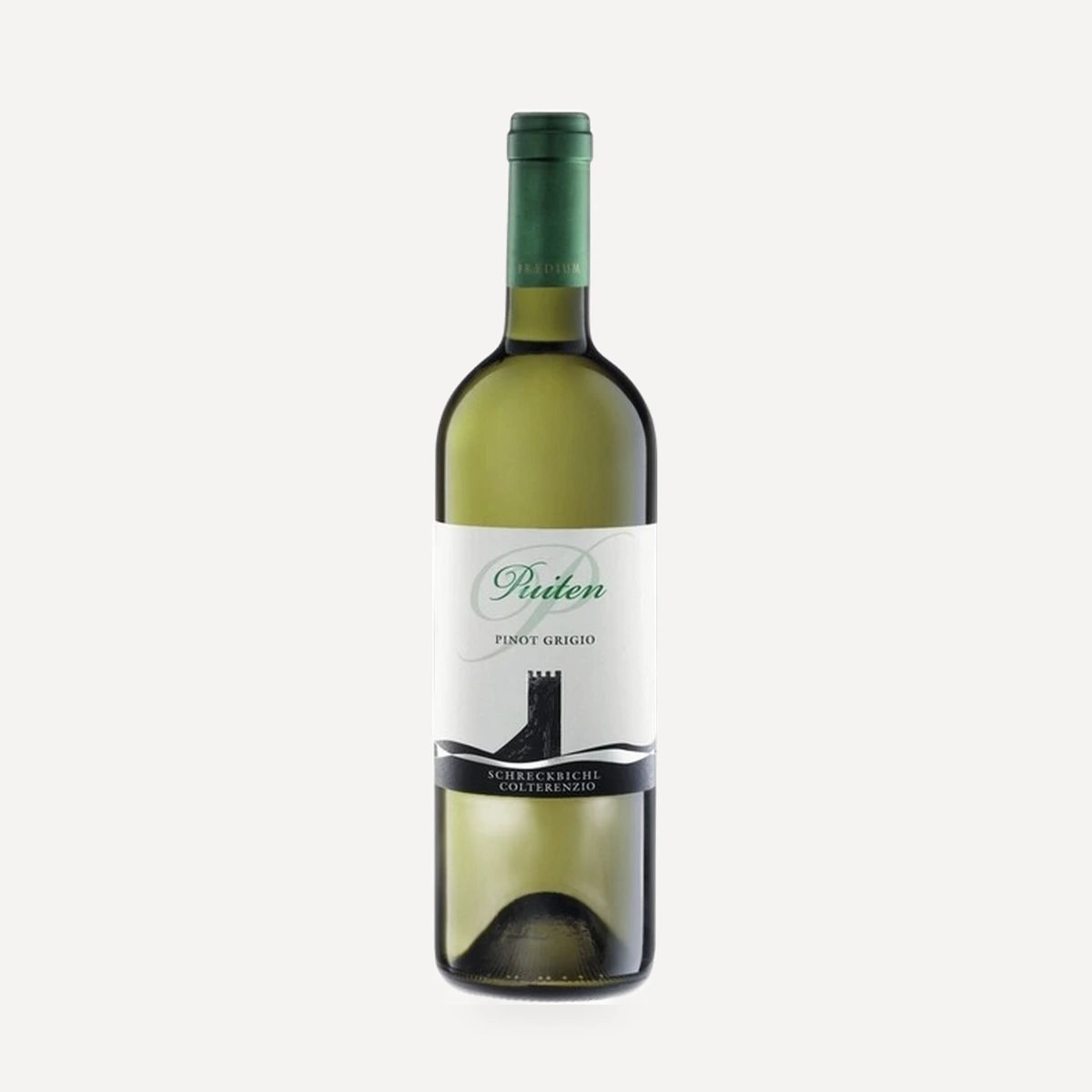
Puiten Alto Adige Pinot Grigio DOC
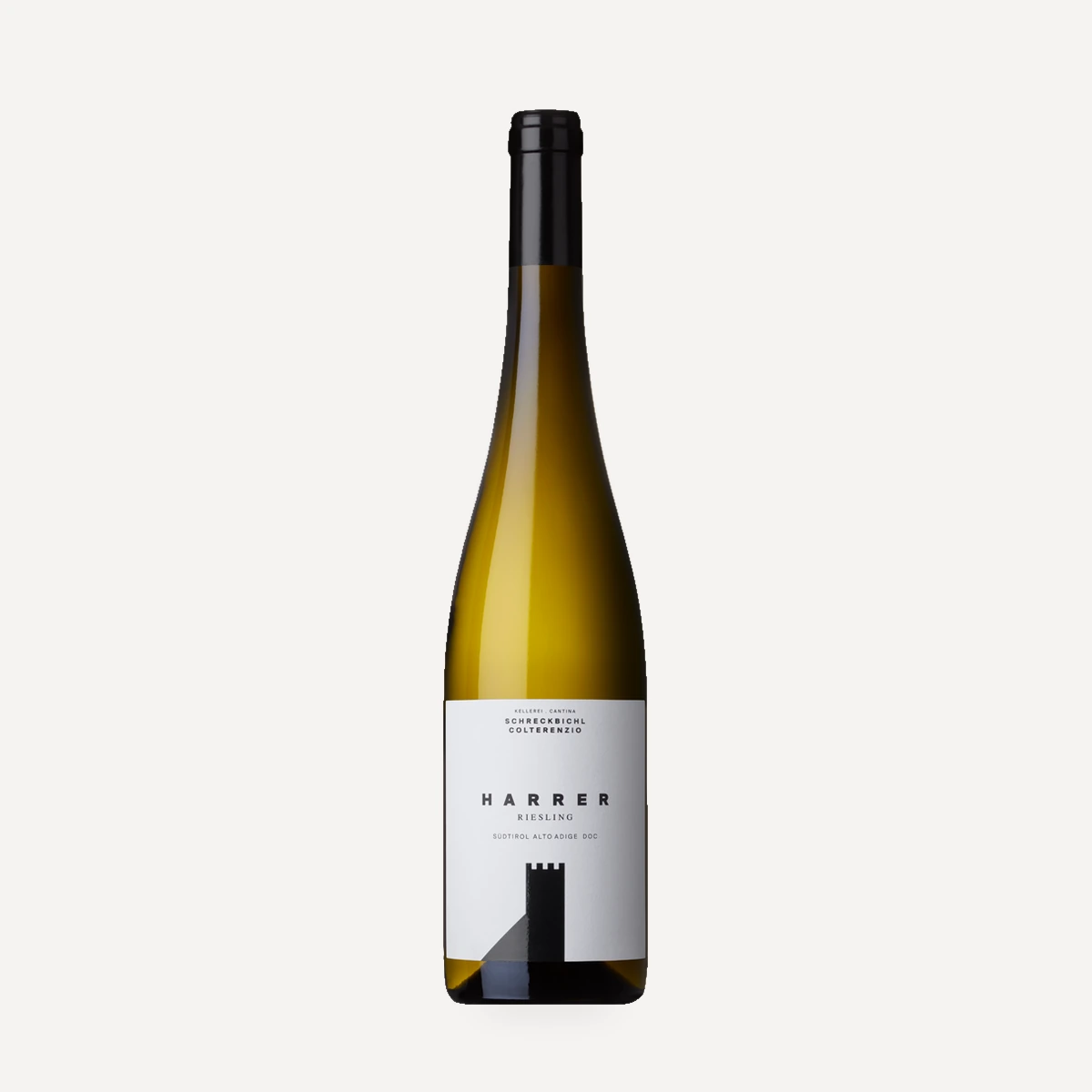
Harrer Alto Adige Riesling DOC
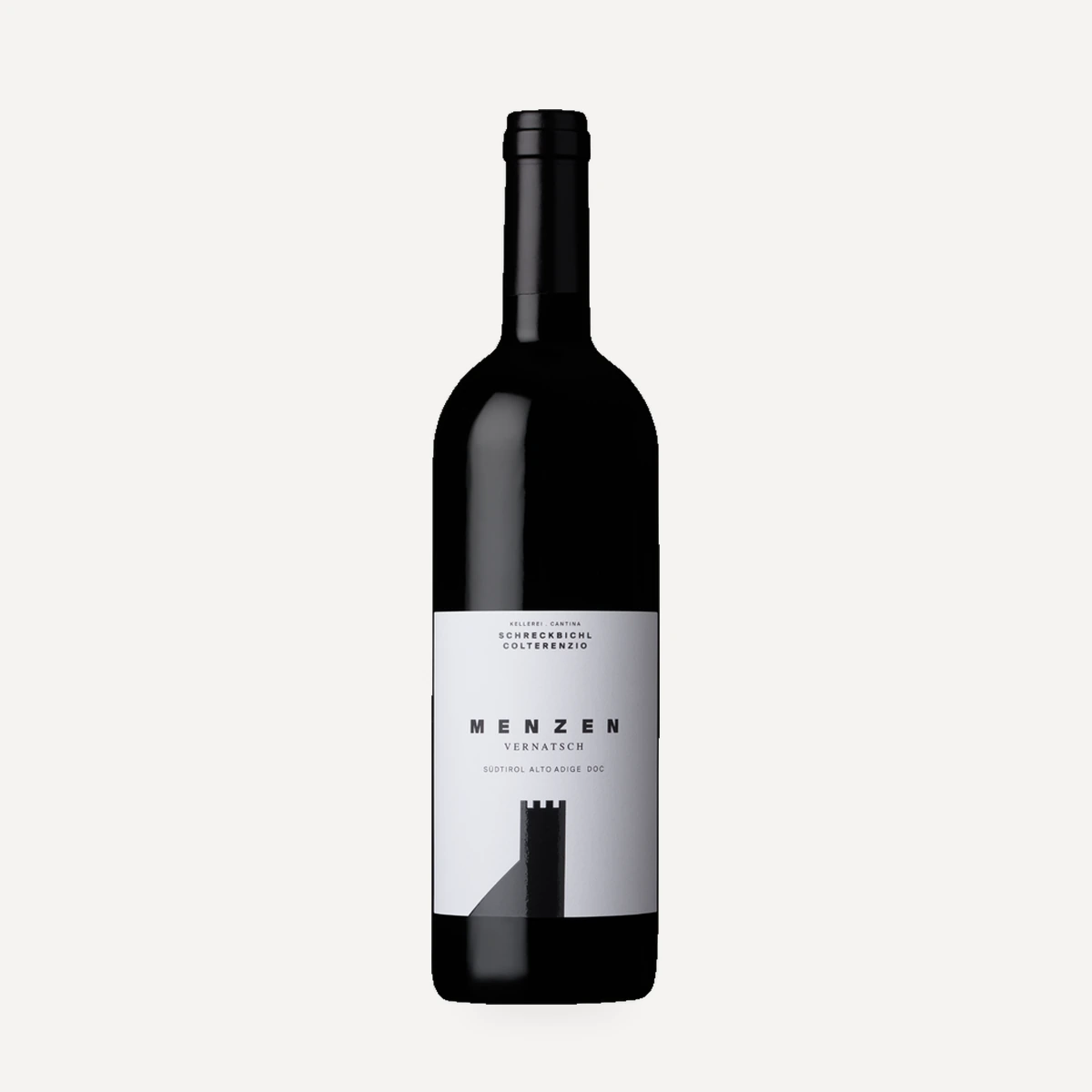
Menzen Alto Adige Schiava DOC
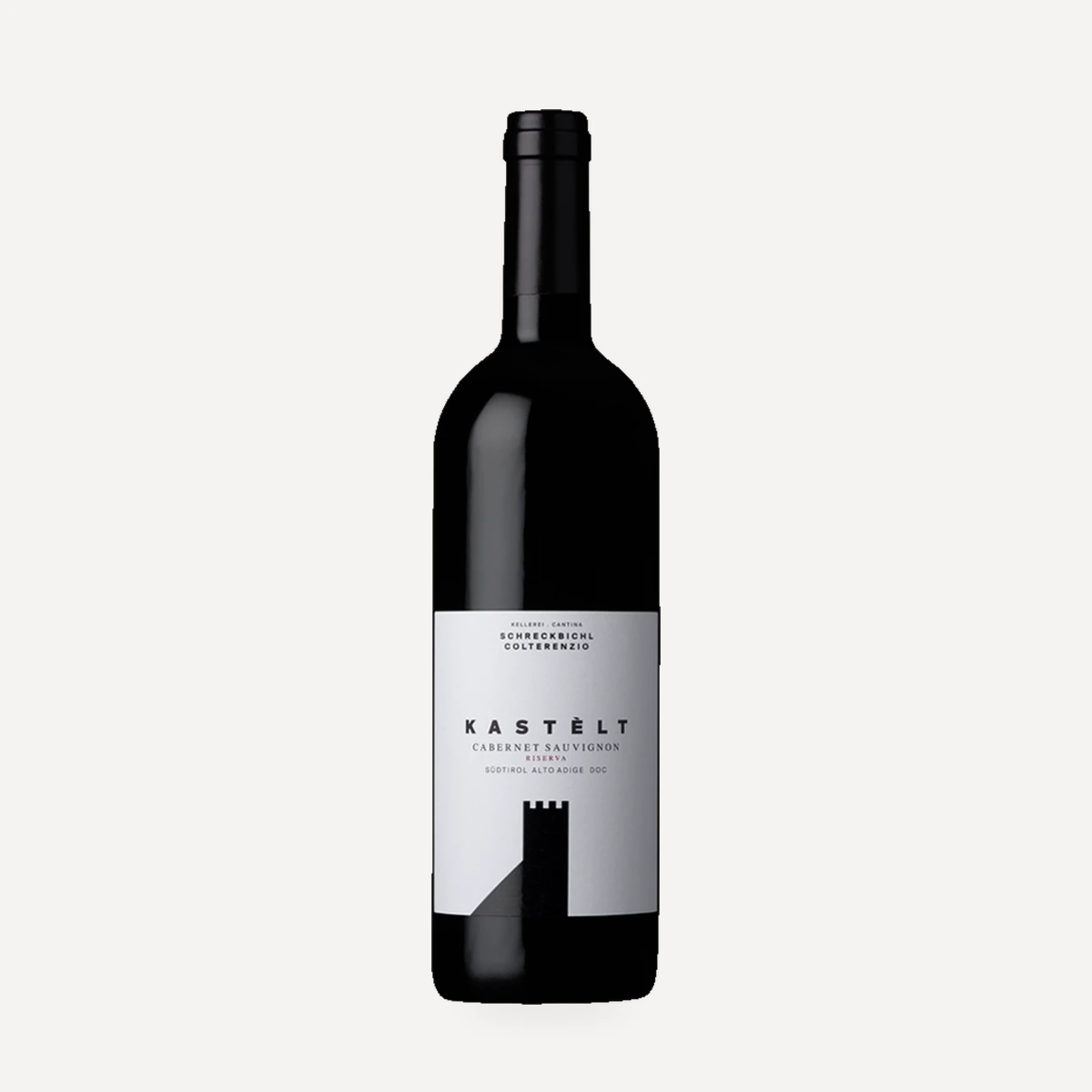
Kastèlt Alto Adige Cabernet Sauvignon Riserva DOC
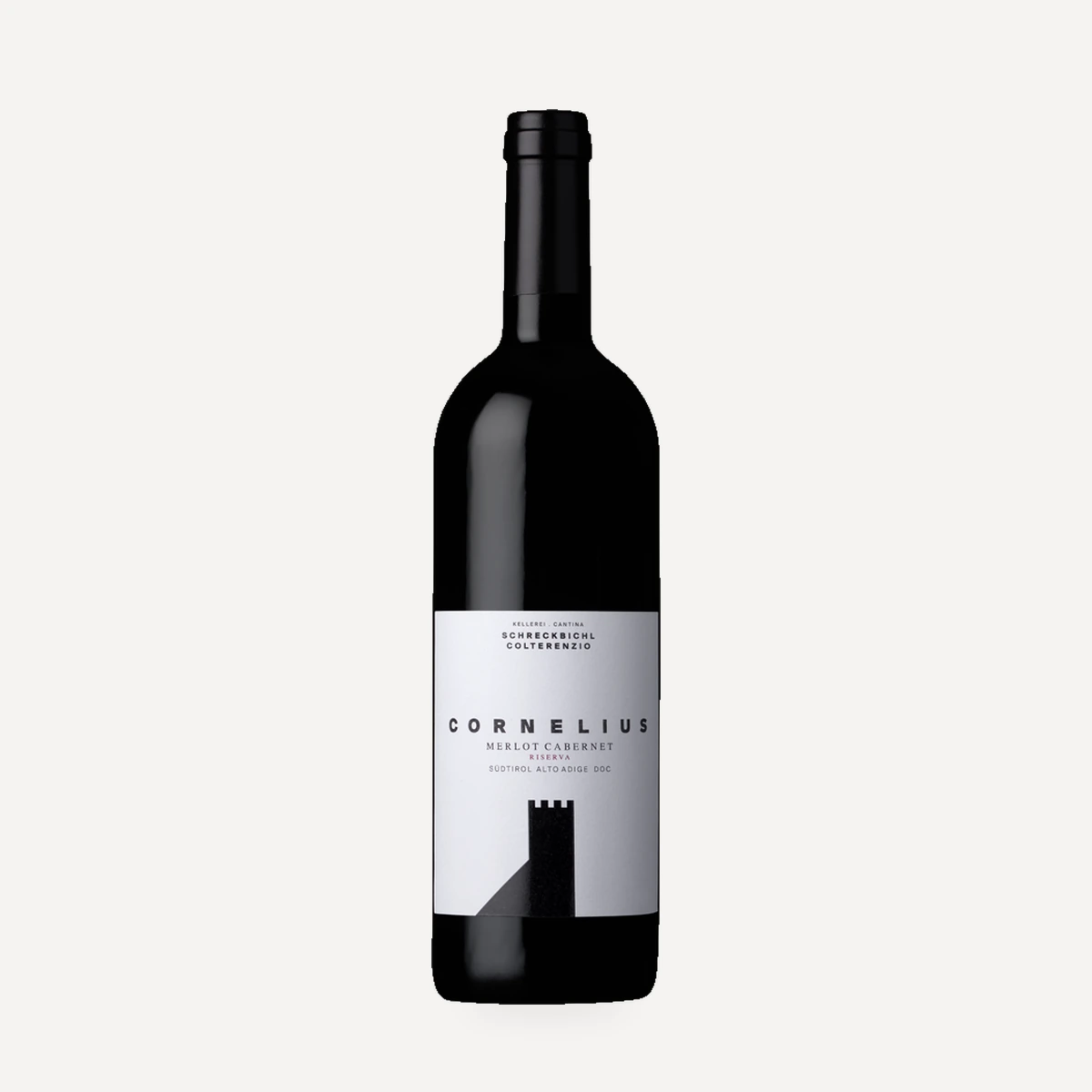
Cornelius Alto Adige Merlot-Cabernet Riserva DOC
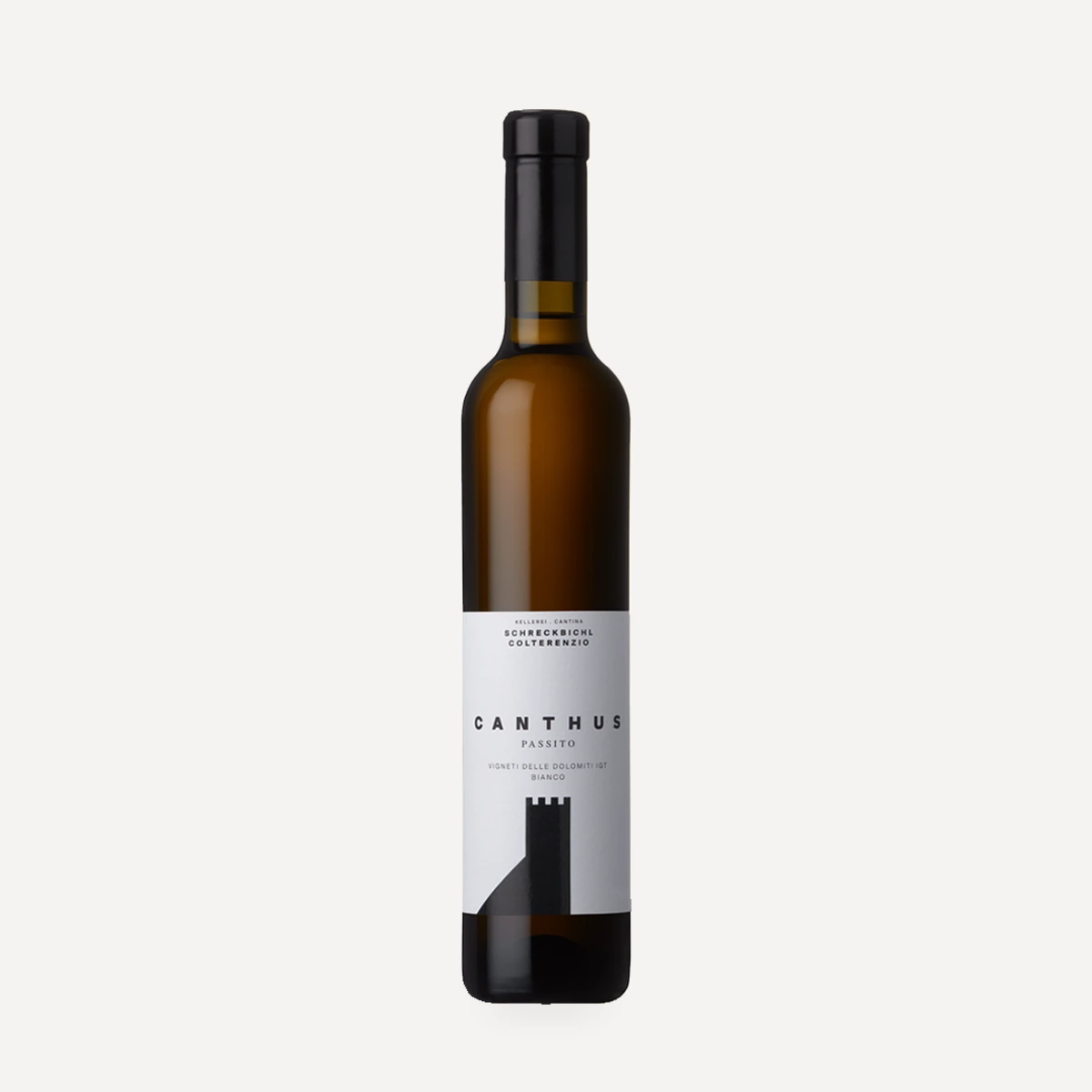
Canthus Vigneti delle Dolomiti Bianco Passito IGT
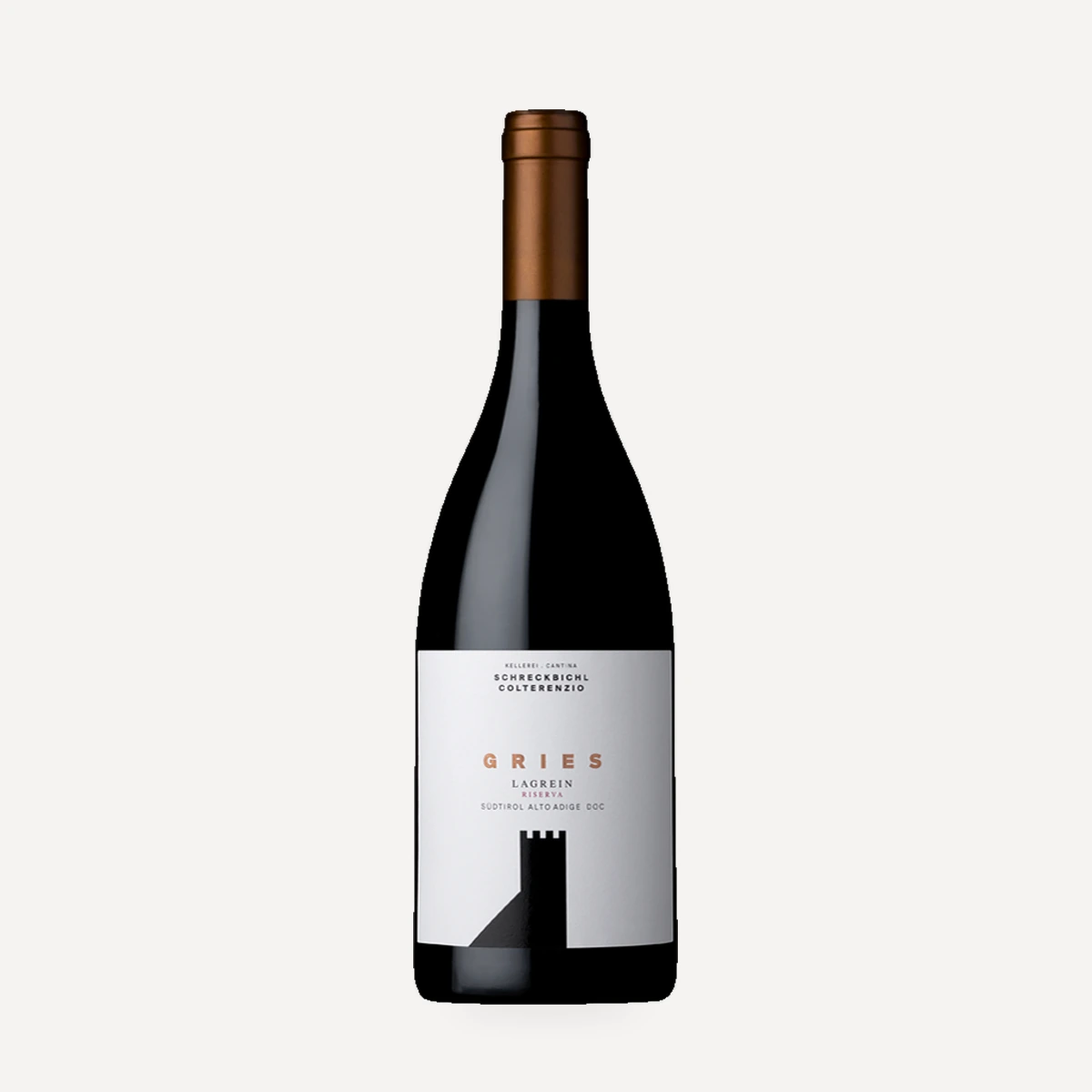
Gries Alto Adige Lagrein Riserva DOC
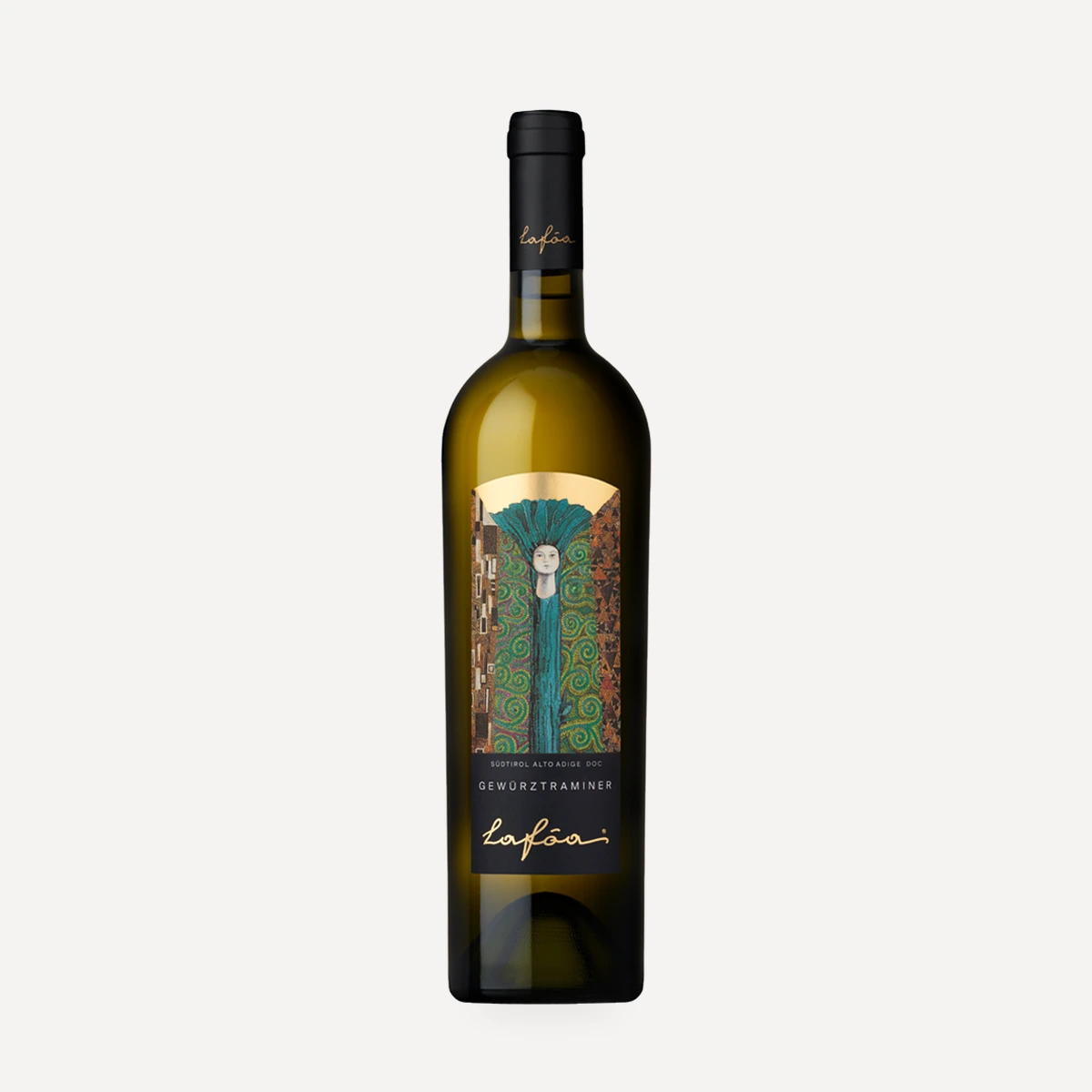
Lafóa Alto Adige Gewürztraminer DOC
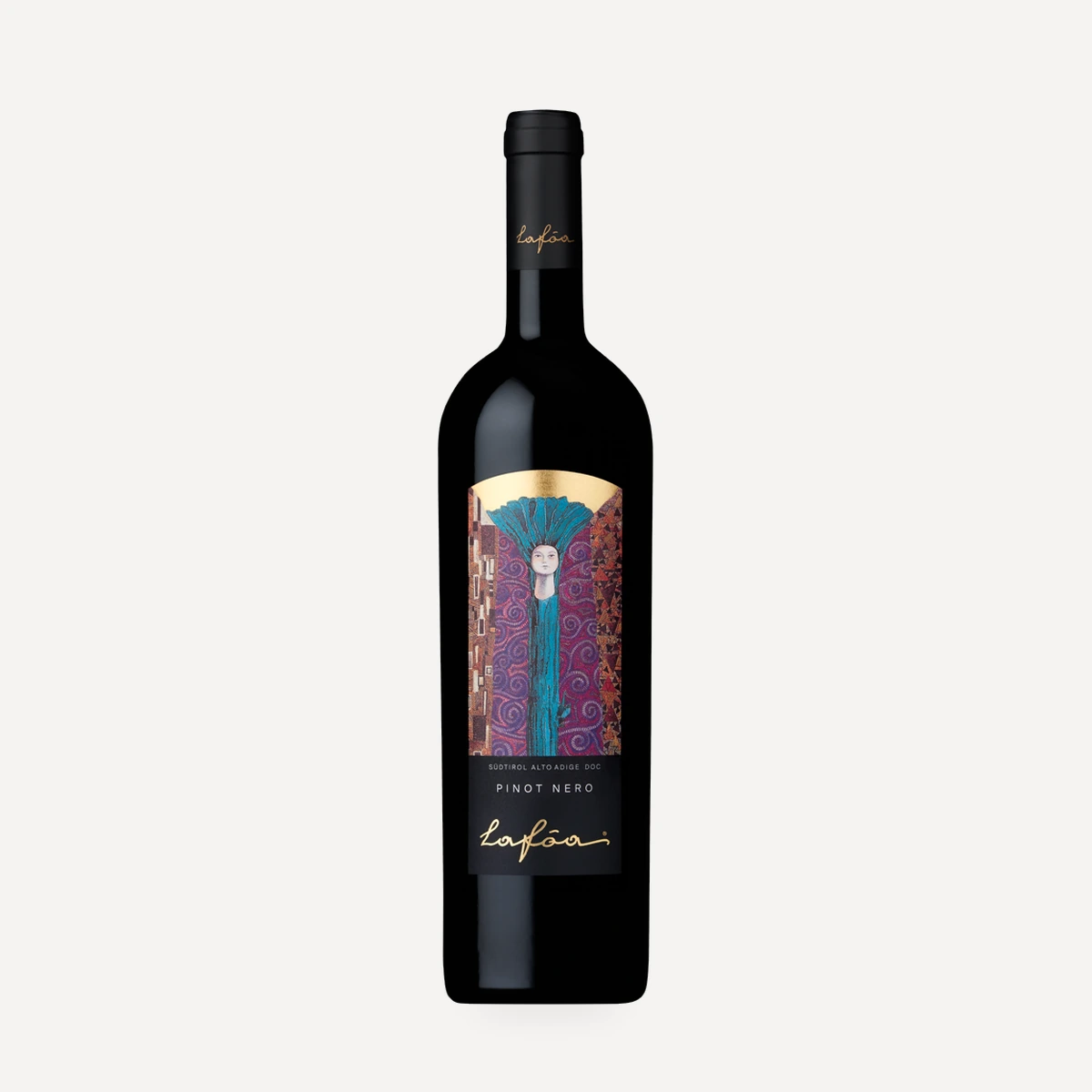
Lafóa Alto Adige Pinot Nero Riserva DOC
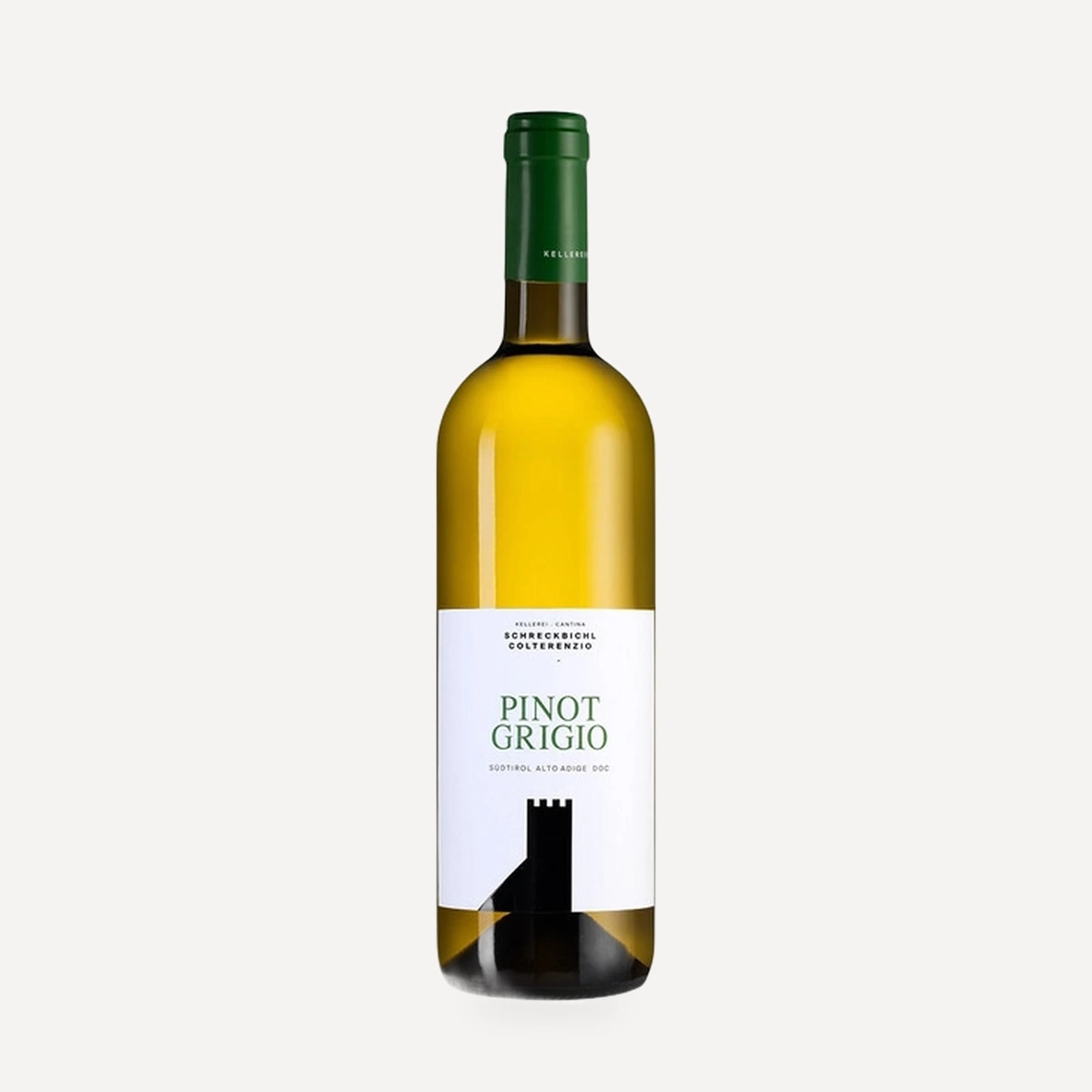
A. Adige Pinot Grigio DOC
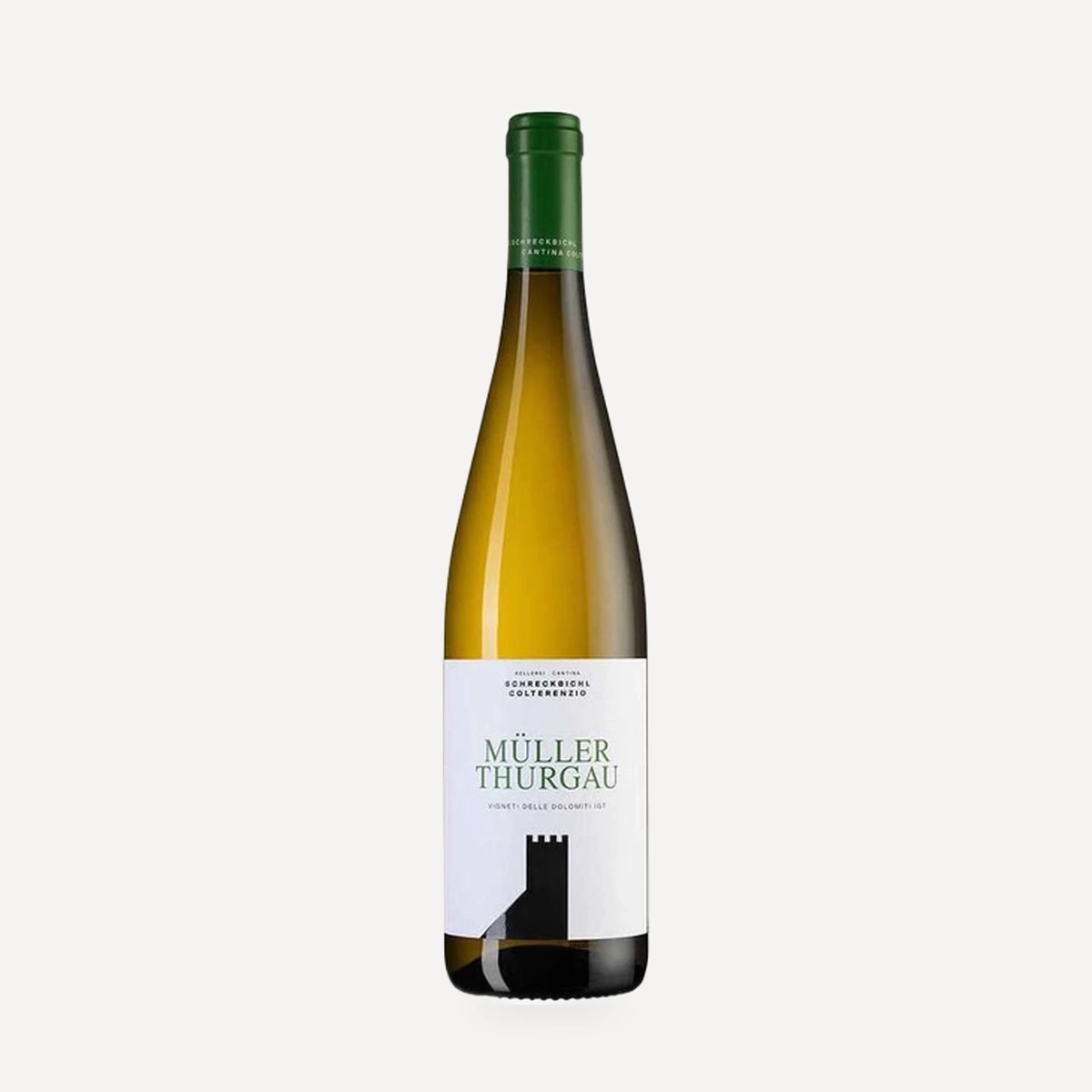
Müller Thurgau - Vigneti delle Dolomiti IGT
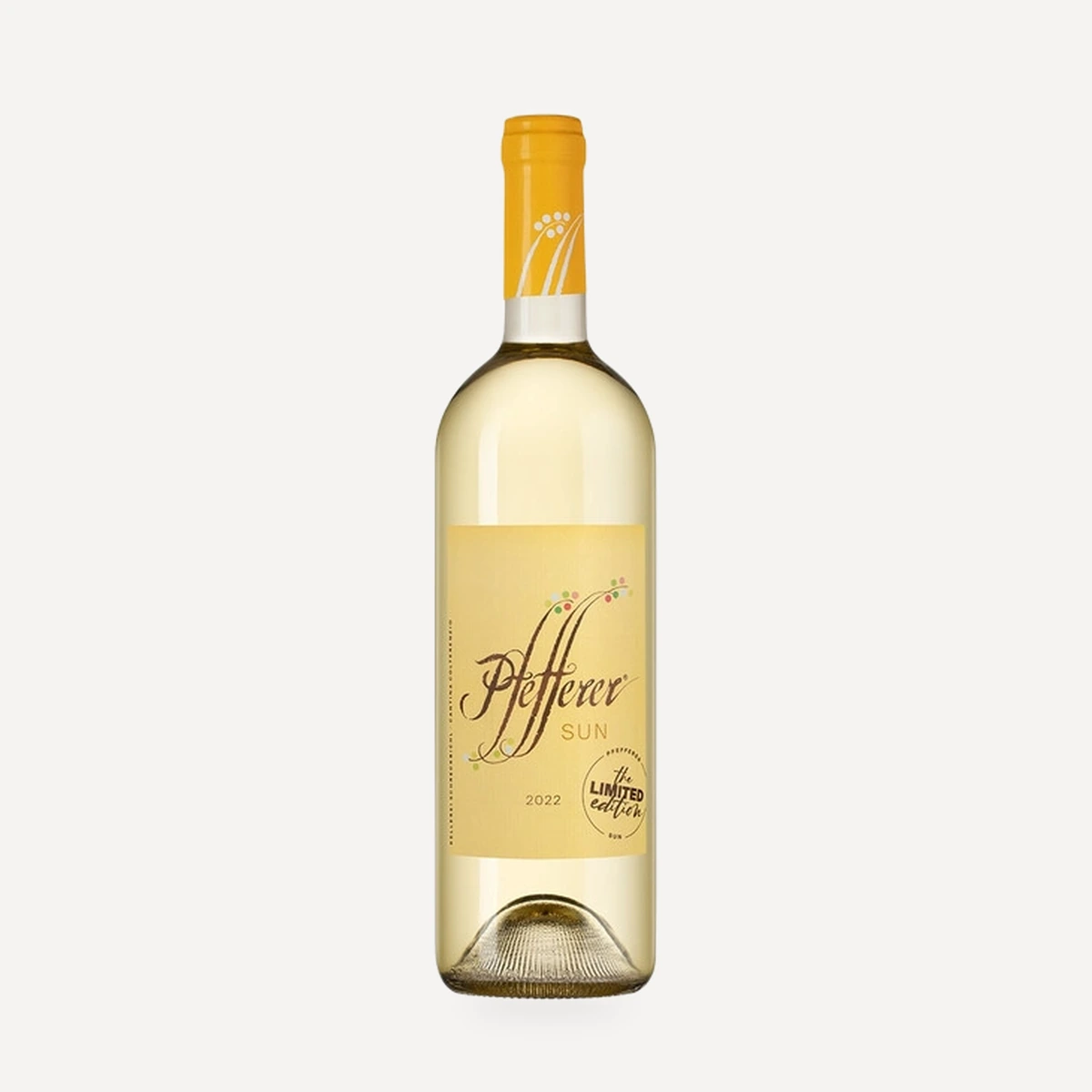
Pfefferer SUN - Vigneti delle Dolomiti Bianco IGT
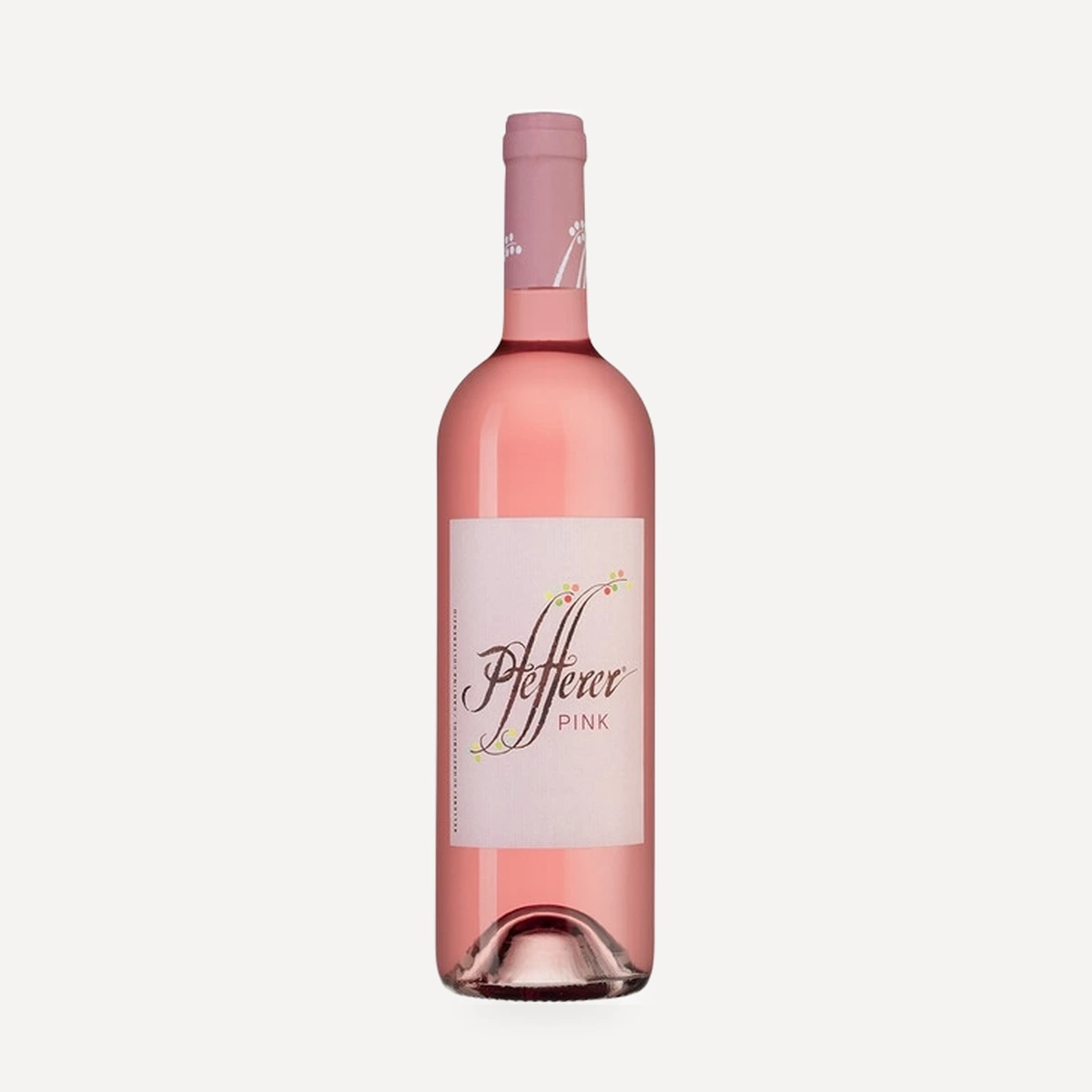
Pfefferer PINK - Vigneti delle Dolomiti Rosato IGT
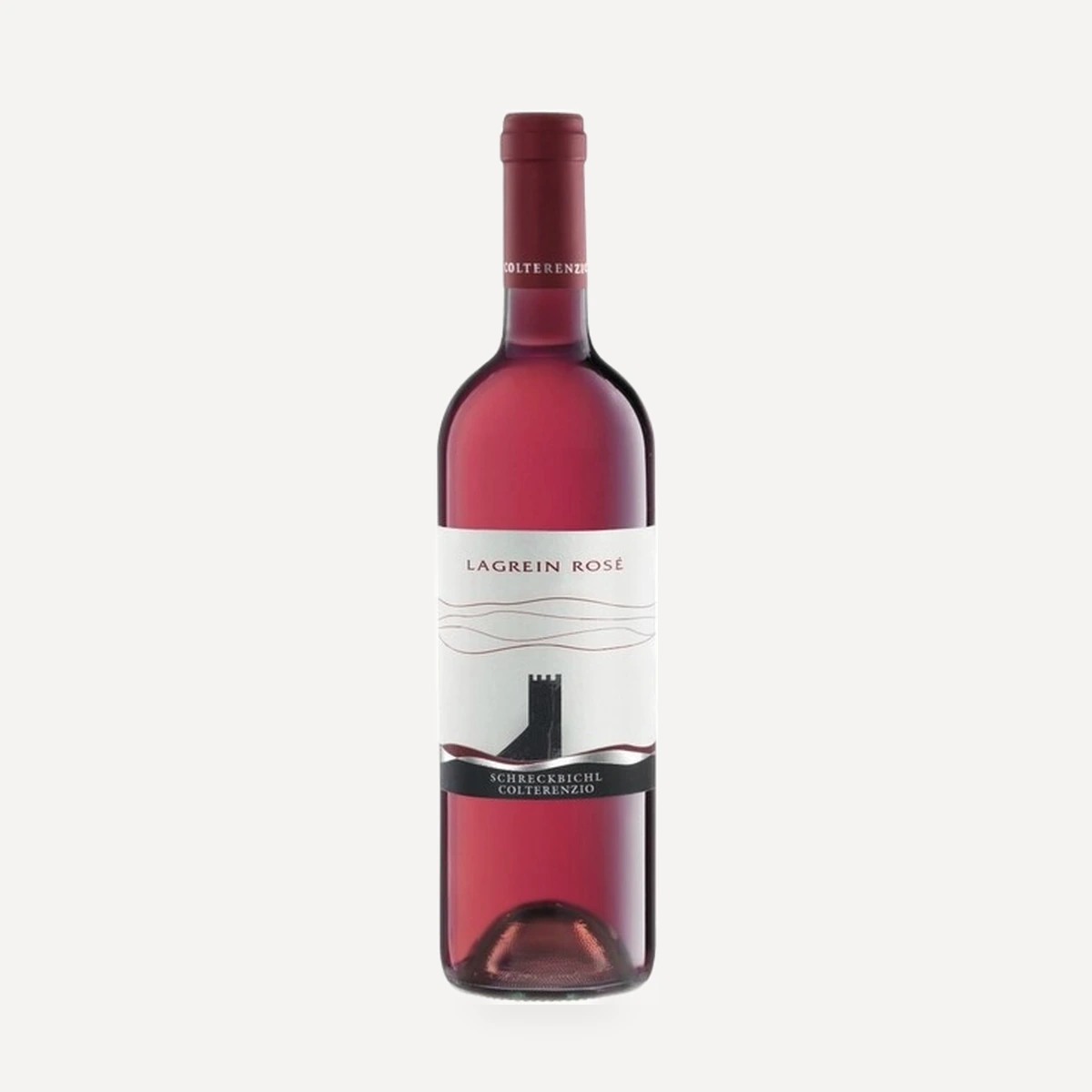
A. Adige Lagrein Rosé DOC
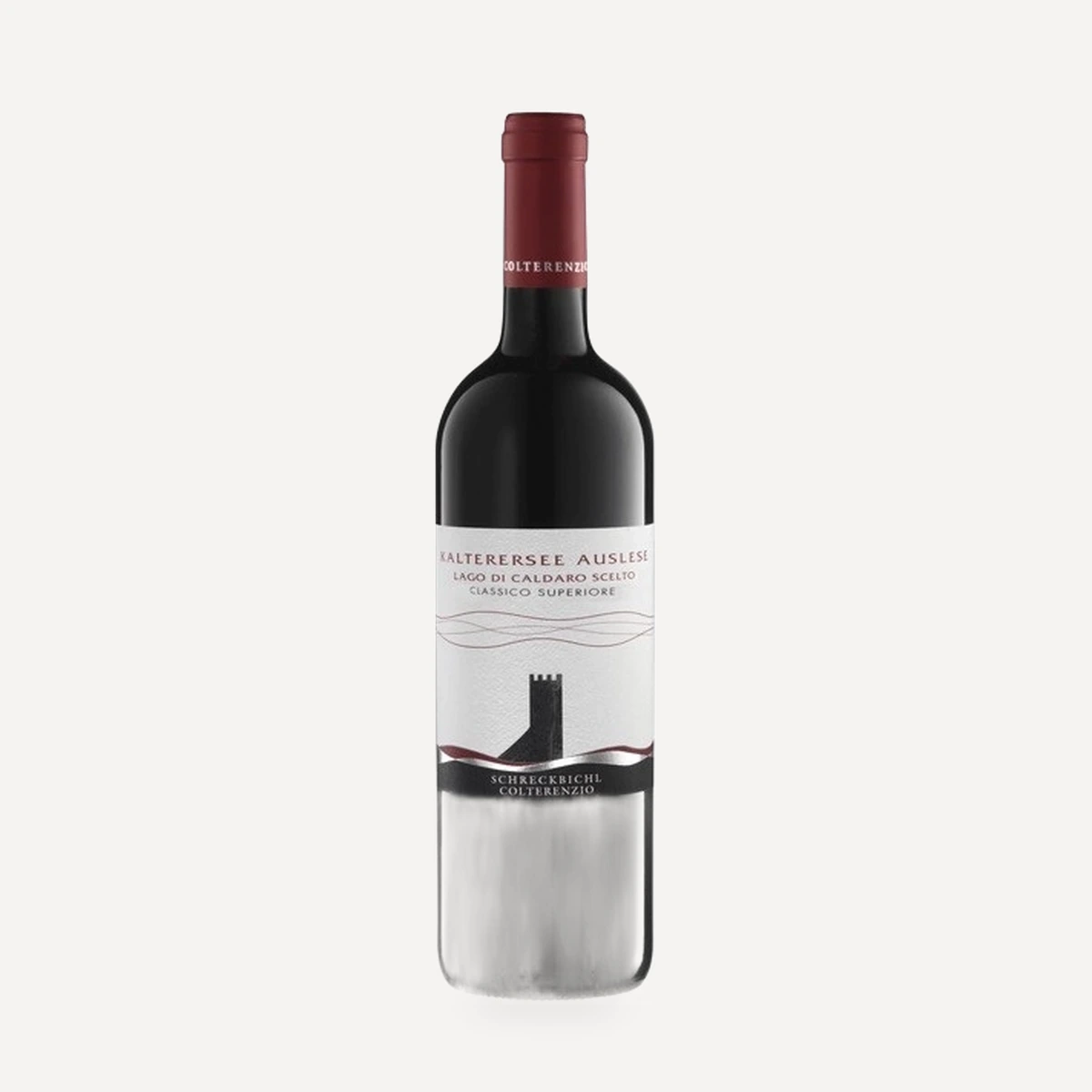
L. di Caldaro sc.clas. DOC
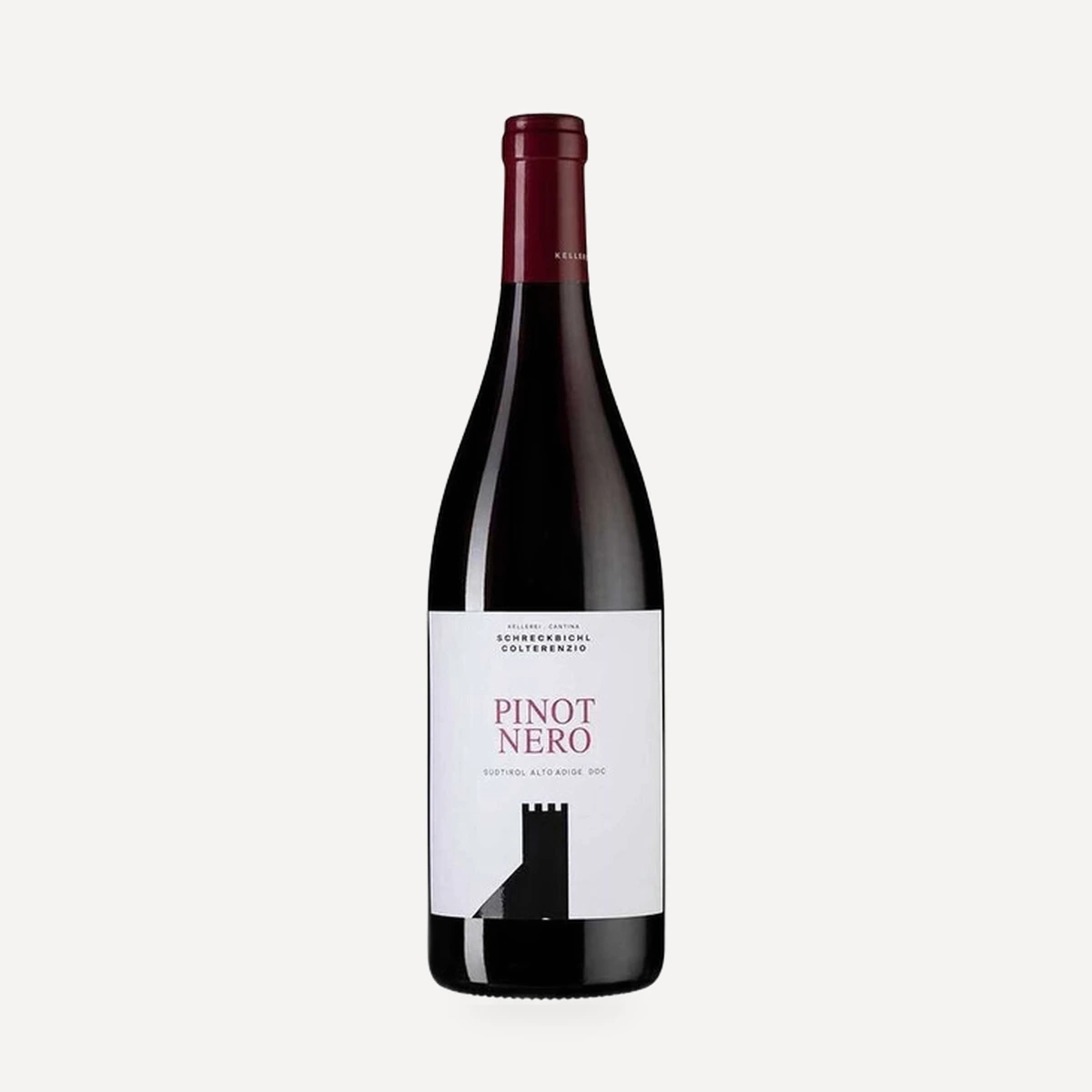
Alto Adige Pinot Nero DOC
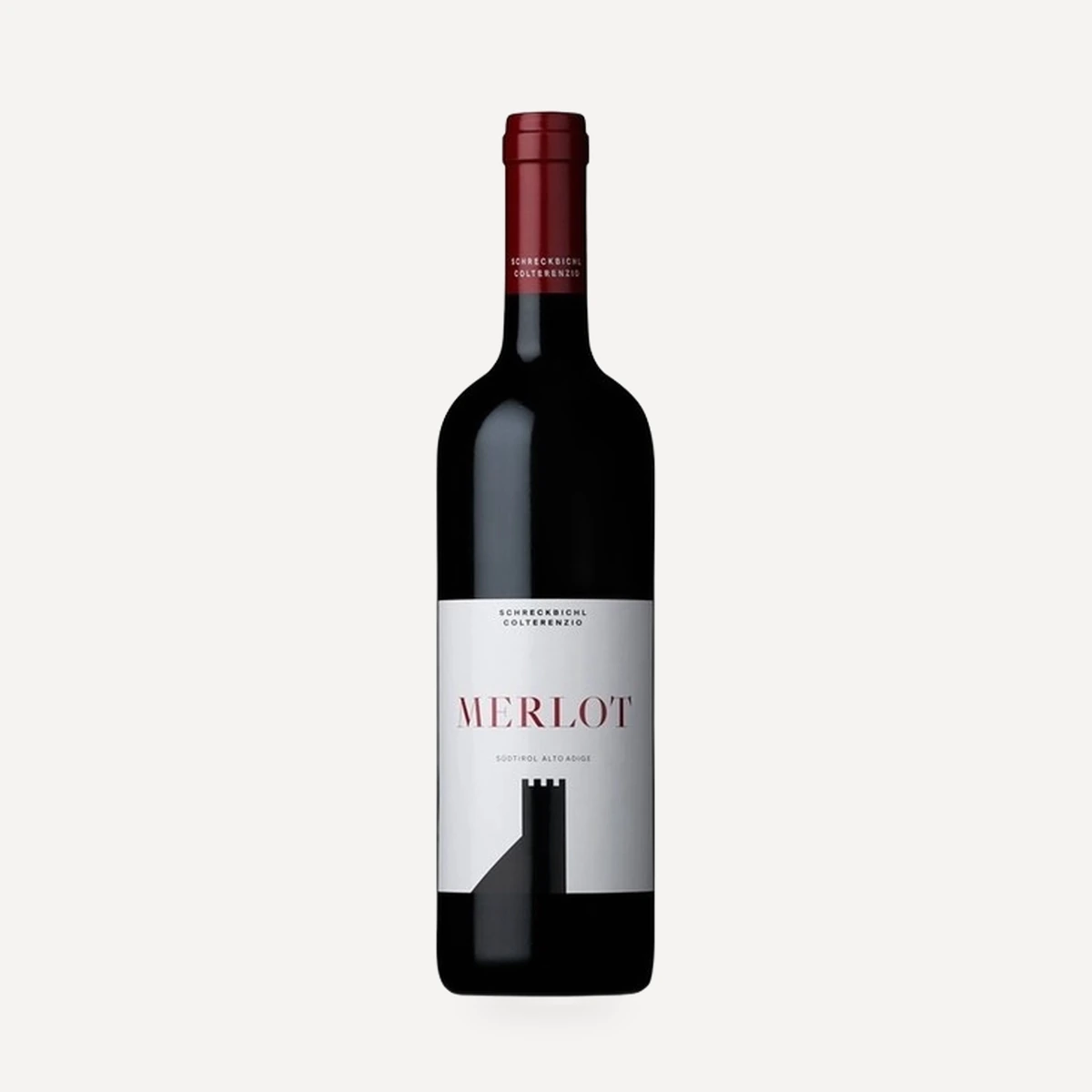
Alto Adige Merlot DOC
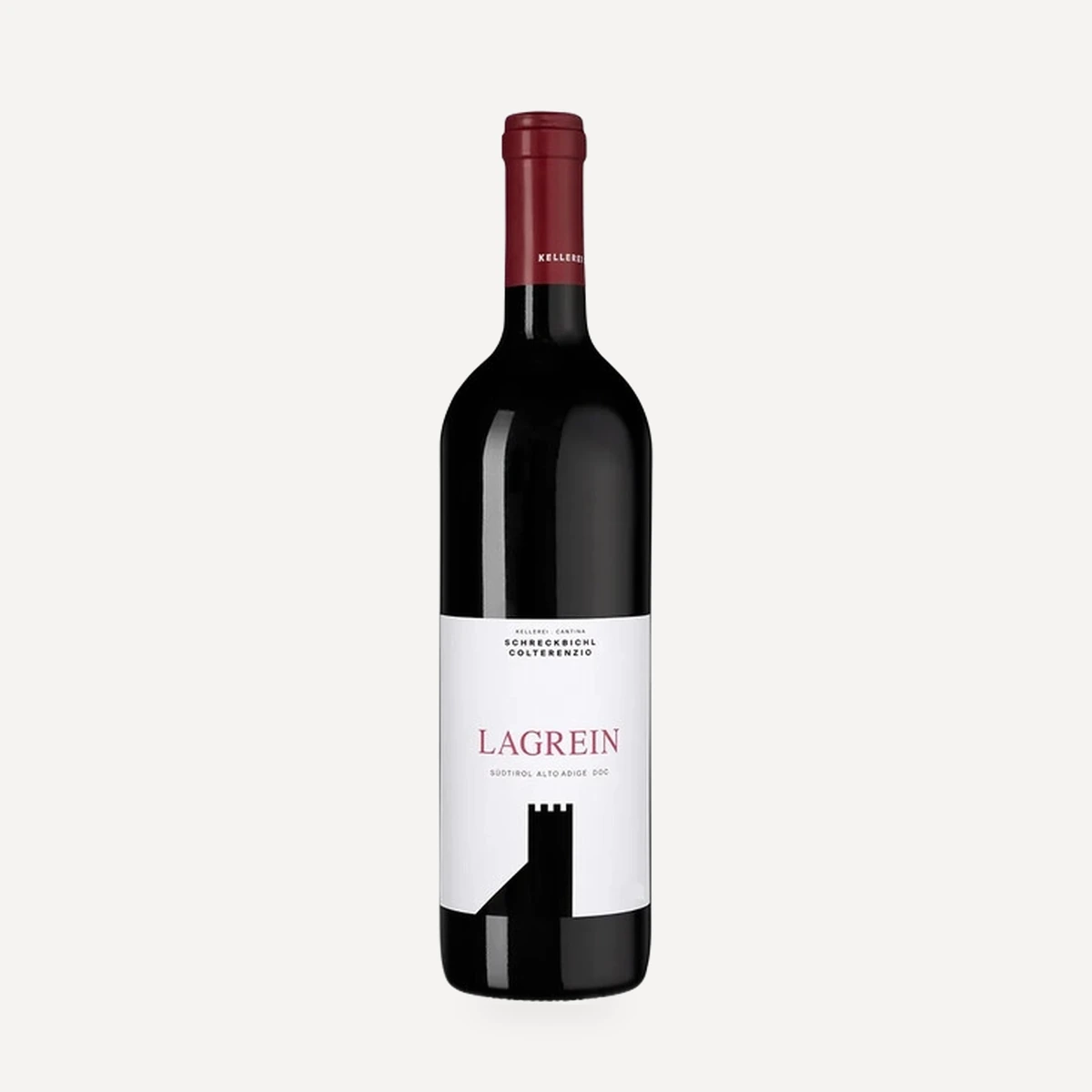
Alto Adige Lagrein DOC
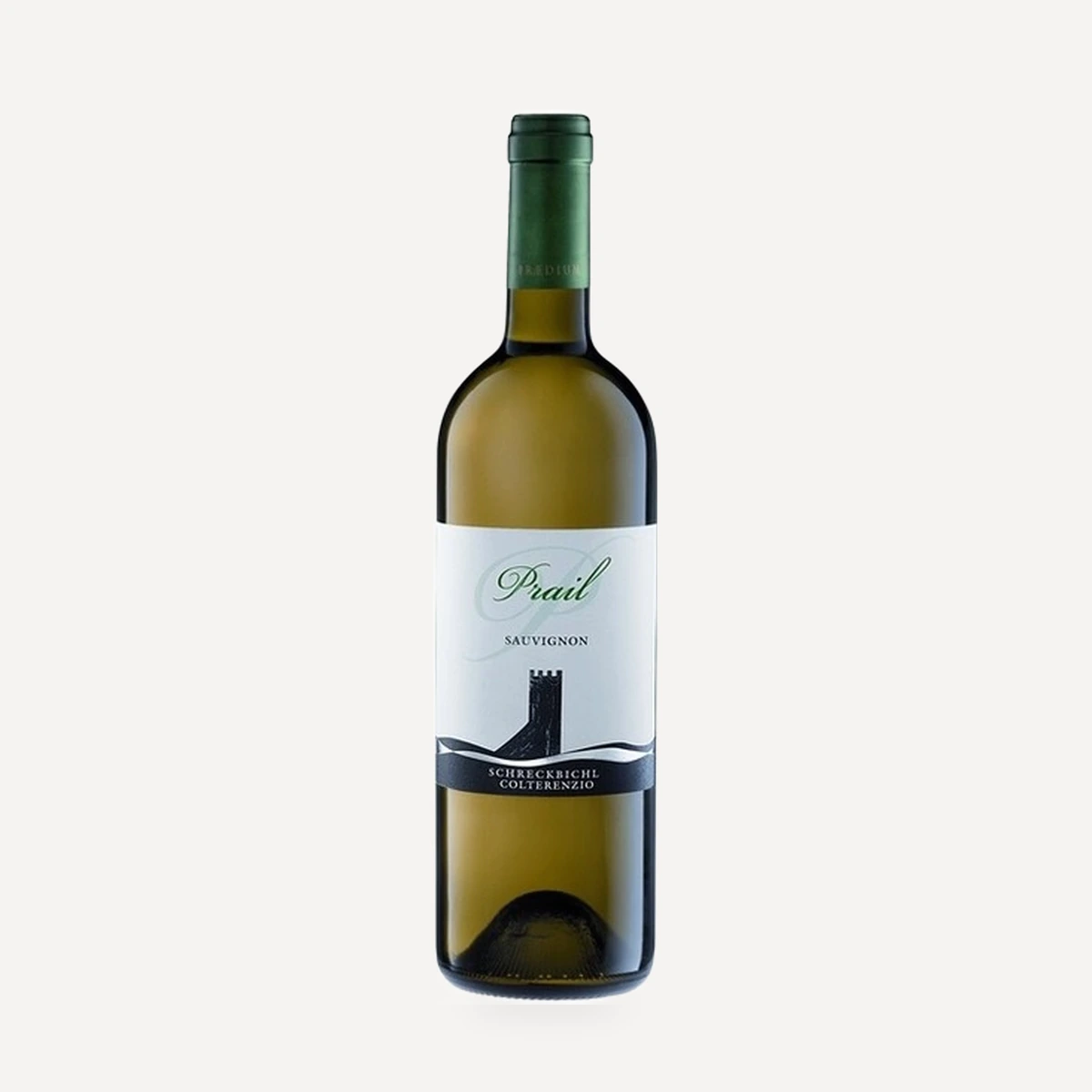
Prail Alto Adige Sauvignon DOC
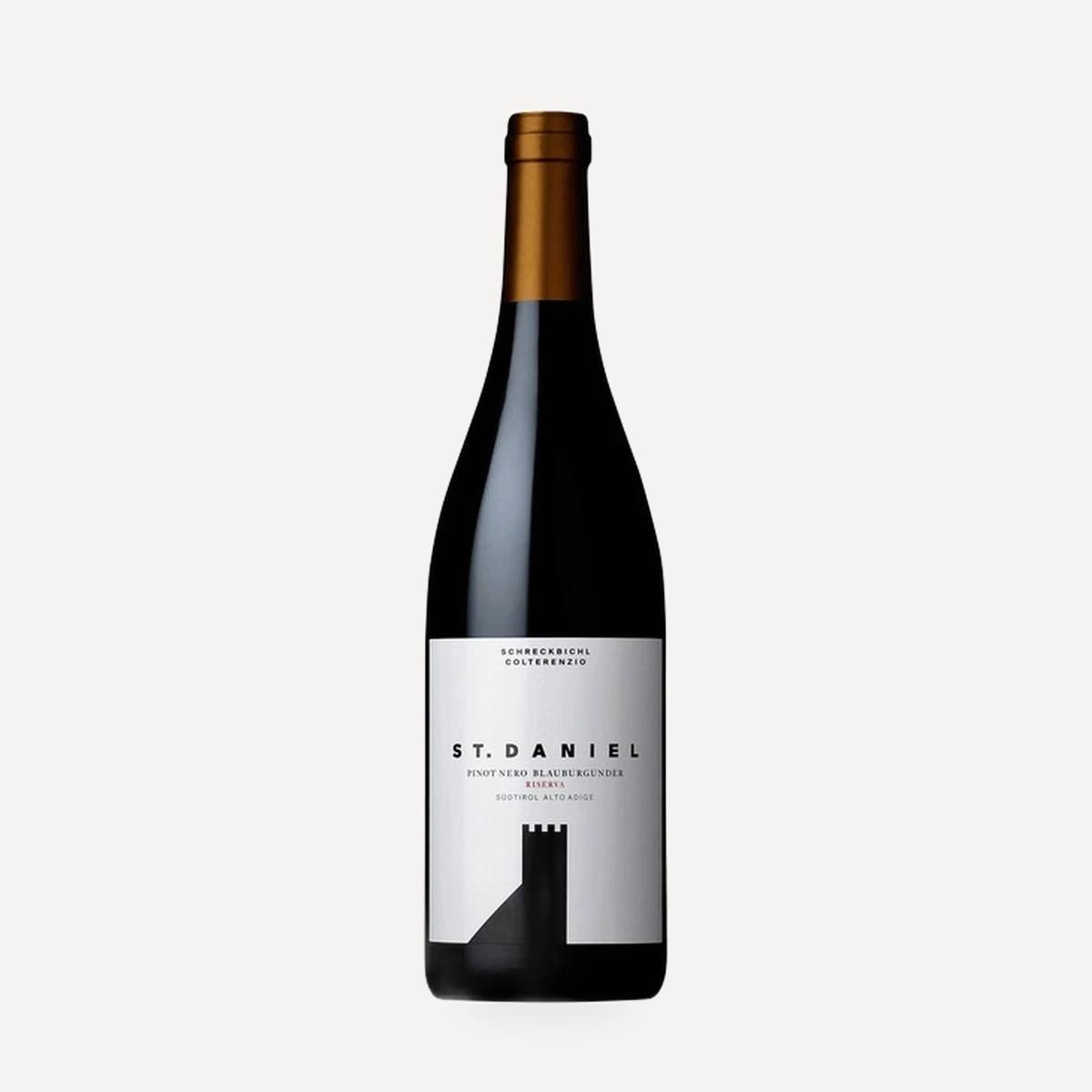
St. Daniel Alto Adige Pinot Nero Riserva DOC
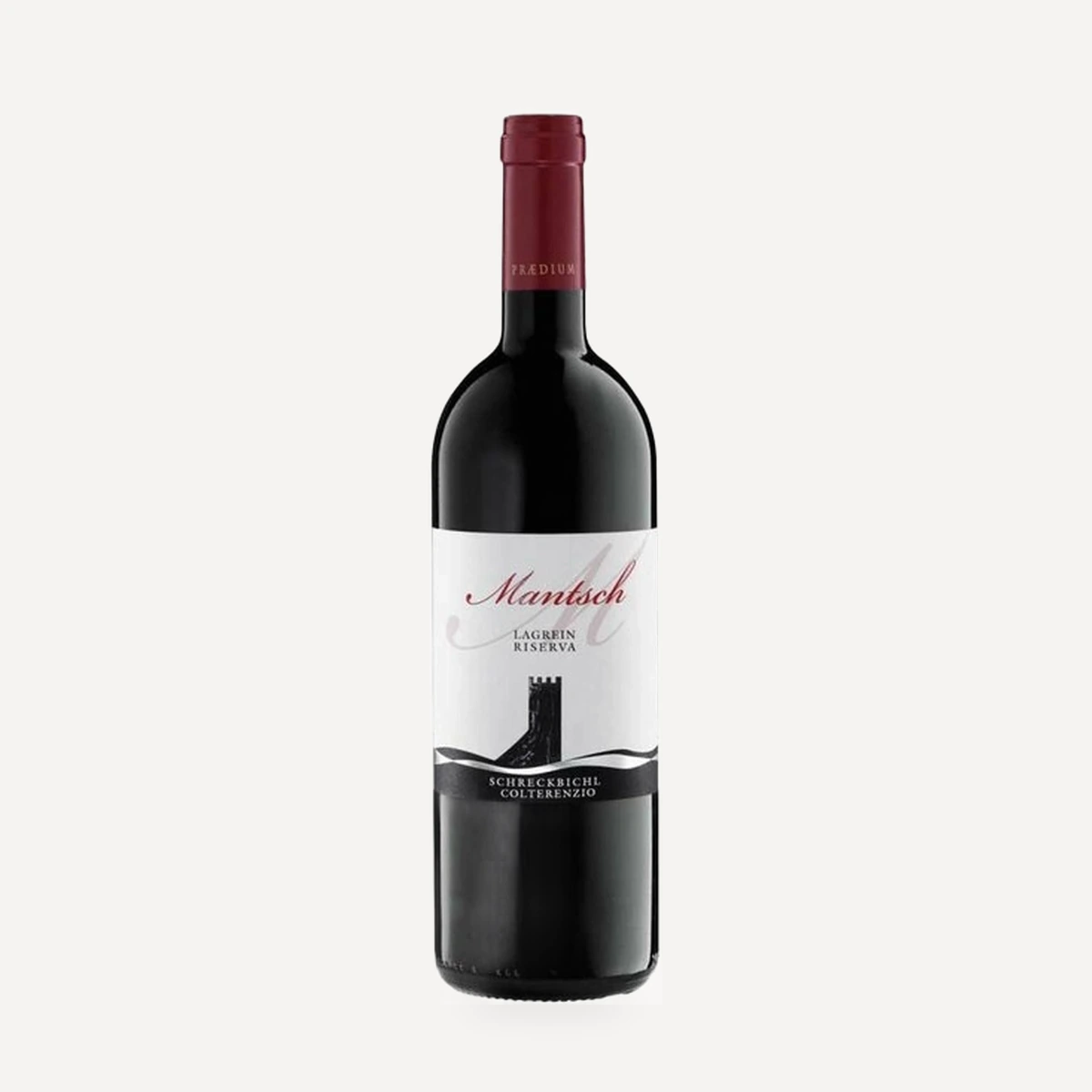
Mantsch Alto Adige Lagrein Riserva DOC
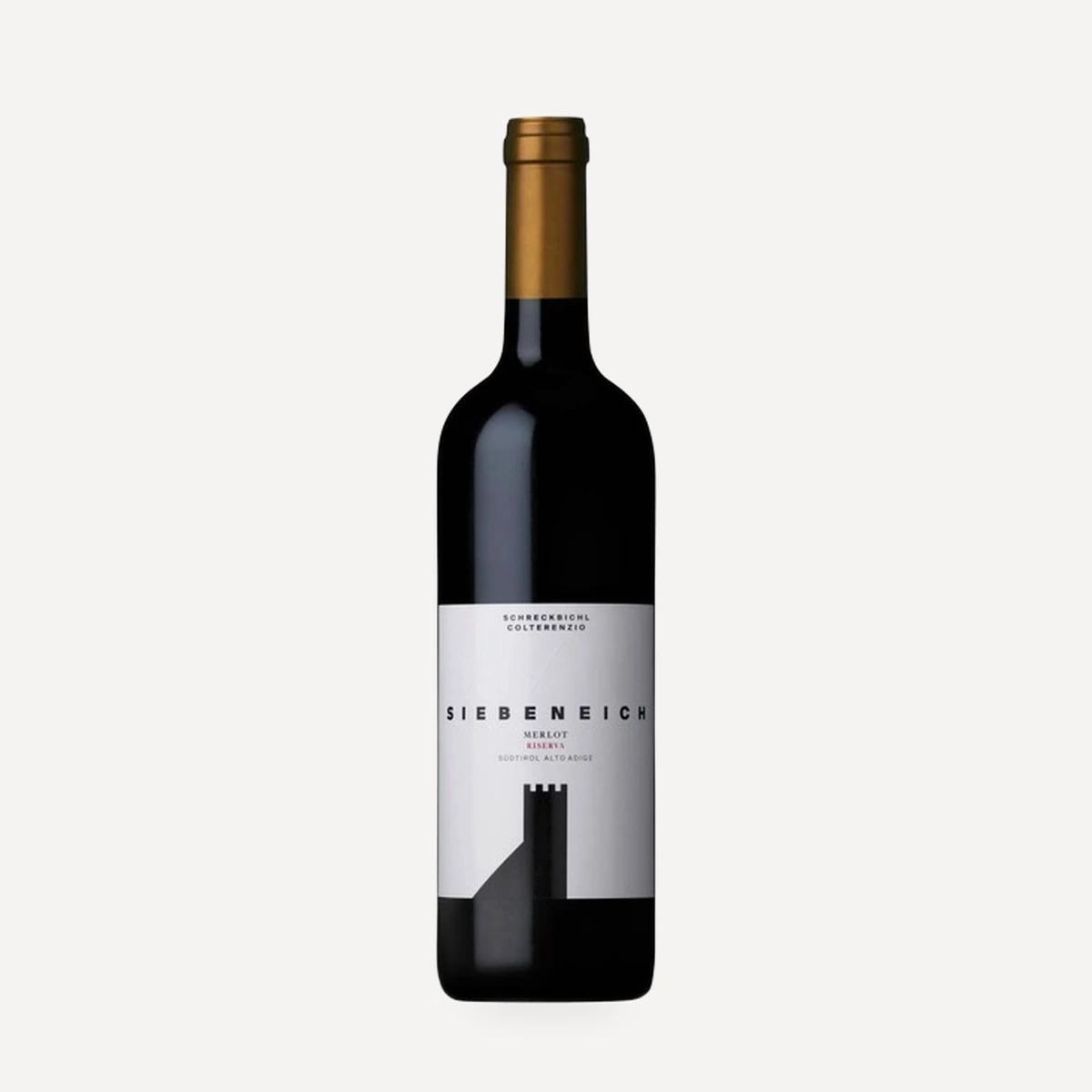
Siebeneich Alto Adige Merlot Riserva DOC
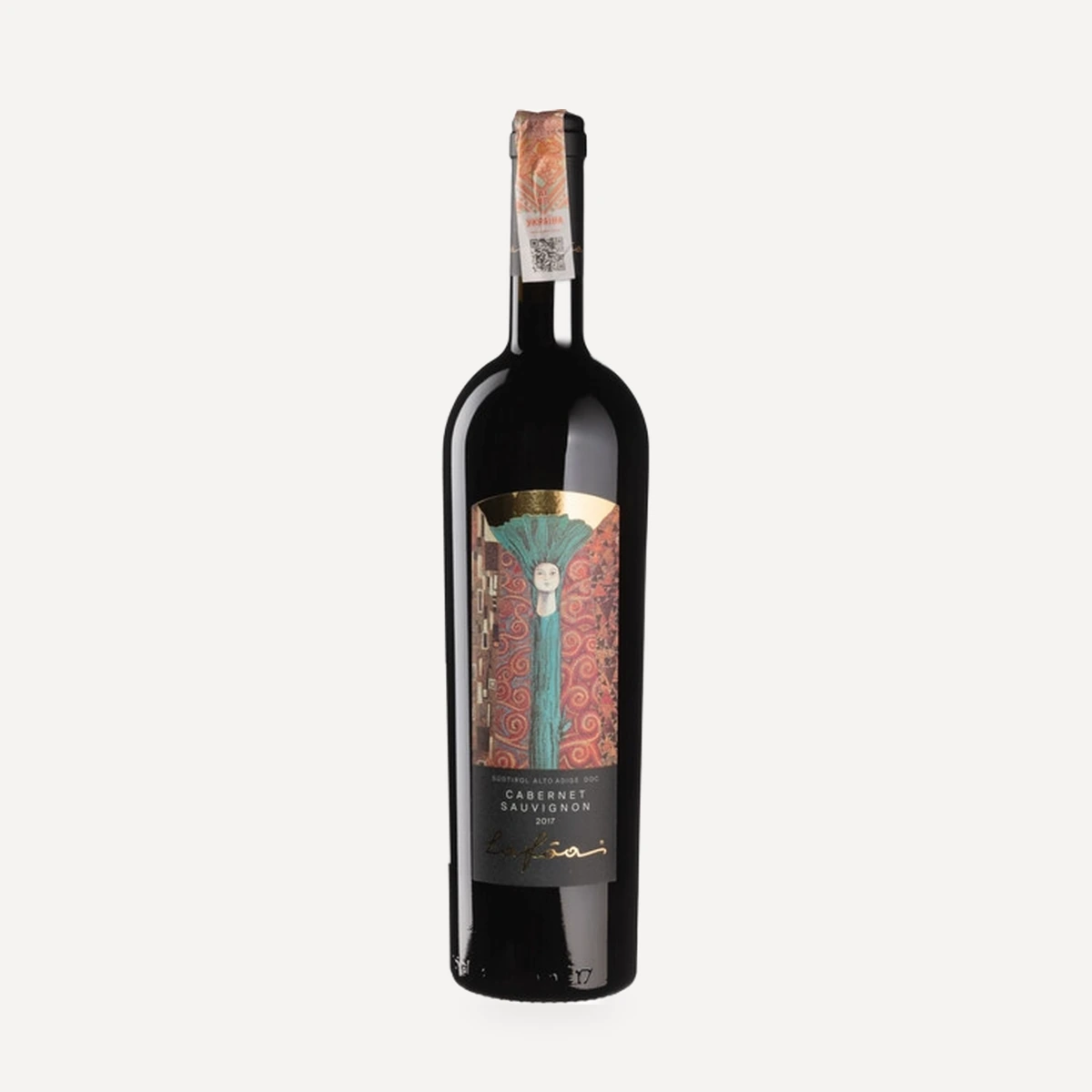
Lafóa Alto Adige Cabernet Sauvignon Riserva DOC
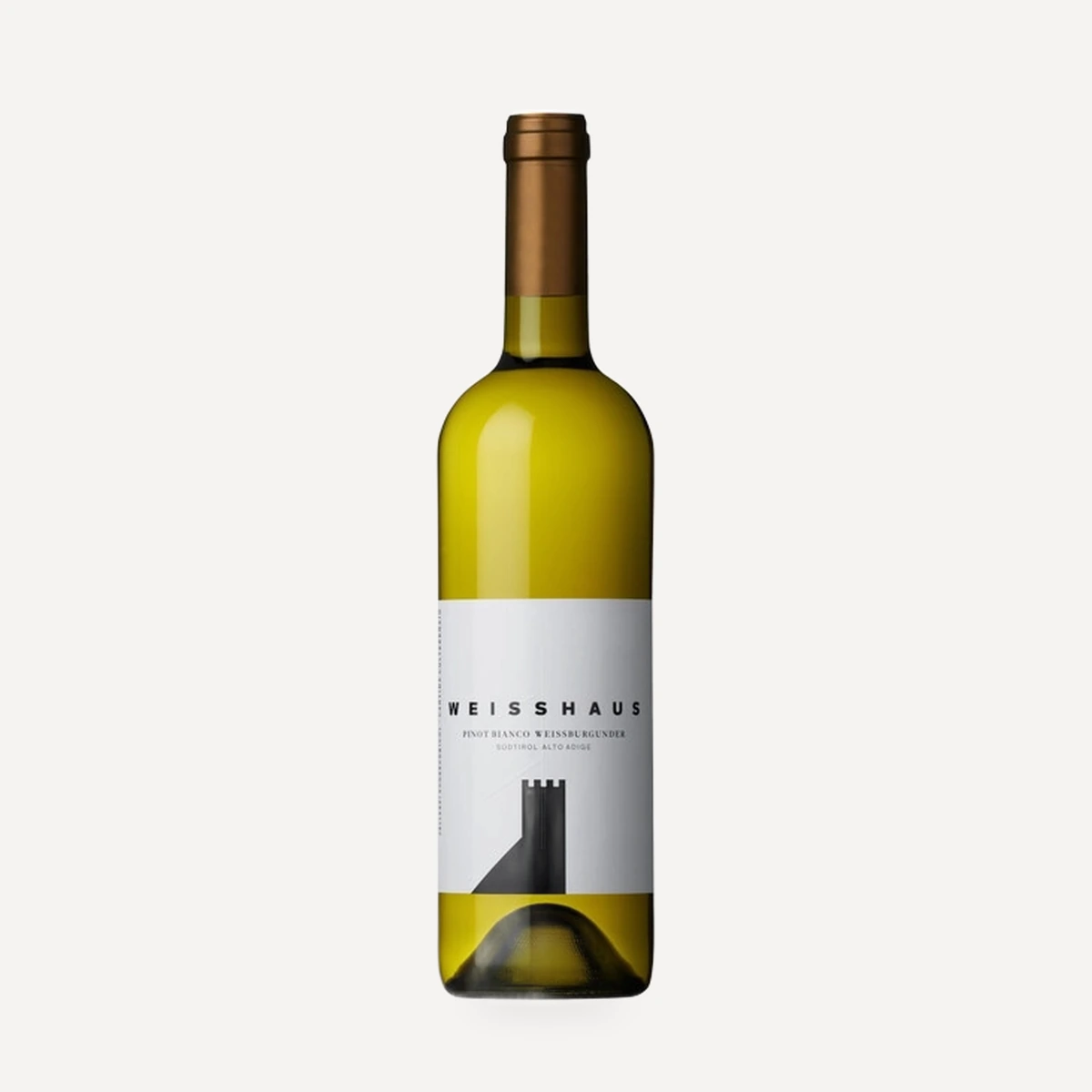
Weisshaus Pinot Bianco Alto Adige DOC
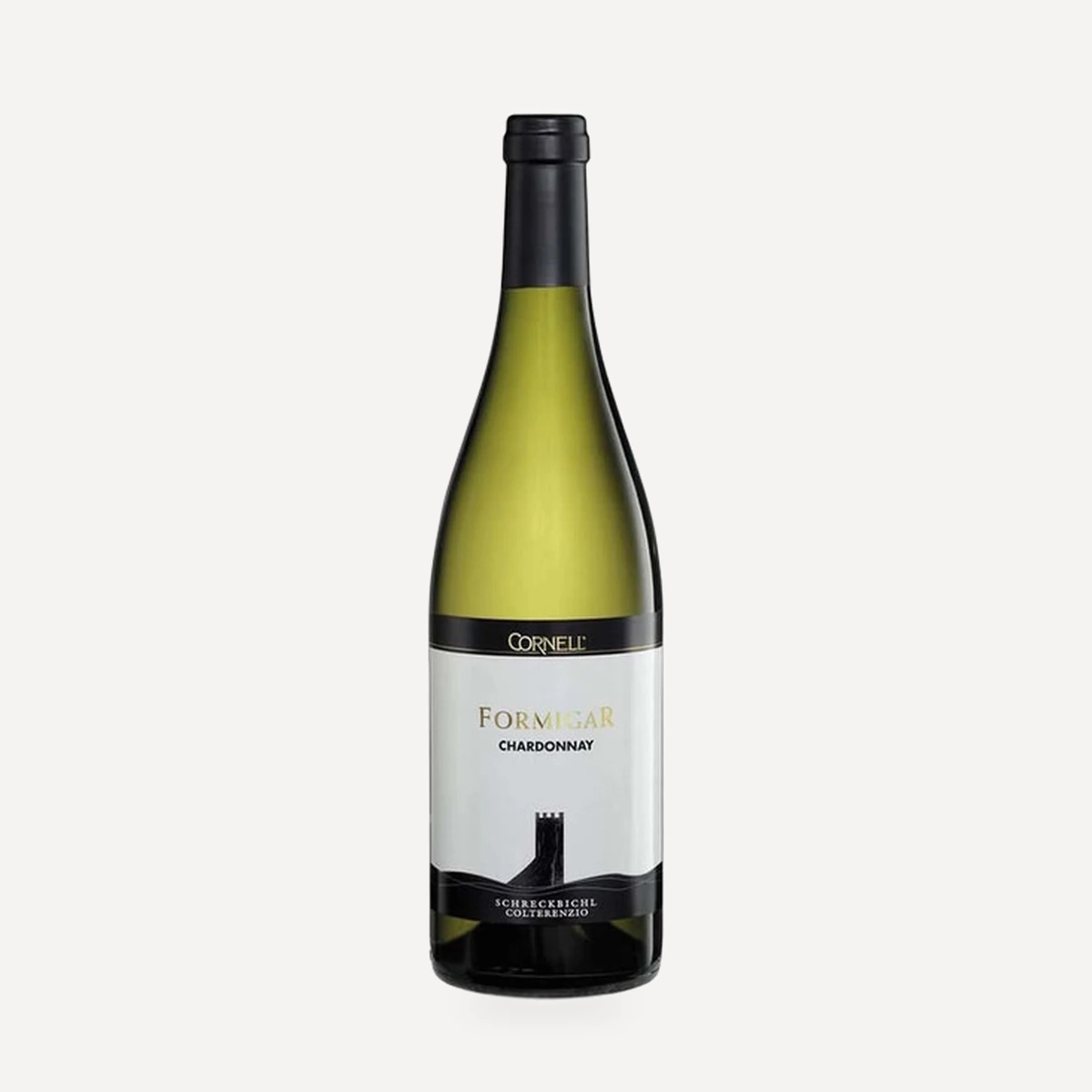
Alto Adige Cornell Chardonnay Formigar DOC
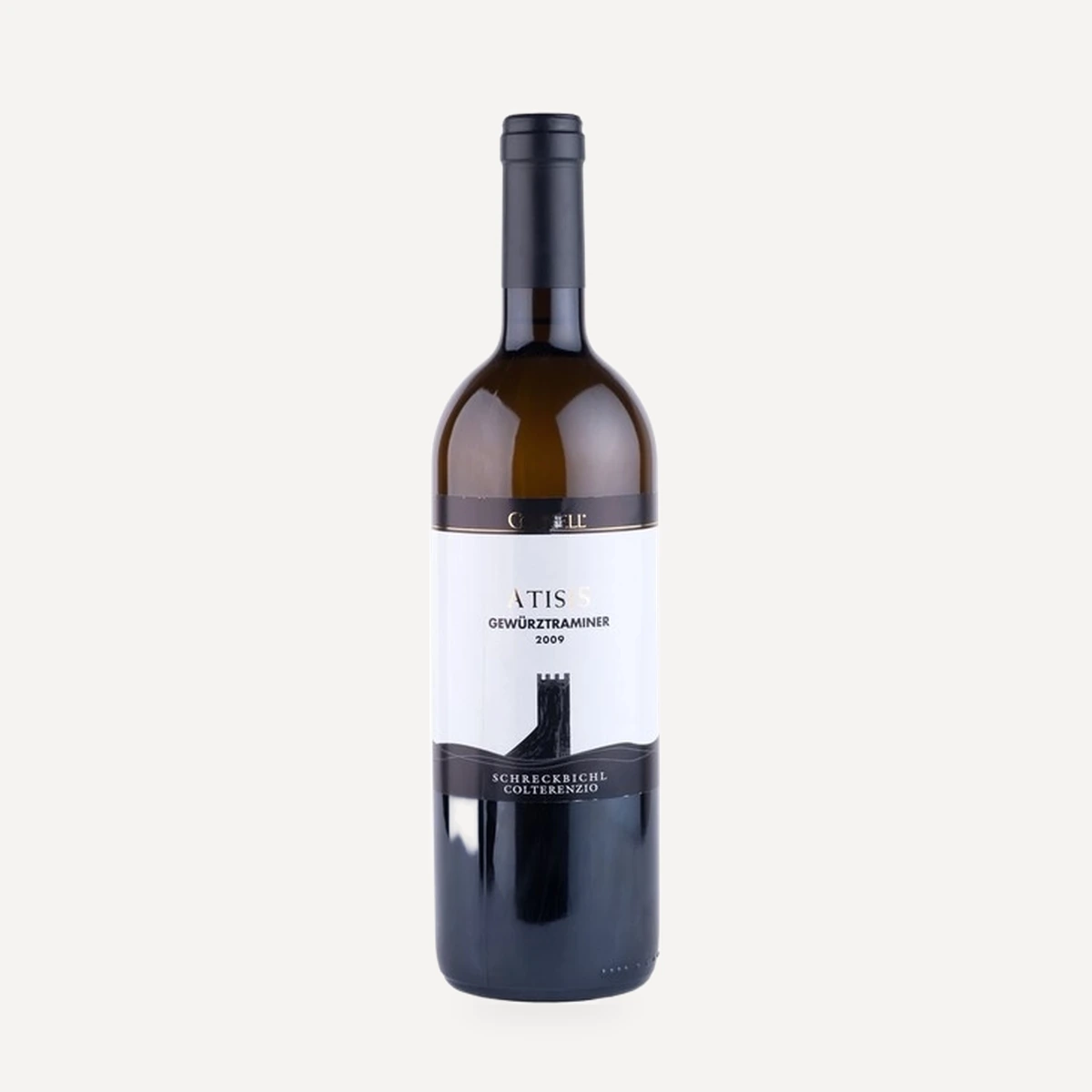
Cornell Gewurztraminer Atisis DOC
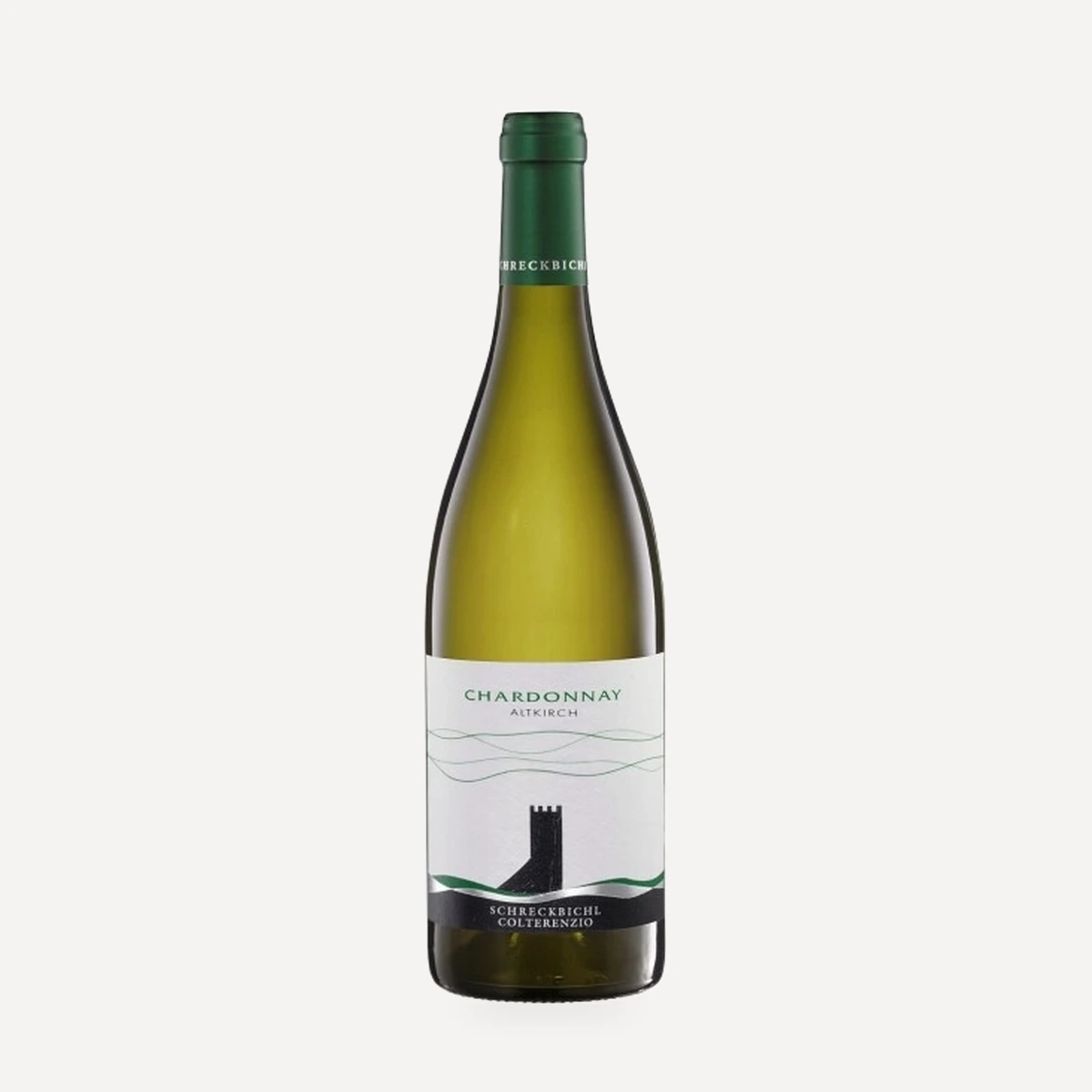
Alto Adige Chardonnay - Altkirch DOC
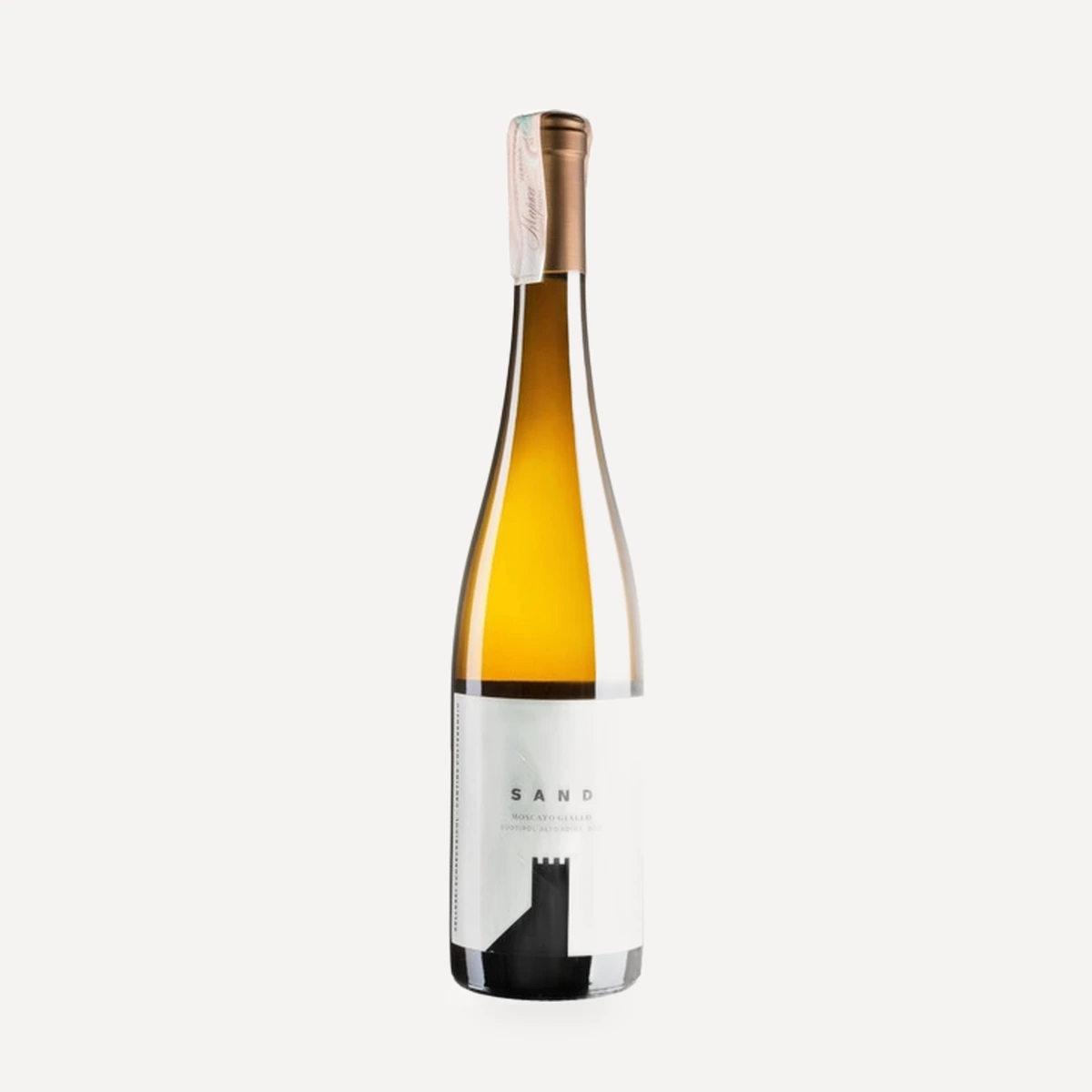
Sand Alto Adige Moscato Giallo DOC
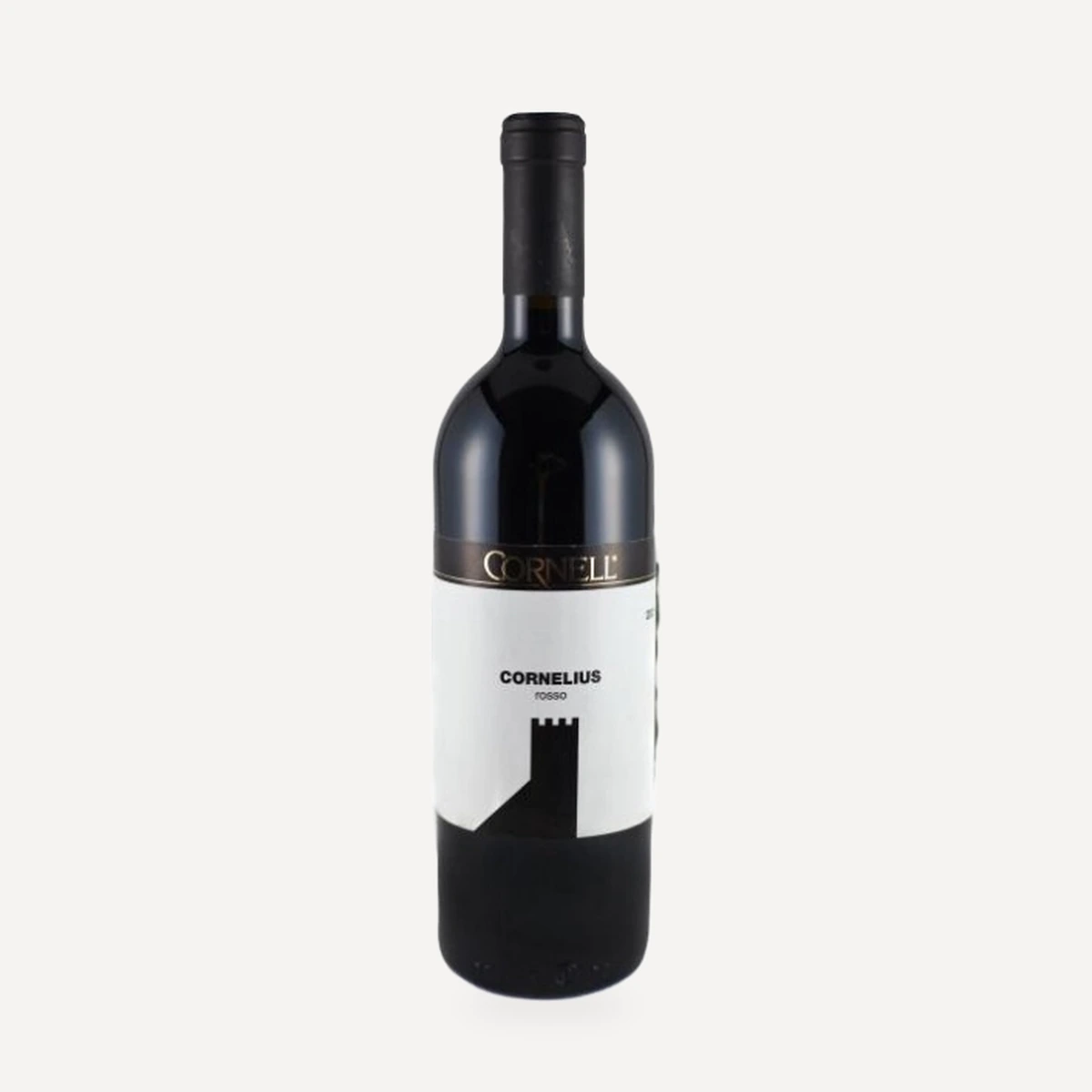
Cornell Cornellius