History
1992: the encounter with San Giuseppe
In 1992, Stella received the San Giuseppe farm and its surrounding land as a wedding gift. The property, below Castelnuovo dell’Abate in the Val d’Orcia, consisted of a ruin and land that had been abandoned for more than half a century. She moved there with her family and began restoring the relationship between the farm, its fields and the surrounding ecosystem. Natural agriculture was the intended course from the outset.
Vigna San Giuseppe was planted in the same year with Sangiovese on 1103P rootstock. Its 0.7 ha, planted at 3.0 × 1.0 m, became the oldest of the nine vineyards now identified around the cellar.
1998–2000: vineyard development
Leccio, Curva, Sasso and Bassa were planted in 1998. These four vineyards established much of the present vineyard structure across differing elevations, slopes, exposures, soil textures and rootstocks. Leccio, Curva and Sasso were planted on 420A; Bassa was planted on 1103P.
2001: first vintage
The first wine produced at San Giuseppe came from the 2001 harvest. It comprised 1,200 bottles of Rosso di Montalcino. A later technical research presentation records that the estate’s vineyard management from 2001 onward excluded nutritional additions and removed the harvested grapes and pruning wood without compensating fertilizer inputs.
2002: biodynamic direction
Stella formally embraced biodynamics in 2002, seeing it as a means of allowing the wine to express the genius loci of San Giuseppe. The 2002 season was very rainy and produced uneven ripening across the vineyards; only Rosso di Montalcino was made.
2003–2005: expansion and first Brunello
Bosco and Ulivo were planted in 2003. Bosco was planted entirely to Sangiovese, while Ulivo was recorded with 0.9 ha of Sangiovese and 0.4 ha of unspecified allochthonous vines. The 2003 summer was dry and hot.
The agronomically complete 2004 season, with four consistent and clearly defined seasons, provided the fruit for the first Brunello di Montalcino produced at San Giuseppe. The 2005 season was rainy and cold; its evolution over time became an example for the estate of strength arising from more than concentration alone.
2008–2012: lessons from individual vintages
The 2008 vintage reminded the estate of Franco Biondi Santi’s quiet, understated manner. The 2009 Brunello was the first to demonstrate to the team that Sangiovese could be fluid and relaxed; grape quantity and quality were both high in that vintage. The intense 2010 wines required exceptionally long aeration before drinking.
In 2011, hot August winds dried individual berries. The team responded by cleaning the bunches berry by berry with scissors, continuing the work at night under lamps. The 2012 vintage delivered a meagre yield.
2014: vineyard research
In 2014, biodynamic agronomist Dr. Leonello Anello incorporated San Giuseppe into a field-and-laboratory investigation of vines and soils managed for more than ten years by modern biodynamic methods. Researchers associated with the Italian universities UNIBO and UNISI and with Spanish universities participated. The estate’s results were compared with a neighbouring conventionally managed vineyard.
2016: parcels and masse
Beginning with the 2016 vintage, the estate developed separate masse to highlight the increasing individuality of its vineyard parcels. Fourteen parcels were picked and vinified independently. The estate then assembled different combinations of Sangiovese parcels according to the character of the vintage, while allowing a massa to represent a single vineyard when appropriate. In 2016, it produced two single-vineyard expressions and two masse. The bottles page describes each vintage from 2016 onward as dividing into three distinct paths or vineyard groupings.
2019: new plantings and analytical work
Tondino and Quercia were planted to Sangiovese in 2019, both on 1103P rootstock. Soil work that year examined total copper and the nutritional condition of the estate’s vines. The research found no visible or analytical nutritional problems despite the absence of external fertilizers and soil amendments. It also compared copper values within vineyards with the natural copper endowment of land that had never been planted to vines.
Cellar renovation
Cellar visits were suspended while renovation work was underway, with reopening for visits and tastings announced for 2026.
Terroir
Setting
San Giuseppe lies in the Val d’Orcia below Castelnuovo dell’Abate, within the commune of Montalcino. Monte Amiata rises to the east and the Maremma hills lie to the west. The estate belongs to the south-eastern Castelnuovo dell’Abate–Sant’Angelo in Colle macrozone, also described as the Amiata hillside.
The nine named vineyards occupy slopes between average elevations of 210 and 290 m, although the broader land is also described at approximately 350 m above sea level. Individual exposures range from south-east through south and south-west to west, with slopes of 2–8°. The generally southerly orientation creates a paradox of cold-origin soils beneath strong Tuscan sunlight.
Geological diversity
Twelve soil types radiate around the cellar. Their constituents include galestro, calcite, clay, sand, iron and quartz. Three mapped geological units are particularly relevant: soils formed through alteration of underlying lithotypes; the Santa Fiora Formation, dated from the Late Cretaceous to Paleocene in the vineyard map; and the pelitic-arenaceous lithofacies of the Pietraforte Formation, dated to the Late Cretaceous.
The wider south-eastern macrozone is geologically irregular and is affected by the proximity of volcanic Monte Amiata, whose ignimbrites occur among clastic sediments. Tectonic movements, landslides and erosion created detrital masses on which some vineyard soils developed. Austroalpine formations include limestone, marly limestone, marlstone, sandstone, slate and foliated argillites with calcarenite; Tuscan-domain Macigno comprises fine- to medium-grained flysch sandstone interlayered with thin clayey-silty horizons. All of San Giuseppe’s vineyards are assigned to zones with Middle Eocene clastic sediments, calcareous clays, silt-rich marlstone, clayey schists and calcareous sandstone inclusions.
This close juxtaposition of soils enables Sangiovese to develop distinct expressions within a compact area. Each vineyard is therefore treated as a small cru with its own character.
Climate and landscape
The Montalcino territory averages approximately 800 mm of precipitation per year. Dry years identified in the climatic study—2003, 2007, 2012, 2015 and 2017—received approximately 450–750 mm; rainy years such as 2002, 2014, 2016 and 2018 received approximately 950–1,380 mm. Most rain falls from September through May, averaging about 50–115 mm per month. Distribution, rather than total rainfall alone, determines whether precipitation is beneficial or harmful.
Regional winds include the south-westerly Leveche, which brings warm, humid maritime air and often precedes rain; the humid south-easterly Sirocco; the fresh, dry northerly Tramontane; and a comparatively mild north-westerly Mistral carrying Mediterranean air. Dry winds can increase water stress but also reduce fungal pressure. Sloping sites allow cold air to drain, reducing the frost risk associated with depressions and basins.
Winemaking
Biodynamic management
Natural agriculture has guided San Giuseppe from its revival, with biodynamics formally adopted in 2002. Agricultural work follows the Solar calendar. Long before the modern estate, the land was cultivated through slow, mixed farming: a small coltrina plough drawn by two oxen worked fields of olives, wheat and barley for people and hay and vetch for livestock.
The present approach emphasizes cautious, shallow work rather than major soil movement or forced vine growth. Herbicides and synthetic weed killers are rejected because of their effect on soil microflora, the edaphon, organic-matter renewal, and the availability of water and nutrients. Mixed grass covers add organic matter, limit compaction, provide habitat for insects, send roots through surface and deeper horizons, and support ecological balance.
No fertilizer or irrigation has been used in the vineyards. The technical research records no nutritional additions from 2001 onward despite the removal of the full grape crop and pruning wood. Leaf analyses of Leccio, Sasso and Ulivo showed a strong nutritional condition, and the broader soil and plant observations found no anomalous deficiency symptoms.
Where plant protection is necessary, the preferred materials act preventively on the leaf surface without penetrating the plant. From 2001 through 2019, downy-mildew treatments at San Giuseppe used copper exclusively. Measurements in 2019 were assessed against the natural copper content of uncultivated land that had never been a vineyard; the investigation concluded that modern biodynamic management had not caused copper accumulation.
Manual and parcel-specific work
Pruning, thinning and seasonal canopy work are performed manually. Decisions on pruning, canopy management and harvest timing are made separately for each vineyard. Harvest is manual, with the picking date determined through direct observation, experience and tasting. Grapes are collected in small crates.
The nine vineyards are subdivided into fourteen operational parcels. Each parcel is harvested and vinified separately so that differences in soil, exposure, vine behaviour and vintage can remain visible. The goal is healthy, resilient and flavourful grapes that express both their site and their growing season.
Cellar design and grape reception
The winery is arranged over three levels and operates by gravity. Hand-picked grapes arrive in small crates and are destemmed; gravity then carries them into wooden vats with a capacity of 30 quintals, equivalent to about 3,000 kg. Each vineyard is harvested, vinified and held separately in one or more vats.
Nothing is added before, during or after grape reception except minimal doses of sulphur dioxide. The fermentations rely on indigenous yeasts. Spontaneous fermentation is actively guided rather than left unattended: the wine is monitored and tasted, remontage may be performed several times daily, aeration can be adjusted, and the timing of each remontage is adapted to the ferment. Must may be protected with carbon dioxide from another fermenting vat. If a fermentation stalls, it can be restarted with indigenous yeasts taken from another sound fermentation originating in the same vineyard. Selected yeasts, enzymes and nutrients are excluded.
Ageing
After alcoholic fermentation, gravity carries the wine into an ageing room 14 m below ground. Its temperature remains naturally constant. Small barrels made with thick staves are preferred. Oak selection is tied to a cooper capable of choosing trunks in the forest, splitting the wood and seasoning it outdoors for the required period.
Ageing is governed by the development of the wine rather than a fixed recipe. Frequent tastings determine readiness, and wood ageing can exceed 45 months. Laboratory analyses support cellar decisions and help avoid faults, while tasting and intuition guide the evolution of each lot.
Masse and bottling
Fourteen parcels are vinified individually and assessed at monthly tastings. Since the 2016 vintage, different masse have been composed to express the distinctions among parcels and the character of each year. A massa may combine several vineyard components or, when the vintage leads in that direction, consist of a single vineyard. The estate works with Sangiovese and avoids treating this process as a conventional varietal blend.
Only fruit from the estate’s own vineyards is vinified. Each wine is composed entirely from the vintage declared on its label. Bottling takes place without filtration or fining agents. Bottles are filled individually by gravity and kept in a temperature-controlled environment until they reach the desired maturity. Releases are determined by readiness rather than a preset commercial calendar.
Philosophy
Nature, time and place
Stella di Campalto frames its work through nature and time. San Giuseppe is understood as a living encounter rather than merely a property, and biodynamics as a path toward wines capable of carrying its genius loci. The compact vineyard is not treated as uniform: every vineyard is a small cru, while each of the fourteen parcels can develop a character that changes from one vintage to another.
The estate regards direct work in the vineyard as indispensable. Sensitivity to soil and plants develops through daily practice, supported by experience when choosing varieties, rootstocks, training systems and farming actions. Restraint is central: soil should not be moved deeply, vines should not be forced, and the ecosystem must remain capable of supporting its own balance.
Guiding rather than standardising
In the vineyard and cellar, there is no fixed recipe. Each wine is approached without preconceptions and allowed to find the voice of its vintage. Intervention during fermentation means guiding the transformation rather than altering its direction. Clean facilities, sound vats, appropriate humidity, stable temperature and laboratory analysis are treated as essential controls, but intuition and frequent tasting decide how the wine proceeds and when it is ready.
Time belongs to the wine rather than to the release calendar. The wine determines the duration of barrel ageing, and bottles are released only when mature. Vintage identity is protected by using only grapes from San Giuseppe and only the harvest year shown on the label.
Manifesto of Diversities
The estate rejects market fashion as the principal guide for viticulture. Vineyards evolve too slowly to follow rapidly changing consumer trends, while standardised definitions of quality risk flattening identity. Zonation offers a more meaningful basis for recognition by studying geology, soil, climate, flora, fauna and other environmental differences.
Terroir wine is conceived as an expression of personal and cultural identity. The winegrower’s responsibility extends beyond producing and selling bottles to creating, cultivating and preserving the cultural landscape. The intended result is not uniformity but the capacity of attentive drinkers to encounter the complexity and diversity of San Giuseppe with a sense of wonder.
Wines
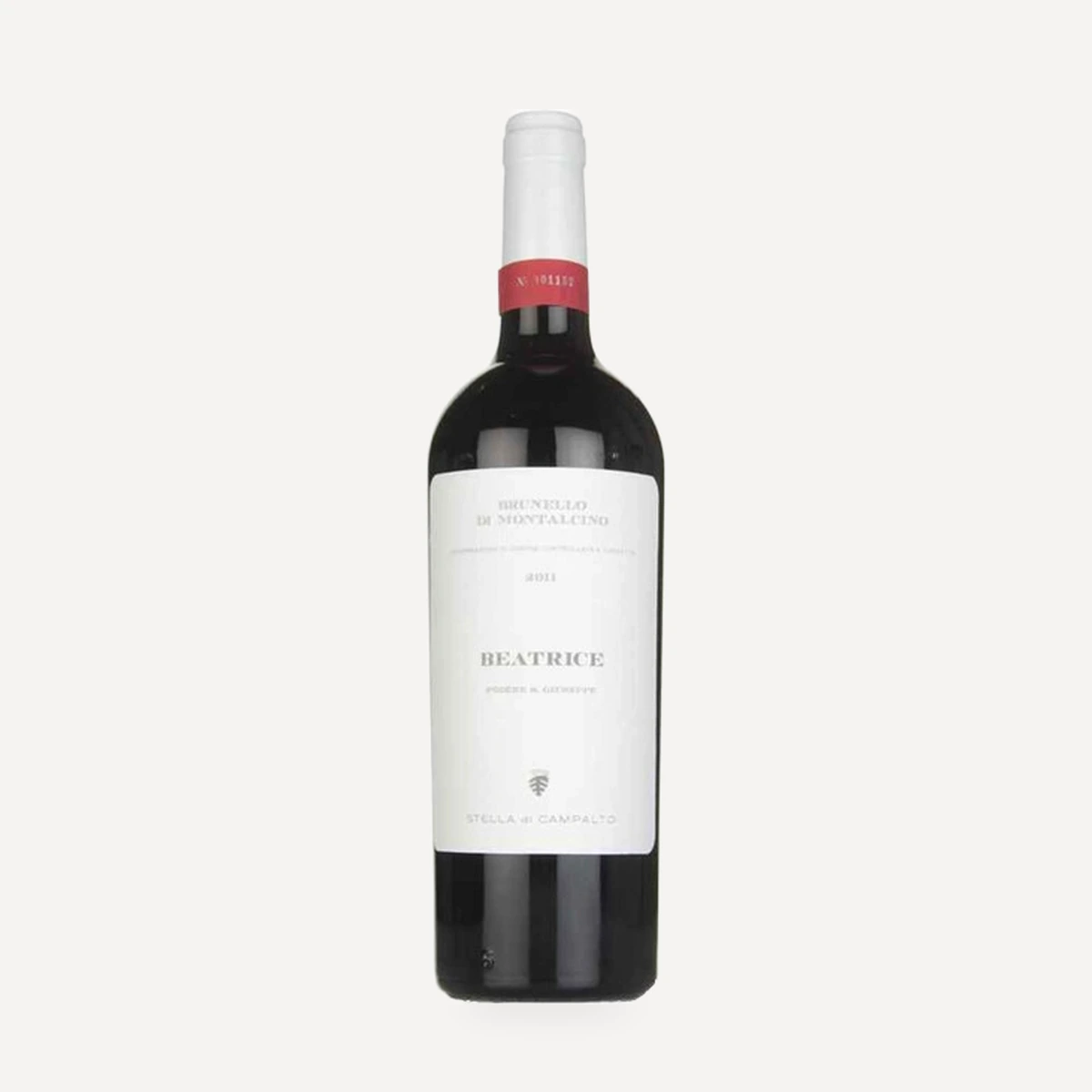
Brunello di Montalcino Beatrice
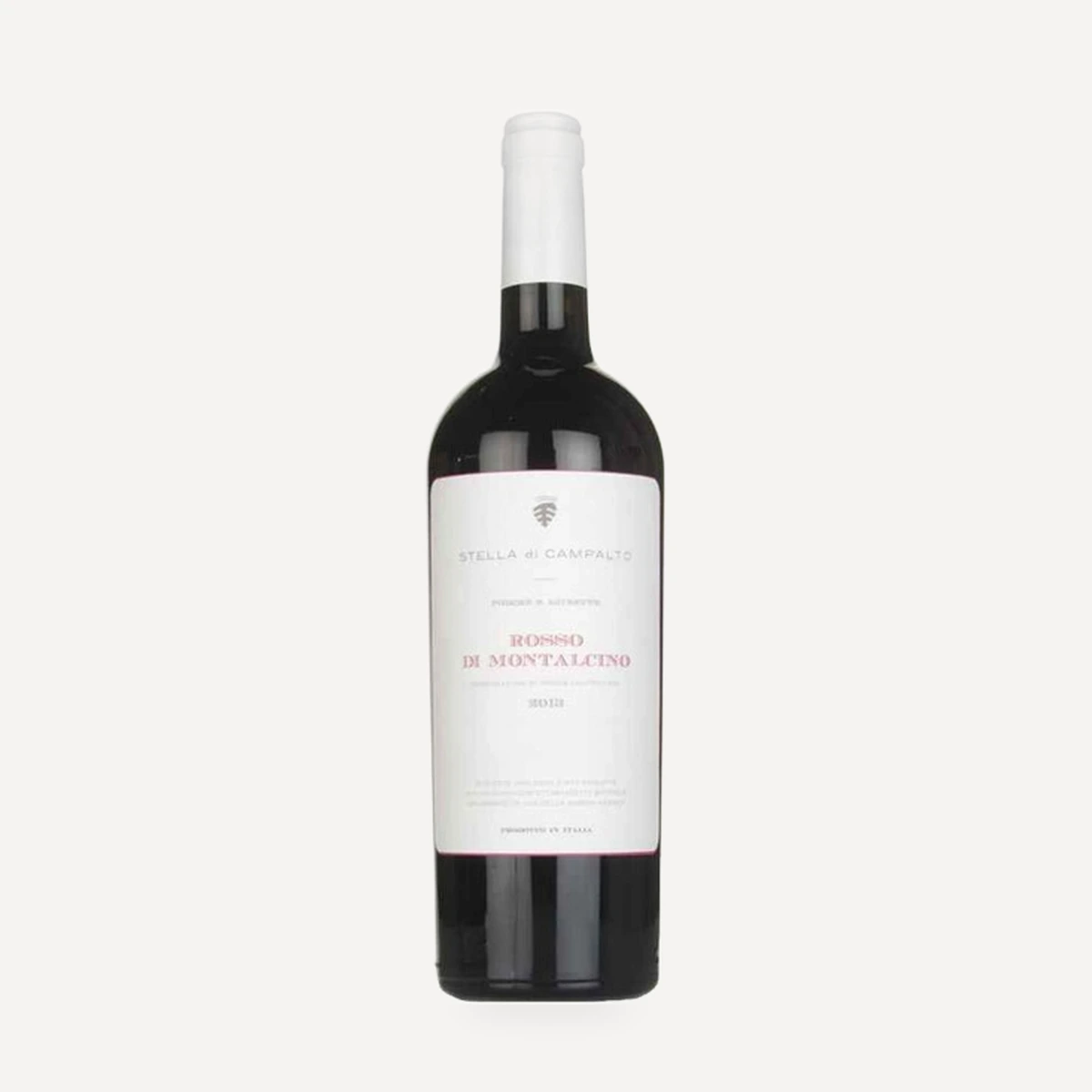
Rosso di Montalcino
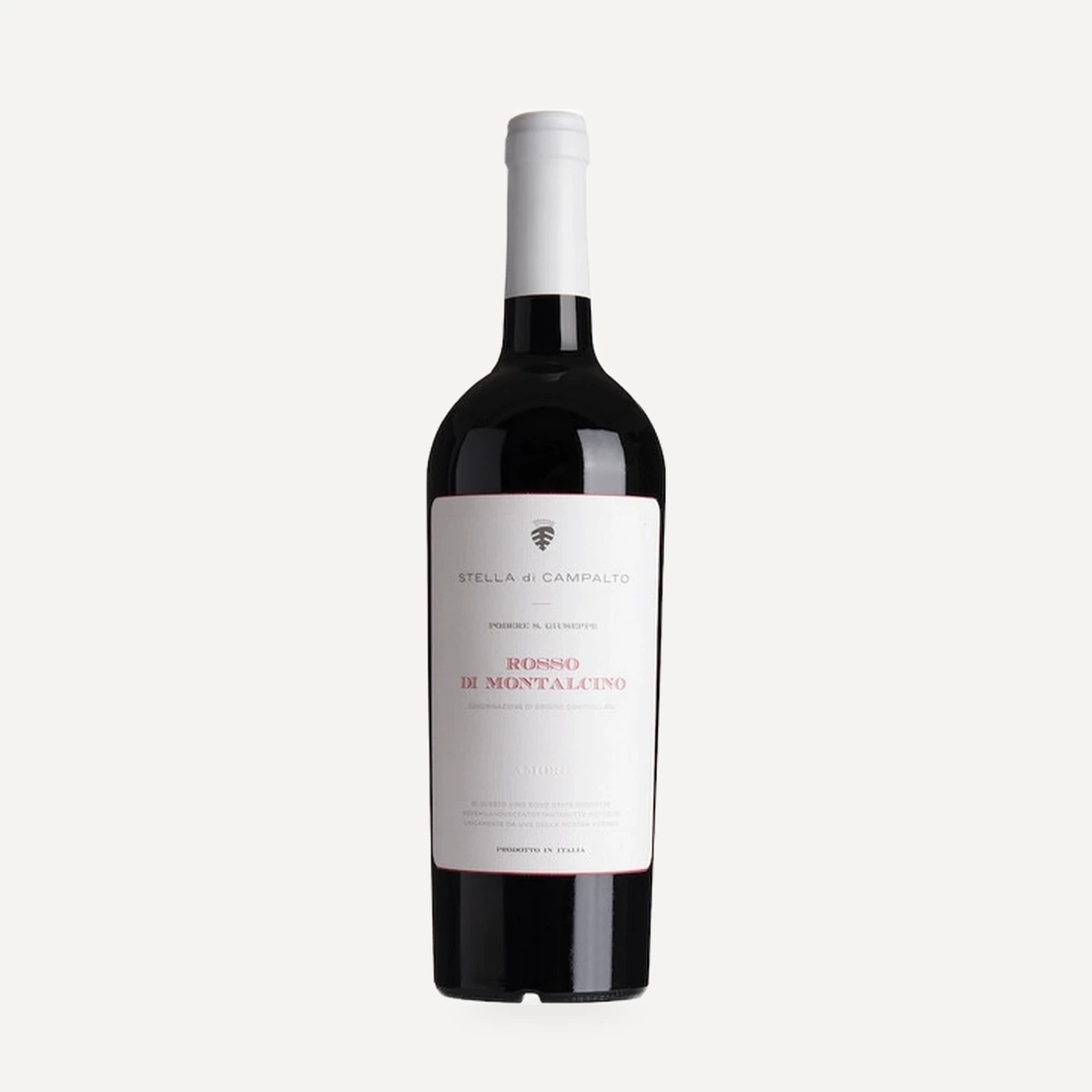
Rosso di Montalcino Libero
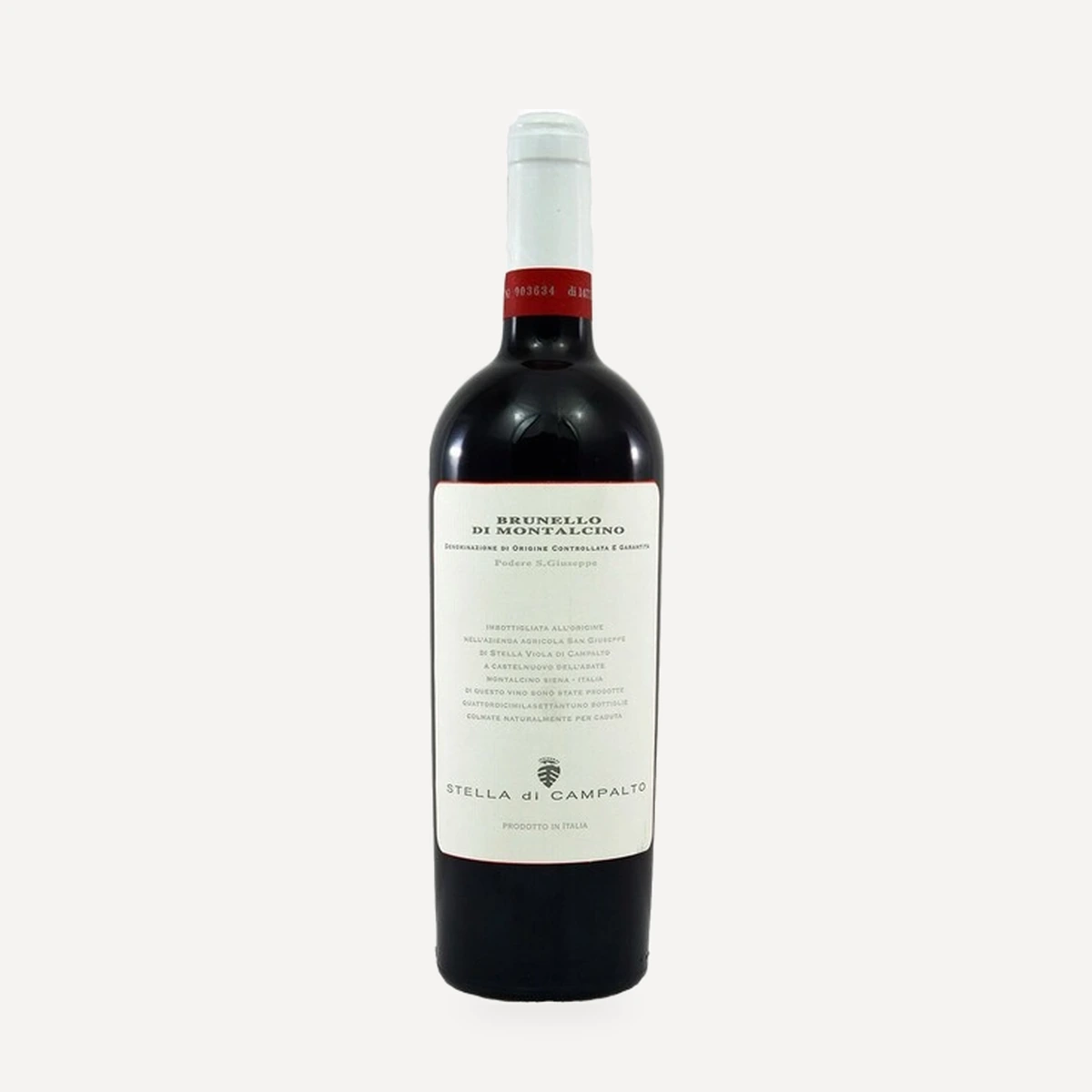
Brunello di Montalcino
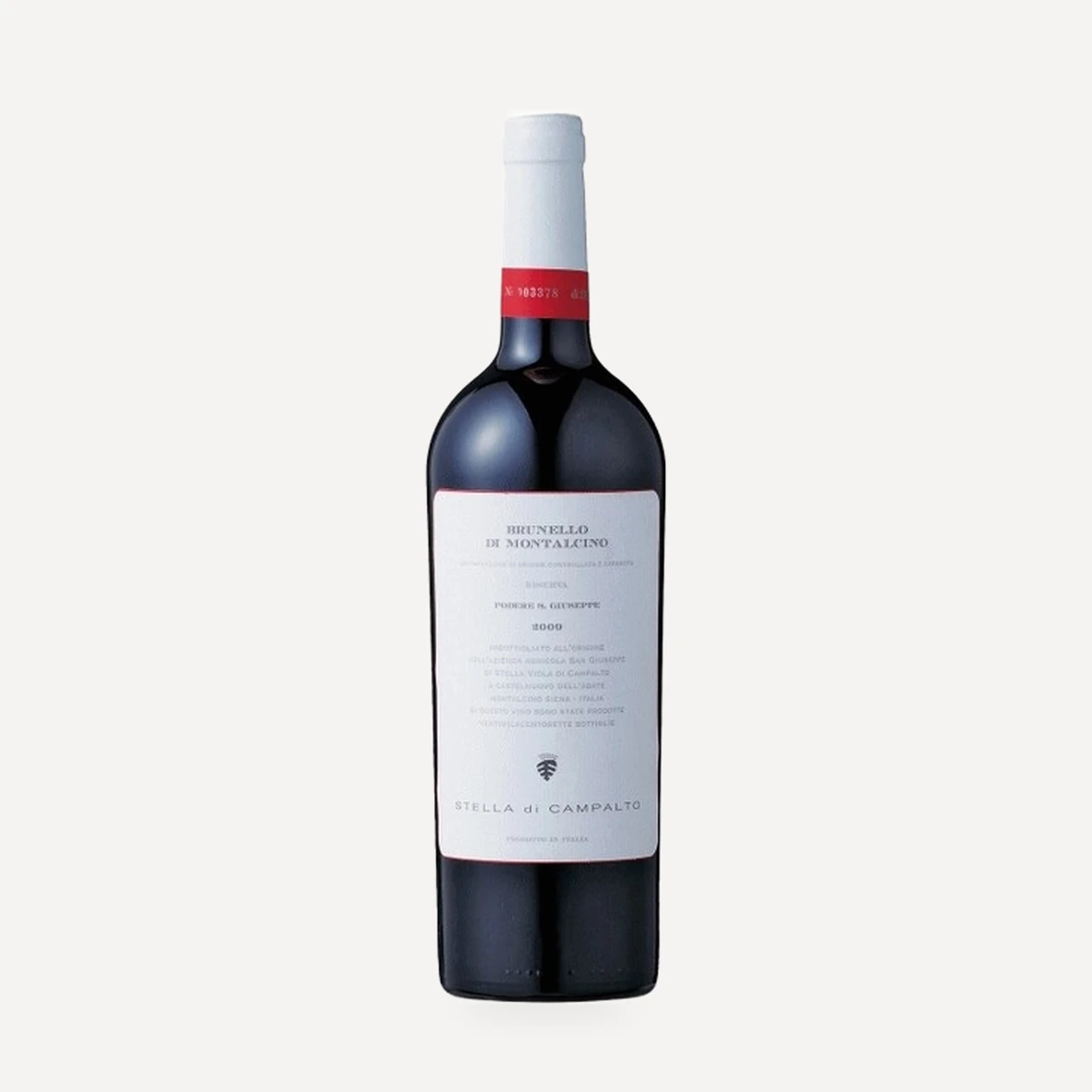
Brunello di Montalcino Riserva
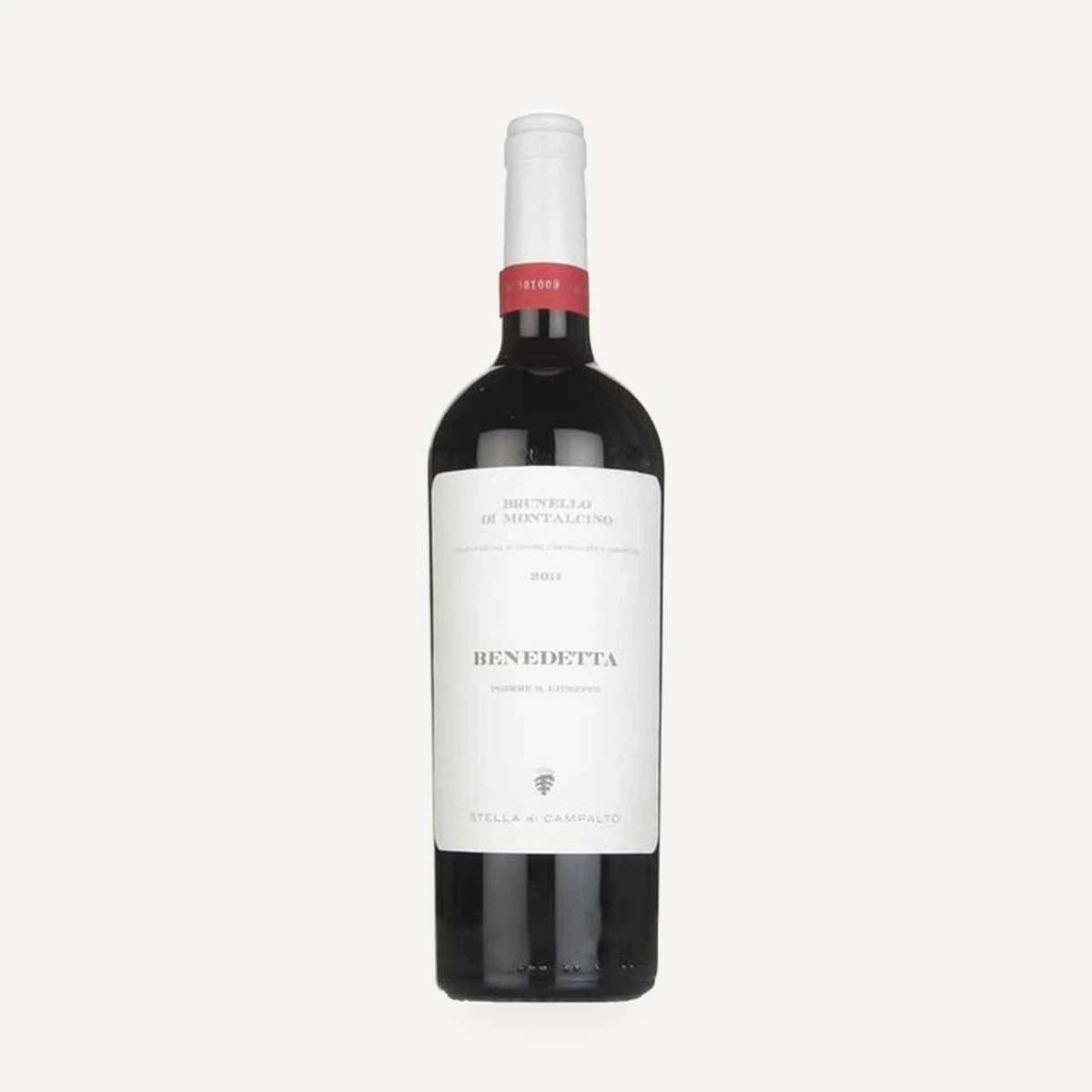
Brunello di Montalcino Benedetta
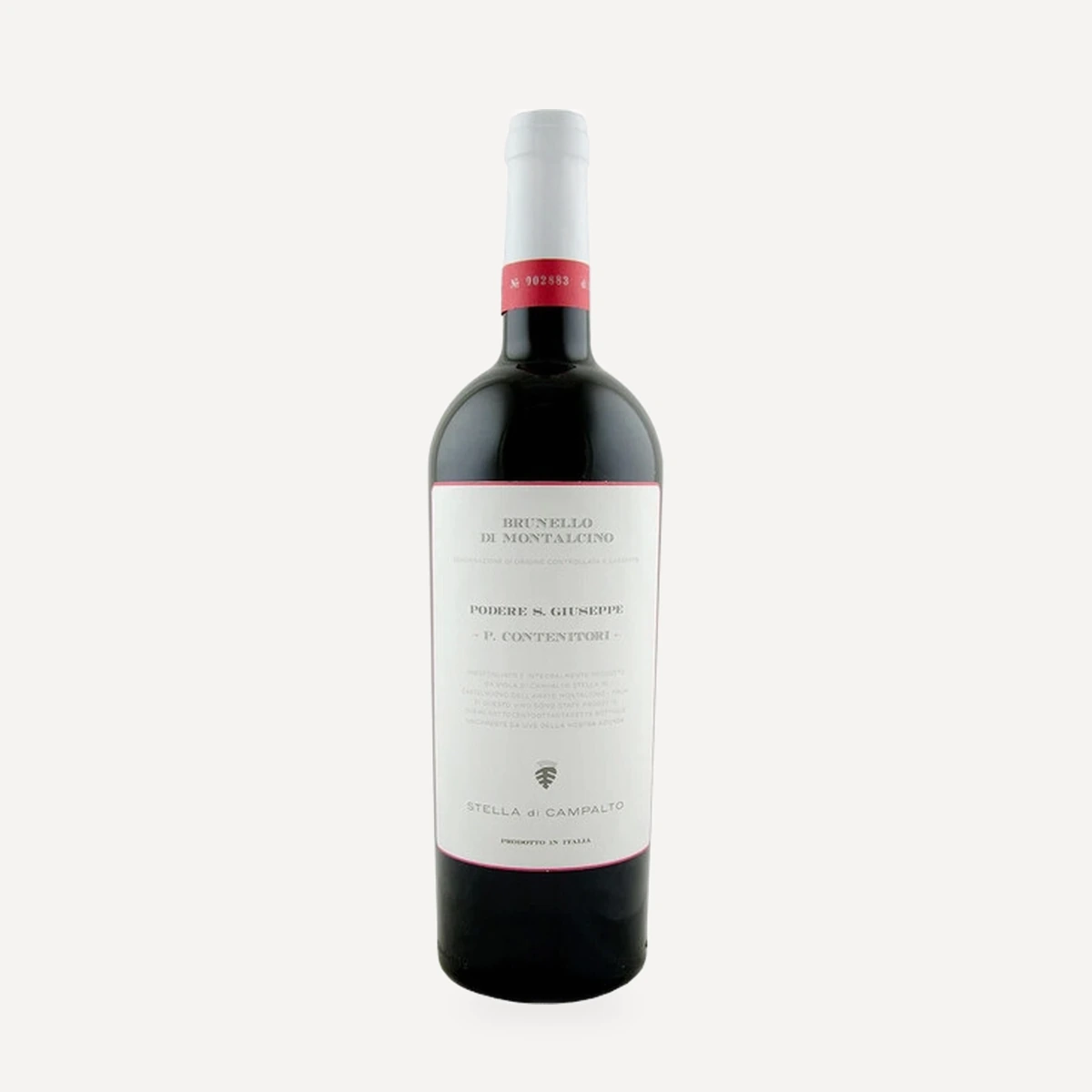
Brunello di Montalcino – Piccoli Contenitori
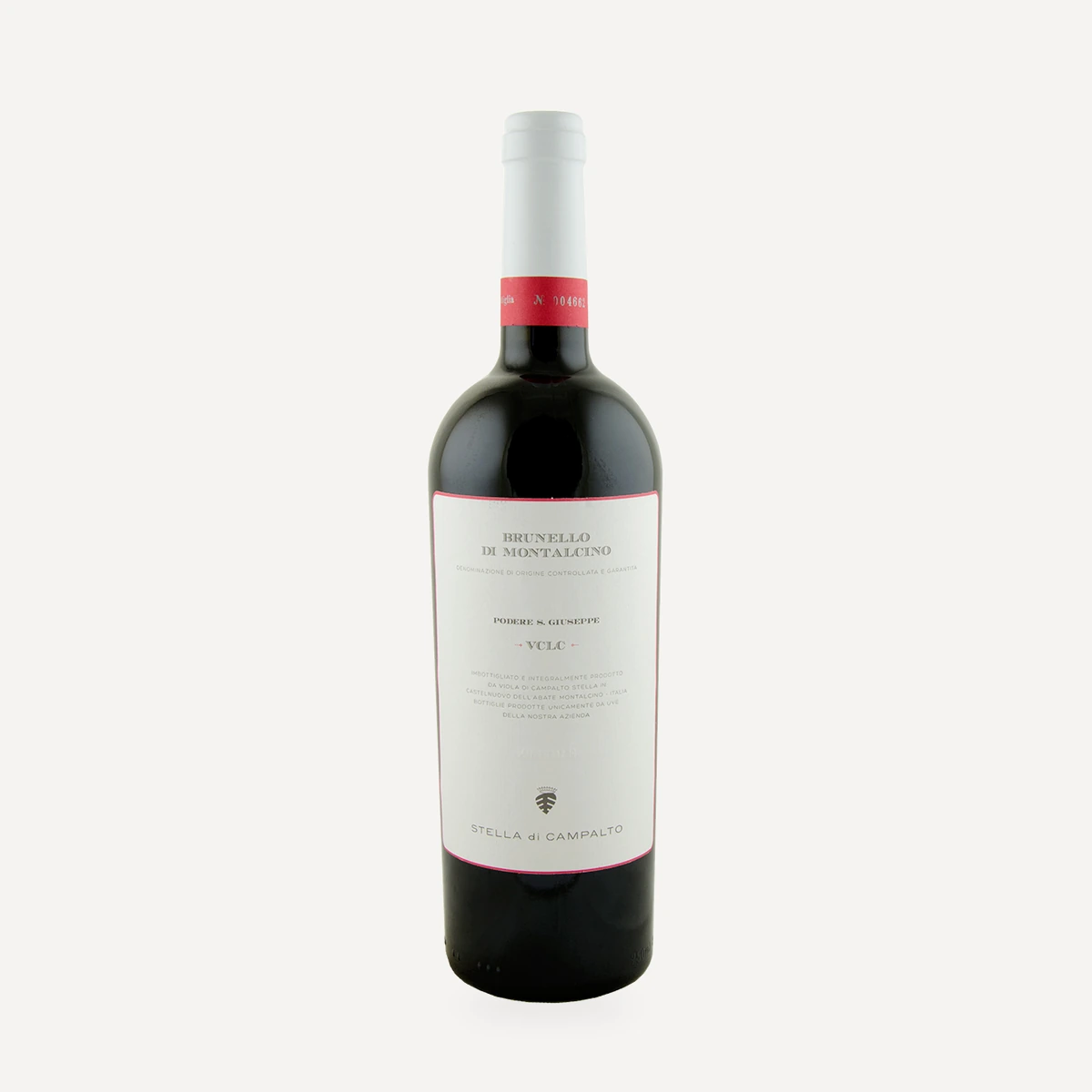
Brunello di Montalcino VCLC – Vigna Curva Lato Cantina
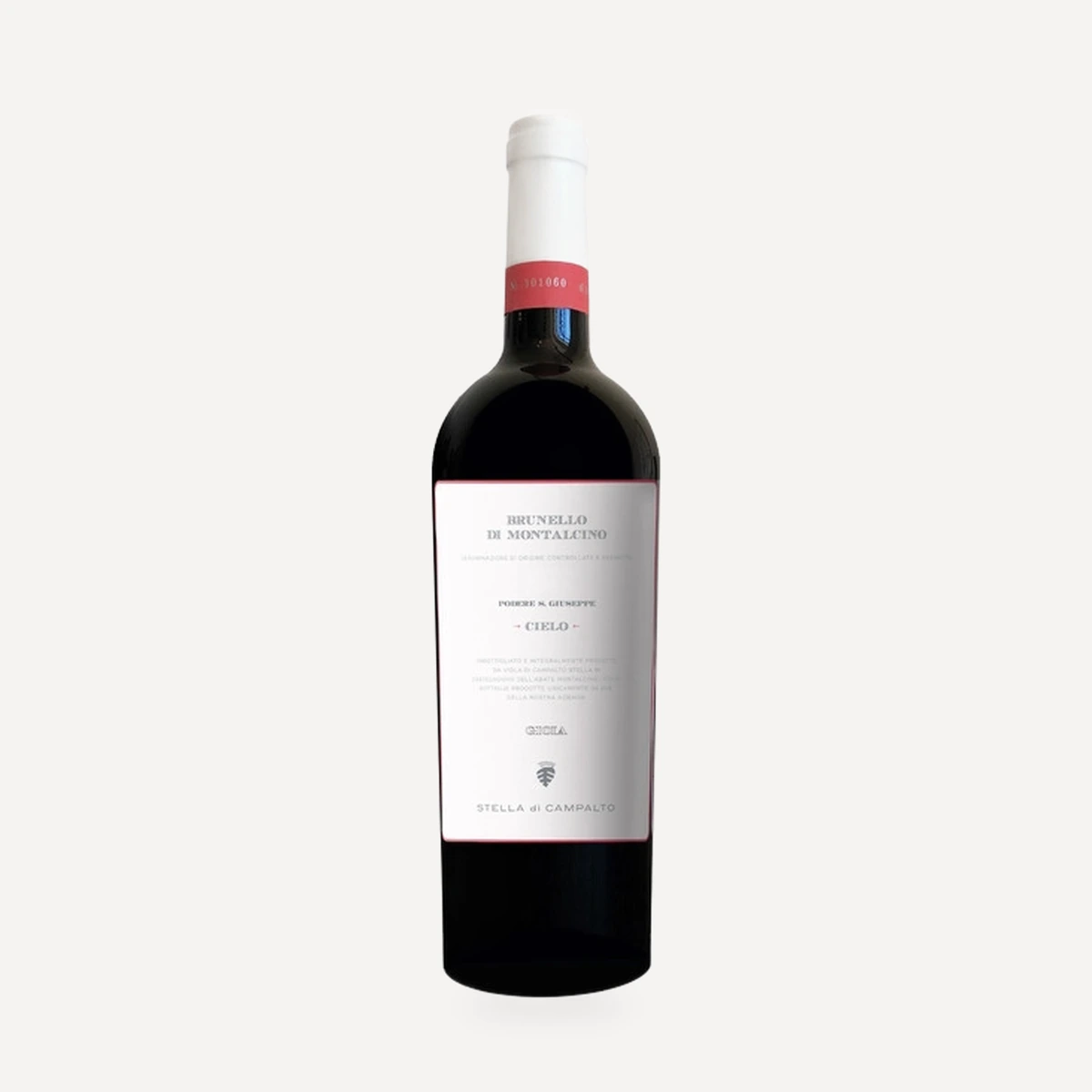
Brunello di Montalcino Cielo
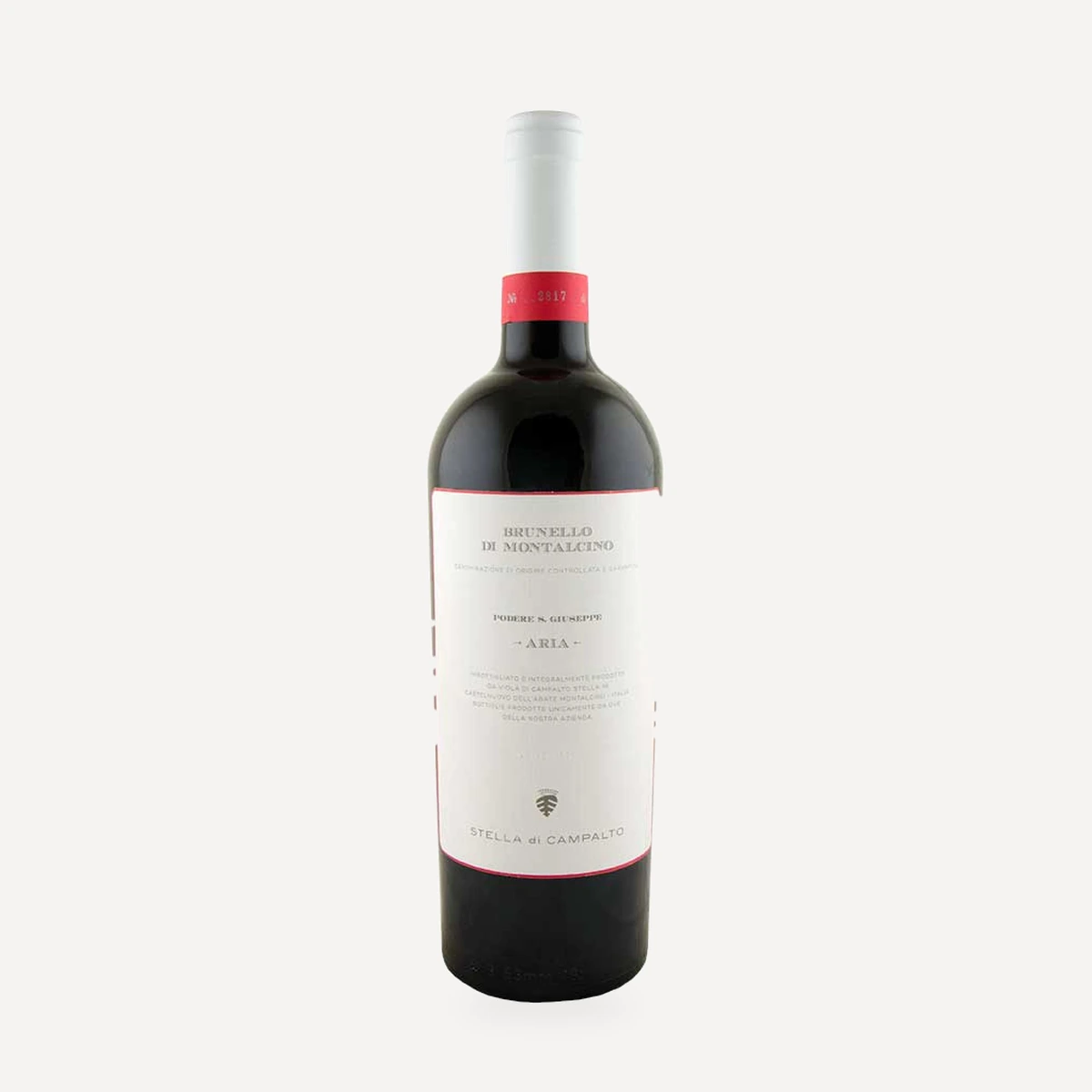
Brunello di Montalcino Aria
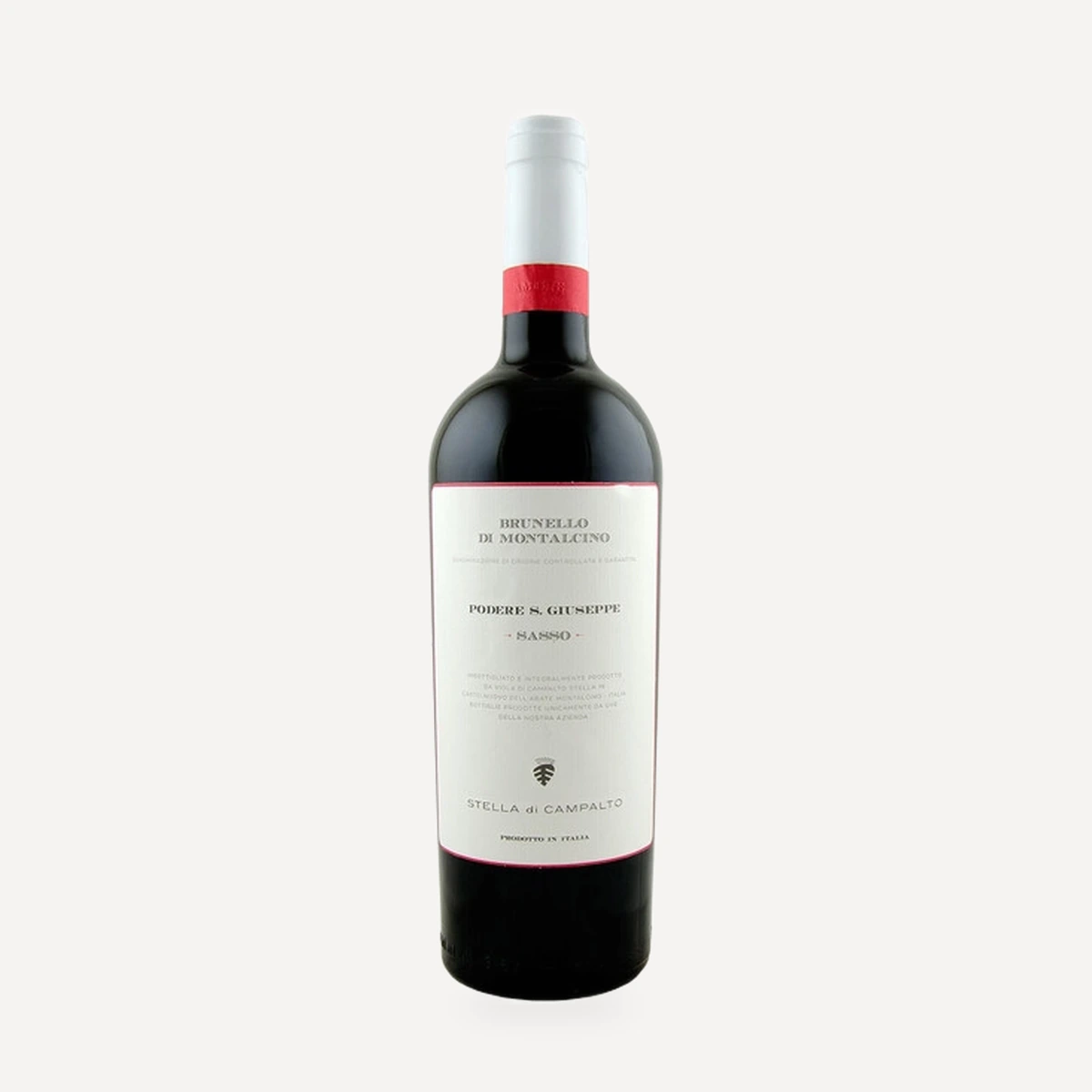
Brunello di Montalcino Sasso DOCG