About this wine
Vineyard and terroir
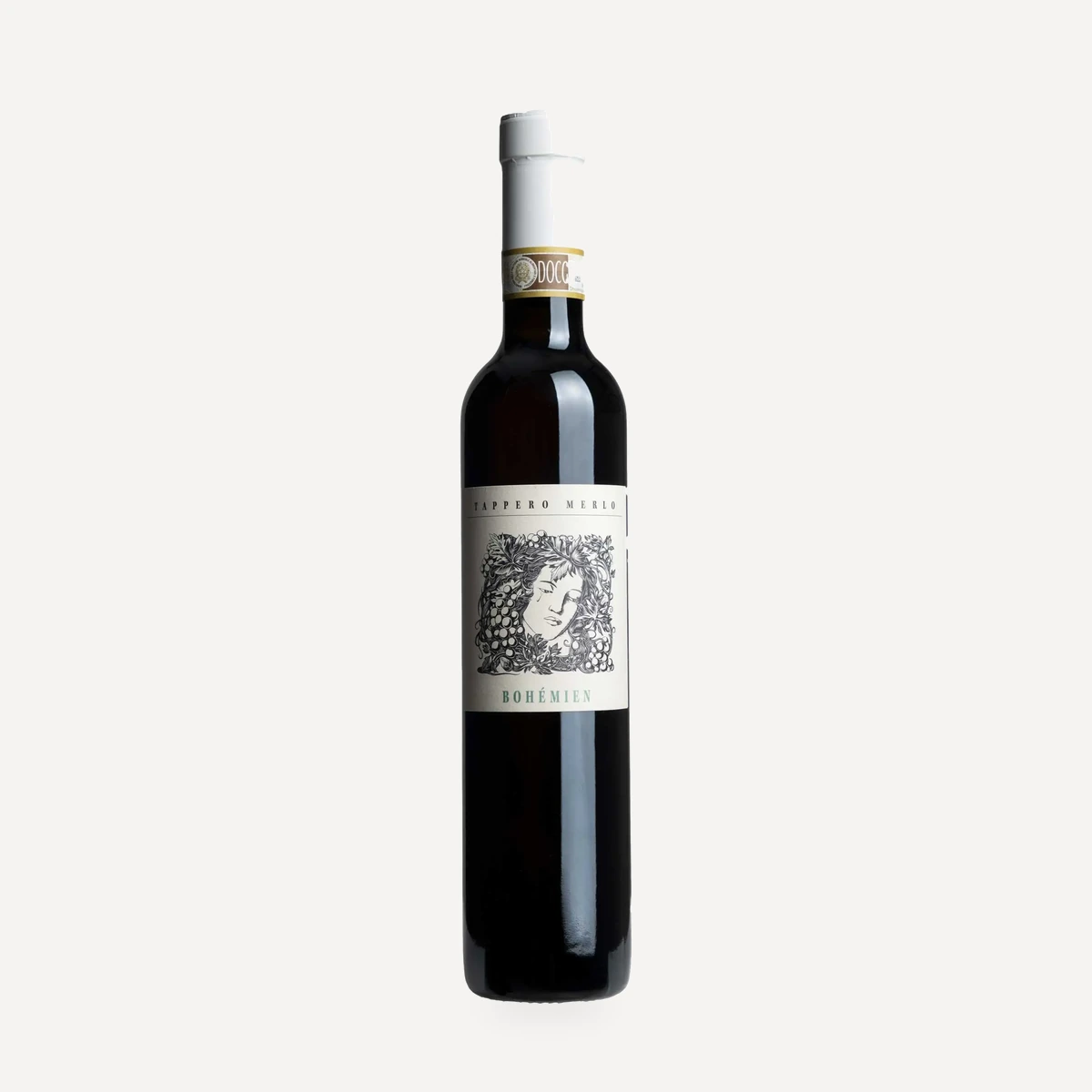
Bohémien comes from strongly acidic moraine soils at 300–350 metres above sea level. The soil contains approximately 80% sand, 15% silt and 5% clay, with organic matter almost entirely absent.
Grapes
100% Erbaluce di Caluso.
Vinification
The grapes are picked by hand ahead of the regular harvest after rigorous vineyard selection. Small, loosely packed bunches are chosen to ensure even drying. They dehydrate naturally in ventilated lofts and dedicated drying rooms until the middle of March. During the cool, humid winter, some berries develop Botrytis cinerea, contributing characteristic apricot, fig and date aromas.
In mid-March, the berries are patiently removed from their stems and gently pressed. The must, now highly concentrated in glucose, begins a slow fermentation in oak barrels.
Ageing
After fermentation, the wine matures for at least three years in oak barrels of different capacities. It then remains in bottle for a further seven years, developing additional complexity.
Tasting profile
Intense, brilliant amber. The highly expressive nose combines dried fig, date, apricot and sultana with delicate wildflower honey and toasted almond. Candied citrus, dried white flowers and orange blossom are joined by liquorice, saffron, sandalwood, vanilla and anise, with a very subtle mineral note. Warm and enveloping on the palate, it retains distinctive freshness and good savoury tension, balancing the soft richness typical of a passito wine.
Serving and pairing
Pair with petit fours and biscuits, particularly Piedmontese specialities such as torcetti, paste di meliga and nocciolini di Chivasso. Almond- and pistachio-based pastries, hazelnut cakes, tarts, milk chocolate and gianduiotti are also suitable. Savoury alternatives include blue or piquant cheeses and goose-liver pâté.
Label / history
Caluso Passito has roots reaching back to Roman times and became part of Canavese family tradition. Selected bunches were traditionally laid on attic racks as winter fruit, remaining in ventilated drying spaces until March before pressing and a prolonged course of fermentation and maturation.
The wine's historical narrative honours Giuseppe “Pin” Giacosa, a prominent Canavese playwright and Puccini librettist associated with La Bohème, Tosca and Madama Butterfly. Giacosa tended his vineyards, appreciated their wine and considered an excellent glass of Caluso Passito a fitting welcome for guests.