About this wine
Vineyard and terroir
KIN comes from highly acidic moraine soils at 300–350 metres above sea level. Their composition is approximately 80% sand, 15% silt and 5% clay, with almost no organic matter. The vines are Guyot-trained at 4,500 plants per hectare, yielding 35–40 hl/ha. Viticulture is described as entirely natural.
Grapes
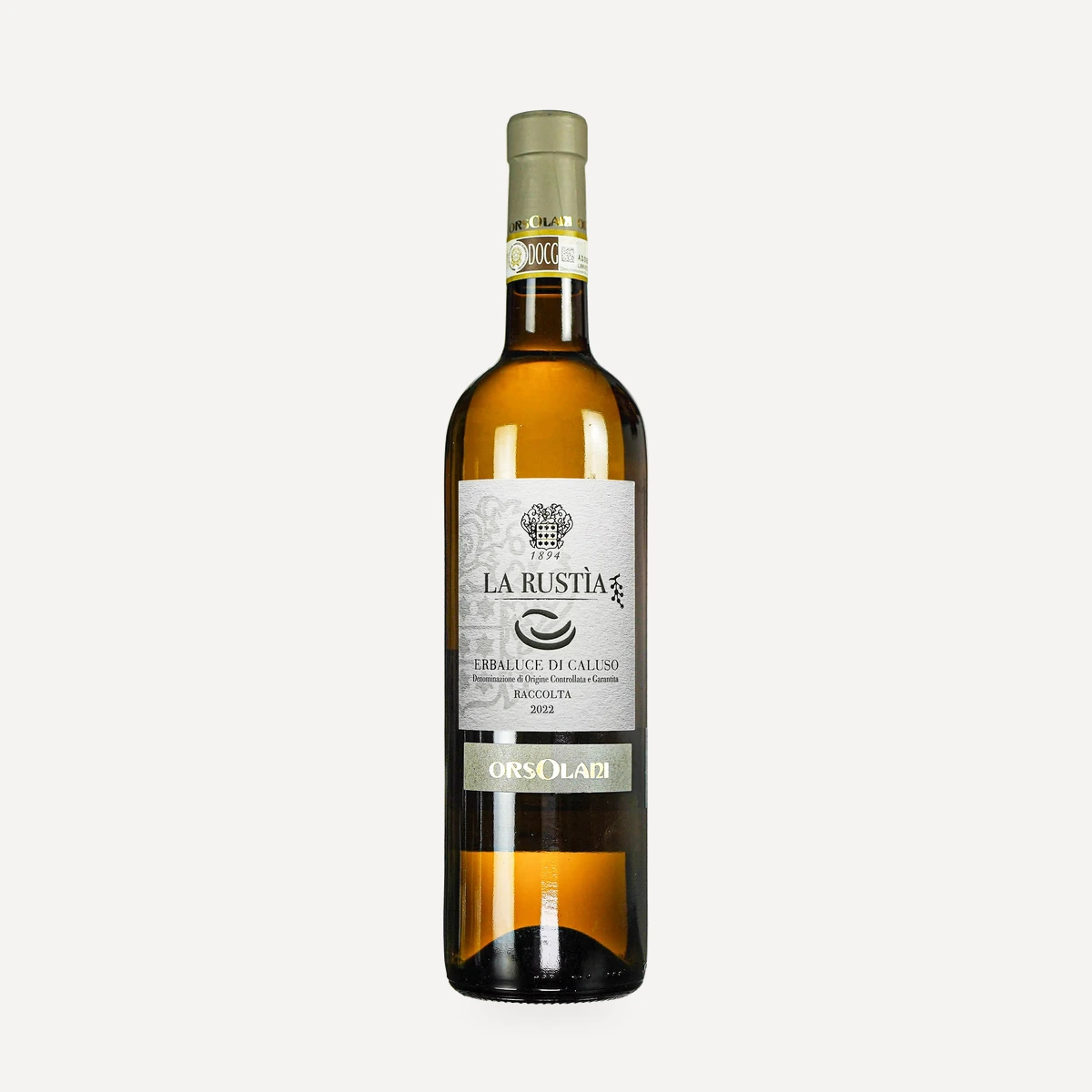
100% Erbaluce.
Vinification
The grapes are harvested exclusively by hand in late September. Spontaneous fermentation begins with indigenous yeasts and skin contact in a Slavonian oak vat, then finishes in 20-hl French oak casks. Malolactic fermentation also takes place in these casks.
Ageing
Depending on the vintage, the wine matures for 18–36 months in 20-hl French oak casks. It remains on the lees with weekly bâtonnage, then spends several months in stainless steel before gentle clarification and filtration. Bottle maturation continues until release; the wine description gives a period of 1–2 years.
Technical data
Alcohol varies by vintage from 13% to 13.5% vol.
Tasting profile
Deep, lively straw yellow with golden reflections and notable visual density. Sage leads the enveloping, elegant nose, joined by balsamic and spicy tones, citrus, flowers and wild herbs over a distinctly mineral profile. Freshness and savoury character alternate on the palate before merging into a soft, warm, citrus-tinged finish. The wine is balanced and persistent, with the capacity to develop an increasingly varied Alpine mineral bouquet over many years.
Serving and pairing
Serve at 14–16°C, opening the bottle at least one hour beforehand or oxygenating it in a decanter with an aerating sphere. Pair with substantial starters and structured courses, risotto or pasta with fish and seafood, crêpes, meatless agnolotti, Fassona tartare, fried seafood, Piedmontese mixed fry, stewed or baked fish, white meats, Ligurian-style rabbit, vegetable-broth stews and mature cheeses. At 18–20°C, it can accompany dry pastries and lightly sweet desserts.
Label / history
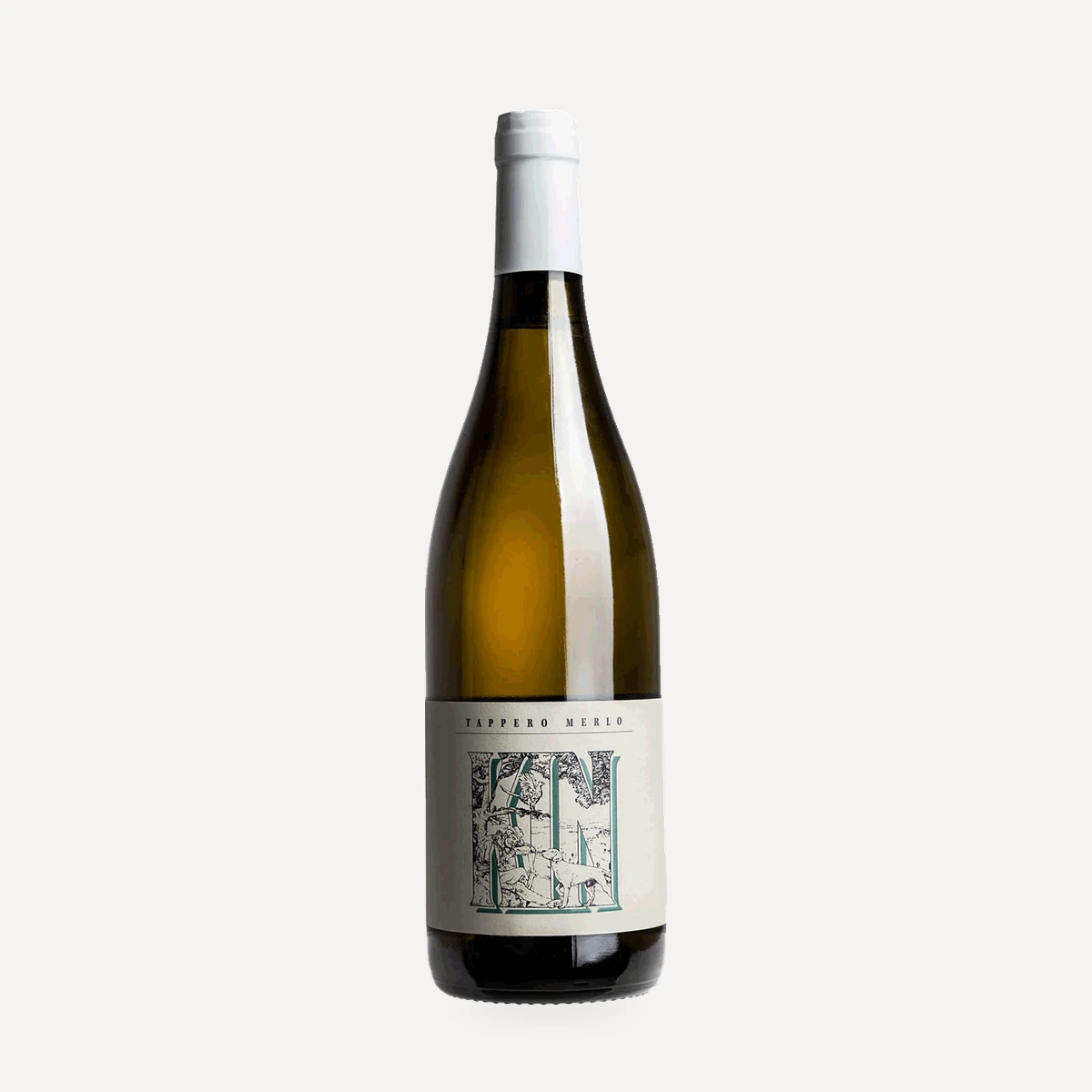
KIN was the producer’s grandfather, a grower and hunter whose life followed the rhythms of vineyard and cellar. The wine commemorates his patient observation, attention to detail and respect for nature.