Brachetto d’Acqui/Acqui
Detto anche Acqui
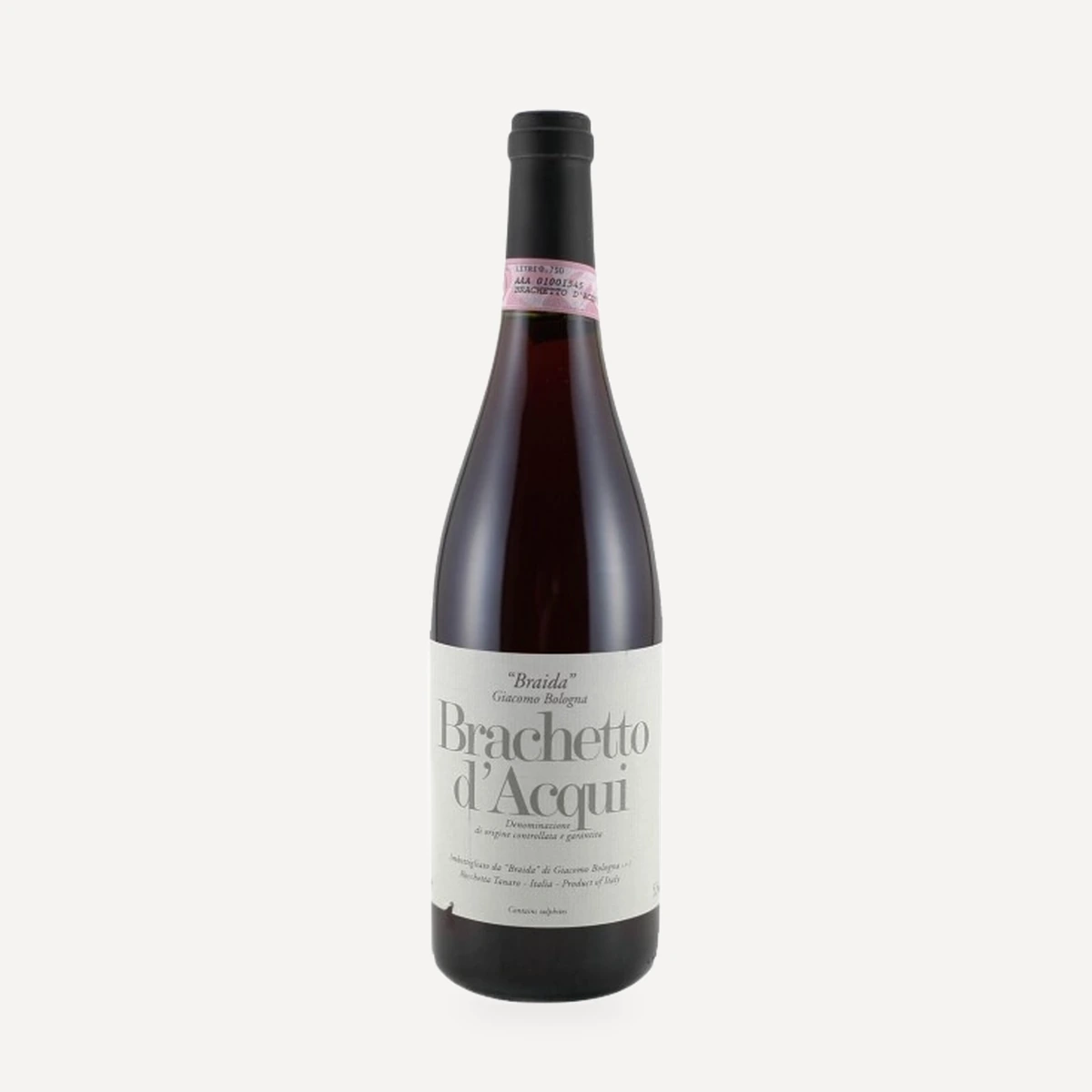
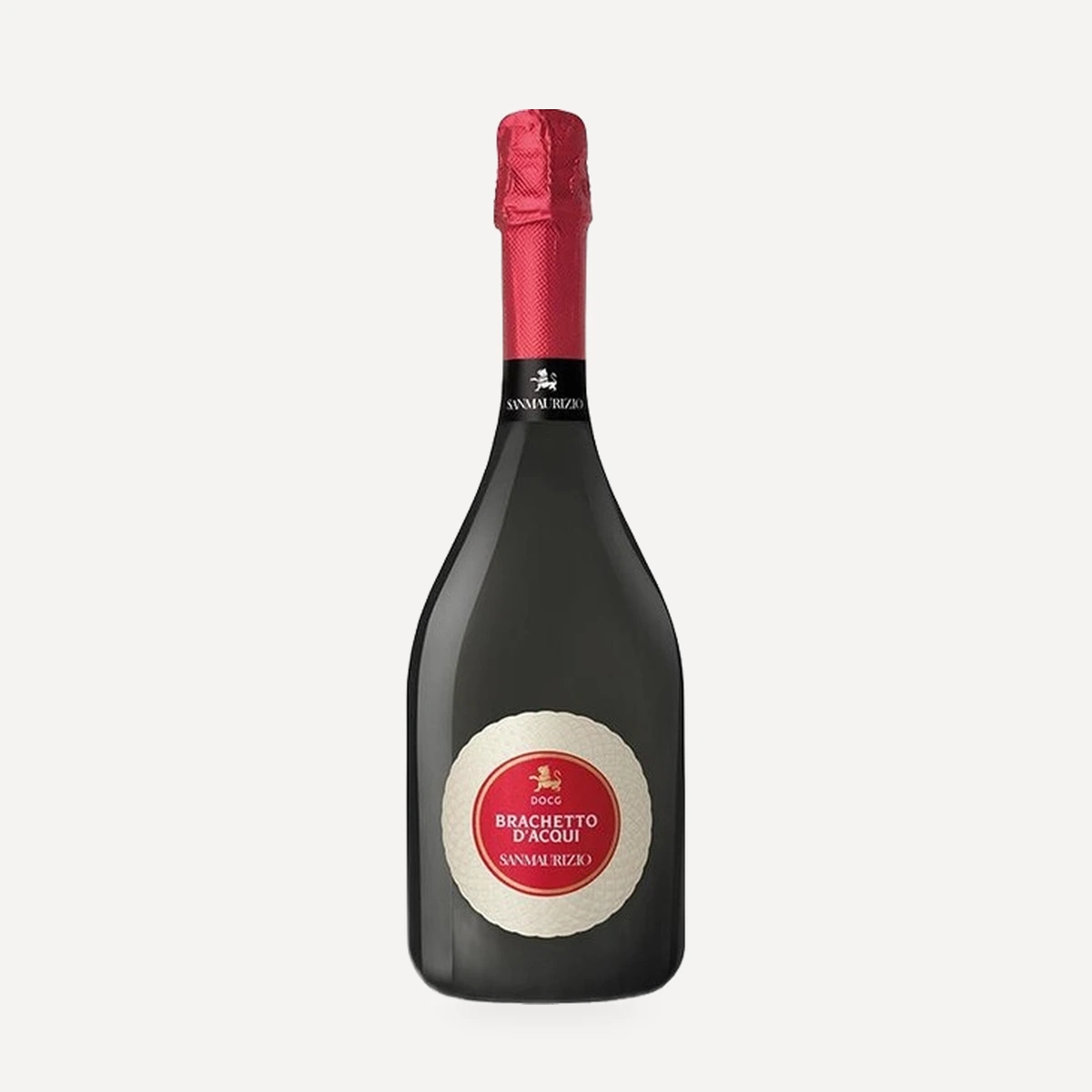
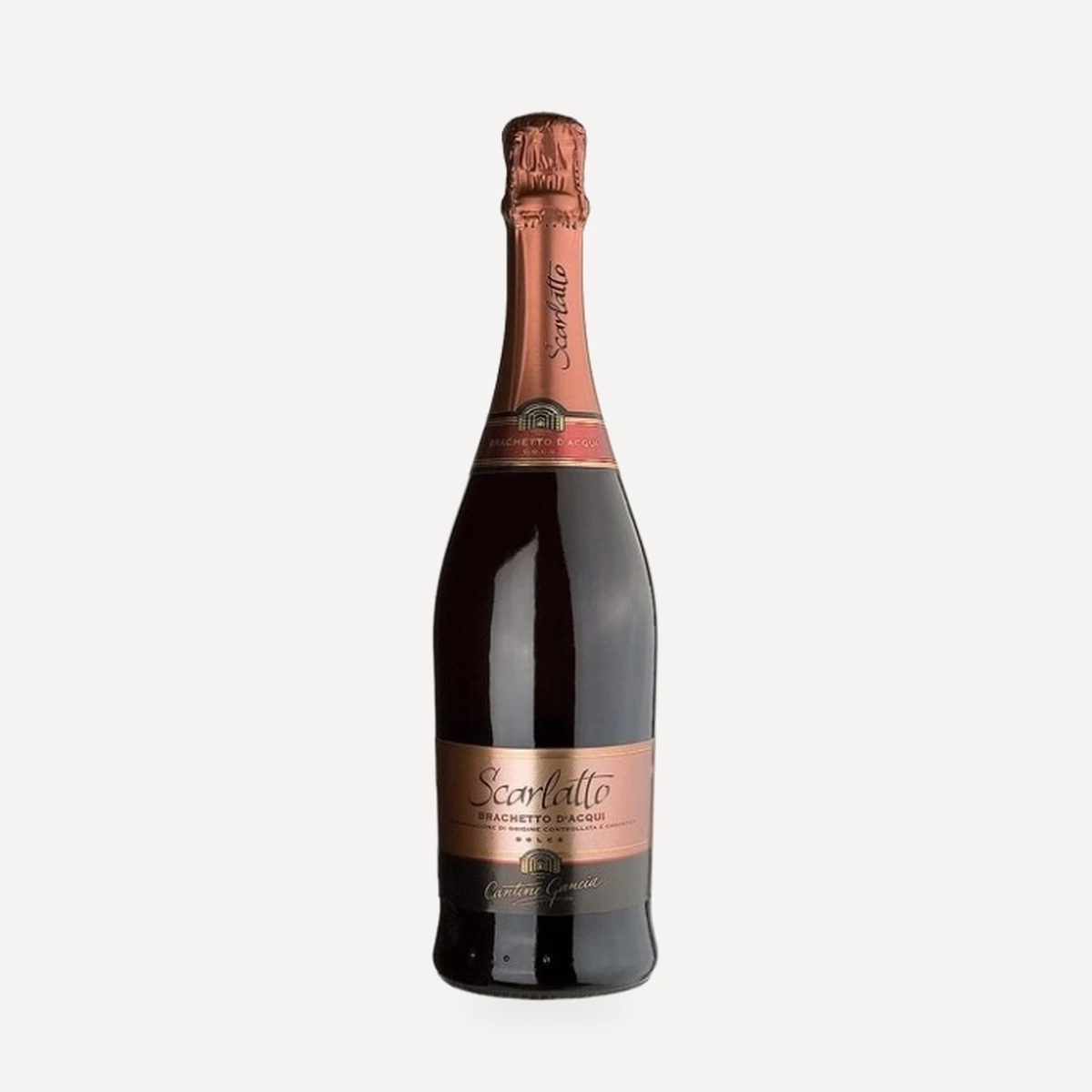
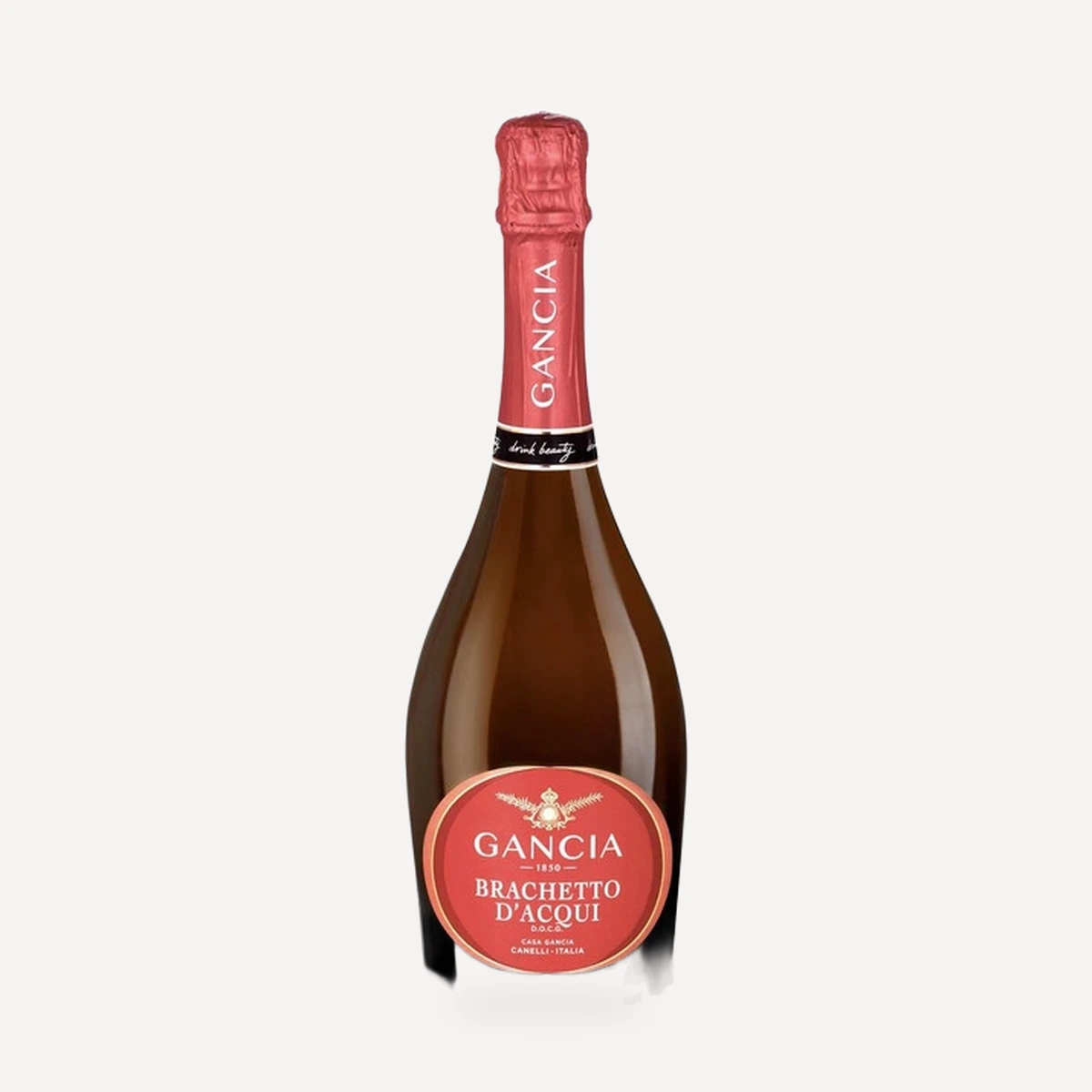
10 cantine e 13 vini. A red that is sweet, low in alcohol and has a delicate scent of musk: Brachetto d'Acqui — or simply Acqui — comes from 26 communes of the Alto Monferrato, split between the provinces of Asti and Alessandria. Brachetto must make up at least 97 per cent of the grapes, and the wine comes in three forms: still, sparkling and passito. Continua a leggere ↓
Cantine che producono Brachetto d’Acqui
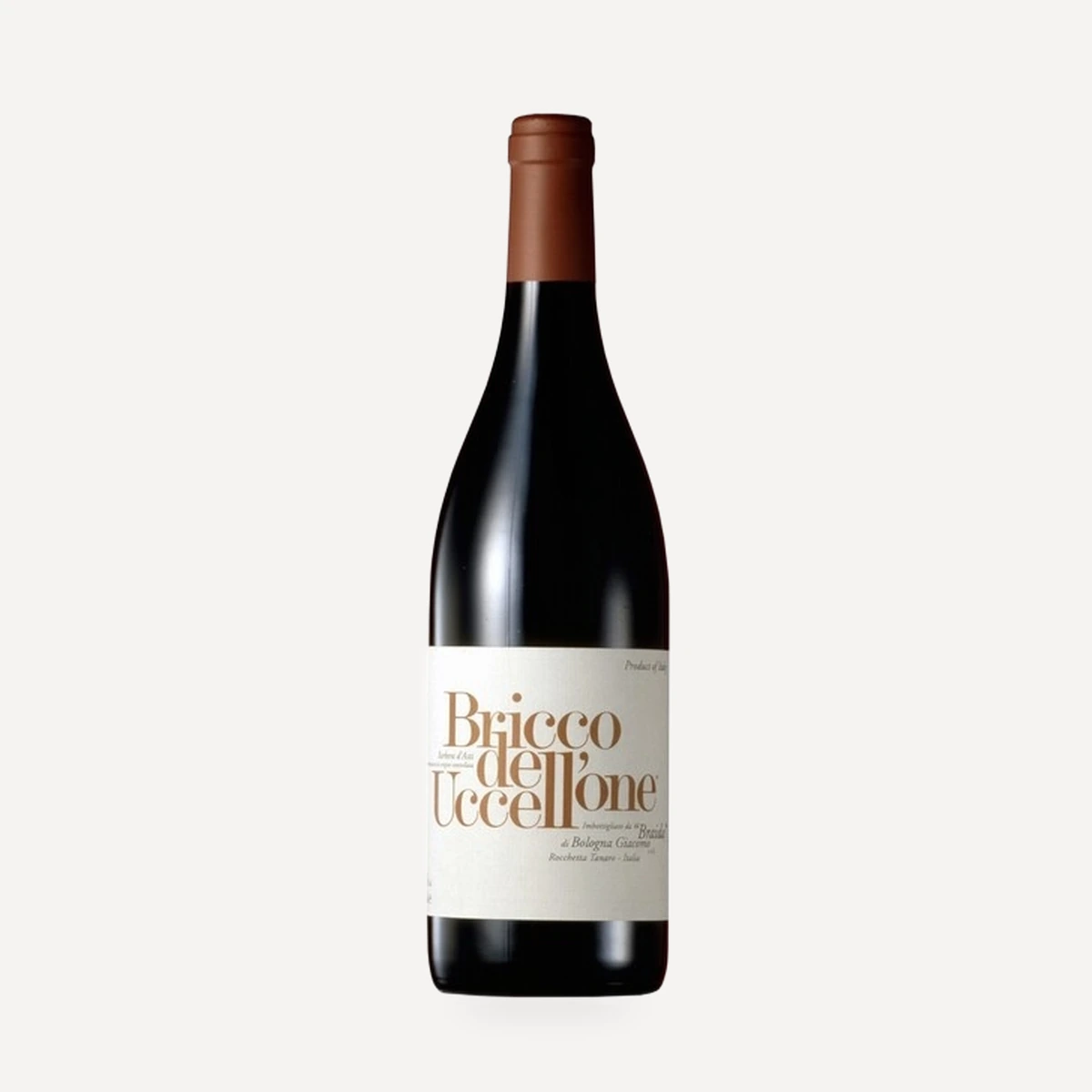 Braida Barbera d’Asti · 16 vini6 Tre Bicchieri, l’ultimo nel 2024 · Bricco dell’Uccellone Barbera d’Asti DOCG
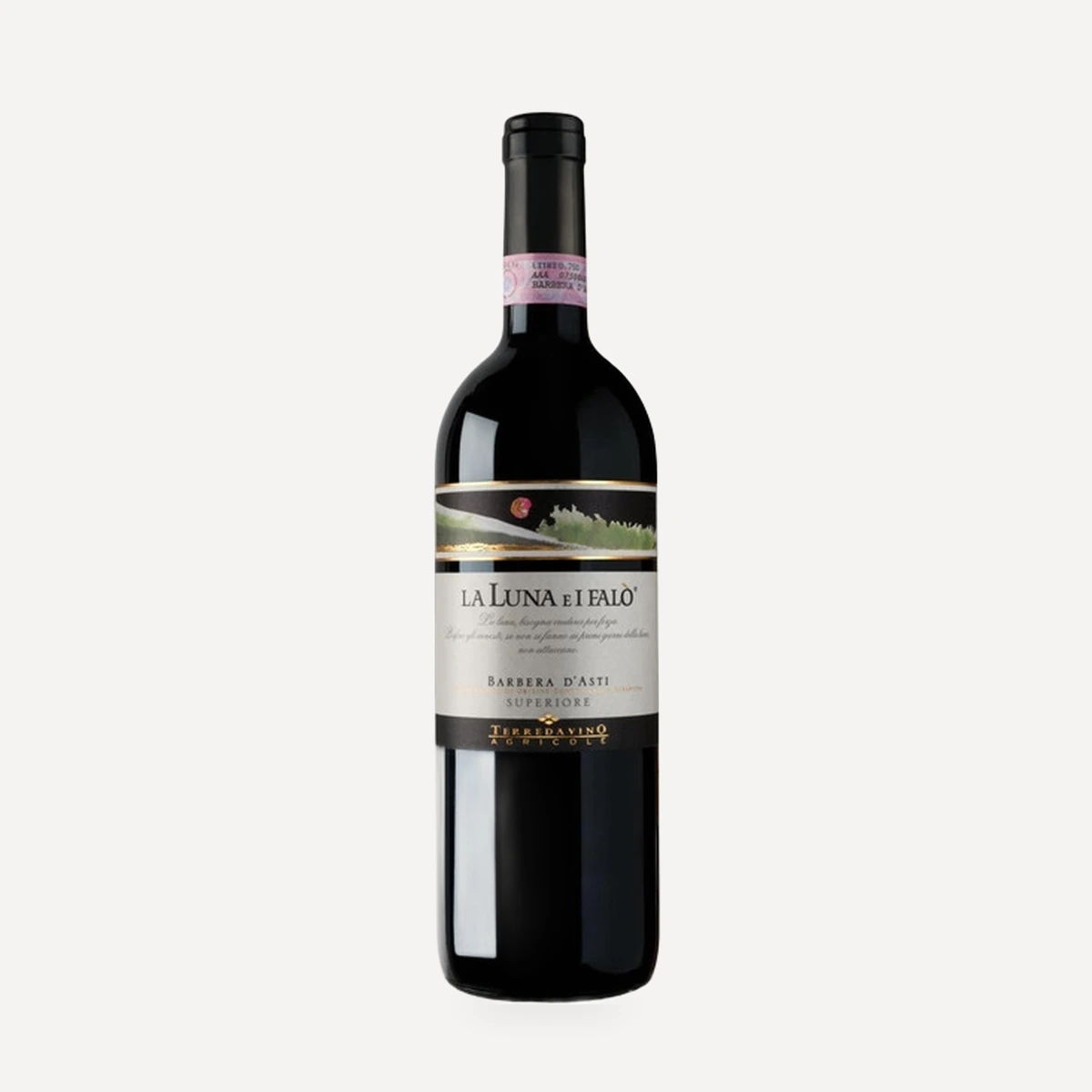 Vite ColteMonferrato · 37 vini18 premi DWWA, l’ultimo nel 2026 · Barbera d’Asti Superiore La Luna e i Falò DOCG
 ScarpaBarbera d’Asti · 19 vini11 premi DWWA, l’ultimo nel 2026 · Barolo Tettimorra DOCG
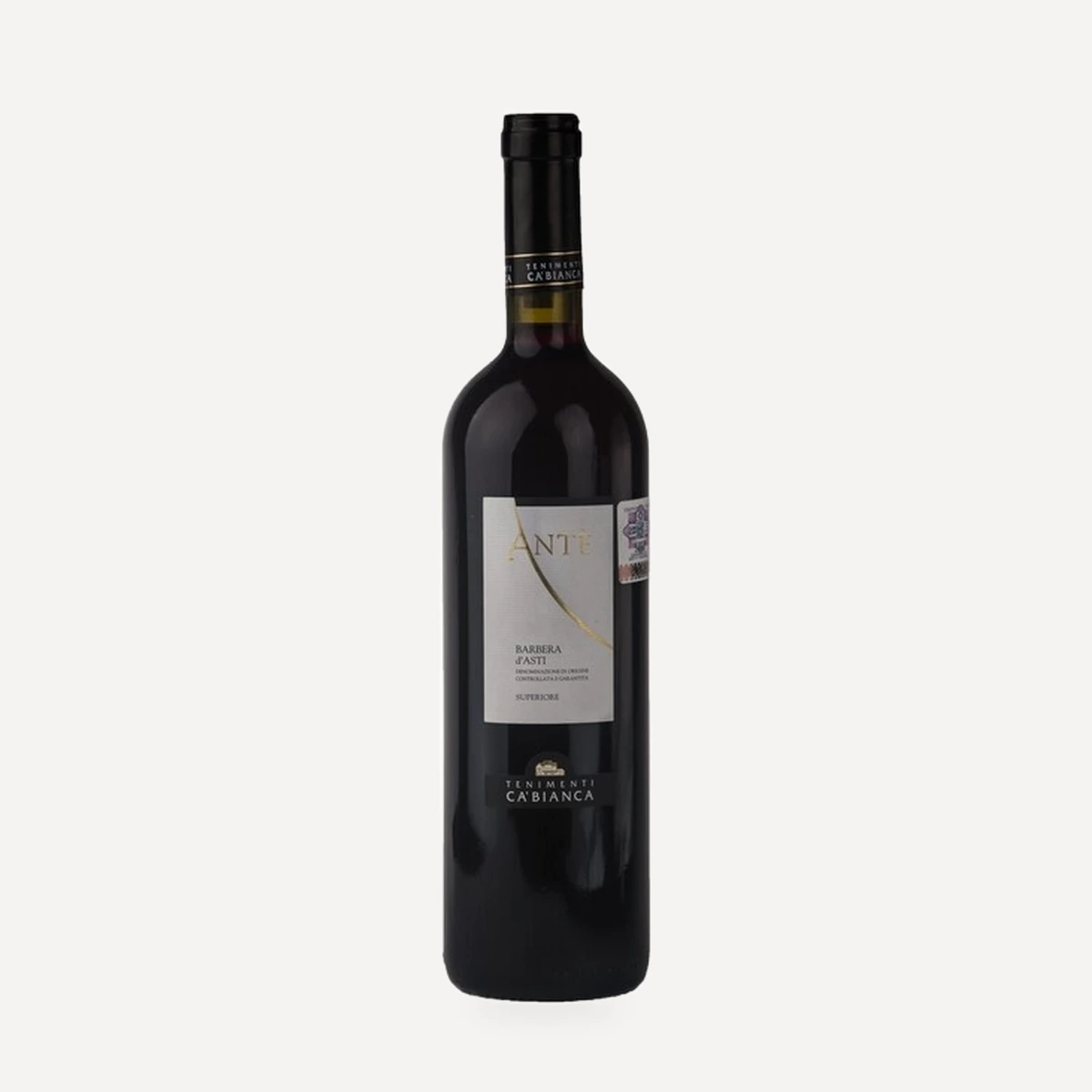 Tenimenti Ca' BiancaAsti · 8 viniAnte Barbera d'Asti Superiore DOCG
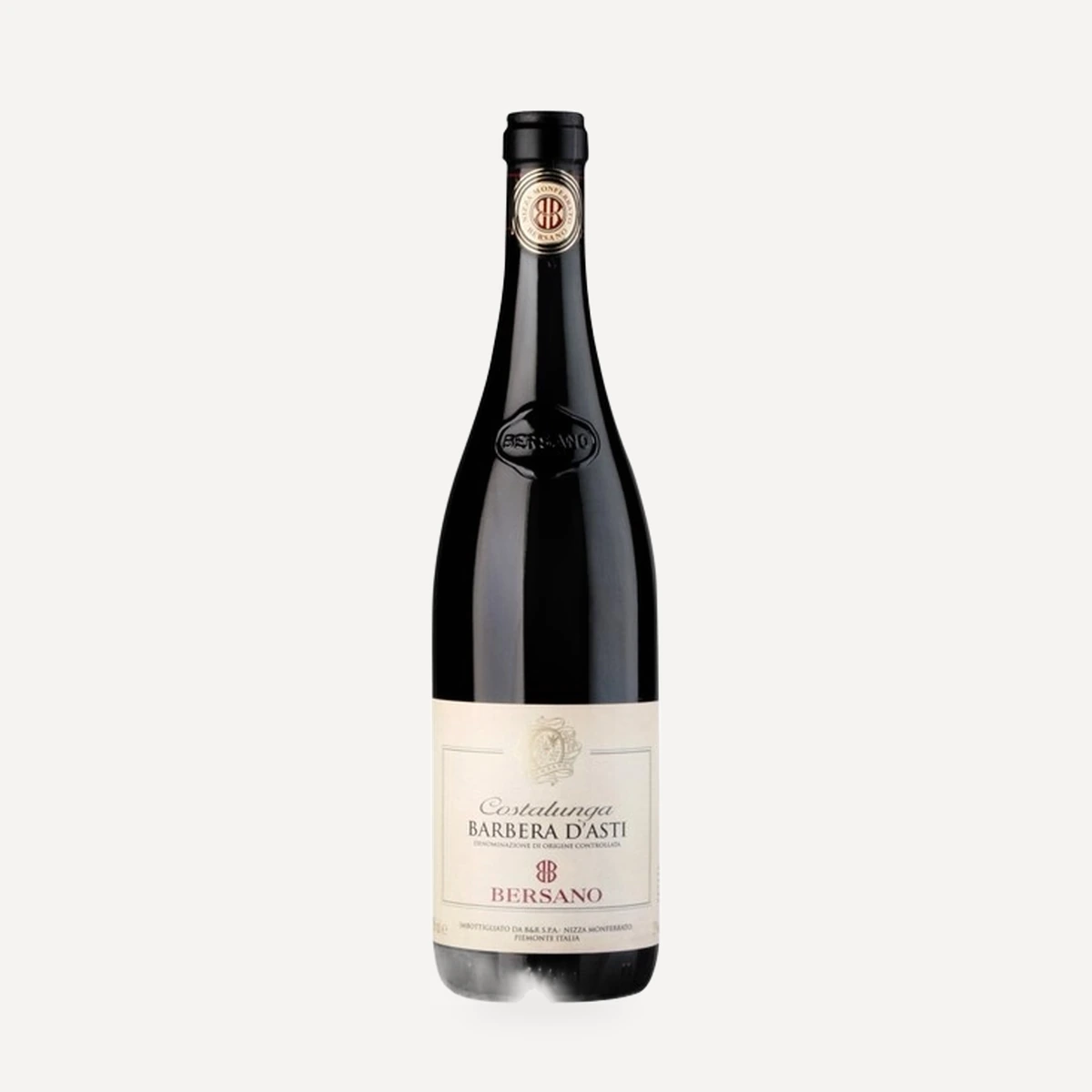 BersanoBarolo · 26 vini6 premi DWWA, l’ultimo nel 2026 · Costalunga
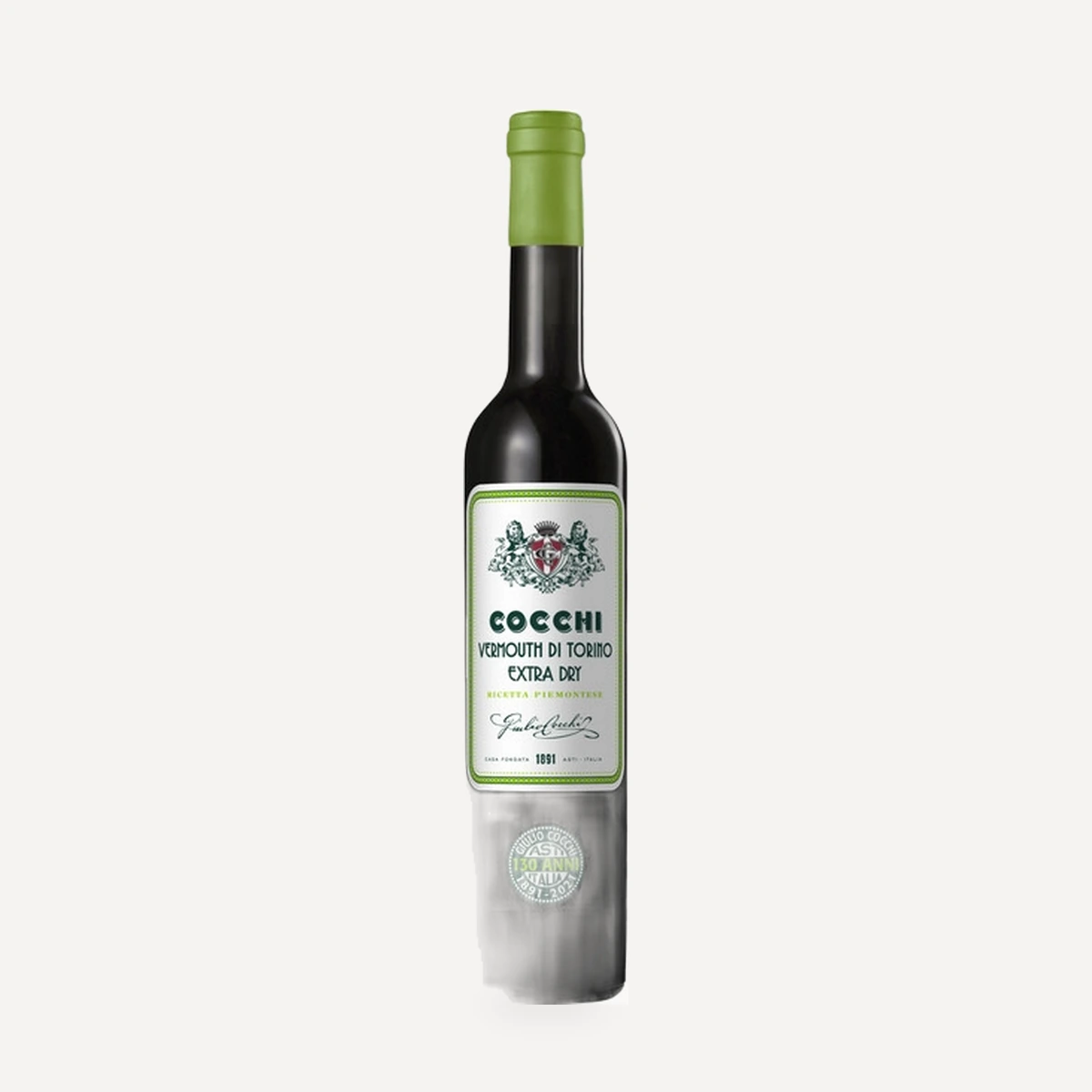 Giulio CocchiAsti · 23 viniVermouth di Torino Extra DryMalgraBarbera d’Asti · 16 viniCugnexio Moscato d’Asti DOCGCossetti27 vini2 Tre Bicchieri, l’ultimo nel 2026 · Nizza Crivelletto DOCGBanfi Piemonte14 viniCuvée Aurora Alta Langa DOCGRicossa
Vini di Brachetto d’Acqui
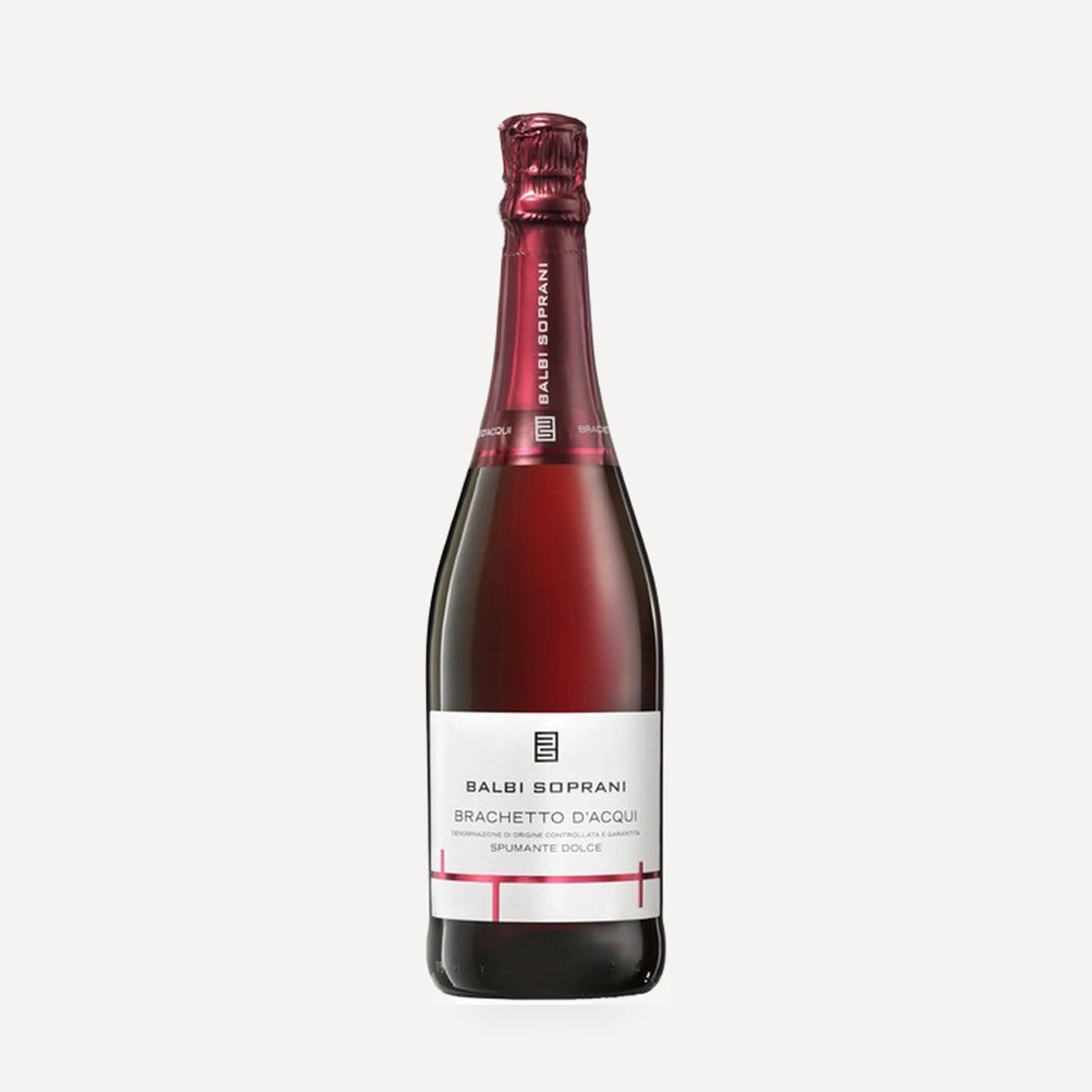
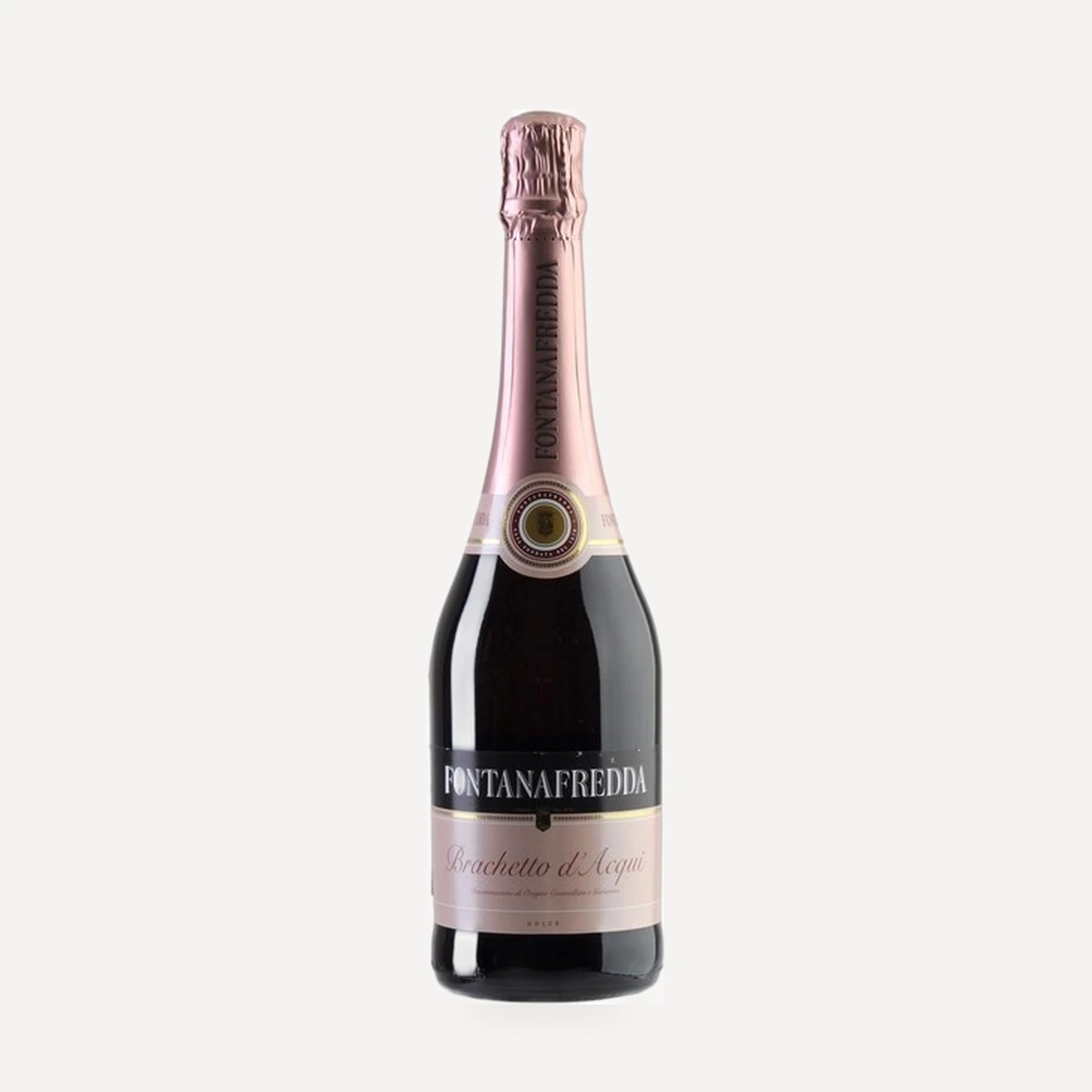
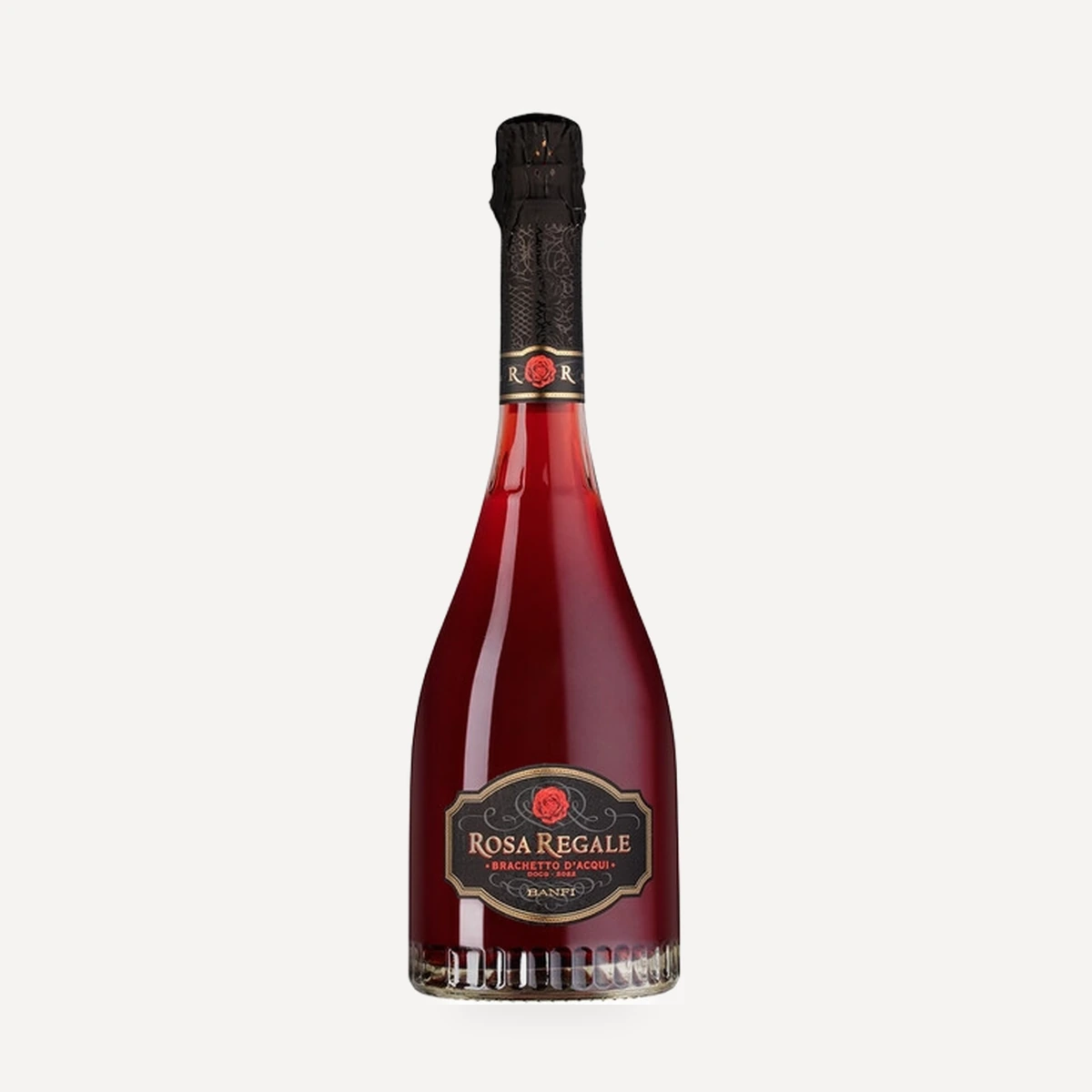
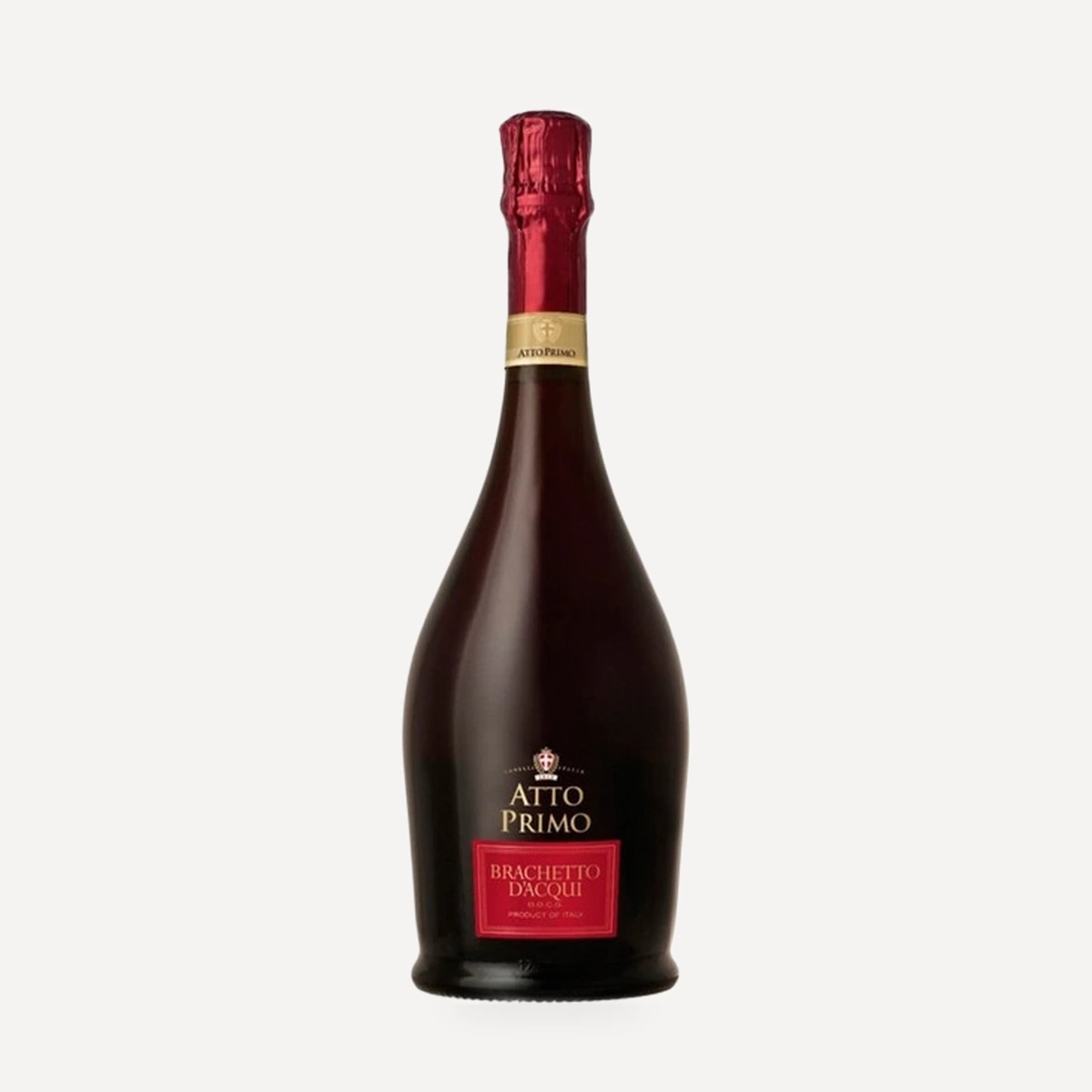
Brachetto d’Acqui in breve
The ground changes across the zone, heavier with clay around Nizza Monferrato, sandy and silty around Acqui Terme, and the rules say the difference can be smelt in the grapes. The vines are mostly pruned to Guyot, which keeps them from growing too vigorous.
The sparkling version owes its modern form to Arturo Bersano, who in the 1950s worked out how to make Brachetto spumante in pressurised tanks; the second fermentation must still last at least a month, bottle rest included. For the Passito, the grapes are dried on the vine or indoors, and the wine may not be sold before the first of October of the year after the harvest. Brachetto d'Acqui became a DOC in 1969 and a DOCG in 1996.