Ruchè di Castagnole Monferrato
5 cantine e 2 vini. Seven communes of the Asti Monferrato — Castagnole Monferrato, Grana, Montemagno, Portacomaro, Refrancore, Scurzolengo and Viarigi — make a red from a grape found almost nowhere else. Ruchè grows on low, wooded hills on the left bank of the Tanaro, between 120 and 400 metres. Continua a leggere ↓
Cantine che producono Ruchè di Castagnole Monferrato
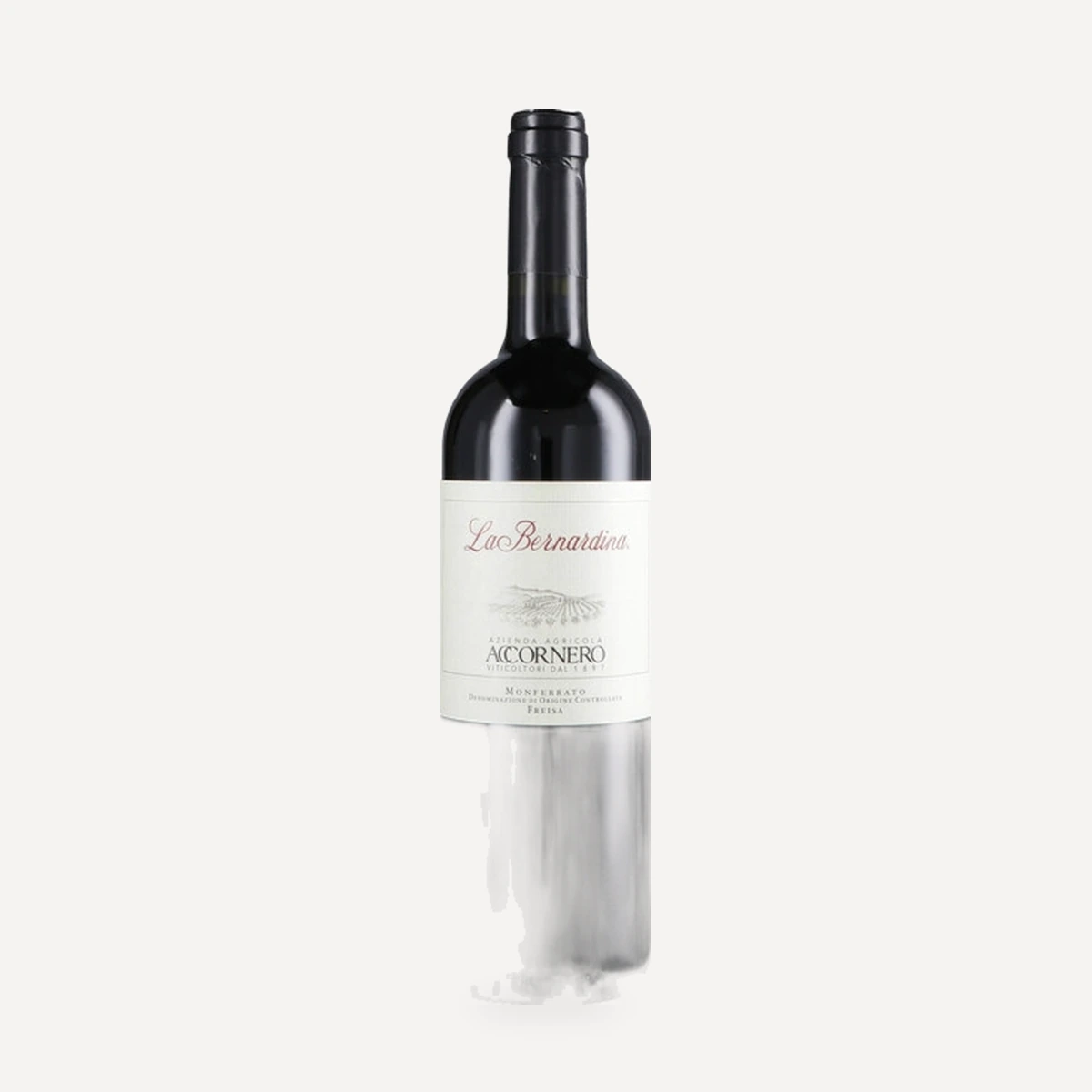 AccorneroMonferrato · 6 viniLa Bernardina Freisa Monferrato DOCVinchio Vaglio Serra53 vini11 premi DWWA, l’ultimo nel 2026 · Barbera d'Asti Vigne Vecchie 50° DOCGCossetti27 vini2 Tre Bicchieri, l’ultimo nel 2026 · Nizza Crivelletto DOCGBavaMonferrato · 6 vini1 premio DWWA 2025 · Serre di San PietroMontalbera
Vini di Ruchè di Castagnole Monferrato
Ruchè di Castagnole Monferrato in breve
For a long time it was a table grape and a base for sweet wines made at home, prized for its perfume and the sugar it builds at harvest. Its life as a serious dry red is owed above all to Luigi Cauda, parish priest of Castagnole Monferrato in the 1960s, who began making it on its own; the results persuaded growers to replant part of the area with it.
The soils mark the transition between the marls of the Monferrato and the Pliocene Astian sands, lighter and looser than most of the Piedmontese Tertiary basin: dry, calcareous and sunny, they give small quantities of fine wine. Ruchè must be at least 90 per cent of the blend, the rest Barbera or Brachetto. It became a DOC in 1987 and a DOCG in 2010.