Vernaccia di San Gimignano
15 cantine e 11 vini. Tuscany's only white DOCG comes from the hills of a single commune, San Gimignano, in the north-west of the province of Siena, halfway between the Tyrrhenian coast and the Apennines. The land lies between 67 and 629 metres, and the vineyards between 70 and 500, on Pliocene marine deposits between 6.8 and 1.8 million years old: yellow sands the locals call tufo, and yellow and grey clays over more compact clay below. The rules credit the balance of sand, clay and stones in each plot with the savour, freshness and ageing power that set one Vernaccia apart from another. Continua a leggere ↓
- Livello
- DOCG
- Regione
- Toscana
- Uve
- Vernaccia, Chardonnay
- Tipologie
- Bianchi
- Produttori
- 15
Cantine che producono Vernaccia di San Gimignano
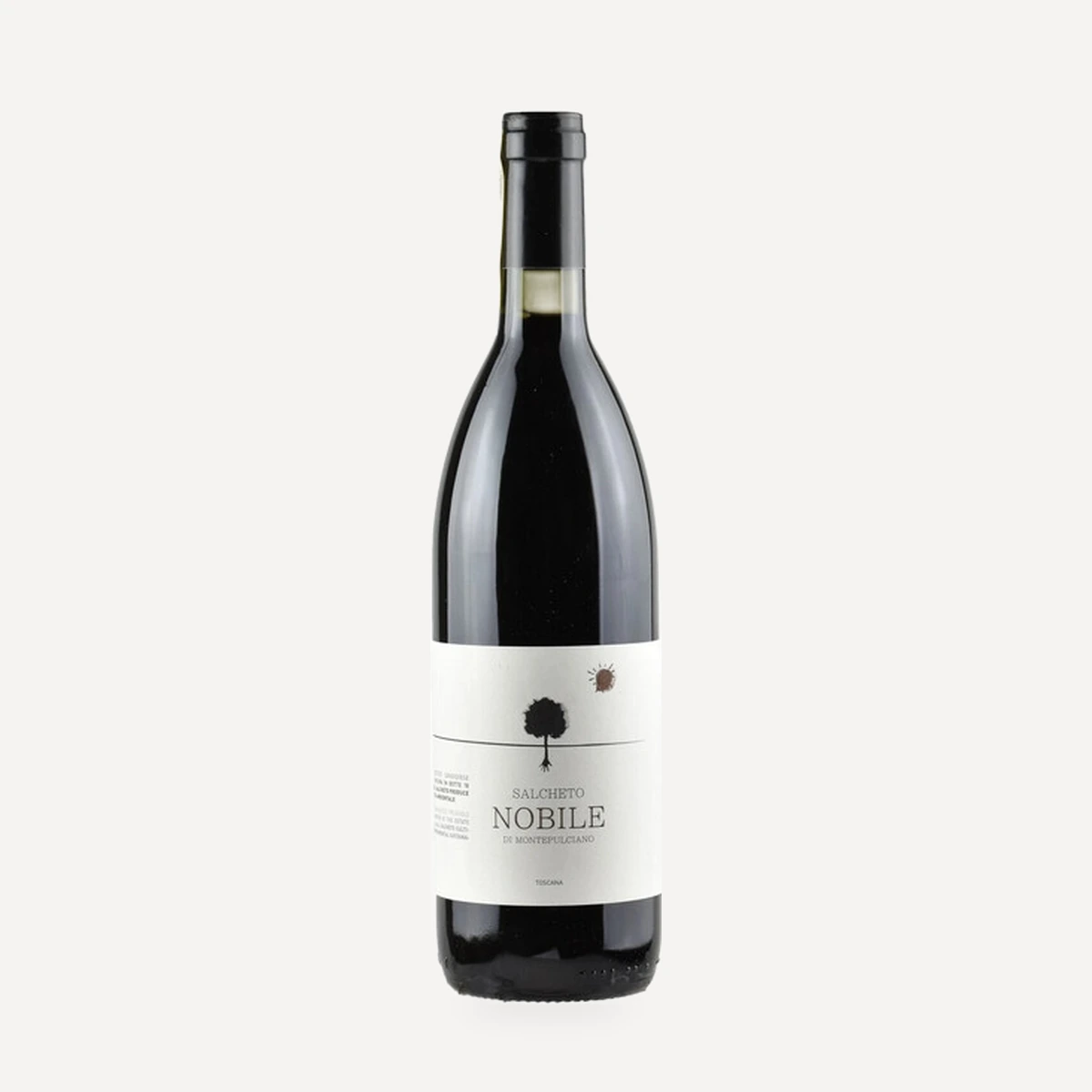 SalchetoVino Nobile di Montepulciano · 17 vini6 Tre Bicchieri, l’ultimo nel 2021 · Nobile
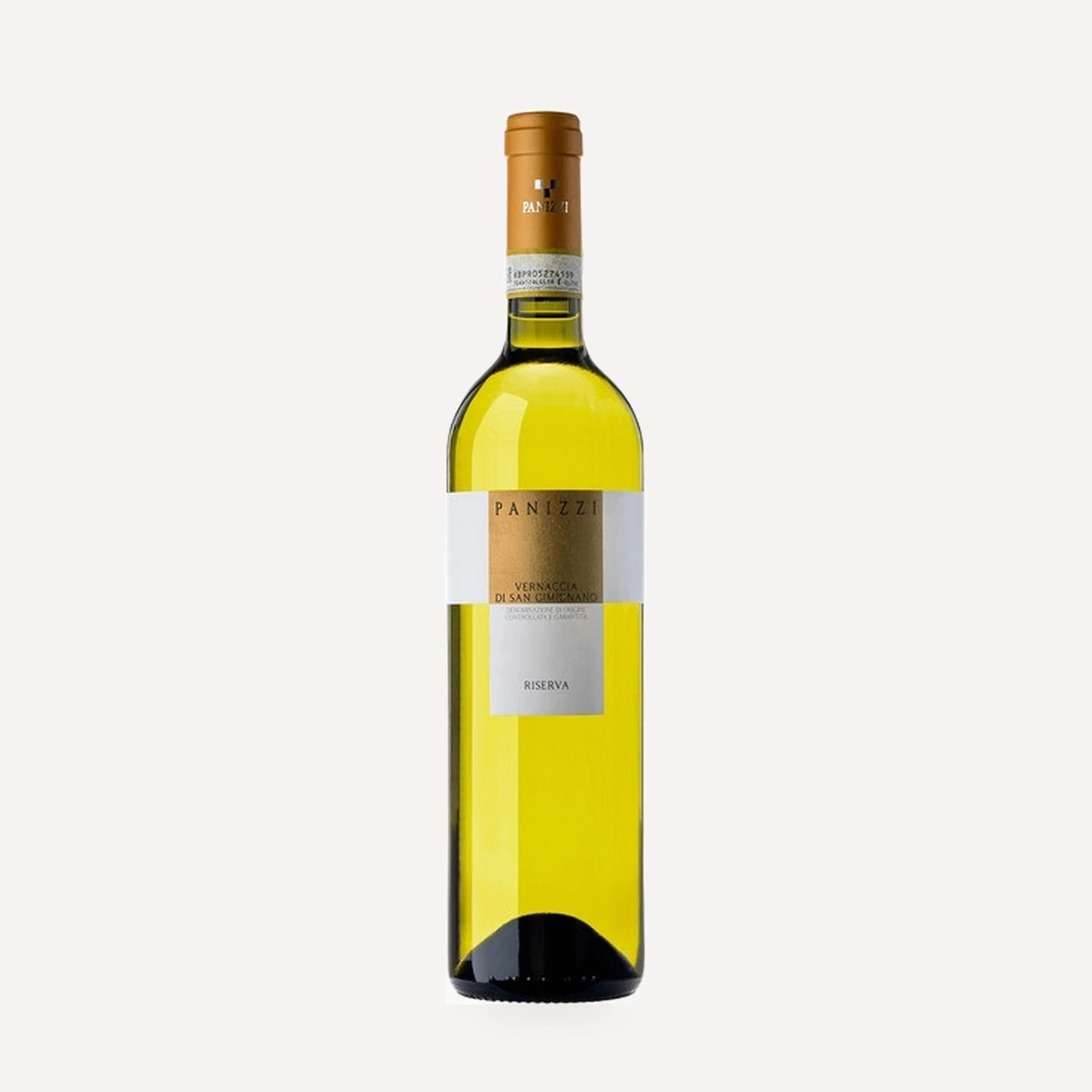 PanizziSan Gimignano · 13 vini8 premi DWWA, l’ultimo nel 2025 · Vernaccia di San Gimignano Riserva DOCG
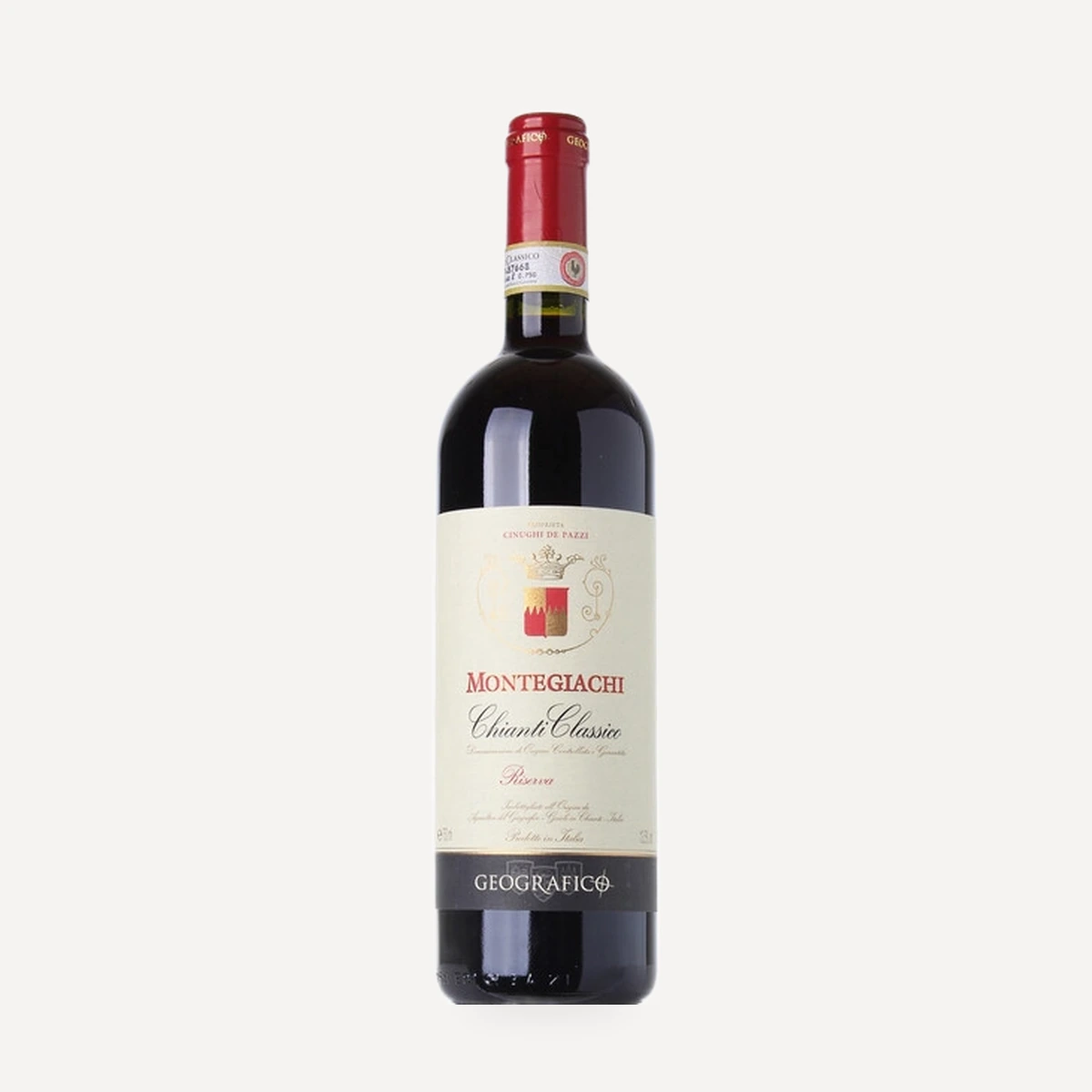 GeograficoChianti Classico · 41 vini2 Tre Bicchieri, l’ultimo nel 2013 · Montegiachi Chianti Classico Riserva DOCG
 Castello di QuercetoChianti Classico · 17 viniCastello di Querceto Chianti Classico
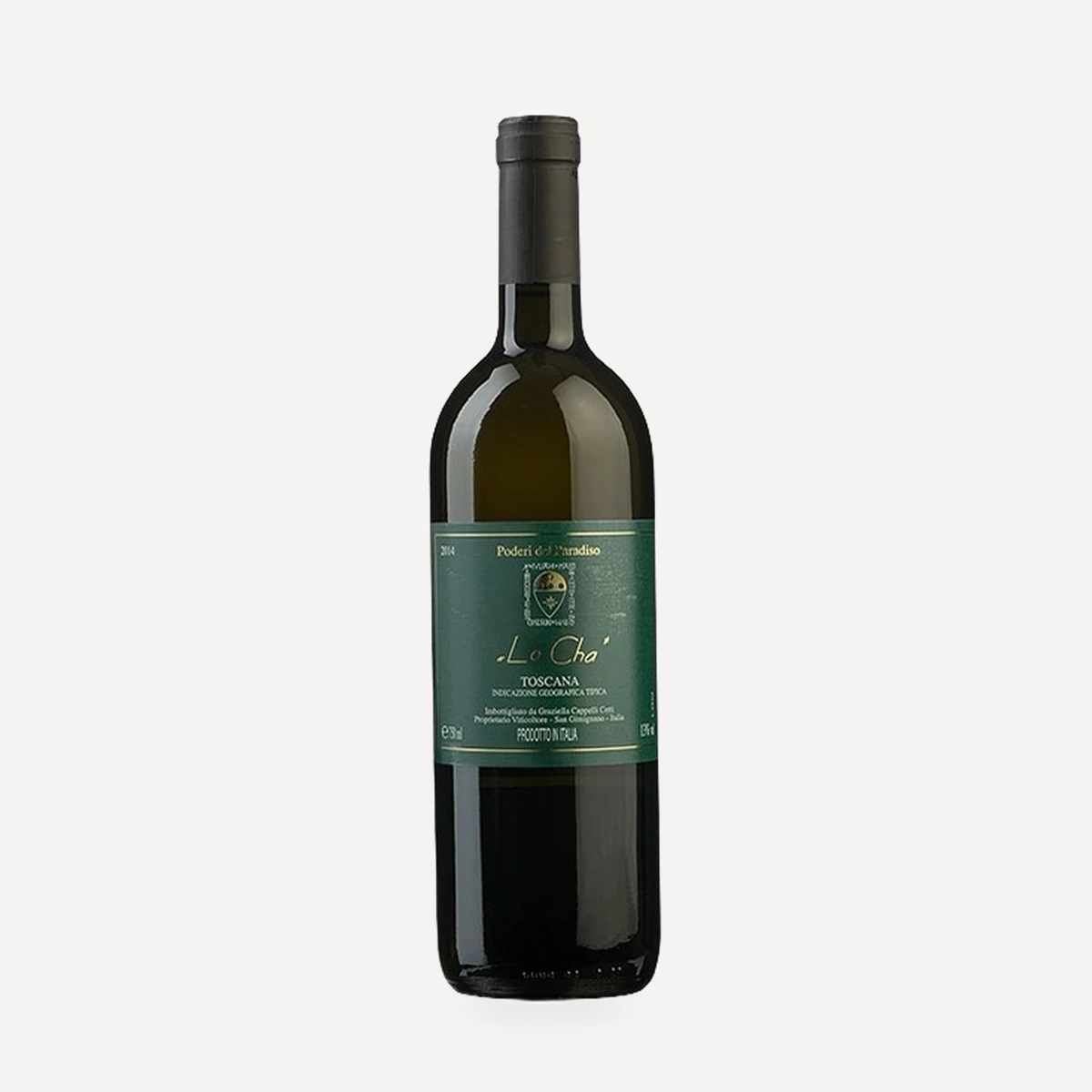 ParadisoVernaccia di San Gimignano · 14 viniLo Cha
 Conti SerristoriChianti Classico · 7 viniToscana Bianco IGTTenuta Villa CusonaBolgheri · 11 viniOcraSovestroChianti · 8 viniCentodue Toscana Rosso IGTMontenidoli11 vini13 Tre Bicchieri, l’ultimo nel 2026 · Carato — Vernaccia di San Gimignano DOCG
 Tenuta La Vigna10 viniChianti DOCGFontaleoni8 vini2 Tre Bicchieri, l’ultimo nel 2014 · Casanuova Vernaccia di San Gimignano DOCG
Vini di Vernaccia di San Gimignano
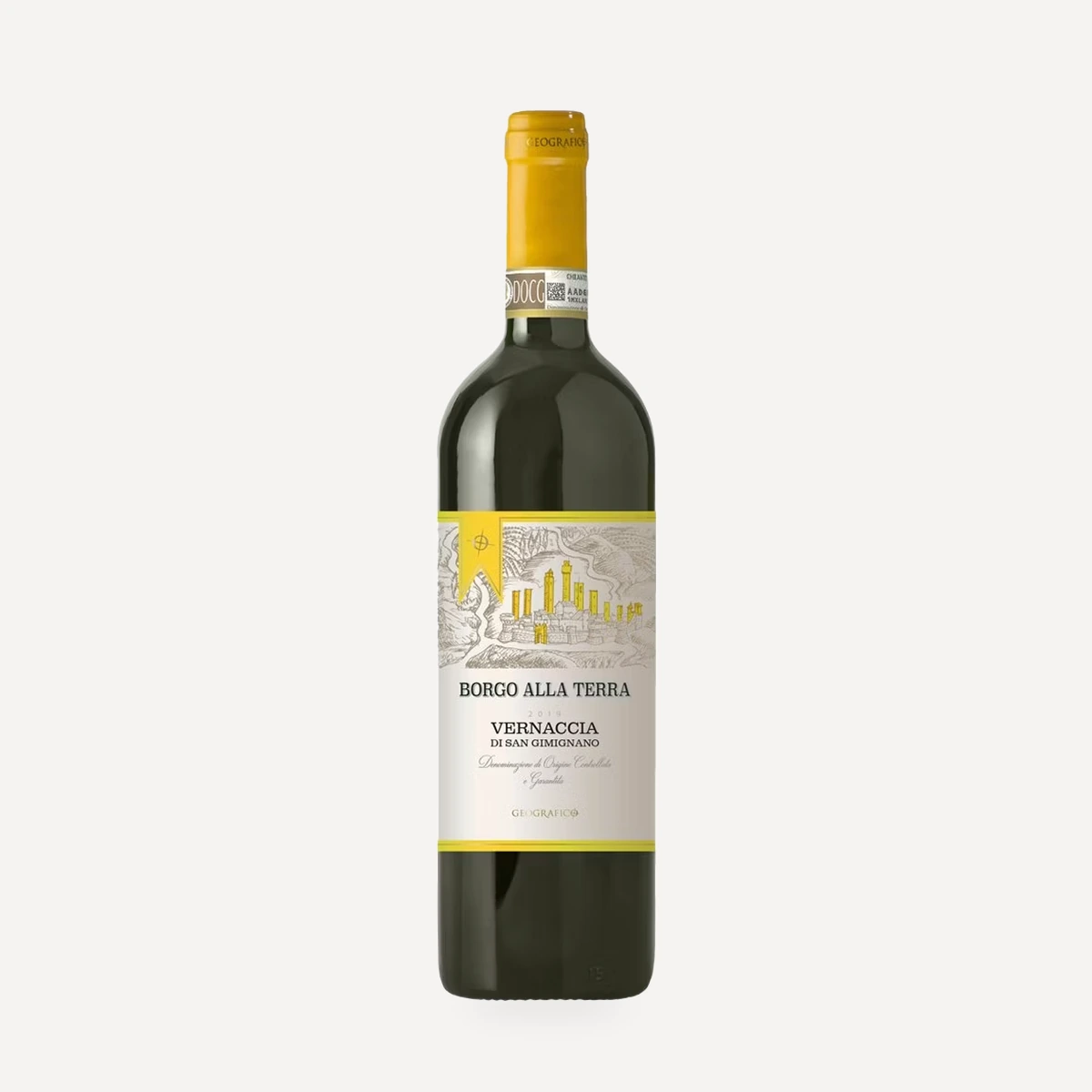

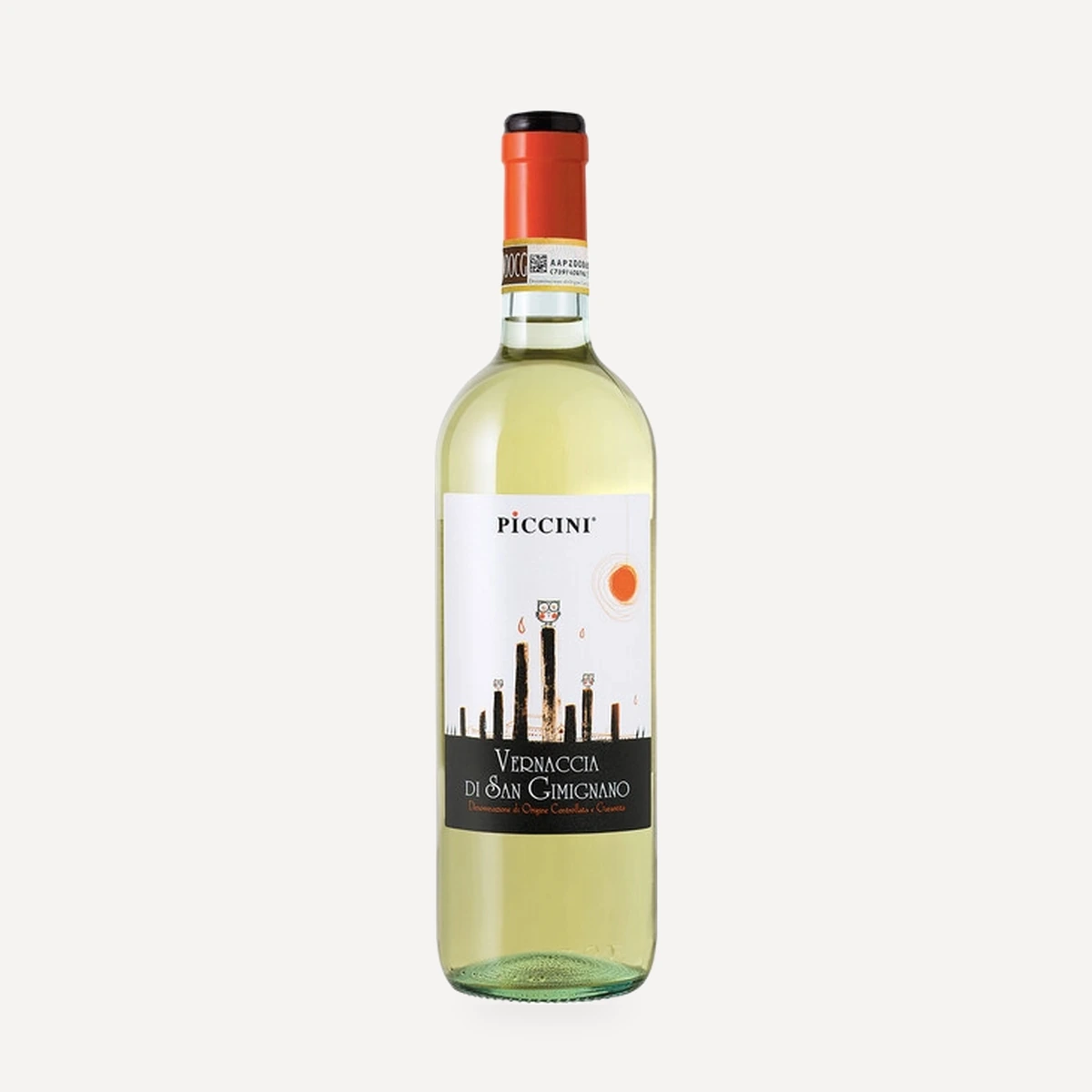
Vernaccia di San Gimignano in breve
The climate is sub-Mediterranean, with dry summers, fairly cold winters, around 700 mm of rain and steady wind; fog is rare. The wine is made from Vernaccia di San Gimignano, with up to 15 per cent of other non-aromatic white grapes; aromatic varieties such as Traminer and Muscat are banned. A Riserva ages at least eleven months from the first of January after the harvest, then three months in bottle.
Vines grew here under the Etruscans, and Vernaccia arrived in the twelfth century. The town's tax ordinances of 1276 already record it being made and sold, and a genetic study commissioned by the consortium found today's vines to share a single root, with no crossing with varieties from elsewhere over the centuries. In 1966 it became Italy's first DOC; the DOCG followed in 1993.