Carmignano
3 cantine e 9 vini. West of Florence, on the slopes of the Montalbano ridge, the communes of Carmignano and Poggio a Caiano make a red whose boundaries were fixed three centuries ago. On 24 September 1716 Grand Duke Cosimo III de' Medici published a decree marking out four wine regions — Chianti, Pomino, the upper Valdarno and Carmignano — one of the earliest legal protections of a wine's origin anywhere. Continua a leggere ↓
- Livello
- DOCG
- Regione
- Toscana
- Uve
- Sangiovese, Canaiolo Nero, Cabernet Sauvignon
- Tipologie
- Rossi
- Produttori
- 3
Cantine che producono Carmignano
Vini di Carmignano
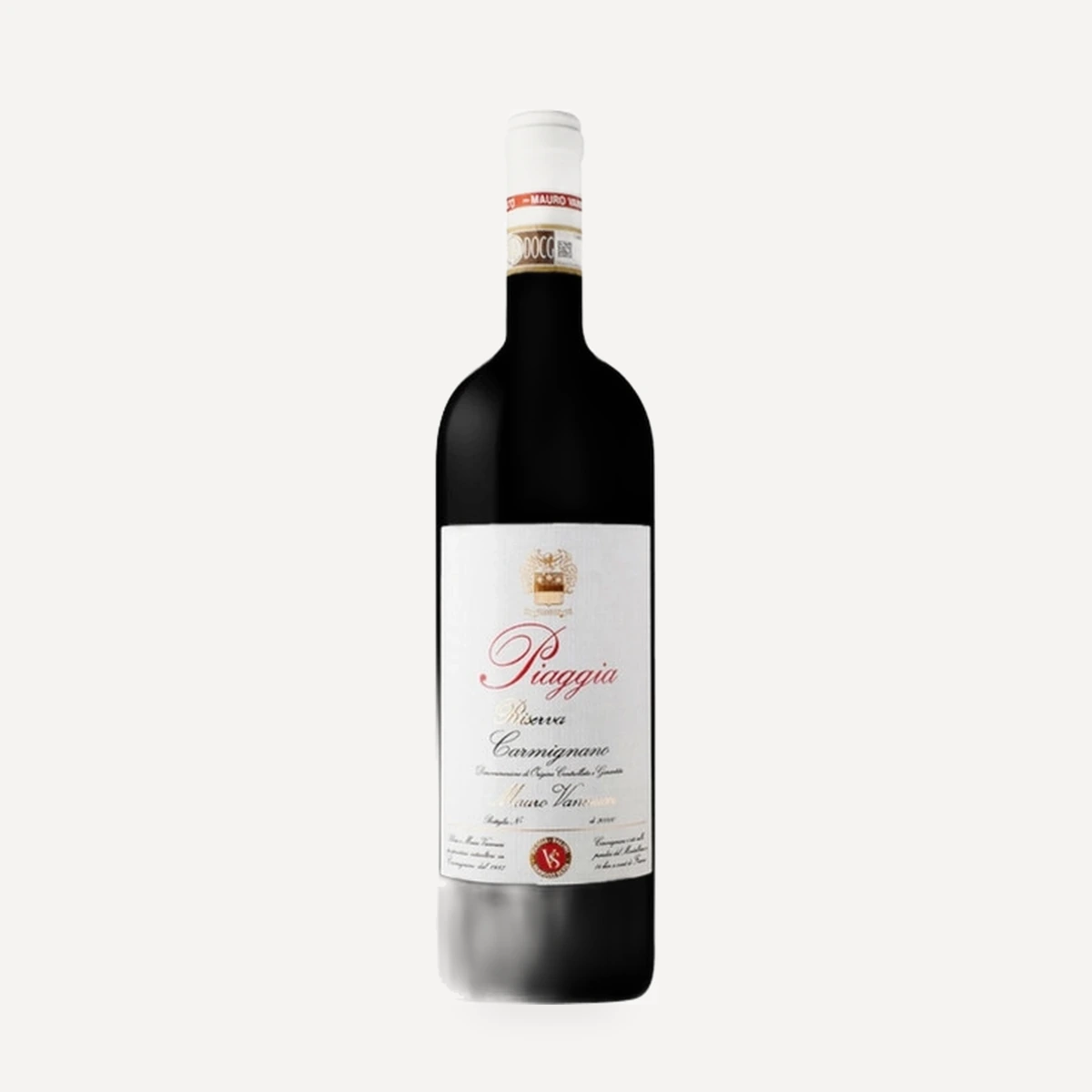
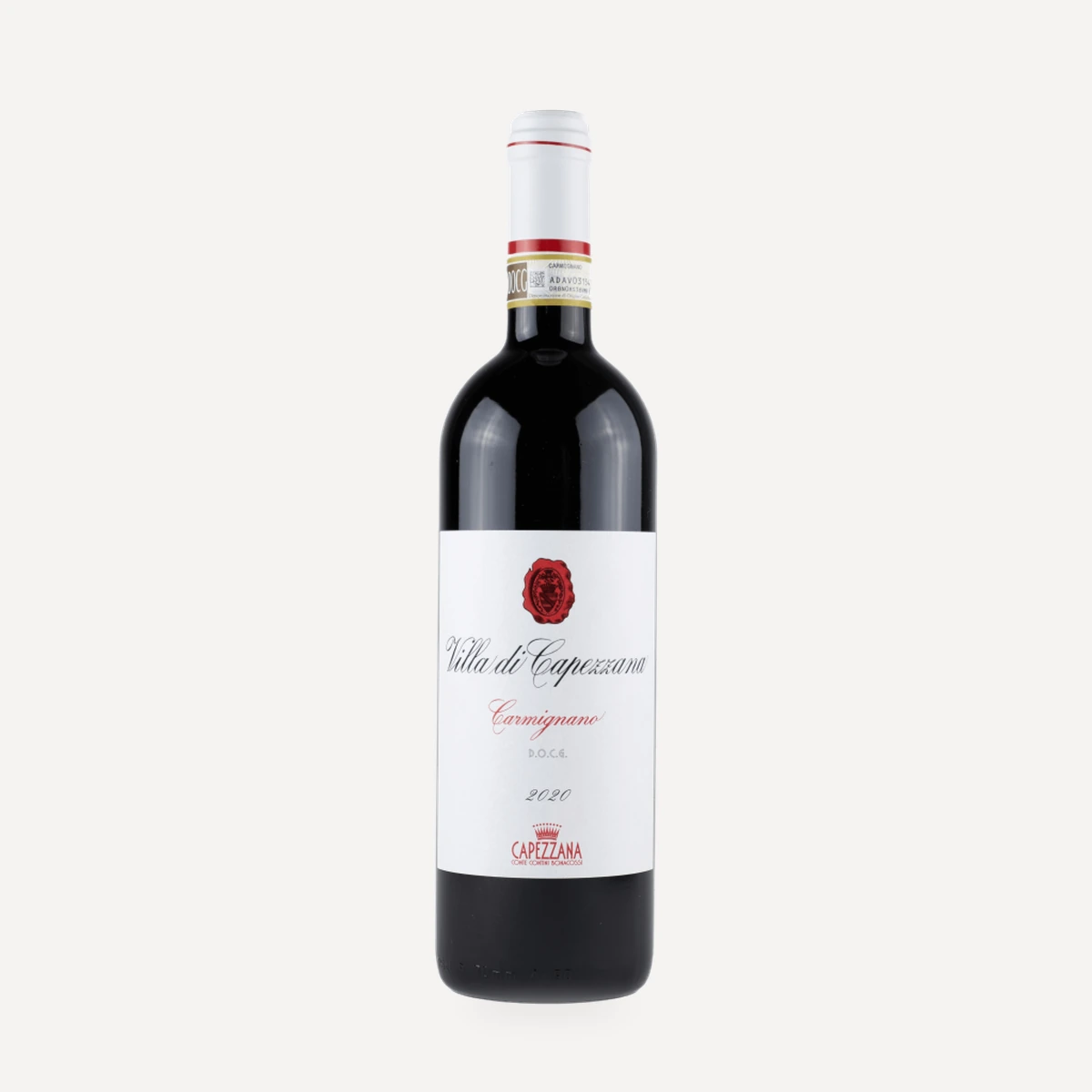
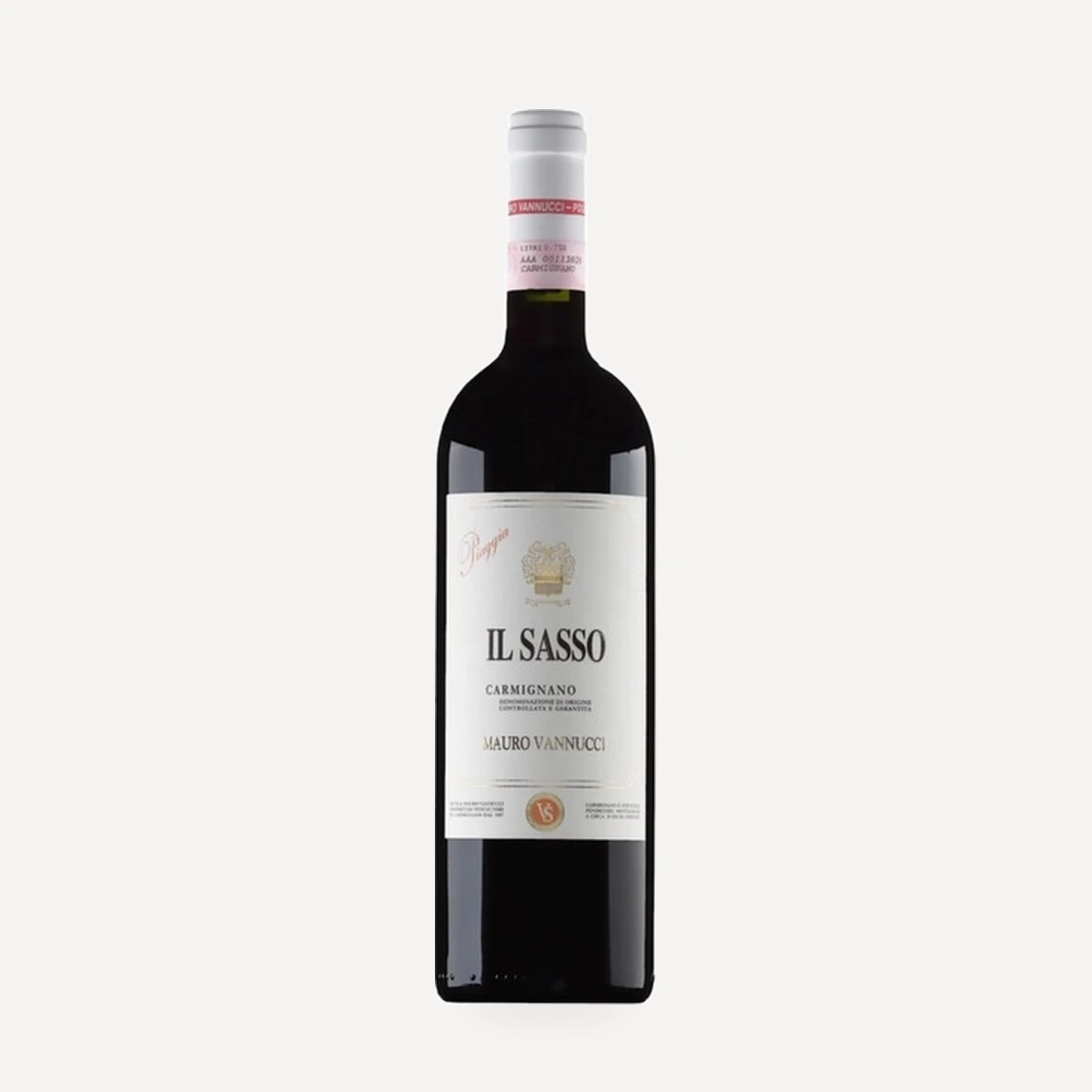
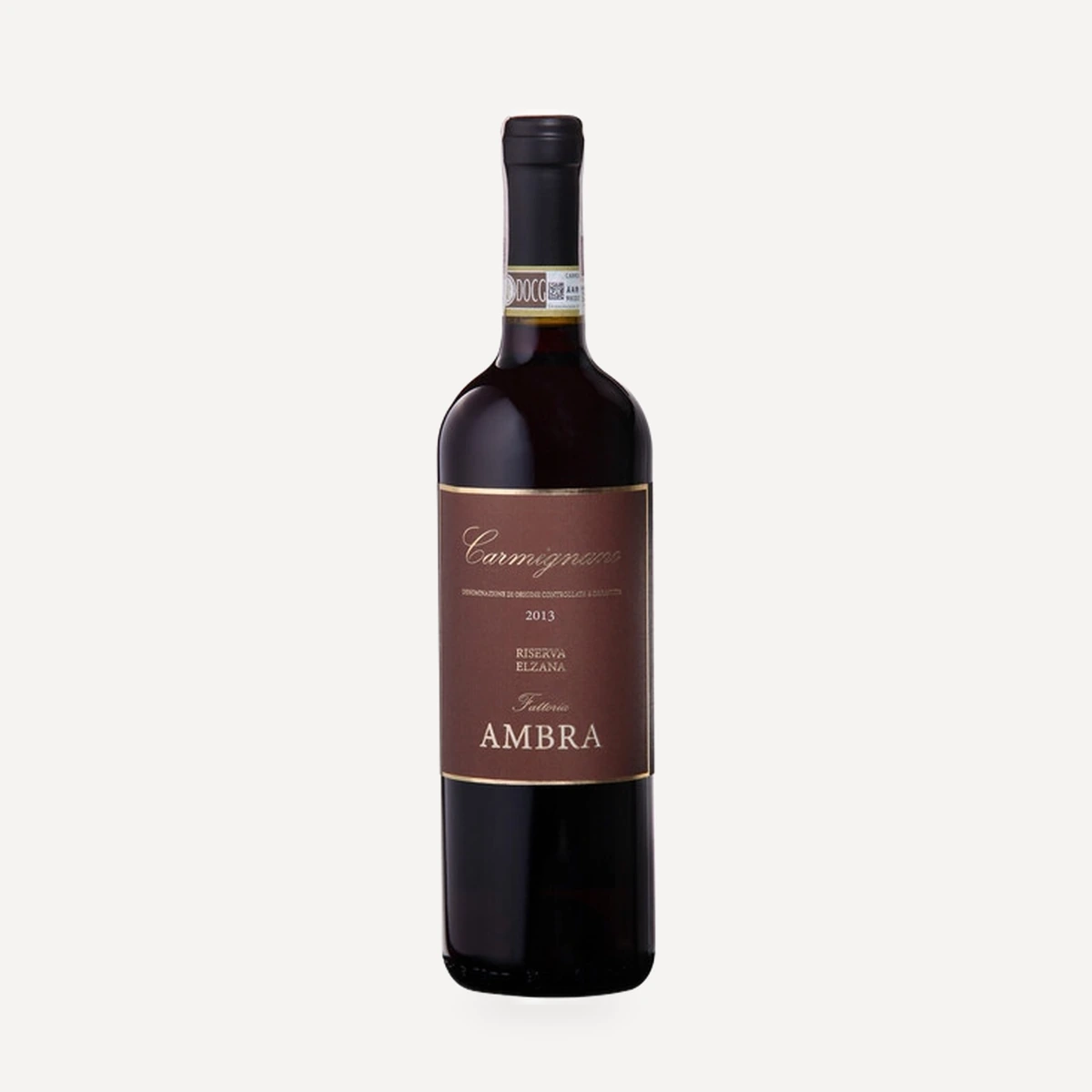
Carmignano in breve
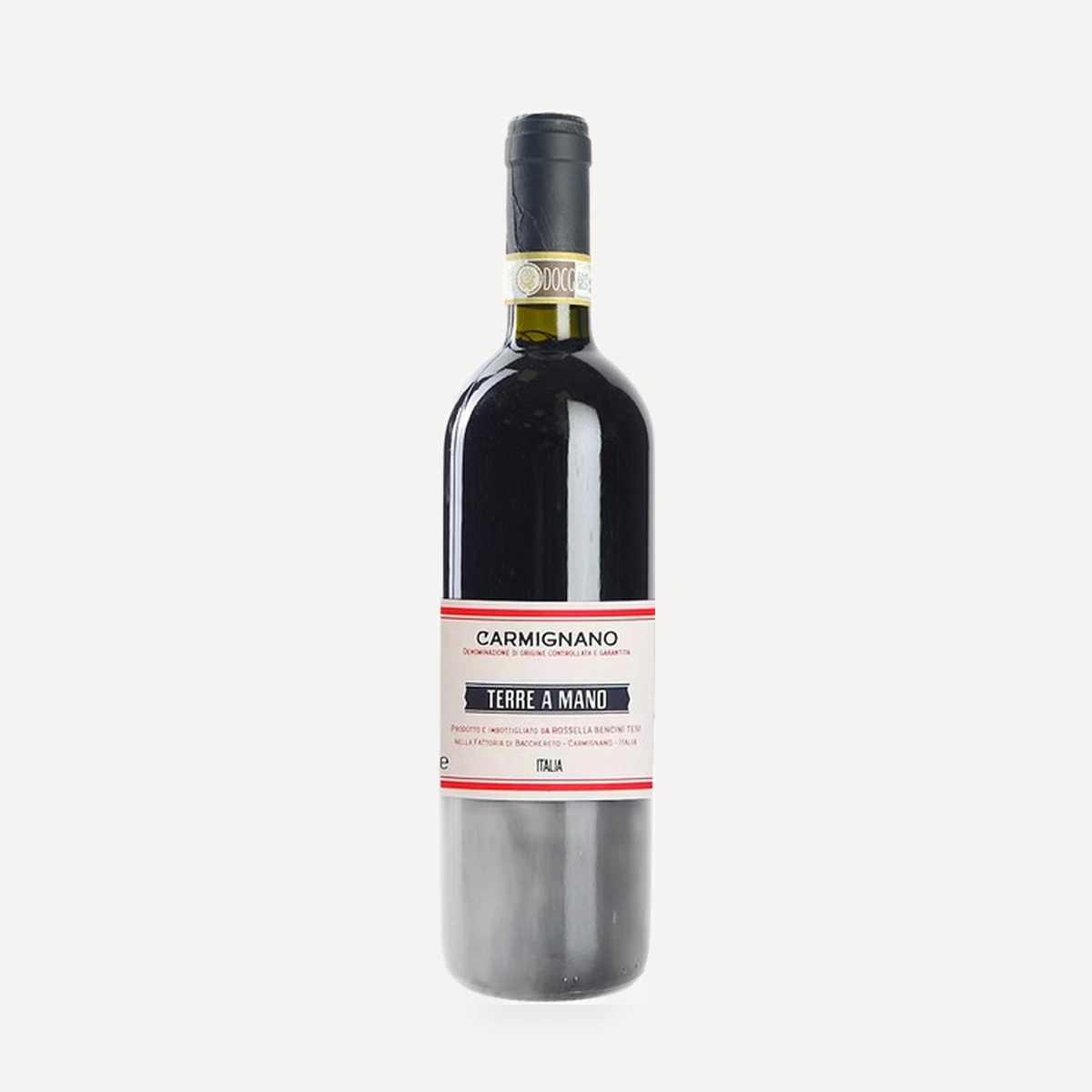
What sets Carmignano apart in Tuscany is Cabernet. Locally it was long called uva francesca, and tradition holds that the Medici brought it from France; the rules now require between 10 and 20 per cent of Cabernet Franc and Cabernet Sauvignon alongside at least half Sangiovese, up to a fifth Canaiolo Nero and a little white grape.
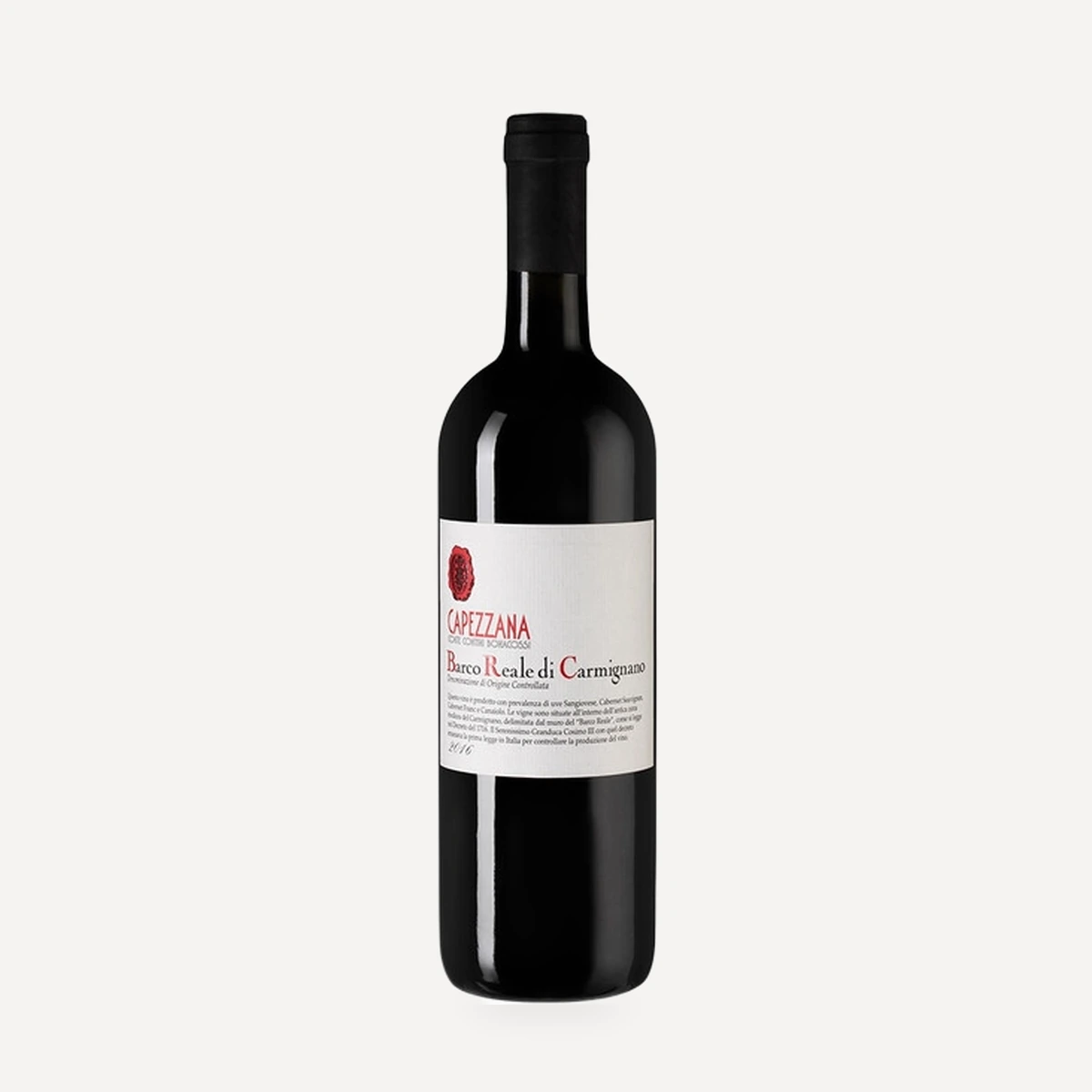
Vineyards may not climb above 400 metres, and they must stand on the zone's own rock: alberese marly limestone, Eocene clay schists and Oligocene sandstone. Yields stop at eight tonnes a hectare. The wine spends at least eight months in oak or chestnut and may not be sold before the first of June of the second year; a Riserva takes twelve months in wood and waits until 29 September of the third. Carmignano became a DOC in 1975 and a DOCG in 1990. The same hills make the younger Barco Reale di Carmignano and a Vin Santo, each under a DOC of its own.