Storia
Fifteenth-century family roots
The documented identity of the Cetti family in San Gimignano reaches back to the fifteenth century. Giuliano di Martino Cetti commissioned Domenico Ghirlandaio to create a fresco in the baptistery of the Duomo di Santa Maria Assunta, where the family's coat of arms appears. Ghirlandaio was a leading Renaissance painter and the head of a Florentine workshop in which the young Michelangelo trained. The commission reflects the Cetti family's established position in the social and cultural life of fifteenth-century San Gimignano.
The historic estate house known as Paradiso also has references dating to the fifteenth century. The family crest has remained a continuous marker of identity: today it appears on labels, stationery and throughout the agriturismo, linking the contemporary estate with approximately six centuries of family history.
1973: the modern estate
Poderi del Paradiso dates its modern life as a wine estate to 1973. It developed in the countryside of San Gimignano under the direction of the Cetti family, with the land and its natural equilibrium placed at the centre of the enterprise.
The estate today
Graziella Cappelli Cetti, Vasco Cetti and their son David currently direct Poderi del Paradiso. The family oversees approximately 30 hectares of organically farmed vineyards together with an olive grove containing more than 3,000 trees.
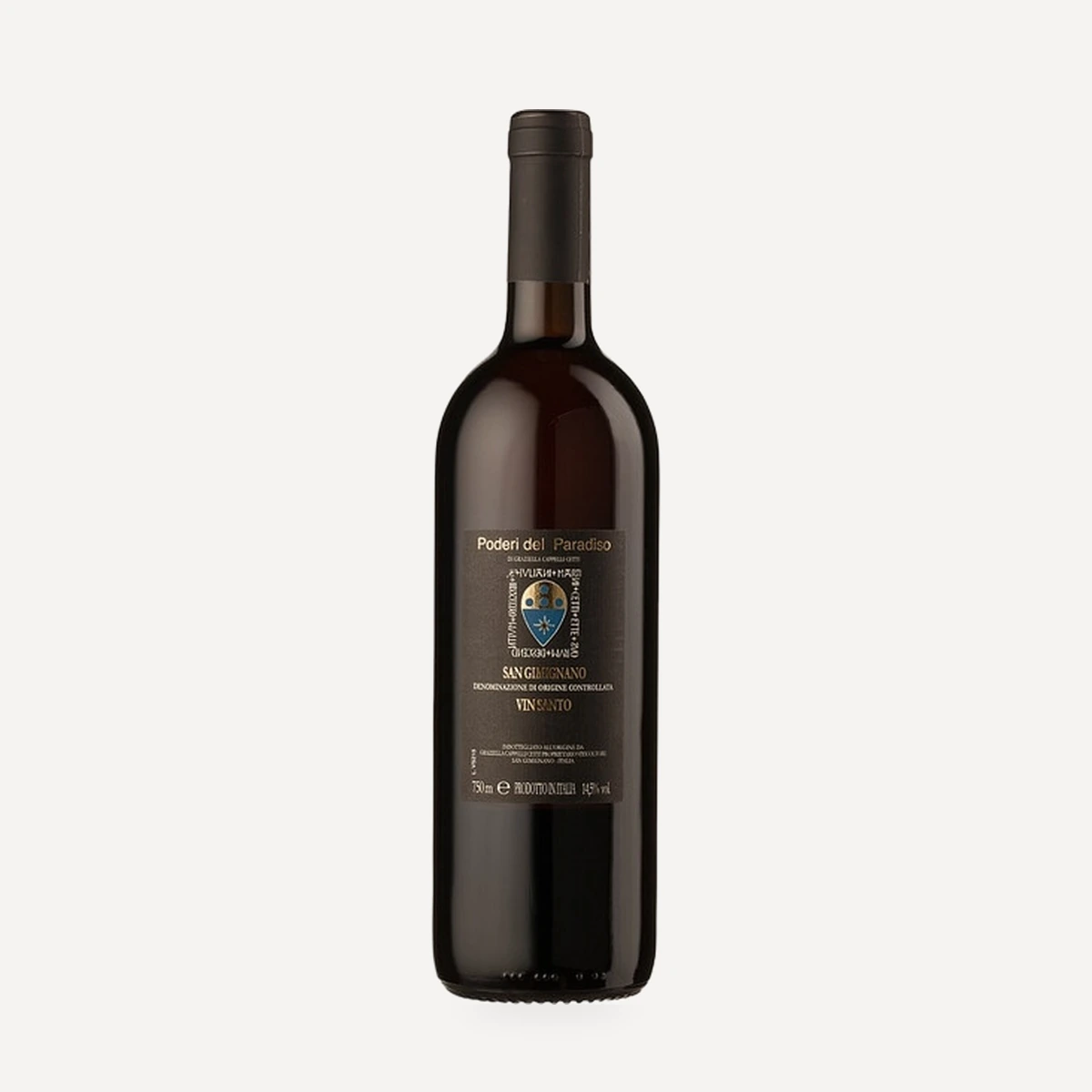
The contemporary range combines established estate wines such as Paterno and Saxa Calida with Silicum, Bottaccio, Mangiafoco and A Filippo. It also encompasses the historic local denominations Vernaccia di San Gimignano DOCG, including the Riserva Biscondola, and Chianti Colli Senesi DOCG in regular and Riserva forms. White and rosé production includes Saubla, Lo Cha and Rosa del Paradiso, while the traditional side of the range extends to Vin Santo di San Gimignano DOC and Grappa di Vernaccia.
Terroir
Poderi del Paradiso lies in the countryside around San Gimignano, in central Tuscany. The vineyards represented across the estate range stand at approximately 280 metres above sea level. Southeast exposure predominates, while an east-facing site is also used for Canaiolo.
Pliocene sands are the recurring soil foundation across the vineyards. Clay is also present in part of the Chardonnay plantings. The combination of altitude, exposure and these sandy soils forms the physical basis of the estate's interpretation of both San Gimignano's historic denominations and its Toscana IGT wines.
Vinificazione
The approximately 30 hectares of vineyards are managed according to certified-organic principles. The estate's agronomic programme is built around maintaining natural equilibrium rather than exploiting the land. Vineyard interventions are intended to protect biodiversity and preserve the integrity of the harvested fruit.
The vineyard material represented across the range spans approximately 5 to 35 years of age. Both Guyot and spurred-cordon training are employed, with the system varying by variety and site. The estate associates the use of organically grown grapes with wines that express their place of origin directly and faithfully.
The agricultural property also includes an olive grove of more than 3,000 trees, adding a substantial perennial crop alongside the vineyards.
The cellar works with both local and international varieties and produces red, white, rosé and sweet wines, as well as grappa. The range centres on Vernaccia di San Gimignano, Sangiovese-based wines and a group of varietal or blended Toscana IGT bottlings. Vin Santo di San Gimignano continues the area's sweet-wine tradition, while Grappa di Vernaccia is distilled from fresh Vernaccia pomace.
Filosofia
The estate frames its agronomic philosophy as caring for the land rather than exploiting it. Natural equilibrium is the governing principle, and every intervention in the vineyard is intended to protect biodiversity and the purity of the raw material.
Organically grown grapes are regarded as the basis for wines capable of expressing their terroir honestly. Within the cellar identity, heritage, memory and innovation coexist: historic local denominations and traditional products stand alongside international varieties and proprietary Toscana IGT wines.
Family continuity is another central element. The fifteenth-century Cetti coat of arms functions not merely as decoration but as the estate's visual link between family history, San Gimignano and the present-day agricultural enterprise.
Vini
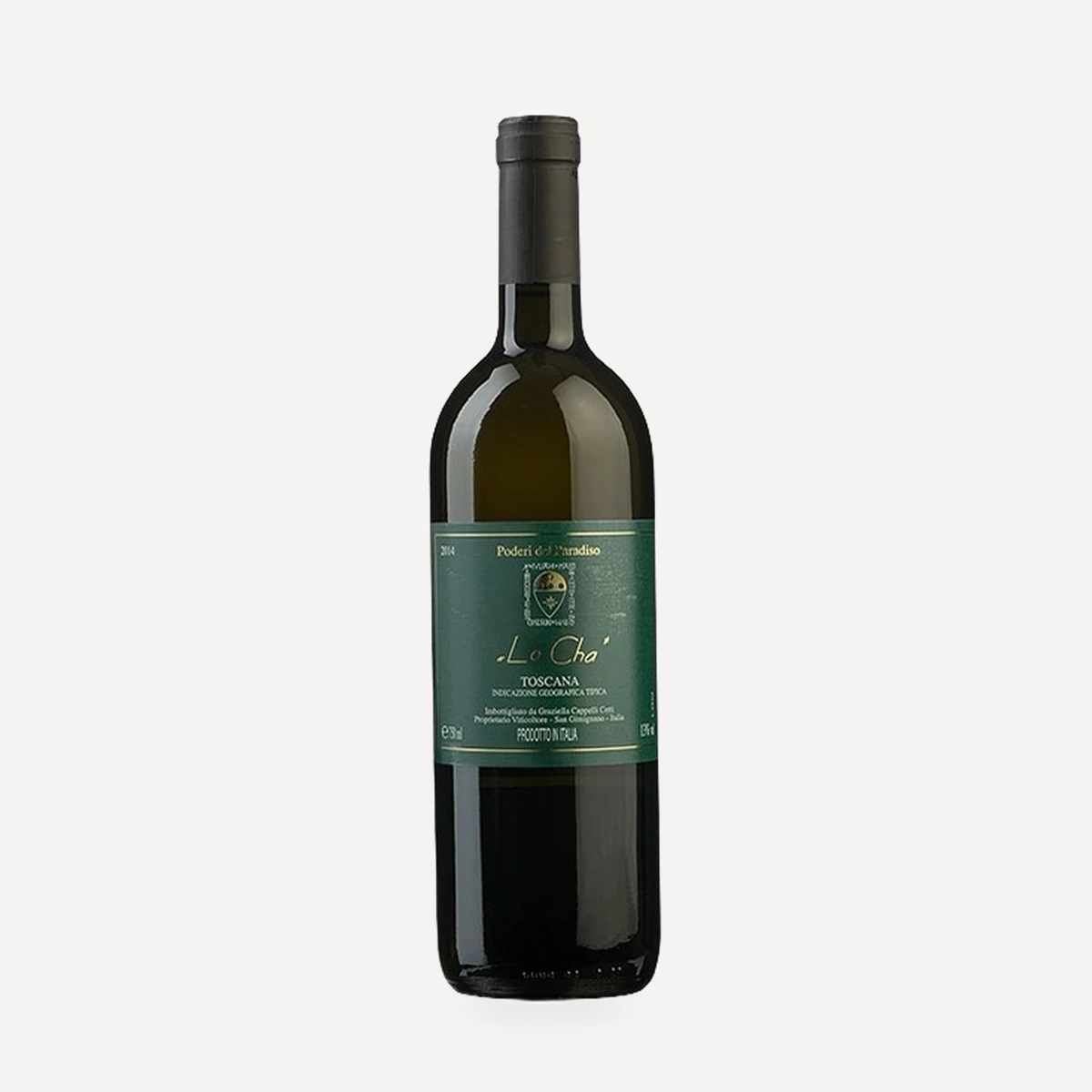
Lo Cha
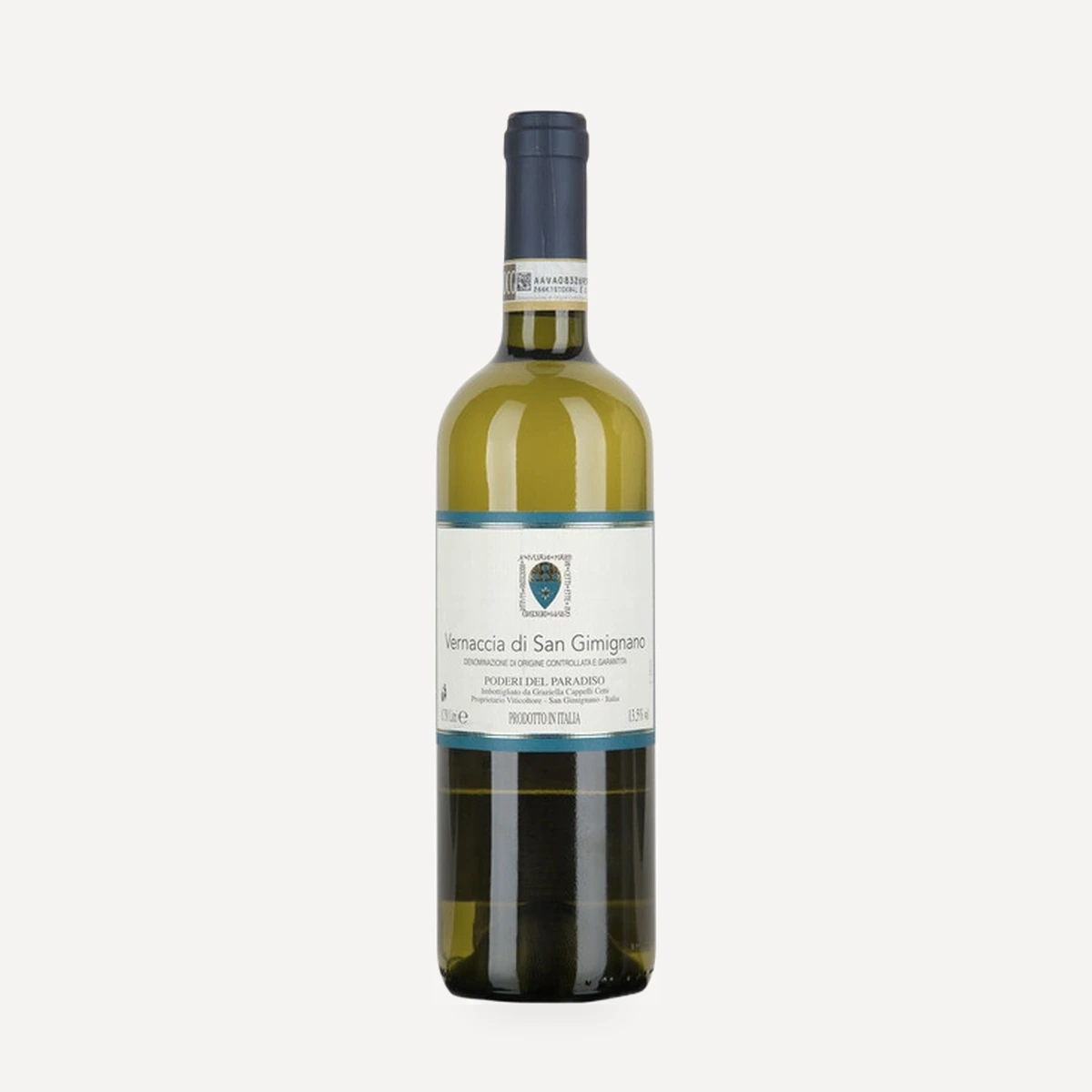
Vernaccia
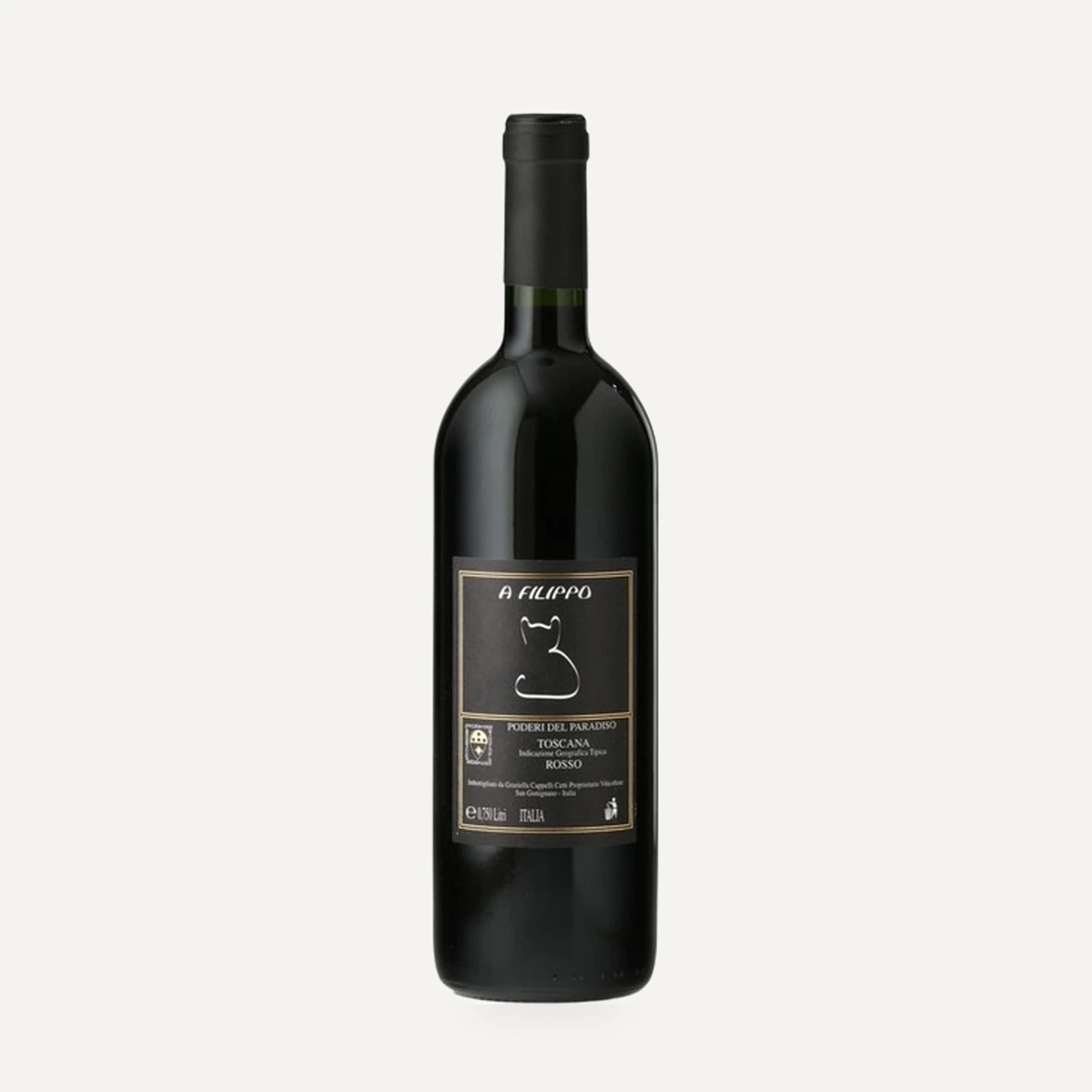
A Filippo
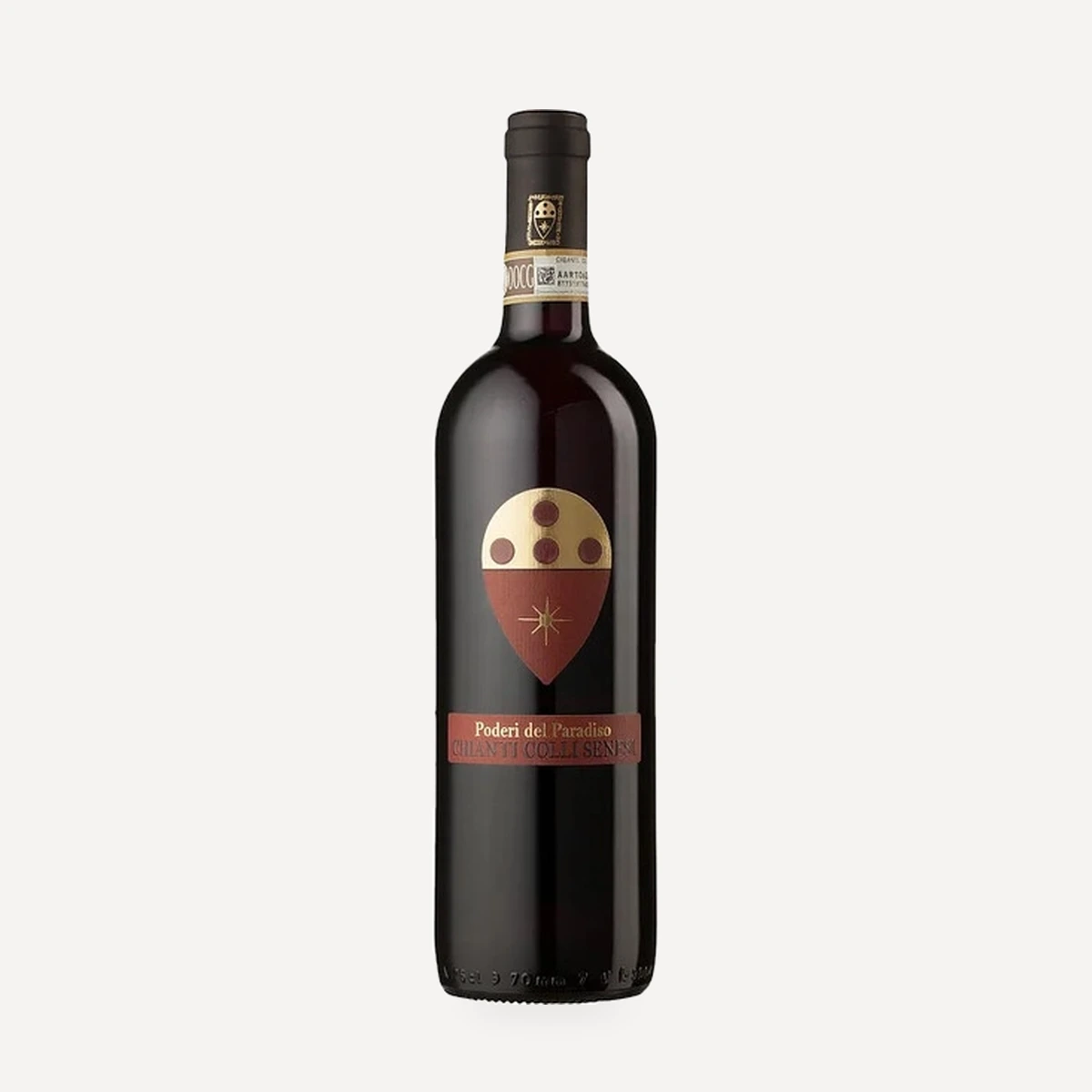
Chianti
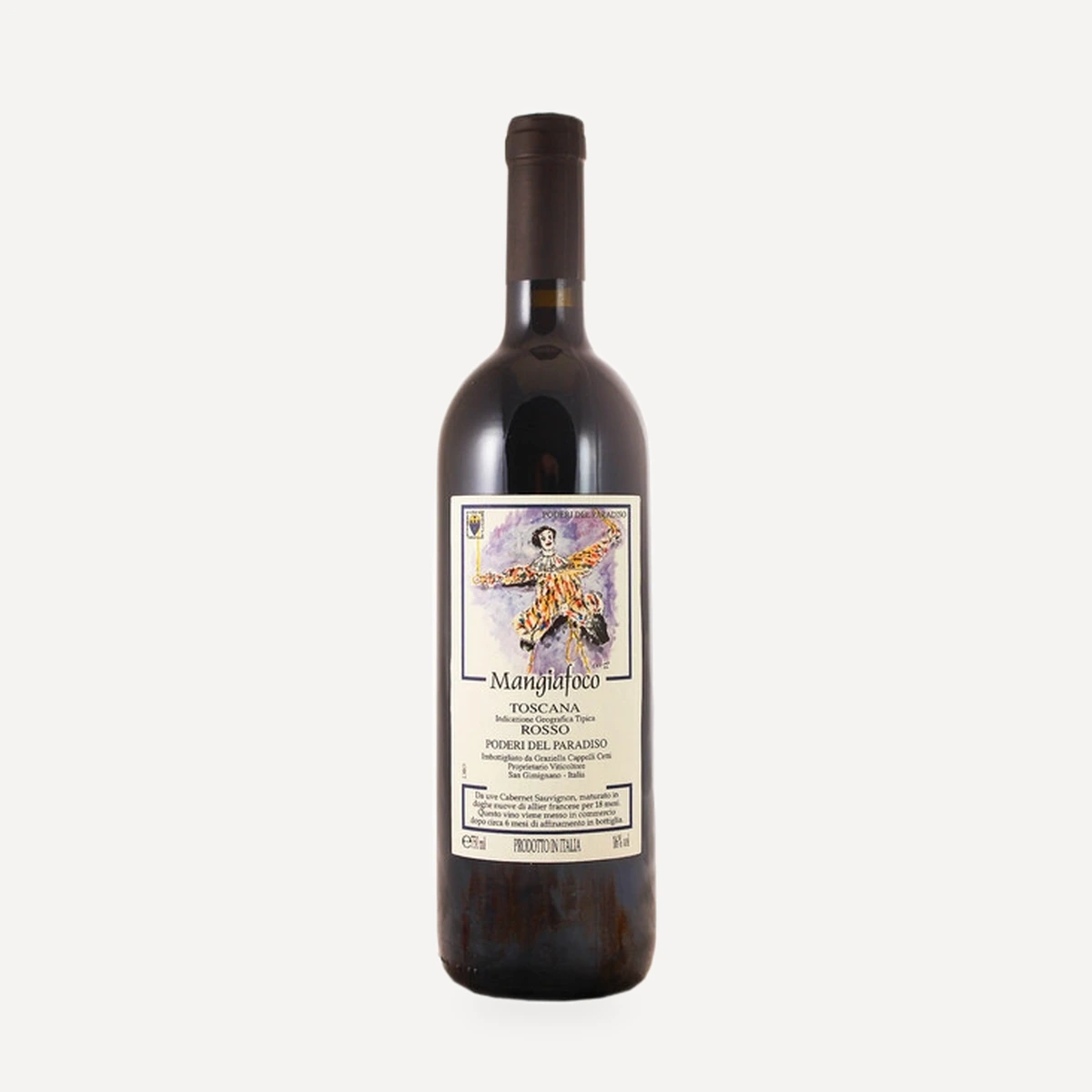
Mangiafoco
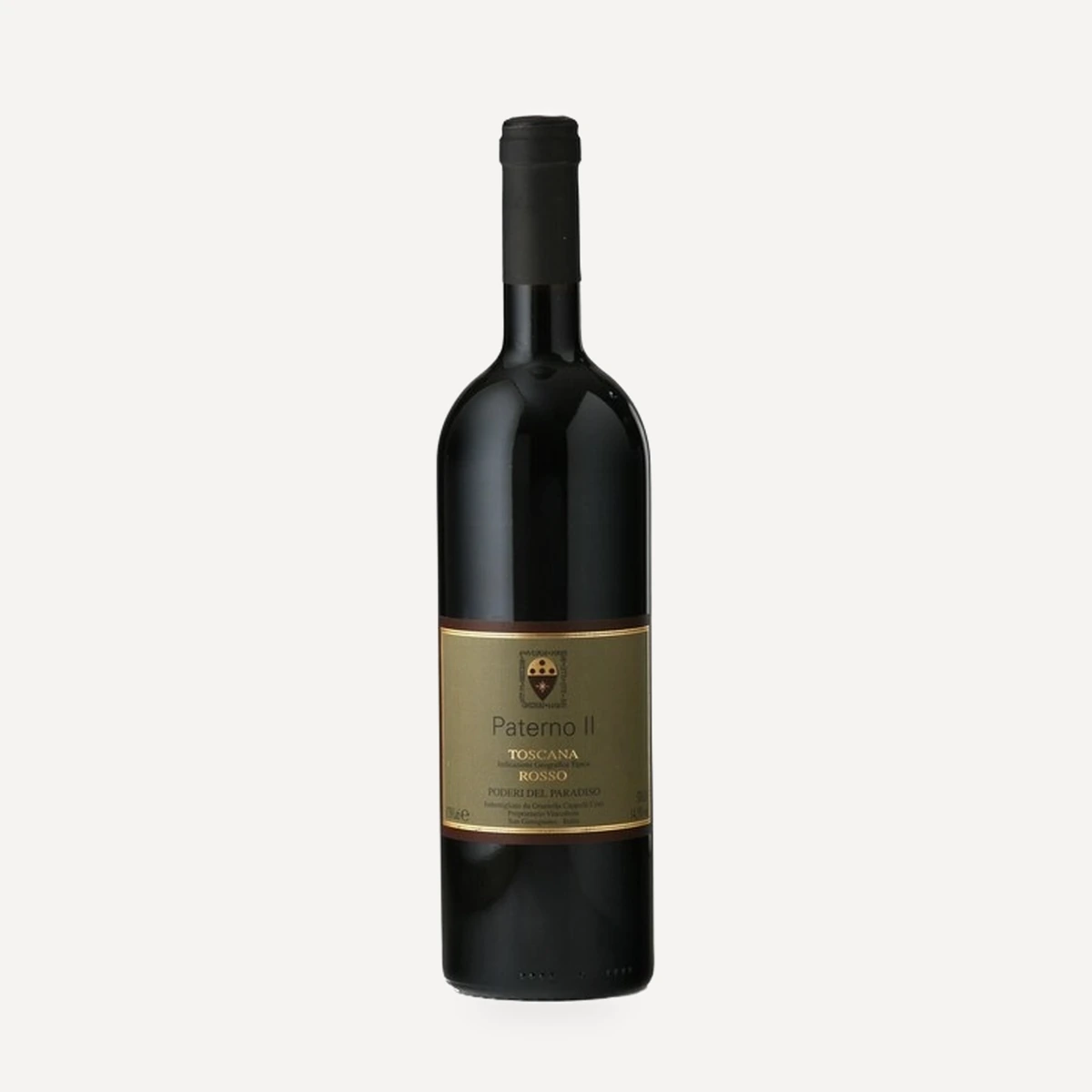
Paterno II
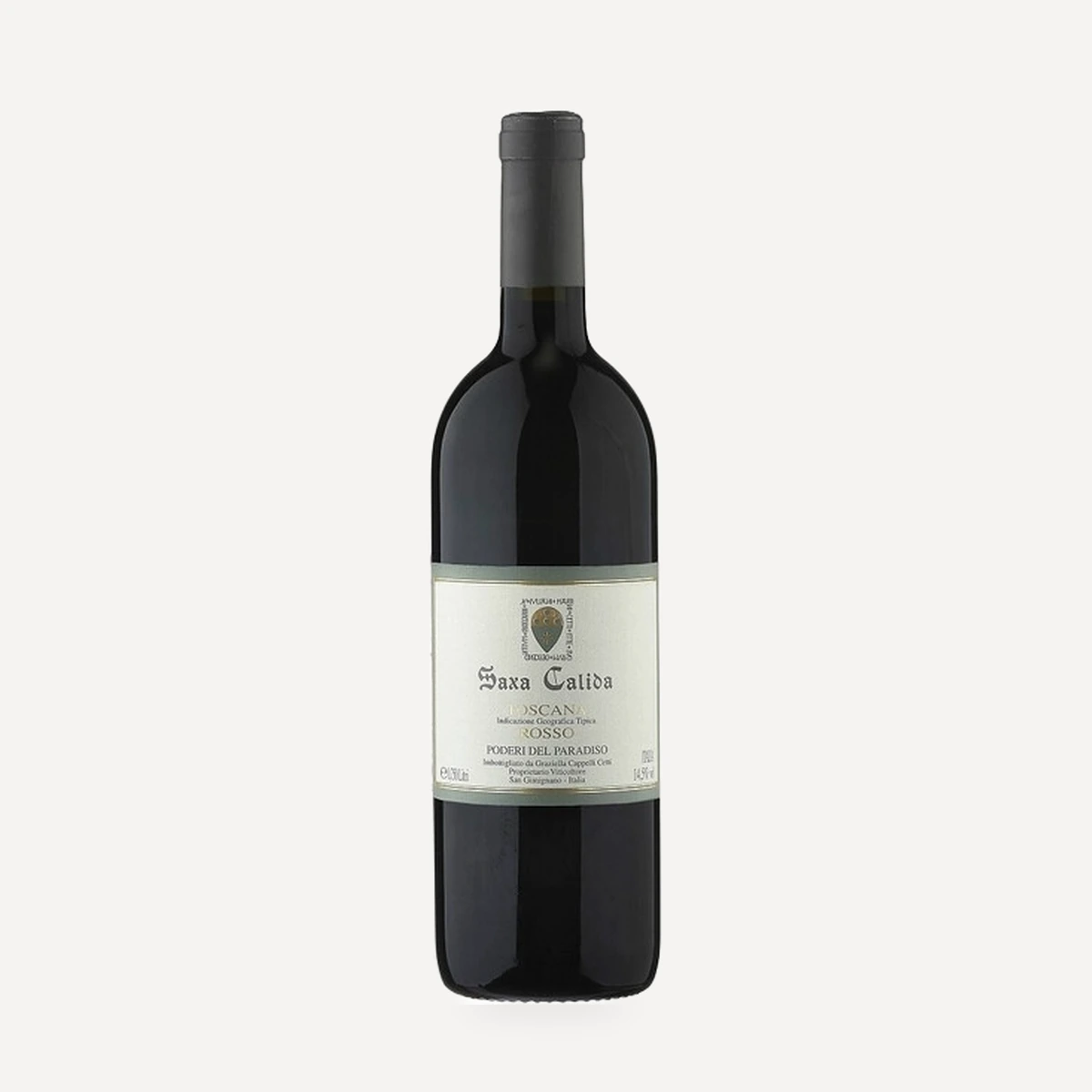
Saxa Calida
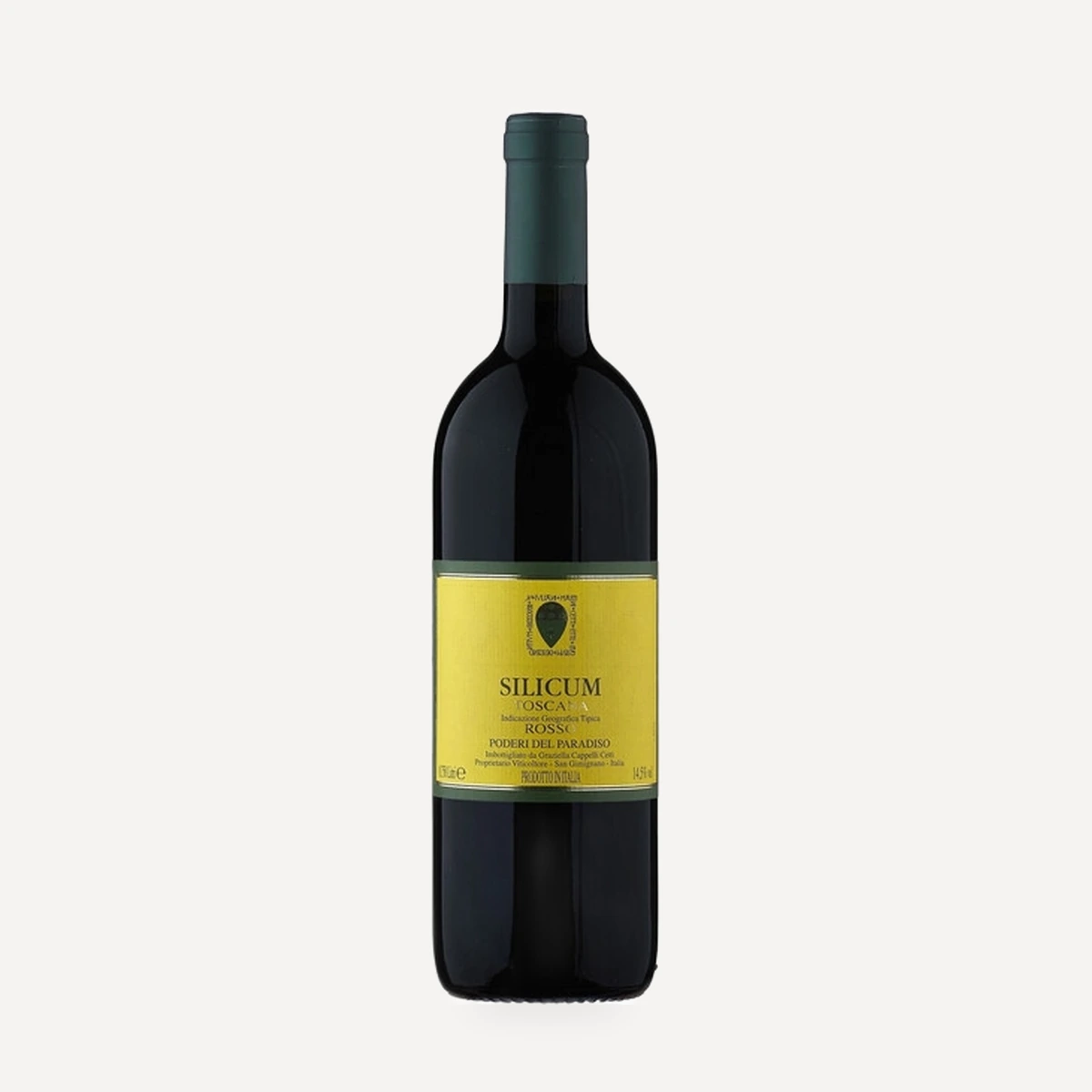
Silicum
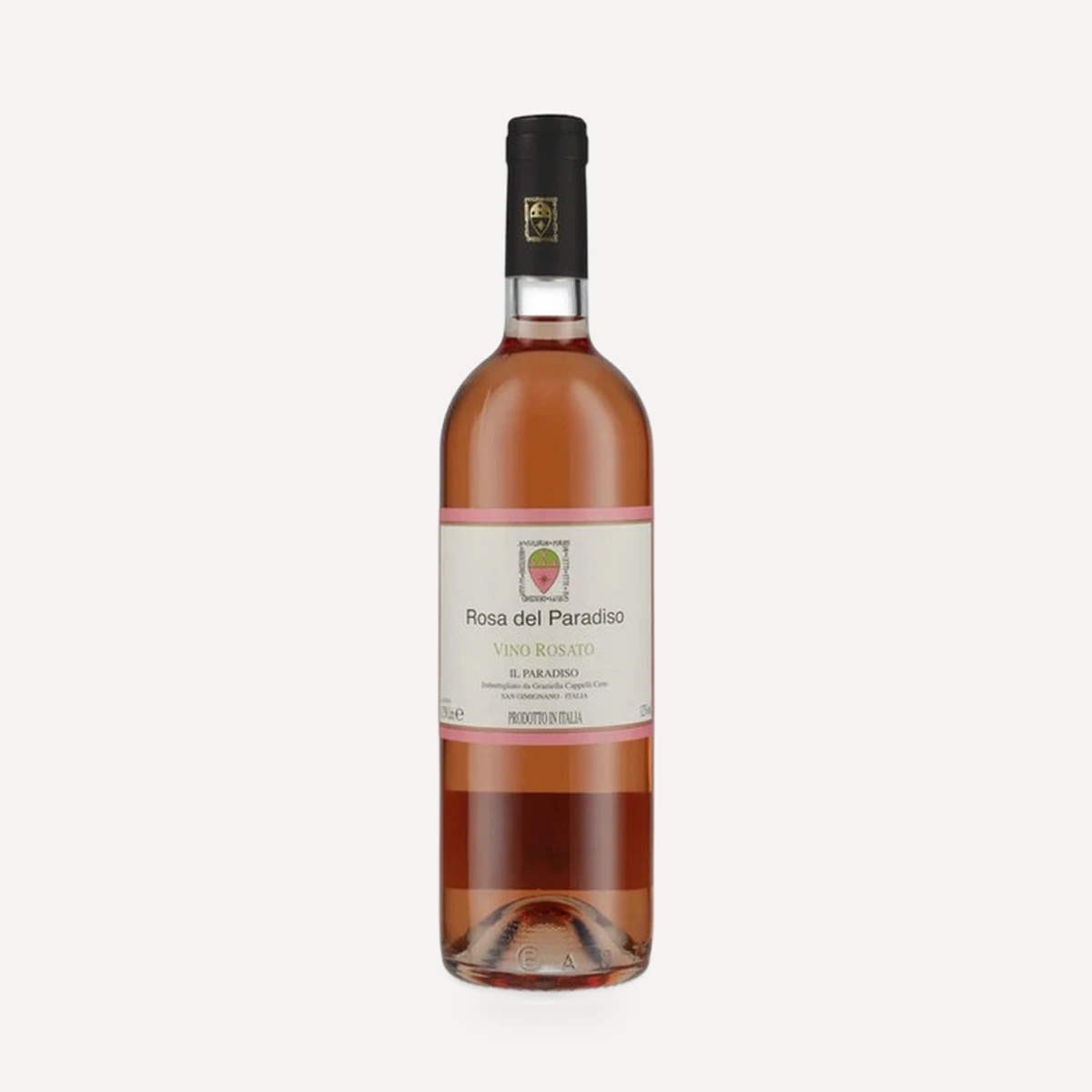
Rosa del Paradiso