Storia
The early 20th century
Albea began around the opening years of the 20th century in Alberobello. Its winery was constructed entirely from stone, embedding wine cisterns in the underlying rock in the same manner once used for underground water reservoirs. These structures survive as evidence of Puglia’s older cellar architecture and now coexist with modern production equipment.
From working cellar to wine museum
The historic processing rooms and their surviving artefacts became the setting for the Museo del Vino. The museum preserves agricultural implements from earlier periods and presents the progression from inherited vineyard and cellar practices to contemporary oenology. It also records the physically demanding work once associated with pruning, harvesting, cellar operations and care of the land.
AlbeaLand and vineyard coordination
Albea established the AlbeaLand vineyard-protection and development programme to coordinate the growers supplying its wines. Its Quality Plan sets common vineyard rules while adapting certain operations to each grape variety. Twelve producers were selected through quality criteria covering technological, aromatic and polyphenolic maturity, sugar concentration, total acidity and pH. A reward system encourages compliance with these standards and production aligned with organic principles.
Environmental and research initiatives
The cellar adopted photovoltaic installations as part of its environmental programme and began converting land to organic management. It also developed controlled grape-drying trials. By 2023, trials involving Uva di Troia and Primitivo di Gioia had examined must-pH management as a means of preserving length, aromatic freshness and ageing potential.
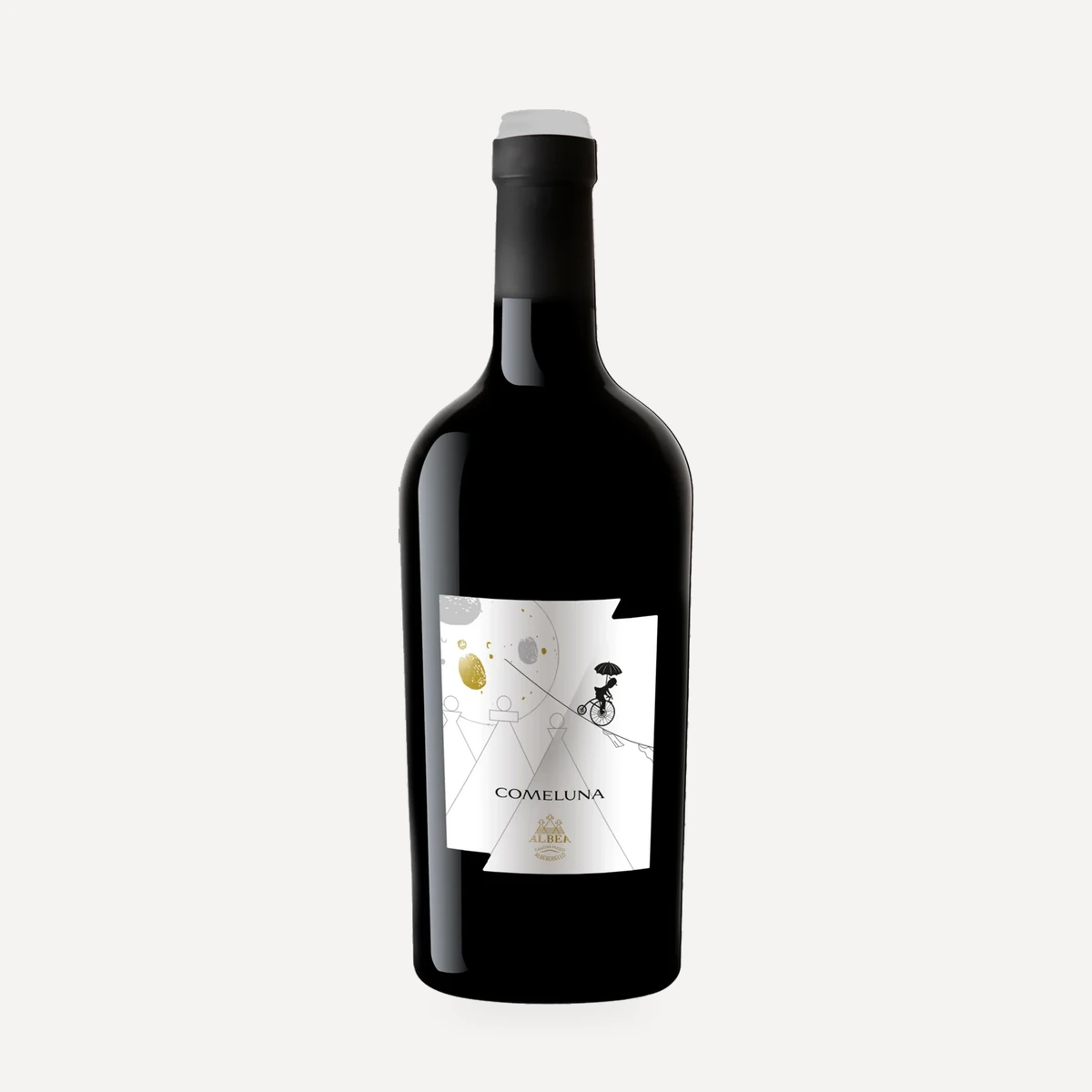
A separate scientific project developed with the Università degli Studi di Bari produced ComeLuna, a certified organic wine made without added sulphites. Vineyard and cellar operations for this project were coordinated with lunar phases, from fertilisation and pruning to harvest and maturation.
New collections in 2026
In July 2026 Albea introduced ICONICA, a collection whose visual identity draws on apotropaic masks carved in stone and their traditional association with protection. The stone imagery connects the labels with the architecture and material culture of Puglia.
The Due Trulli collection was also presented in July 2026. Created in Alberobello, its name honours the town’s trulli and its range interprets several historically representative Puglian grapes in a contemporary form.
Terroir
Alberobello and the Valle d’Itria
Albea operates in the countryside around Alberobello, within the Valle d’Itria. The estate characterises this as demanding but generous land. Its Valle d’Itria sources include Alberobello, Martina Franca, Locorotondo, Cisternino and Fasano. The area is hilly, cooler and more ventilated than the Salento plain; these conditions are particularly associated with the freshness and mineral profile sought in the local Susumaniello rosé. Valle d’Itria and the Murgia hills also provide the cooler setting used for the cellar’s white varieties, particularly Verdeca and Bianco d’Alessano.
Gioia del Colle and the Murge
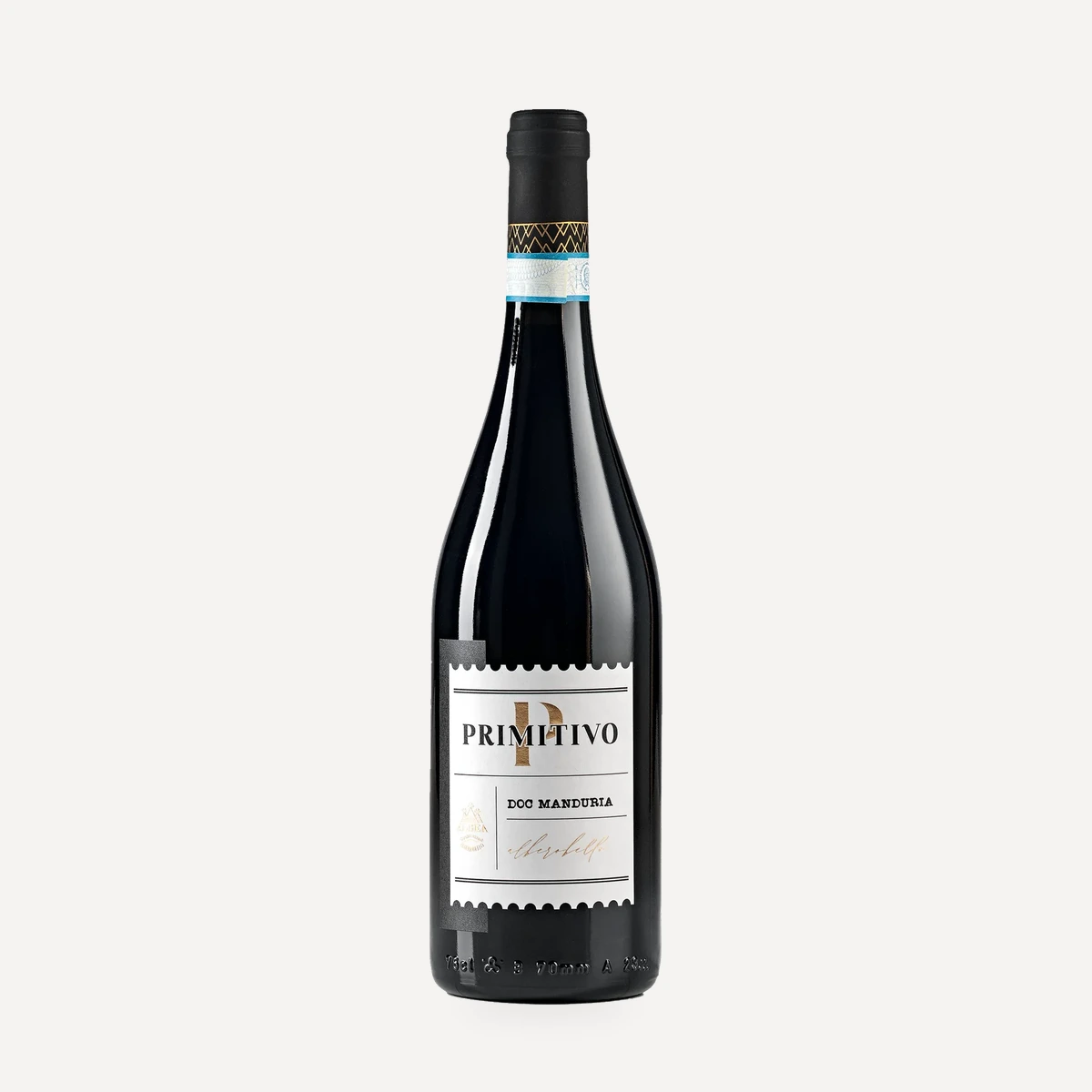
Primitivo is sourced from Gioia del Colle, Sammichele and Acquaviva delle Fonti. Gioia del Colle lies on the Murge plateau, where higher vineyards and stronger differences between daytime and nighttime temperatures give a fresher, more taut expression than the warmer plains around Manduria.
Manduria and the Salento
The Manduria sources lie on plains close to the sea, characterised by red earth and a very warm climate. Negroamaro sources are located in the Brindisi area, within the warmer southern Puglian context influenced by sun and maritime winds.
Northern Puglia
Uva di Troia sources extend to Andria and the Castel del Monte area, as well as the Nord Barese and Foggiano. ComeLuna combines organically grown Uva di Troia and Primitivo from Andria and Sammichele.
Vinificazione
The AlbeaLand Quality Plan
AlbeaLand coordinates 12 growers covering a combined 83 ha. Selection is based on technological, aromatic and polyphenolic maturity together with sugar concentration, total acidity and pH. Participating growers enter a reward system intended to promote quality and adherence to the programme’s standards.
The Quality Plan specifies operations shared by all participating vineyards, including pruning management, shoot selection and thinning. Additional interventions are adjusted to individual grape varieties so that the fruit reaches the intended parameters for each production.
Farming systems
The network combines organic, conventional and converting vineyards. Bruno Angela Farm, Azienda Agricola Pietroforte Palma, F.lli Rossi Srl Agricultural Company and Giardino dei Semplici Srl are identified as organic. Palmisano Giovanni Farm and Tarì Lorenzo Farm are in conversion. Six other listed properties use conventional management. The cellar presents organic conversion as a deliberate environmental choice.
Lunar-cycle project
ComeLuna’s Uva di Troia and Primitivo vineyards are organic, Guyot trained and planted at an average density of 3,200 vines per hectare. Operations follow a lunar calendar. Fertilisation takes place at the full moon; copper sulphate and sulphur treatments, including Bordeaux mixture, are applied during the first quarter of the new moon; and soil cultivation is undertaken during the waxing moon to encourage aeration and warming of the upper soil layers.
Pruning takes place during the waning moon, when reduced sap flow is intended to limit bleeding, support healing and reduce exposure to parasites and rot. Harvest is manual, using wooden crates during the final lunar quarter to protect the berries.
Historic cellar
Production takes place within an early-20th-century stone structure in Alberobello. Its original wine cisterns were excavated into the rock, following the local precedent of underground water reservoirs. Modern equipment now operates within this historic fabric. Photovoltaic installations form part of the cellar’s environmental programme.
Controlled grape drying
Albea developed a controlled, indoor drying method to concentrate grapes while retaining freshness and aromatic definition. Fruit matures in a cell at 22–24 °C under strong, continuous ventilation and a carefully controlled relative humidity of 55–60%. Trials with Uva di Troia and Primitivo di Gioia showed that must pH requires active management to protect aromatic length, fragrance and longevity.
For a published Negroamaro application, the grapes are harvested by hand. Most are destemmed and crushed promptly, while approximately 30% are selected and laid on racks in the controlled drying cell. The fresh portion ferments at 24–25 °C in 150 hL stainless-steel tanks; the dried portion ferments separately in 50 hL tanks. The components are assembled after alcoholic fermentation and transferred to barriques for malolactic fermentation.
Low-oxygen experimental vinification
The organic ComeLuna project begins with destemming and gentle crushing. Fermentation and maceration last seven days in stainless steel at 25–27 °C, with only a small number of pump-overs to restrict oxygen contact. Maturation is timed to the waxing moon. Toasted oak contributes to the aromatic development without conventional barrique ageing. The wine is made without added sulphites and uses naturally occurring molecules; it was developed through research with the Università degli Studi di Bari.
Other techniques represented in the cellar
Published production examples include extended skin contact, punch-downs and délestage for structured reds; French barriques made from Nevers, Allier and Tronçais oak; short bottle maturation for young wines; and longer combined wood-and-bottle ageing for more concentrated styles. Sparkling production encompasses both autoclave refermentation—with one Uva di Troia rosé spending 120 days on its lees—and traditional-method production, including a cuvée aged for 48 months on the lees.
Filosofia
Albea’s approach combines the preservation of local wine culture with modern production and research. Historic stone architecture and cellar artefacts are retained alongside contemporary equipment, while the museum presents older agricultural knowledge as part of a continuing tradition rather than a separate attraction.
The AlbeaLand programme is built around shared standards, measurable grape maturity and differentiated work for each variety. Its declared aim is to improve vineyard quality while promoting Puglia’s historically representative grapes.
Environmental responsibility is expressed through photovoltaic energy, organic conversion and collaboration with organic growers. The experimental work on controlled grape drying and the university-supported ComeLuna project reflect a parallel commitment to technical research, food safety and reduced intervention, including a vinification without added sulphites.
The ICONICA and Due Trulli collections extend this philosophy into cultural identity. Their imagery refers respectively to stone apotropaic masks and Alberobello’s trulli, linking contemporary wine presentation with Puglian architecture, memory and ideas of place.
Vini
Comeluna – Uva di Troia e Primitivo IGP
Petrarosa – Rosato di Primitivo Puglia IGP
Primitivo di Manduria DOC
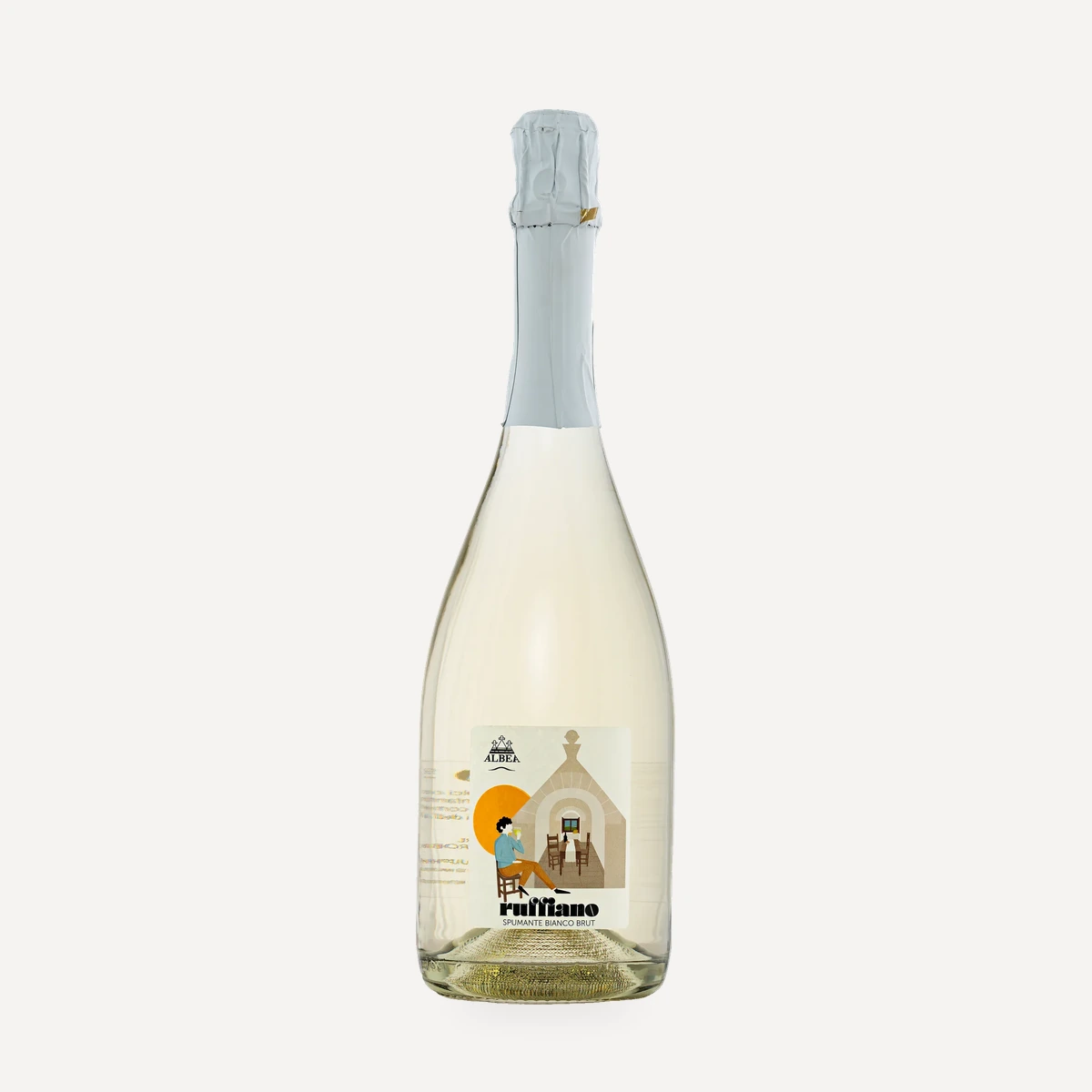
Ruffiano – Spumante Brut di Fiano
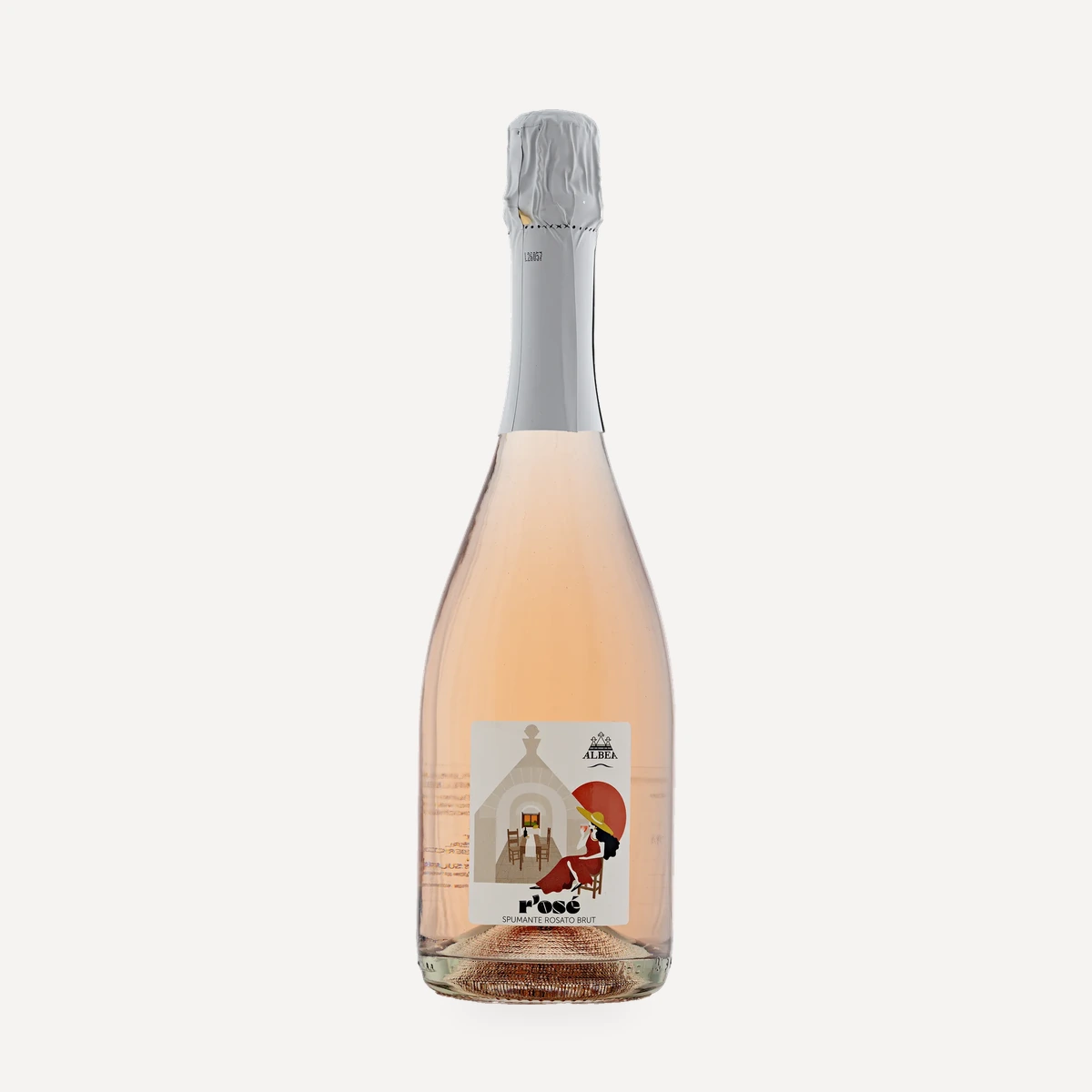
R’osé
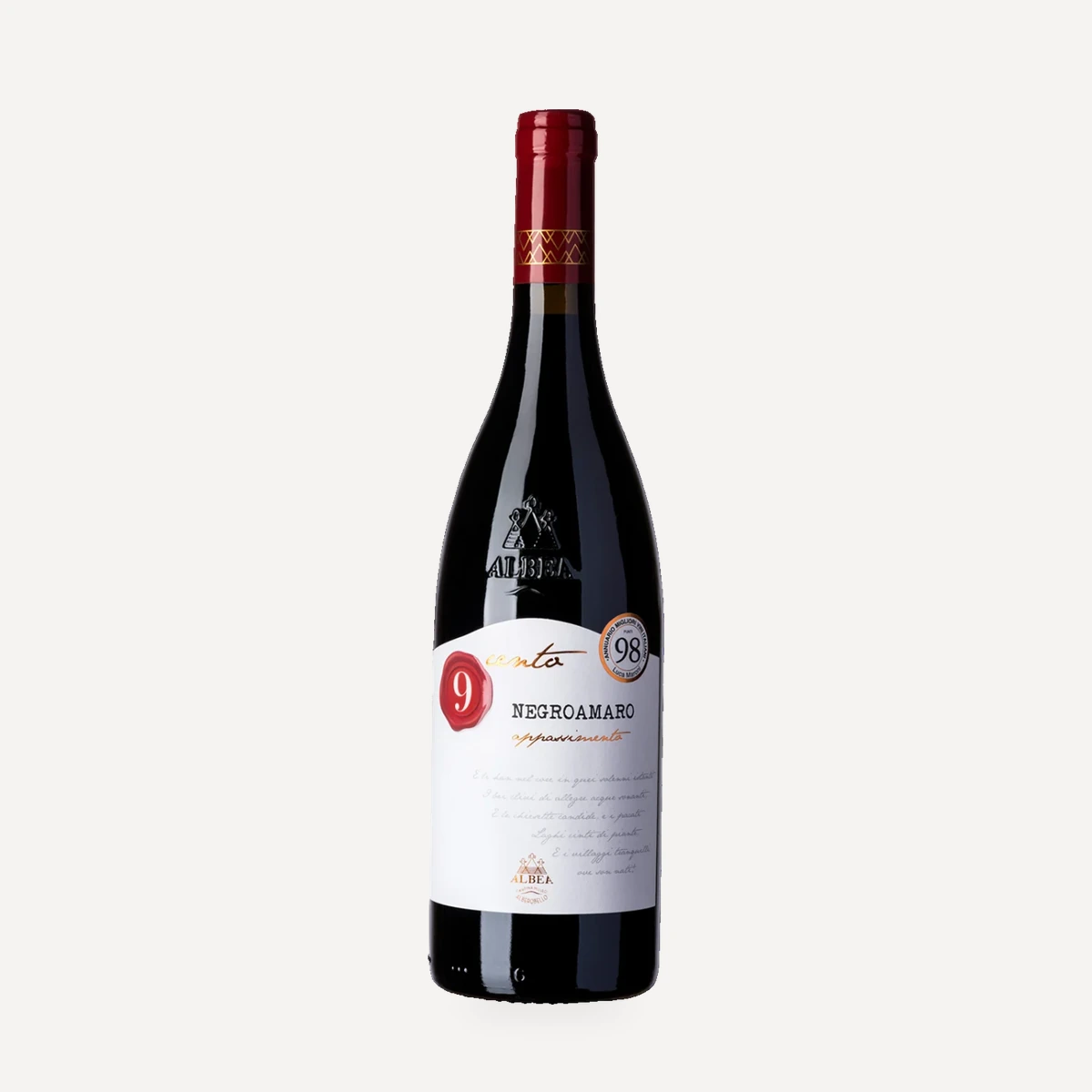
9cento – Negroamaro in appassimento
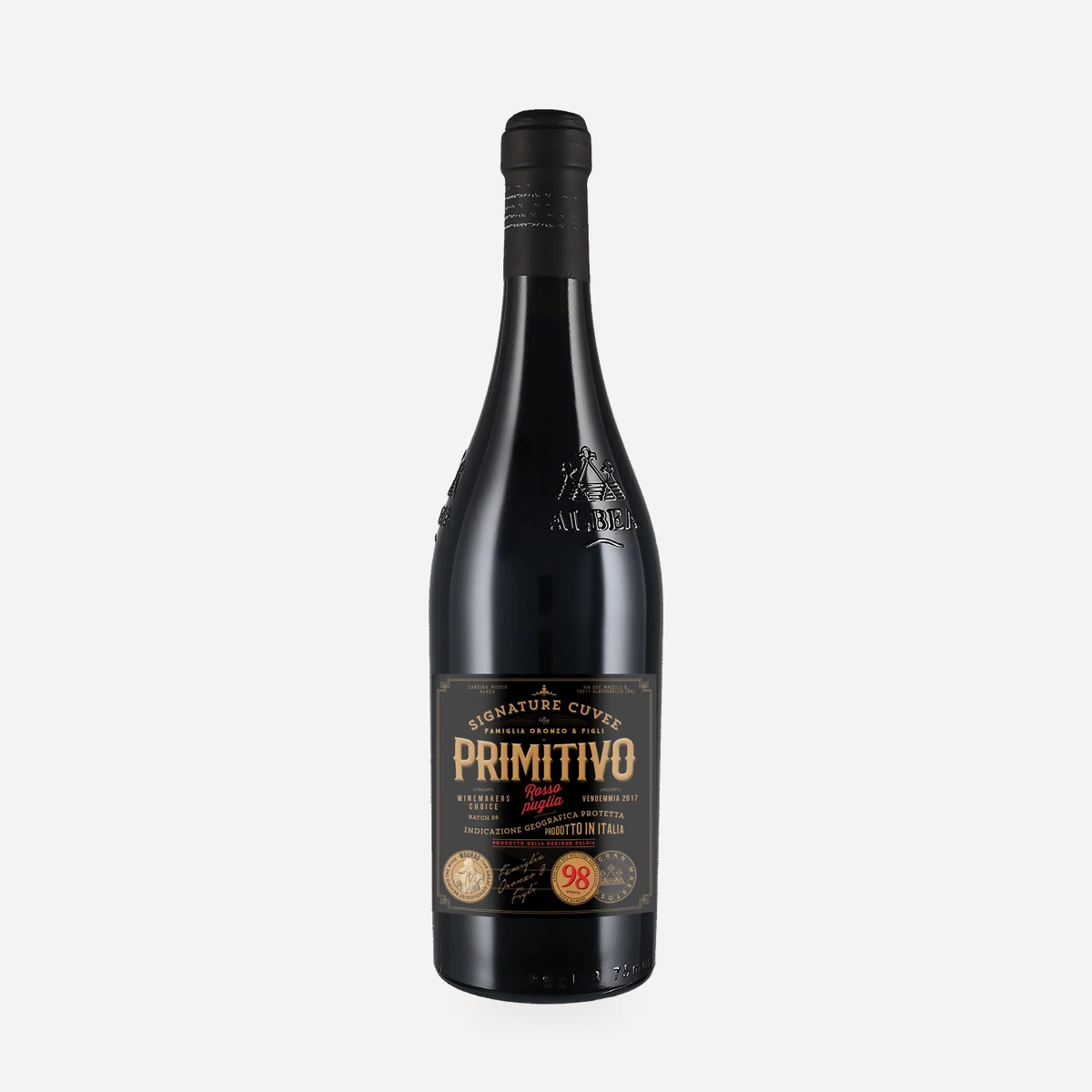
Signature Cuvée – Primitivo in barrique