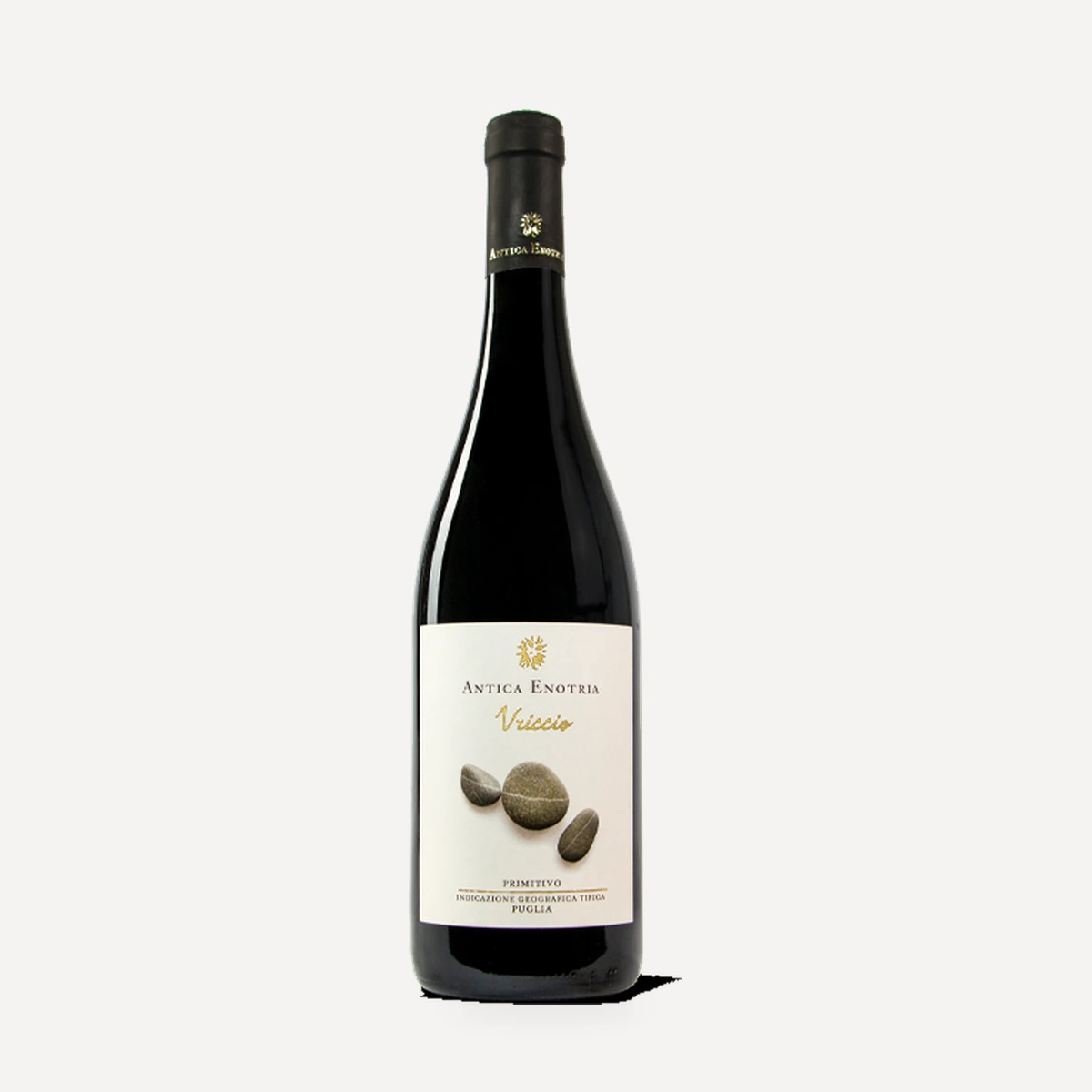
Storia
1985: Masseria Contessa Staffa
Raffaele Di Tuccio and his wife left Basilicata in search of more fertile land for vineyards and vegetables. In the countryside of Cerignola they acquired the surrounding farmland and Masseria Contessa Staffa, an eighteenth-century noble agricultural complex that had fallen into ruin. The purchase established the physical base of the future farm, winery and preserves business.
1993: foundation, organic conversion and first harvest
Raffaele founded Antica Enotria in 1993 with the objective of expressing the taste of the land through wine. After learning about organic agriculture, he converted the whole farm at a time when the decision was still commercially risky. The family chose to cultivate its vineyards and vegetables without synthetic inputs or genetically modified organisms, defining the business as an agrobiological farm.
The same year brought the first harvest and a small artisanal production based on Montepulciano, Aglianico and Sangiovese. Organic grapes had little established market at the time, so Raffaele began bottling the wine himself, initially on a small, garage-like scale before progressively acquiring more equipment. A retrospective account describes Antica Enotria as Puglia's second producer to convert to organic farming.
1997–2001: the winery and Puglian varieties
As wine became more important to the farm, a first winery expansion began in 1997. Rooms in the masseria formerly used as stables, haylofts and workers' dwellings were restored and repurposed for winemaking and maturation. In 2001 the family planted Nero di Troia and Falanghina, putting greater emphasis on varieties associated with Puglia.
2002–2010: preserves and a broader vineyard portfolio
In 2002 the farm made its first artisanal preserves: natural cherry tomatoes and grilled artichokes in oil. The project applied a zero-kilometre principle, with tomatoes and vegetables harvested from the farm and processed within 24 hours. It developed alongside, rather than in place of, wine production.
Nero di Troia gave its first vintage in 2004. In 2006 Luigi's son Raffaele was born during harvest; Dieci Ottobre was subsequently dedicated to him. The first Antica Enotria vintages of Primitivo and Negroamaro followed in 2010.
2011–2018: dedicated production facilities
Growing demand for the preserves led to the construction of a dedicated production facility in 2011. Fiano entered the winery's production with its first vintage in 2015. By this stage wine and preserves were the farm's two core activities. In 2018 the preserves area was enlarged and fitted with technological equipment for cooking and pasteurisation.
The second generation
Luigi Di Tuccio, Raffaele's son, assumed the role of managing director while continuing the founder's organic approach. His wife, Valentina Mastroserio, joined him in the commercial development of the family business. The operating team now encompasses wine, administration, cellar logistics and field work, while Raffaele and Addolorata Di Tuccio remain identified as the founders.
2019–2023: new milestones and the thirtieth harvest
In 2019 Antica Enotria introduced Puragioia, a Nero di Troia conceived as a departure from the cellar's established style and dedicated to Valentina. In September 2023 the family celebrated its thirtieth harvest, marking three decades of organic winegrowing since the founding vintage of 1993.
Terroir
Antica Enotria's vineyards surround Masseria Contessa Staffa in the countryside of Cerignola. The masseria stands on a plain that slopes towards the Adriatic, with vineyards and olive groves exposed to abundant sun and marine breezes. The land lies behind the Gulf of Manfredonia.
The soils are described as alluvial, low in available water and rich in pebbles, limestone, clay and mineral salts. Limestone is particularly prominent. The combination of these mineral soils and the local microclimate is associated with savoury, mineral, fresh and long-lived wines.
Winters are mild and summers are hot, but proximity to the sea moderates peak summer temperatures. Salt-bearing marine air contributes a saline influence, while easterly and northerly currents ventilate the vineyards. Humidity is very low and night-time temperature variation is significant. The family regards this combination of soil, physical environment and climatic conditions as a single ecosystem whose preservation is central to wine identity.
Harvests are deliberately not delayed, and wood maturation is kept restrained in order to retain the characteristics of the grapes and their place of origin.
Vinificazione
Organic farming has governed the whole agricultural operation since 1993. The farm excludes synthetic fertilisers, herbicides, fungicides, insecticides and pesticides, as well as genetically modified organisms. Soil and crop management instead use composted organic matter and plant-, animal- or mineral-derived preparations. Plant extracts, rock flour and natural minerals may be used to improve soil structure and chemical characteristics or to protect crops against fungal pressure.
Soil fertility is maintained through green manure and winter ground cover. Clover, mustard and legumes are among the specifically sown cover plants. For autumn vineyard regeneration, fava beans are planted after harvest in alternate rows; spontaneous Puglian vegetation is allowed to grow in the other rows while leaving access for winter pruning. The fava beans develop rapidly, tolerate low temperatures and return nitrogen to the soil through their roots. This system is intended to preserve the soil during autumn and winter, support fertility and biodiversity and avoid damage to local fauna and groundwater from synthetic inputs.
Crop protection begins with prevention. Measures include choosing disease-resistant plant material, winter grassing and monitoring insect flights. The vegetative dormancy of winter is treated as an important stage in the following year's production cycle.
Harvest begins only after aromatic and phenolic ripeness has been reached, normally starting in September and potentially extending through October and November. Picking starts at first light while temperatures are cool. The best bunches are placed in crates and taken immediately to the masseria. The estate also avoids deliberately late harvests so that the grapes retain the desired expression of the site.
The agricultural and wine products are certified by ICEA. The wines are made with low sulphite levels, and the wider food range contains no preservatives.
Historic cellar
Vinification and maturation take place inside Masseria Contessa Staffa. The cellar occupies eighteenth-century rooms that formerly served as stables, haylofts and workers' housing. Their thick stone-and-earth walls naturally retain coolness and humidity while providing the protected, dark and quiet environment required for wine storage. The large stone rooms include both the working cellar and a dedicated barrel-maturation area.
Reception and crushing
Harvested bunches arrive rapidly from the vineyard in crates. Grapes are destemmed while preserving berry integrity to limit the release of woody-tasting tannins from the stems, then crushed to obtain the must.
White, red and rosé vinification
The cellar follows a traditional vinification sequence. For white wines, the grapes undergo maceration before pressing separates the skins and releases the must. The clarified must then moves to stainless-steel tanks for fermentation. A broader description of harvest practice specifies that white must is separated promptly from skins and seeds to moderate tannins and retain delicacy.
Red must ferments in stainless-steel fermenters with the skins. Skin contact generally lasts 10–20 days, extracting colour, structure, polyphenols and aromatic compounds from skins and seeds. Rosé receives a shorter, variable maceration according to the intended result.
Maturation and intervention
After fermentation, the wines proceed through their required maturation and ageing stages without attempts to accelerate the individual variety's natural timetable. The cellar is equipped with stainless-steel tanks in several sizes and 3,000-litre French-oak casks. Wood ageing is deliberately not excessive.
The complete transformation process is managed under the organic approach. Sulphite additions are kept low, and chemical additives are excluded both during vinification and at bottling. The cellar avoids forceful or invasive oenological practices, allowing each wine the time required for maturation and integration.
Filosofia
Organic farming is understood as a way of life rather than simply a cultivation protocol. The family's objective is to unite agriculture, genuine food and environmental protection while respecting seasonality and keeping production closely connected to the farm.
Wine is treated as the outcome of a relationship between people and land. Planning begins in the vineyard, where chemical fertilisation and pest control are excluded, and continues through an organic transformation process in the cellar. The stated aim is healthy, flavourful fruit capable of expressing its environment while protecting both the ecosystem and consumers.
Terroir is understood as a complete ecosystem: soil, geographical position, environmental conditions and physical and chemical factors act together. Preserving that system is part of preserving the identity of the wines. Harvests are therefore not pushed towards excessive lateness, oak is used with restraint and the cellar allows the varieties the time they require rather than imposing invasive techniques.
Family and continuity are equally important. Harvest is regarded as the culmination of the agricultural year, a shared ritual and the clearest expression of collective work. Employees and collaborators are treated as part of the extended family, while agricultural knowledge is passed from Raffaele to Luigi and towards the next generation.
Vini
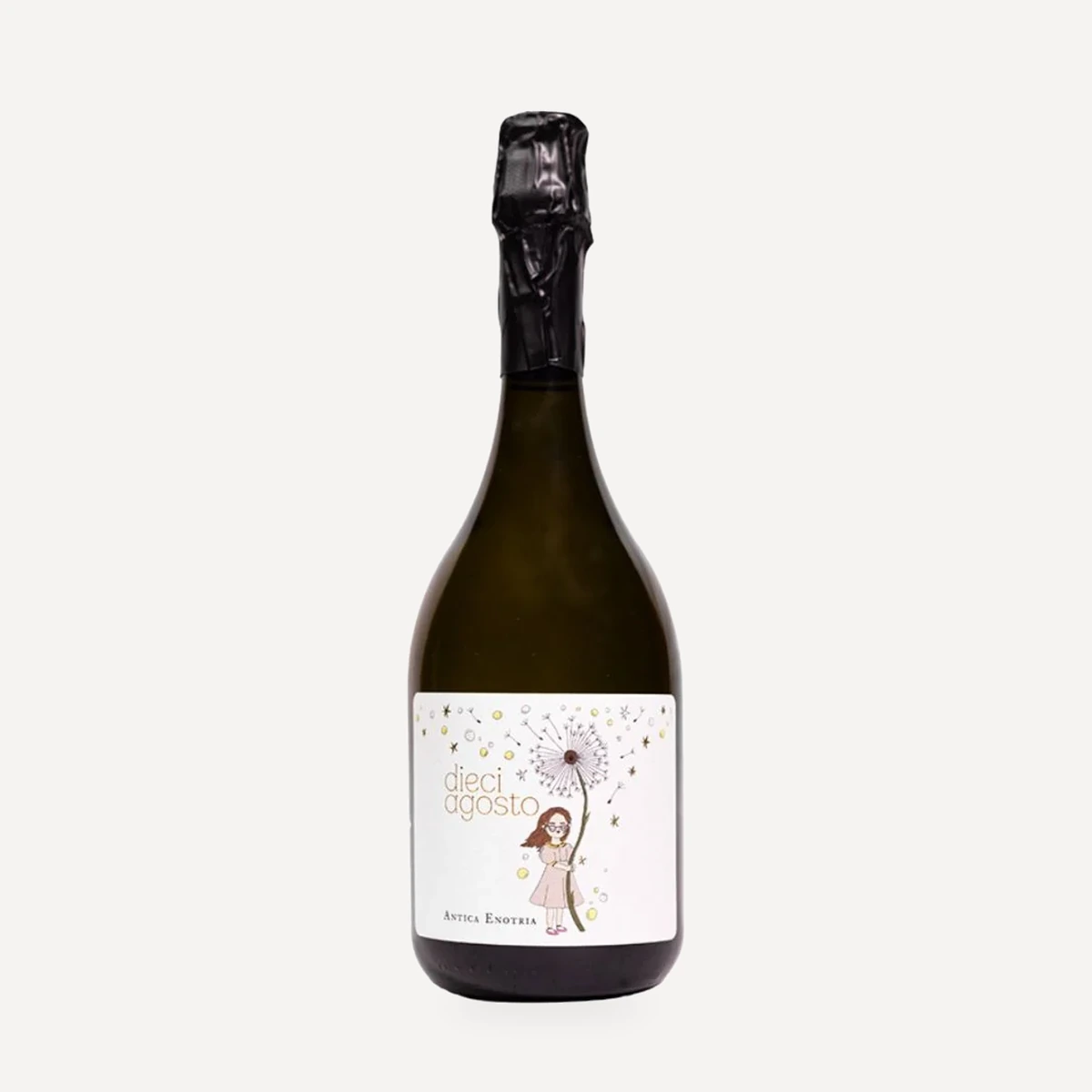
Dieci Agosto
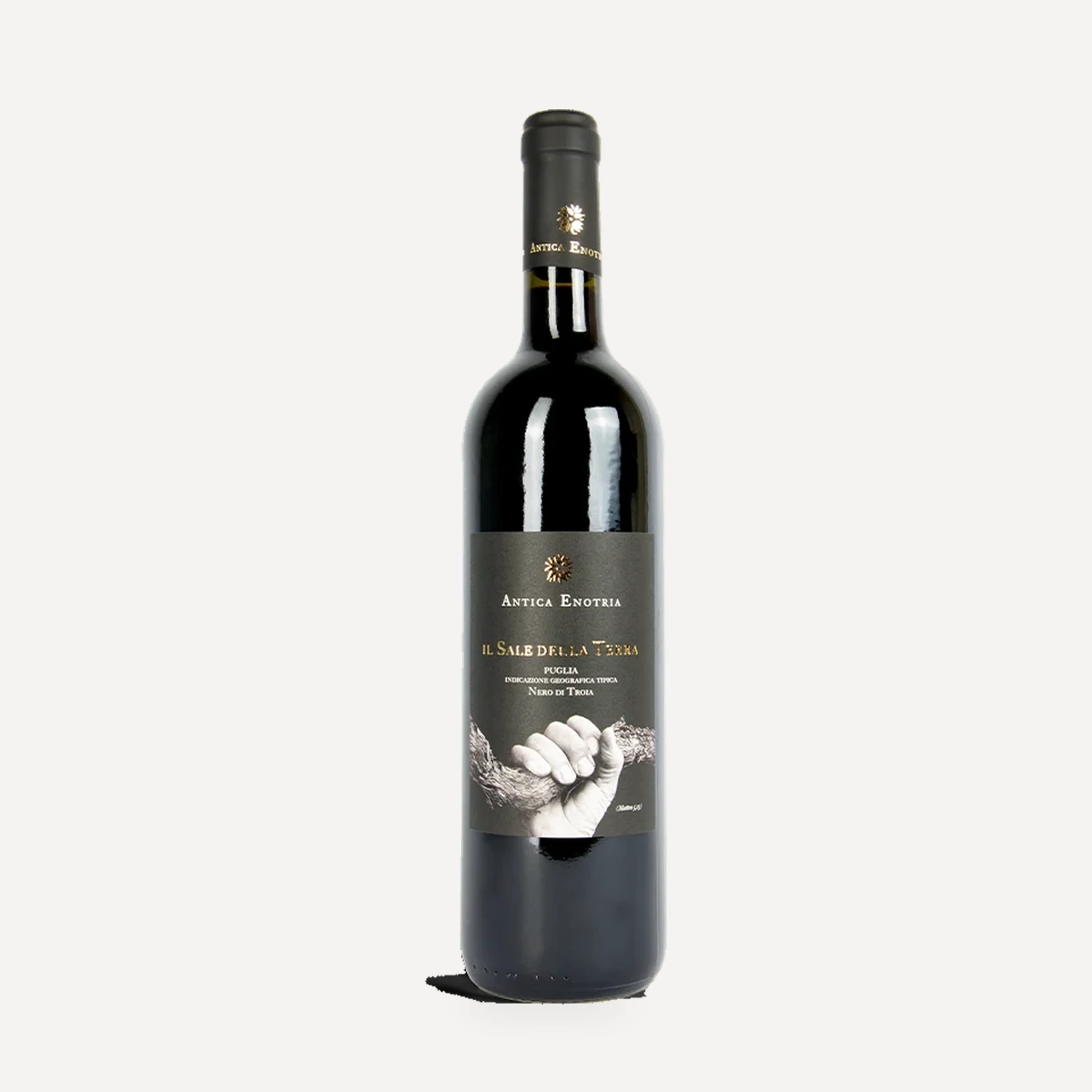
Il Sale della Terra
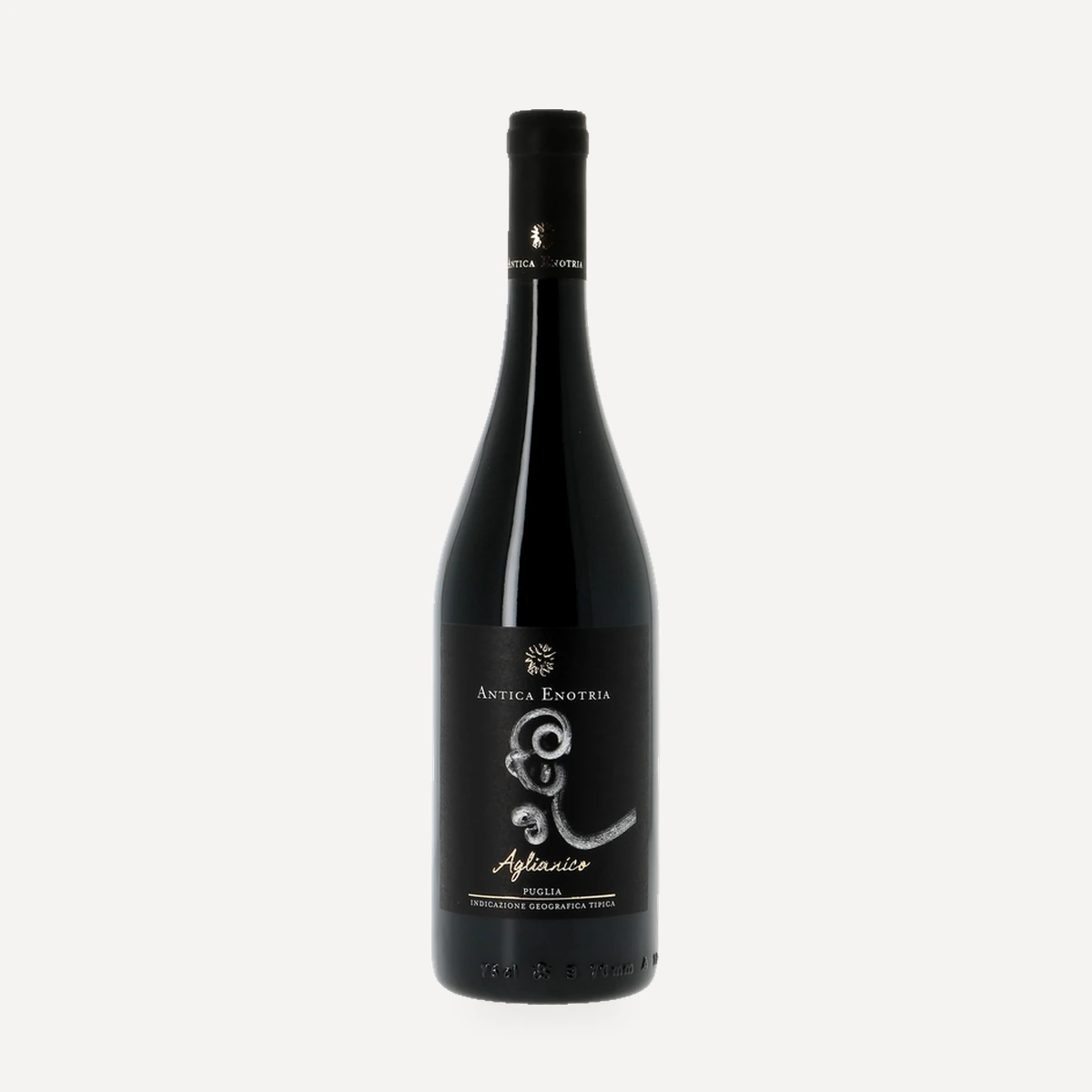
Aglianico IGT Puglia
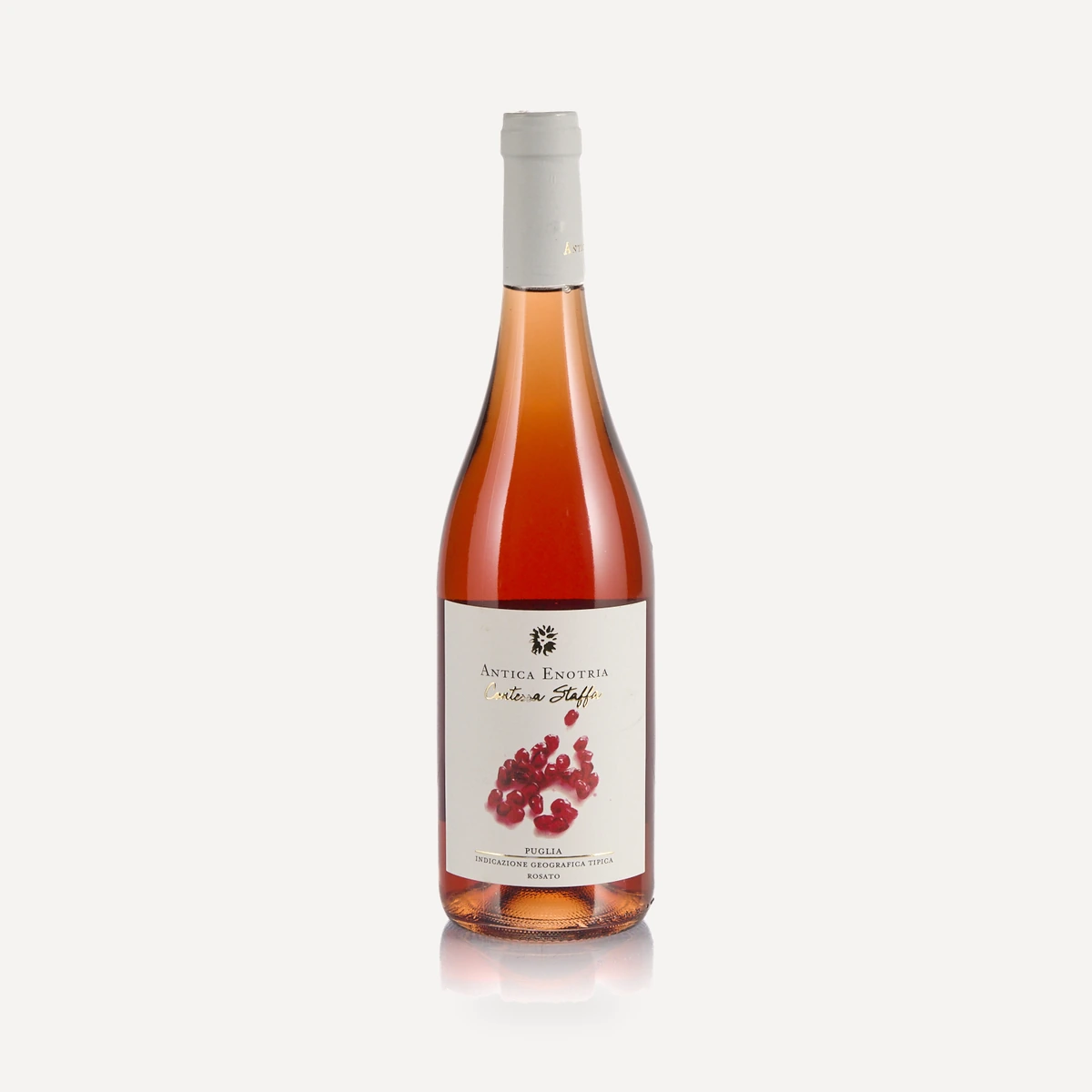
Contessa Staffa Rosato IGT Puglia
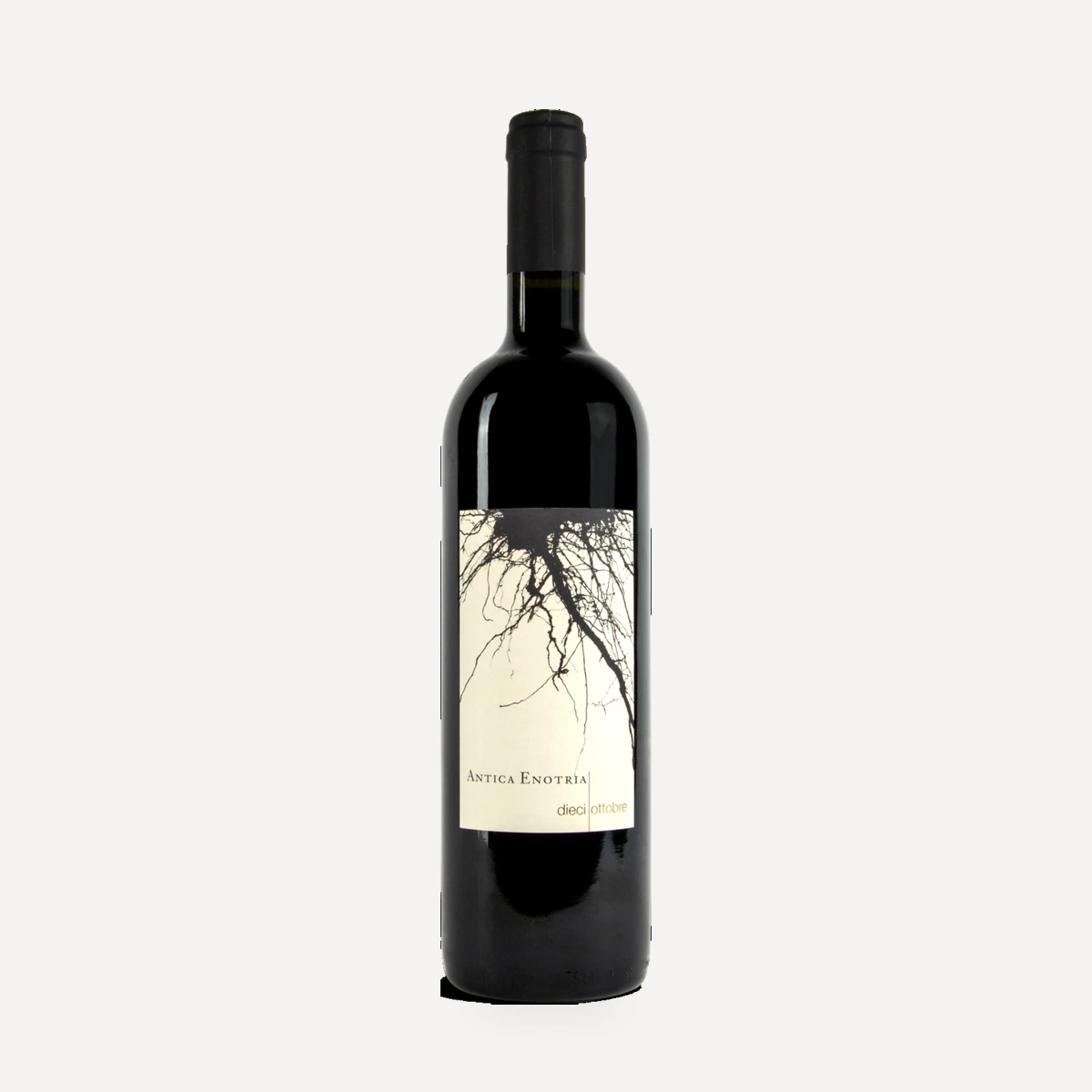
Dieci Ottobre
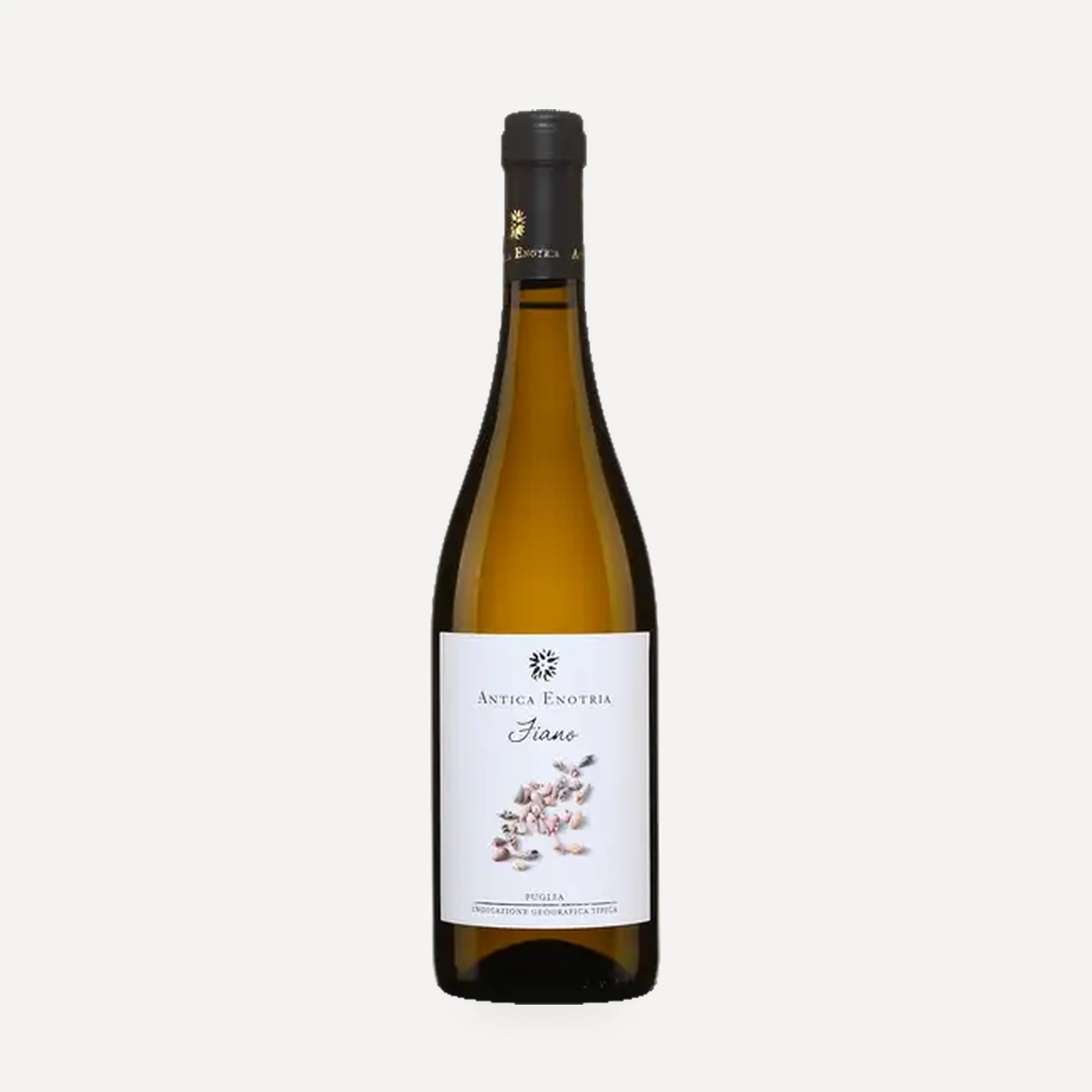
Fiano IGT Puglia
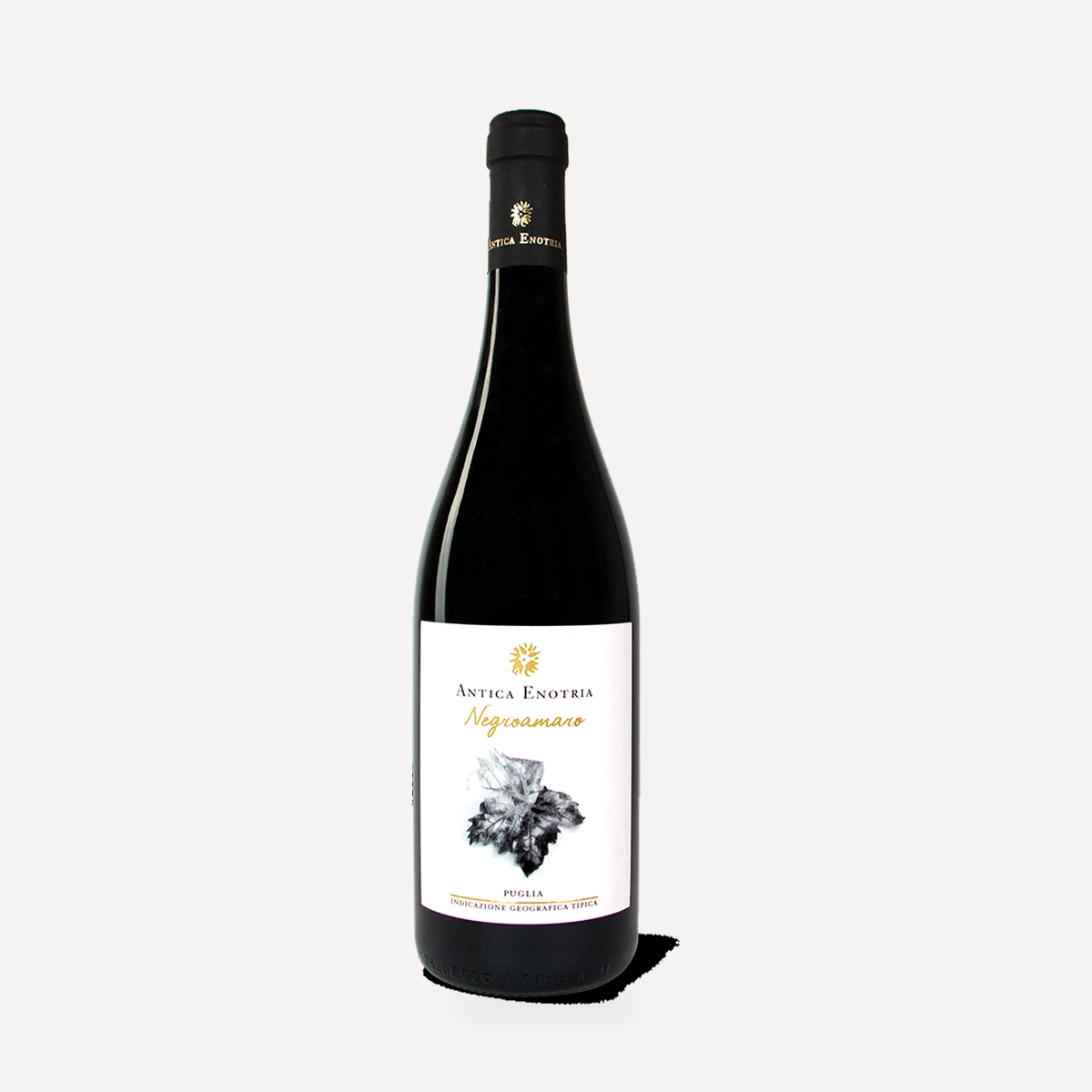
Negroamaro IGT Puglia
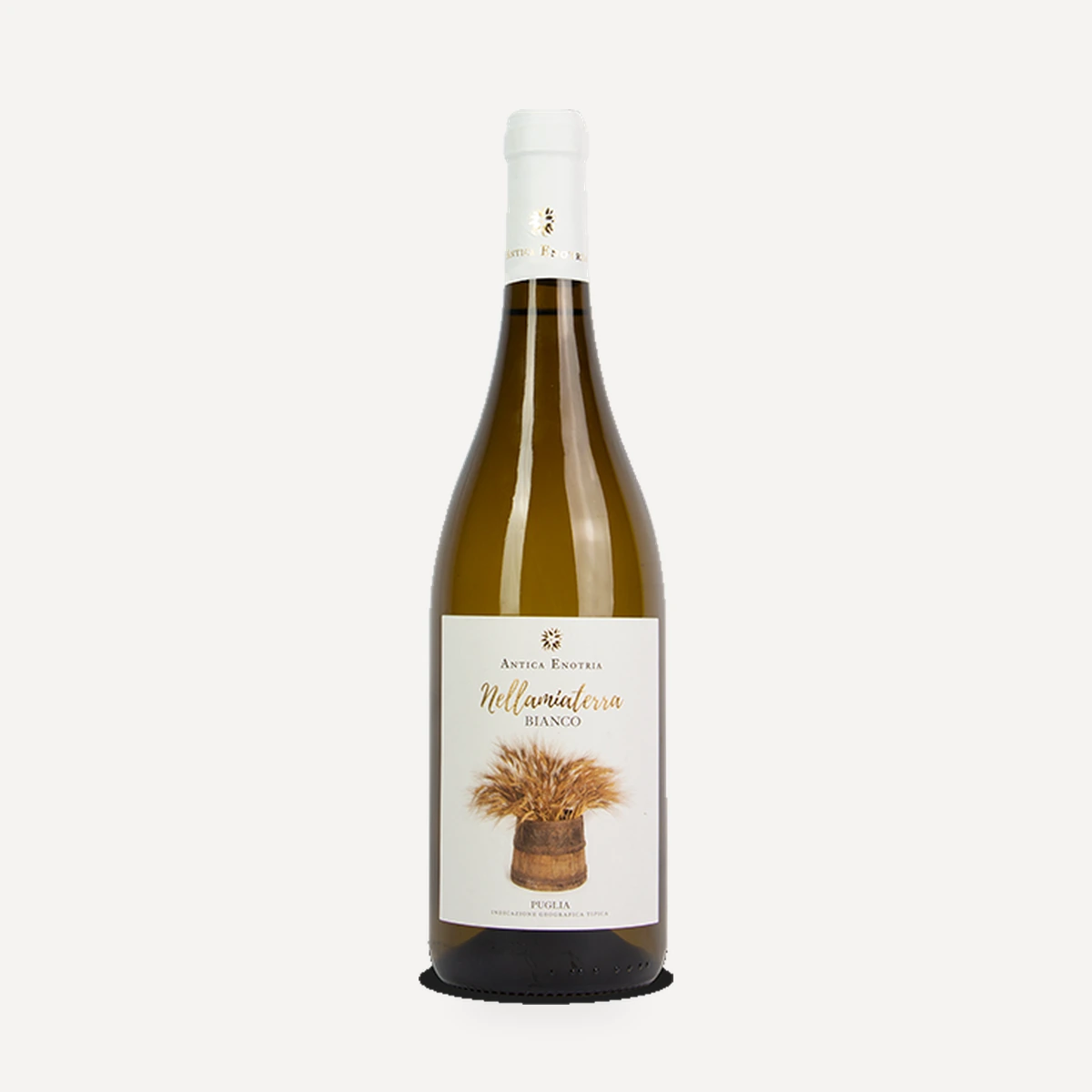
Nellamiaterra Bianco IGT Puglia
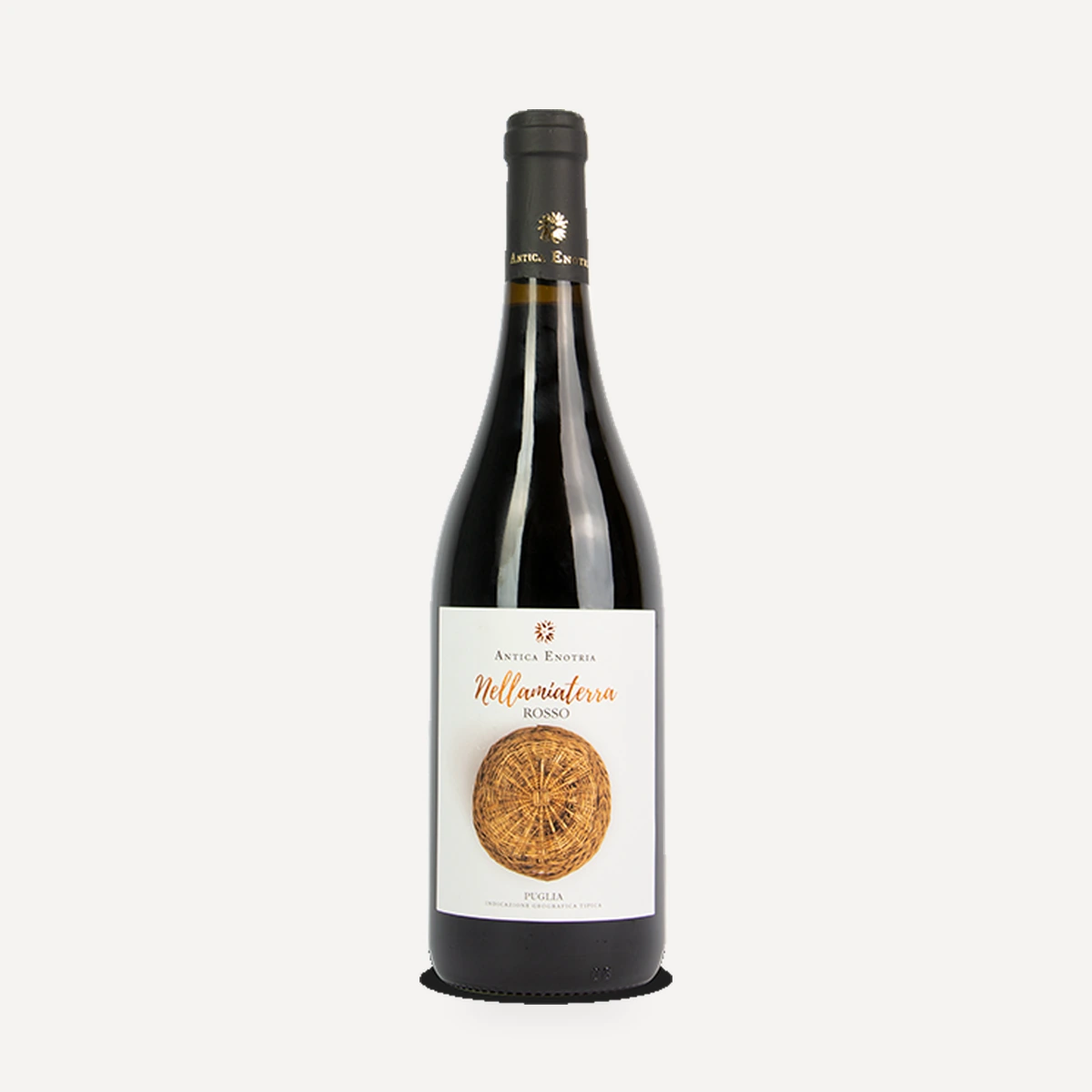
Nellamiaterra Rosso IGT Puglia
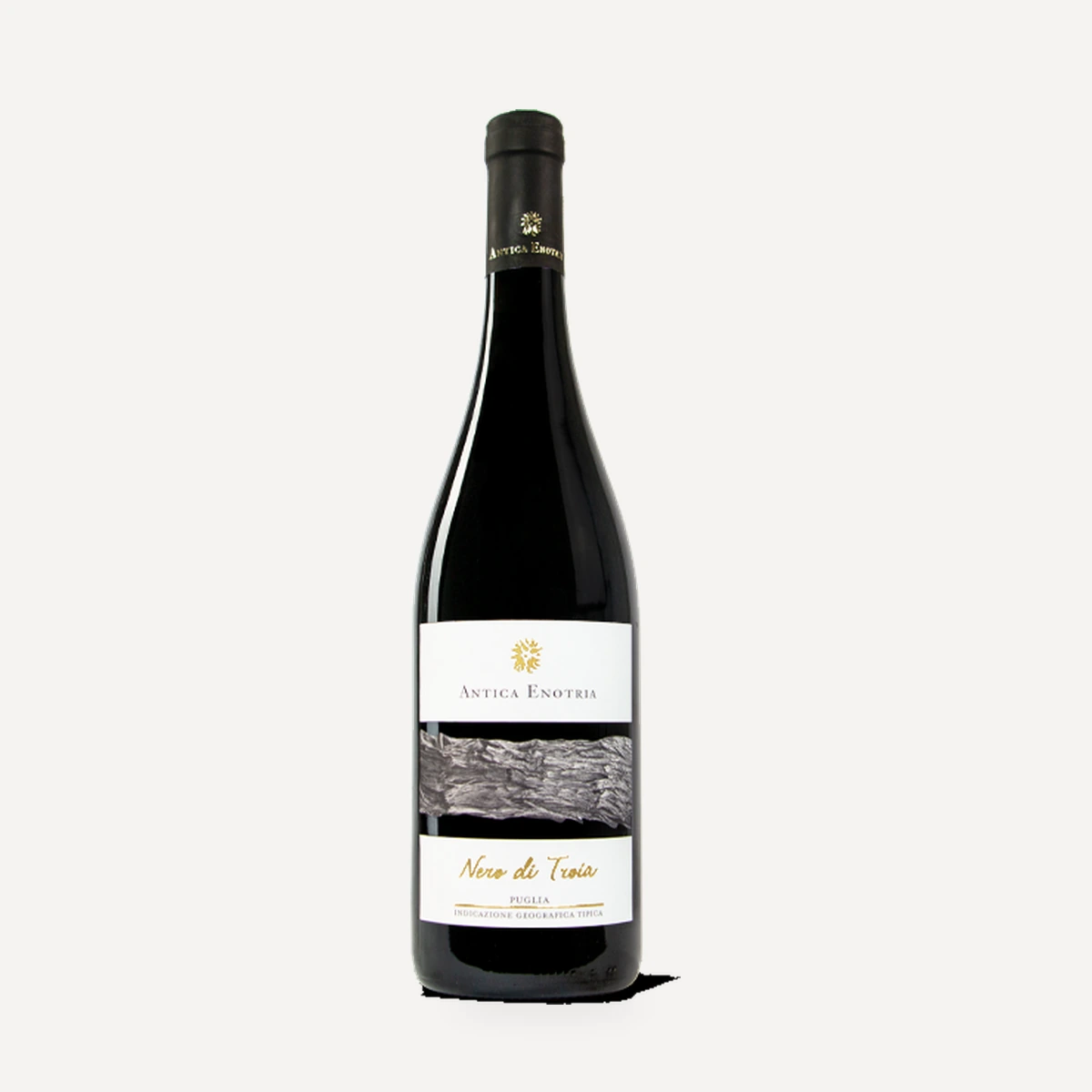
Nero di Troia IGT Puglia
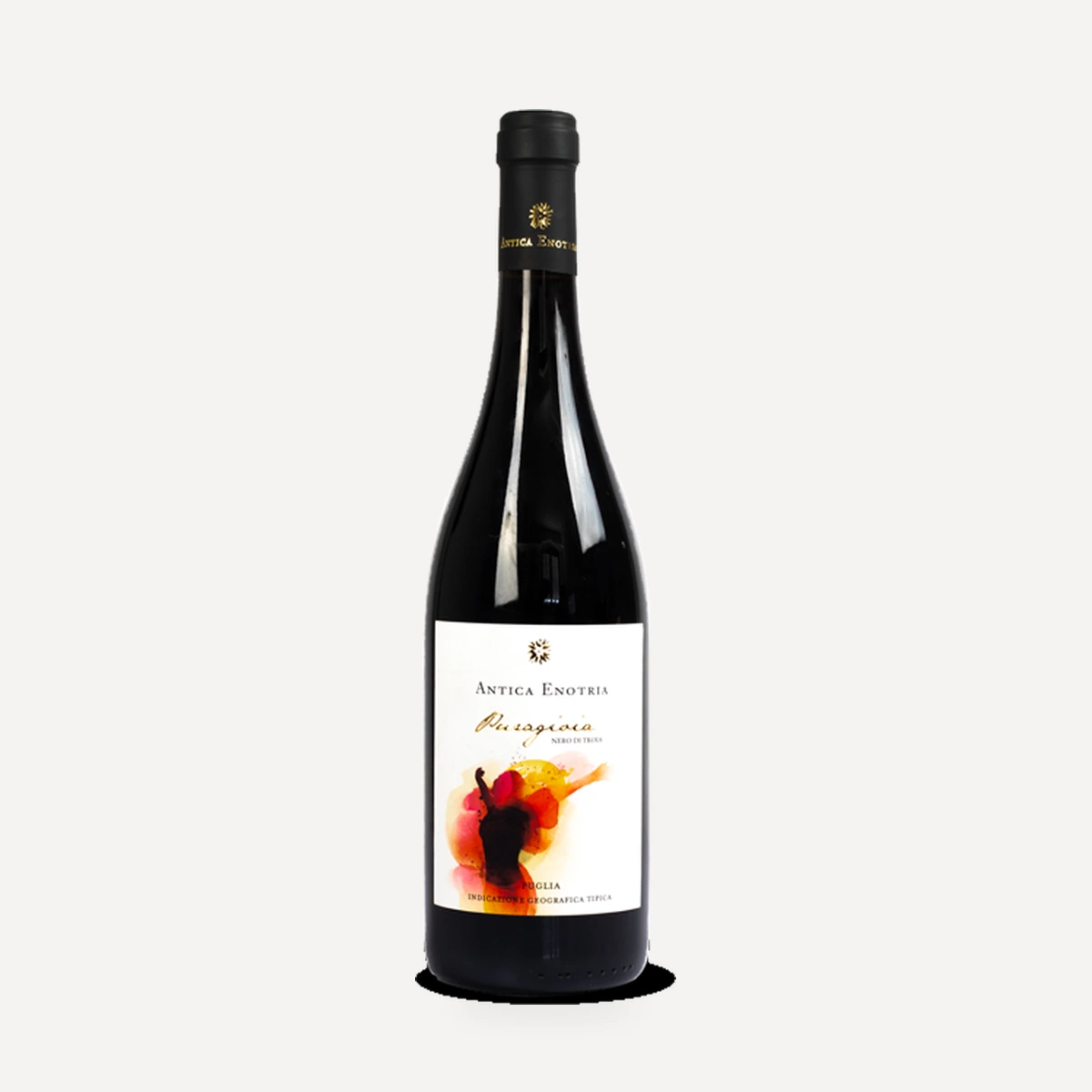
Puragioia Nero di Troia IGT Puglia