Storia
A family winegrowing tradition since 1880
Angiuli’s family history as winegrowers begins in Adelfia in 1880. Viticulture and winemaking have subsequently passed from father to son through three generations. The family’s enduring principle has been respect for the land, expressed through the cultivation and recovery of grape varieties suited to local soils and microclimates. Donato Angiuli now leads the winery with his sons Vito and Giuseppe.
The 1945 vineyard and the 1958 Primitivo Passito
A low-trained, freestanding alberello Primitivo vineyard in the countryside of Acquaviva delle Fonti was planted in 1945. In 1958, the vineyard was pruned by the family’s great-grandfather Vincenzo and his son Giuseppe, known within the family as Nonno Peppino. That year became one of Peppino’s benchmarks for Primitivo Passito.
The grapes grew close to the Adelfia boundary on land remembered in the family as stony, poor and naturally low yielding. During the first ten days of October, favourable weather, spring green pruning, vineyard treatments and inherited farming practices allowed the grapes to dry successfully on the vine. The resulting passito recorded 58 g/L of net dry extract and 20% total potential alcohol. The family retains analytical records of this and other wines from the period. Routine analysis was then conducted locally for volatile acidity, alcohol and sugar, while more complex work was entrusted to laboratories in northern Bari province or Switzerland.
Sixty-one harvests later, the third generation recreated the family memory in the 2019 vintage. Uncle Vincenzo pruned the vineyard using the same inherited methods of winter pruning, green pruning and leaf removal. Donato, Vito and Giuseppe handled the harvest, vinification and maturation, with technical and analytical collaboration from the enologist identified as Tommaso.
Maccone and the preservation of old vines
Donato Angiuli created Maccone as the name for the cellar’s niche range. “Maccone” was the dialect nickname of Angiuli’s first cellar master, remembered as a forceful personality, a highly skilled professional and a well-known figure among local winegrowers. The range draws in part on old alberello vineyards aged approximately 50–80 years, whose individual vines carry only a small number of bunches.
Recovering Maresco
Maresco is the name adopted for the old white variety historically called Maruggio. It had long survived in small proportions in Valle d’Itria vineyards and attracted attention for retaining pronounced acidity even when harvested in early October.
In 2008, a group of young winegrowers and students of Valle d’Itria’s viticultural history encountered the unfamiliar variety in old vineyards at contrada San Marco in Locorotondo. It was not then present in the national register of wine-grape varieties. The morphology of the grapes and the testimony of local farmers prompted experimental microvinifications, whose first results showed notable freshness and acidity.
In 2011, the first vineyard planted entirely to Maresco was established, and the variety entered the national vine and grape register. After several years of trials, Angiuli bottled the variety in 2017, presenting Maccone Maresco as the first Valle d’Itria IGP Maresco white wine produced and bottled in Puglia.
Experiments with Nero di Troia
Nero di Troia had formerly appeared in tiny proportions in some alberello vineyards cultivated by earlier Angiuli generations. For many years, the family visited established growing zones around Castel del Monte at the beginning of autumn, studying different clones, tasting fruit and learning from experienced growers and leaders of historic cooperatives.
During a 2018 visit to an old, low-yielding tendone vineyard on the crest of a hill in the Castel del Monte area, they found bunches beginning to dry on the vine. The fruit retained acidity while exceeding 24 degrees Babo and showed abundant anthocyanins, tannins and extract. This prompted an experiment with dried Nero di Troia.
Dry, ventilated weather from mid-September to mid-October 2019 allowed fruit from a selected low-trained vineyard to reach advanced ripeness. Approximately 60 q/ha were produced. The grapes were harvested on 14 October at 25 degrees Babo, already slightly dried, then remained outdoors in crates for another two months. They were crushed in late December and fermented on the skins for about one month. Fermentation stopped naturally at 14.5% alcohol, leaving approximately 100 g/L of residual sugar. The wine matured for about 12 months. The experiment was supported by growers who helped identify representative vineyards and clones. The 2019 and 2020 harvests were both considered especially successful for Nero di Troia ripeness.
Recent development
The abundant 2017 harvest allowed Angiuli to revive Maccone Rosato 17 after a ten-year interval. At Vinitaly 2019, the winery presented Maccone Bianco Maresco IGP Valle d’Itria, Maccone Spumante Rosato Brut IGP Puglia and Maccone Rosato 17.
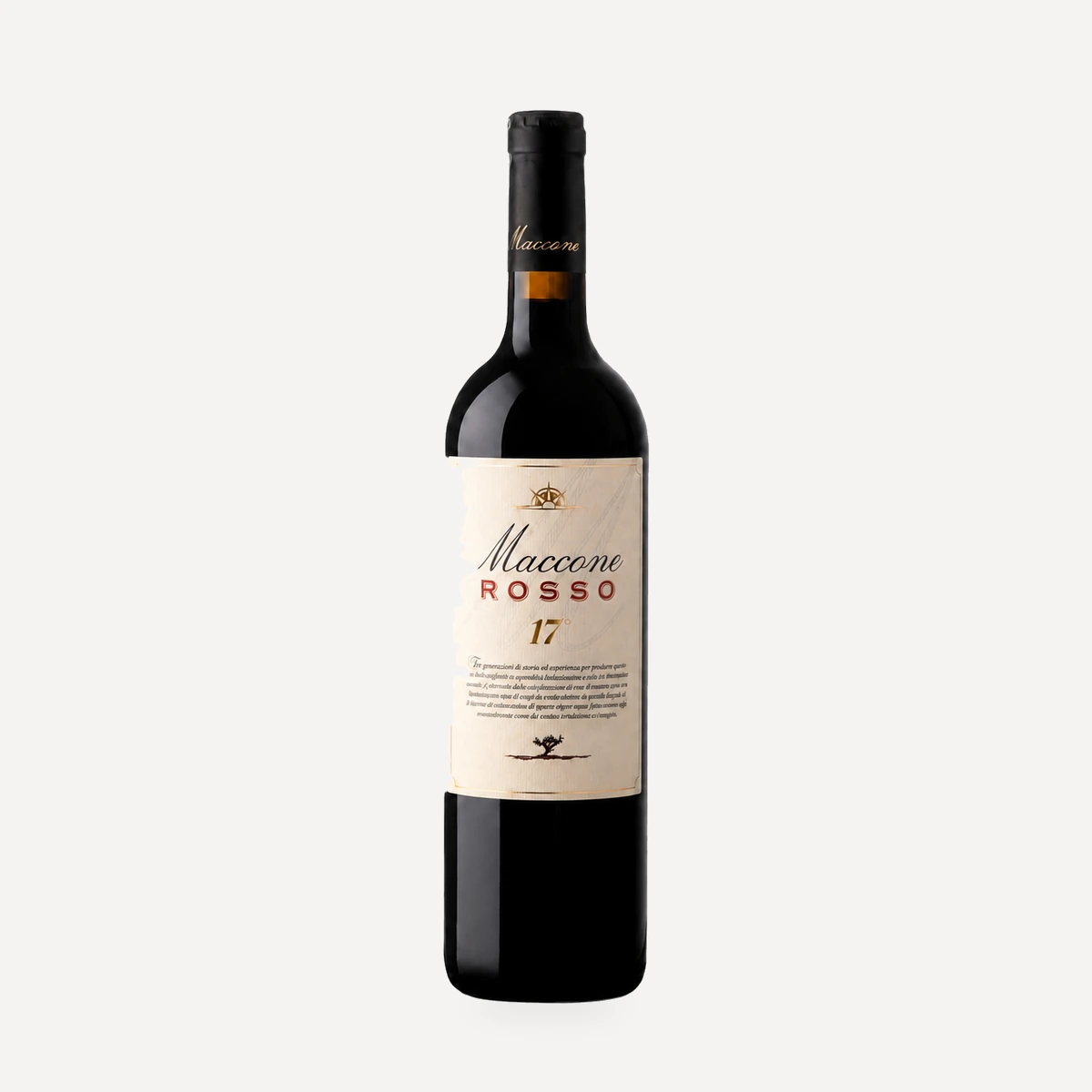
In 2021, several individual wines received recognition: Moscato Secco Maccone 2019 and Maccone Nero di Troia Passito received Quattro Viti distinctions; the 1958, 2019 Primitivo placed first in its category at Dolce Puglia 2021; Nero di Troia Passito 2019 placed second among sweet wines from black grapes; and Merum recognised Vino Rosso Maccone 17° 2018.
Terroir
Angiuli is based in Adelfia, within the production area of Primitivo DOP Gioia del Colle, and also works with vineyards across the Murgia Barese and Valle d’Itria. Its viticultural geography includes Adelfia, Acquaviva delle Fonti, Casamassima, Mariotto, Locorotondo, Cisternino, Martina Franca, Alberobello and San Donaci.
The recorded soils vary considerably. Adelfia includes clay-rich land whose swelling clay minerals store winter and spring rainfall and release it gradually during the growing season. Deep roots can penetrate the friable parent material in search of moisture. This delays ripening, sustains competition between berries and shoots and helps retain hydration, sugars, tartaric acid and malic acid under dry-farmed conditions.
At contrada Sirenga in Adelfia, the Notardomenico site has sandy-clay loam with good organic matter and macronutrient availability. The Adelfia Riesling Renano parcels have sandy-loam texture with exchangeable potassium and magnesium. In Locorotondo and the Maresco sites of Cisternino and Locorotondo, clay-silt soils contain a skeleton component reaching approximately 60%. Other Valle d’Itria sites are described as clay-limestone.
The Nero di Troia vineyard in the Mariotto area lies at approximately 400 m above sea level on deep, fertile clay. The historic Primitivo Passito vineyard near Acquaviva delle Fonti lies at approximately 280 m. The 2019 season recorded 501 mm of rainfall against a cited average of 485 mm and was regarded as broadly regular and positive for both crop quantity and quality.
Nero di Troia is particularly late ripening. Dry, ventilated conditions at the beginning of autumn favour full maturity, while difficult seasonal patterns can prevent it. Maresco is distinguished by naturally high acidity, retained even with relatively late harvesting.
Vinificazione
Manual work is central to the recorded vineyard practices. Grapes are harvested by hand according to ripeness, frequently into small crates, with selection first in the vineyard and, for certain passito lots, again at cellar reception. Verdeca and Bianco d’Alessano may be picked during the cool early-morning hours.
Old Maccone vineyards are trained as alberello and are approximately 50–80 years old, with few bunches per vine. In the historic Primitivo plot, low freestanding bush vines are cultivated without posts or wires. Winter pruning, spring green pruning and leaf removal continue according to family methods inherited across generations.
At contrada Sirenga, manual operations include winter pruning, tying, green pruning, leaf removal and bunch selection. The tendone canopy used for Riesling Renano shelters fruit from excessive radiation, sunburn and oxidative stress; irrigation regulates vegetative development and canopy porosity. By contrast, Nero di Troia and the clay-soil alberello vineyard associated with Maccone Rosato 19 are explicitly dry farmed.
For passito production, fruit may dry naturally on the vine or continue drying outdoors in crates. The 2019 Nero di Troia experiment selected only healthy, dry, overripe bunches and extended outdoor crate drying for two months after harvest.
Angiuli works principally with stainless steel, controlled temperatures and techniques tailored to grape colour, ripeness and intended style. Indigenous yeasts are used for the Angiuli Primitivo and Negroamaro wines. Red-wine approaches include gentle crushing, submerged-cap maceration, frequent pump-overs or manual punch-downs, and macerations ranging from about 10 days to more than 30 days. Nero di Troia undergoes malolactic fermentation in tank in at least one vinification.
White and rosé processing includes 48-hour cryomaceration, gentle pressing—sometimes specified at 0.6 bar—static clarification and fermentation of clear free-run juice at approximately 10–12°C in stainless steel. Inert handling is used to preserve aroma and, for lightly sparkling Verdeca, to retain liveliness. Ottavianello rosé receives a 12-hour must maceration with dry ice, followed by static clarification and a 20-day temperature-controlled fermentation. Notardomenico rosé undergoes 72 hours of must settling and a 30-day controlled fermentation.
Passito fruit is selected again at cellar reception, fermented in small temperature-controlled stainless-steel fermenters and worked with frequent manual punch-downs. Primitivo Passito remains on the skins for more than 20 days, then matures in steel for 12 months. The Nero di Troia experiment was harvested on 14 October 2019, dried outdoors in crates for two further months, crushed in late December and fermented on skins for about a month. Fermentation stopped naturally at 14.5% alcohol with approximately 100 g/L residual sugar, followed by about 12 months’ maturation.
Filtration for the passito wines includes coarse prefiltration after the first racking or after malolactic fermentation, low-pressure membrane depth filtration at 0.3 bar and sterile filtration before bottling. Notardomenico is matured for six months on fine lees with frequent bâtonnage, clarified for protein stability and depth-microfiltered at low pressure under inert conditions for microbiological stability.
Bianco d’Alessano demonstrates the cellar’s use of wood and multi-vintage blending. The 2020 component fermented in medium-toast American oak; the 2021 component matured for five months in the same type of vessel after fermentation. Both received two months of bâtonnage on post-racking lees and were blended in February 2022. Another description refers to 500-litre barrels, while the introductory account also mentions French-oak barriques.
Bottle-fermented sparkling wine is made without added yeast or sugar. Bottles rest in an underground cellar, with one Maresco cuvée remaining on its lees for approximately 40 months before riddling and disgorgement.
Filosofia
Angiuli defines respect for the land, nature and landscape as the principle connecting the family’s work from 1880 to the present. This leads to an emphasis on varieties suited to local soil and microclimate, the preservation of old alberello vineyards and the recovery of minor grapes such as Maresco and Notardomenico.
Donato Angiuli’s approach combines fidelity to inherited practice with a continuing search for authenticity. His sons Vito and Giuseppe share the same emphasis on nature, soil and microclimate. Experimentation remains compatible with that outlook: microvinification, clone observation, long-term work with growers and unusual passito or bottle-fermentation projects are used to investigate local varieties rather than detach them from their origins.
The Maccone range embodies the family’s memory of its first cellar master and its association with old vines. Adelphos—Ancient Greek for brotherhood—expresses the idea of vineyards joined together around Gioia del Colle.
Vini
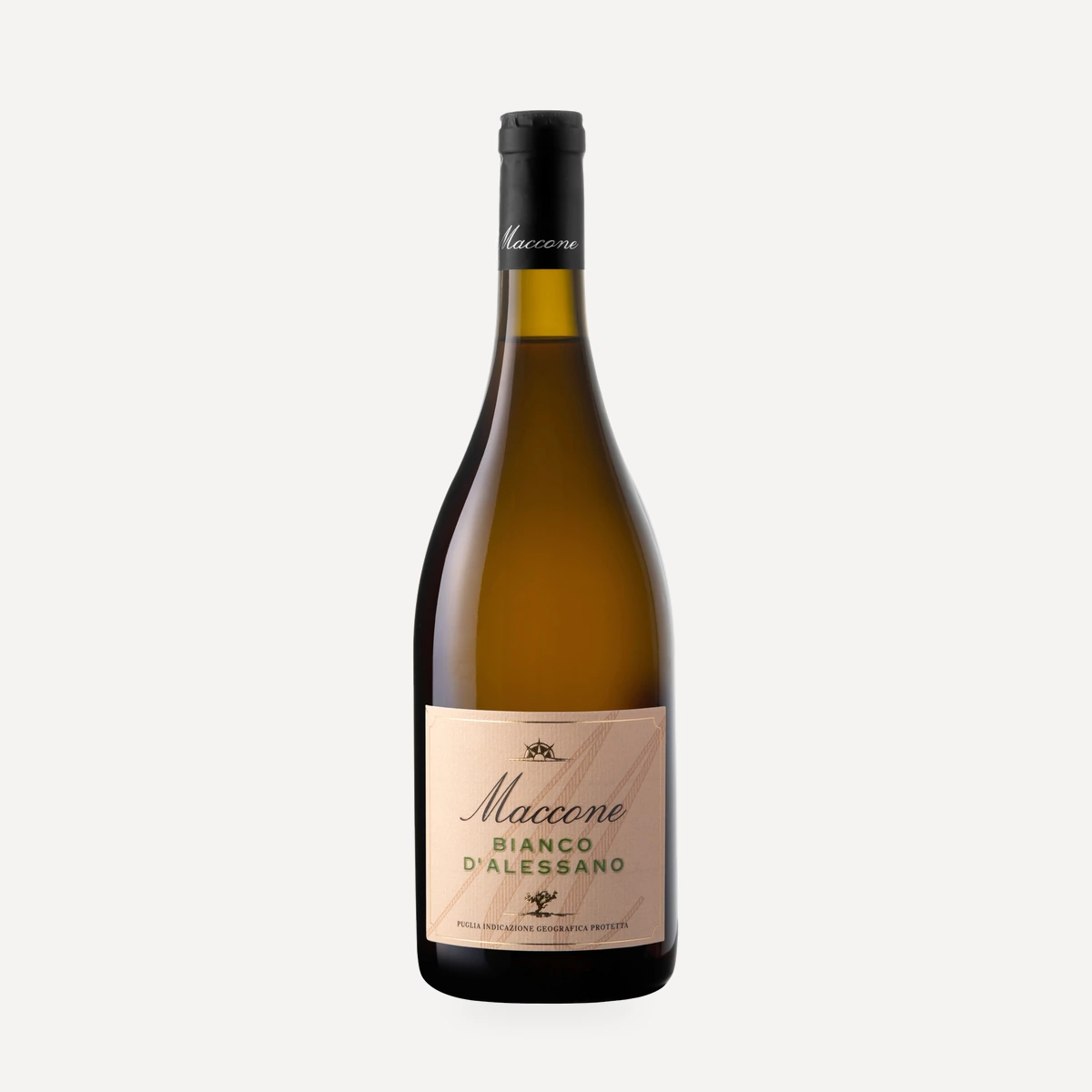
Maccone Bianco D’Alessano
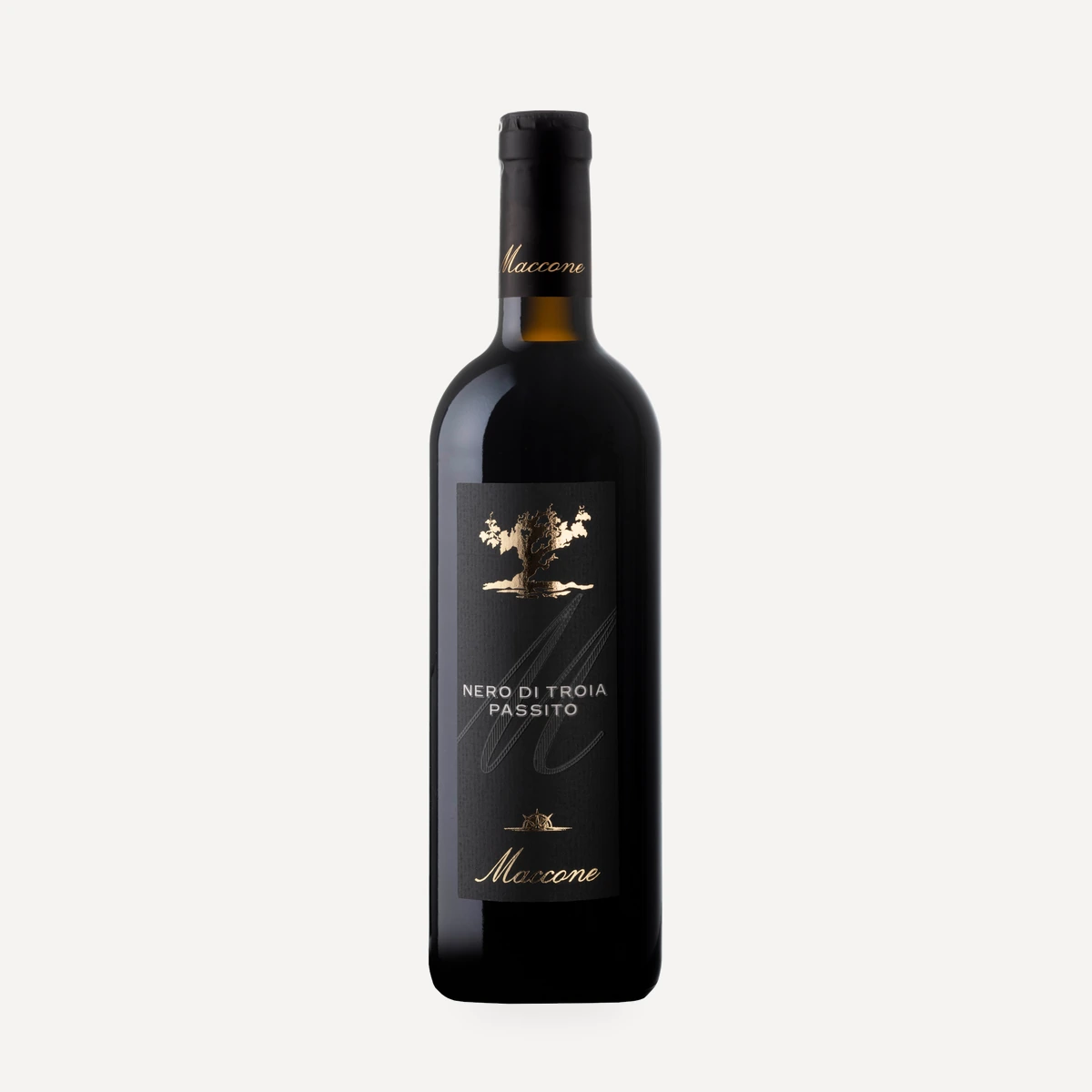
Maccone Nero di Troia Passito
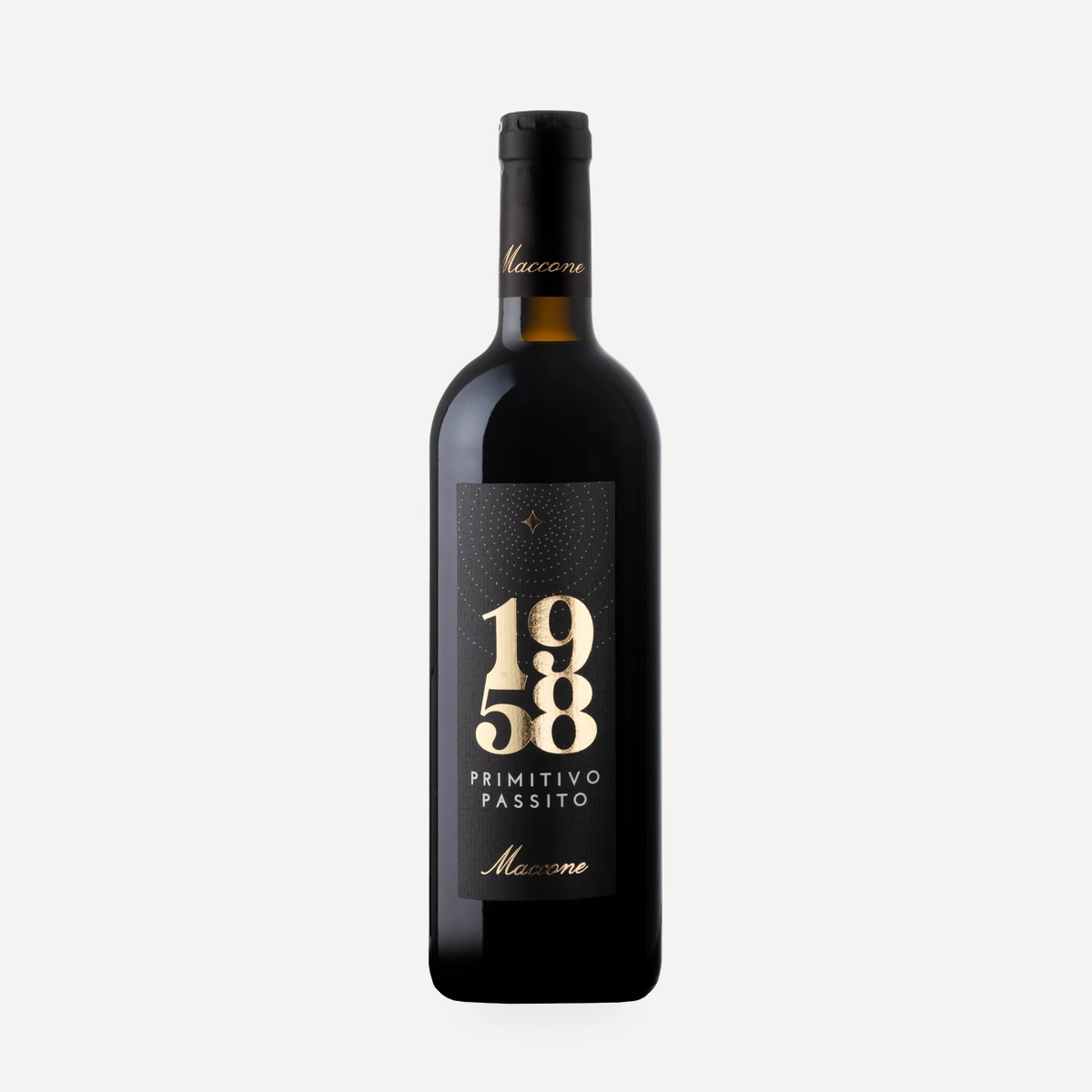
Maccone Primitivo Passito
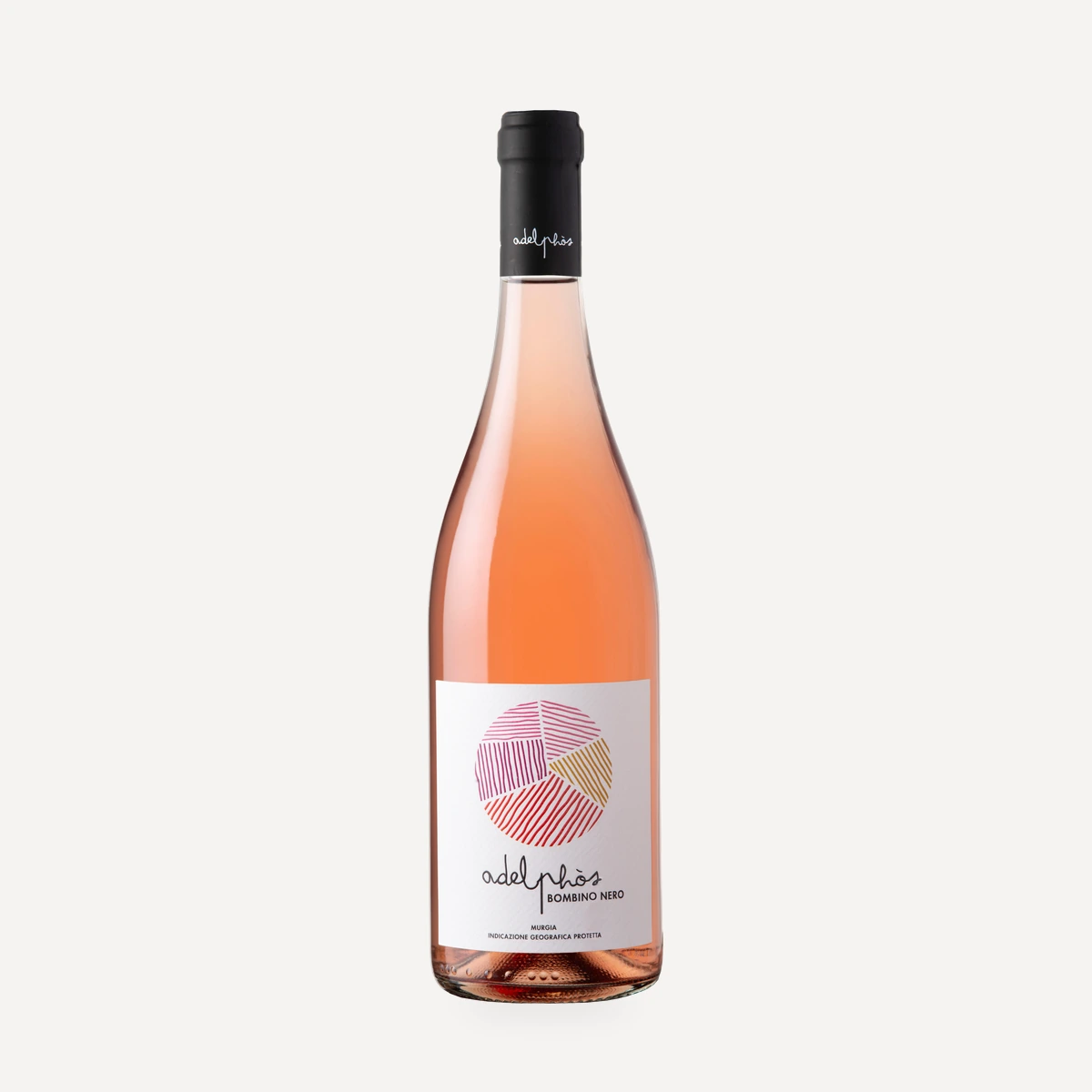
Adelphòs Bombino Nero Rosato
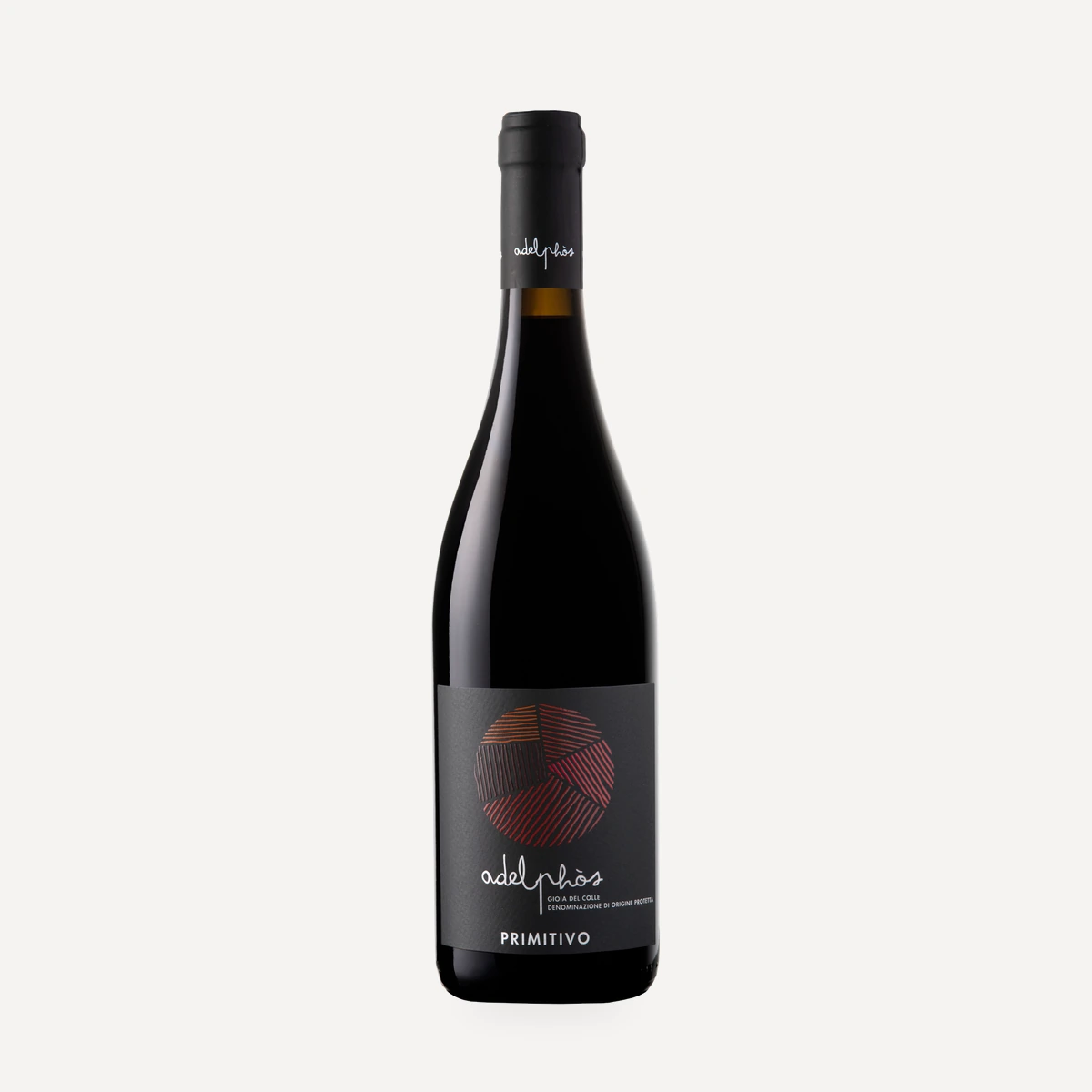
Adelphòs Primitivo
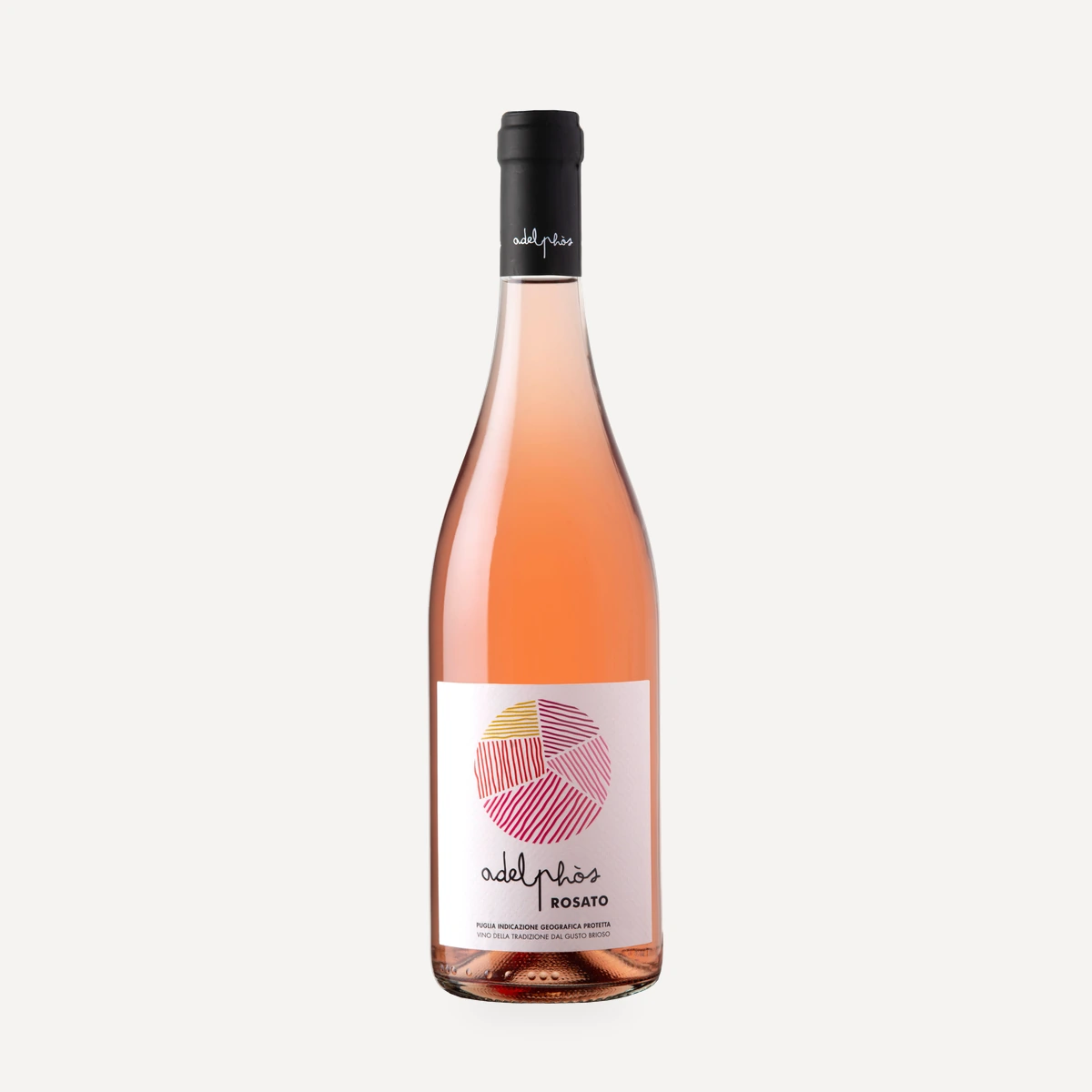
Adelphòs Rosato
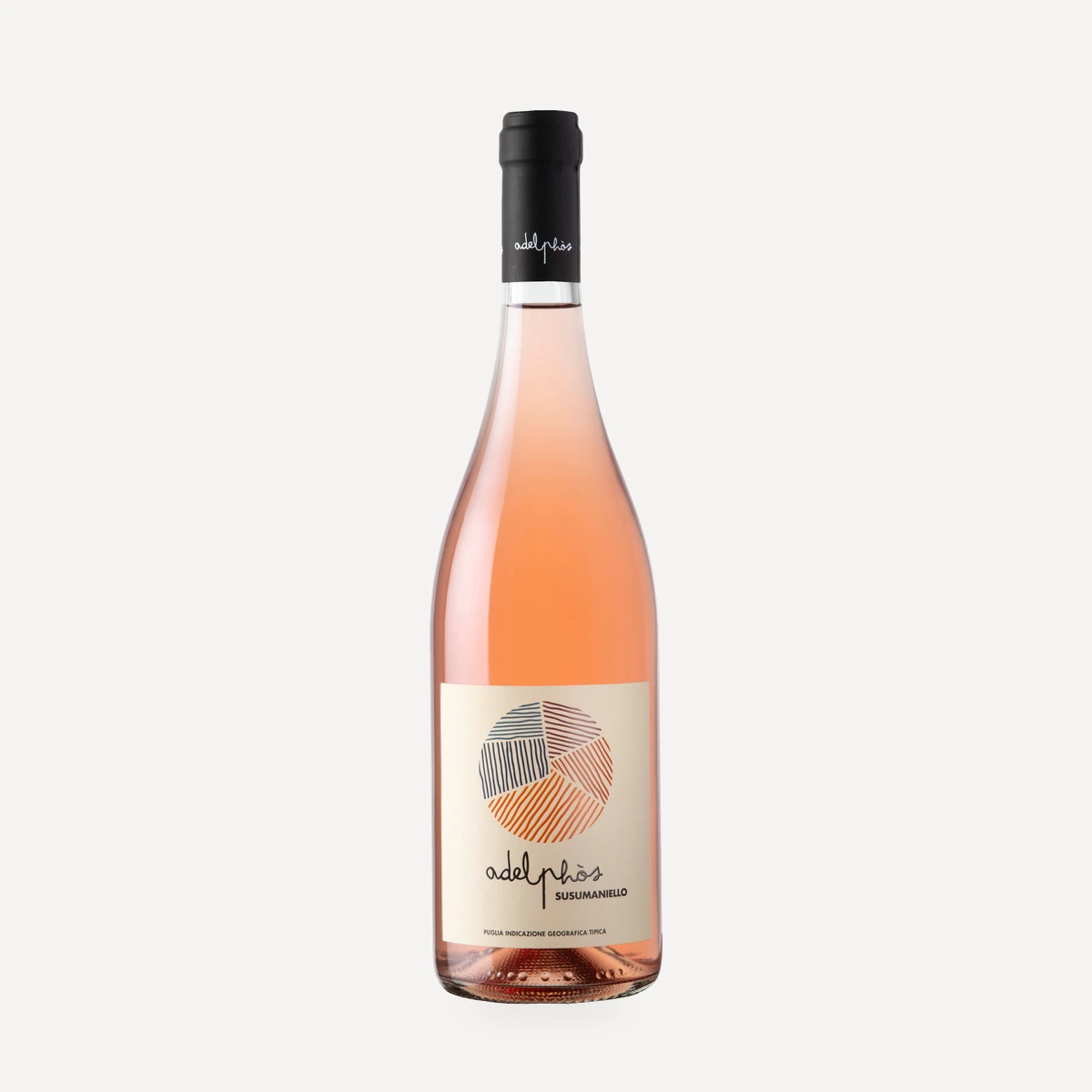
Adelphòs Susumaniello Rosato
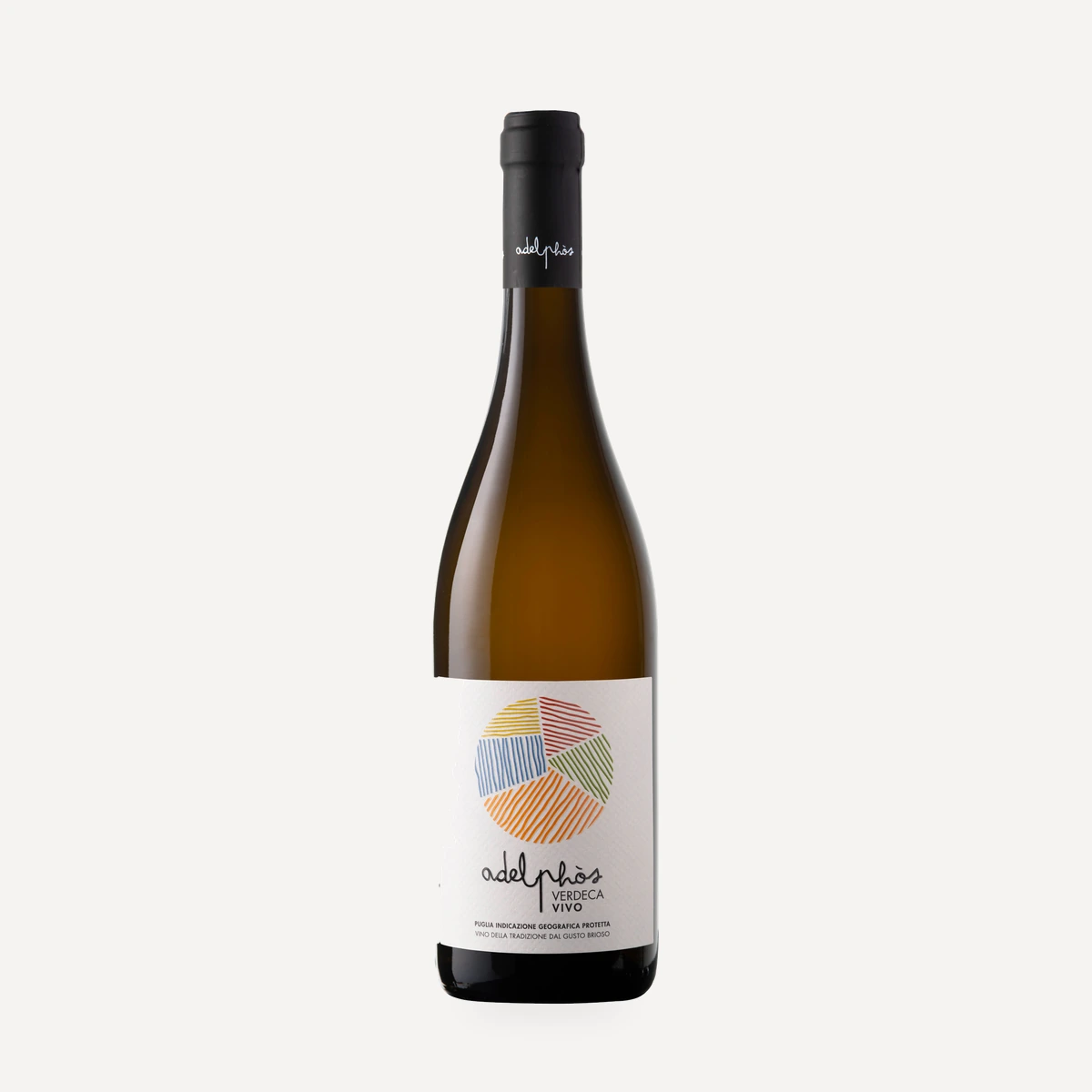
Adelphòs Verdeca Vivo
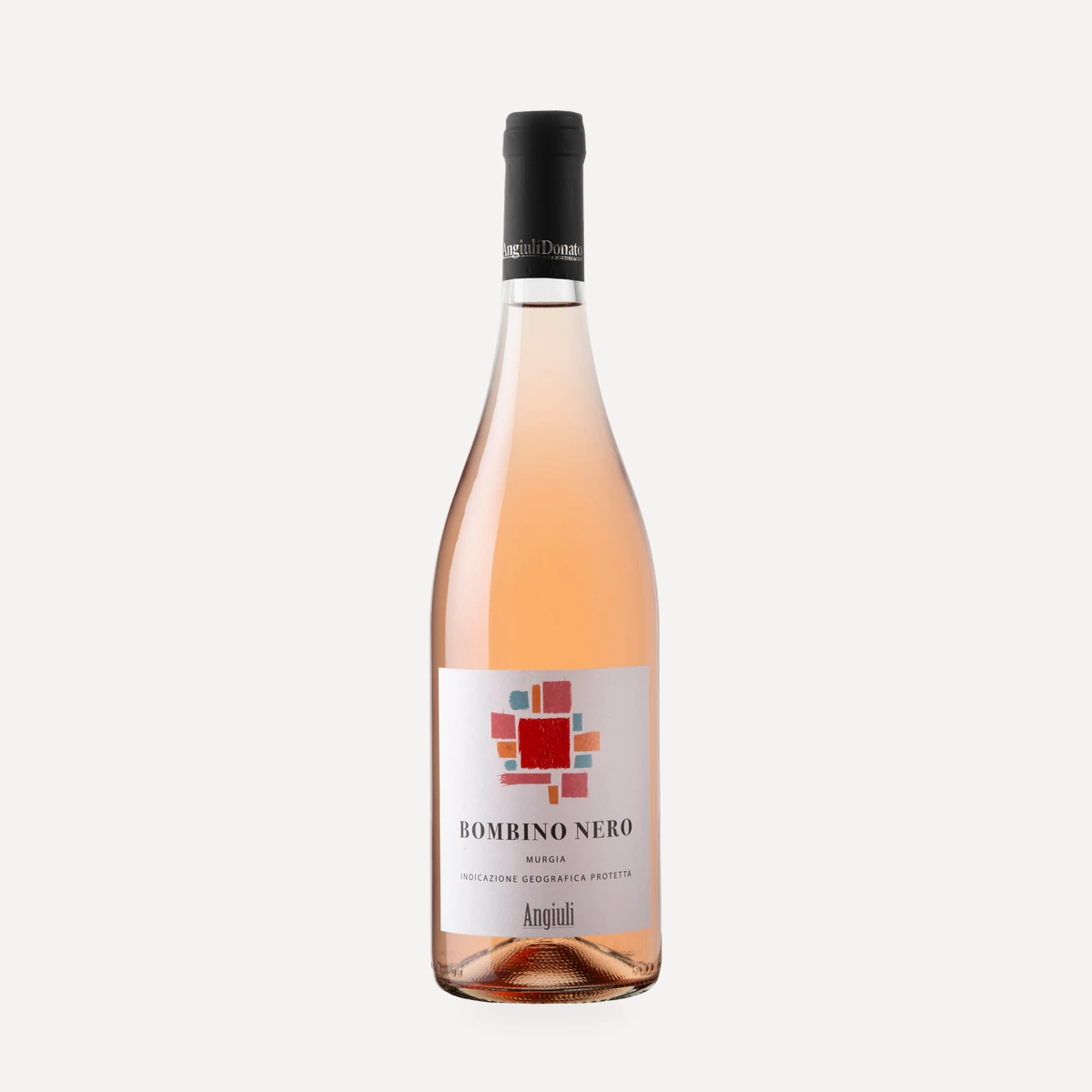
Angiuli Bombino Nero rosato
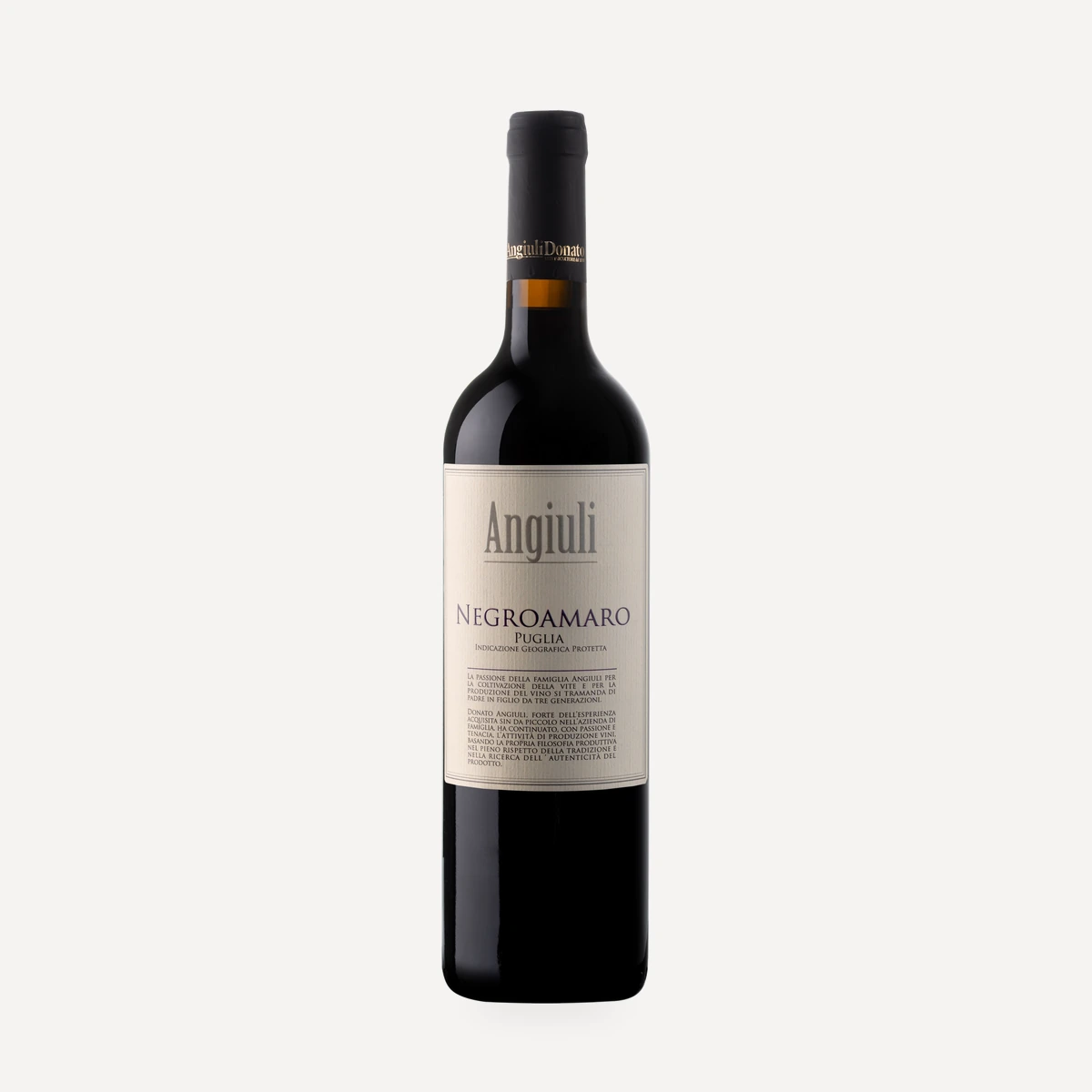
Angiuli Negroamaro Rosso
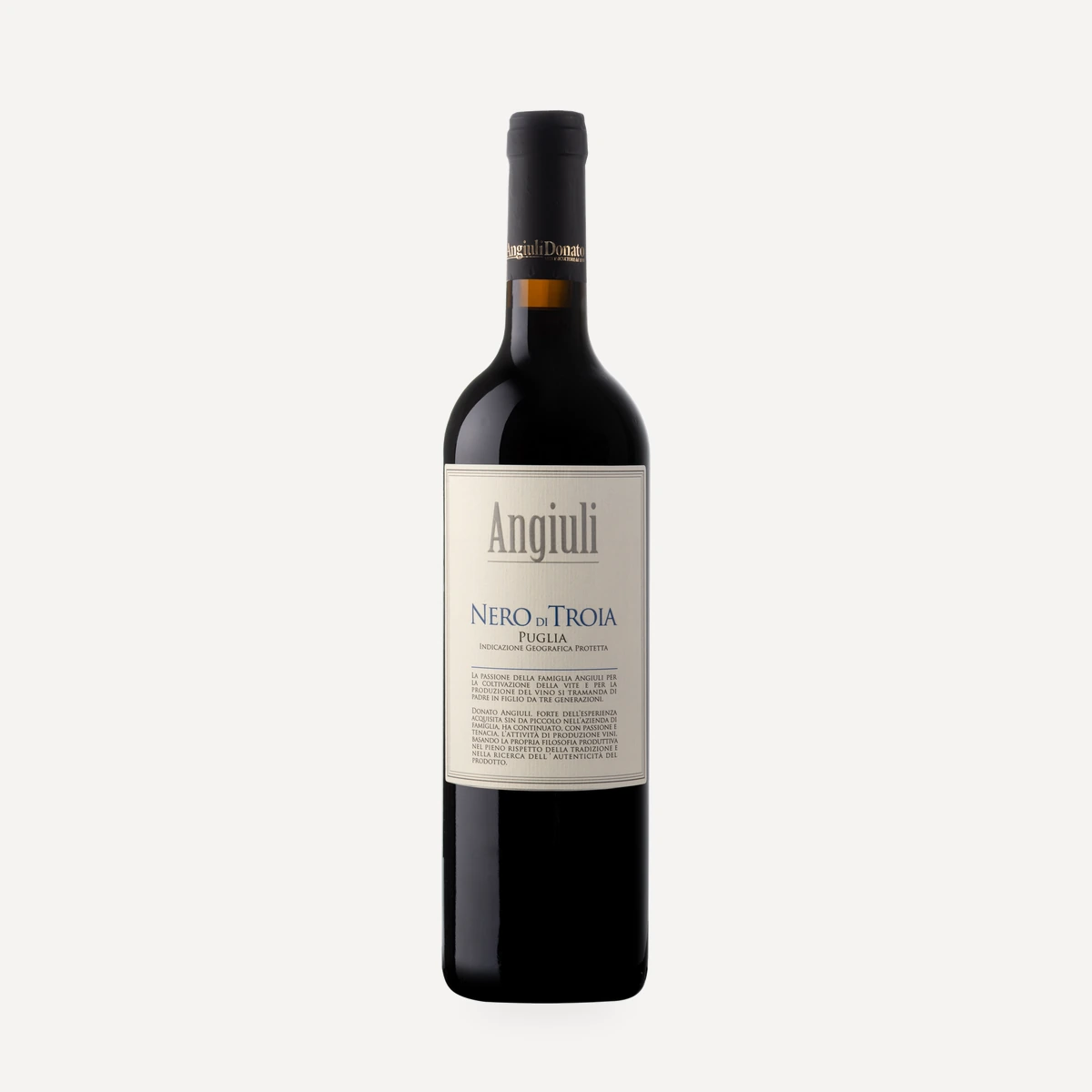
Angiuli Nero di Troia
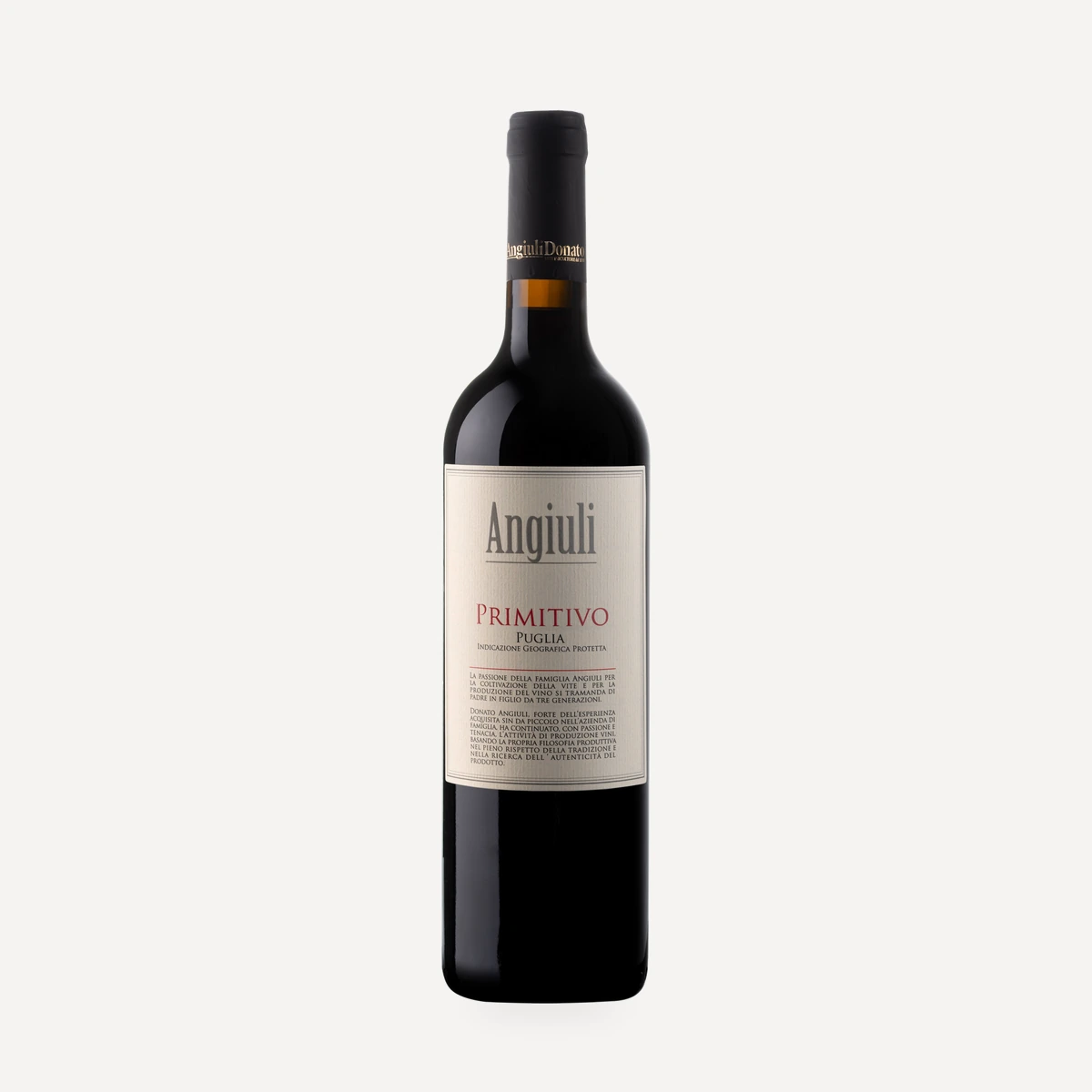
Angiuli Primitivo Rosso
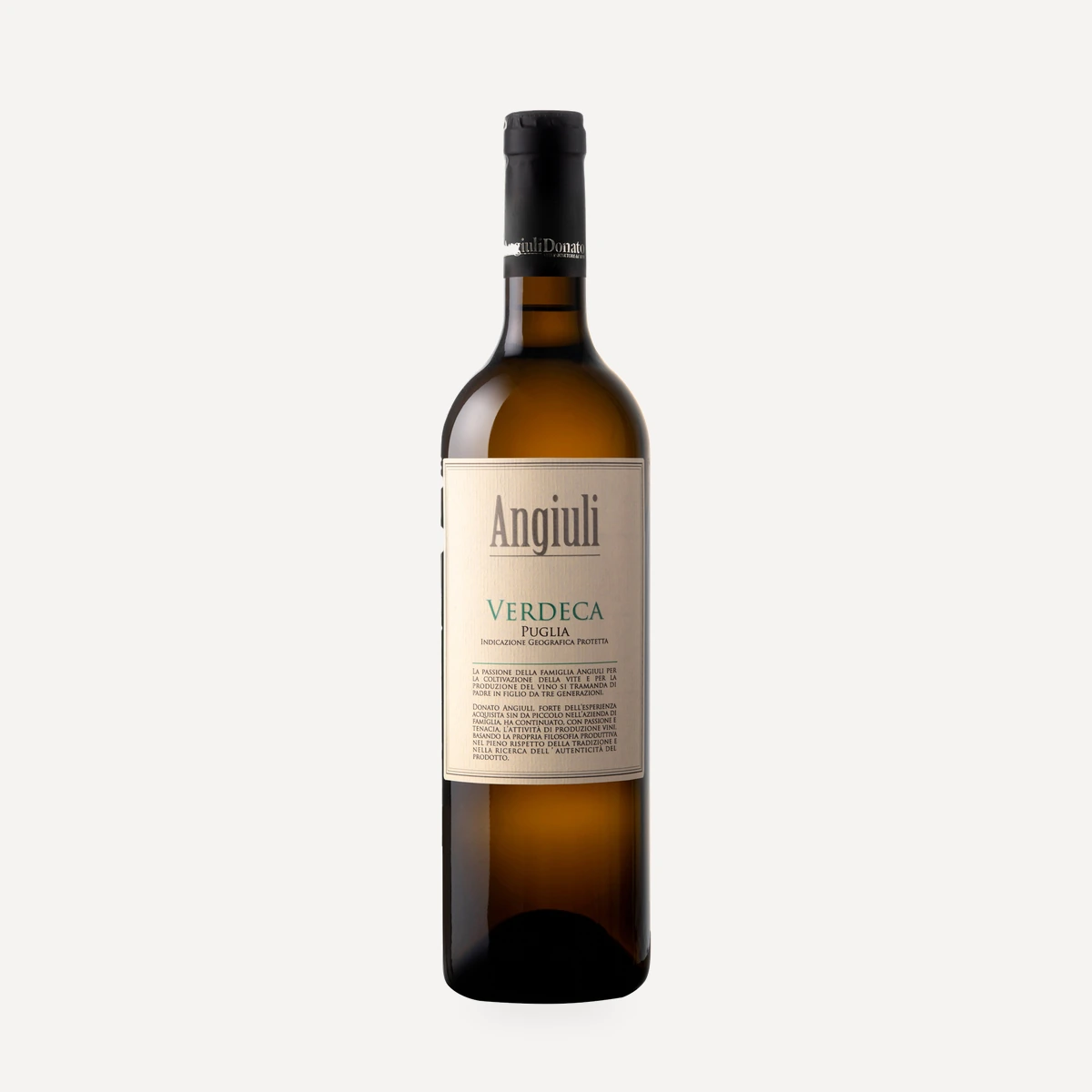
Angiuli Verdeca
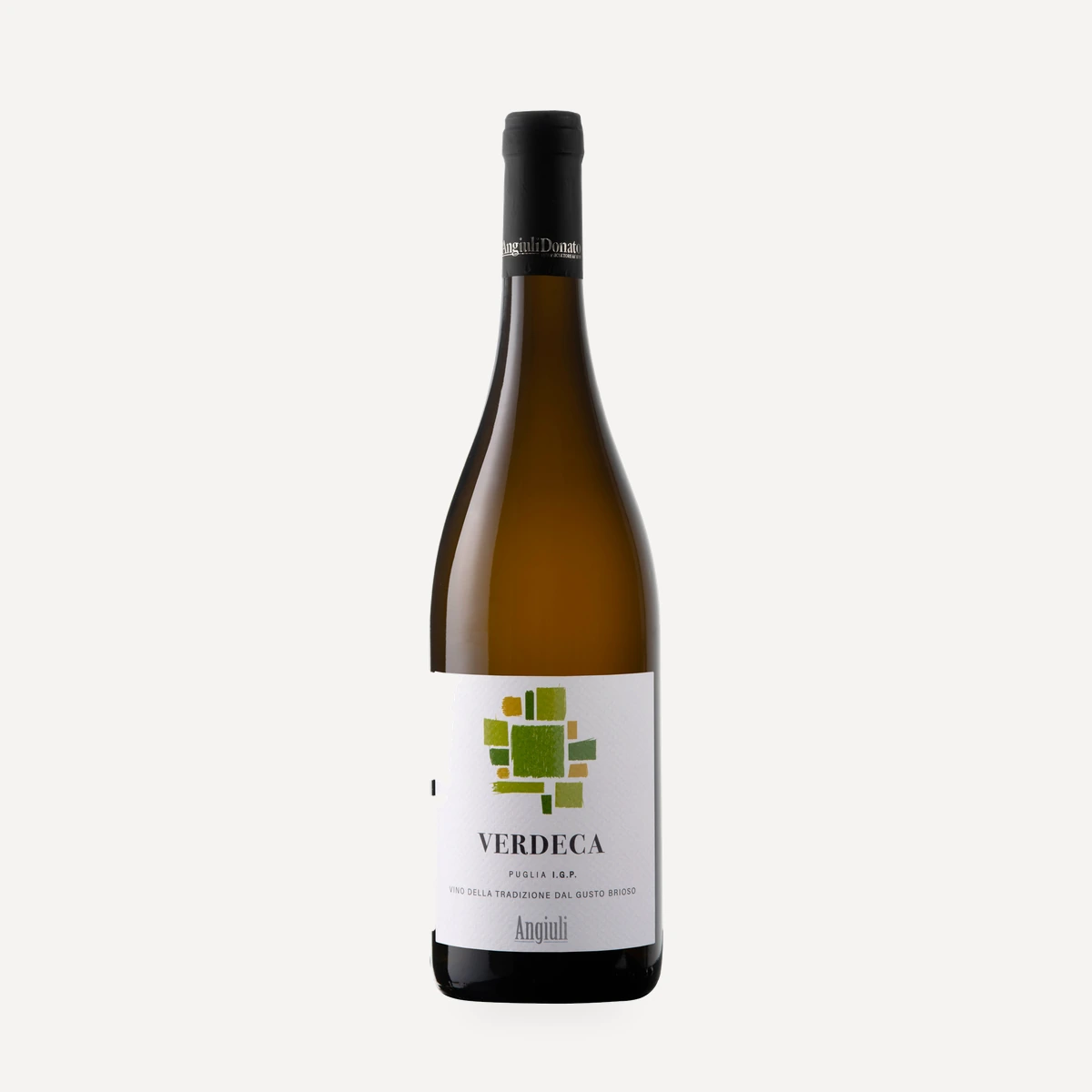
Angiuli Verdeca Amabile
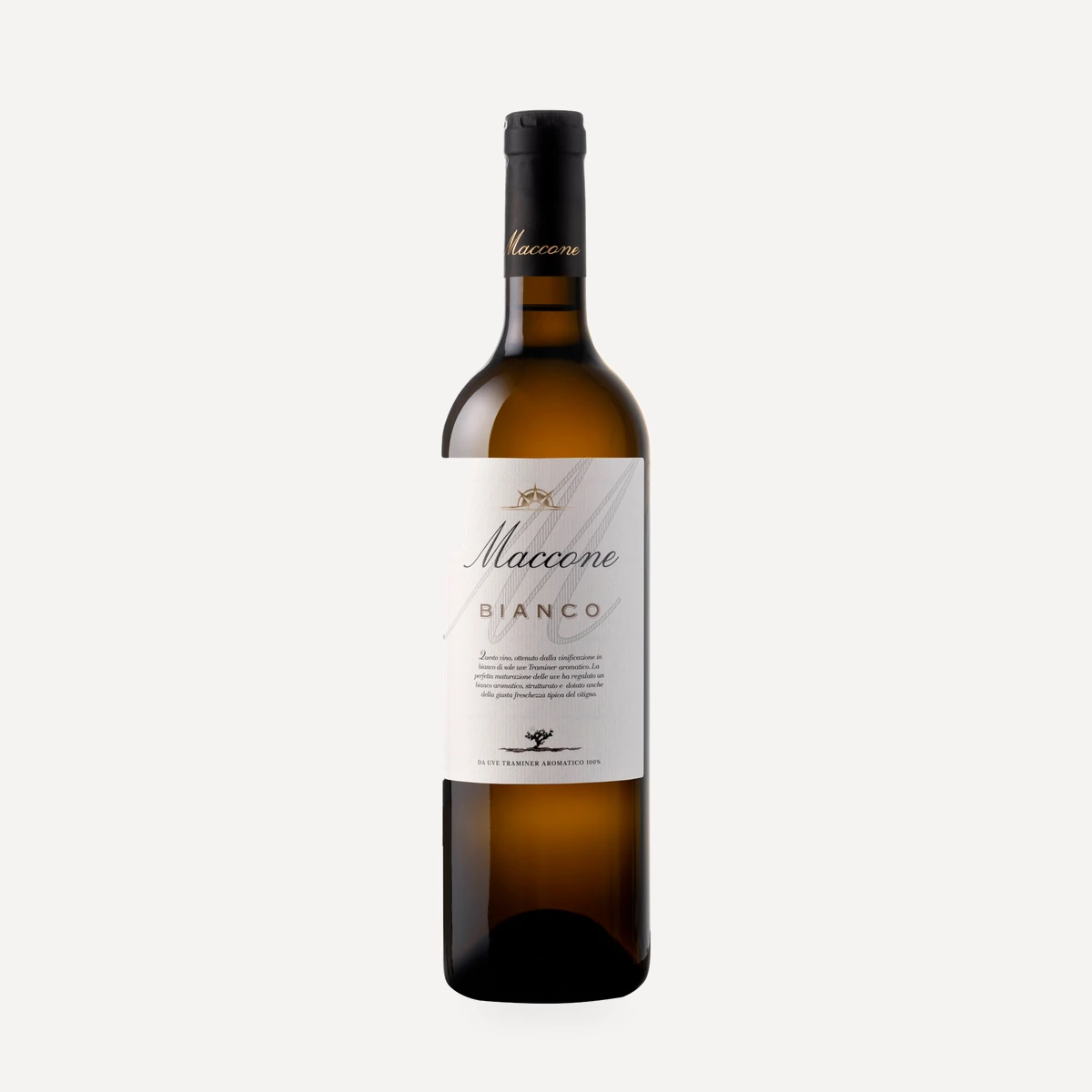
Maccone Bianco
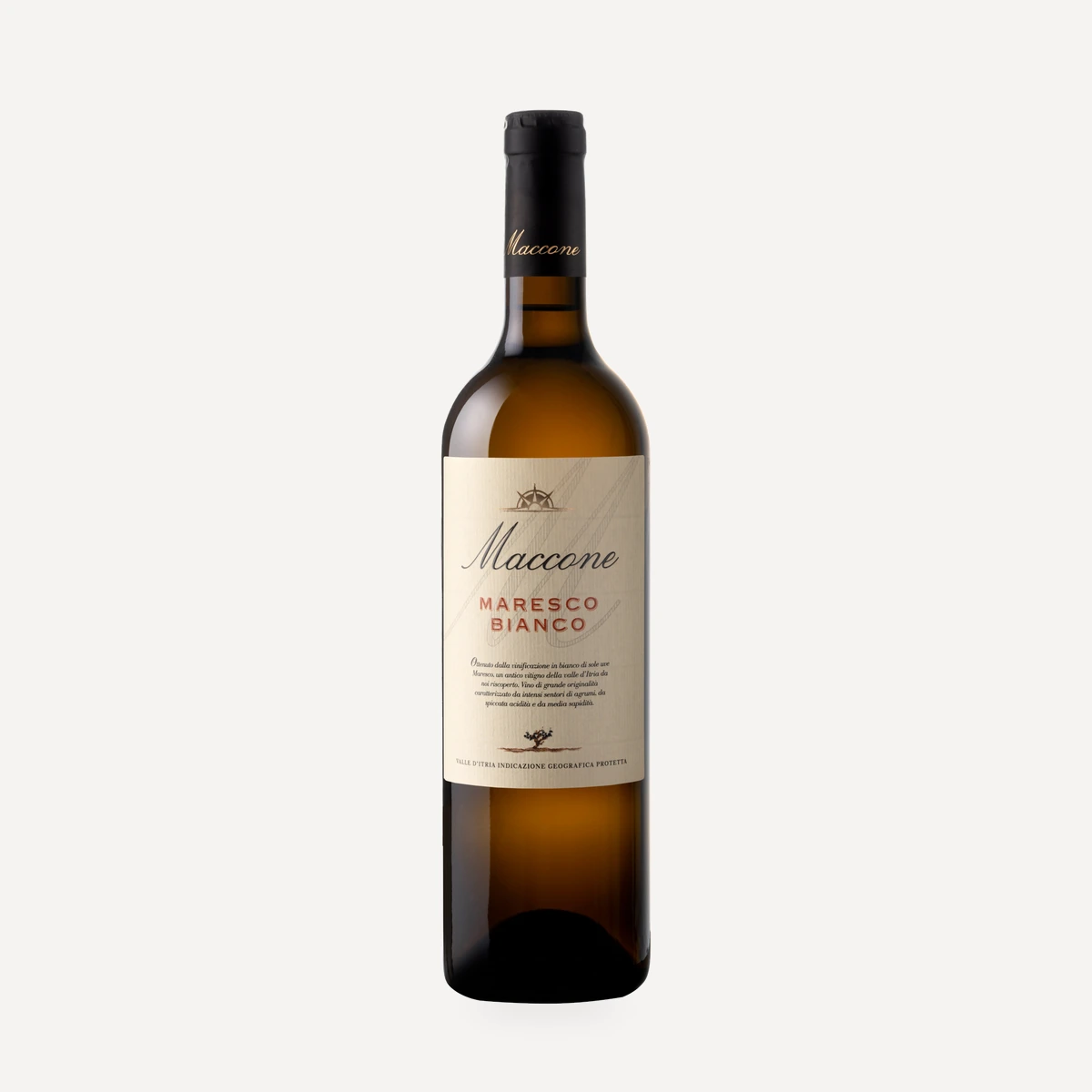
Maccone Maresco Bianco
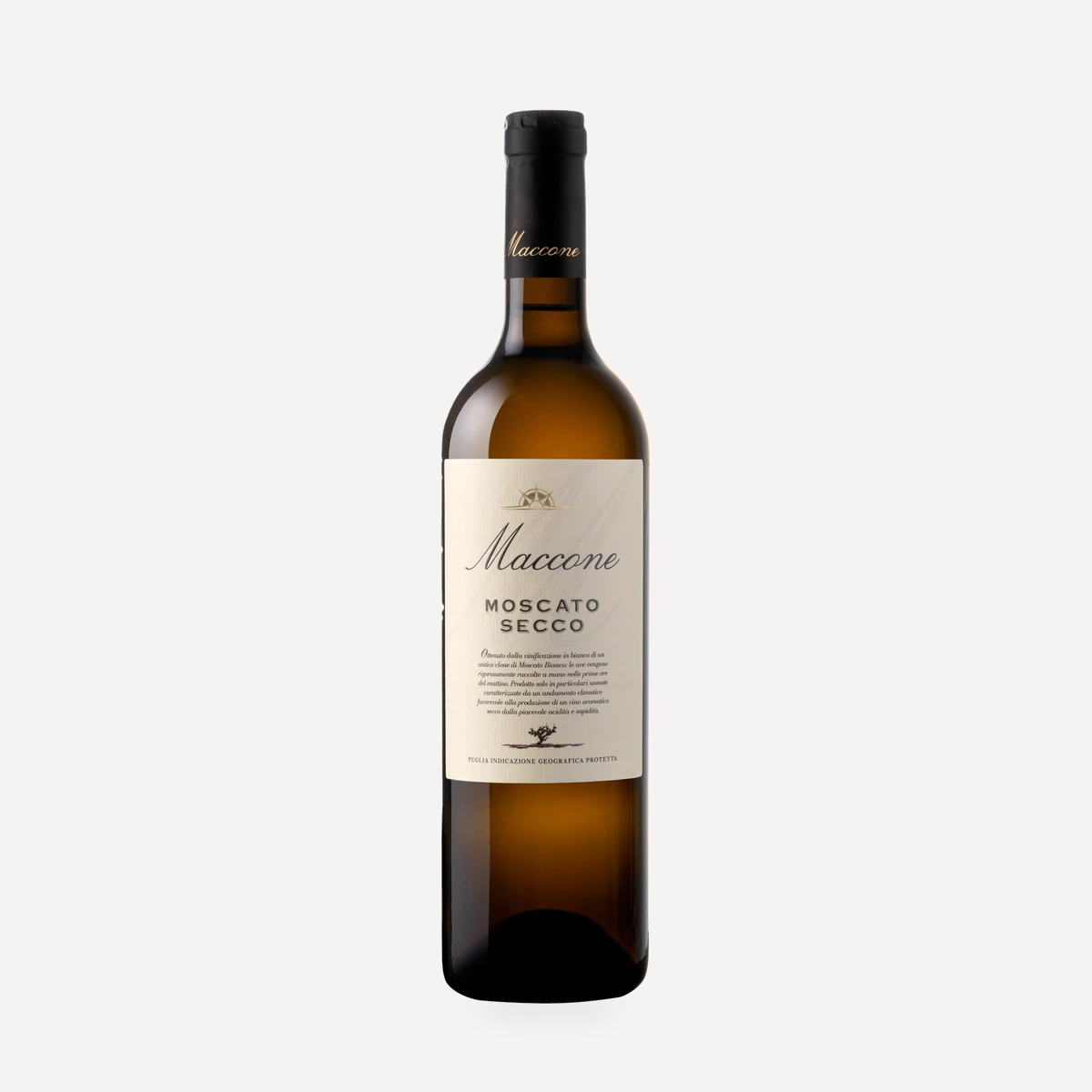
Maccone Moscato Secco
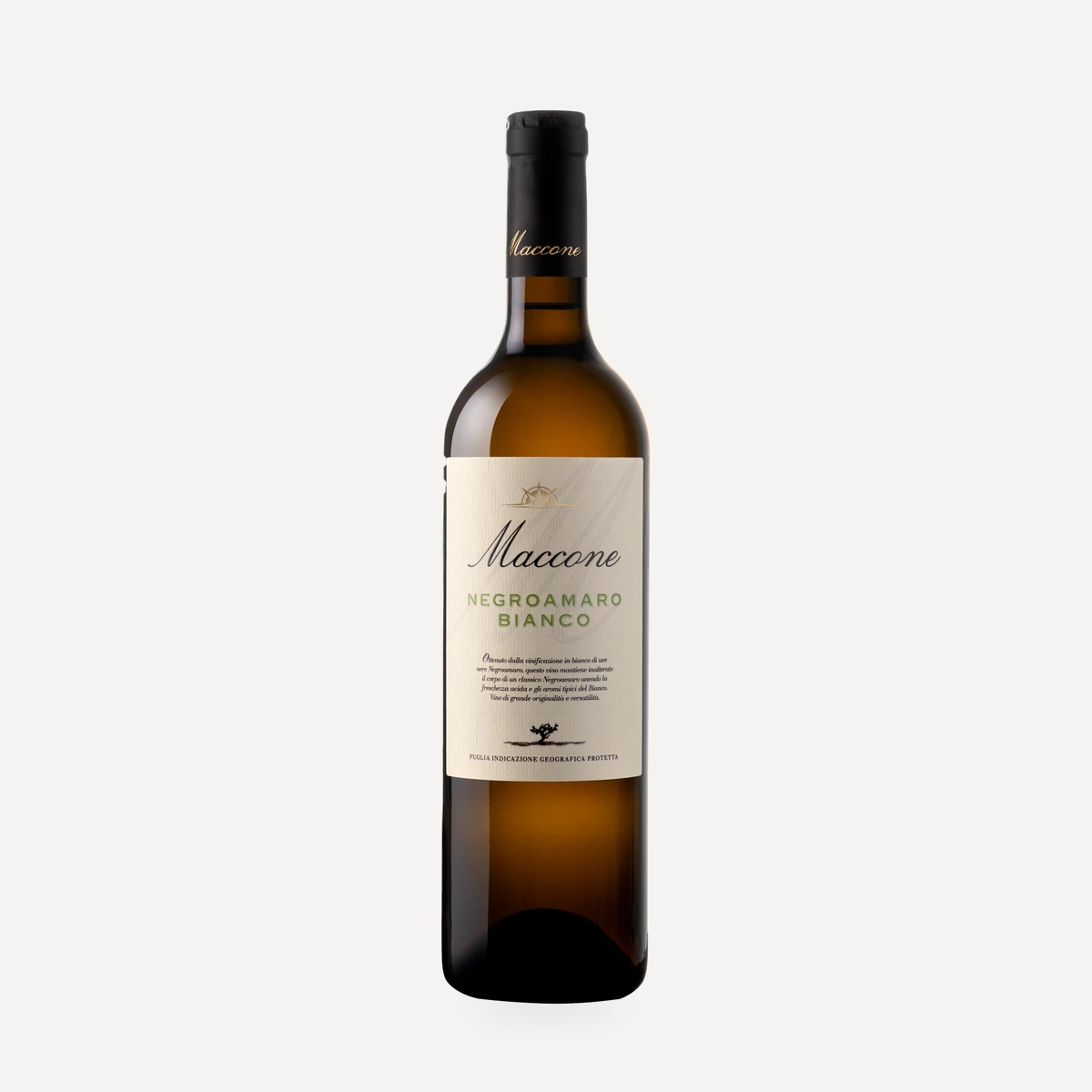
Maccone Negroamaro Vinificato in Bianco
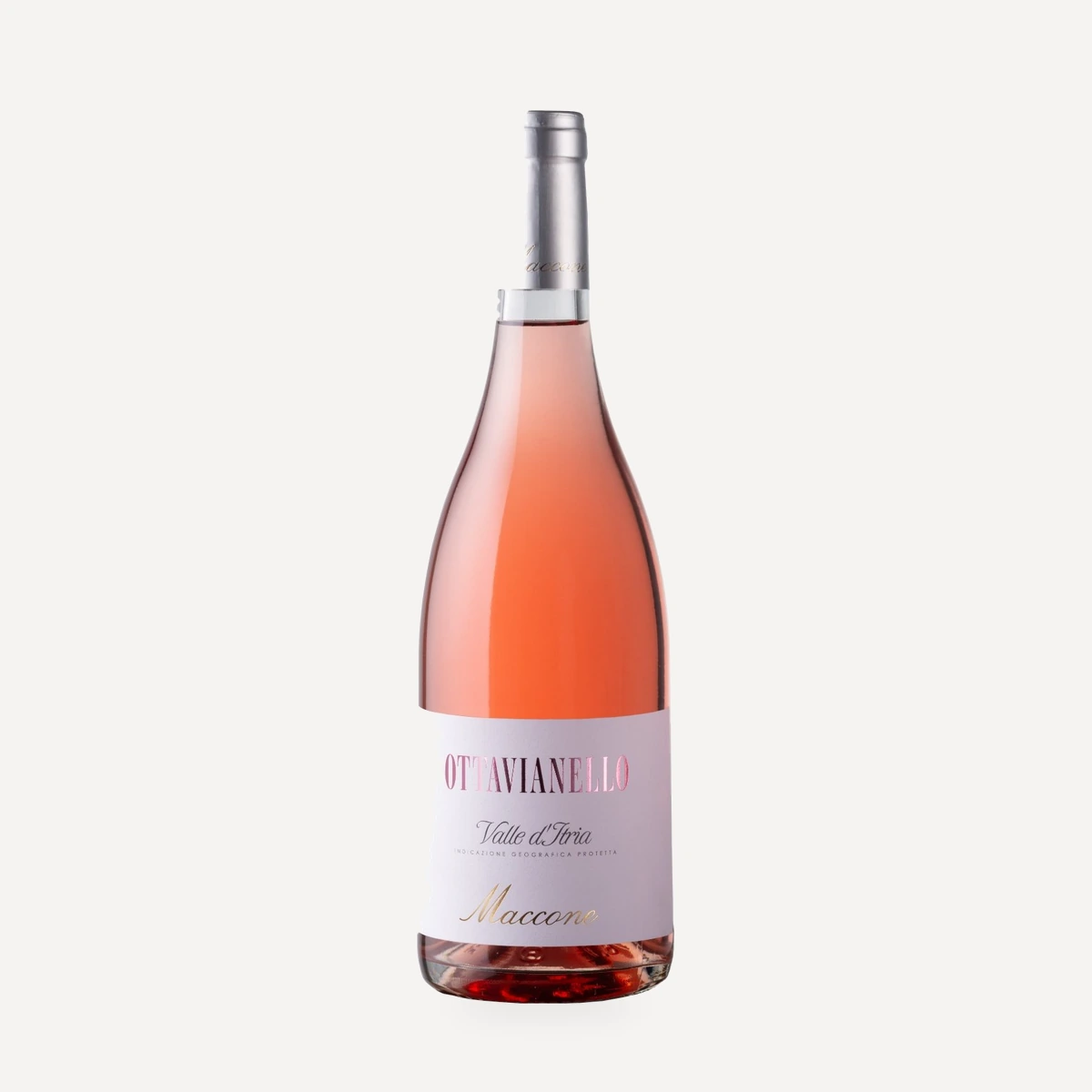
Maccone Ottavianello Rosato
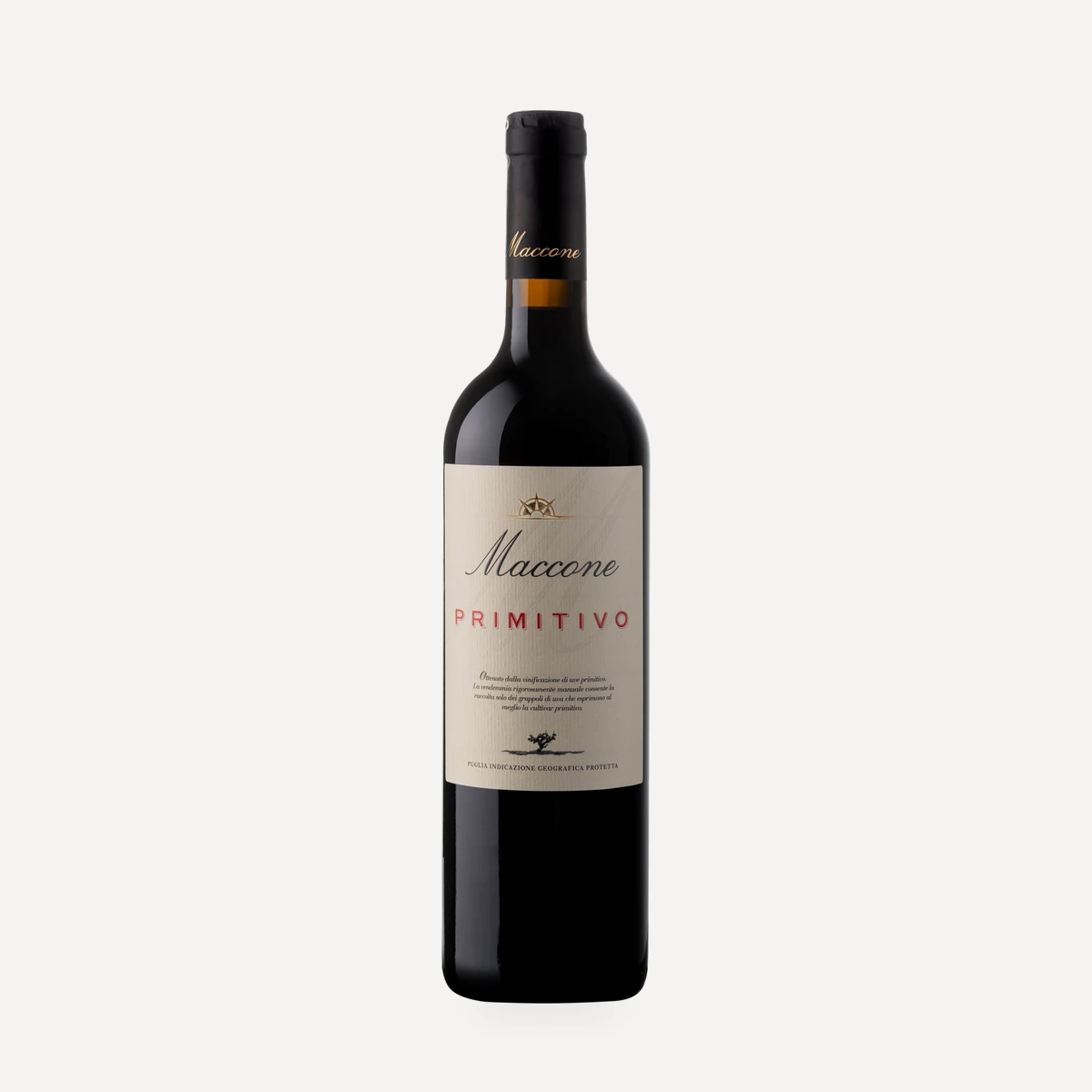
Maccone Primitivo
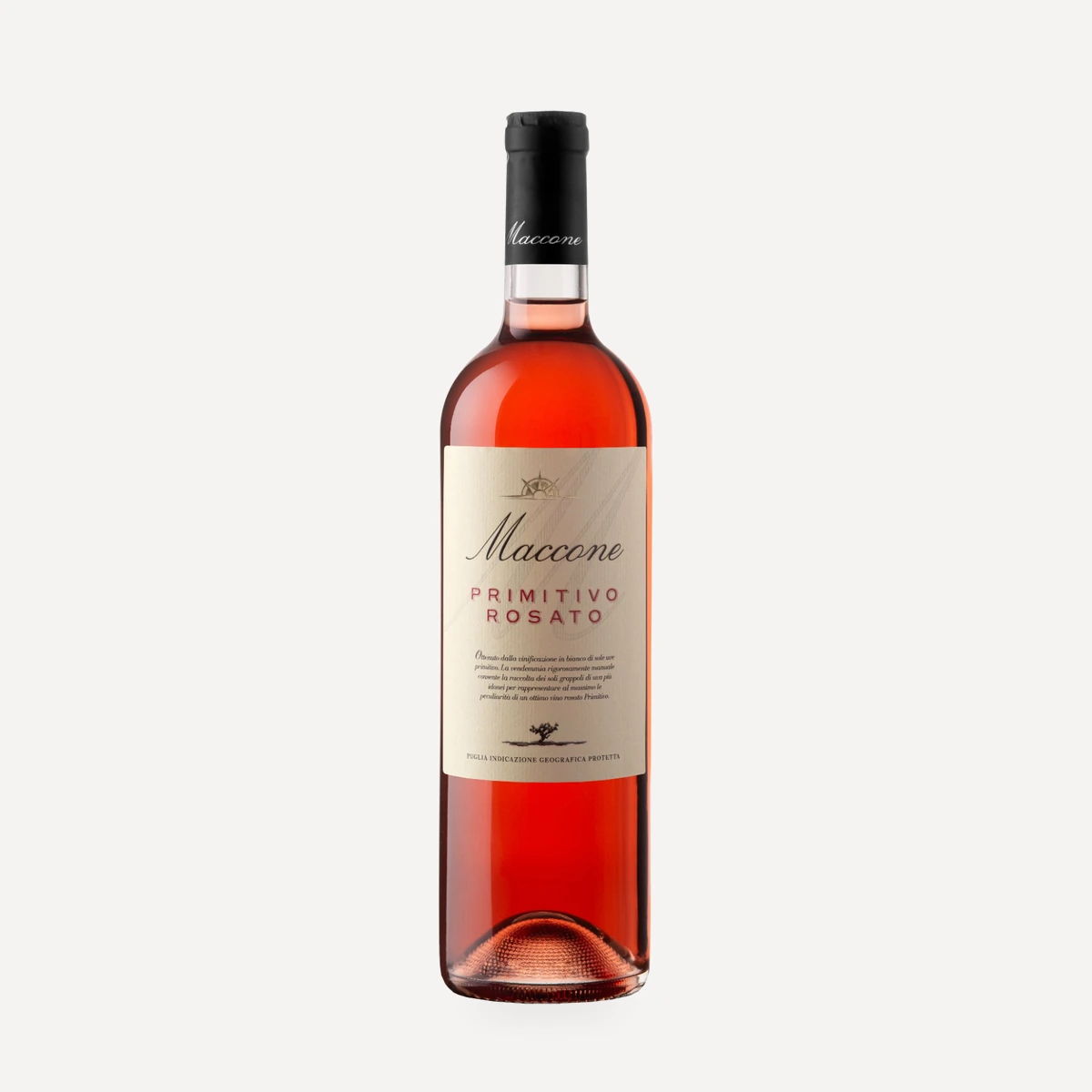
Maccone Primitivo Rosato
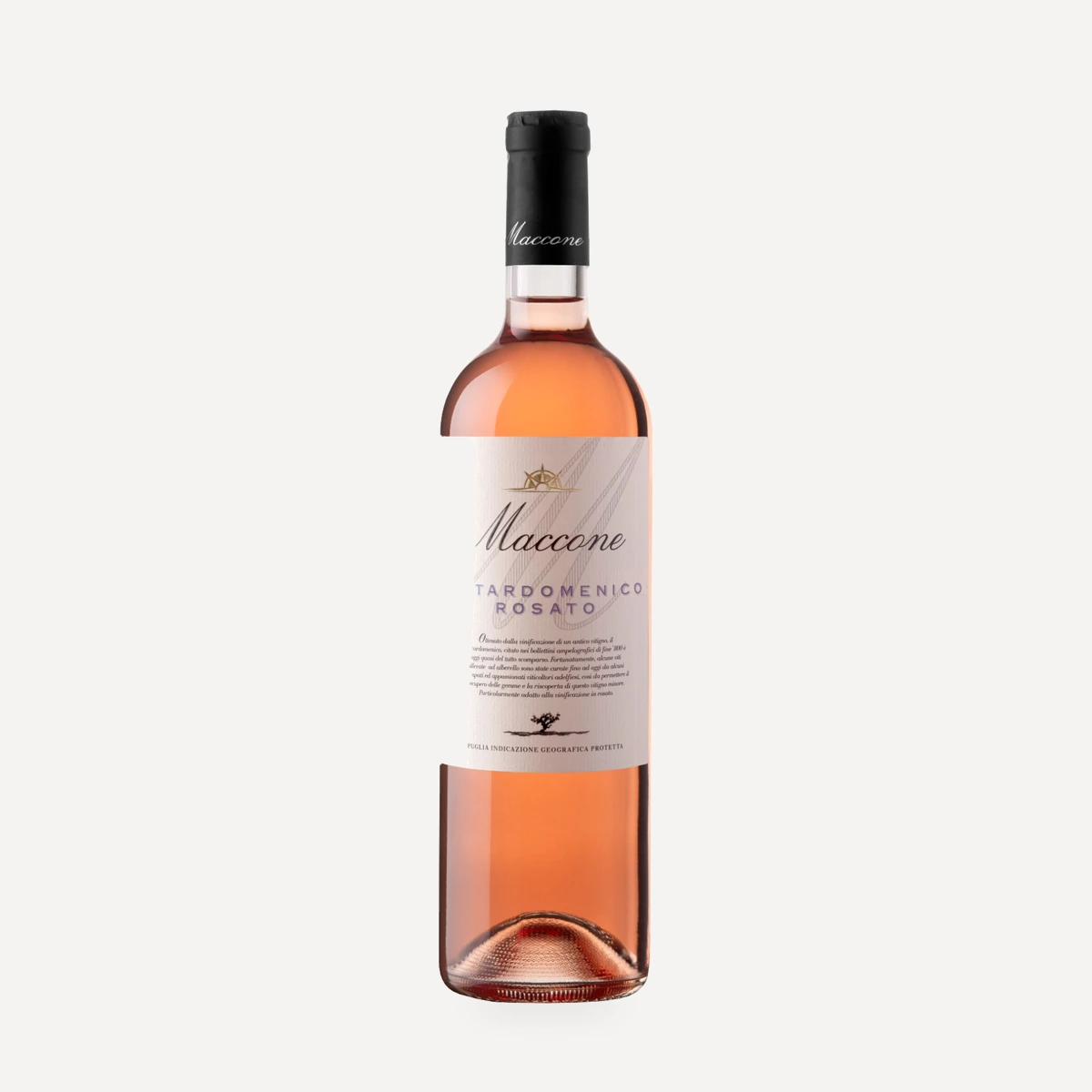
Maccone Puglia Notardomenico Rosato
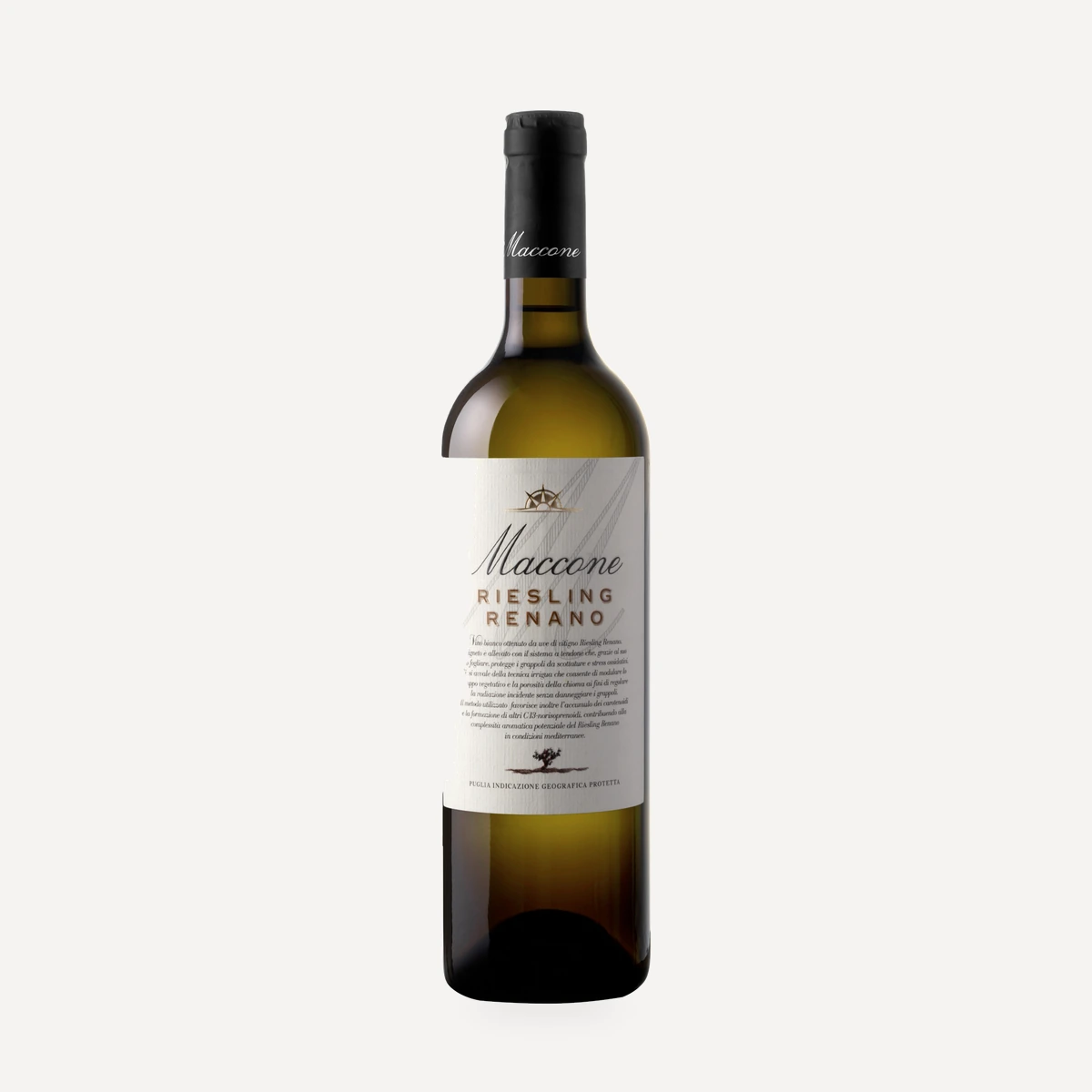
Maccone Riesling Renano
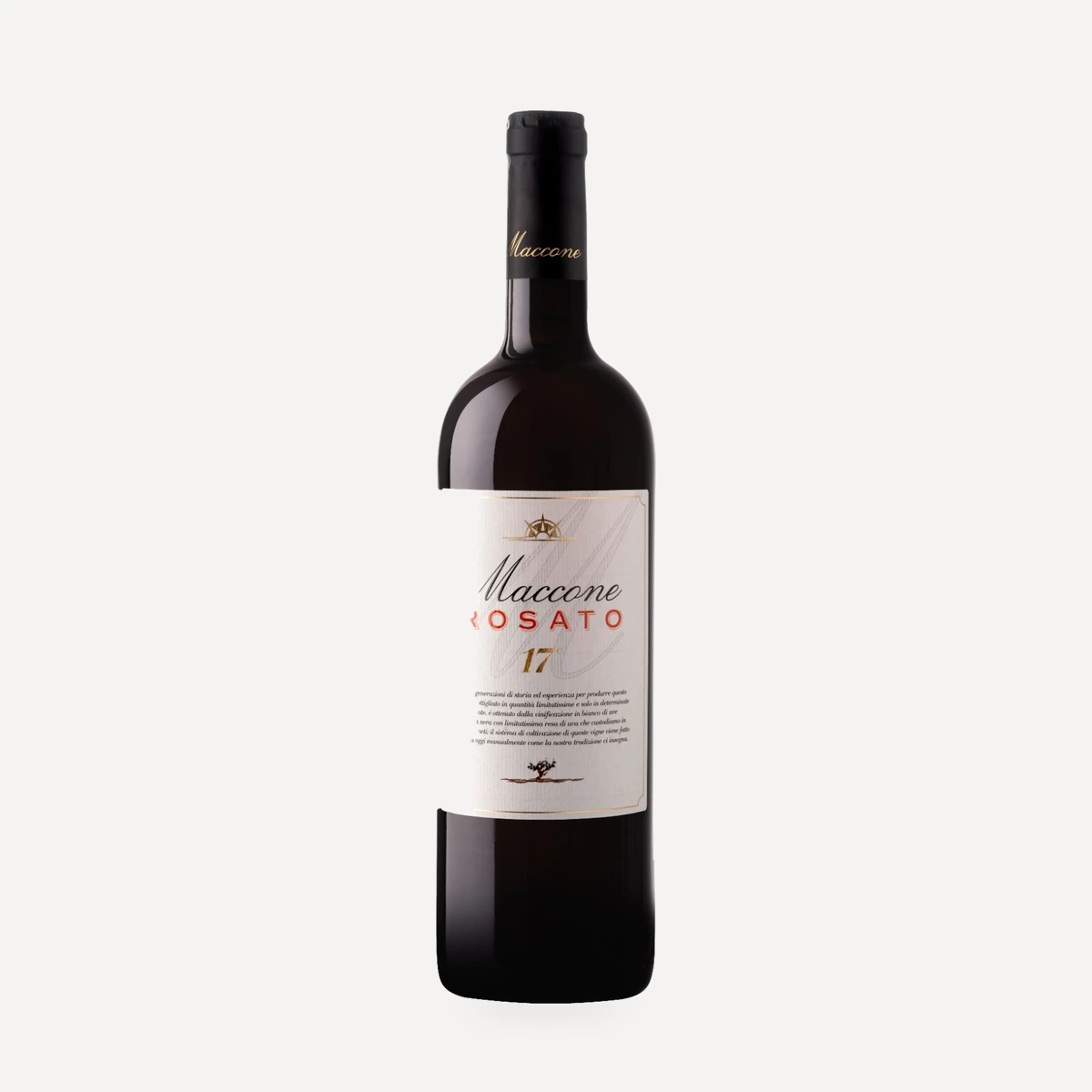
Maccone Rosato 17
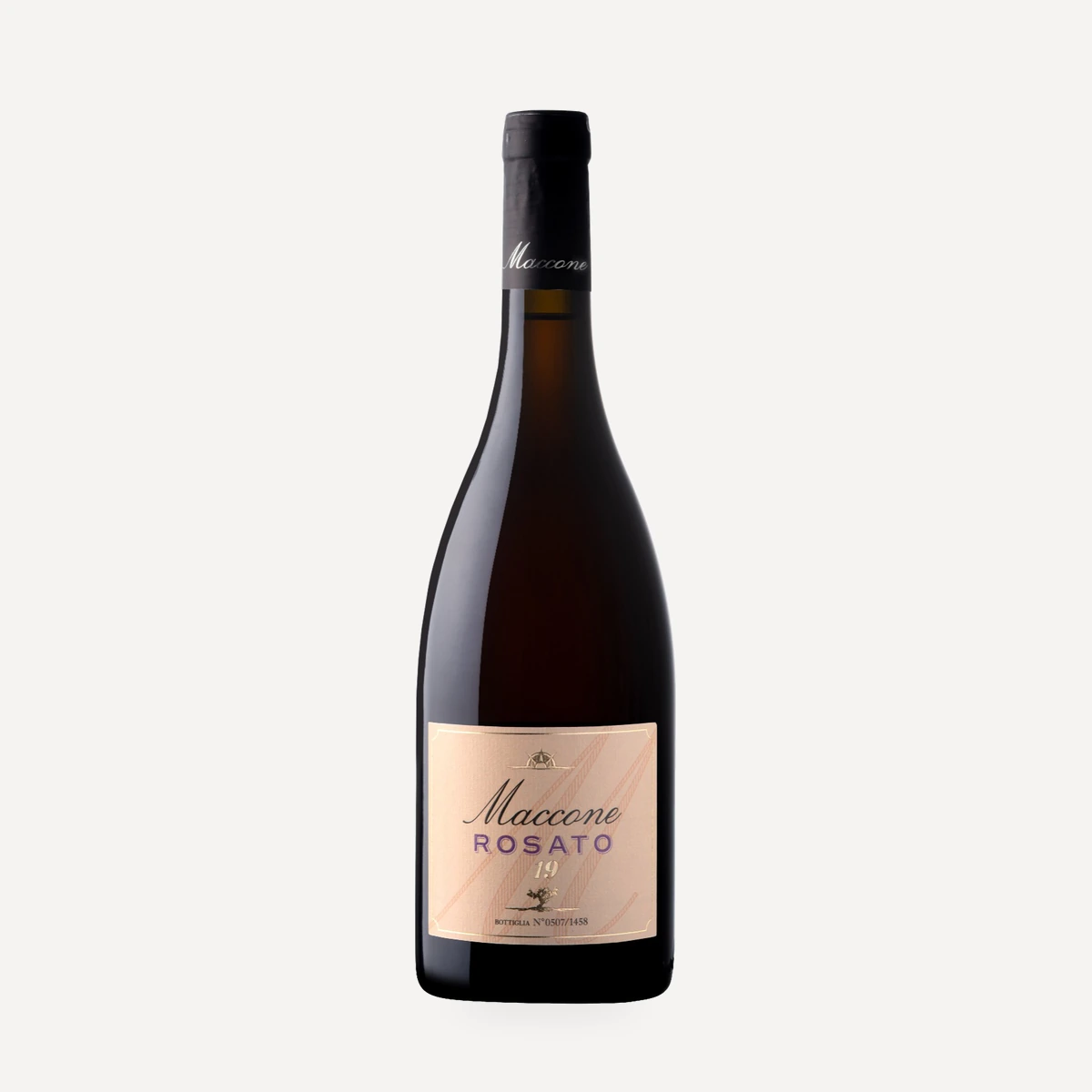
Maccone Rosato 19