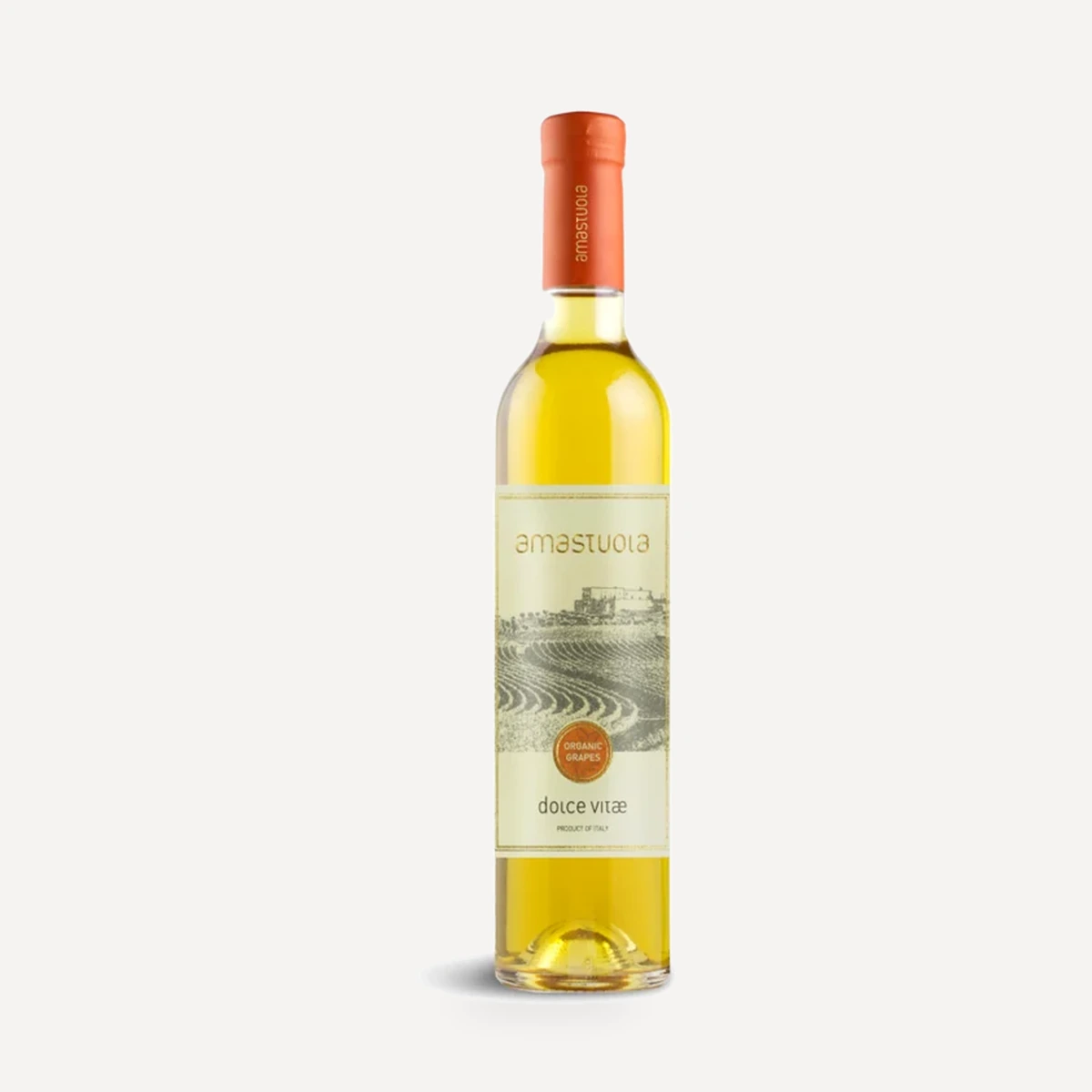
Storia
The first documentary record
Amastuola first appears in a surviving inventory of the properties of Giovanni Antonio Orsini, Prince of Taranto, compiled in the first half of the 15th century. The inventory recorded the farm among the assets of the Italo-Greek Abbey of San Vito del Pizzo in Taranto.
Ferrandino ownership
During the 16th century, the farm was granted under emphyteusis and subsequently sold to the nobleman Giovanni Ferrandino. He enlarged the property and acquired the surrounding state-owned lands. In 1652, Giovan Vincenzo Ferrandino sold Amastuola to Andrea D’Afflitto, a clergyman from Taranto, for 2,000 ducats.
Expansion and crisis under the D’Afflitto family
In 1699, the D’Afflitto family obtained a concession to exploit additional land from Domenico Antonio Broja, then Mayor. The concession carried an annual payment of six carlins.
The estate reached its greatest territorial extent in the 18th century. Its holdings included part of the locality known as Lo Sperduto—encompassing land associated with the farms of Accetta, Scardino and San Giovanni—and part of Arecupo.
Management later passed to Diego D’Afflitto. His substantial gambling losses precipitated a period of decline. Recovery began when Andrea D’Afflitto Junior assumed control. He modernized the existing structures, added new outbuildings, built jazzi—local masonry enclosures traditionally used for sheep—and installed a trappeto, the traditional Apulian oil mill. He also introduced new crops.
Transfer to the D’Ajala family
In 1773, Andrea D’Afflitto donated his entire estate to Saverio D’Ajala of Taranto in exchange for a life annuity of 1,200 ducats per year. The arrangement repaid the financial support D’Ajala had provided to the D’Afflitto family during its difficulties.
Andrea subsequently reconsidered the donation and attempted to recover the property through the courts. Despite a judicial seizure of Amastuola and a will intended to restrict its ownership, the farm remained with the D’Ajala family until the middle of the 20th century.
The Montanaro family and the restored estate
KIKAU Group, belonging to the Montanaro family of Massafra, acquired the property in 2003. A conservative restoration subsequently renewed the masseria while retaining as much as possible of its original materials, internal spaces and historic layout. The restored complex became a wine resort incorporating the vineyard-garden, cellar, barrel room, tasting facilities, accommodation and restaurant.
Terroir
Amastuola occupies a plateau at 210 m above sea level in the “100 Farms Area” of Crispiano, within the Terra delle Gravine Regional Park. The approximately 170 ha property is predominantly planted with vines and also contains centuries-old olive trees, grassland and traditional dry-stone walls.
The masseria stands a few kilometres from Martina Franca and the Valle d’Itria. Its terraces look south toward the Ionian Sea and across the vineyard-garden. To the east, the property borders the natural landscape of the Gravina del Triglie. It lies a few hundred metres from the Accetta necropolis and its Palaeolithic dolmens, and south of the places where the “Ori di Taranto” archaeological objects were found.
The surrounding rocky landscape supports Mediterranean vegetation. Maritime pines alternate with rosemary, thyme, lentisk, strawberry tree, blackberry, wild rose, wild strawberry, hawthorn and almond-leaved pear. Grassland changes colour with the seasons, while wind moves through the olive trees and accentuates the light-and-shadow effects created by the vineyard’s undulating rows.
Vinificazione
Amastuola follows organic farming principles and combines them with precision-agriculture techniques. Its approach seeks to reduce chemical inputs, specifically fertilizers and pesticides, while using organic cultivation practices intended to prevent parasite attacks through natural means.
Yields are deliberately limited, and vineyard work is presented as part of a broader commitment to preserving the characteristics supplied by the land, climate and Apulian sun. The cultivated landscape also incorporates biodiversity at a monumental scale: 1,500 recovered centuries-old olive trees stand in 24 islands among the vines and along the historic avenues, while the surrounding rocky land sustains a broad range of Mediterranean plants.
Amastuola produces organic wines from its estate vineyard and describes production as an encounter between tradition, technological innovation, experimentation and research. The objective is to retain the natural characteristics associated with the land, climate and sun while using technologically advanced winery activities.
Organic production includes reducing sulphite use alongside the reduction of agricultural chemicals. Careful attention to detail and limited vineyard yields underpin the quality strategy. The restored masseria includes a cellar for its estate-produced organic wines and a dedicated barrel room. No uniform fermentation, extraction, maturation, stabilization or bottling protocol is applied to the estate description.
Filosofia
Amastuola frames organic winegrowing as a relationship between agriculture, territory and nature. Its declared values are respect for nature and respect for other people, expressed through both farming and the work of the wider team.
The production philosophy combines tradition with innovation rather than treating them as opposites. The aim is to retain the natural imprint of the land, climate and sun while employing advanced technology, experimentation and research. Precision agriculture, natural parasite prevention, reduced chemical inputs and lower sulphite use form part of this approach.
The team describes itself as a group of wine artisans. Careful work, limited yields and fidelity to the Amastuola territory are presented as the means by which the wines acquire an authentic identity. The vineyard-garden extends the same philosophy into the landscape, bringing productive function together with aesthetic design and preserving monumental olive trees within the planted vineyard.
Vini
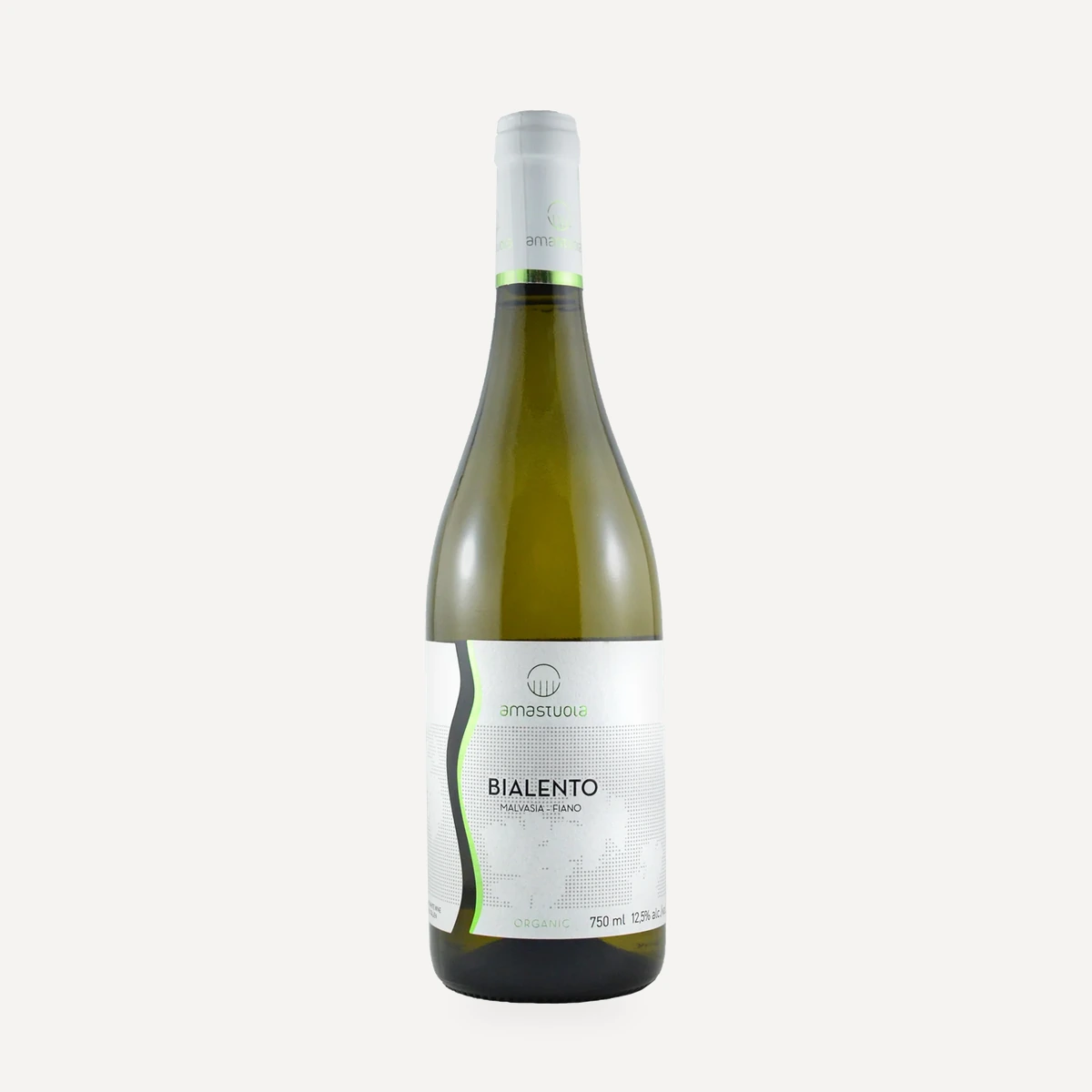
Bialento
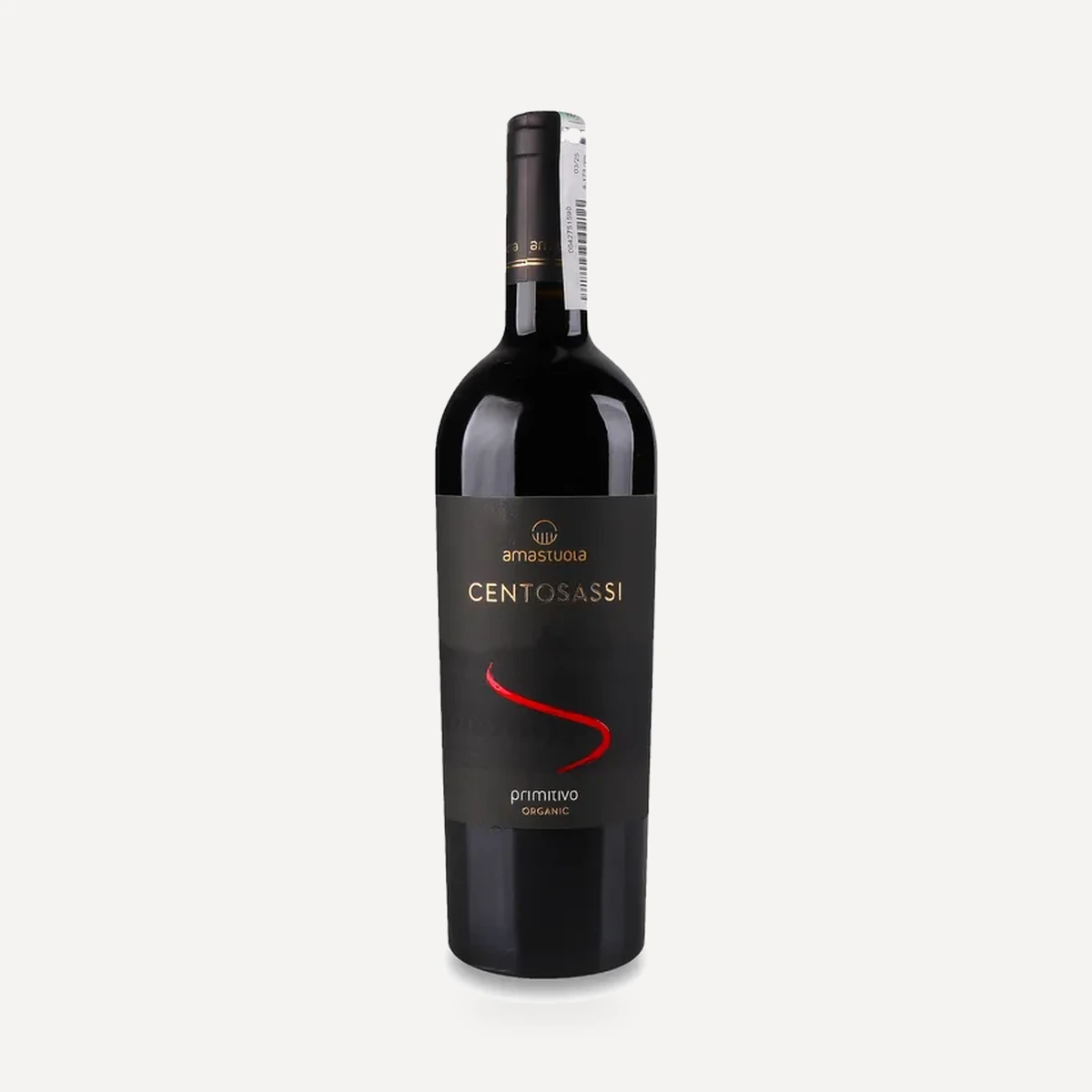
Centosassi
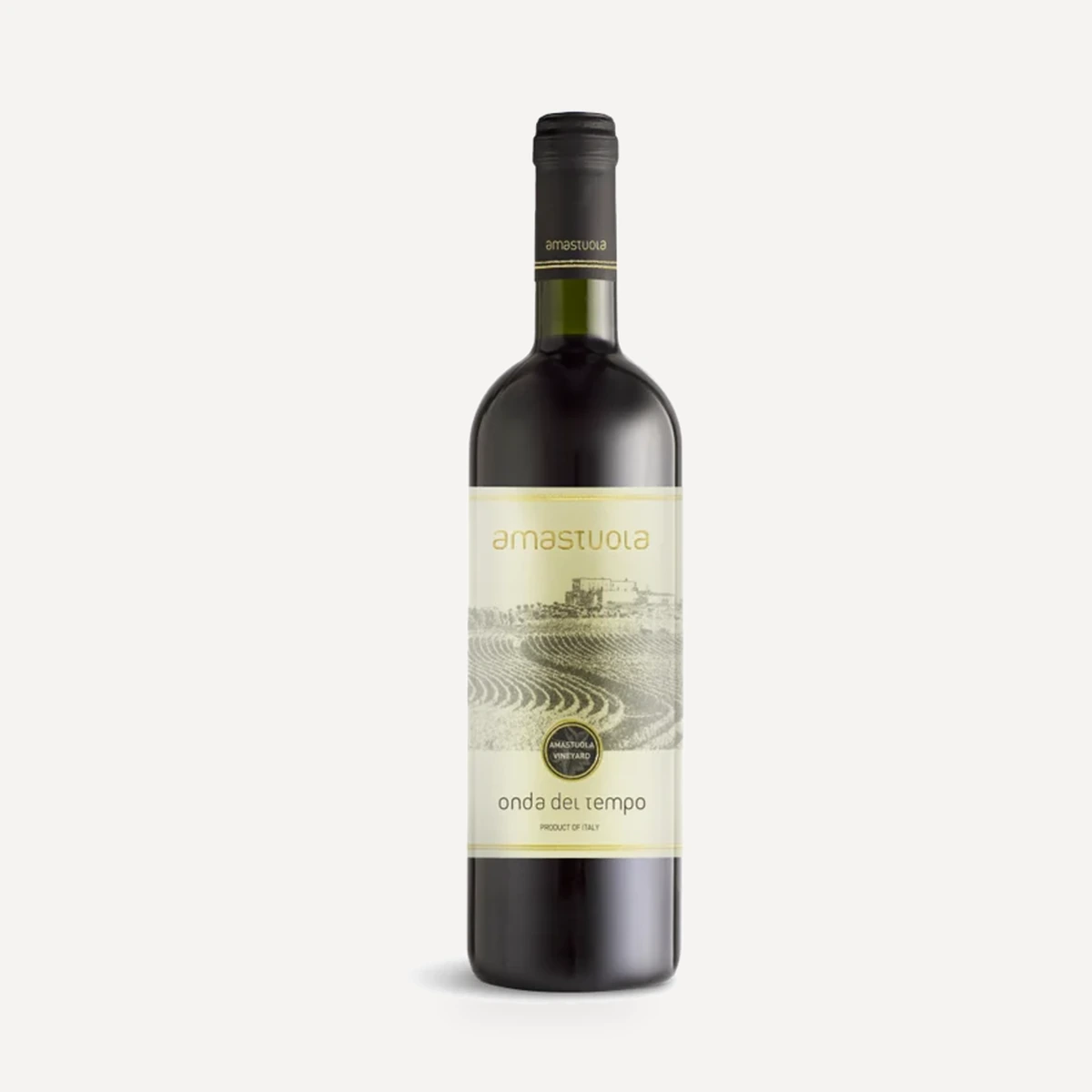
Onda del Tempo
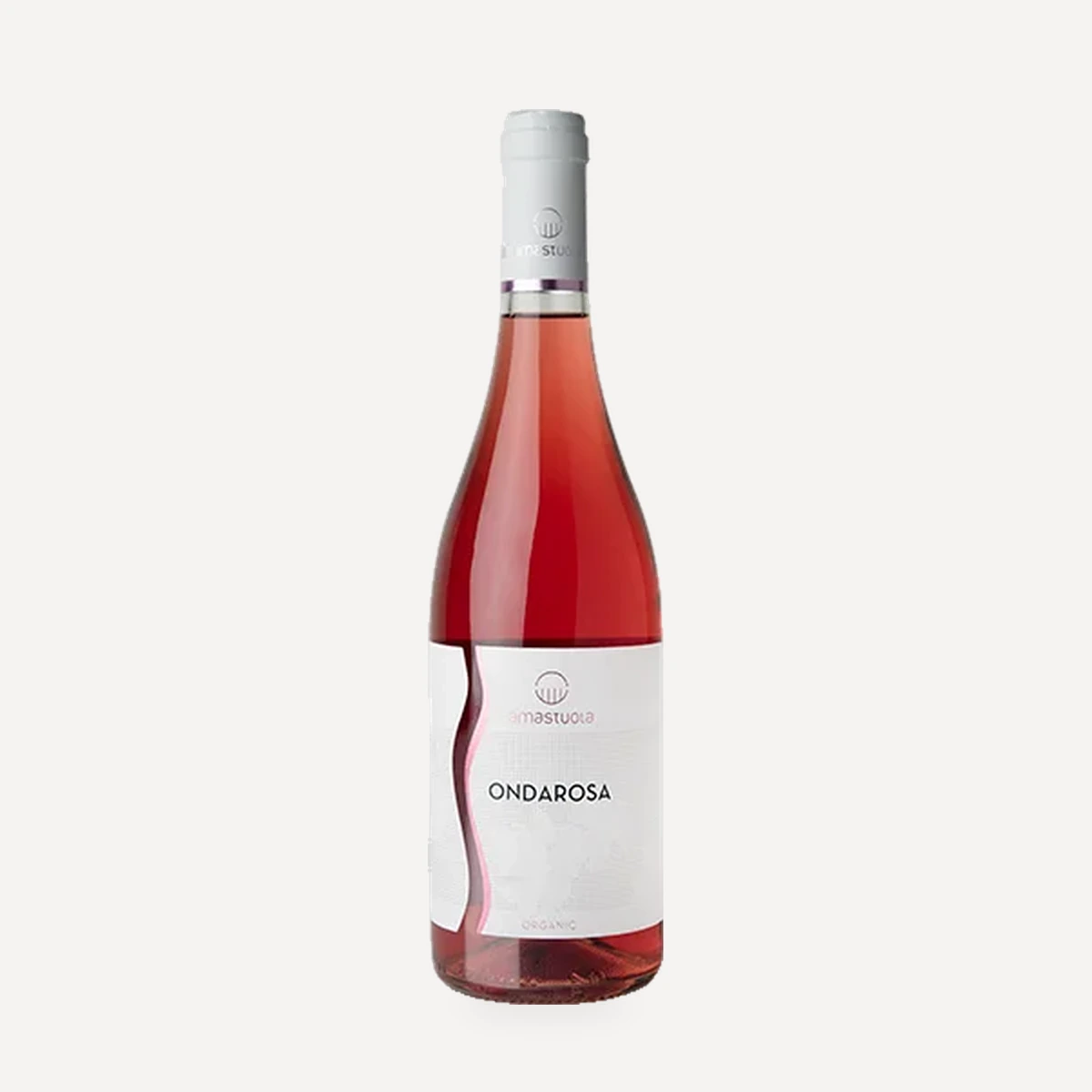
Ondarosa
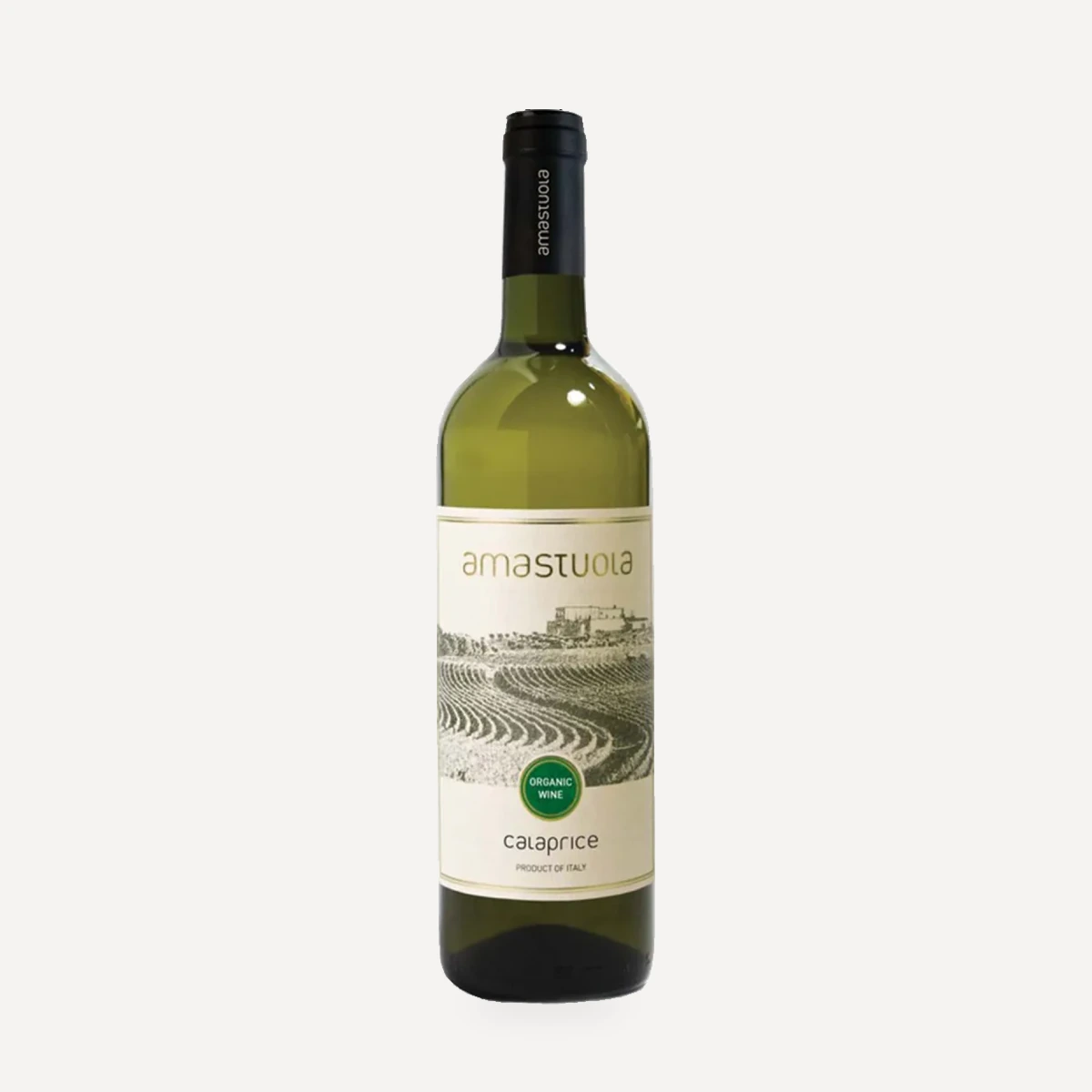
Calaprice