Storia
A family country property
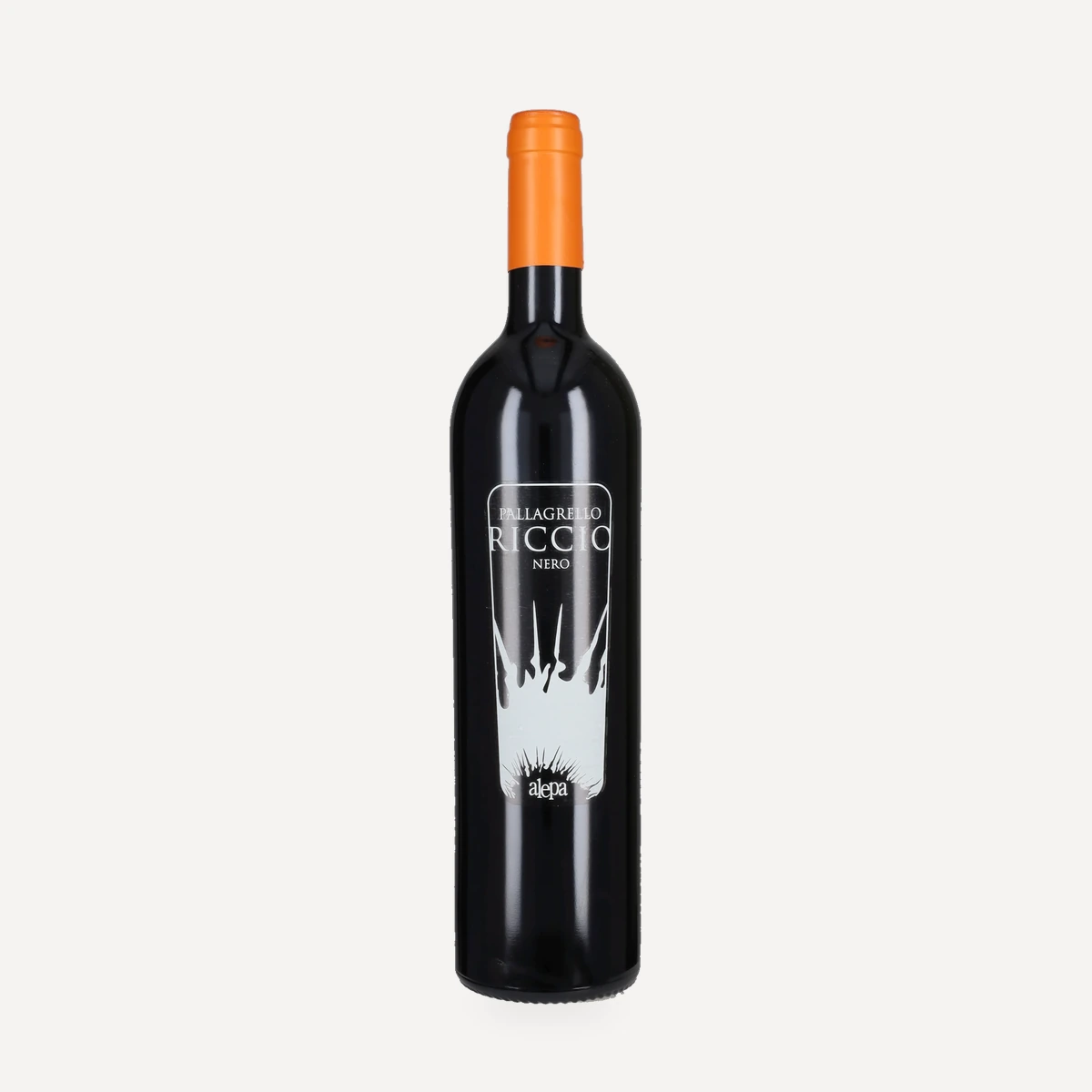
The Riccio family's country house became the setting for a new agricultural enterprise during the mid-1980s. Eugenio Riccio founded Alepa in 1986. The vineyard and olive grove were planted during the winery's first years, and both winegrowing and olive-oil production began on the property.
Estate-grown wine
Alepa began producing wine from estate-grown grapes in the early 2000s. Its work developed around Pallagrello, the native variety grown in both white- and black-berried forms, while the estate also retained Falanghina, Greco, Cabernet Sauvignon and other Campanian varieties.
Paola Riccio takes over
In 2002, Eugenio's daughter Paola Riccio assumed management of Alepa. She moved to the countryside and gradually developed her identity as an artisan winemaker through direct experience rather than prior specialist study. Under her direction, Alepa has concentrated on restoring prominence to Pallagrello, pursuing low-impact agriculture and adopting minimally interventionist cellar practices.
The estate now combines its principal Pallagrello wines with bottlings based on Falanghina, Greco and Cabernet Sauvignon. Average annual production is approximately 9,000 bottles.
Terroir
Alepa is based at Caiazzo in the Province of Caserta, in the Colline Caiatine of inland Campania. The hills take their name from Caiazzo and lie east of Caserta, near the broad bend formed by the Volturno River in its middle course. The vineyards occupy hills above the river within the Terre del Volturno IGT area.
The surrounding landscape is a mosaic of vines, woodland and olive groves with substantial biodiversity. Maritime influences reach the area in both winter and summer. Estate vineyard elevations documented for the range are approximately 250–280 metres. The soils are clay with a stony component.
Pallagrello is central to this setting and is cultivated in both its white- and black-berried forms. Falanghina, Greco, Cabernet Sauvignon and other native Campanian cultivars are also represented.
Vinificazione
Alepa follows a low-impact, manual approach to vineyard management. Spontaneous vegetation is retained between the rows, while green manure is used where appropriate. Fertility is maintained without synthetic fertilizers, principally through green manure and horse manure. Plant waste is composted and returned to the soil during the growing season.
Winter tying can be carried out with willow. Synthetic products are excluded from vine-disease treatments; sulphur and copper are used with an emphasis on limiting the number of applications. Vineyard work through harvest is performed manually in the documented plantings.
The estate also experiments with circular agricultural practices. Geese have been introduced as a means of controlling vineyard vegetation, while composting allows plant residues to be reused as soil amendments. These measures form part of Alepa's broader objective of reducing environmental impact, supporting biodiversity and keeping agricultural inputs limited.
Alepa's cellar work is designed to preserve the varietal character of Pallagrello Bianco, Pallagrello Nero, Falanghina, Greco, Cabernet Sauvignon and other Campanian grapes. The winery has worked with estate-grown fruit since the early 2000s and follows low-intervention protocols.
Fermentations may rely on indigenous yeasts. Depending on the intended expression, white grapes can be vinified directly or fermented with their skins; the estate's orange-wine approach uses approximately seven to eight days of skin contact. Maturation vessels documented across production include stainless steel, 500-litre oak barrels and chestnut wood.
Several bottlings are released without filtration or stabilization, and some are made without added sulphites. The methods vary with the harvest rather than being applied as a fixed recipe: Paola Riccio and her team interpret each agricultural year and adapt their work to its conditions. Average production is approximately 9,000 bottles annually.
Filosofia
Alepa presents the winegrower as an interpreter of the agricultural year. Because every season produces different and uncertain results, skill and creativity lie in reading those conditions and applying experience and care to the fruit rather than forcing every vintage into a standardized model.
The estate's central purpose is to renew attention to Pallagrello and make wines that retain a recognizable connection to their place and variety. Its approach joins older agricultural practices with continuing experimentation in sustainability, circular use of farm materials and minimal cellar intervention.
Alepa accepts that low-impact farming is intrinsically less productive and therefore more costly. Its intended audience is not seeking a replicable beverage but an artisanal wine shaped by vintage, origin and direct human work. Paola Riccio's philosophy also reflects her personal move to the countryside and the close relationship with seasons, nature and rural life that followed.
Vini
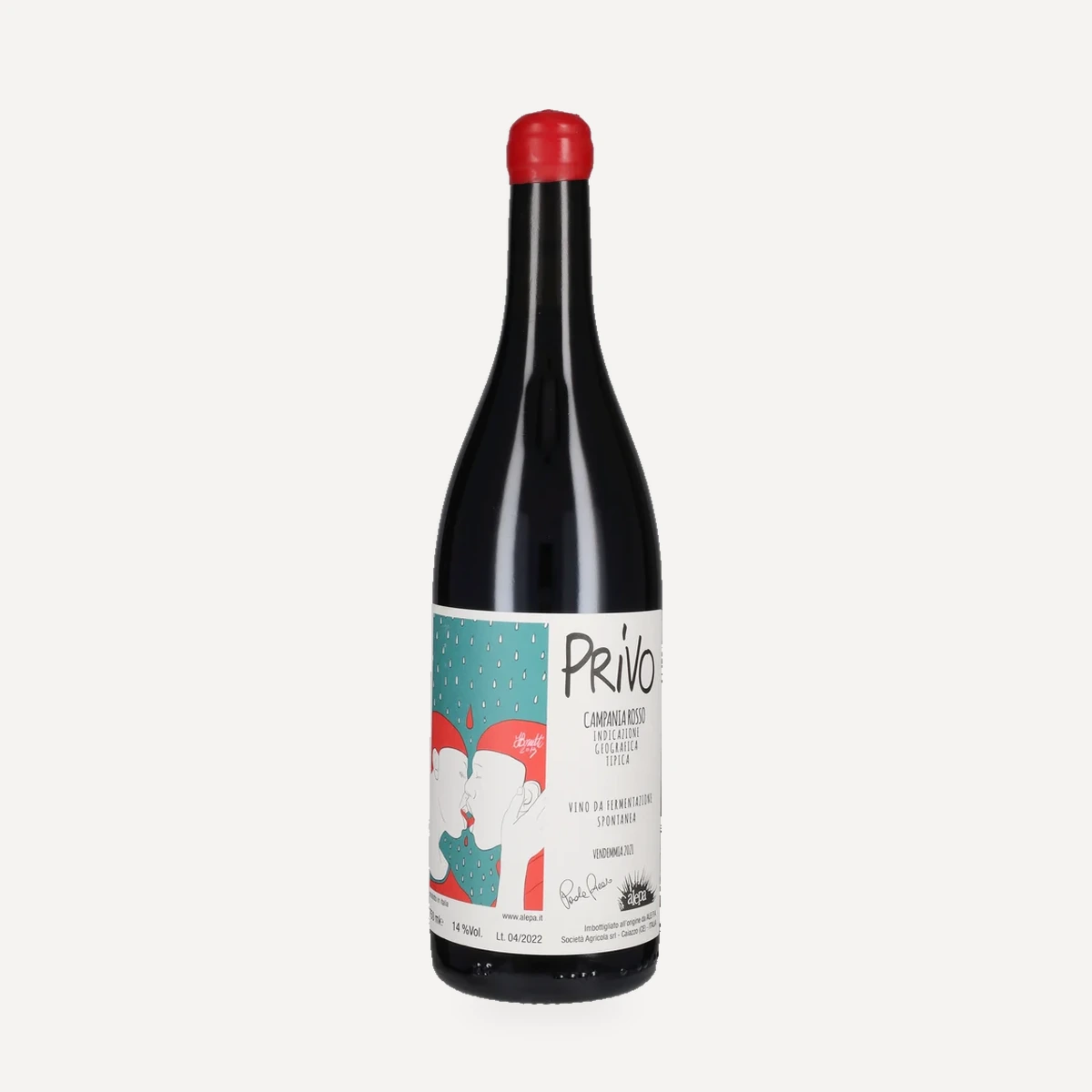
Privo IGT Campania Rosso
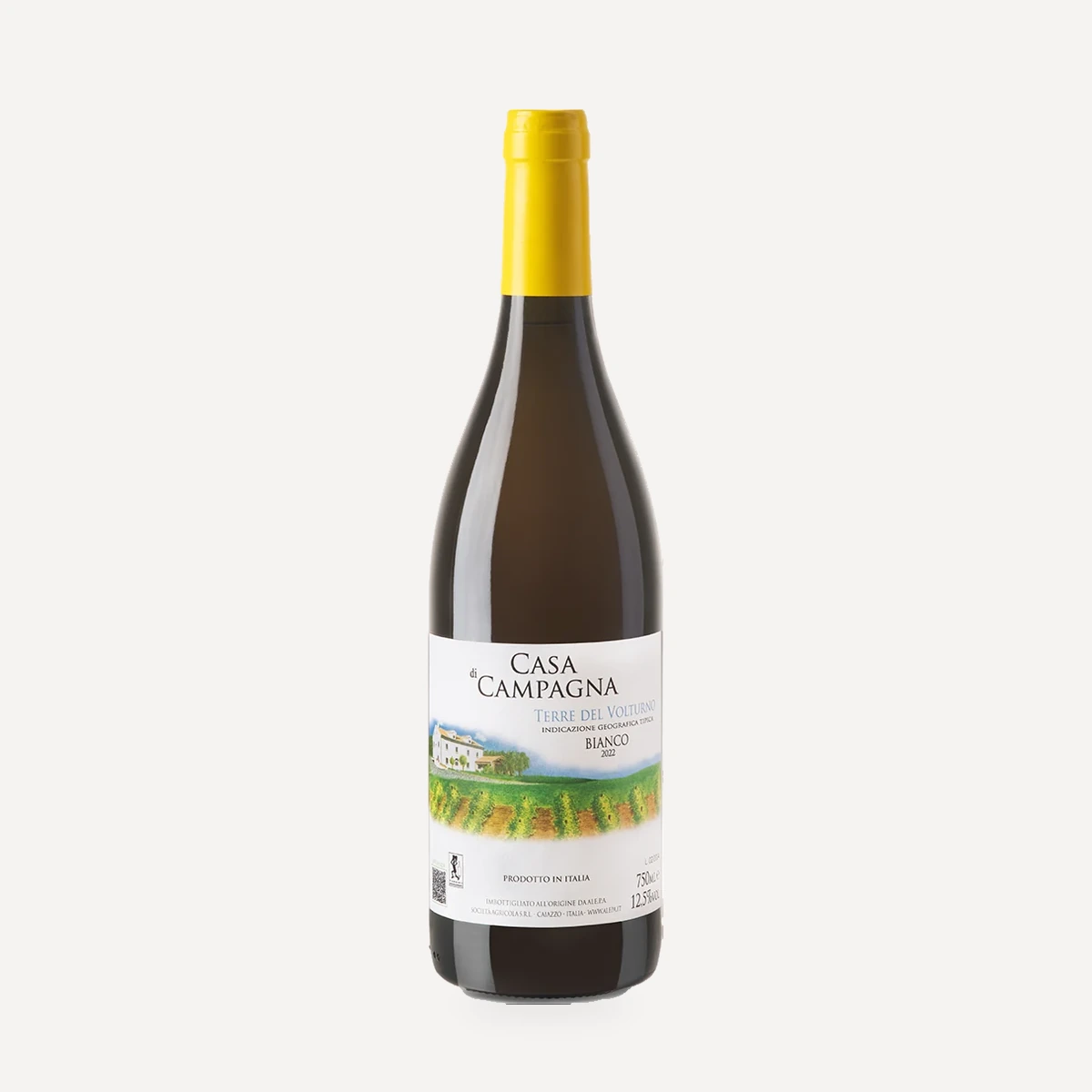
Casa di Campagna IGT Terre del Volturno Bianco
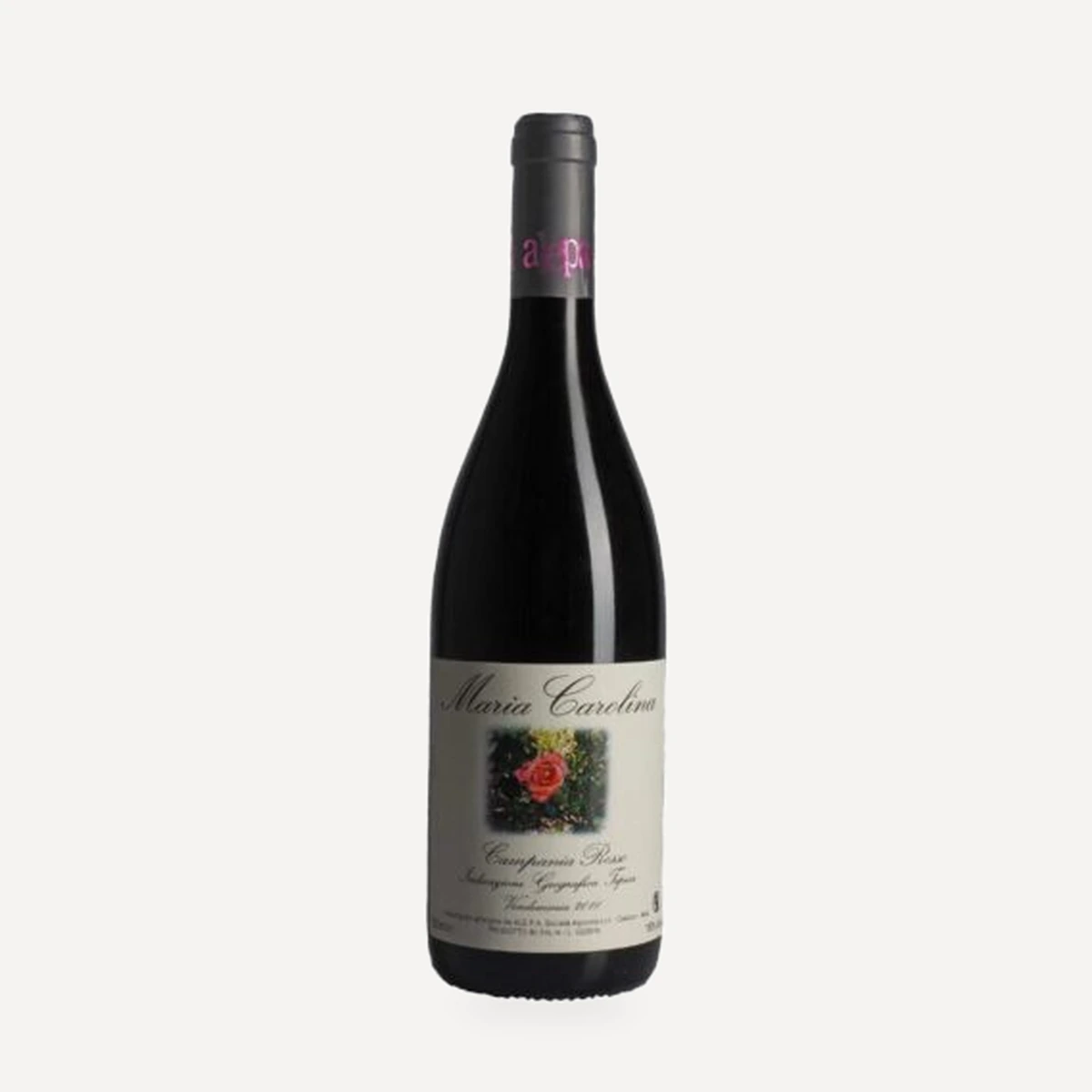
Maria Carolina IGT Campania Rosso
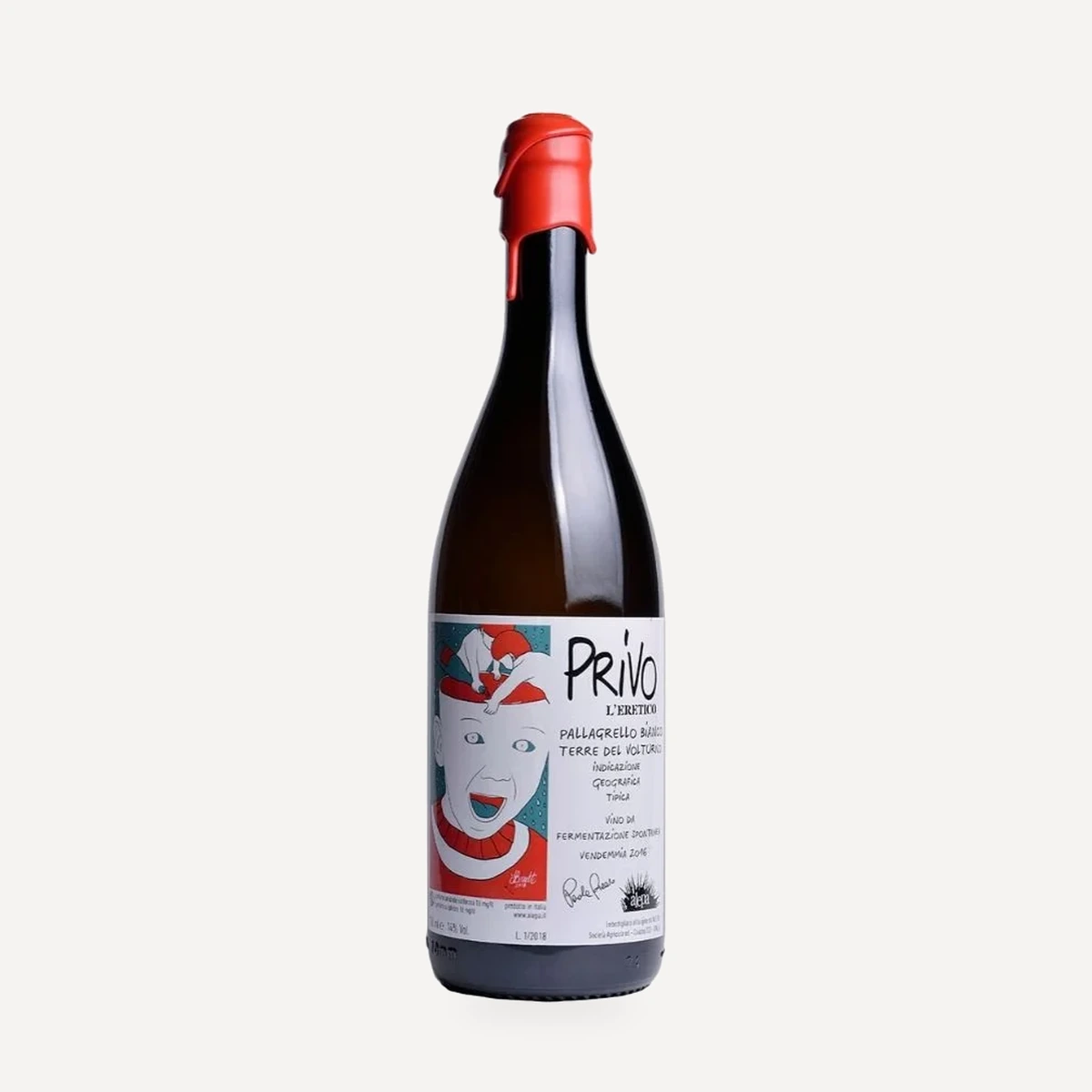
Privo L'Eretico IGT Terre del Volturno Pallagrello Bianco
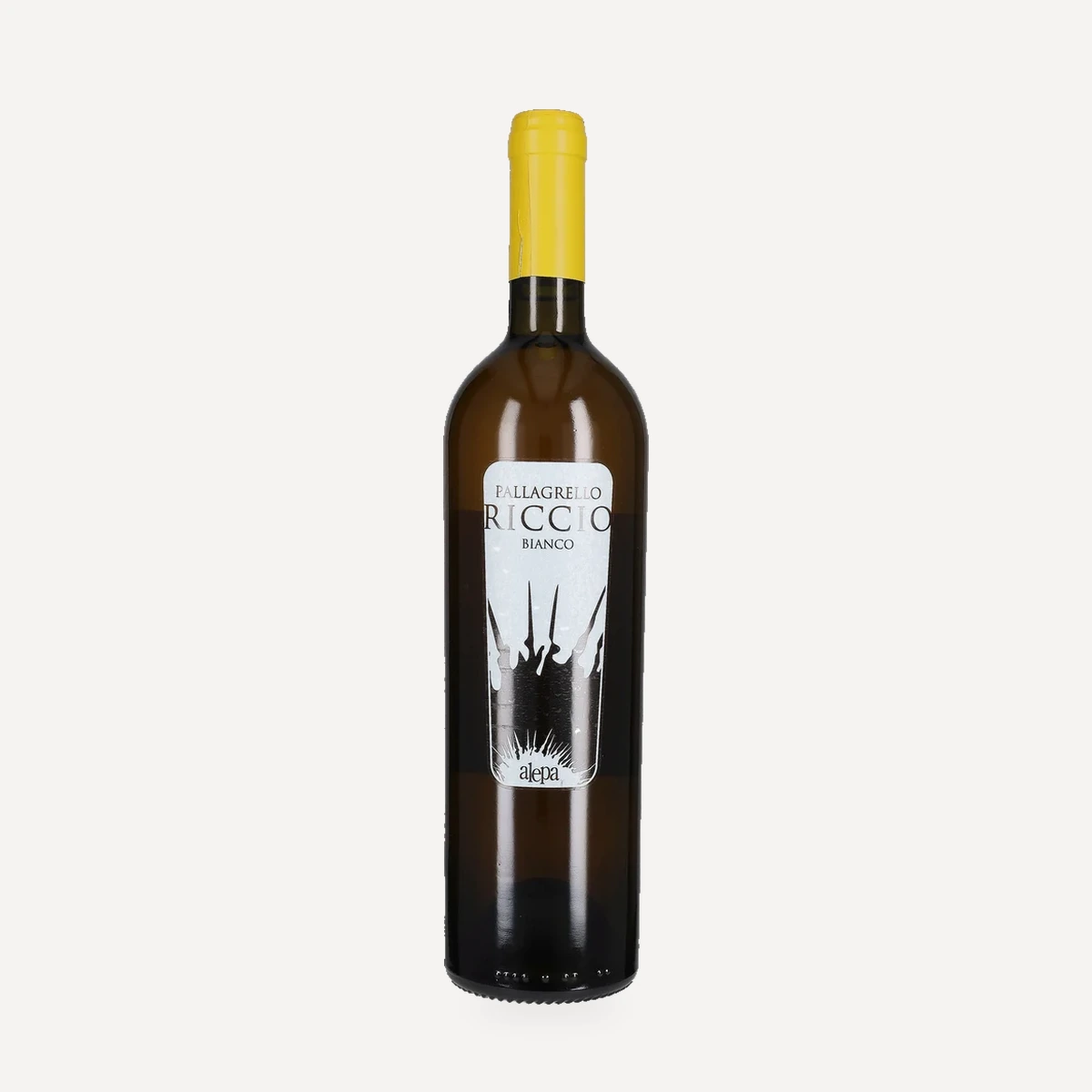
Riccio Bianco IGT Terre del Volturno Pallagrello Bianco