Storia
The earthquake and the family's connection to San Mango
On 23 November 1980, a magnitude 6.9 earthquake struck more than 17,000 km² across the provinces of Avellino, Salerno and Potenza. San Mango sul Calore was devastated and subsequently rebuilt. An old feudal structure in the area was destroyed in the disaster; its memory later supplied the name Antico Castello.
The Romano family did not come from an established farming background. Franco and Fiorenza, both born in San Mango sul Calore, nevertheless wanted to create an agricultural business in the place where they had grown up, within the Taurasi DOCG production area.
Vineyard foundations
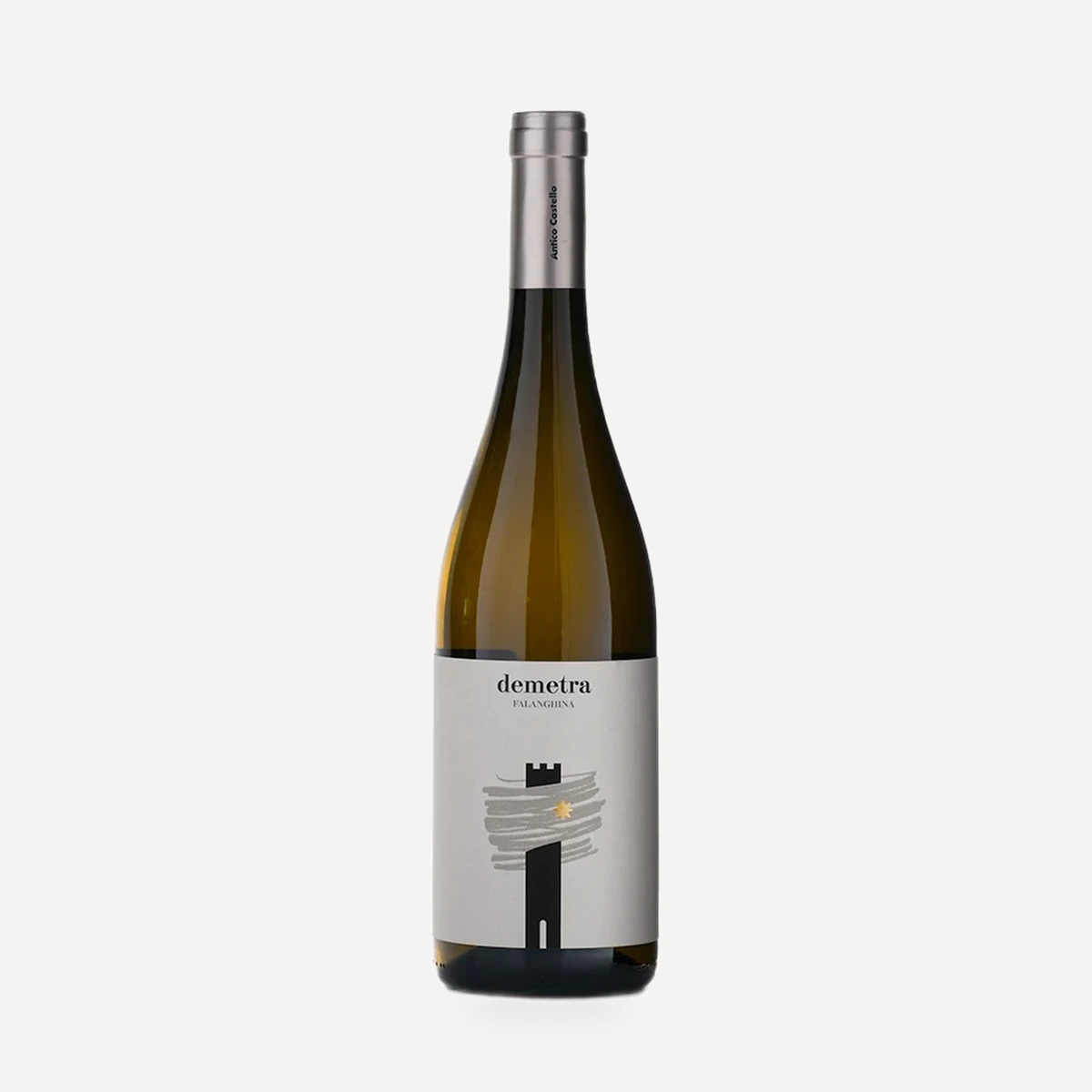
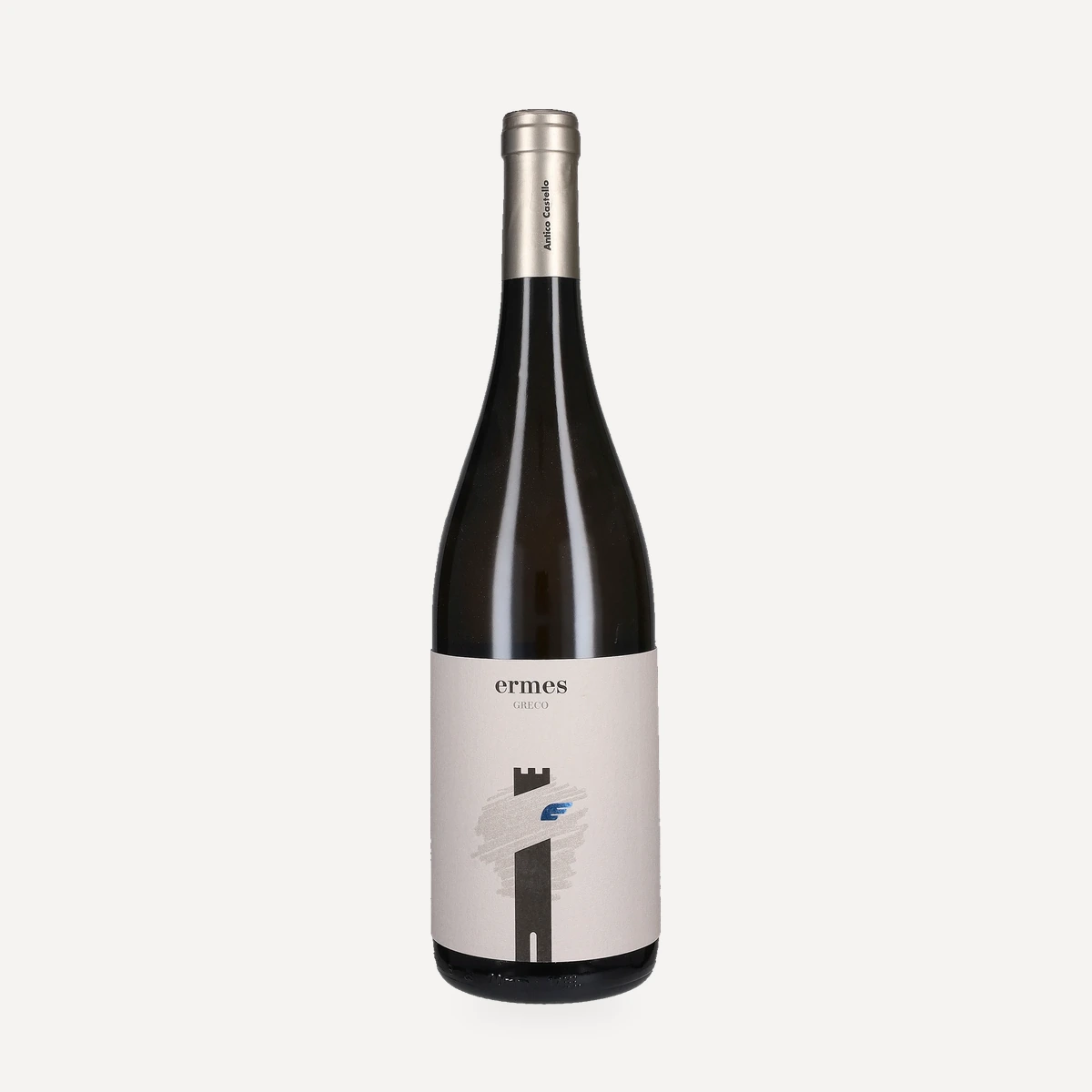
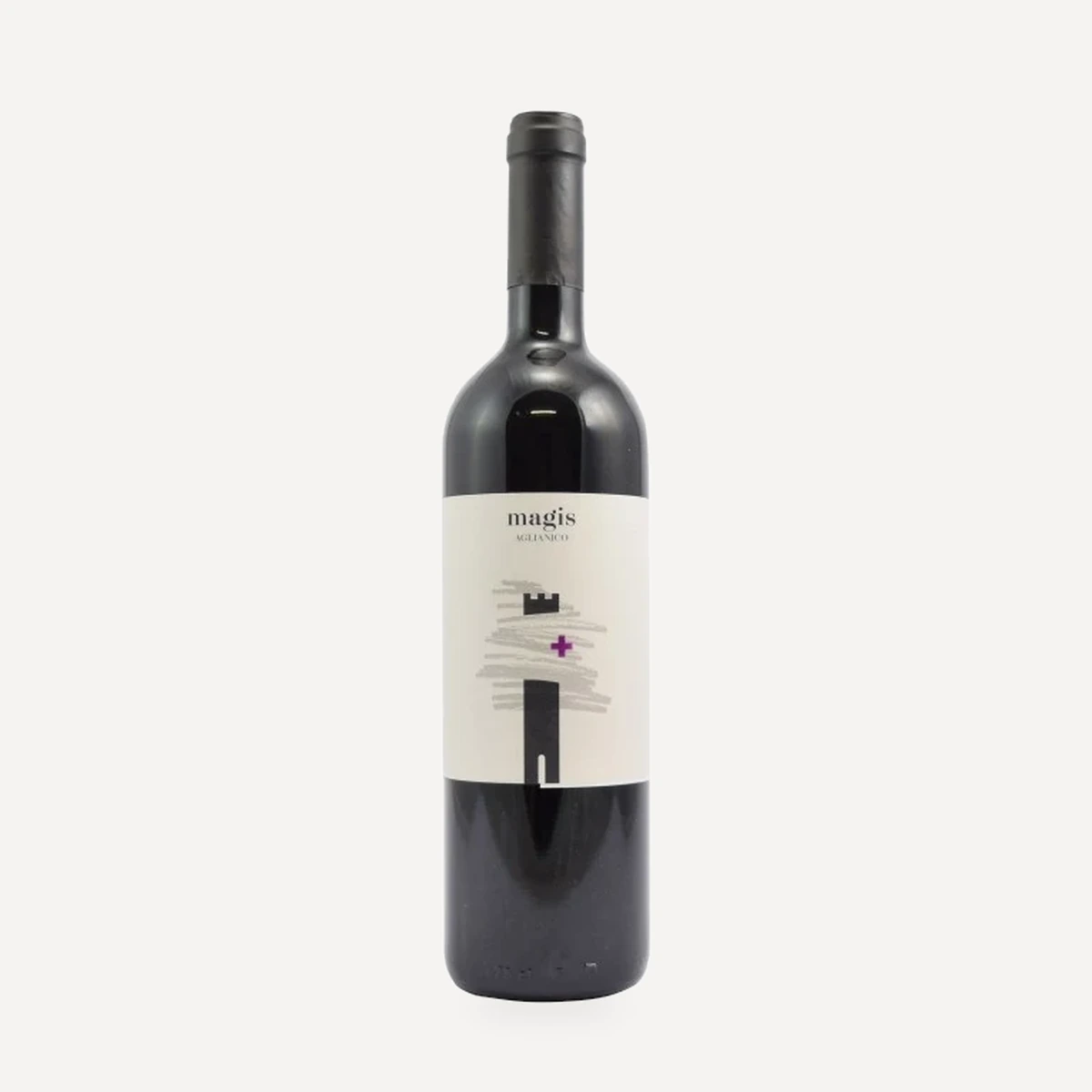
Technical material associates the present estate vineyards with several planting dates. The Aglianico blocks used for Taurasi and Taurasi Riserva were planted in 2001, while the Aglianico vineyard behind Magis followed in 2002. A Falanghina planting dates from 2003. The Fiano and Greco vineyards were planted in 2008.
Establishment in 2006
Franco and Fiorenza founded Antico Castello in 2006. The name commemorates the feudal building lost in the 1980 earthquake and links the new agricultural venture to the history of San Mango sul Calore. The estate describes itself as the only winery in the commune.
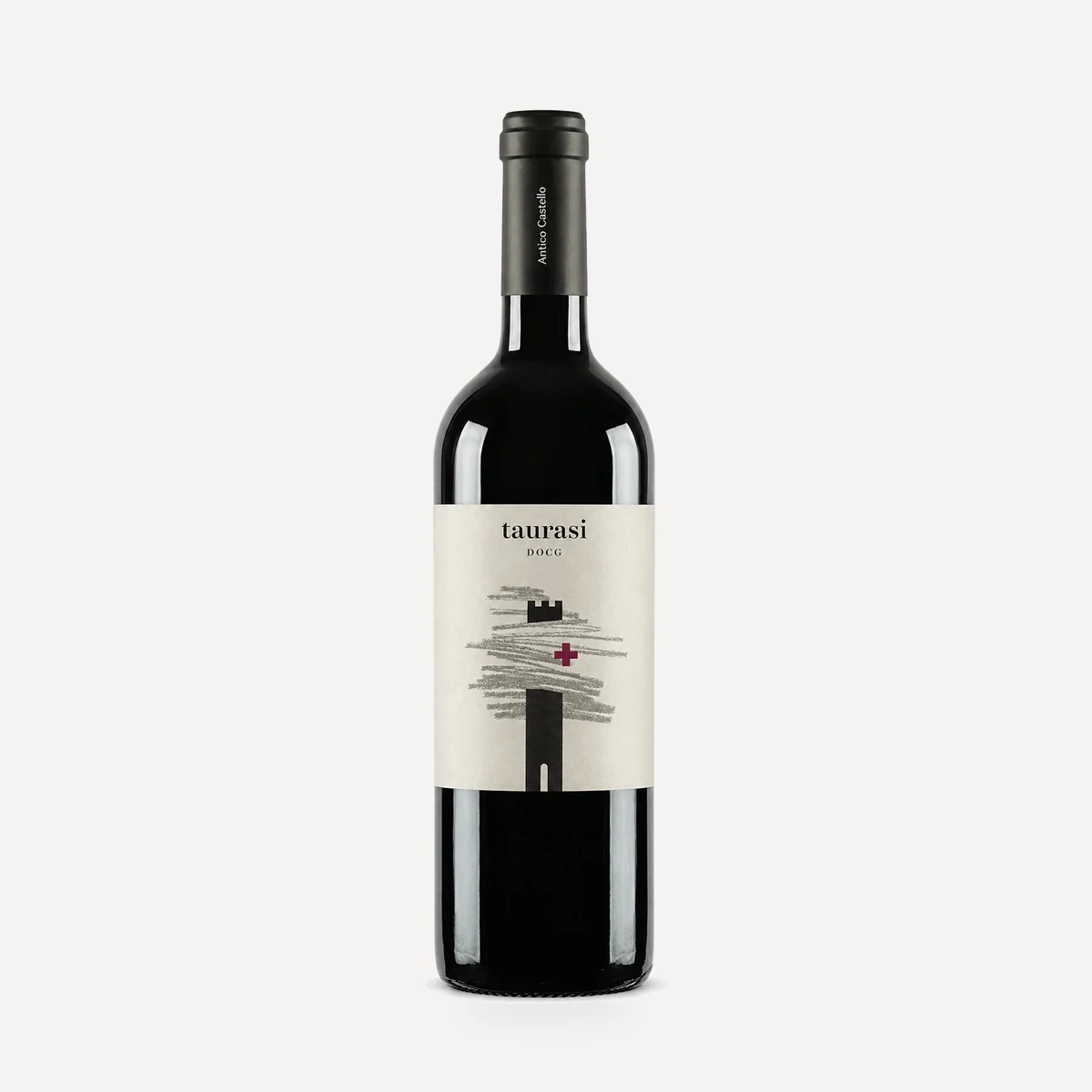
The downloadable technical material records 2006 as the first vintage for both the estate's Taurasi and Magis Irpinia Aglianico. Massale Taurasi Riserva began with the 2010 vintage; Ermes Irpinia Greco and Orfeo Irpinia Fiano followed in 2011; Demetra Irpinia Falanghina began with the 2013 vintage.
Chiara and Francesco take responsibility
Chiara Romano, born in 1987, and Francesco Romano, born in 1985, chose to remain in Irpinia after completing different courses of study. In 2009 they became the owners and took over management under their parents’ guidance. Both retrained for work in wine, combining formal education, sommelier qualifications and practical experience in the family business.
Their management introduced a modern organizational and agricultural outlook while retaining the estate's connection to San Mango sul Calore. Drawing on their respective backgrounds, they emphasized efficient vineyard management and contemporary agricultural methods. The family also patented a protection system intended to shield the vines from Irpinia's frequently adverse weather.
A contemporary winery rooted in Irpinia
The present winery combines temperature-controlled steel, a soft membrane press and French oak. It is divided into areas for vinification and maturation, with a barrel cellar and bottle-storage room. A large tasting room and professional kitchen support the family's hospitality, gastronomic, musical and artistic activities.
Terroir
Antico Castello is based at C.da Poppano in San Mango sul Calore, in the province of Avellino and within the Taurasi DOCG area. The estate vineyards occupy sites between approximately 350 and 450 metres above sea level.
The estate's broad description emphasizes clay-limestone soils, generally south-eastern-facing vineyards and the beneficial presence of the Calore River below the vineyards. Its more detailed brochure distinguishes several local soil expressions: loam at Masserie del Prizio; clay-limestone at Castel Poppano; loose soil and clay-loam blocks at Fontana del Bosco; and clay-limestone at Sant’Agata.
Exposures vary by site. Masserie del Prizio runs west–east; Castel Poppano and one Fontana del Bosco block run north-west–south-east; the Magis block at Fontana del Bosco and the principal Taurasi site at Sant’Agata run north–south; the Massale block at Sant’Agata runs north-west–south-east. The winery also characterizes Irpinia's weather as frequently inclement, an issue that prompted the family to develop a dedicated vine-protection system.
Vinificazione
Antico Castello vinifies only estate-grown grapes. Vineyard management follows integrated pest-management principles, which visitors can observe in the vineyards surrounding the winery.
Chiara and Francesco connect vineyard quality with orderly, efficient management and modern agricultural techniques. To address Irpinia's often difficult weather, the family patented a dedicated vineyard-protection system. No certifying organization or formal organic certification for the vineyards is identified.
Greco, Fiano and Falanghina are trained to Guyot, while the Aglianico blocks use spurred cordon. Published planting densities range from 2,500 to 3,000 vines per hectare, and stated yields range from 50 to 80 quintals per hectare depending on variety and site.
Harvesting is manual. White grapes are generally collected during the first ten days of October. The Aglianico harvest falls later: the technical material places Magis in the final week of October and the Taurasi vineyards in the first ten days of November.
The winery is organized into two principal working areas: one for vinification and another for maturation, comprising the barrel cellar and bottle-storage room. Its equipment includes a soft membrane press, temperature-controlled stainless-steel tanks, French-oak barriques and larger oak vessels.
White-wine process
The white grapes are harvested by hand, softly pressed and kept in contact with their skins for a few hours. The extracted must ferments in stainless steel at controlled temperature. The wines remain on their fine lees for about six months, followed by at least six months of bottle refinement in the downloadable technical sheets.
Red-wine process
Aglianico is also harvested manually. For the estate's principal red-wine process, fermentation and extended maceration take place in temperature-controlled stainless-steel tanks. The free-run wine then matures in large 25- or 50-hectolitre oak casks before extended bottle refinement.
The Magis technical sheet specifies approximately 20 days of maceration. Taurasi undergoes about 30 days. The Massale Taurasi Riserva process differs: fermentation and maceration of approximately 40 days take place in a special oak vessel of about 50 hectolitres, after which the free-run wine moves to 25- or 50-hectolitre oak casks and later receives extended bottle aging.
Filosofia
Antico Castello presents continuity and innovation as complementary principles. Modern agricultural and cellar technologies serve fruit grown in a landscape to which the family feels a strong sense of belonging, while the choice to work only with estate-grown grapes keeps production tied to San Mango sul Calore.
For Chiara and Francesco, remaining in Irpinia was a deliberate choice made after their studies. They describe the company as a meeting place for creativity, organization, knowledge, relationships and perseverance. Their modern vision encompasses efficient vineyard management, technical experimentation and a contemporary public identity without abandoning the working, welcoming character they associate with Irpinia.
Family is central to this outlook. The estate was created by the parents and passed into the children's hands under their guidance. Hospitality and storytelling are treated as extensions of the wine itself: visitors are welcomed into the vineyards, cellar and tasting room so that wine can be understood through agriculture, food, place and personal relationships.
Vini
Demetra — Irpinia Falanghina
Ermes — Irpinia Greco DOP
Magis — Irpinia Aglianico
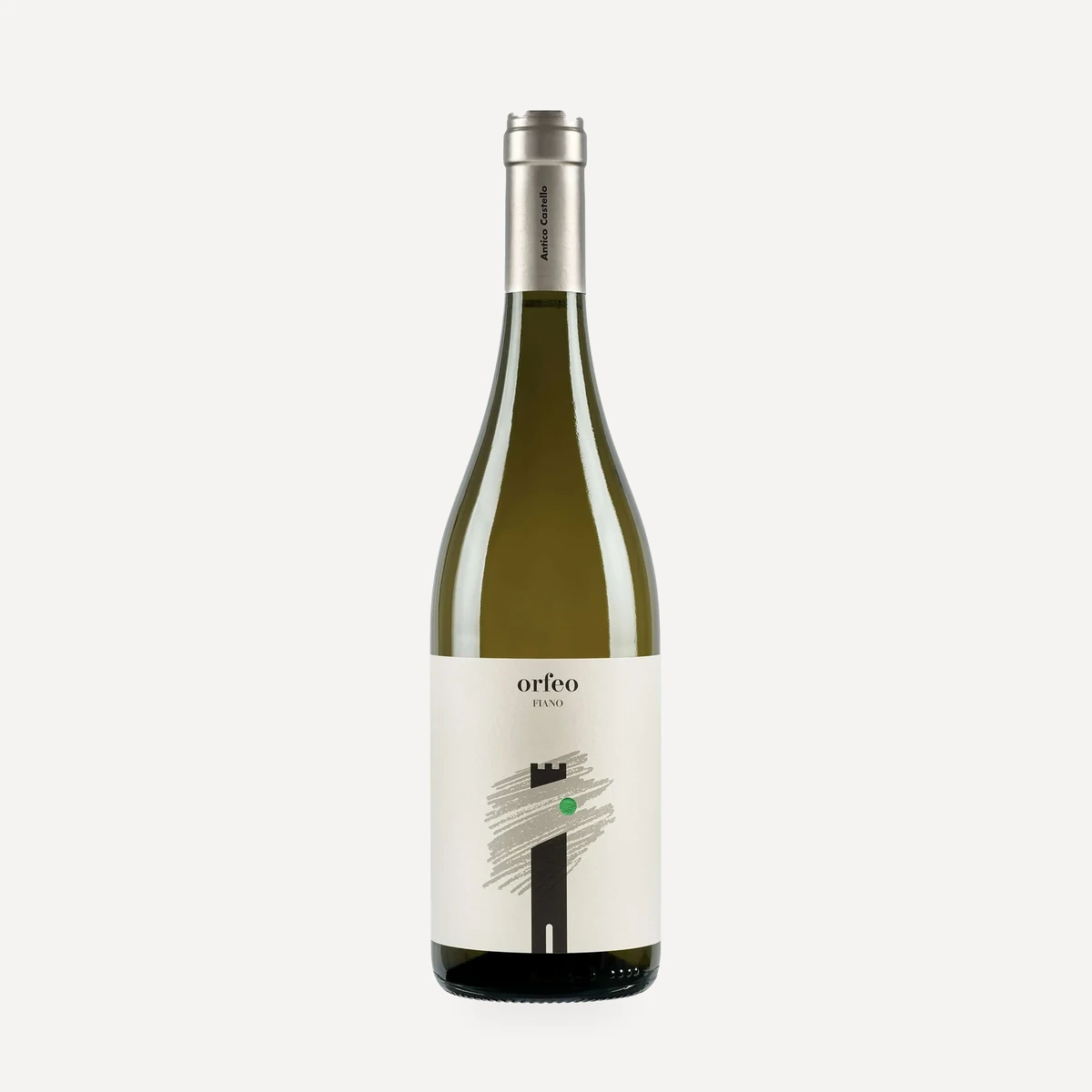
Orfeo — Irpinia Fiano DOP