Storia
Foundation in 1940
Nicola founded the cellars in 1940. The business began and developed in Campagnano, a village in the municipality of Ischia at the foot of Monte Vezzi. The family describes its origins as a story of sustained work and sacrifice on difficult island terrain.
Antonio and the second generation
The founder's son Antonio enlarged and refined the winery. Over time, the Mazzella family's work turned dry, abandoned areas into productive vineyards. Antonio represents the family's second generation of winegrowers and seafarers from Campagnano.
The third generation
Nicola Mazzella and his sister Vera represent the third generation. Together with their father Antonio, they present their work as the preservation of Ischia's rural identity. The production base now brings together 10 hectares of small plots and 30 growers, approximately one-third of whom belong to the extended family.
The family's traditional working conditions remain integral to the winery: vineyards are reached by old footpaths, fruit is harvested and carried by hand, pressing remains manual, and must from the most inaccessible coastal sites travels by small wooden boat toward Ischia Ponte before continuing to Campagnano.
Terroir
The winery is based at Campagnano, a village in the municipality of Ischia at the foot of Monte Vezzi. Its principal production landscape lies on the island's southern side, around 150 metres above sea level, while named production zones used across the range extend from approximately 100 to 500 metres.
The vineyards occupy small, scattered pieces of ground, principally with south-eastern exposure. Sea-facing terraces exceed 50% gradients. Cliffs, pine woods and encroaching vegetation divide the cultivated land into small, sunny, wind-exposed plots. Views from the southern vineyards extend across the Gulf of Naples toward Policastro.
Ischia's terrain was shaped by a complex of volcanoes, producing an irregular but fertile landscape. The working caves associated with the vineyards are cut into soft lapillo, while the old maturation cellars are excavated in soft tuffaceous rock.
Vinificazione
Antonio Mazzella works within a fragmented, steeply terraced vineyard landscape described as heroic viticulture. Some sites are accessible only on foot through old paths. Terraces above the sea can exceed 50% gradients, so vineyard workers use monorails and carry bunches manually where machinery cannot operate.
Biancolella and Forastera are cultivated as low bush vines beneath traditional chestnut pergolas. Harvesting is manual, and the family associates the vineyards with low yields. The 10-hectare production base is assembled from small plots through a network of 30 growers, about one-third of whom are members of the extended family.
Harvesting, crushing and pressing are performed manually. At the steep coastal sites, pressing takes place in small caves cut into soft lapillo. Must is placed in dedicated containers aboard small wooden boats and carried from the Bay of San Pancrazio to the old village of Ischia Ponte, after which it continues to the winery in Campagnano.
The family also uses old cellars excavated in soft tuffaceous rock for maturation through to bottling. This arrangement reflects the physical structure of the sites: vineyards occupy the upper terraces, while the working caves and cellars lie below.
Filosofia
The Mazzella family's declared purpose is to preserve Ischia's rural identity through local grapes and working methods adapted to the island's difficult terrain. Tradition is treated as a living practice rather than a fixed historical display: manual vineyard and cellar work remains in place while the third generation engages with contemporary production and customers.
The family links quality to low yields, serious work and persistence in places where cultivation is physically demanding. Its stated direction is to continue producing local wines with the same commitment while bringing forward the natural values of the island. Antonio also frames the survival of these vineyards as a generational responsibility, particularly where younger people may not recognize the importance of the land as a resource.
Vini
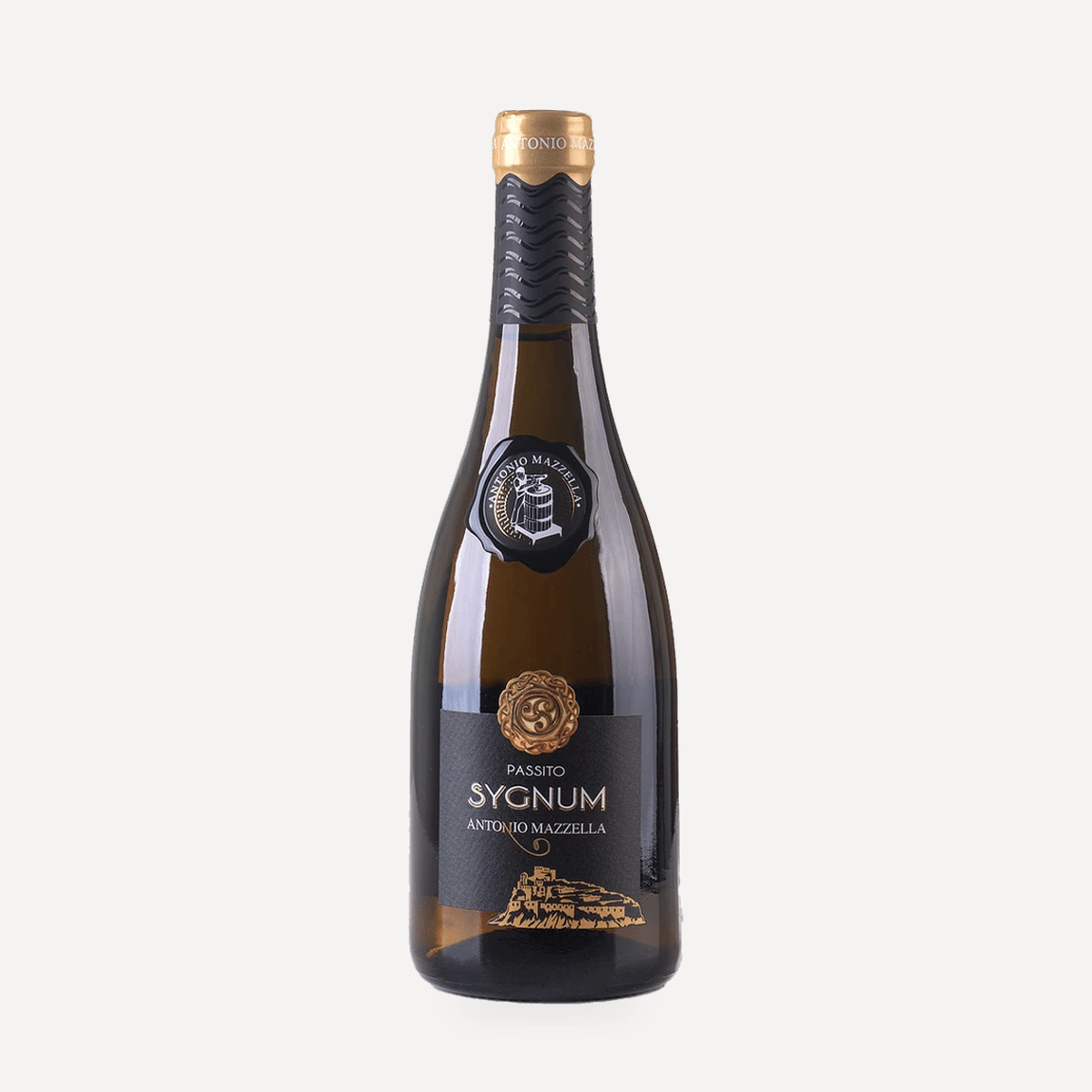
Epomeo Passito Sygnum IGT
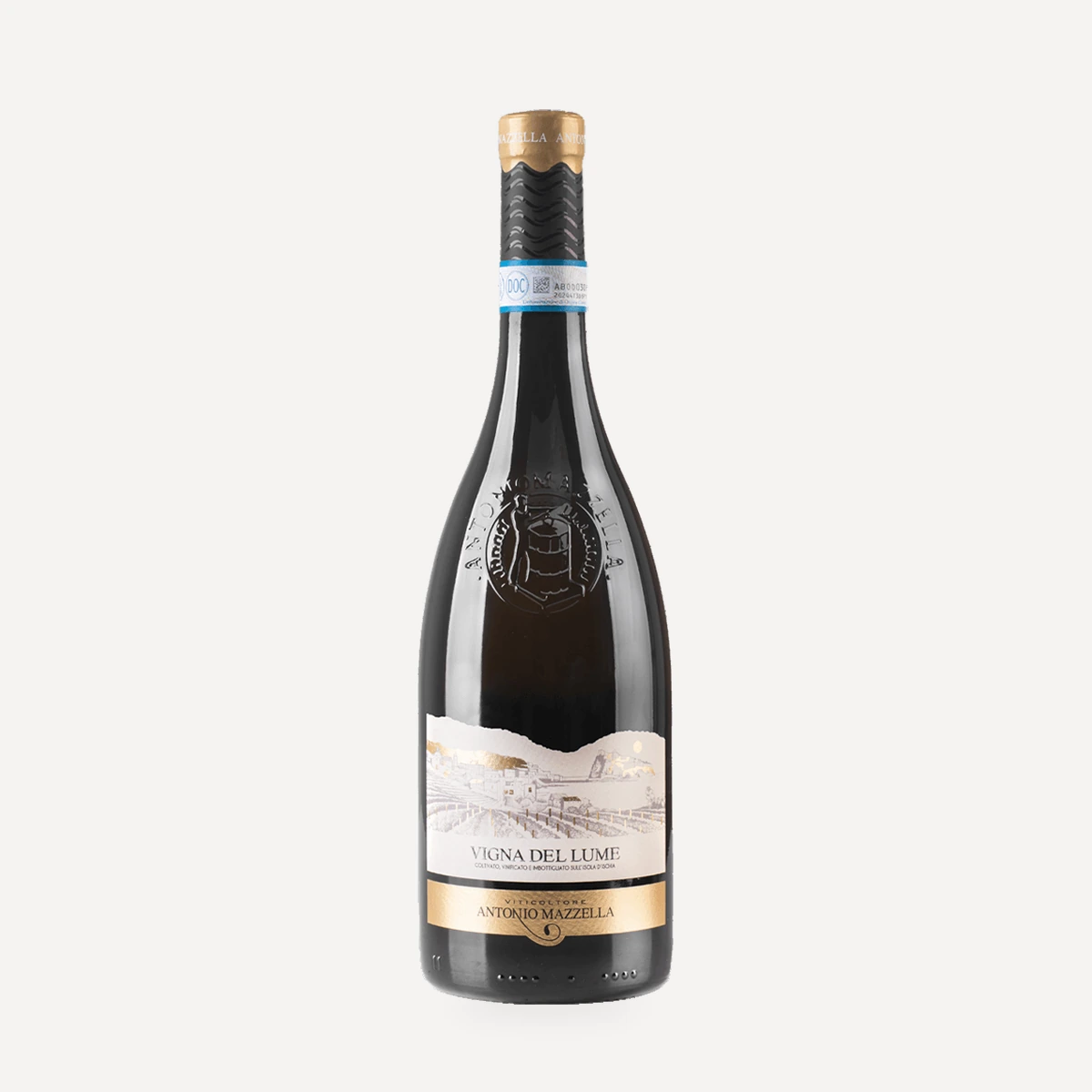
Vigna del Lume Ischia Biancolella DOC
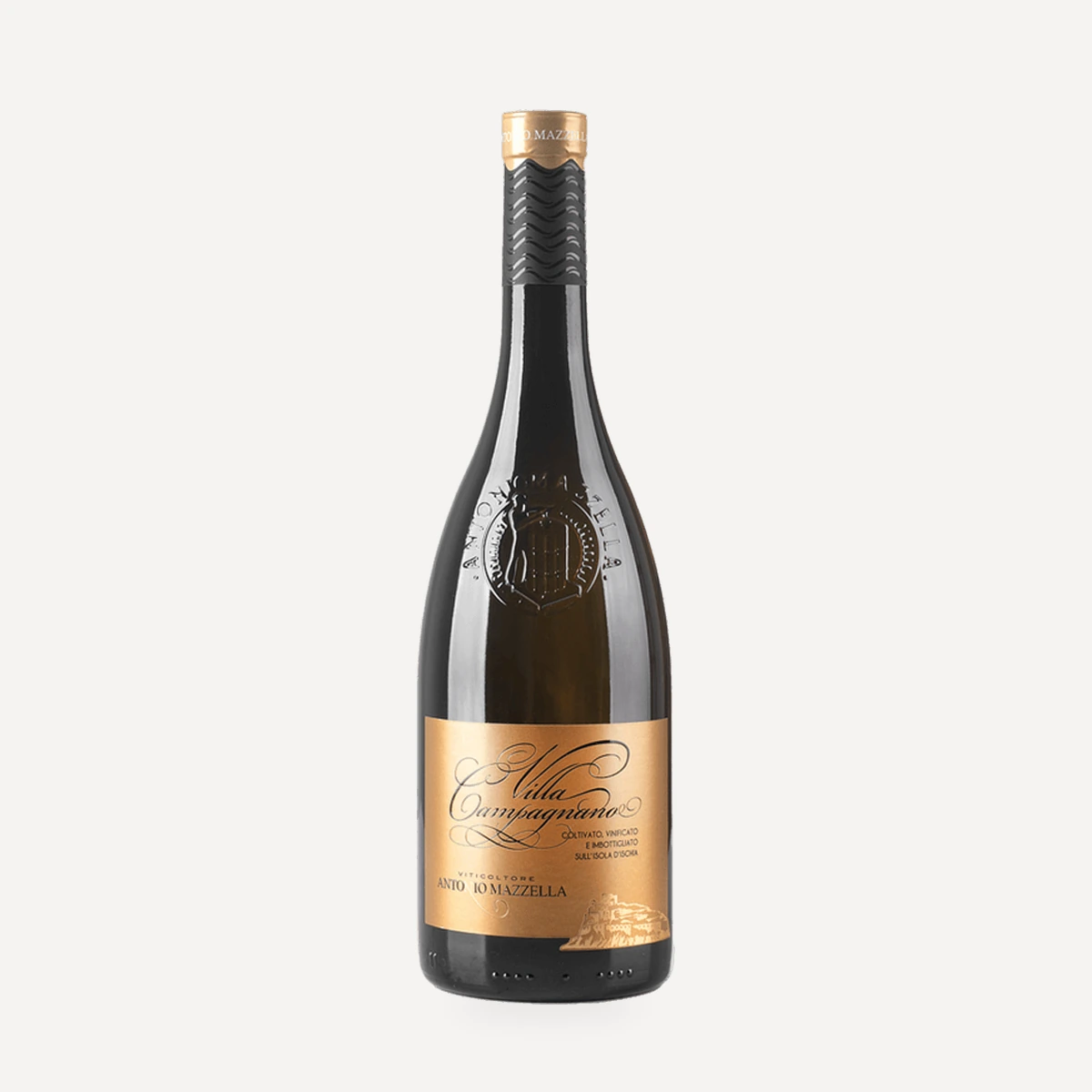
Villa Campagnano Epomeo Bianco IGT
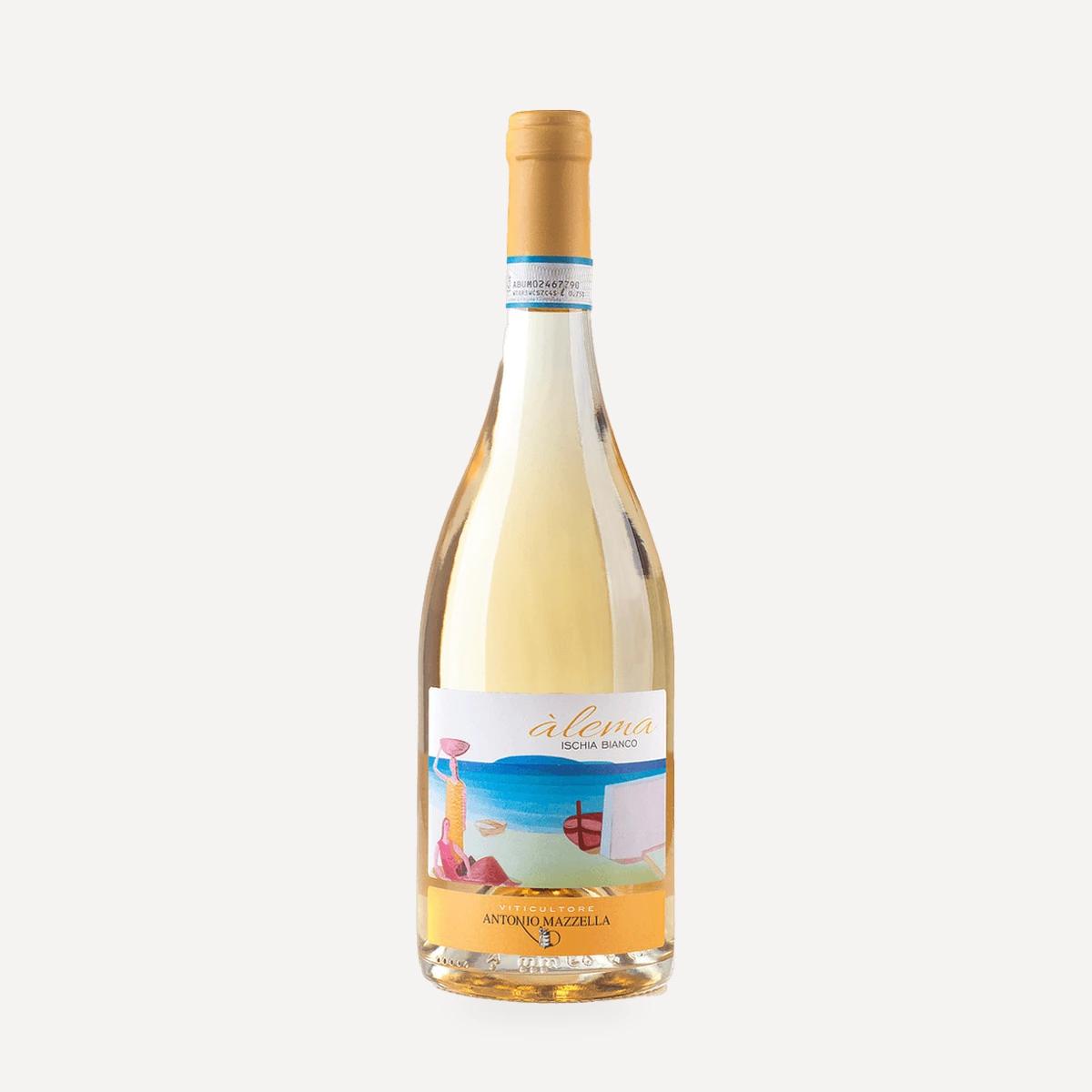
Alema Bianco
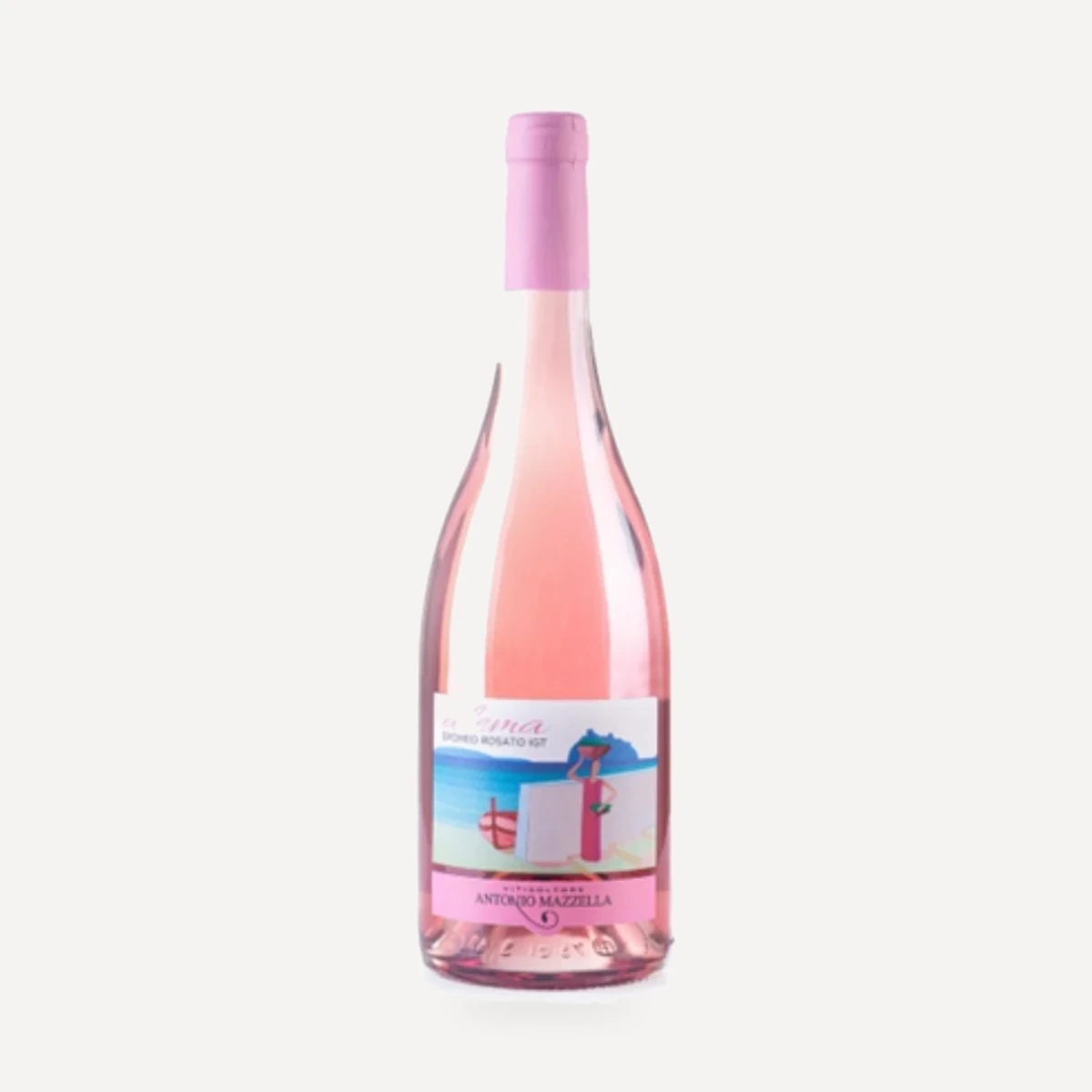
Alema rosè
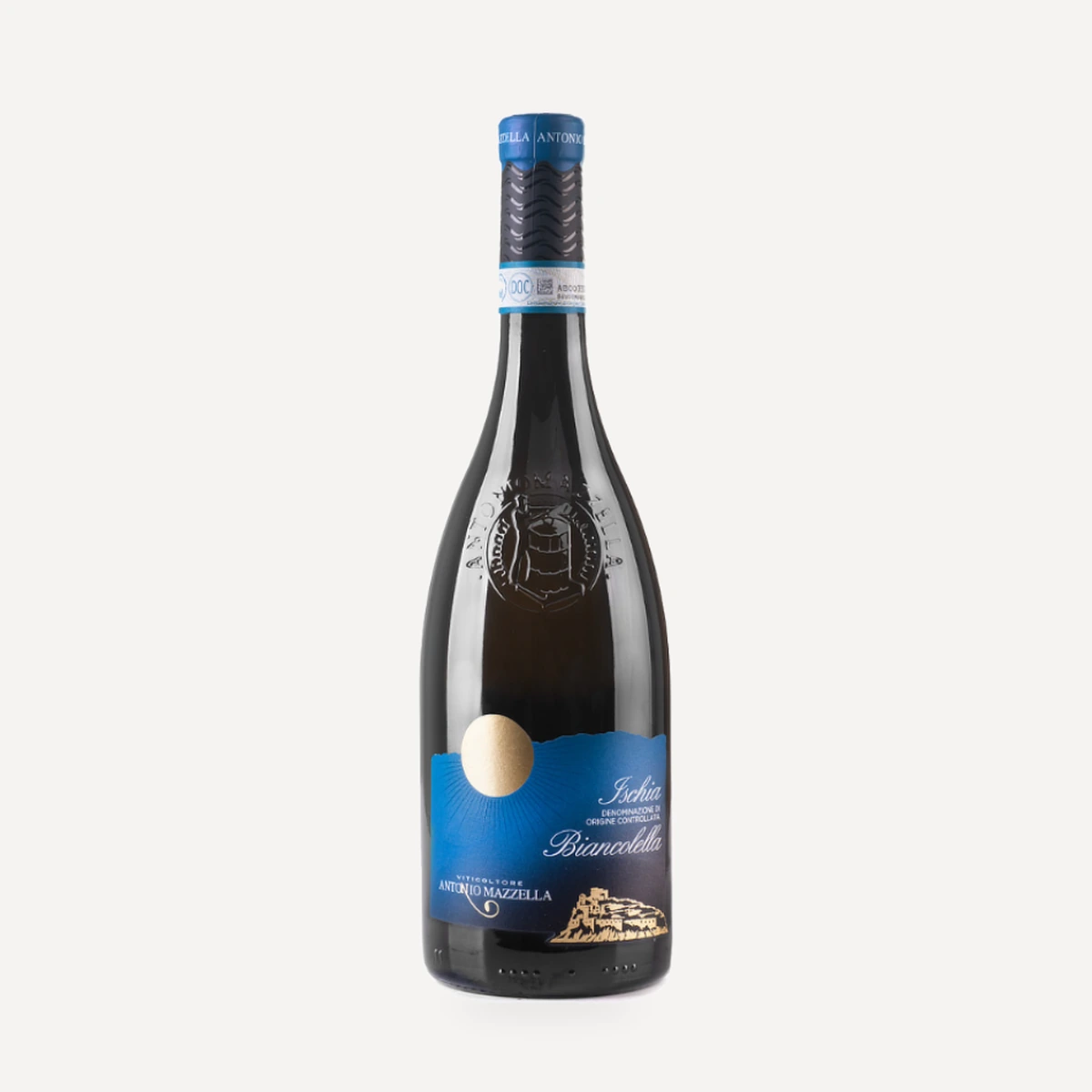
Biancolella
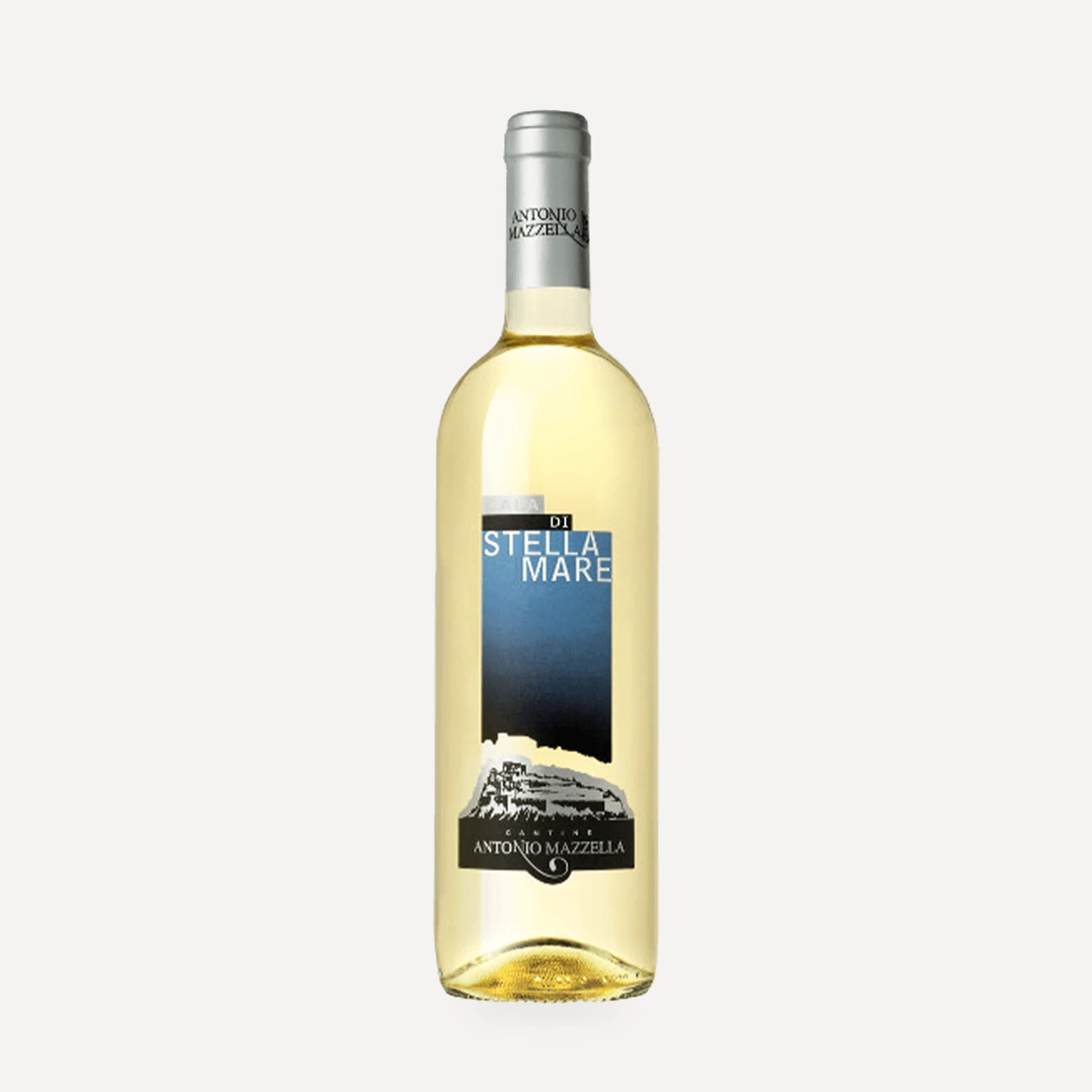
Cala Stella Mare
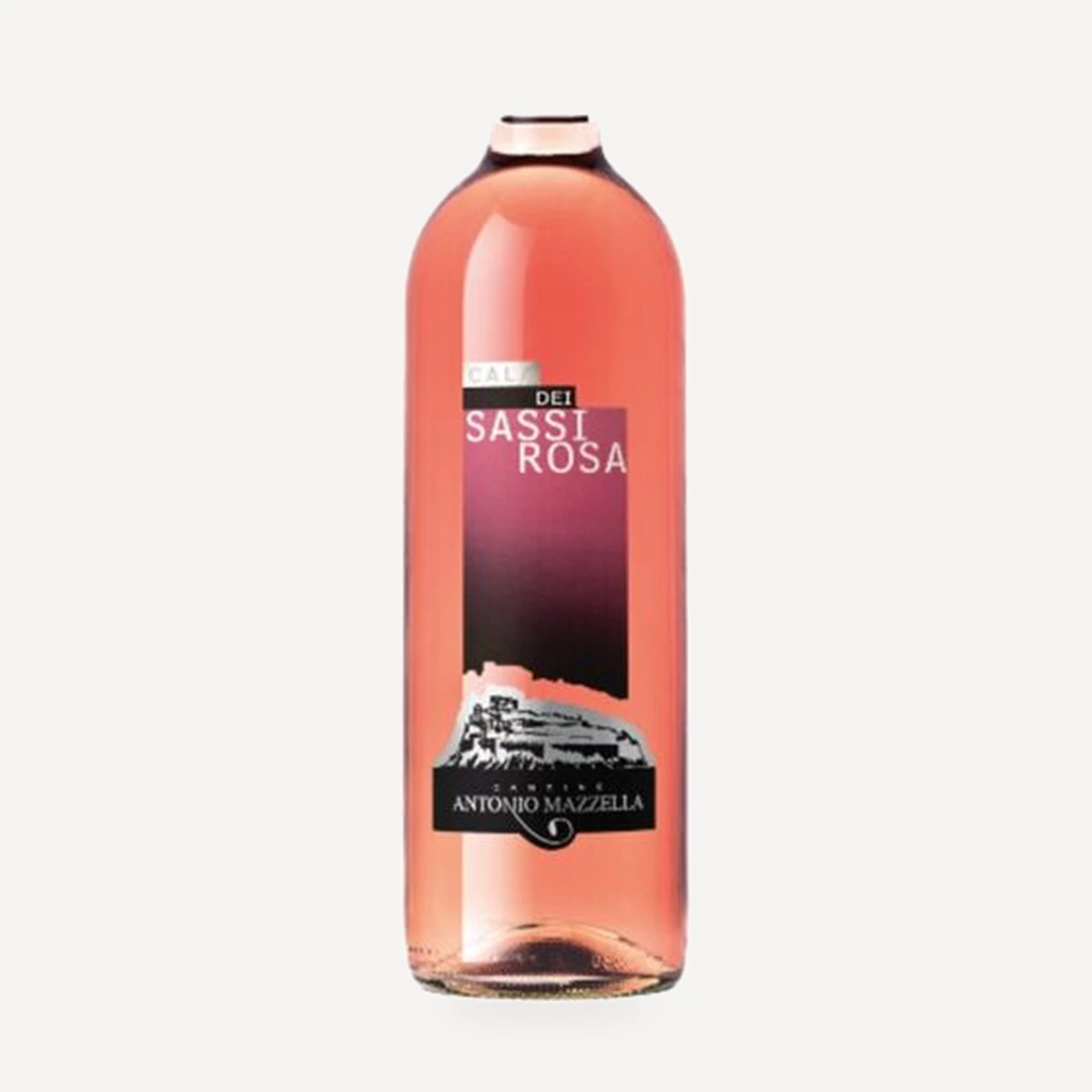
Cala dei Sassi Rosa
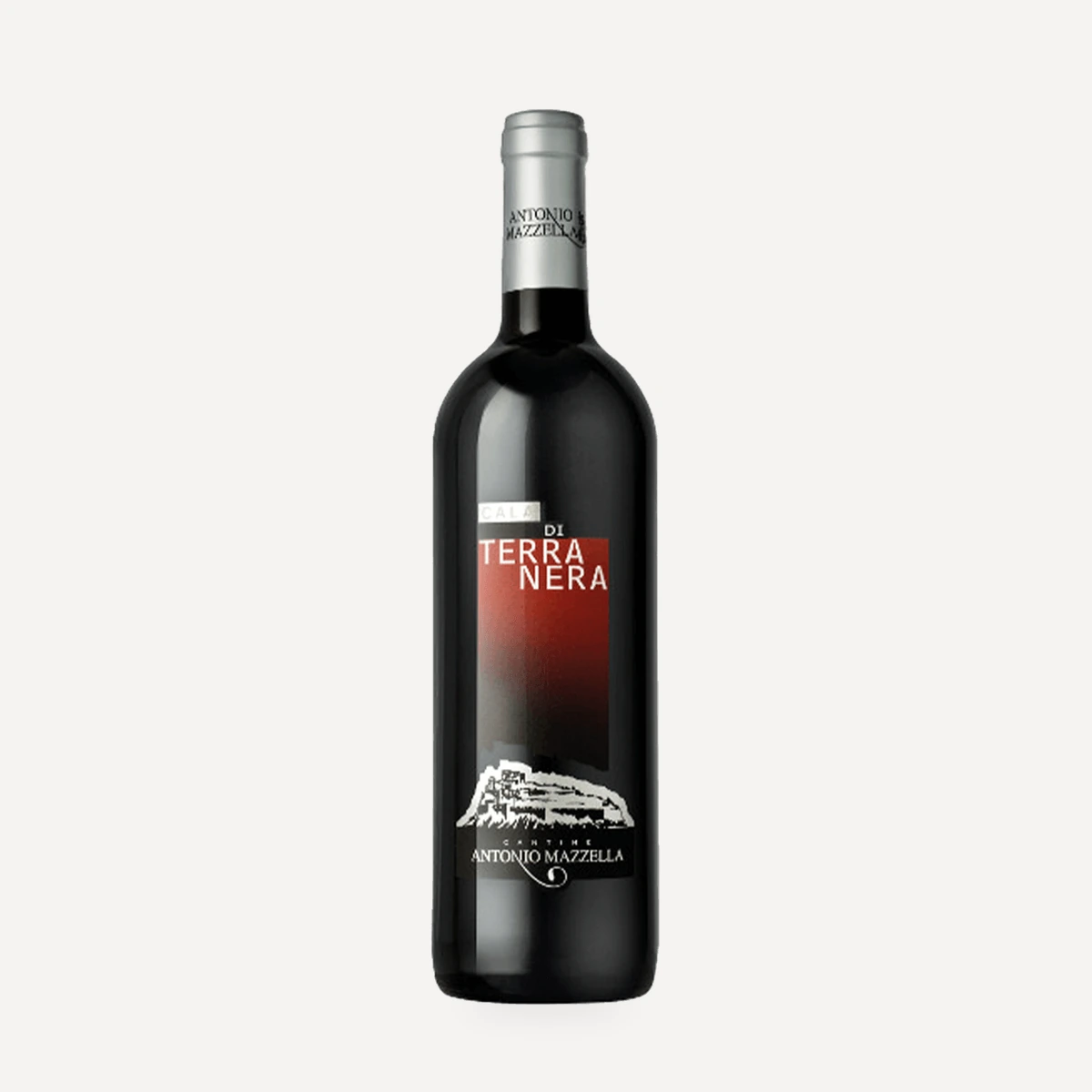
Cala di Terra Nera
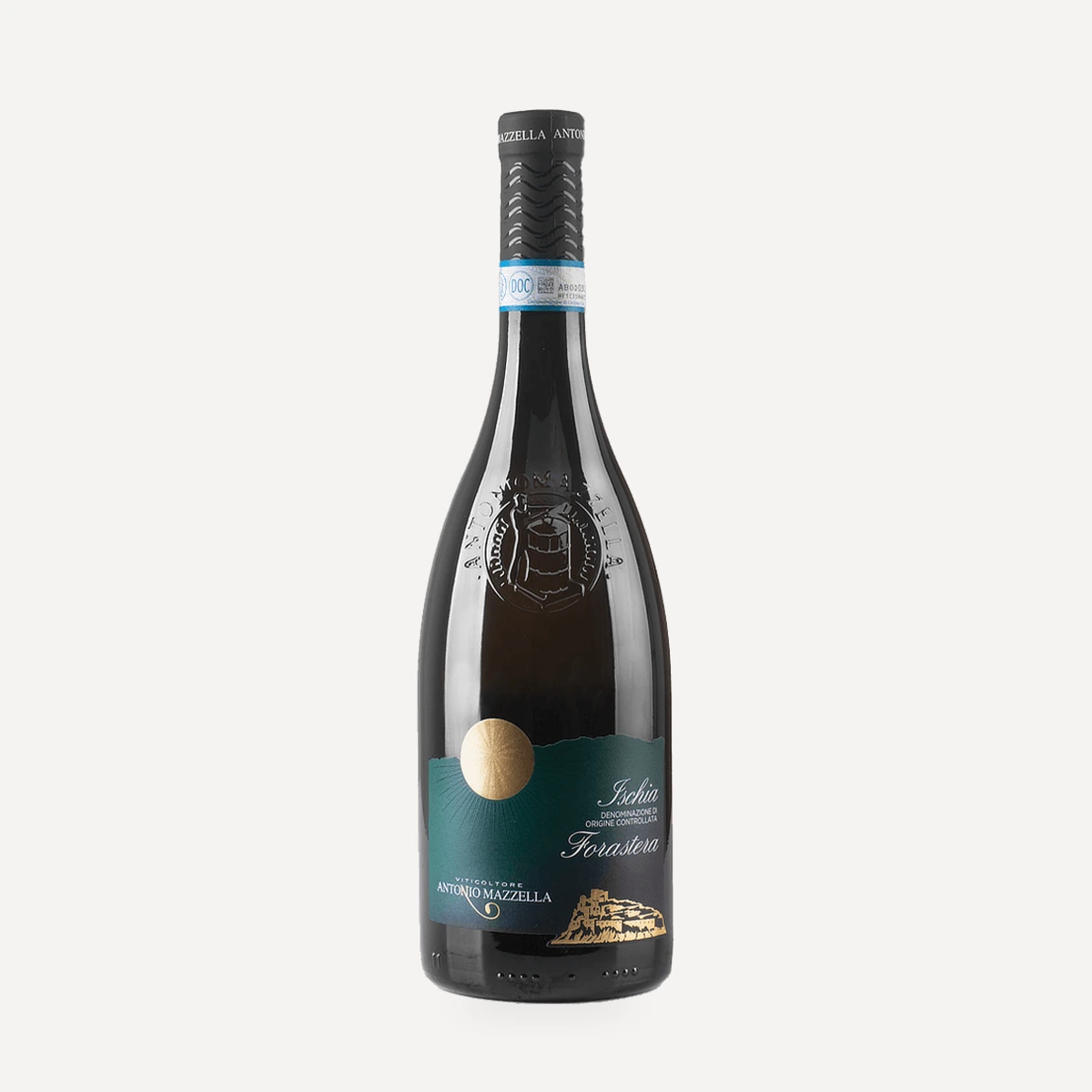
Forastera
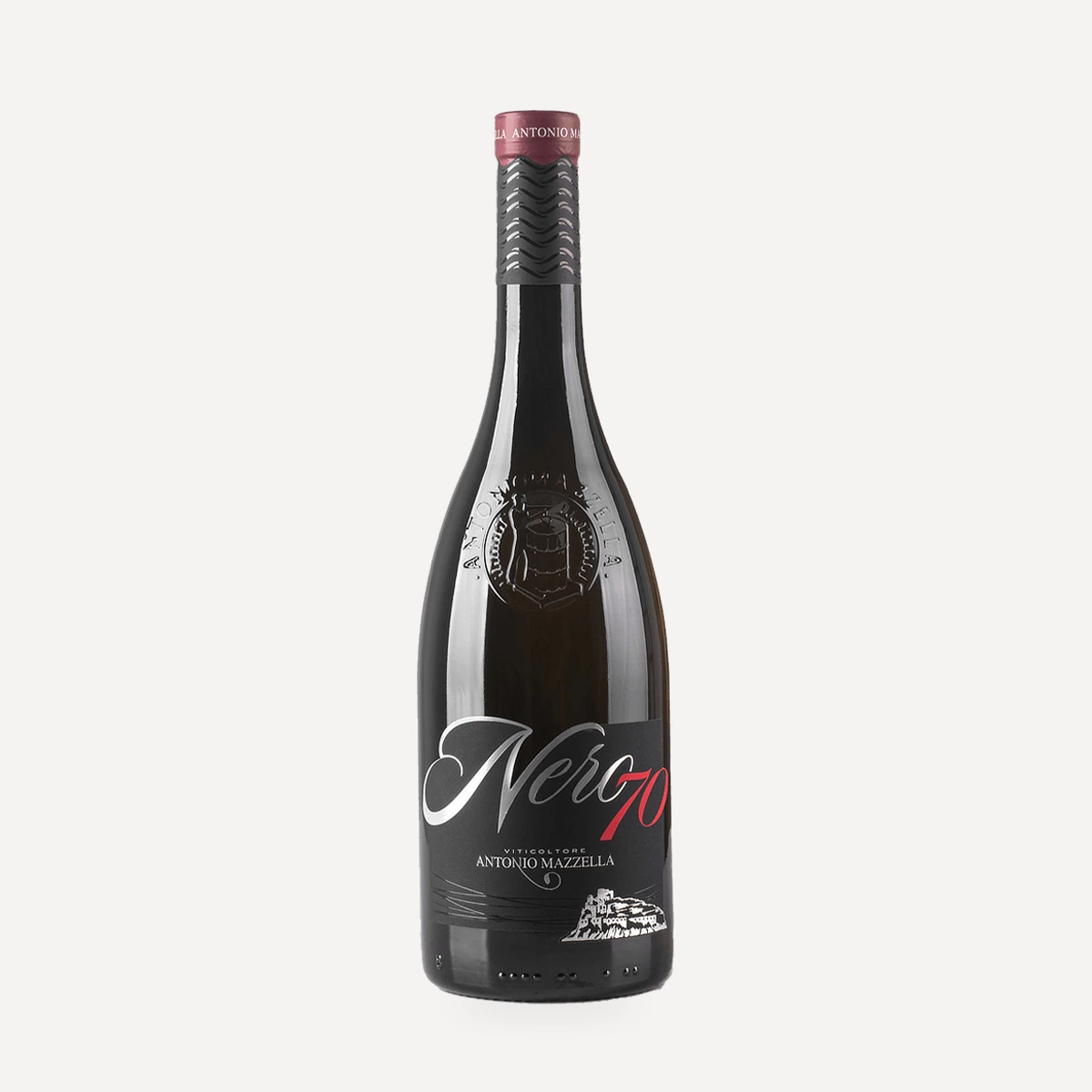
Nero 70
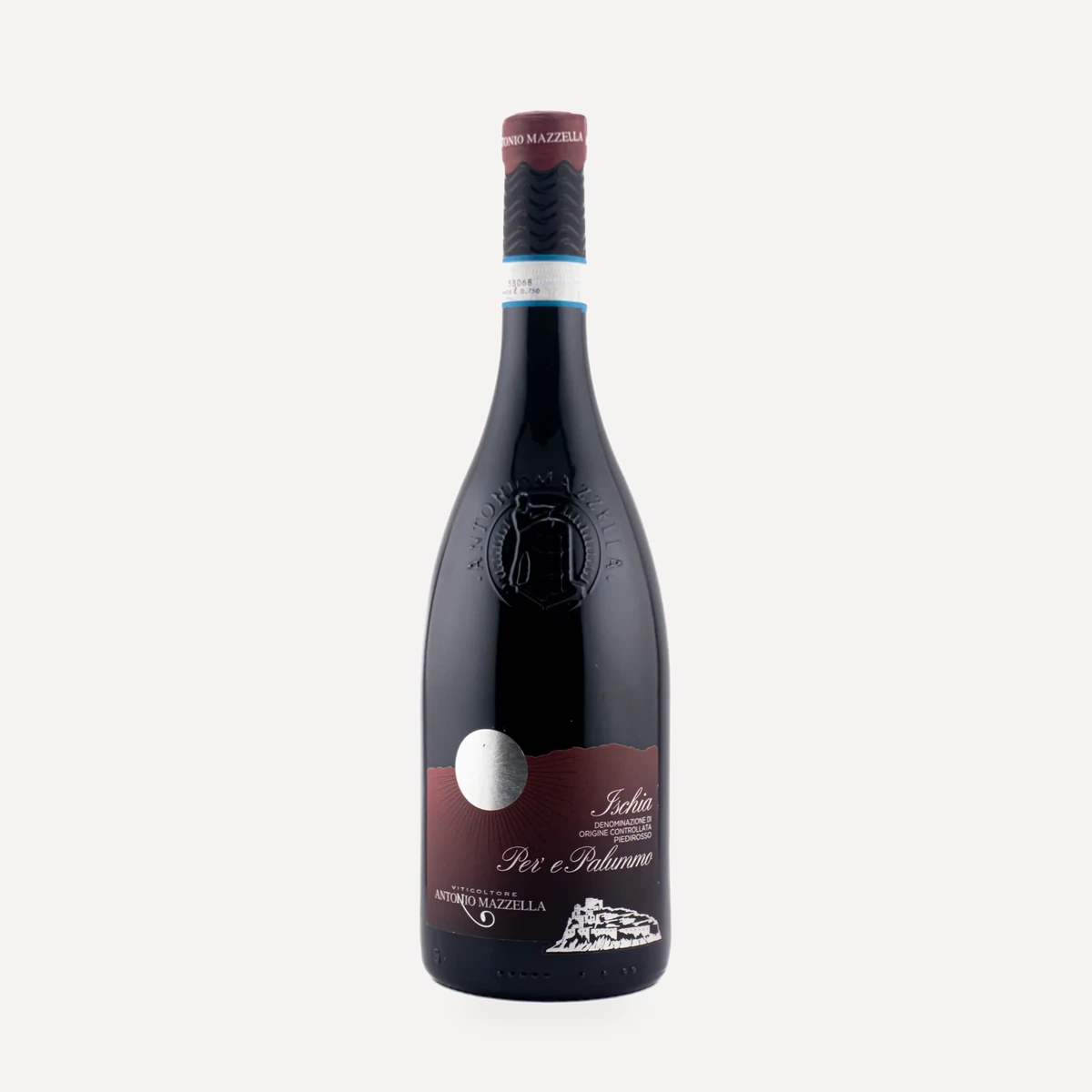
Per’e palummo