Storia
From Salento to Basilicata
Toward the end of the 1980s, Salento-born oenologist Oronzo Alò moved to Basilicata to work with established wine companies. He settled near the volcanic Vulture massif, where olive trees, chestnut woods and vineyards surround the Monticchio lakes. After acquiring experience and technical knowledge among the area's vineyards, Alò decided to establish his own business and make wine in the region.
The first winery
Alovini's first winery opened in 2003. It was equipped with advanced technology and was fully temperature-controlled to maintain suitable conditions for storing wine. The company combined the established traditions of Lucanian growers with contemporary vinification processes, seeking to express the geographical and cultural character of its territory.
Expansion and a new cellar
In 2012, Alovini entered a new phase of growth when Oronzo Alò continued the project with new associates who shared his commitment to wine production. The vineyard surface expanded, production increased and the company enlarged its work with both grapes and finished wine. Construction of a new winery began in 2014.
Alovini also presents its contemporary role in terms of rural development: its activity is intended to support the social and economic value of the territory through the promotion of rural heritage, visitor reception and hospitality.
Terroir
Alovini is based in Genzano di Lucania and works in Basilicata, with its identity centred on the Vulture area and the Aglianico del Vulture DOC. The Vulture is a volcanic massif rising above 1,300 metres. The surrounding landscape includes vineyards, olive trees and chestnut woods around the Monticchio lakes.
The soils are associated with the mountain's volcanic history. Ash, lapilli and dark lava rock rich in minerals and potassium form the geological setting described for Aglianico. The estate presents these volcanic materials as a defining influence on the area's wines.
The portfolio's technical sheets cover vineyards from approximately 150 to 600 metres above sea level. Aglianico production is concentrated in north-eastern Potenza province, including Genzano di Lucania, Acerenza and Venosa. Other production zones extend into south-western Basilicata for varieties including Cabernet Sauvignon, Montepulciano, Malvasia, Fiano and Chardonnay. Greco is associated with south-western Basilicata and Genzano di Lucania, while the Cabernet Sauvignon and Aglianico components of Cabánico come respectively from south-western and north-eastern parts of the region.
Vinificazione
The vineyards represented throughout the portfolio are trained to espalier systems. Documented planting densities range from approximately 3,200 vines/ha for some white-wine vineyards to 4,500 vines/ha for the older Aglianico material. Reported vine ages span 5–30 years, while yields vary from 35–50 hl/ha in the lowest-yielding Aglianico vineyards to 70–90 hl/ha for some white varieties.
Harvesting is performed by hand. Grapes are placed in 12–15 kg crates and transported immediately to the winery. The harvest calendar extends from late August for Chardonnay through September for several white varieties and Cabernet Sauvignon, into October for Aglianico. Certain Aglianico fruit is picked at the end of October after slight overripening.
Alovini's first winery, opened in 2003, was fitted with advanced equipment and made fully temperature-controlled to protect wine during storage. Construction of a new winery began in 2014 as vineyard holdings and production expanded.
Production varies by wine category. White grapes are crushed and destemmed, pressed immediately and clarified before temperature-controlled fermentation in stainless steel, generally between 13°C and 18°C. Rosé production includes crushing and destemming, followed by draining and separation of the free-run must after approximately 14 hours; the clarified must ferments at 15–18°C.
Red wines are fermented in small vessels with temperature-controlled skin maceration. Documented macerations last approximately 8–10 days at 22–28°C. Alcoholic and malolactic fermentation are then completed in stainless-steel tanks.
Maturation options across the portfolio include stainless steel, ageing on fine lees, small acacia barrels and French oak. The documented French-oak formats include 225-litre barrels and 350- or 500-litre vessels. Wood maturation generally lasts 9–12 months where employed. Bottle ageing ranges from at least one month for some whites to at least twelve months for the most structured Aglianico bottling.
Filosofia
Alovini's stated objective is to unite Lucania's long-established winegrowing traditions with innovative vinification processes. The wines are intended to evoke both the geographical character and the culture of their place of origin, while reflecting pride in cultivating the land and presenting its produce.
The project also connects wine production with the wider rural economy. Alovini frames the promotion of rural heritage, hospitality and visitor reception as part of its contribution to the social and economic value of the territory.
Vini
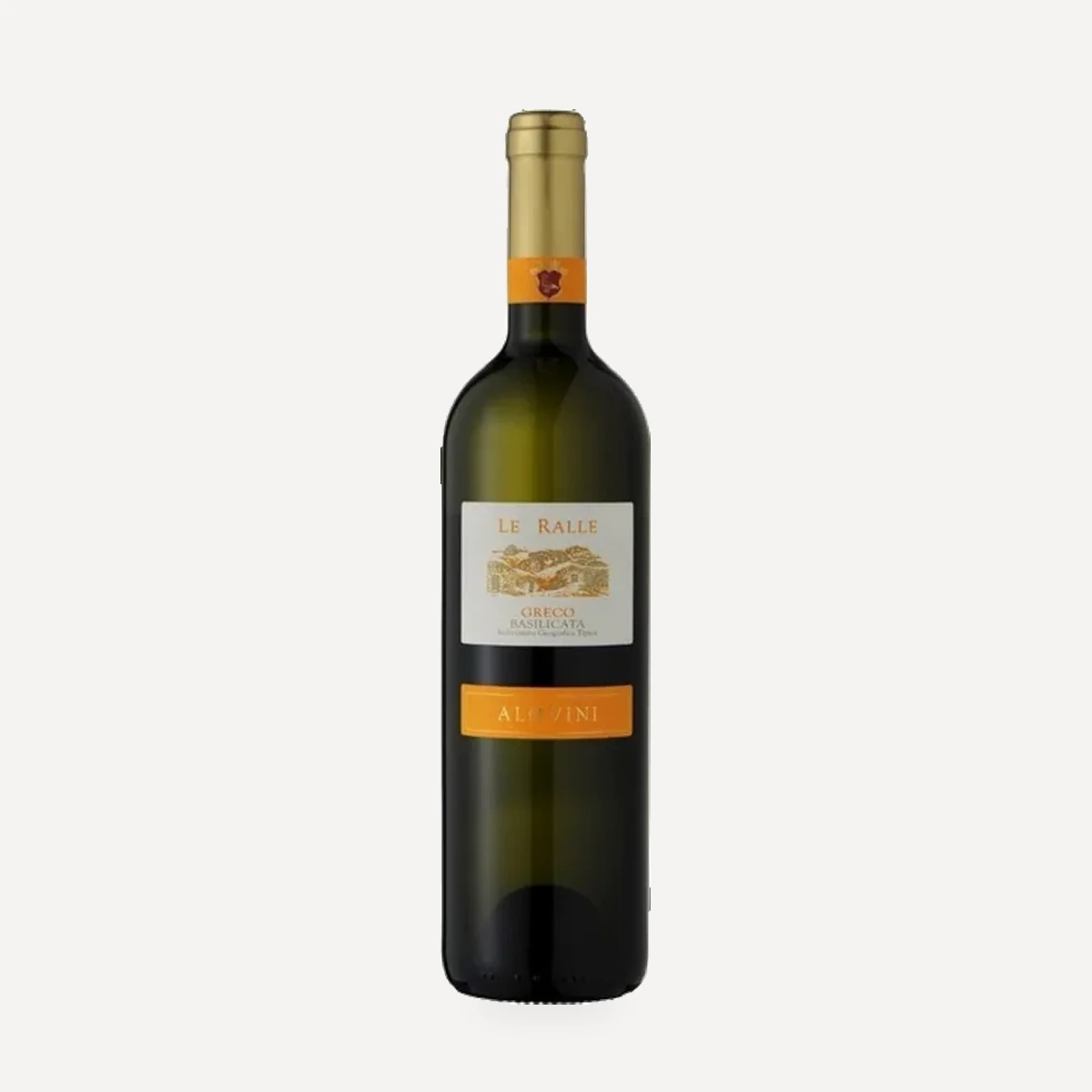
Le Ralle Greco Basilicata I.G.T.
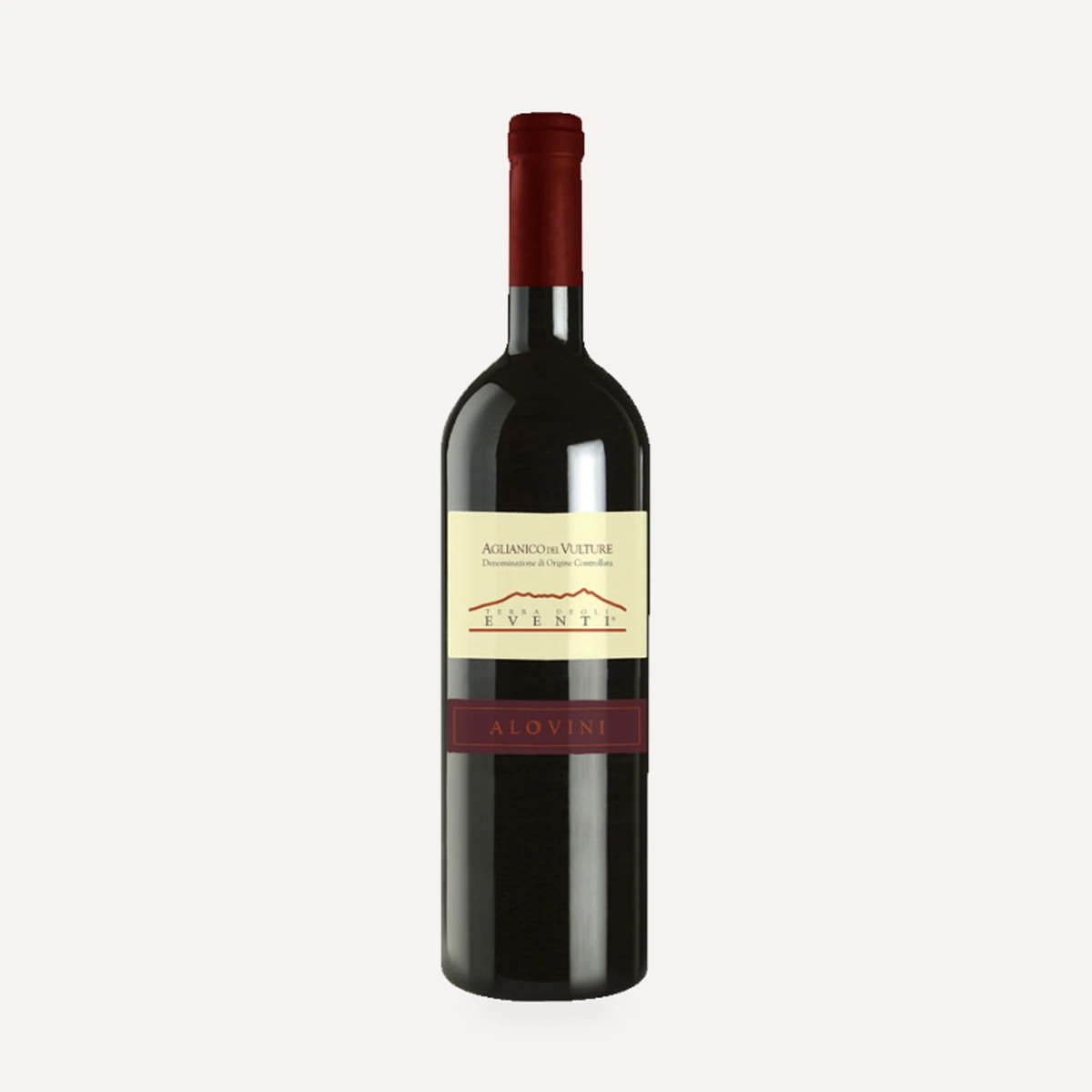
Terra degli Eventi Aglianico del Vulture D.O.C.