Storia
The first family vineyards
In the early 1970s, brothers Vittorio and Enzo Carbone selected two sites in Melfi—Monte Lapis and Piani dell’Incoronata—where they planted vines and began making Aglianico. Vittorio was the father of Luca and Sara Carbone, who grew up around these family vineyards.
The end of the first winemaking period
By the late 1980s, new commitments left Vittorio and Enzo without sufficient time for cellar work. They continued growing grapes, but the family's winemaking activity was suspended.
Luca and Sara revive the project
The pause continued into the 2000s. Luca chose to leave his previous path and work as a farmer and cellar hand, while Sara reorganized her own career to help make the project possible. The siblings developed the business together, bringing different opinions to decisions about the wines while sharing two fundamental standards: careful vineyard work and a refusal to bottle anything that did not first convince them.
2005 and the modern estate
The first renewed Aglianico vinification took place in 2005. The same year also brought plans for a winery, a subterranean barrel cellar and new vineyards. The production winery was established at Braide, above Toppo San Paolo, identified as the first historic crater of the Vulture volcanic complex. The hypogeal barrel cellar in central Melfi became the maturation site for the principal Aglianico wines.
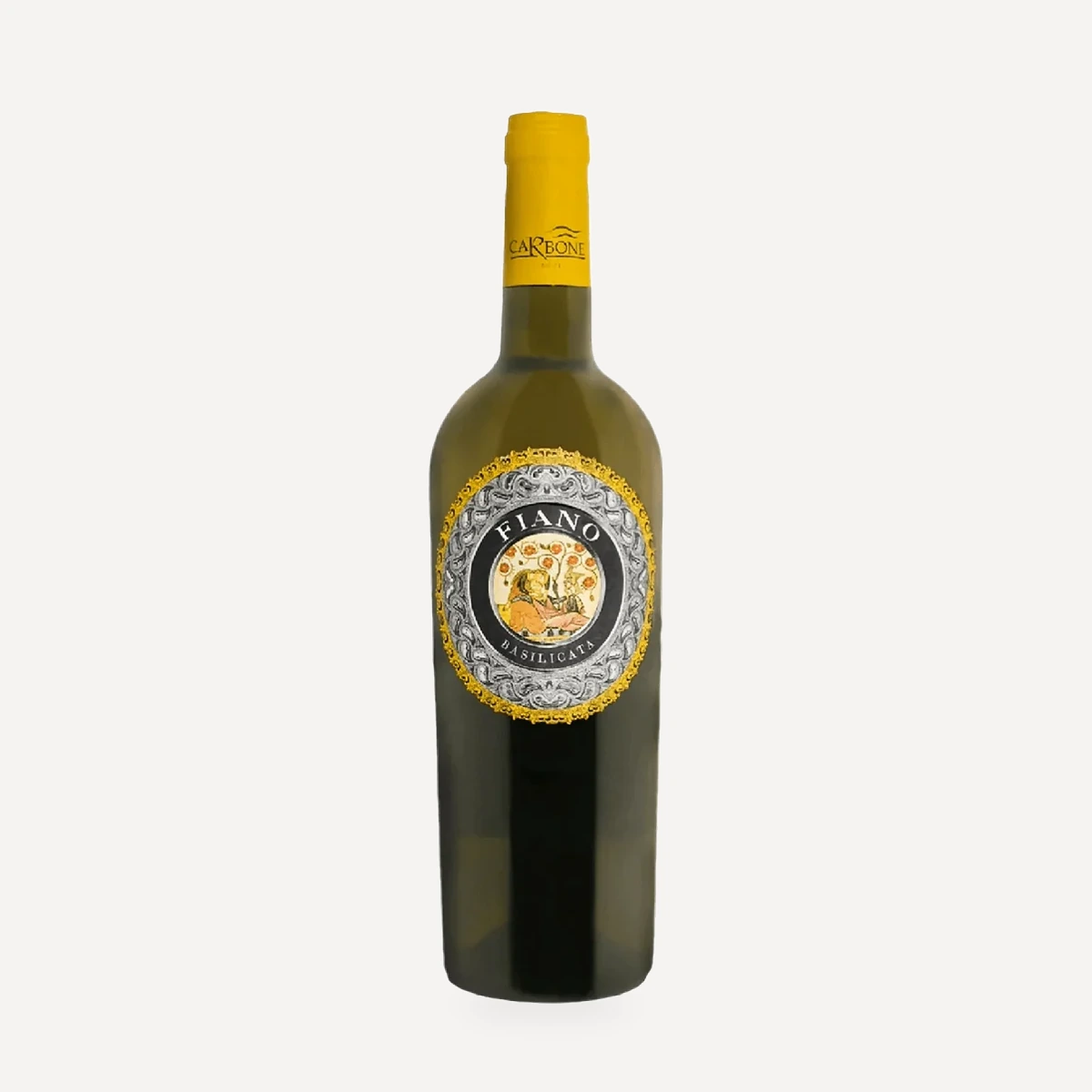
Carbone now cultivates 7 hectares under organic management and produces approximately 25,000 bottles annually. The portfolio encompasses Aglianico-based reds and rosato together with Fiano.
Terroir
Carbone is based in Melfi, in the upper Vulture area of northern Basilicata. The broad Vulture volcanic complex remained active until approximately 400,000 years ago. Volcanic and tectonic activity repeatedly altered the locations of craters and created lava flows, gorges and depressions.
Pedogenesis of pyroclastic material produced fertile soils rich in potassium. Beneath them are numerous mineral-water sources naturally rich in carbon dioxide. The estate associates this volcanic substrate particularly closely with Aglianico.
The area has a cool-temperate climate. Strong southern sunlight is followed by cooler evening air, a daily change that helps the grapes retain acidity and develop aromatic definition. The individually documented vineyards stand at 550 metres. Piani dell’Incoronata and Braide face south to south-east, while Vizzarro faces east. Soils range from loose, medium-textured volcanic material at Piani dell’Incoronata to mixed volcanic soils at Braide and medium-textured volcanic soils at Vizzarro.
Vinificazione
Carbone cultivates 7 hectares under organic management. The individually documented vineyards use Guyot training. Planting densities are 3,500 vines per hectare at Piani dell’Incoronata and 4,500 vines per hectare at Braide and Vizzarro.
The estate's approach begins with careful vineyard work and healthy fruit. Reported yields are deliberately differentiated by site: 35 quintals per hectare in the old Aglianico vineyard at Piani dell’Incoronata and 65 quintals per hectare at Braide and Vizzarro. Harvest timing follows the varieties and intended styles: Fiano is picked from the final week of September into the first week of October, Aglianico for rosato in the first ten days of October, and Aglianico for the reds in the latter part of October, sometimes extending into early November.
The production winery stands in Braide, above Toppo San Paolo, while the principal Aglianico wines mature in a separate hypogeal barrel cellar in central Melfi. Excavated from volcanic tuff, this cellar maintains naturally constant temperature and humidity.
Red-wine fermentations and macerations take place in temperature-controlled stainless steel. Maceration varies with the intended wine: approximately 7–10 days, 10–12 days, 15 days, or three to four weeks. The reds then mature in steel for periods stated between 24 and 36 months. Selected wines continue maturation in 300-litre barriques, 500-litre tonneaux, or a combination of the two within the hypogeal cellar. Bottle ageing ranges from 6–12 months to a minimum of 12 months.
For Fiano and rosato, the grapes are destemmed and gently pressed before fermentation in stainless steel. Clarification occurs naturally through settling. The Fiano remains in contact with its lees for several months and matures in steel.
Filosofia
Luca and Sara Carbone describe themselves as modern artisans. Their approach is pragmatic rather than governed by a fixed lunar calendar: they watch the weather closely but carry out cellar work when the wine requires it. They identify healthy grapes and time as the two essential ingredients of good wine.
The siblings regard careful vineyard work as fundamental and consider it unacceptable to bottle a wine that does not first convince them. Their differing views create an ongoing dialogue about what to make, while this shared threshold for quality guides final decisions.
Vini
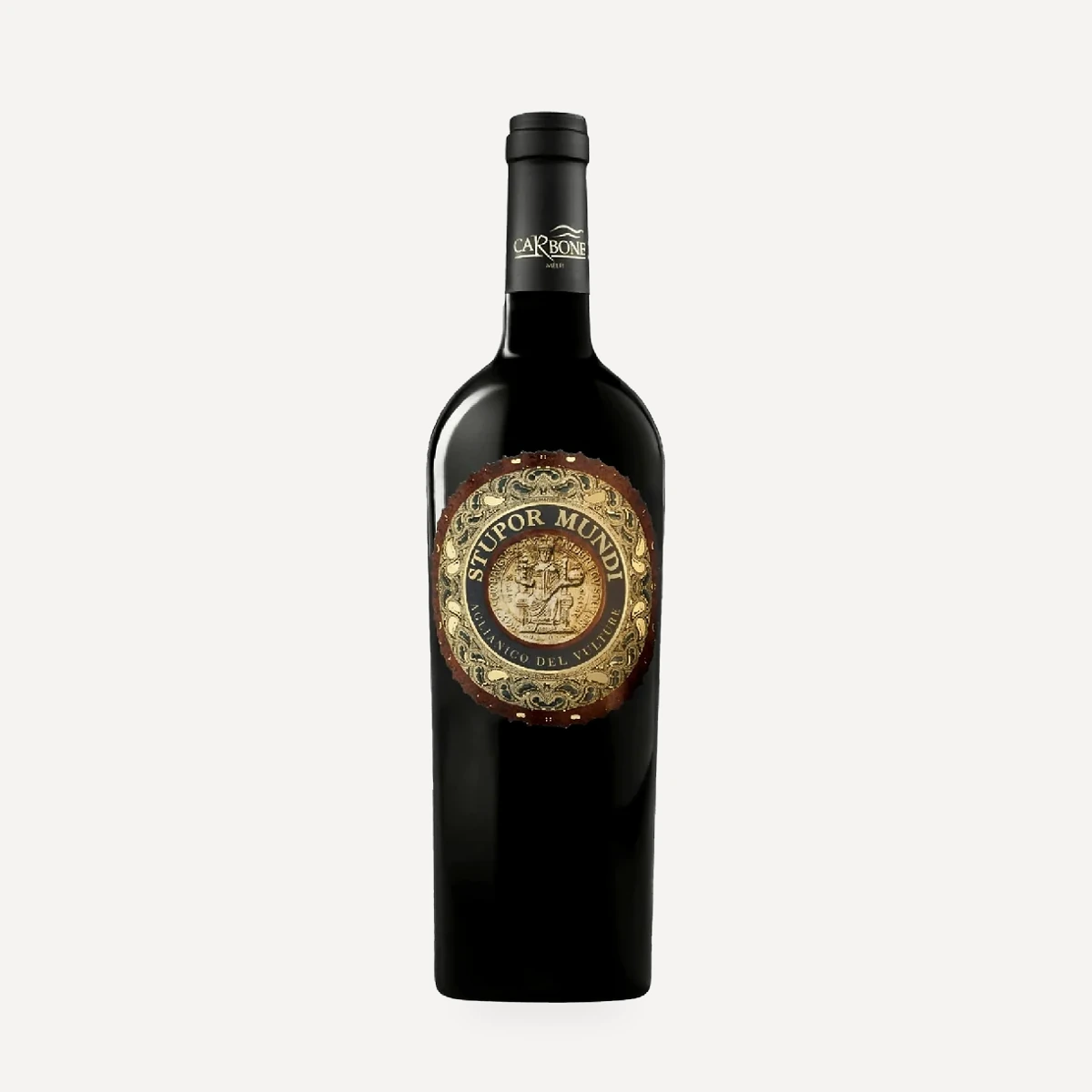
Stupor Mundi
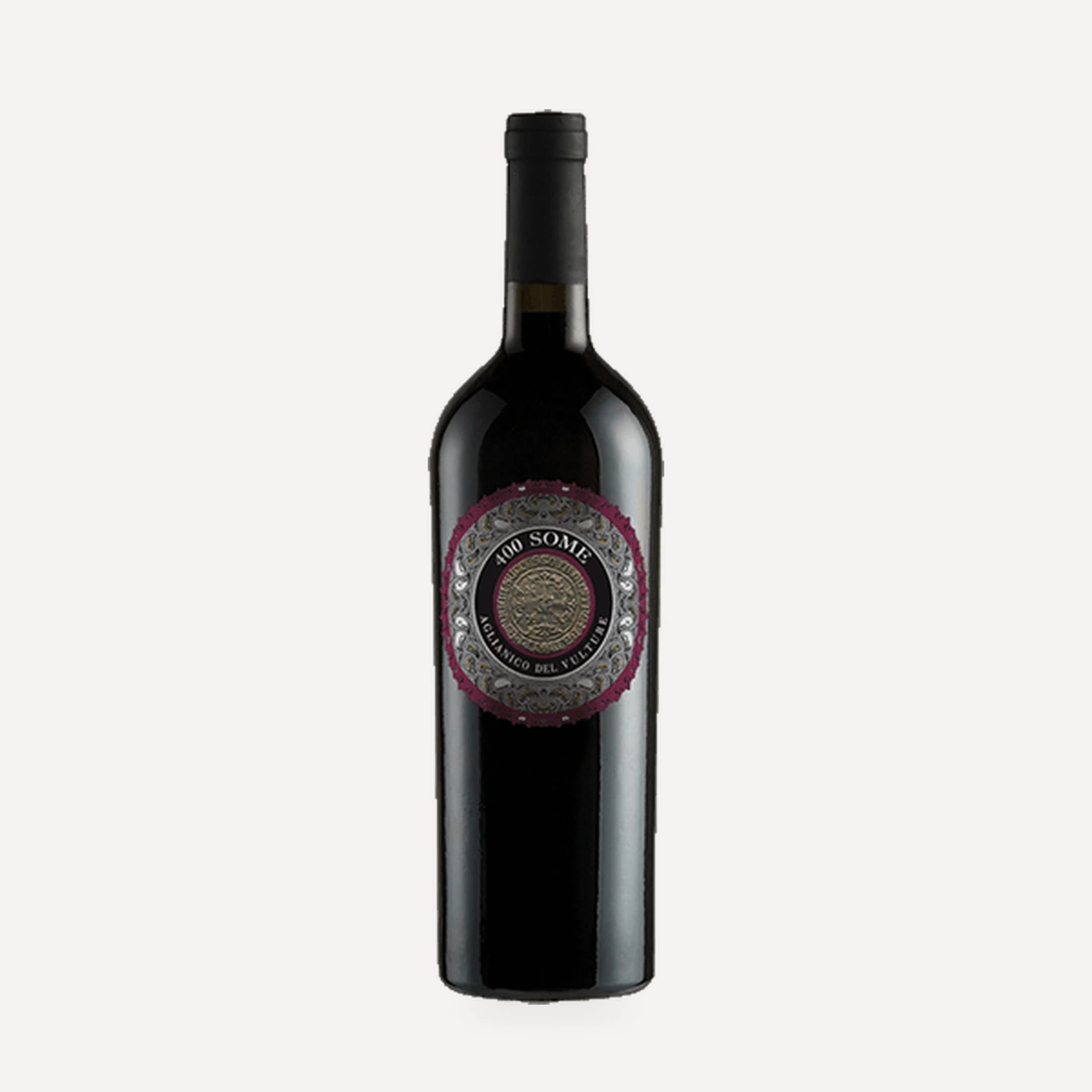
400 Some
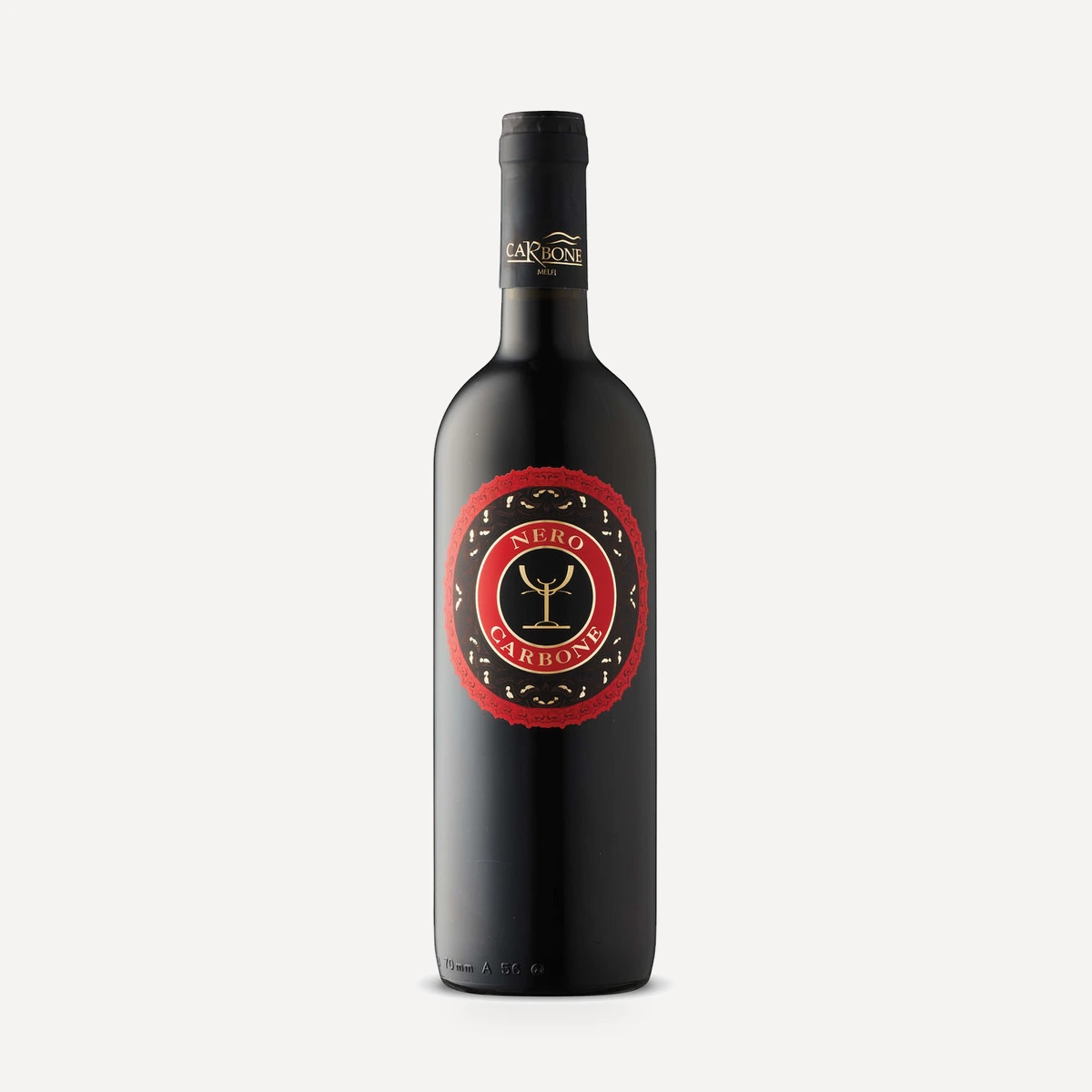
Nero Carbone