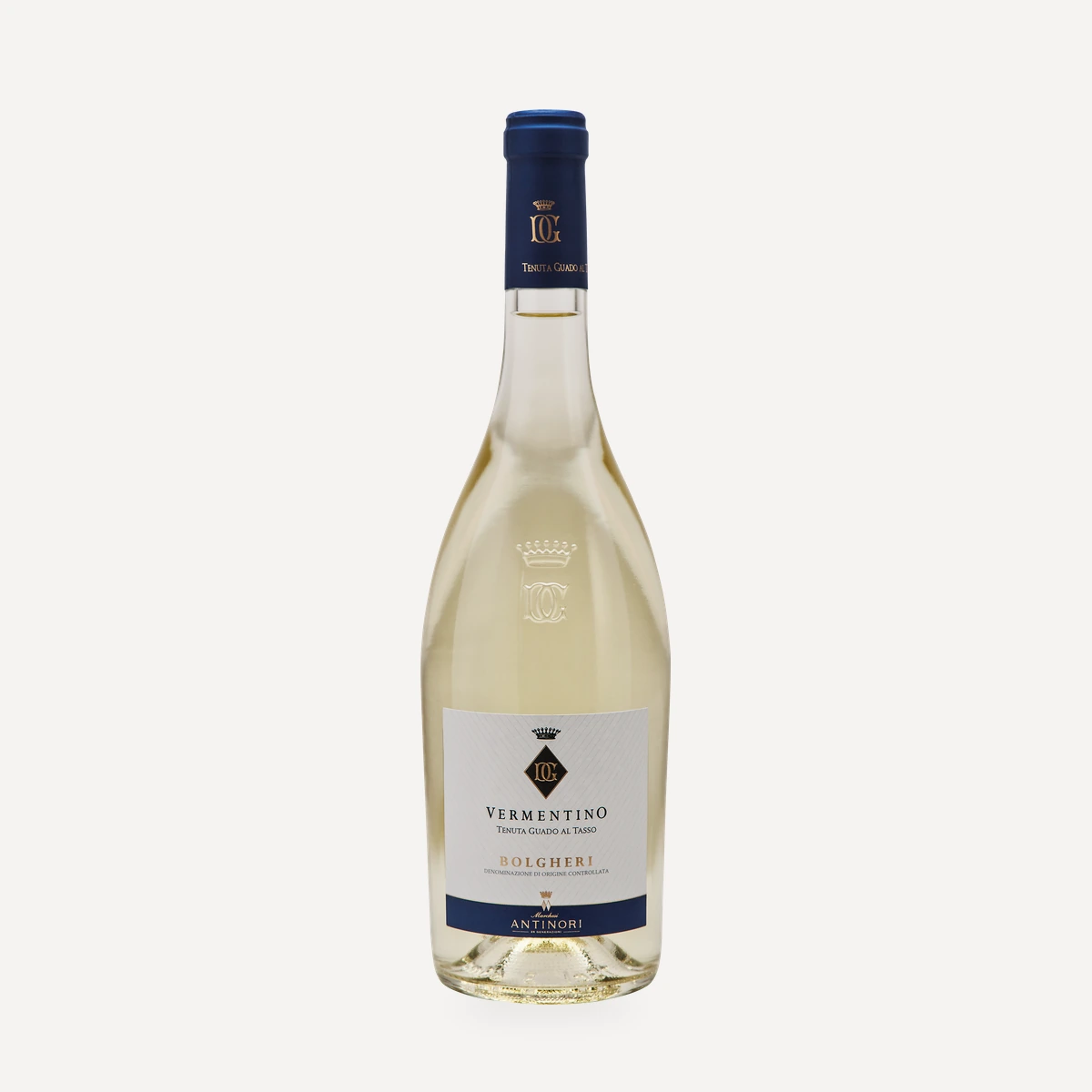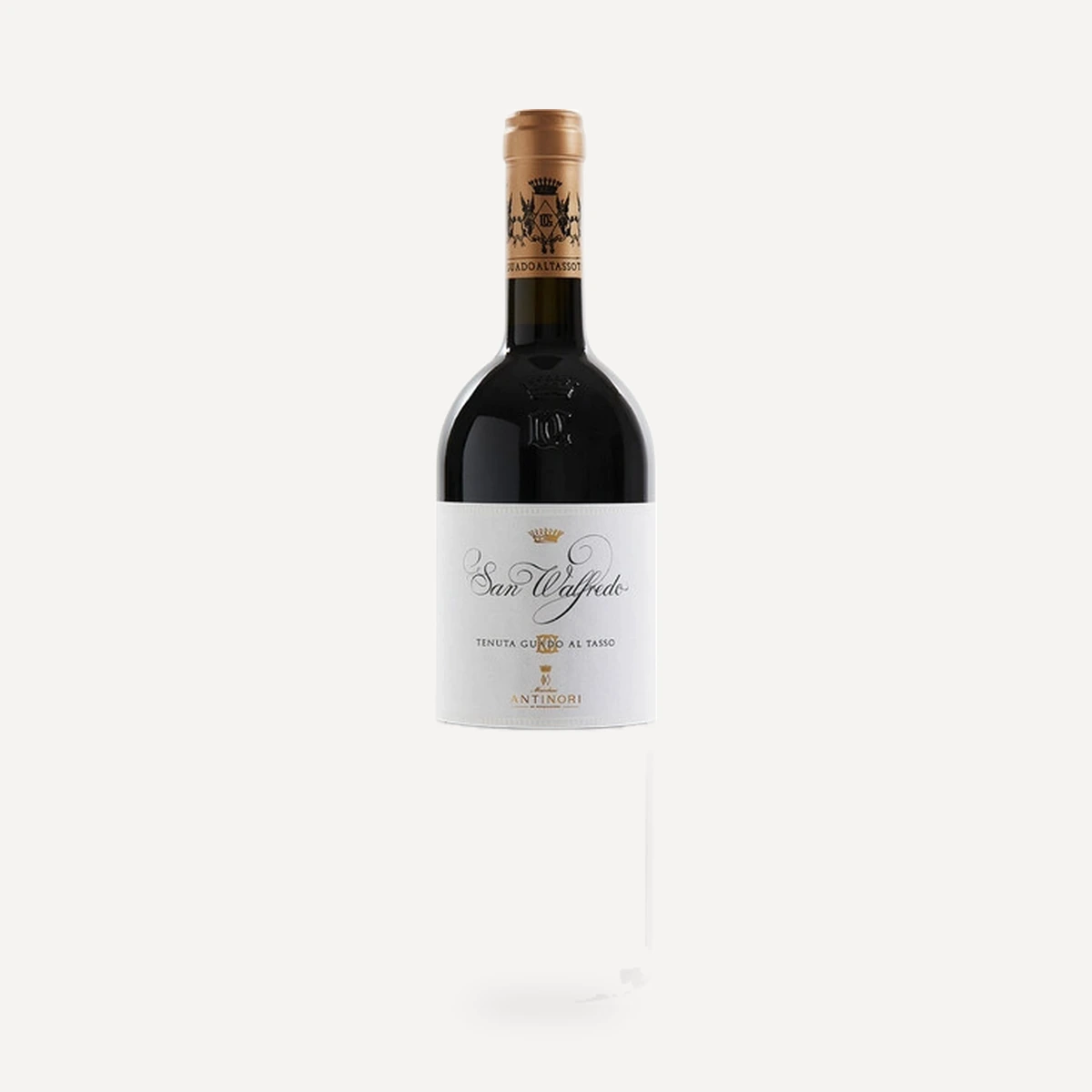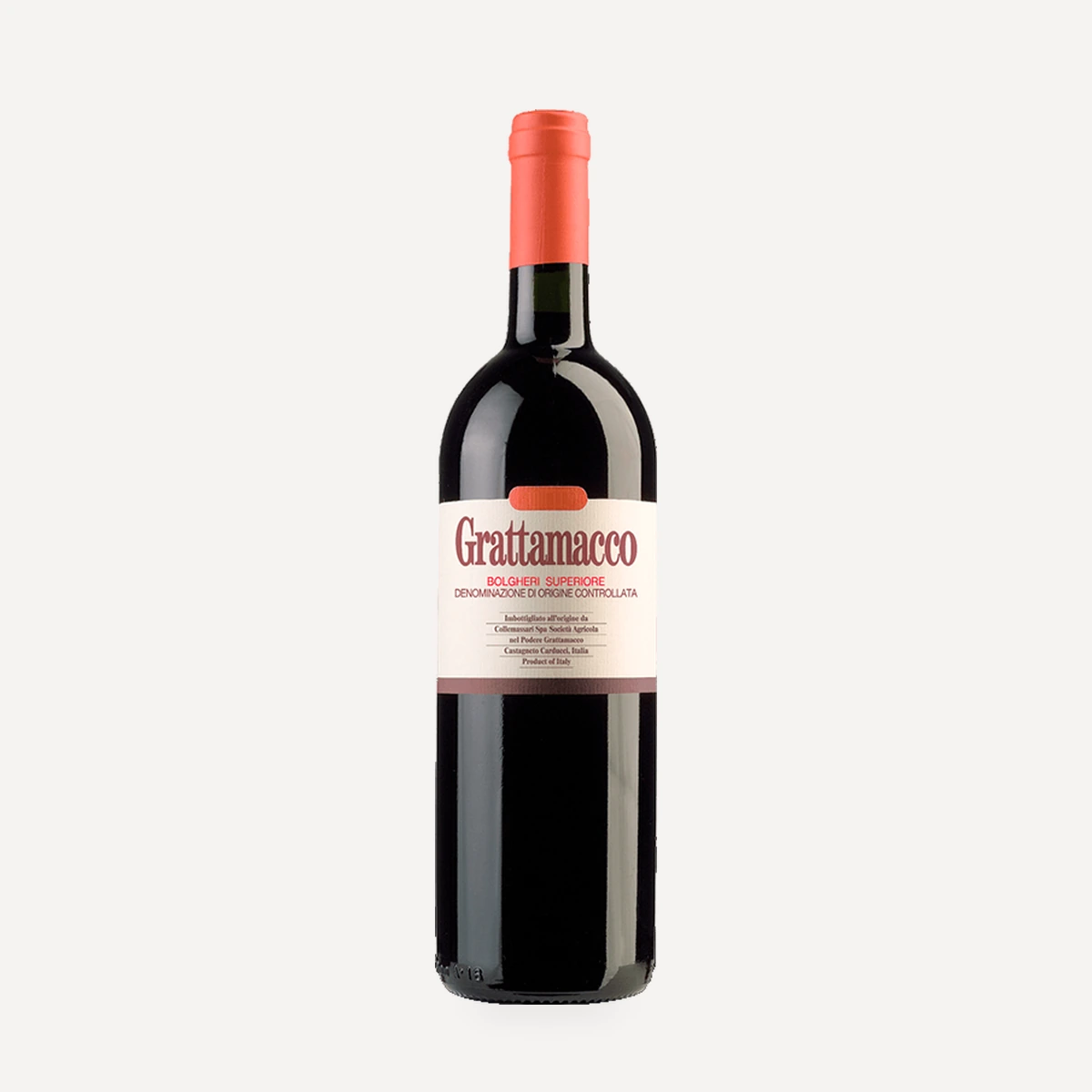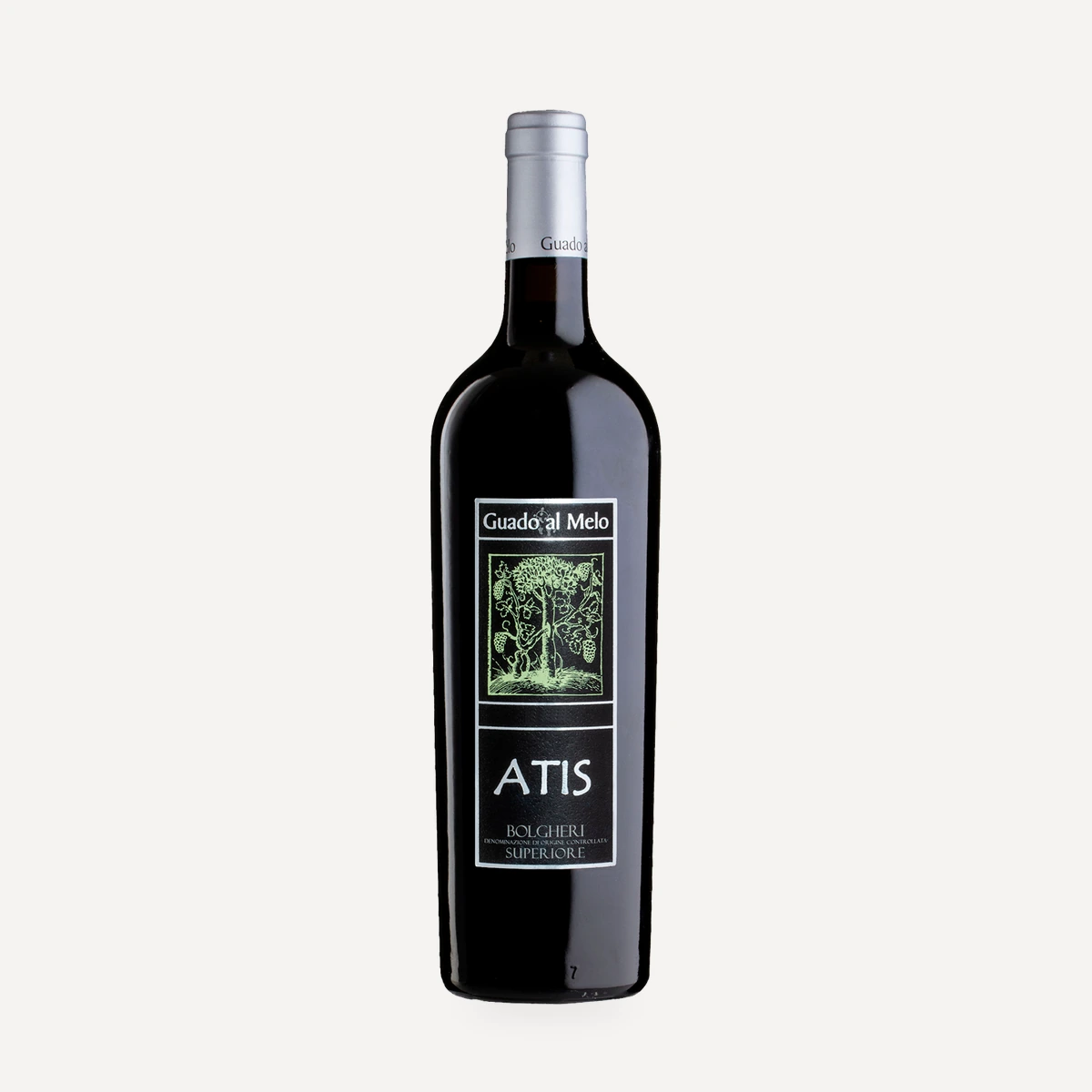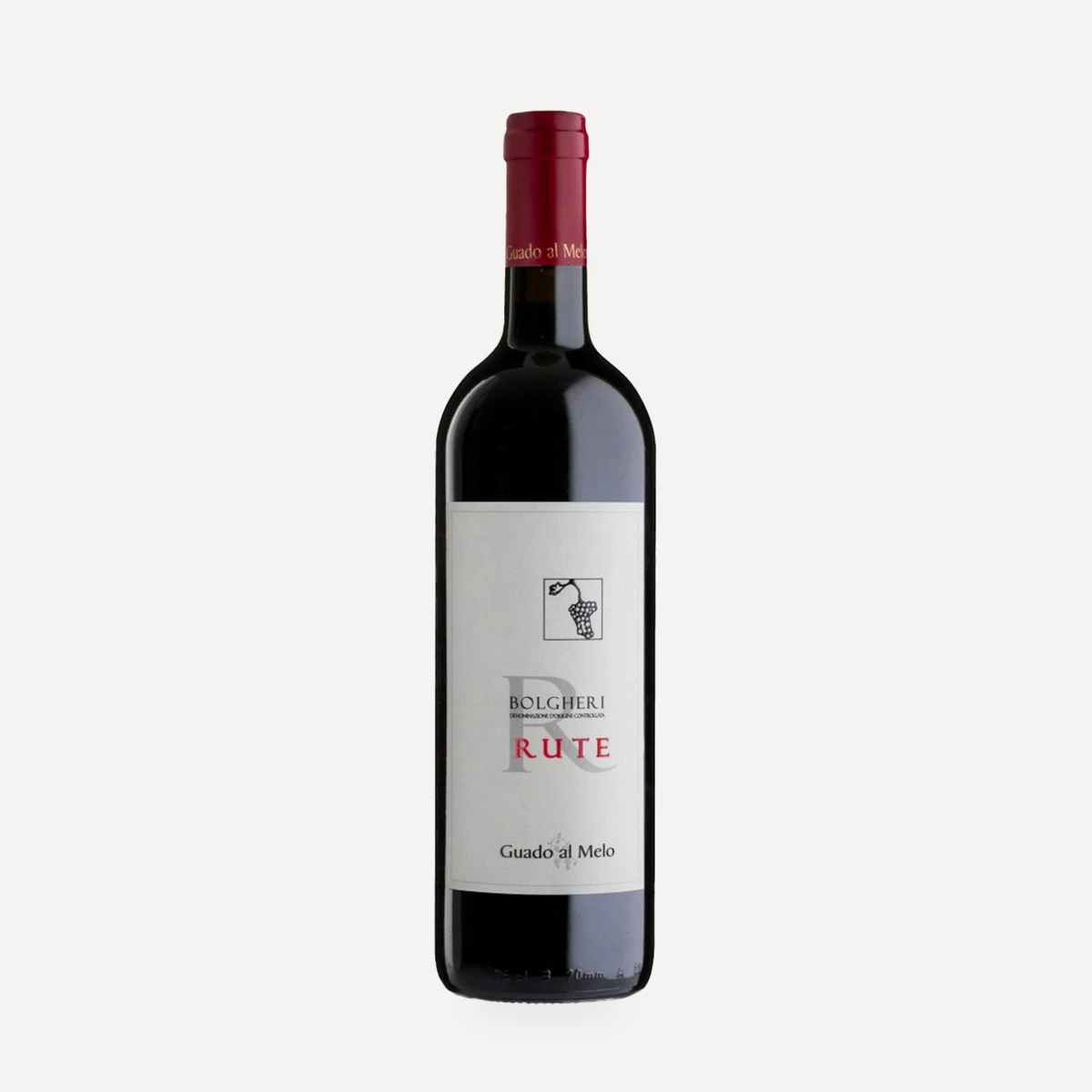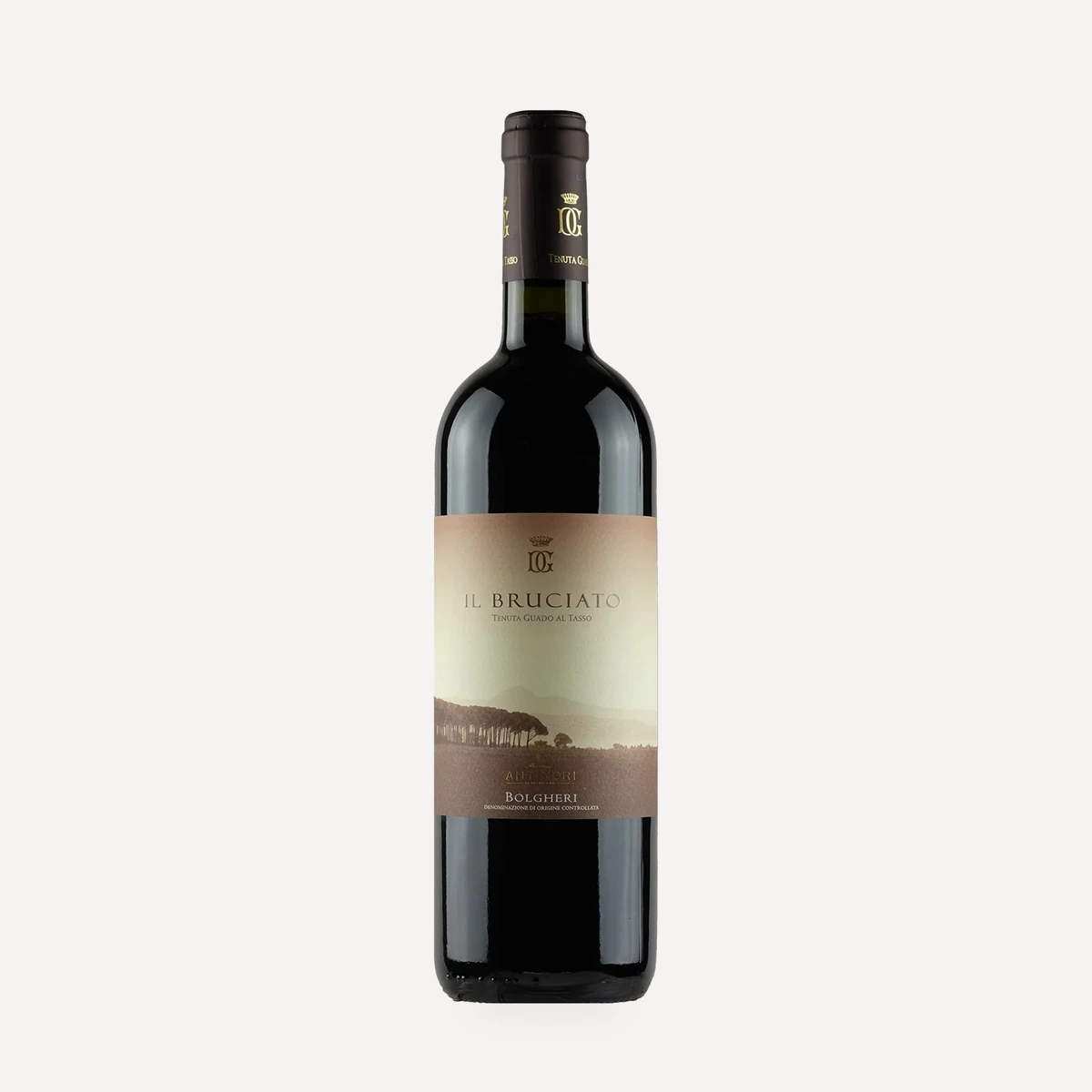
Questo vino
Vineyard and terroir
The fruit is grown at Tenuta Guado al Tasso, about 80 km southwest of Florence near Bolgheri on the Tuscan coast. The estate extends for 1,000 hectares from the sea to the first hills, at 45–60 m above sea level. Its vineyards are divided into numerous small plots with distinct characteristics and have rocky, slightly calcareous soils. Warm Mediterranean summers and constant fresh breezes aid ripening.
Grapes
A small amount of Petit Verdot was added to the 2021 blend.
Vinification
The grapes are harvested throughout September, with fruit from the estate’s individual plots harvested and vinified separately. After destemming and gentle pressing, fermentation and maceration take place in temperature-controlled stainless-steel tanks for 10–15 days at 28–30 °C. Some of the Merlot and Syrah must ferments at lower temperatures to preserve varietal aromas. Malolactic fermentation occurs partly in stainless steel and partly in barriques and is completed for every variety by the end of the year.
Ageing
After blending, the wine matures in oak barrels.
Tasting profile
The wine has a fine structure, with layered fruit and spice aromas. It can develop in bottle over many years.
Vintage notes
The winter of 2021 in Bolgheri was mild and not particularly rainy. March was dry and fairly warm, with temperatures reaching 19 °C and prompting early budbreak. Mild, rainy weather in April slowed the rapid start to the growing season. Heavy rainfall in April and May established optimal water reserves in the soil. May was among the coolest in recent years, significantly delaying flowering and the subsequent fruit set. The summer was generally dry, while hot, dry conditions in September allowed the grapes to ripen slowly over an extended period. The resulting wines have excellent structure and balance.