Storia
From restaurateur to winegrower
Taverna Pane e Vino opened in the historic centre of Cortona in 1997. Its founder subsequently spent many years presenting natural wines through the restaurant. His decision to make wine grew from the conviction that judging the work of other producers required direct personal experience of viticulture and vinification.
2004 — the first vineyard
The first vineyard was planted in 2004 on a small 0.23-hectare parcel in Valle di Chio, a valley at Castiglion Fiorentino near Cortona. The site lies at 300 metres and combines clay with galestro. Sangiovese was chosen as a deliberate commitment to a Tuscan variety at a time when international grapes were attracting considerable attention locally.
Inspired by Mediterranean vineyards, the parcel was planted as free-standing alberello in a settonce arrangement: vines occupy the vertices of equilateral triangles, forming a hexagonal pattern at 10,000 plants per hectare. This geometry was intended to use the ground efficiently, encourage roots to penetrate vertically and deeply, reduce water stress, and limit yields naturally. The vineyard became the source of Dodo Toscana Sangiovese IGT.
2007 — first Dodo production
Dodo has been produced since 2007. Its production established the cellar’s core approach to Sangiovese: indigenous-yeast fermentation in wooden vessels, maturation in used wood, and bottling with only a minimal addition of sulphur dioxide.
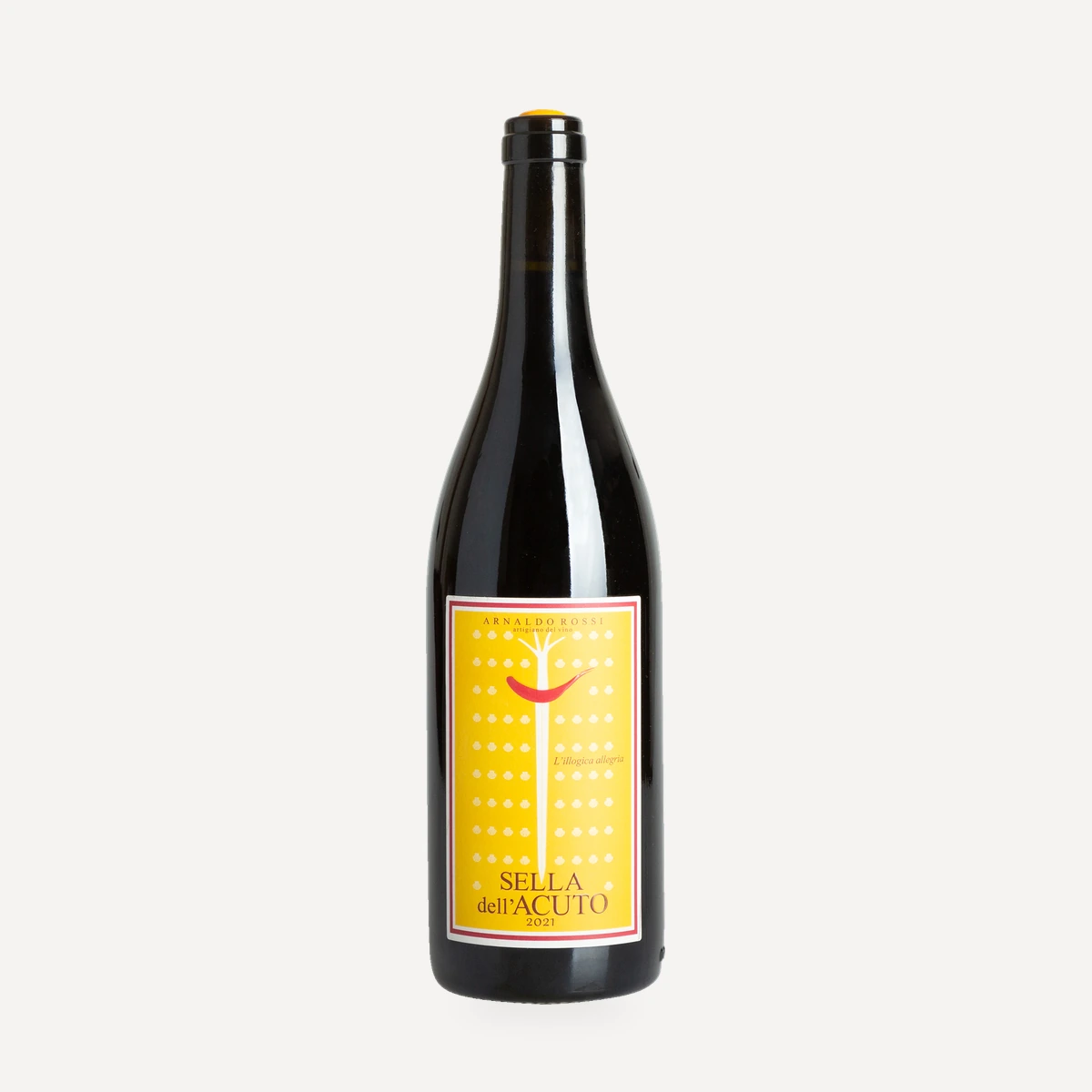
2009 — Sella dell’Acuto
A second 0.5-hectare Sangiovese vineyard was planted in 2009 on the summit of a hill at 360 metres. The site consists entirely of galestro and faces south-east. Its alberello vines are supported by a trellis and planted at 9,000 vines per hectare.
The parcel supplies Sella dell’Acuto Toscana Sangiovese IGT. It follows the same broad vinification principles as Dodo, with maturation divided between concrete and wood. Its name honours Giovanni l’Acuto, the condottiero known in English as John Hawkwood, who lived in the nearby castle.
2015 — restoration of vite maritate
In 2015, attention turned to the area’s surviving vite maritate. These vines preserve an older agricultural landscape in which grapes were grown alongside cereals, fruit and vegetables rather than in intensive monoculture. The approximately 90-year-old vines of Cibino and Cozzano remain married to field maples, locally called testucchio.
A prolonged restoration returned both vines and supporting trees to productive condition. The predominantly white grapes—different forms of Trebbiano together with Canaiolo Bianco and Malvasia—became the basis of Cibino Toscana Bianco IGT. The varieties and parcels are harvested in several passes because they ripen at different times.
GemmaRosa Toscana Rosato IGT was added to complete the range. It is made from Sangiovese picked early from Dodo and Sella dell’Acuto, with freshness and fragrance as its intended profile.
2018 — the Ginezzo mountain project
The Ginezzo project began in 2018 as an attempt to establish vines in a mountain environment. Very high summer temperatures around Cortona could otherwise make it necessary to pick before complete grape maturity in order to preserve freshness. Mount Ginezzo, which rises to 928 metres above Cortona, offered the cooler conditions sought for the project.
Cortona winegrower Stefano Amerighi joined the work, helping to bring vines to elevations that had previously seemed impractical for the area. The project was presented as a long-term undertaking whose results would emerge over subsequent years.
Terroir
The vineyards occupy several distinct environments around Cortona and nearby Castiglion Fiorentino.
The first Dodo parcel lies in Valle di Chio, a valley at Castiglion Fiorentino near Cortona. At 300 metres, its south-east-facing 0.23 hectares combine clay and galestro. Its dense triangular planting pattern encourages roots to explore the soil vertically and at depth, an arrangement intended to reduce drought stress and restrain production naturally.
Sella dell’Acuto occupies a south-east-facing hilltop at 360 metres. Its 0.5 hectares consist entirely of galestro, distinguishing it from the clay-and-galestro composition of Dodo.
Cibino and Cozzano have clay soils and retain approximately 90-year-old vines married to field maples. These sites preserve the structure of the area’s former subsistence agriculture, in which vines shared the land with cereals, fruit trees and vegetables.
Summer temperatures can become sufficiently high to create tension between full grape maturity and the retention of freshness. The response initiated in 2018 was to move into a cooler mountain environment on Mount Ginezzo, which reaches 928 metres above Cortona. The precise elevation of the planted vines is not defined.
Vinificazione
The two Sangiovese vineyards use high-density alberello systems adapted to their respective sites. Dodo is planted with unsupported bush vines at 10,000 plants per hectare in a settonce pattern. The vines undergo severe pruning, and the close spacing requires manual work. All vineyard operations and treatments on this parcel are performed by hand. Its soil has never received chemical fertiliser or synthetic systemic substances.
Sella dell’Acuto uses alberello supported by a trellis at 9,000 vines per hectare. Both high-density systems are intended to encourage deep rooting and naturally modest grape production.
Cibino and Cozzano follow a different model: old vines climb living field-maple supports. Their restoration retained an agricultural form inherited from the area’s former mixed subsistence farming. Because the white varieties mature at different times, harvesting proceeds in stages from late August through late October. Sella dell’Acuto is likewise picked in several passes during September, while Dodo is normally harvested from late September into early October.
The Ginezzo initiative extends this site-led approach into a cooler mountain setting, addressing the risk that hot summers may force an early harvest before full maturity. No organic or biodynamic certification is identified.
Indigenous yeasts are central to the cellar’s fermentations. Sangiovese from the first vineyard ferments in wooden vessels and matures in used barrels for at least one year before bottling with a minimal dose of sulphur dioxide. Sella dell’Acuto follows the same broad fermentation approach, with maturation employing both concrete and wood.
The old white varieties from Cibino and Cozzano are harvested in three stages as they ripen. They receive light skin contact, with the separate lots subsequently brought together. Earlier-picked Sangiovese from Dodo and Sella dell’Acuto is also used for the rosato, providing another route for fruit selected before the principal red-wine harvests.
Filosofia
The project began from a principle of personal accountability: anyone evaluating the work of other winegrowers should first experience the demands of growing grapes and making wine directly. Years spent presenting natural wines at Taverna Pane e Vino therefore led to the decision to establish a personal vineyard and wine project.
Sangiovese was chosen as a statement of commitment to Tuscan viticulture, challenging the local attraction of international varieties. Mediterranean bush-vine traditions informed the dense alberello planting, while manual work, deep rooting, naturally limited production, indigenous yeasts, used maturation vessels and minimal sulphur additions express a low-input approach.
The restoration of vines married to field maples reflects an interest in recovering the area’s older mixed agricultural landscape rather than treating viticulture solely as intensive monoculture. The Ginezzo project applies the same willingness to adapt: elevation and cooler conditions are pursued so that freshness need not depend on harvesting grapes before full maturity.
Vini
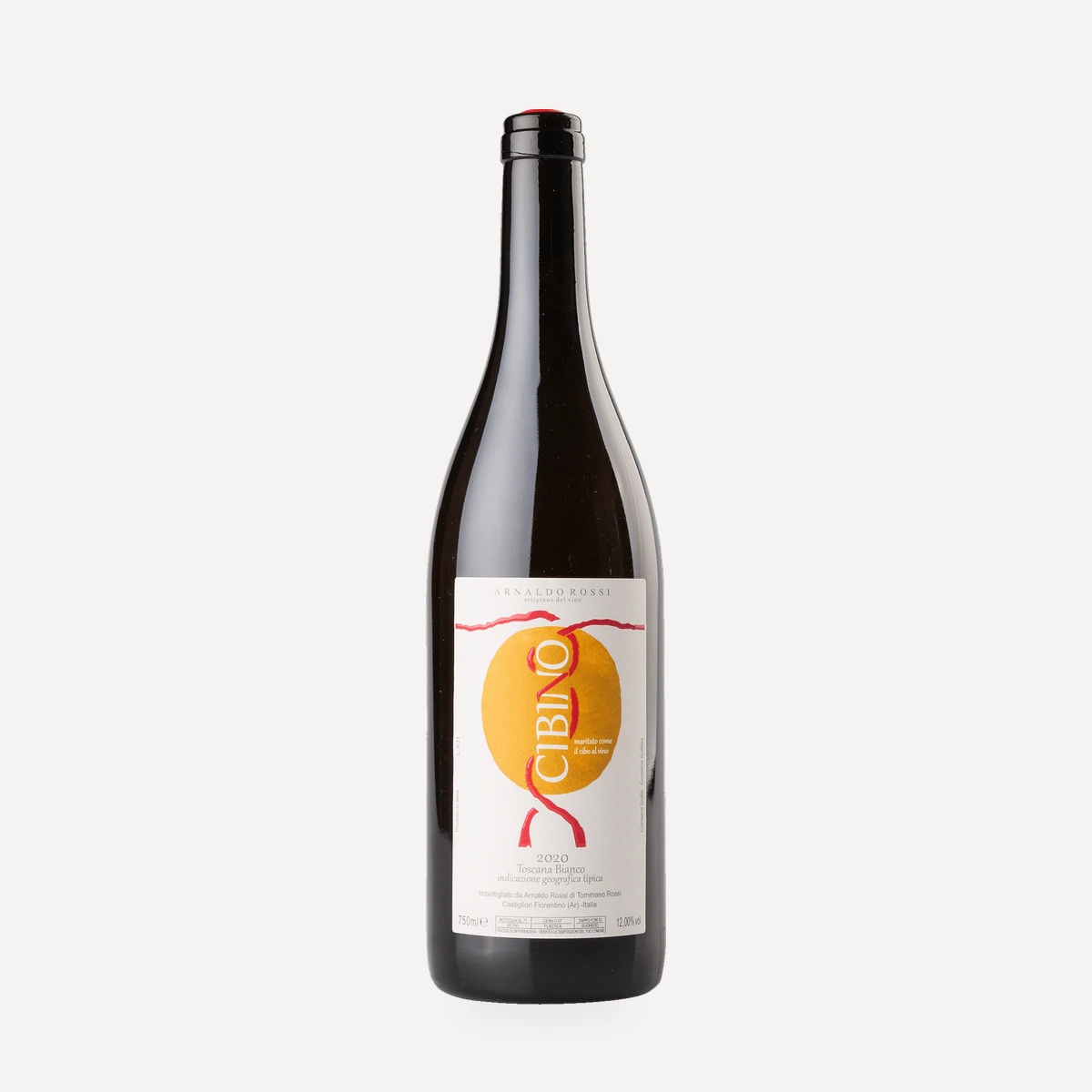
Cibino Toscana Bianco IGT
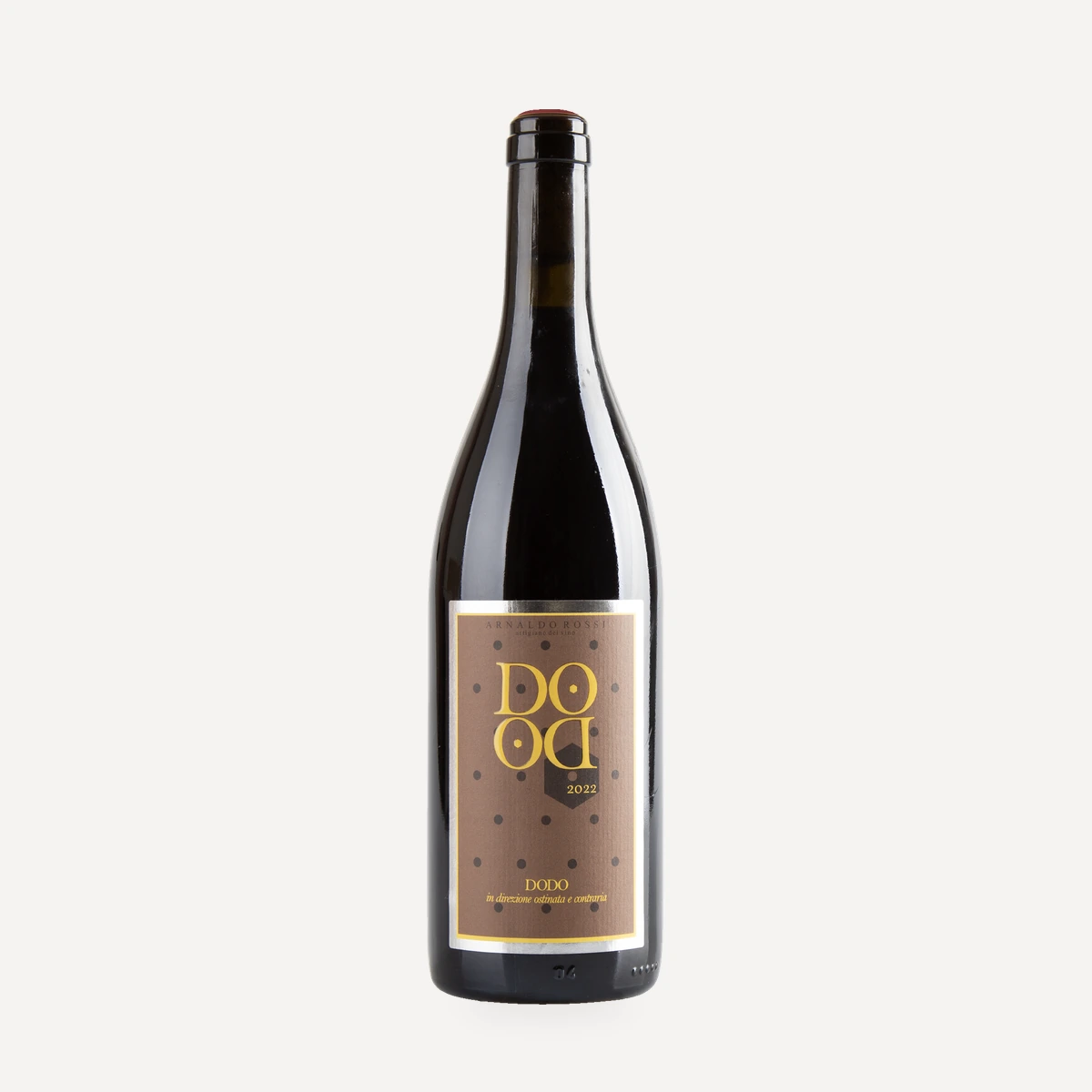
Dodo Toscana Sangiovese IGT
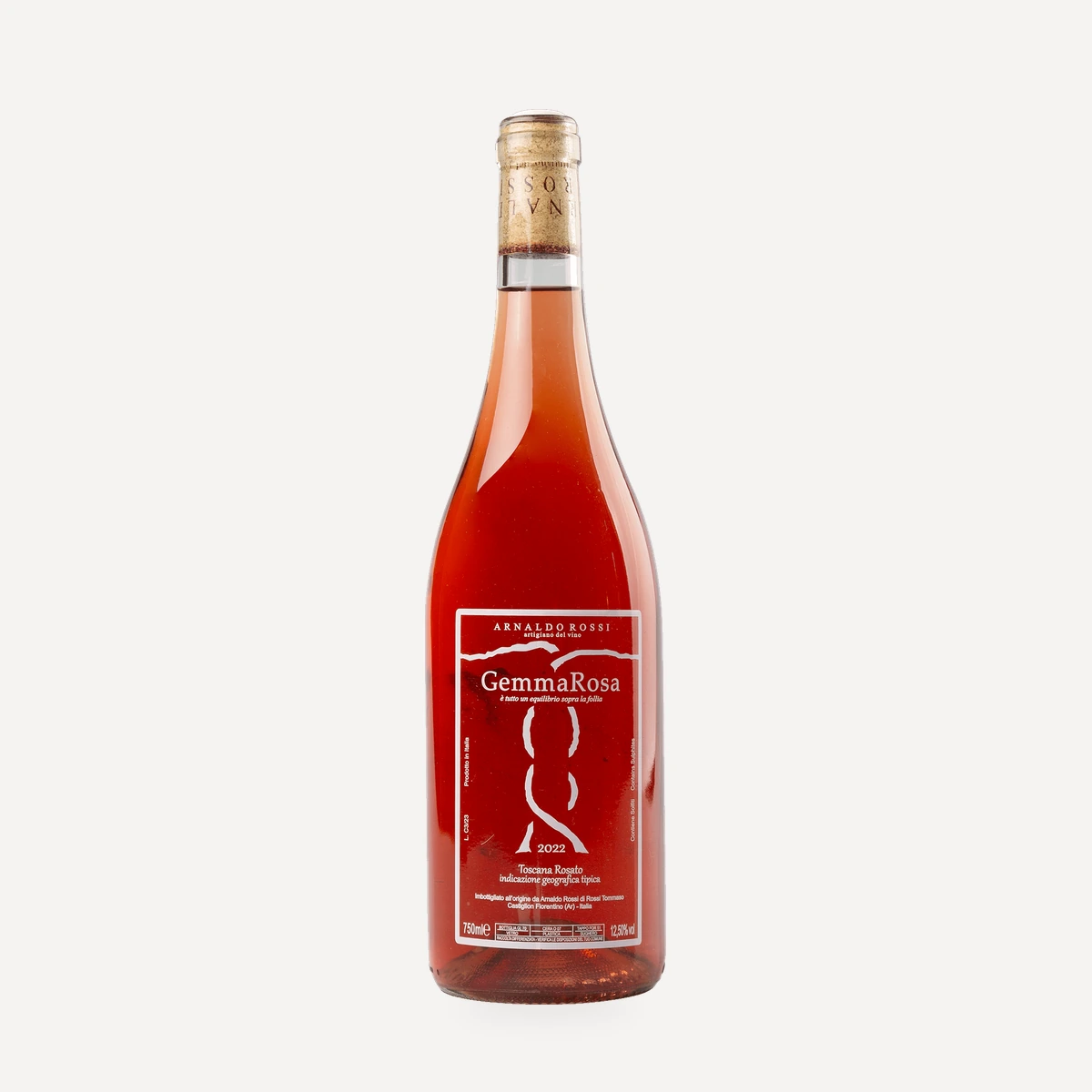
GemmaRosa Toscana Rosato IGT