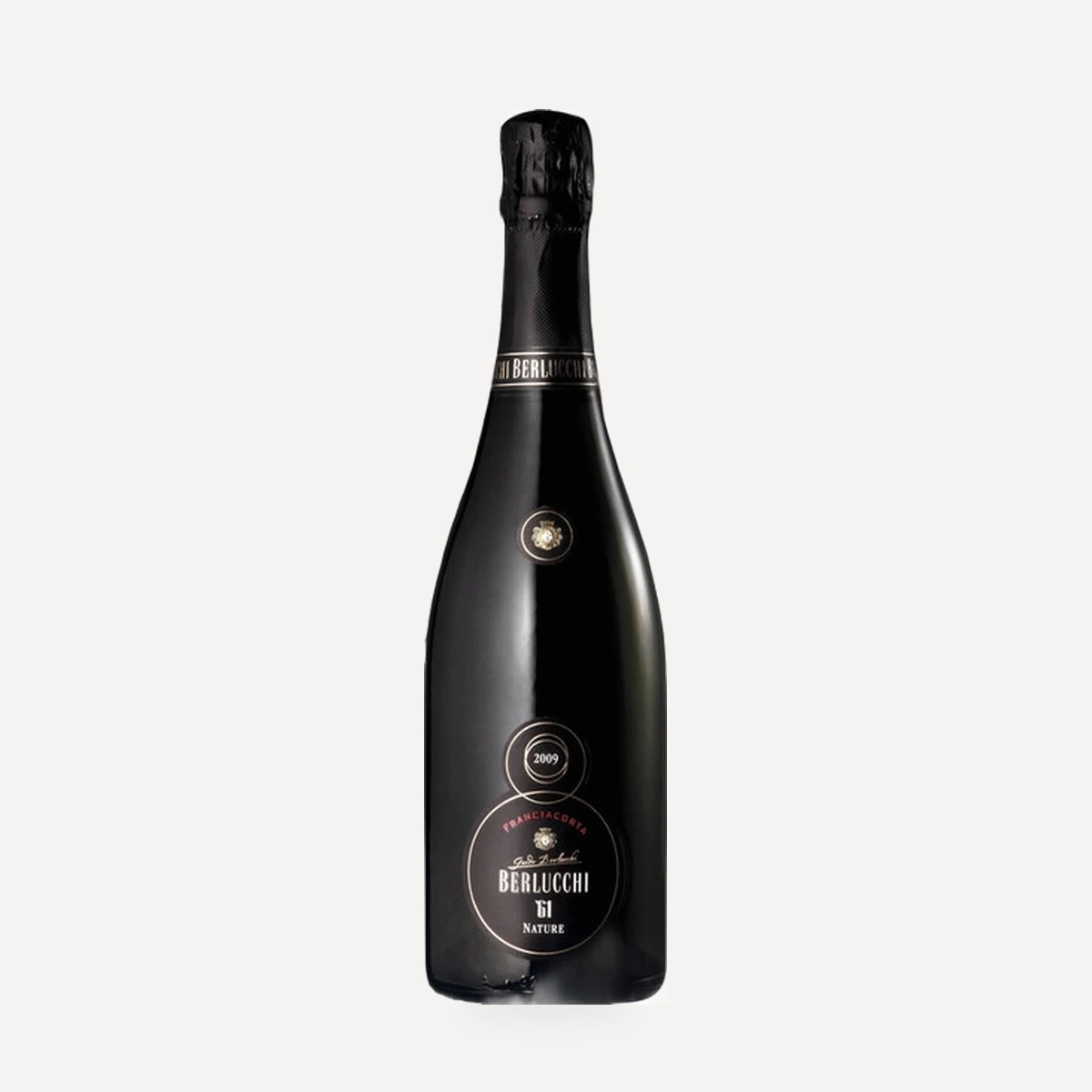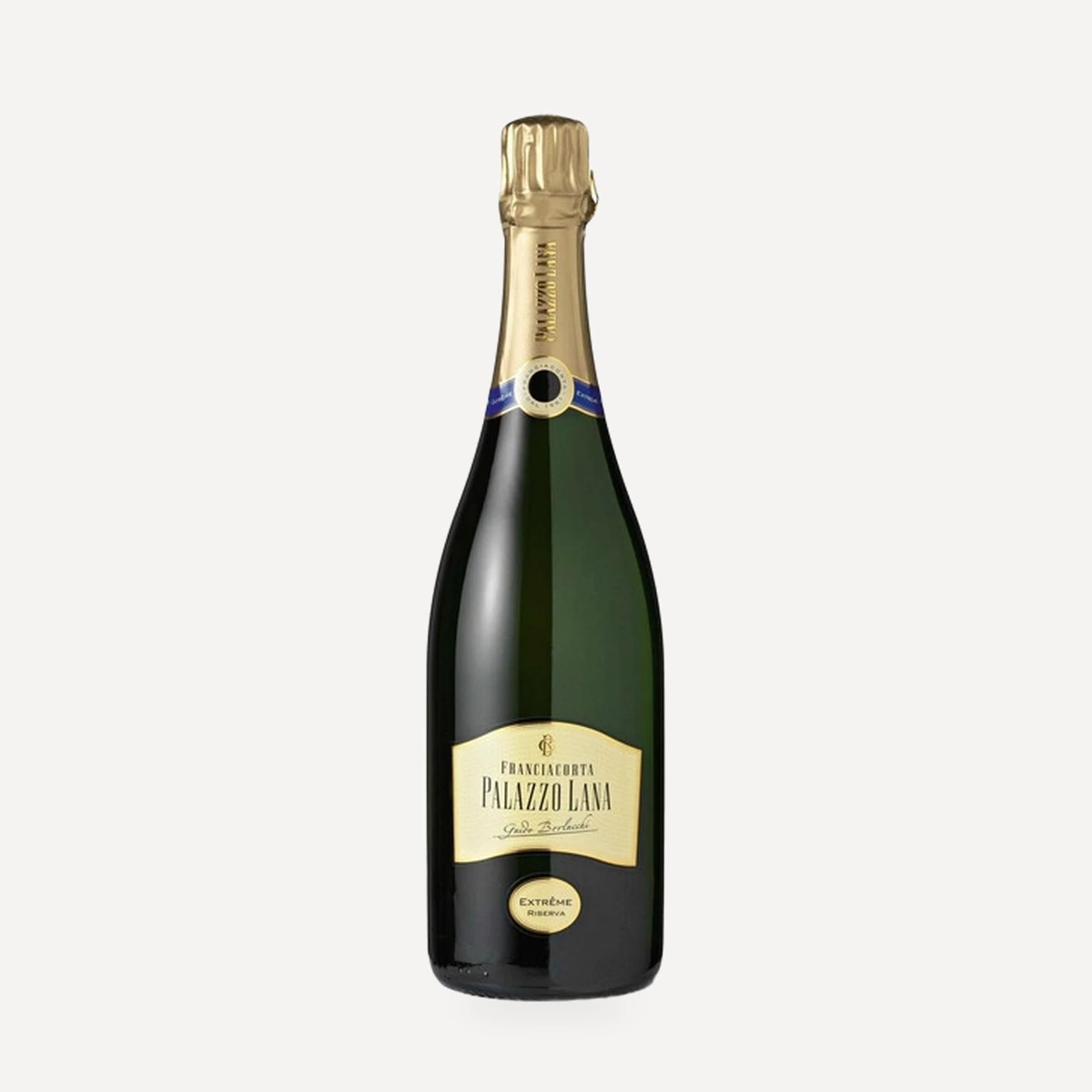
Questo vino
Vineyard and terroir
The Pinot Nero comes from two densely planted estate vineyards in Borgonato: the hillside Diecicipio vineyard and Brolo, which overlooks Palazzo Lana Berlucchi. Diecicipio occupies well-ventilated hills with morainic soils, where the grapes remain healthy and juicy, accumulate abundant sugar and avoid overripeness. Brolo is planted on a moraine of fluvio-glacial origin and produces fresh fruit with good acidity. Both sites are farmed using sustainable, environmentally considerate practices. The 2010 yield was 8,100 kg/ha.
Grapes
Diecicipio fruit forms the core of the blend and expresses the Pinot Nero style. The Brolo component contributes firmness, ageing capacity, vinous character and minerality.
Vinification
The 2010 grapes were harvested during the middle ten days of August at peak ripeness and in healthy condition. They were transported promptly to the winery in 18 kg crates, then loaded into inclined presses designed to press whole bunches gently and progressively while separating the juice immediately. Only the central fraction of the must was retained, with a pressing yield of no more than 28 L per 100 kg of grapes.
The must was cooled immediately to 10 °C and settled overnight in small tanks. Alcoholic fermentation took place in temperature-controlled stainless-steel vats. After fermentation, part of the wine from Brolo was transferred to oak barriques and kept on its lees for six months. The final blend was assembled on 18 April 2011. It was bottled with tirage liqueur on 7 June 2011 for the second fermentation.
Ageing
The wine spent at least ten years on its lees. It was disgorged on 10 June 2021, received its dosage liqueur and rested for at least another six months in the winery cellars.
Vintage notes
The vines began the 2010 growing season with rapid, even development. Cold, rainy conditions in May slowed their growth, and a very wet July delayed the season further relative to previous years. Despite these conditions, the fruit remained healthy and reached peak ripeness.
Label / history
The 2010 yield corresponded to a production of 3,024 bottles. The vintage received a silver medal at The Champagne & Sparkling Wine World Championships in 2022.