Storia
Ancient winegrowing roots and Palazzo Lana
Written records from the Benedictine community of Santa Giulia da Brescia document wine production in Franciacorta in the 8th century AD. Sparkling white wines were already being made in the area for a discerning clientele by the 13th century.
Palazzo Lana was built by the Lana de’ Terzi family over an earlier medieval structure during the 16th century and acquired its present form in the 17th century. Guido Berlucchi descended from this noble family. A portrait of Caterina Cornaro, Queen of Cyprus, commemorates her presence at the palace in 1495.
In 1670, Francesco Lana de Terzi conceived an airship intended to travel through the air with the lifting power of four vacuum-sealed copper spheres. Although technically unworkable, the design anticipated the principle of balloon flight by roughly a century.
The historic cellar was constructed beside Palazzo Lana in 1680 to mature the family’s still wines. Its principal stone vault lies 10 metres underground and maintains a temperature of approximately 10°C throughout the year.
In 1885, Count Lana opposed the construction of the coal-powered Brescia–Iseo railway. On the day the line opened, he rode his horse ahead of the train between stations to demonstrate what he considered its inefficiency.
The 1955 encounter
The modern company began in 1955 when Guido Berlucchi, already a wine producer, met the young oenologist Franco Ziliani at Palazzo Lana. Berlucchi wanted help correcting an unstable white wine. After answering his questions, Ziliani proposed something more ambitious: producing a traditional-method sparkling wine in the French manner. Guido Berlucchi accepted, and the pair joined forces with their friend Giorgio Lanciani. The three founded Guido Berlucchi in Borgonato.
Several unsuccessful experimental years followed. With the 1961 harvest, the partners finally sealed 3,000 bottles of Pinot di Franciacorta. The bottles were opened the following year and proved successful, establishing the first traditional-method sparkling wine made in Franciacorta.
In 1962, the cellars produced the first Franciacorta rosé. The area received DOC recognition in 1967, six years after the inaugural vintage.
Consolidation and the next generation
Arturo Ziliani joined the winemaking work in 1988, initially alongside his father Franco. He subsequently assumed overall responsibility for production.
The Consorzio Franciacorta was formally established in Corte Franca on 5 March 1990 and moved to Erbusco in 1993. Its origins lay in the transformation initiated by Guido Berlucchi and Franco Ziliani in the second half of the 1950s and by the first 3,000 bottles from 1961.
Franco Ziliani’s children Cristina, Arturo and Paolo later joined him in managing the company. They introduced the Berlucchi ’61, Berlucchi ’61 Nature and Palazzo Lana Riserva ranges and redirected the business toward comprehensive environmental and social sustainability.
Research, organic farming and sustainability
The Mille1Vigna programme began in 2006 with the participation of the Sata agronomy studio and the University of Milan’s Faculty of Agriculture. Vineyards were analysed and classified to connect the character of the wines with the corresponding soil types. Infrared aerial mapping was subsequently used to assess variations in fertility, guide selective fertilisation and stagger harvesting according to parcel conditions.
The estate vineyards obtained organic certification in July 2016, beginning with the 2016 harvest. Biopass analyses of soil biodiversity found biologically active soils, while weather stations, satellite imagery and vineyard mapping became part of routine monitoring.
The first corporate sustainability assessment covered the 2019 reporting year and examined more than two decades of environmental work. Its scope included soil-depletion countermeasures, reduced resource consumption, responses to climate change and research into the native Erbamat grape. The report was presented publicly in 2020.
Academia Berlucchi, conceived as a forum for dialogue about land, cultivation, food, art, architecture, circular economics and sustainability, held its first edition at Palazzo Lana in 2019.
Sixty years and a renewed identity
In 2021, Guido Berlucchi celebrated the 60th anniversary of the first Franciacorta. The programme marked the start of a new decade centred on quality, environmental and social sustainability, cultural activity and stronger recognition of the Berlucchi identity. Cristina, Arturo and Paolo Ziliani dedicated the anniversary to their father Franco, who turned 90 that year.
The Berlucchi ’61 identity was renewed in 2022 around the concept Numero Primo. The name treats 1961 both as the founding year of Franciacorta and as a prime number symbolising the inseparable relationship between the company and its territory.
In 2024, Berlucchi received recognition as a Marchio Storico d’Interesse Nazionale, a designation reserved for long-established Italian brands of national historical interest.
The sixth Sustainability Report, covering 2024 and published in 2025, recorded increased photovoltaic self-consumption, falling total carbon emissions and a higher proportion of waste sent for recycling. The company’s vineyard programme evolved into the Berlucchi Regenerative Viticulture Protocol, bringing together practices for soil protection, biodiversity, vine vitality and the welfare of participants throughout the supply chain.
At Vinitaly 2026, Berlucchi presented a 100% Erbamat experimental expression resulting from years of research. The project explores the native variety’s naturally high acidity and freshness as a response to climate change.
Terroir
Guido Berlucchi is based at Borgonato di Corte Franca, near the centre of the semicircle of morainic hills below the southern shore of Lake Iseo. The landscape was formed by the deposits of the Camuno glacier and consists of rolling rises and gentle depressions.
Franciacorta’s soils vary among sand, gravel, silt and clay, with well-drained morainic deposits rich in stones. The proximity of Lake Iseo moderates the continental climate, producing sunny but ventilated summers and winters without severe extremes. Cool air arriving from Val Camonica adds ventilation. Together, the lake and valley breezes support full grape ripening while preserving freshness.
Individual vineyards express distinct geological conditions. Arzelle occupies deep morainic soils and has a warm soil microclimate and an orientation conducive to even ripening. San Carlo and Rovere contain finer deposits that favour acidity and freshness. Ragnoli lies on fluvio-glacial formations associated with balanced fruit. Quindicipiò occupies a ventilated mid-hill site with light, shallow, pebble-rich morainic soil and east–west rows. Brolo stands on a moderately deep fluvio-glacial moraine.
The medieval name Franciacorta derives from francae curtes, lands exempt from duties following reclamation of marshy ground by Cluniac monks; it is unrelated to the Italian word for France.
Vinificazione
The estate vineyards have been certified organic since 2016 and are managed around the linked objectives of quality, lower yields and environmental resilience. The current framework is the Berlucchi Regenerative Viticulture Protocol, developed from decades of research to protect soils, reinforce biodiversity, sustain balanced vine vigour and safeguard participants throughout the supply chain.
Synthetic fertilisers are excluded. Soil fertility is maintained with manure, compost and recycled pruning material. Cover crops and companion plants improve soil structure, biological diversity and the vineyard microclimate. Mustard is specifically used for its deep roots, which loosen the ground and take up otherwise insoluble phosphorus; after cutting, its foliage becomes nutrient-rich compost.
The Mille1Vigna programme analyses and classifies vineyard soils and links their characteristics to wine profiles. Infrared aerial mapping and satellite imagery reveal differences in vine condition and fertility, enabling selective fertilisation and staggered harvesting. A network of weather stations monitors conditions in real time, and Biopass analyses track soil biodiversity.
High-density parcels reach 10,000 vines/ha. Training systems include Guyot and permanent spurred cordon. Detailed work on the Pinot Nero parcels includes manual pruning with a low bud load, canopy operations that improve exposure and reduce morning moisture, and strict fruit thinning; selected parcels may be reduced to four or five clusters per vine.
Harvesting is exclusively manual. Bunches are placed in small 18 kg cases to prevent crushing and are pressed within approximately three hours of picking. This preserves intact fruit and permits gentle pressing with effective separation of the must fractions.
Research addresses climate change through altered vineyard and cellar approaches and renewed attention to Erbamat. The native grape’s naturally high acidity and freshness are being studied as tools for maintaining balance in warmer conditions. Pollinator beehives are also installed in the vineyards as part of the biodiversity programme.
Harvest reception and pressing
Hand-picked bunches arrive in small cases and are separated by grape variety, vineyard of origin and ripening profile. Special presses apply pressure gradually and divide the juice into four fractions, each with different oenological characteristics. Rosé production may include contact between Pinot Nero juice and skins to extract colour and varietal aromas.
Clarification and first fermentation
Must clarification takes place by simple gravity: the juice remains still for 10–12 hours so that skin particles, pulp fragments and other suspended material settle. The clarified must is transferred to temperature-controlled stainless-steel vats or oak barrels for alcoholic fermentation. Low temperatures and selected yeast strains reduce the requirement for sulphites to well below 50% of the limit permitted under organic regulations. The selected strains include Saccharomyces bayanus chosen to preserve and enhance the grapes’ aromatic and flavour profile.
Assemblage
Lots remain separate through vinification. More than 150 base wines from different grapes, vineyards and, where appropriate, vintages are tasted before the final cuvées are assembled. The tasting panel begins its work in December and evaluates wines held in steel and oak. Reserve wines from previous years may be included to maintain stylistic continuity. Large-production cuvées can combine as many as 100 base wines, while the most selective Riserva assemblages may use only four to six.
Tirage and second fermentation
The selected cuvée receives a precisely measured addition of sugar and selected active yeast. It is bottled immediately under crown cap. The yeast consumes the sugar during the second fermentation, producing carbon dioxide and pressure of approximately six atmospheres.
Lees ageing
After the sugars have been consumed, bottles mature in the historic underground cellar without direct light. The environment remains near 10–14°C. Lees ageing runs from a minimum of 18 months to as long as ten years for the most extended Riserva programmes, refining both the sensory profile and the perlage.
Remuage and disgorgement
After ageing, each bottle is gradually inverted and rotated so that yeast sediment moves into a plastic bidule beneath the crown cap. Historic wooden pupitres have largely been replaced by automated equipment for safety and consistency; a traditional pupitre contains 120 bottle positions.
For disgorgement, the neck of the inverted bottle is immersed for about 15 minutes in a solution at approximately −25°C. The frozen sediment is expelled when the cap is removed. The small volume lost is replaced with a wine blend selected by the oenologist to complete the desired profile.
Final maturation
The bottle receives its permanent cork, wire cage, collar and label. It then rests for a further three months to one year so that the wine can recover its equilibrium after disgorgement before release.
Filosofia
Guido Berlucchi defines quality and sustainability as inseparable objectives: the goal is not maximum grape volume but smaller quantities of better fruit. Tradition is retained where it protects the vineyard or wine—manual harvest, organic soil inputs and patient bottle ageing—while mapping, satellite imaging, weather stations and soil-biodiversity analysis are used to make decisions more precise.
The company’s production philosophy treats each vineyard, grape lot and vintage as an individual component. Assemblage is understood as a creative but disciplined act requiring extensive tasting and detailed knowledge of more than 150 base wines. Reserve wines provide continuity, while parcel selection and long maturation preserve distinctions between the different ranges.
Sustainability is framed as a strategic responsibility encompassing the environment, employees, growers, cultural life and the wider Franciacorta community. The Ziliani family identifies soil quality, renewable energy, measurable greenhouse-gas reductions, education and cultural initiatives as complementary parts of the same programme.
The contemporary identity combines roots and innovation. Research into Erbamat, regenerative farming and climate-adaptation technology continues the experimental approach that produced the first Franciacorta in 1961. Territory is treated not only as a geographical origin but also as a cultural and emotional inheritance that guides future decisions.
Vini
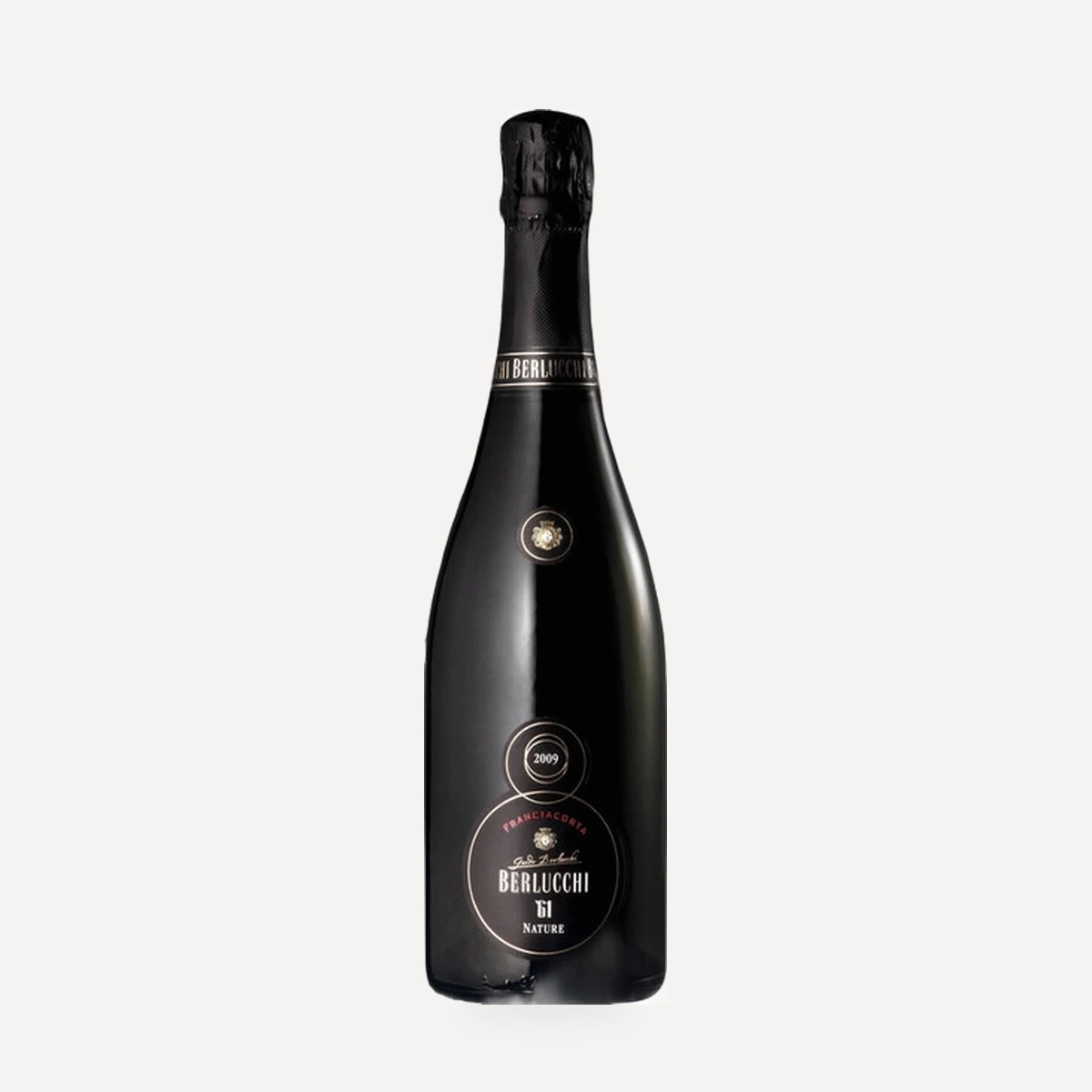
Berlucchi ’61 Nature
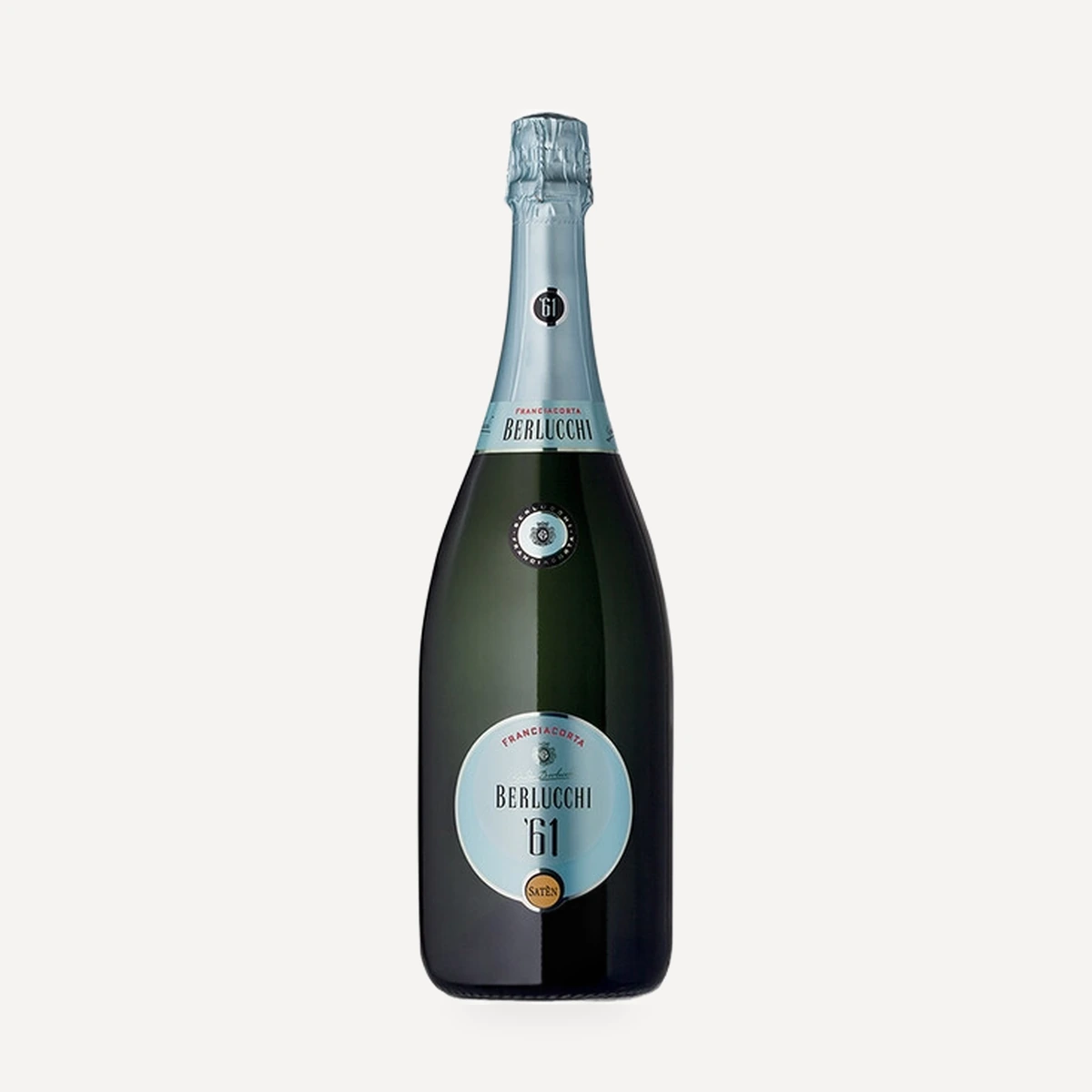
Berlucchi ’61 Satèn
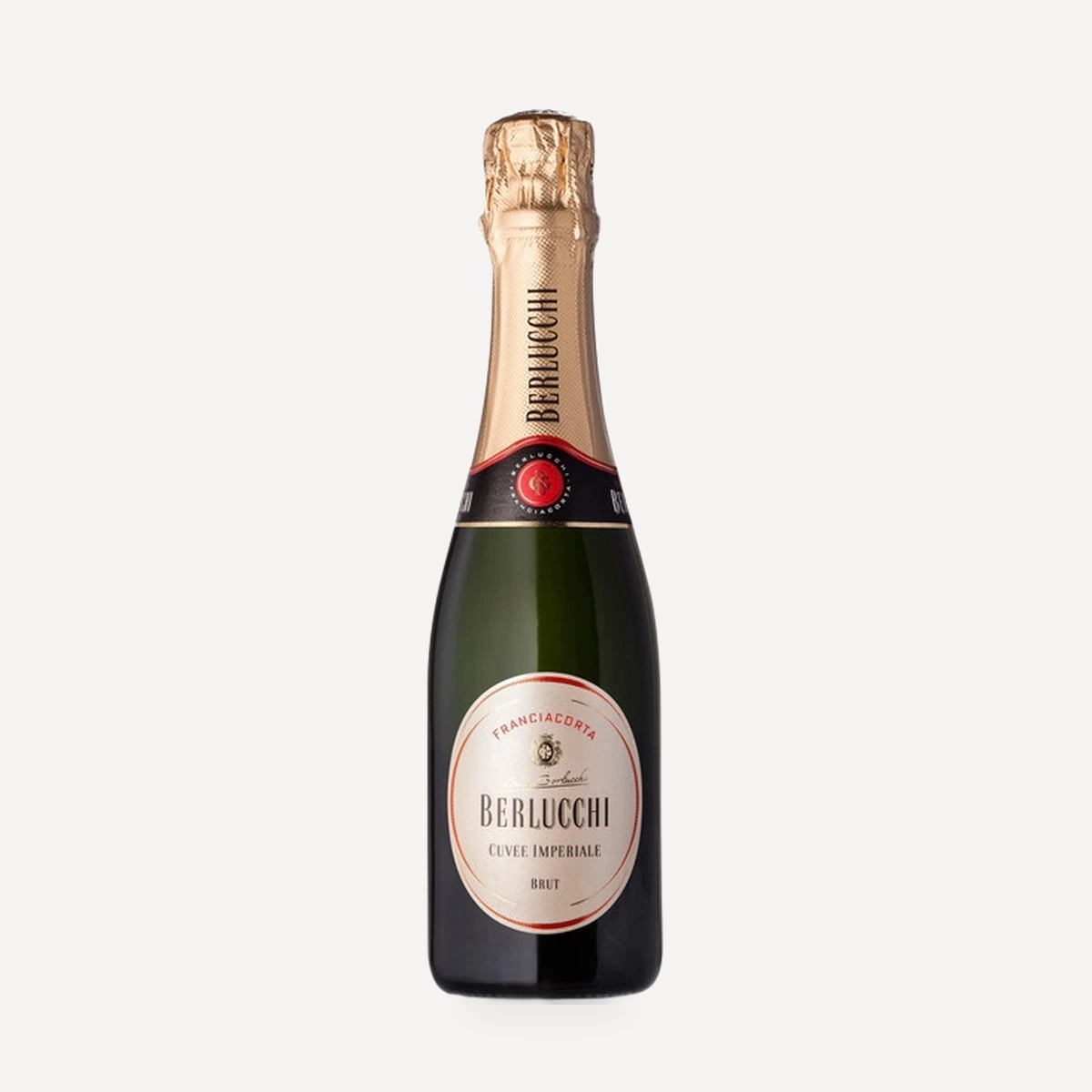
Cuvée Imperiale Brut
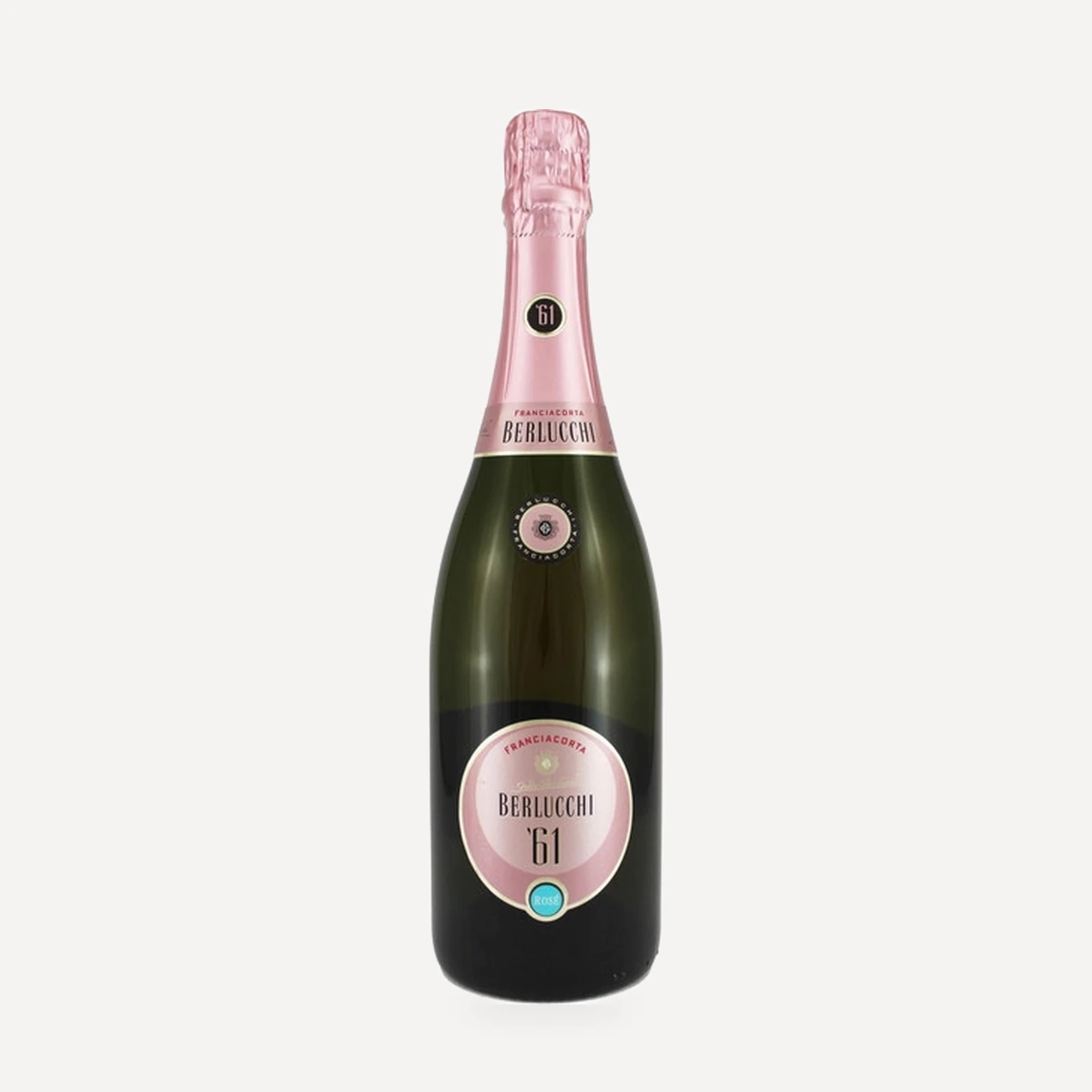
Berlucchi ’61 Rosé
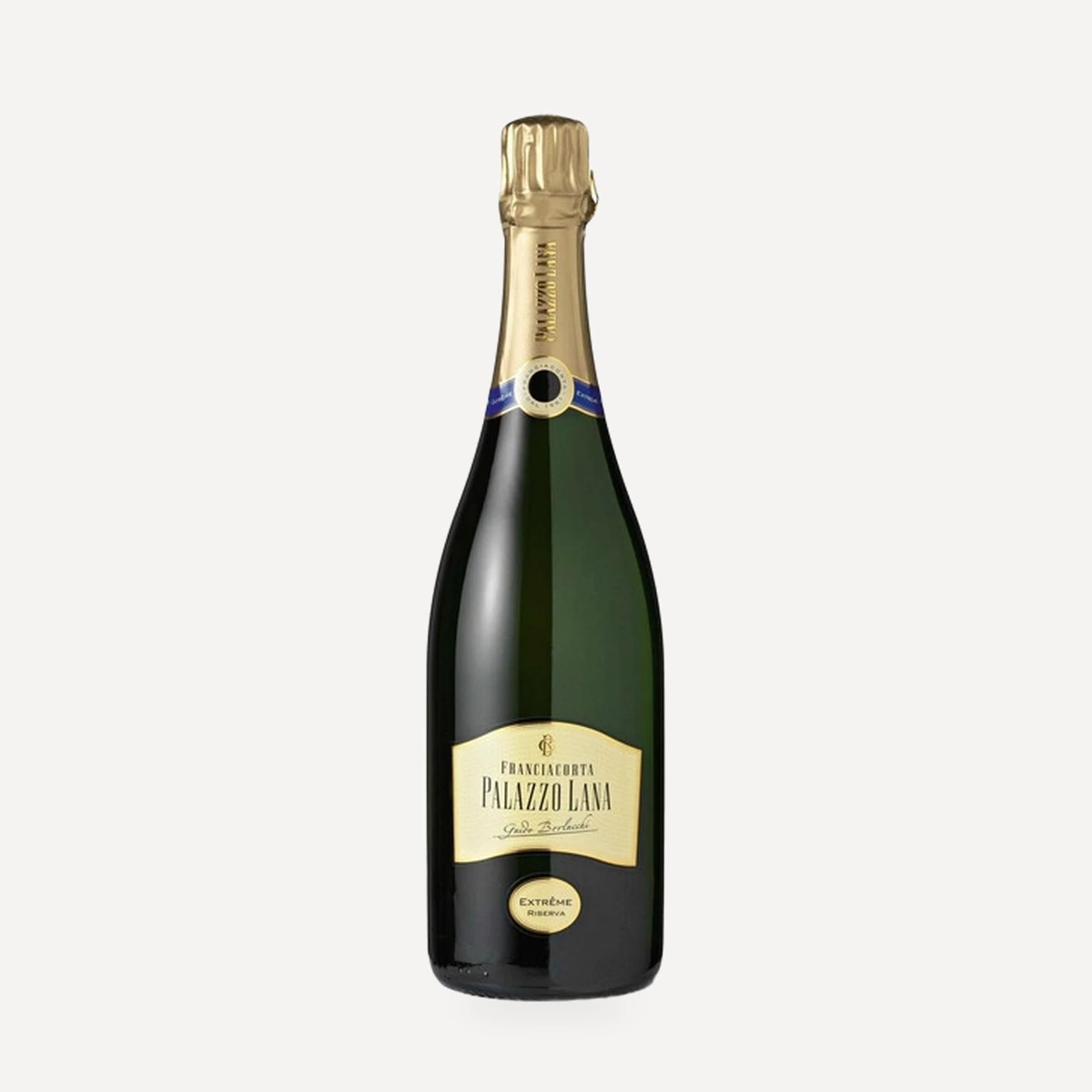
Palazzo Lana Extrême
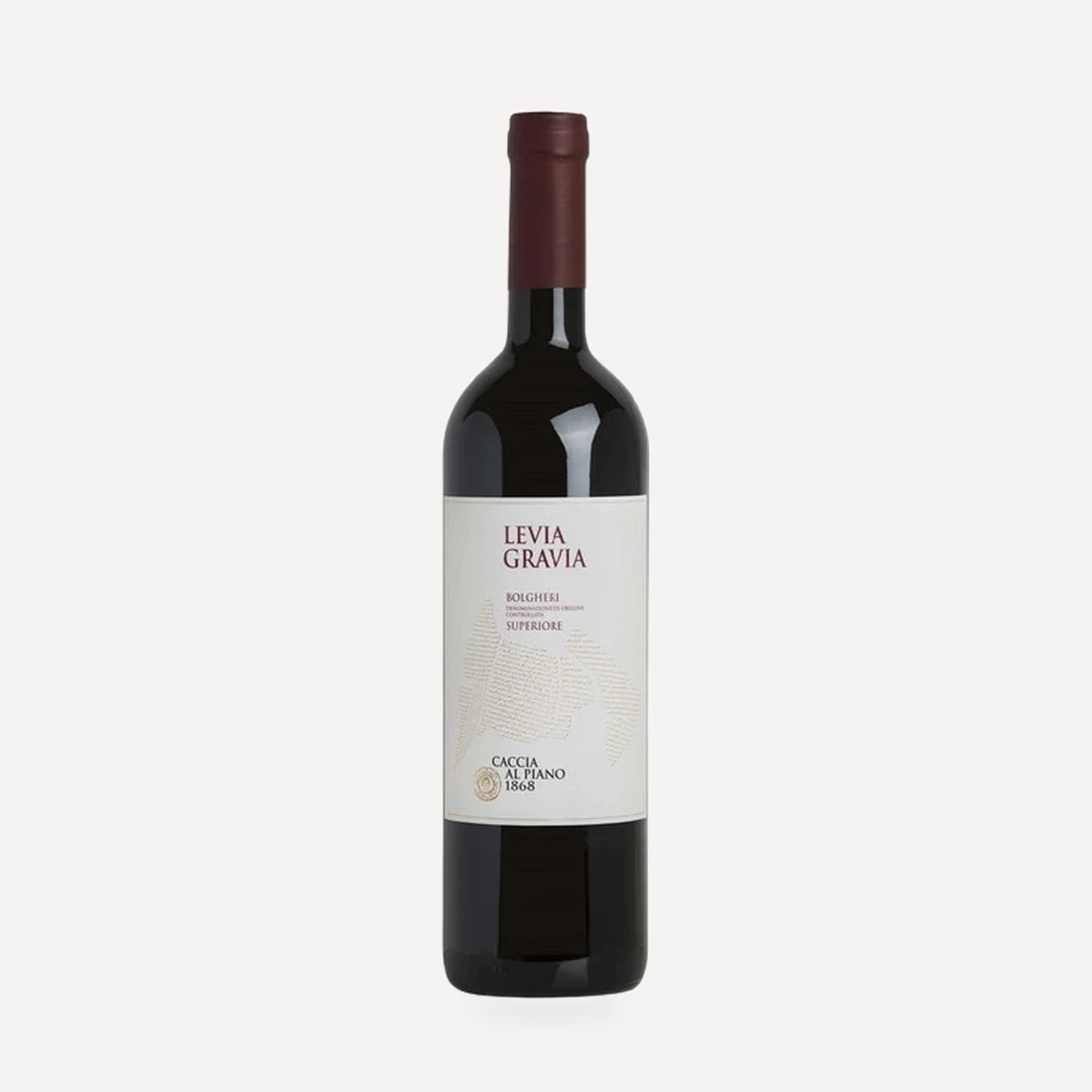
Levia Gravia Bolgheri Superiore DOC
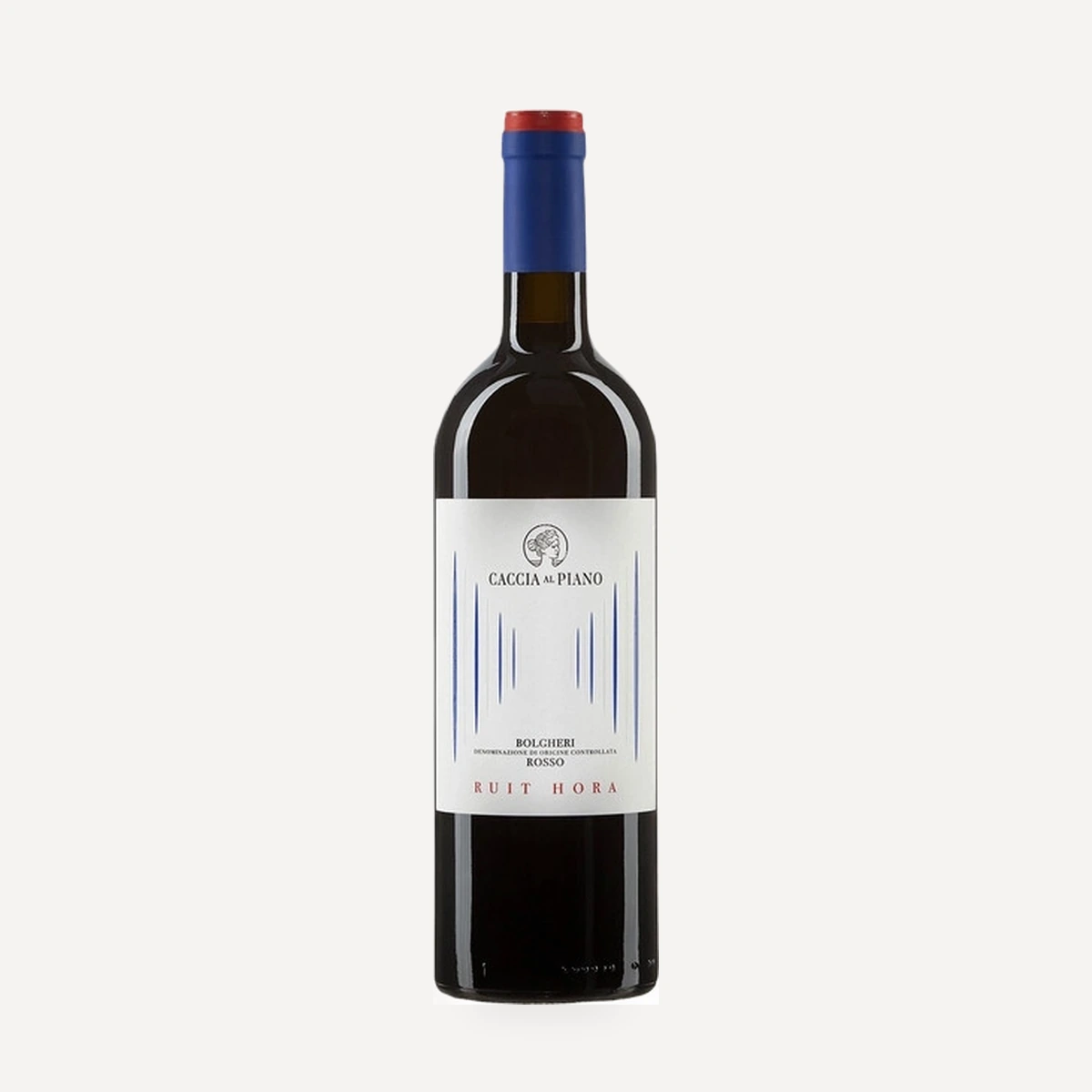
Ruit Hora Bolgheri DOC
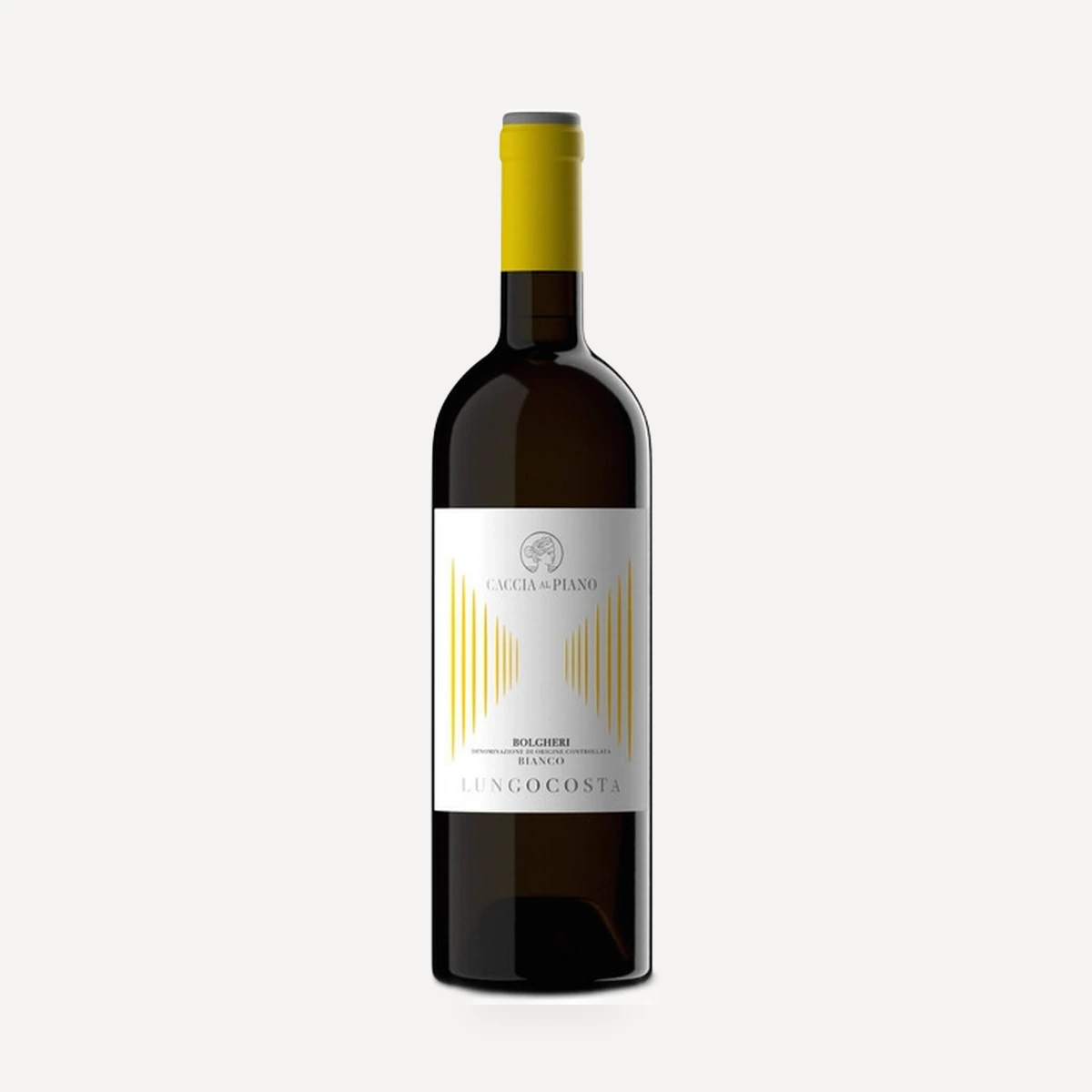
Lungocosta Bolgheri Bianco DOC
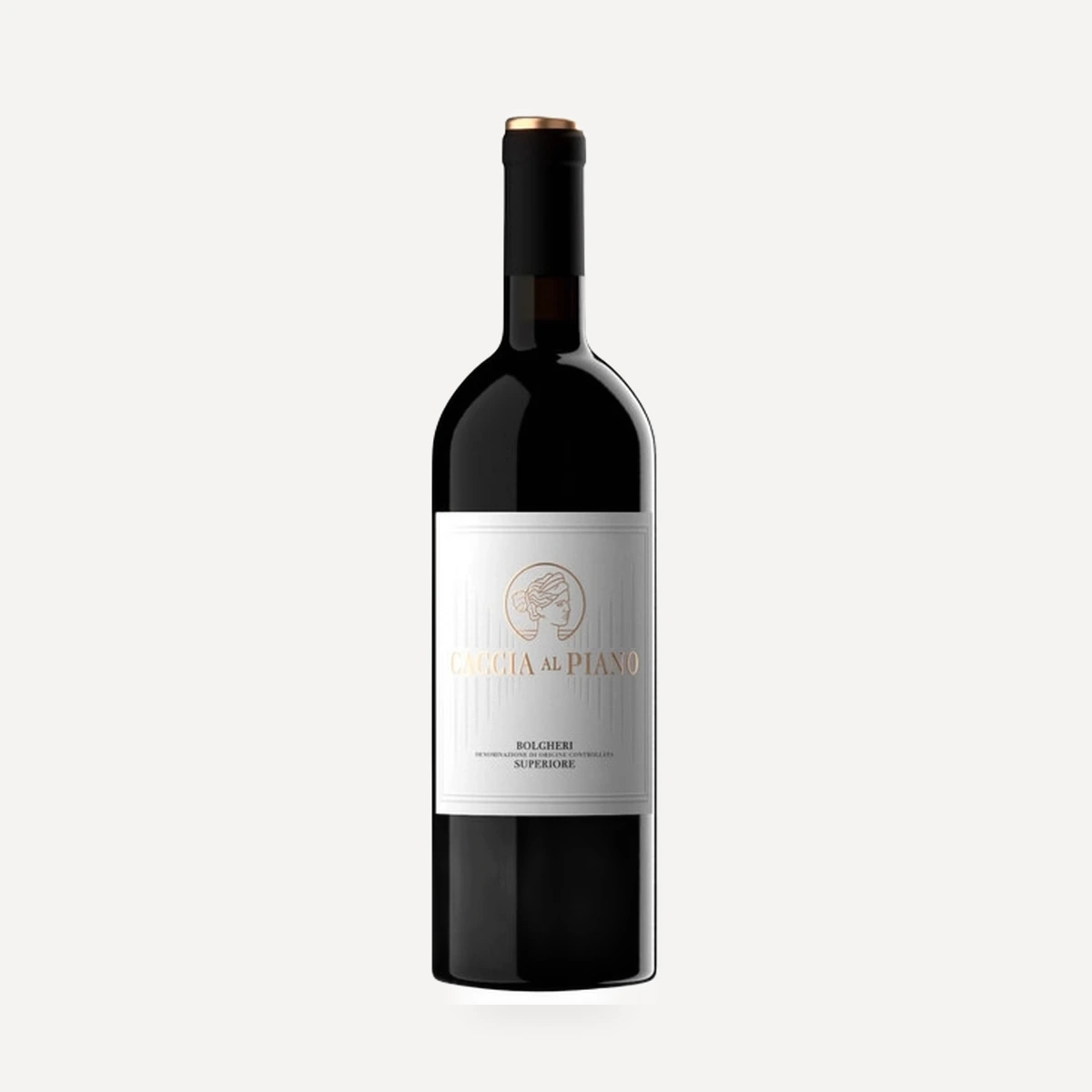
Bolgheri Superiore DOC
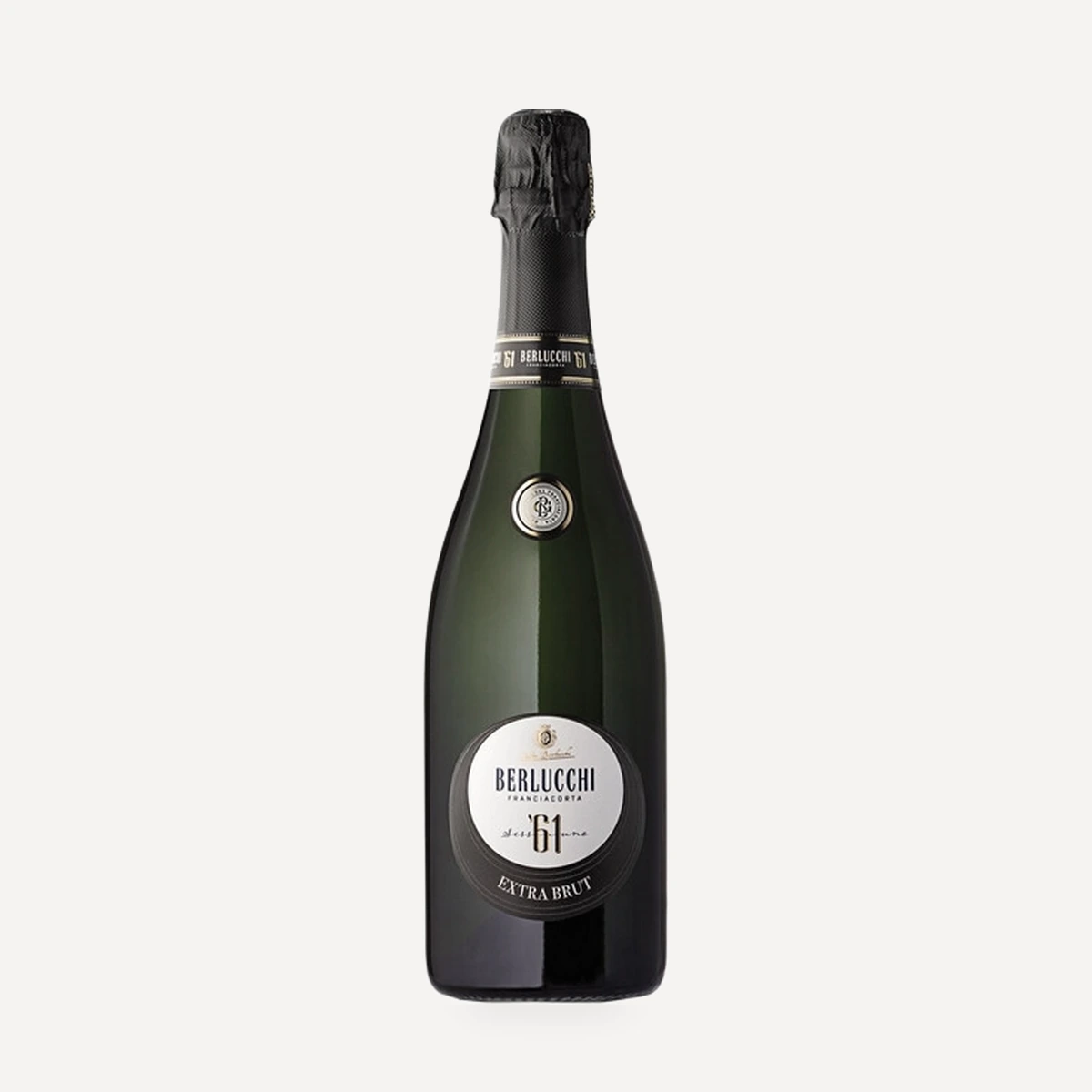
Berlucchi ’61 Extra Brut
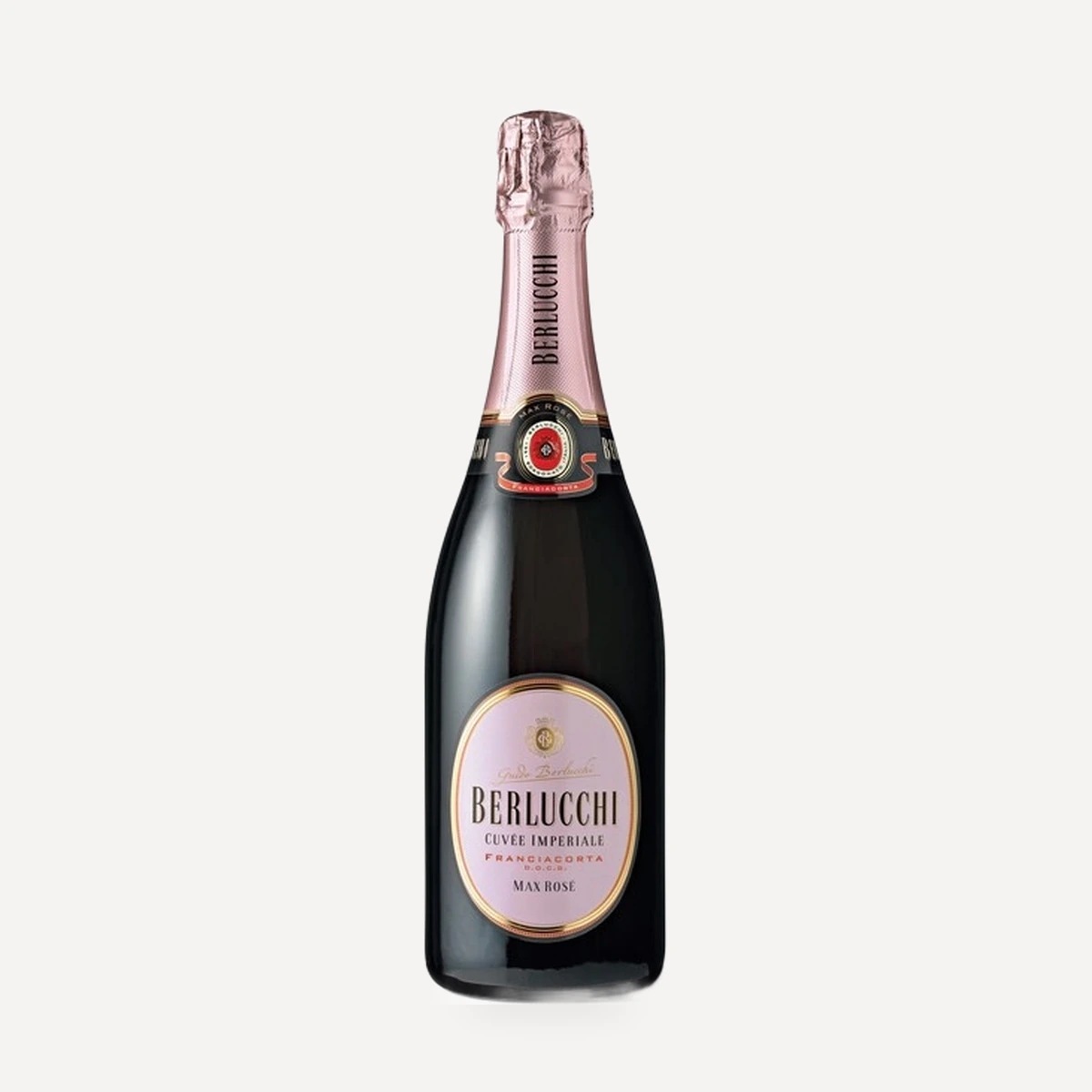
Cuvée Imperiale Max Rosé
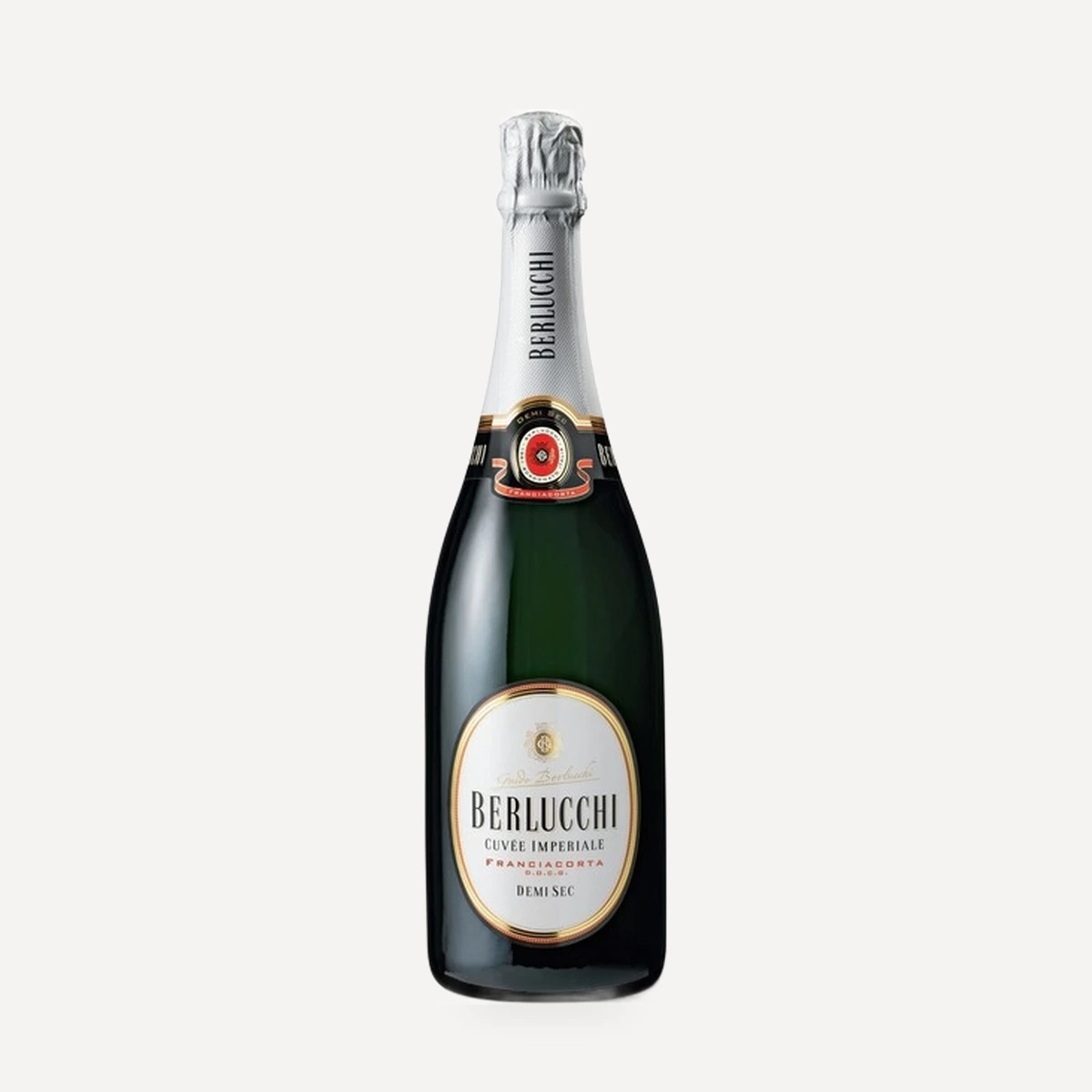
Cuvée Imperiale Demi Sec
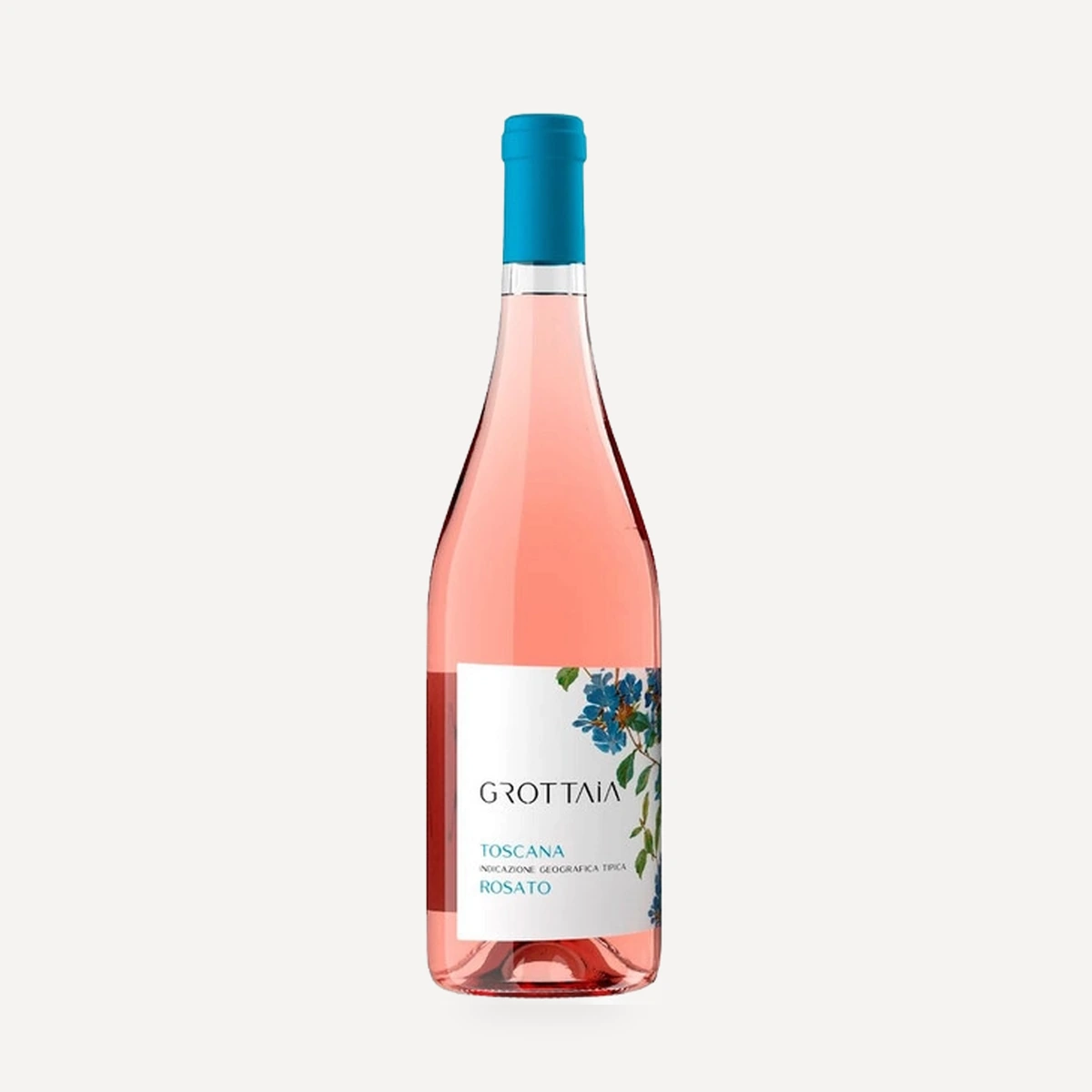
Grottaia Rosato Toscana IGT
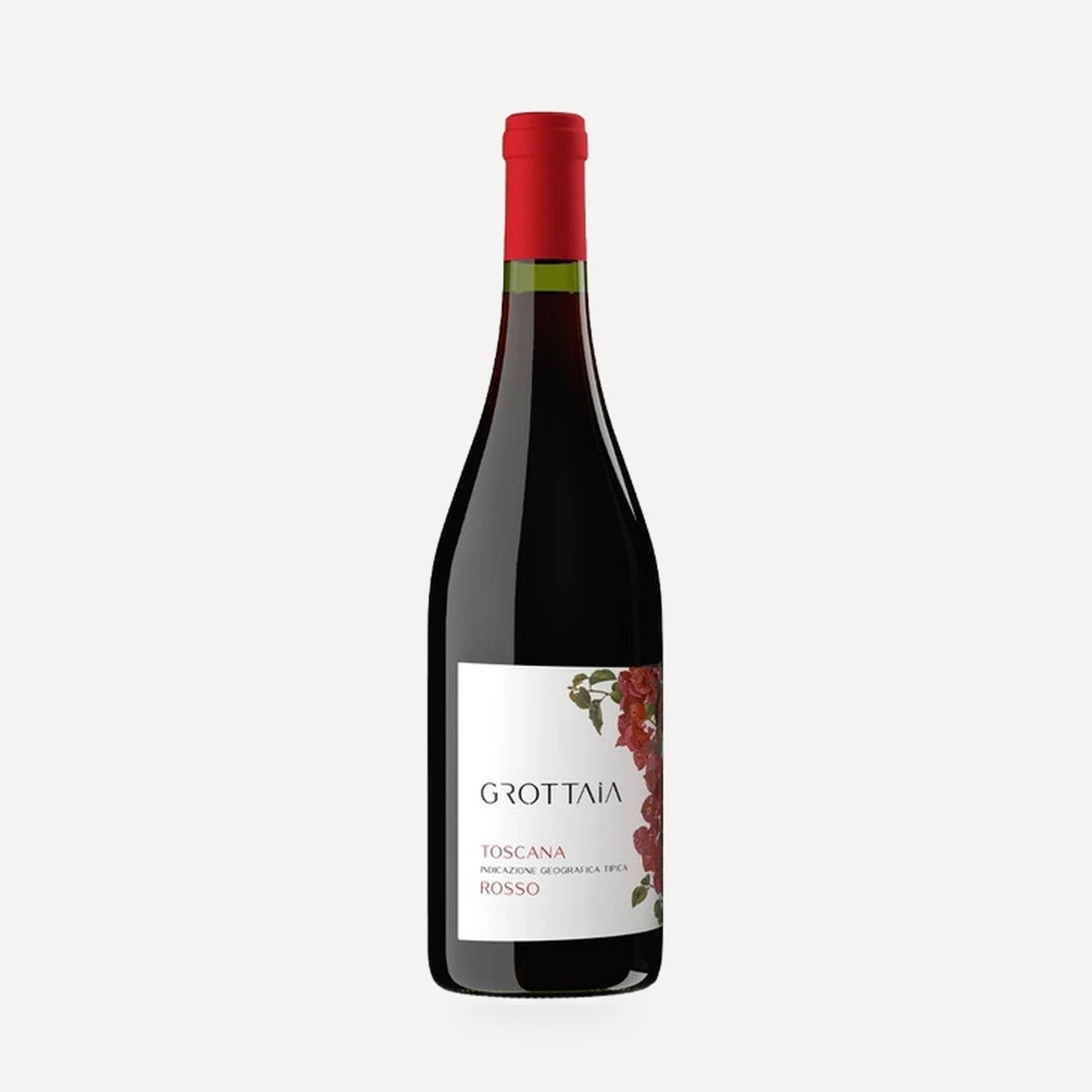
Grottaia Rosso Toscana IGT