Storia
Family origins and Montepulciano
In 1909, Jean Bindella—grandfather of the estate’s founder—established a wine business after becoming one of the first merchants to import Chianti into Switzerland. He initially transported demijohns with two horses and later helped introduce the Tuscan fiasco to the Swiss market. Italian immigration created a clientele seeking wines from home, and the Bindella family subsequently developed long-standing ties to Italian wine and culture.
Jean’s grandson, Rudi Bindella Sr., expanded the family activity through the import and distribution of Italian products and the opening of restaurants in important Swiss locations. While studying in Italy during the 1970s, he became attached to Tuscany and Montepulciano and decided to establish his own wine estate there.
Montepulciano’s wine culture forms the historical setting: its role in Tuscan wine commerce is traced to the Etruscan period, with later references associated with Tito Livio, Poliziano, Voltaire, Alexandre Dumas and Thomas Jefferson. Vino Nobile di Montepulciano received DOC status in 1960 and DOCG status in 1980.
1983–1988: establishment of Vallocaia
In 1983, Rudi Bindella Sr. acquired Vallocaia in Argiano, within the historic production area of Montepulciano. The property comprised approximately 2.5 hectares of vines, dilapidated buildings and little more than a ruin. He saw the site as an opportunity to express the value of Montepulciano while balancing land, people and enterprise.
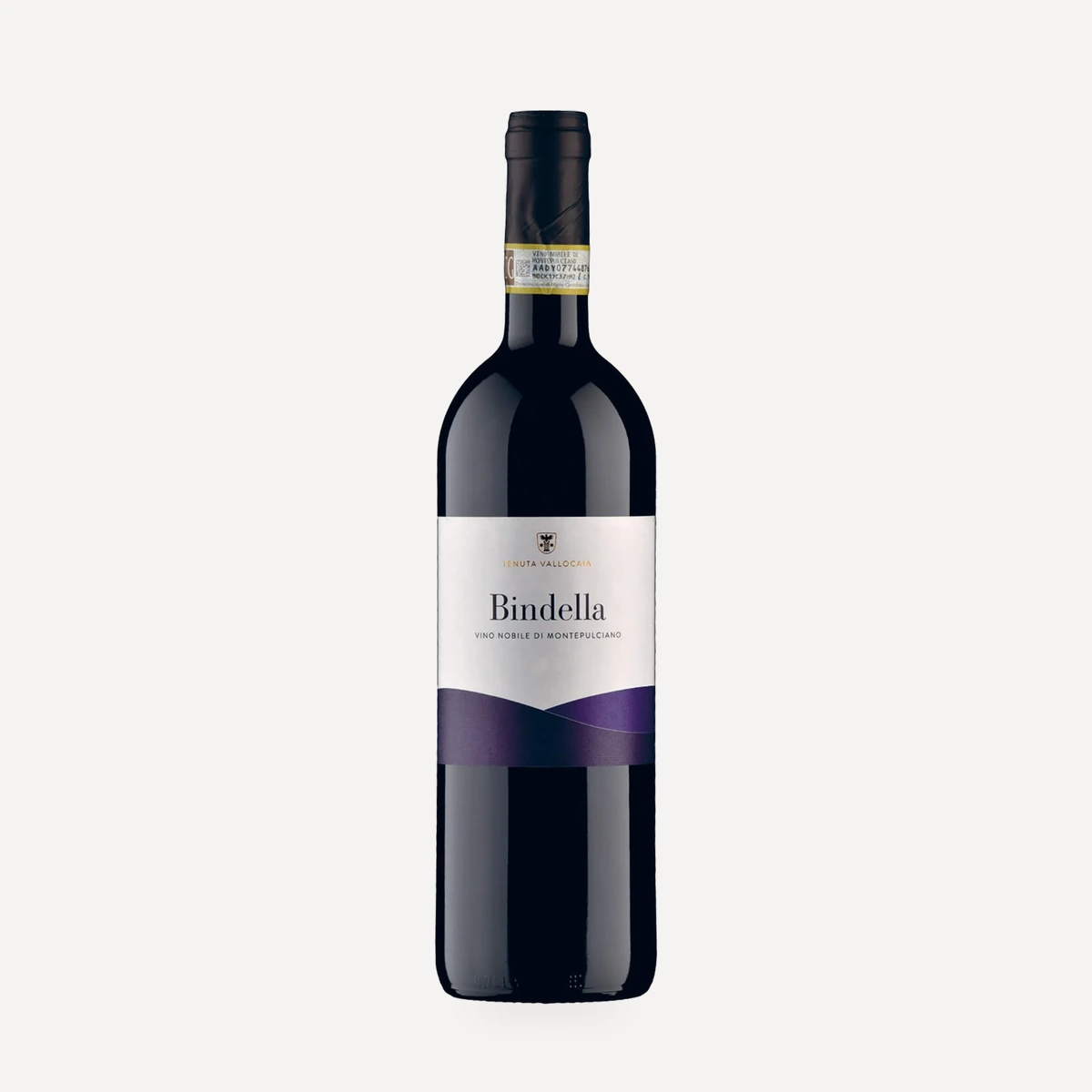
Santa Maria, below Sanguineto, was added in 1985. In 1986, a contemporary cellar was built, while neighbouring olive groves and woodland were acquired to diversify agricultural production and strengthen biodiversity. The first Bindella Vino Nobile di Montepulciano, from the 1985 harvest, reached the market in 1988.
1993–2008: new vineyards and wines
Dolce Sinfonia joined the range in 1993, continuing the local tradition of making Vin Santo from dried white grapes. In 1999, Bindella acquired the Fossolupaio vineyards near Paterno; earlier consolidation had brought the vineyard area to 27 hectares. That same year, Giovanni Capuano joined the estate, sharing Rudi Bindella’s production philosophy and subsequently becoming its director and technical leader.
Rosso di Montepulciano Fossolupaio was introduced in 2001. In 2003, the estate released I Quadri 2000, a single-vineyard Vino Nobile made solely from Sangiovese. The first Sauvignon Blanc vineyard was planted at Vallocaia in 2004—an uncommon choice locally at the time—and the first Gemella Sauvignon Blanc, from the 2007 vintage, was released in 2008.
2010–2014: Camparone and the Riserva
Camparone, in the Cervognano area, was acquired in 2010. The site was valued in part for its abundant groundwater. At that point, the estate covered 127 hectares, including 38 hectares of vines and 12 hectares of olive groves. In 2014, Vallocaia 2010 was presented as the first Vino Nobile di Montepulciano Riserva assembled from the best vineyards at Vallocaia.
2015–2021: a new cellar and hospitality centre
Construction of a new underground cellar began in 2015 because the 1986 facility no longer met the estate’s quality and operational requirements. The project also envisaged a visitor terrace, tasting room and hospitality centre. The cellar was designed as both an efficient production workshop and a place for wine, food, art and social exchange, using contemporary energy-efficiency technologies while remaining integrated into the landscape.
Construction was completed in 2018, and that year’s harvest was the first processed in the new facility. The cellar accommodated vinification, maturation and packaging, while the 2017 Gemella Rosato also reached the market in 2018. Casalte was acquired in 2019, adding the estate’s highest vineyards, on lean clay-rich soils at approximately 400 metres. Work on the new hospitality centre began in 2020. The Vinoteca and Cucina di Vallocaia opened to guests in 2021.
2023–2024: forty years and generational continuity
Tenuta Vallocaia celebrated its fortieth anniversary in 2023. The anniversary gathering also marked the handover from founder Rudi Bindella Sr. to his son, likewise named Rudi. By then, the estate had expanded through successive acquisitions of vineyards, olive groves and woodland. It also supported the development of the Vino Nobile zoning system known as Le Pievi. Use of Pieve names became possible from the 2021 vintage, with the corresponding wines scheduled to enter the market from 2025.
In 2024, the estate introduced a redesigned visual identity after four decades. The labels adopted a silhouette of the hills surrounding the cellar and the handwritten Vallocaia name by Rudi Bindella, connecting the new presentation to the family identity and the preceding renewal of the winery and hospitality spaces.
Terroir
Bindella’s vineyards occupy a series of sites around Montepulciano overlooking the Val di Chiana. The estate works across four production zones, or Pievi: Sant’Ilario for Vallocaia, Cervognano for Camparone, Sant’Albino for Casalte and Cerliana for Santa Maria. Fossolupaio lies near Paterno.
The holdings have different geological origins, morphologies, soils and microclimates. Vallocaia is a sandy, variably coloured hill at 260–320 metres. Camparone adjoins it but contains more clay, producing smaller and more concentrated bunches. Casalte occupies a plateau averaging 400 metres, with clay- and limestone-rich soils; it is the estate’s latest-ripening Sangiovese site. Santa Maria lies at 340–365 metres on uniform grey loamy-clay soil.
These contrasts are central to Bindella’s approach to Sangiovese. Vallocaia is associated with finesse, elegance and complexity; Casalte combines acidity, body, aromatic complexity and ageing potential; Santa Maria produces richly extracted, structured wines with a dense, close-knit tannic profile. Differences among the four Pievi influence aroma, acidity, polyphenols, concentration and body.
The vineyard landscape is deliberately fragmented into relatively small blocks. Vines are surrounded by hedges, embankments, woodland, olive groves and arable land. This mosaic supports biodiversity and improves water management, while the groundwater resources of Camparone were an additional attraction when the site was acquired.
Vinificazione
Vineyard work is directed toward healthy, fully mature fruit without forcing the plants. The estate seeks to make vines more resistant to adversity and to preserve the character of each site rather than impose uniformity.
Small vineyards are maintained with complete or partial grass cover and are bordered by hedges and embankments. Woodland, olive groves and arable fields interrupt the vineyard blocks, forming an agricultural mosaic intended to strengthen biodiversity and improve water management. Spontaneous vegetation is retained on at least 50% of the vineyard and olive-grove area. This limits erosion, increases soil organic matter and reduces fuel use because mowing consumes less energy than repeated soil cultivation.
Harvesting is manual and differentiated by vineyard. Individual parcels may be picked more than once so that grapes can be collected at the desired maturity, after which lots are vinified separately. The site-specific approach is particularly important for Sangiovese across the four Pievi.
High-efficiency tractors provide improved ergonomics for vineyard workers and consume approximately 20% less diesel than older models. Olive harvesting is also manual; the Vallocaia oil selection is picked especially early and milled cold within 12 hours, while the broader Bindella selection is milled cold within two days.
Bindella interprets Montepulciano’s local traditions through a contemporary production system. Healthy, fully mature bunches enter a simple but rigorous transformation designed to avoid unnecessary manipulation. Heat, cold and gravity are used as working tools, while maturation is given time and calm. Manual harvests are separated by vineyard and may involve several passes through the same parcel; the resulting lots are vinified separately to preserve vintage and site differences.
The underground cellar begun in 2015 and first used for the 2018 harvest was conceived for vinification, maturation and packaging. Its layout allows close control of individual operations while integrating energy-saving technology. Barrels, large casks and tonneaux are visible in the maturation areas, and a dedicated archive holds selected bottles intended to become the Riserva Storica of notable vintages.
The building is compartmentalized according to the temperature requirements of each activity. Insulated walls and connecting corridors separate the zones, while stainless-steel storage tanks are themselves insulated against temperature fluctuations. A 145 kWp photovoltaic installation supplies the cellar’s daytime energy requirement. Solar thermal tubes heat water for insulated storage tanks.
Cellar wastewater is first settled and then transferred to sealed phytoremediation basins. Aquatic plants and bacteria around their roots break down pollutants with lower energy demand and carbon emissions than conventional purification systems. Since 2008, the estate has used 500 g bottles to reduce emissions associated with glass production and transport.
Vin Santo production begins with grape drying in the Vinsantaia. The must is subsequently transferred to small caratelli for long, slow maturation. Once the wine cycle is complete, fresh pomace is sent promptly for slow distillation; the resulting grappa matures in small wooden barrels.
Filosofia
Bindella’s stated aim is to make wines with character and a strong territorial identity, capable of expressing both terroir and vintage. Its work rests on native origins, reliability, continuity, attachment to nature, tradition, classicism and the pursuit of balance.
The estate presents itself as a manageable, human-scale property: neither small nor large, but a place made by the people who live and work there. Vineyard and cellar are treated as a continuum. Avoiding forced growth in the vines is matched by avoiding unnecessary manipulation of wine; manual selection, separate vinification and time replace corrective intervention wherever possible.
Local Montepulciano traditions are retained but reinterpreted with contemporary equipment, architecture and knowledge. Experimentation—including the early decision to plant Sauvignon Blanc—is compatible with this framework when it helps explore the land’s potential. The four Pievi provide a means of respecting and communicating the differences among Montepulciano’s soils and microclimates.
Rudi Bindella defines sustainability as acting with respect, care and balance, working from solid foundations and thinking over the long term. This applies to land, energy, buildings and human relationships. Hospitality, food and art are not treated as separate embellishments: they are intended to influence the people working in and visiting the estate and to connect its wines with the beauty of the surrounding landscape.
Vini
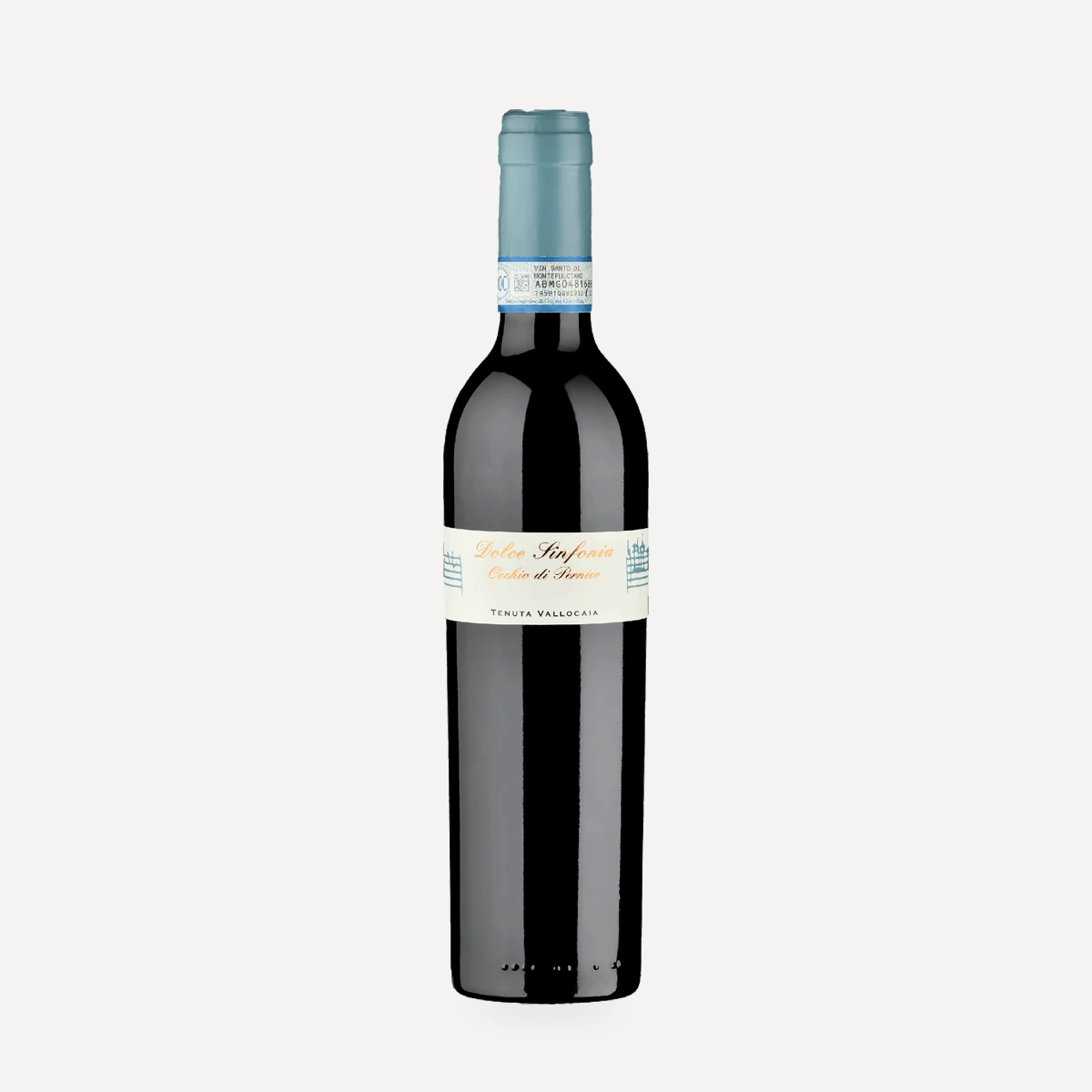
Dolce Sinfonia Occhio di Pernice
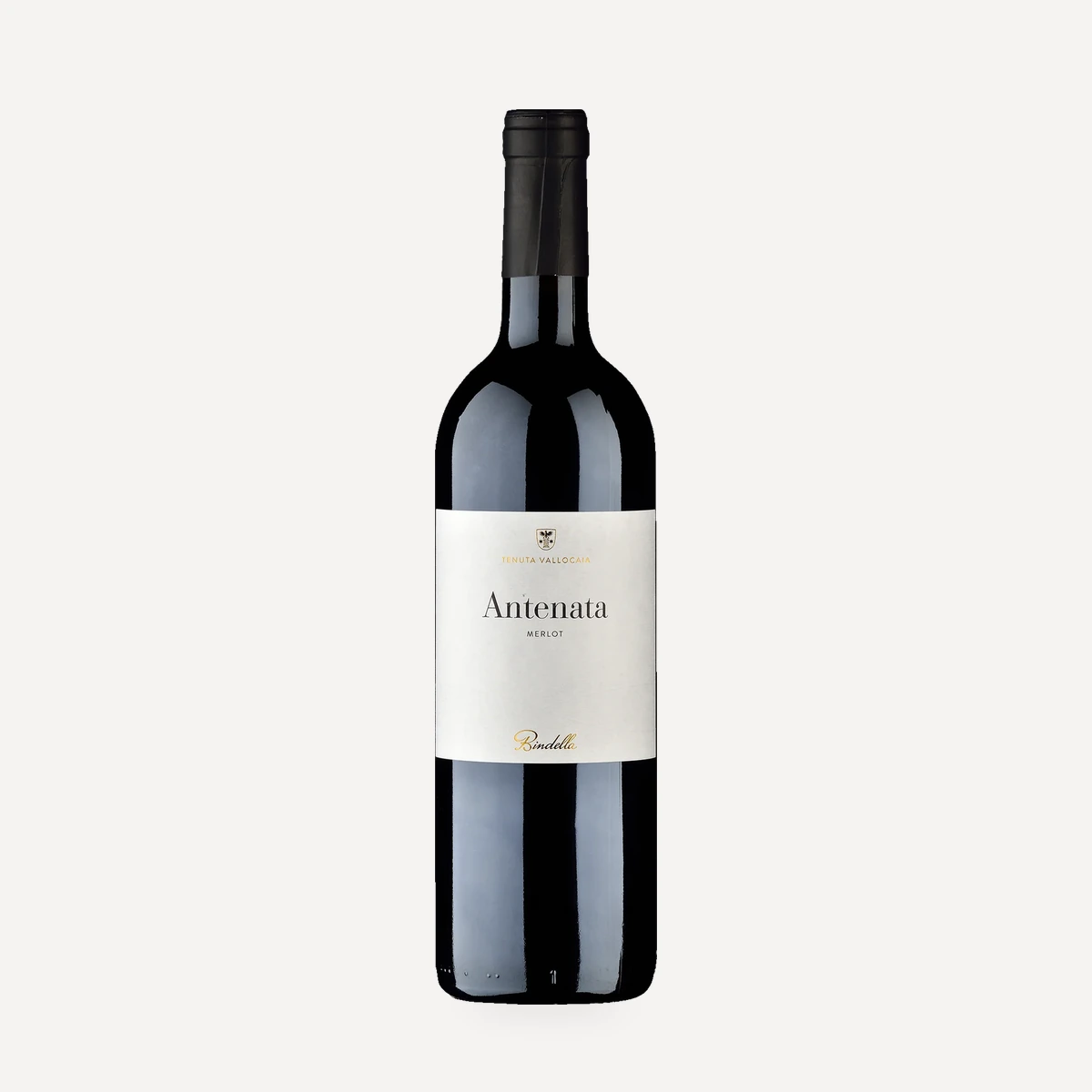
Antenata
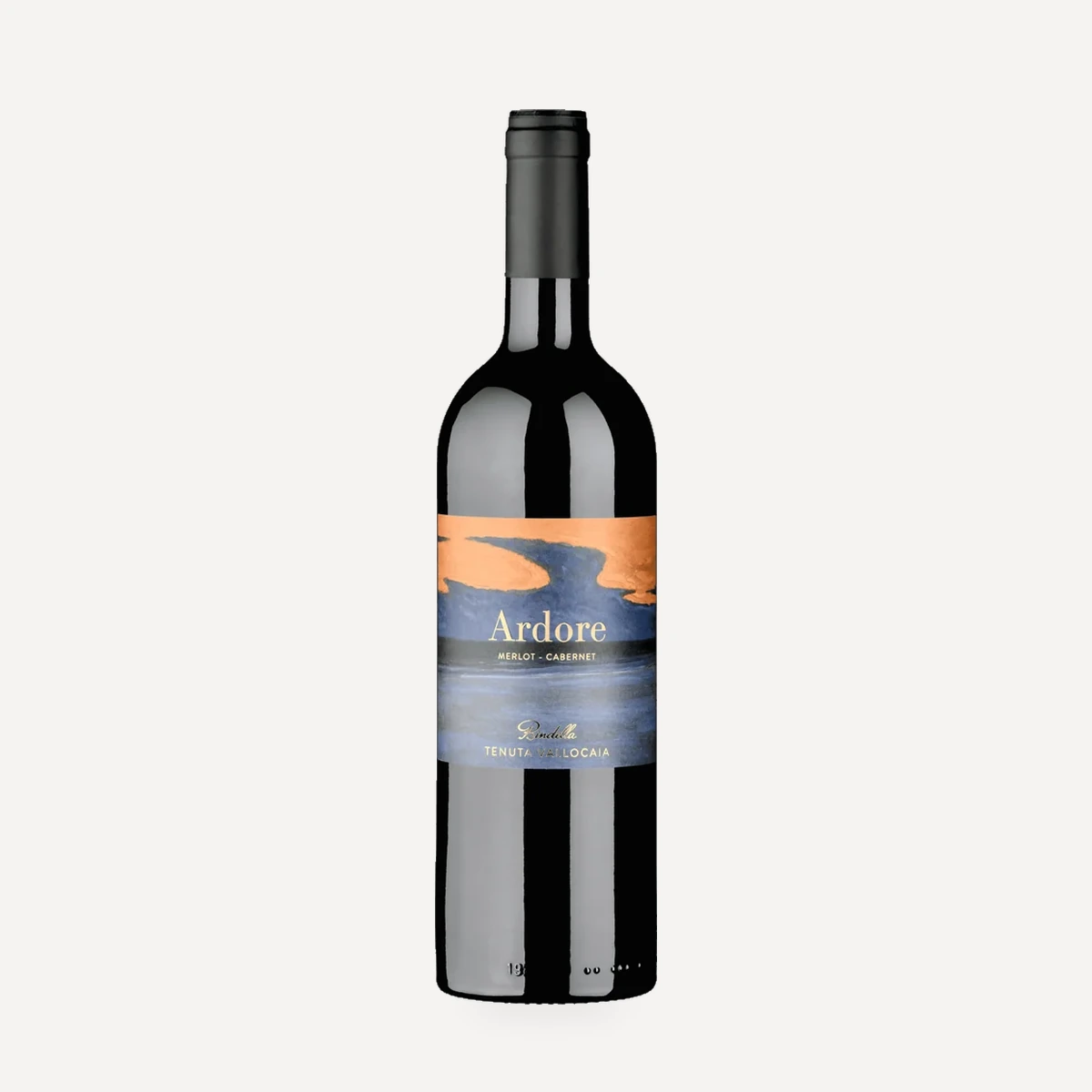
Ardore
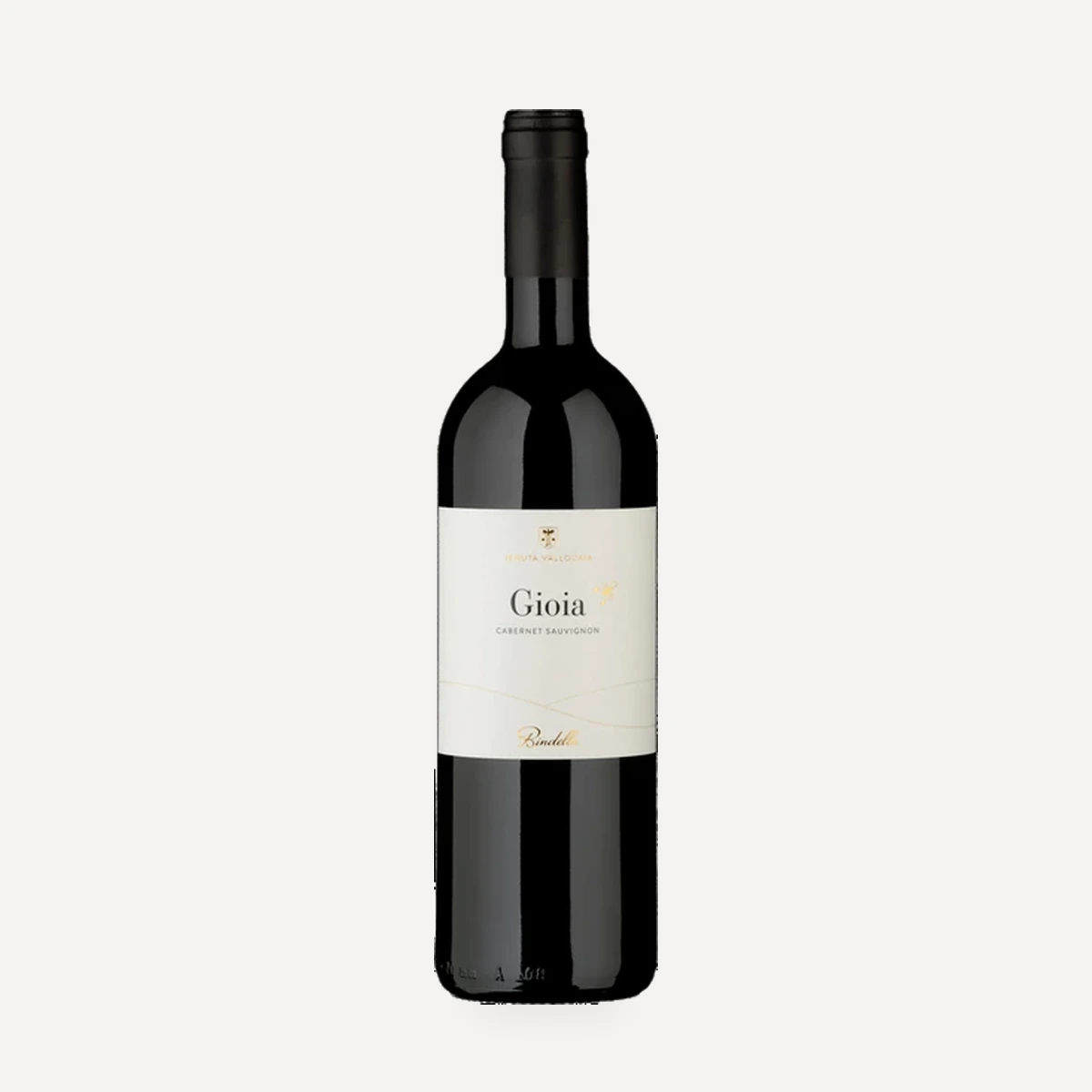
Dedicato a Gioia
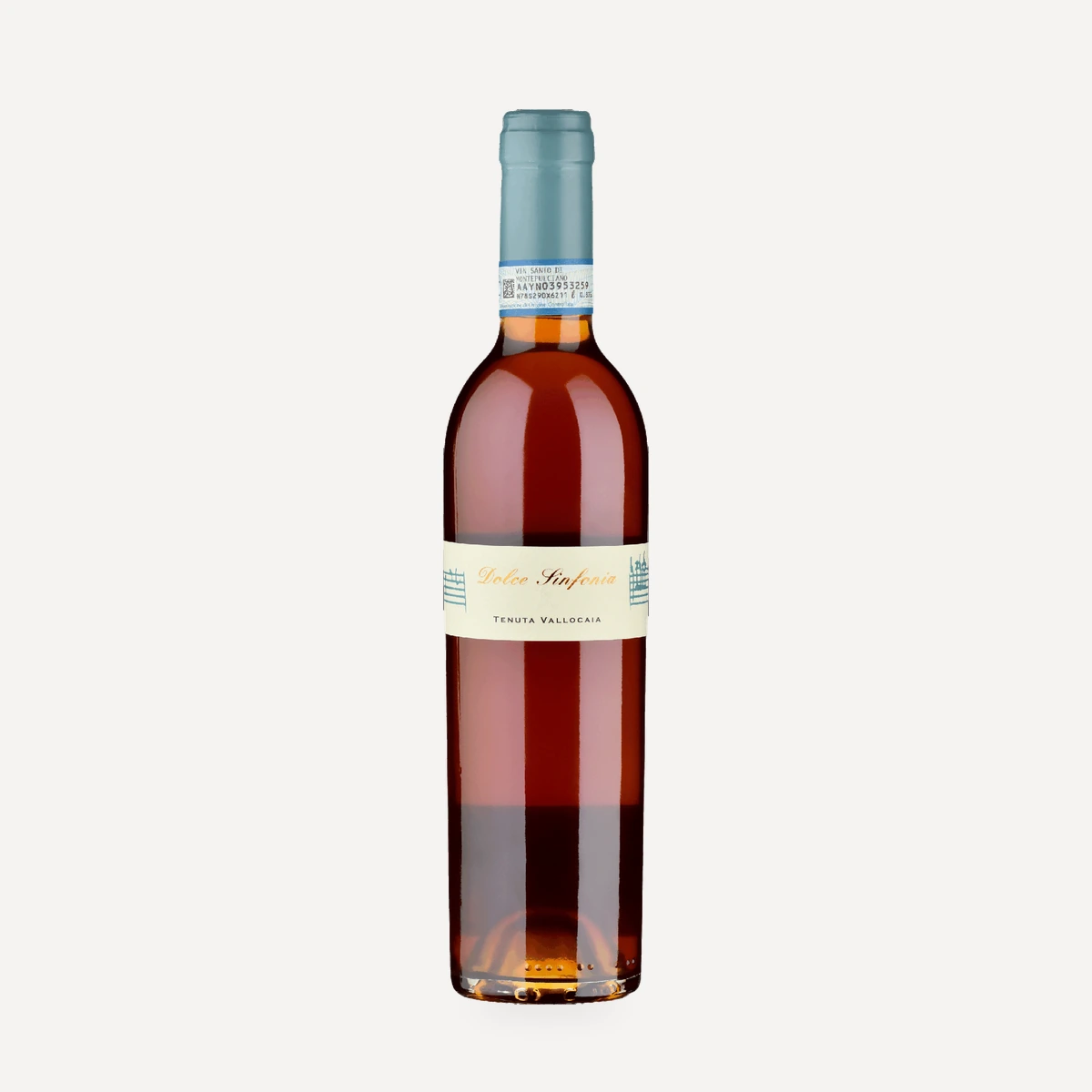
Dolce Sinfonia
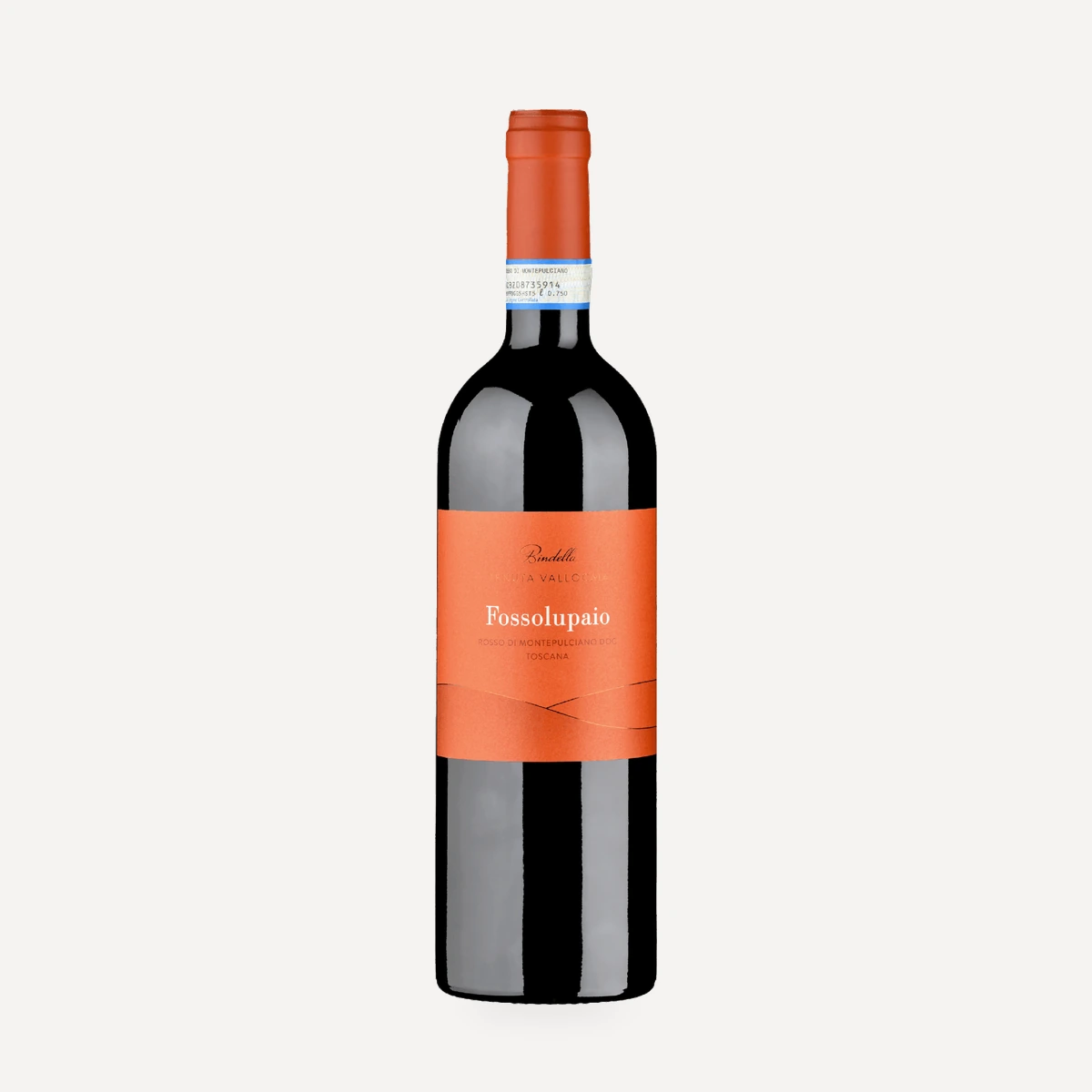
Fossolupaio
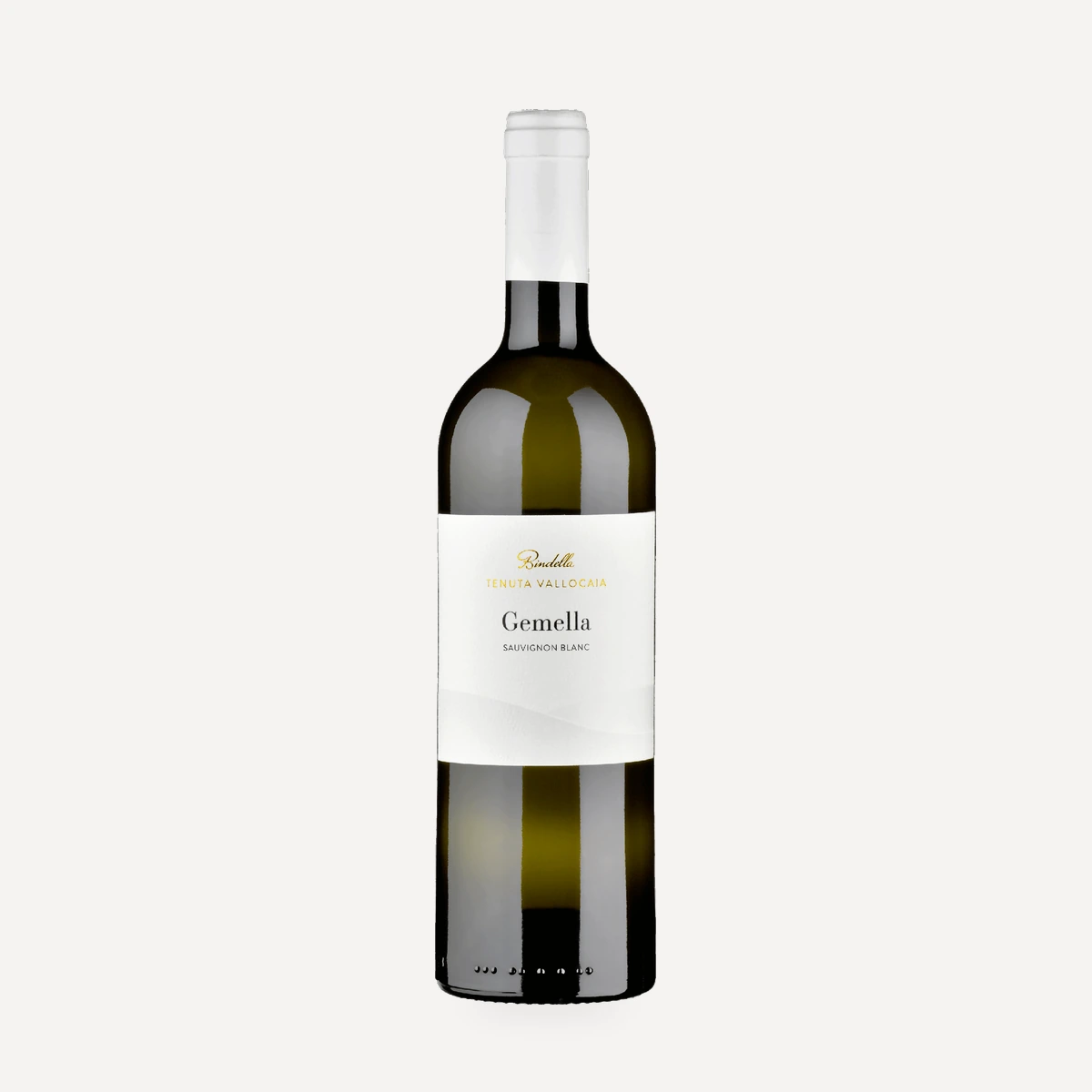
Gemella bianco
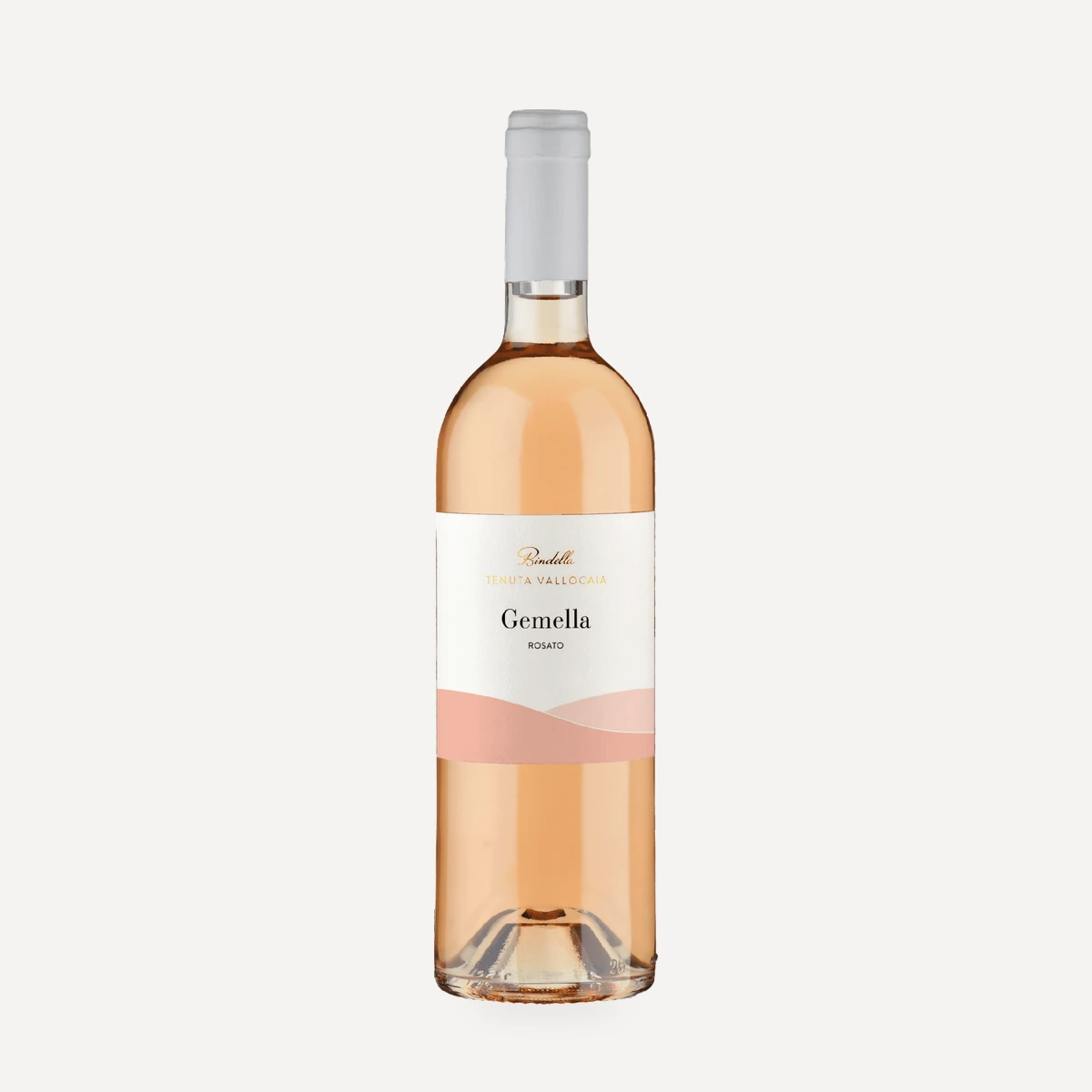
Gemella rosato
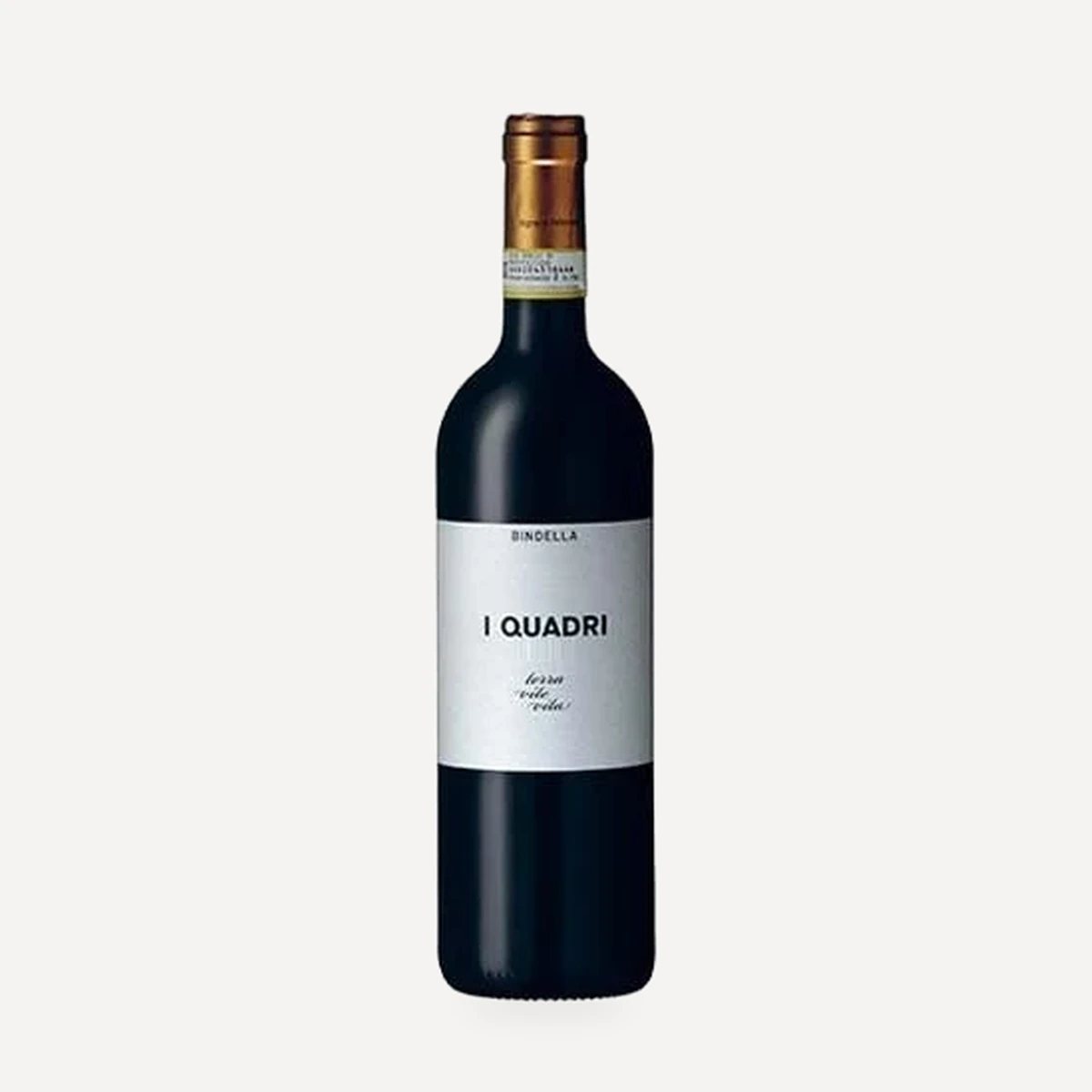
I Quadri
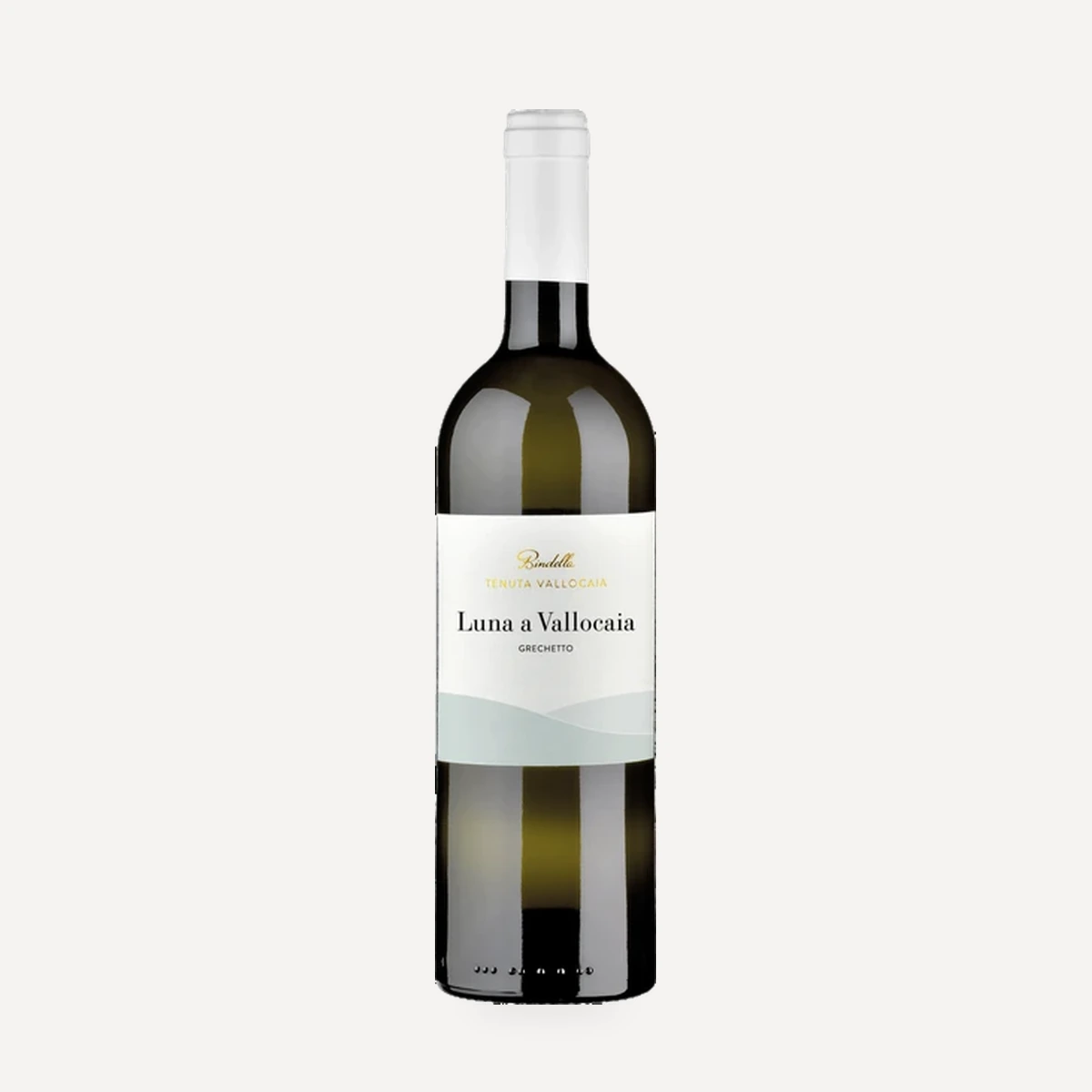
Luna a Vallocaia
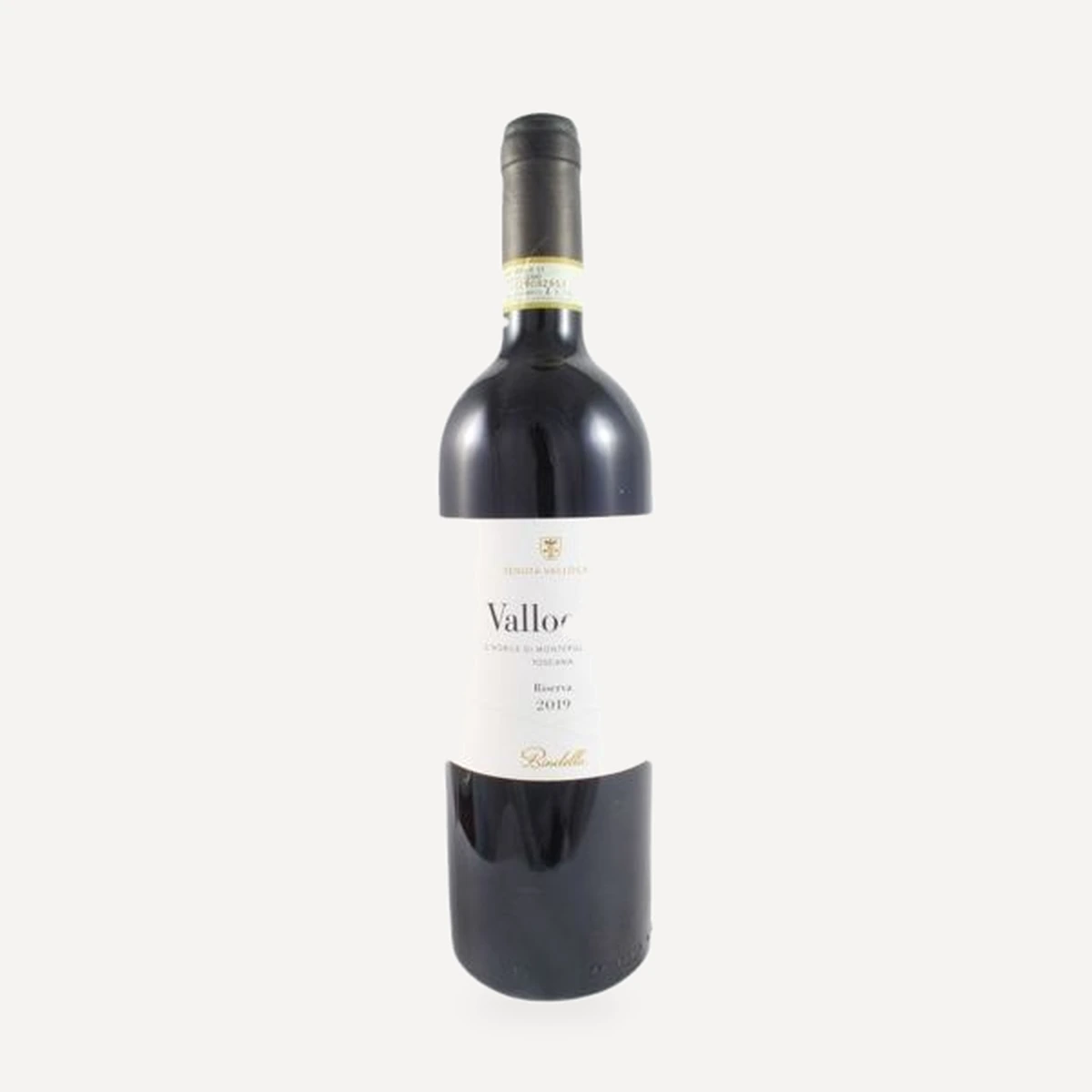
Vallocaia