Storia
More than a century in Montefalco
The Valentini family’s relationship with Montefalco extends back more than one hundred years. Agriculture, field work and an inherited attachment to the local landscape formed the background from which its wine project developed. A passion for wine passed from one generation to the next before the present estate was created.
2002 — creation of Bocale
A new generation of the Valentini family established Bocale in 2002 at Madonna della Stella, approximately 6 km from the centre of Montefalco. The project renewed the family’s environmental and cultural inheritance while continuing its longstanding wine tradition. Its initial production centred on Montefalco Rosso and Montefalco Sagrantino, interpreted through local tradition and artisanal work.
The estate name comes from the local dialect. A bocale is a two-litre jug formerly used for wine or olive oil. The word had also long served as the name by which Montefalco residents knew the Valentini family.
Circa 2010 — renewable-energy self-sufficiency
A photovoltaic installation was introduced around 2010 as part of a programme to reduce the estate’s environmental impact. Rated at up to 10 kWh, it was designed to provide all the electricity required by the electrically powered winery machinery. The installation represented an investment of €45,000 and was associated with annual savings of approximately €2,000.
2015 — first Ennio vintage
After a period of experimentation, Valentino Valentini, his brother Antonello and enologist Emiliano Falsini identified particularly ripe Sagrantino bunches in the highest vineyard parcel for a special selection. The fruit was selected and harvested by hand, fermented with indigenous yeasts and macerated in open wooden vats. Ennio Valentini, father of Valentino and Antonello, manually punched down the cap every day.
The resulting 2015 wine matured for two years in oak and another two years in bottle. It became the inaugural vintage of Ennio, named in tribute to the family patriarch.
2019 — release of Ennio
Bocale introduced Ennio 2015 in 2019 as its first special-selection Montefalco Sagrantino. The inaugural vintage was released in a limited series of numbered bottles.
2020 — environmental infrastructure and vegan certification
By 2020, the photovoltaic installation had completed ten years of operation. An electric-vehicle charging point was also installed in cooperation with Enel X and the Strada del Sagrantino, enabling visitors to recharge during winery tours and tastings.
In the same year, Bocale obtained V-Label Vegan certification. The protocol excludes animal derivatives, eggs and dairy products throughout production, including during clarification. It complements vineyard and cellar practices that include vegetation between the vine rows, green manure, avoidance of herbicides, indigenous-yeast fermentation, and the omission of microfiltration and stabilization.
Present scale
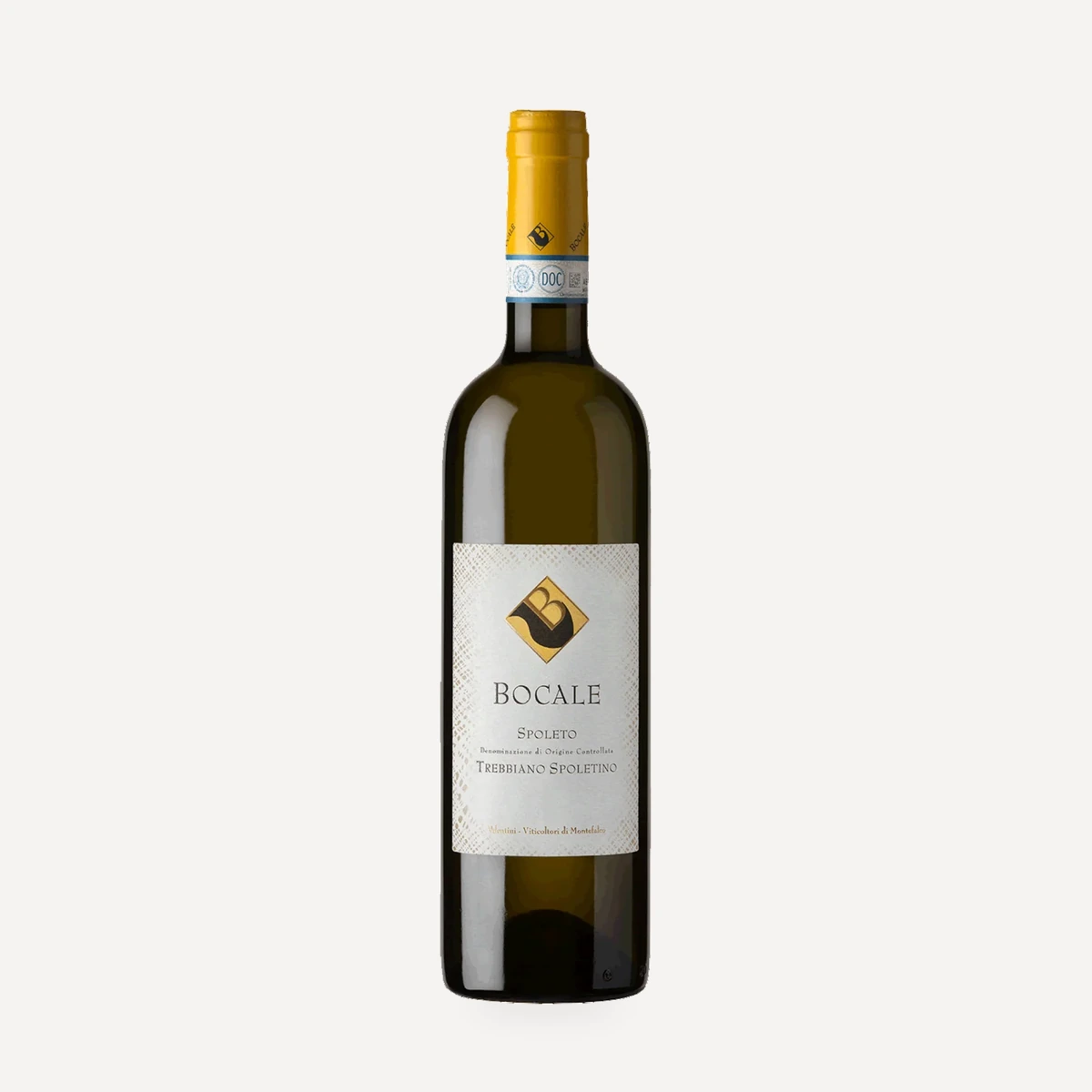
The estate covers 10 ha, including 6 ha of vineyards, and produces approximately 40,000 bottles annually. The range now includes Trebbiano Spoletino alongside Montefalco Rosso, Montefalco Sagrantino and Montefalco Sagrantino Passito. Production remains family-run and artisanal, with extended bottle maturation before release.
Terroir
Bocale is situated at Madonna della Stella, approximately 6 km from Montefalco in the Province of Perugia, Umbria. The winery stands on a hill overlooking the Valle di Spoleto at approximately 473 m above sea level, within the elevated landscape associated with Montefalco’s description as the “Balcony of Umbria.”
The vineyards form a grassed agricultural ecosystem in which spontaneous or managed vegetation grows between the rows. Bocale connects the character of its wines with Montefalco’s hilly landscape and seeks to retain both varietal expression and territorial identity through small-scale, artisanal production. Trebbiano Spoletino for the Luciana selection comes from a separate area in the south-eastern part of the Montefalco territory.
Vinificazione
Bocale maintains grass and other vegetation between the vine rows. This ground cover reduces the need for mechanical cultivation and helps limit erosion, runoff and soil leaching. Green manure, generally using field beans, is practiced, while organic and mineral fertilizers replenish soil fertility.
Vineyard management avoids herbicides and other chemical products. The approach is based on respect for natural cycles, the people working the land and the integrity of the harvested fruit. Electrically powered agricultural equipment draws energy from the photovoltaic installation.
The grapes are harvested manually. Fruit destined for Ennio receives an additional vineyard selection, focusing on particularly ripe bunches from the highest parcel. Animal-derived substances, eggs and dairy products are excluded throughout production under the V-Label Vegan protocol.
Bocale follows an artisanal cellar process intended to preserve varietal character and territorial identity. Fermentation takes place exclusively with indigenous yeasts, without additions of selected commercial yeast.
French oak barrels are used for maturation, followed by extended bottle ageing before release. For Ennio, selected Sagrantino is fermented and macerated in open wooden vats, with the cap manually punched down every day. The inaugural selection matured for two years in oak and a further two years in bottle.
The wines undergo neither microfiltration nor thermal stabilization. Clarification excludes animal derivatives, eggs and dairy products in accordance with V-Label Vegan certification. The production facility and its electrically powered machinery use energy generated by the estate’s photovoltaic installation.
Filosofia
Bocale’s philosophy combines family continuity, respect for environmental cycles and manual craftsmanship. The agricultural knowledge, simplicity, passion and sacrifice associated with generations of field workers are treated as part of Montefalco’s cultural inheritance.
The family’s objective is to interpret tradition through natural fruit, precise manual work and restrained cellar processing, preserving personality, varietal expression and territorial identity. Avoiding herbicides, selected commercial yeasts, animal-derived processing aids, microfiltration and thermal stabilization forms part of this approach.
Environmental responsibility extends beyond the vineyard. Renewable electricity, reduced mechanical soil cultivation and charging infrastructure for electric vehicles are intended to reduce the estate’s impact while retaining family-based, artisanal production. This work is presented as a responsibility toward nature, consumers and the generations of people who have cultivated the area.
Vini
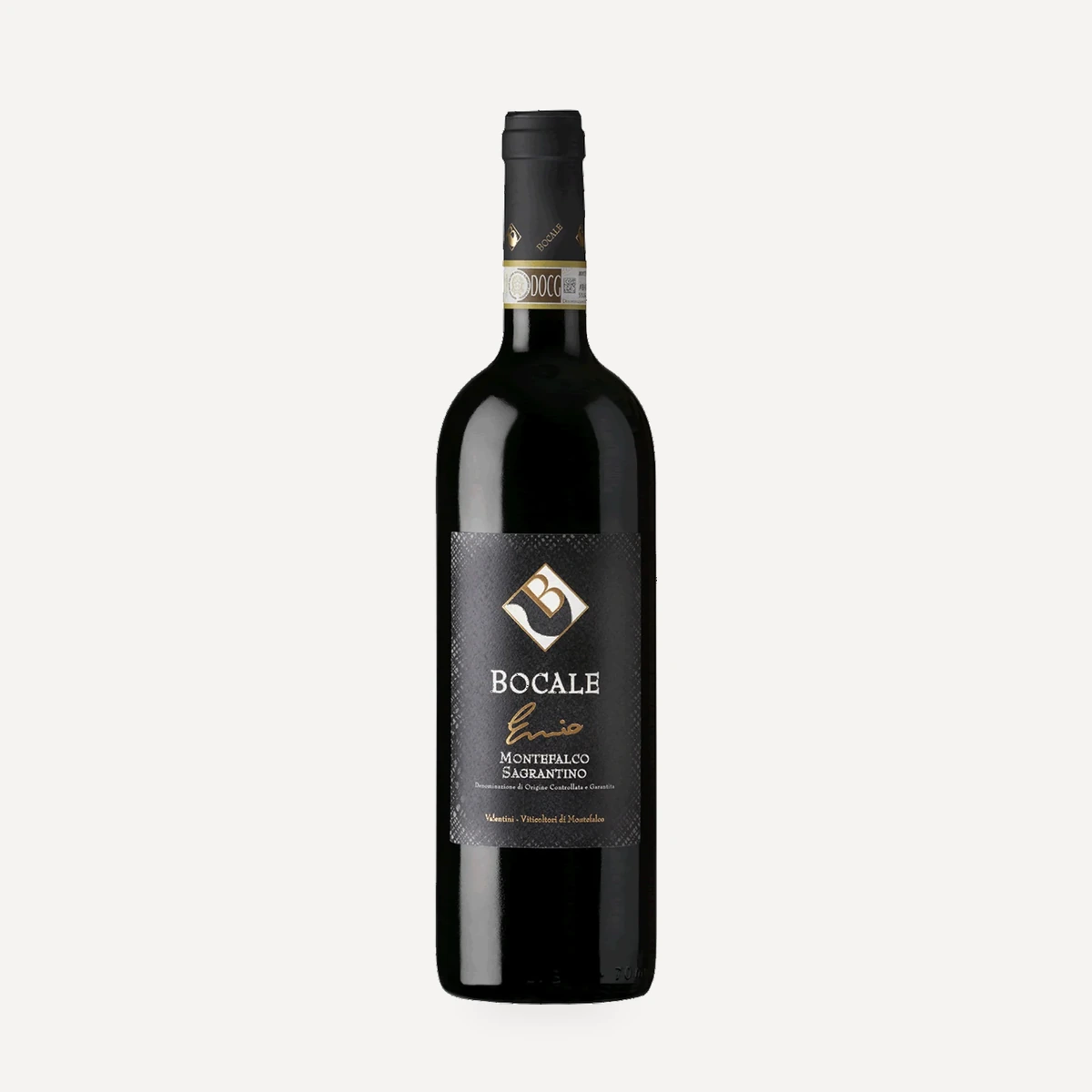
Ennio Montefalco Sagrantino DOCG
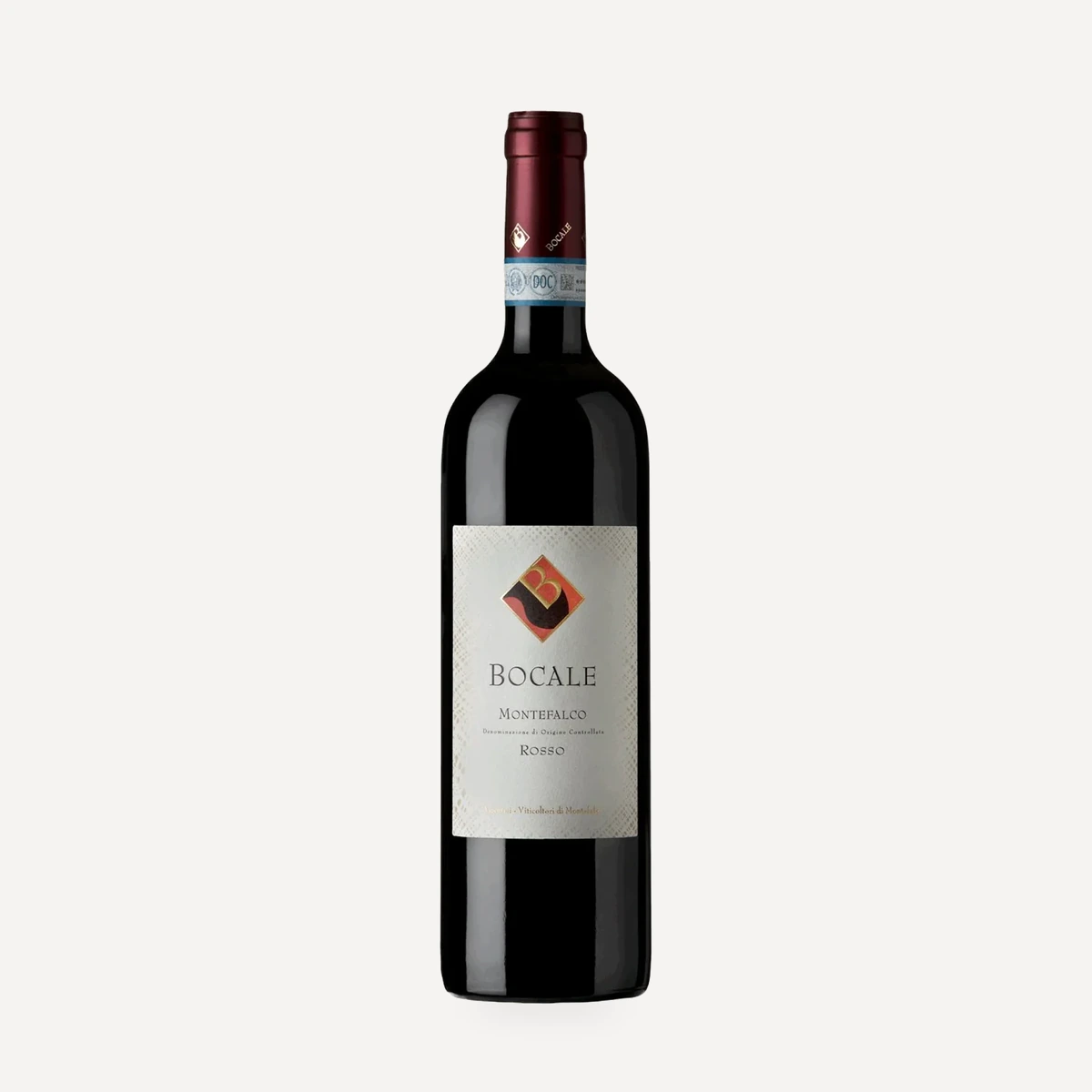
Montefalco Rosso DOC
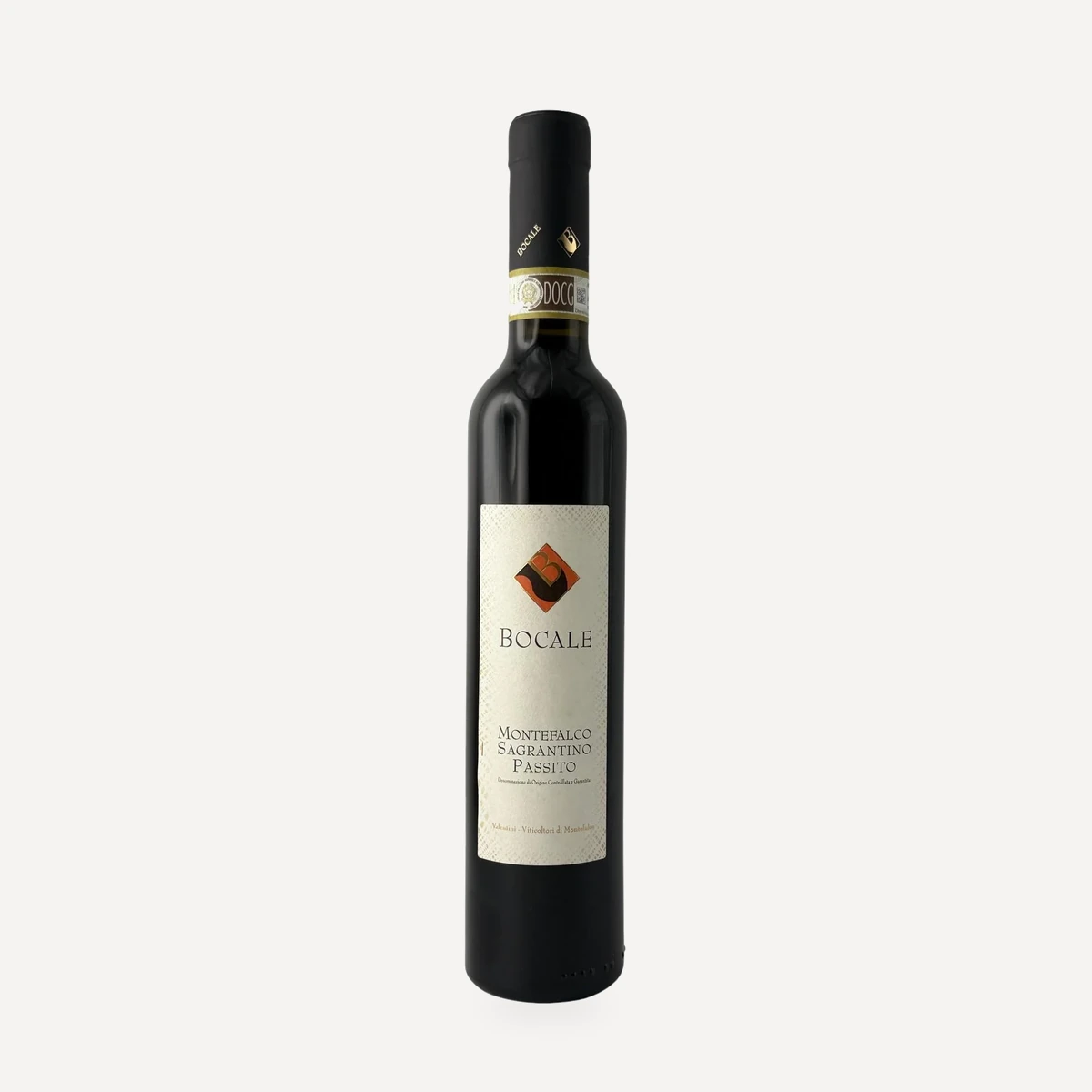
Montefalco Sagrantino Passito DOCG