Storia
Giovanni Bonfadini and the agricultural foundation
Giovanni Bonfadini, a direct farmer in Franciacorta, founded the family agricultural enterprise in 1956. Grape growing formed part of the family’s work, although the crop was initially sold rather than vinified under the Bonfadini name.
Graziano Bonfadini takes over
In 1993, Giovanni’s son Graziano—one of seven children—took over his father’s business. He continued cultivating the vineyards and selling their grapes to larger Franciacorta producers, while pursuing the idea of creating something distinctive from the family’s own fruit.
Francesca and the first Bonfadini Franciacorta
Francesca Bonfadini entered the family enterprise in 2007. To continue the work of her father and grandfather, she began the transition from supplying grapes to vinifying them for the family’s own label.
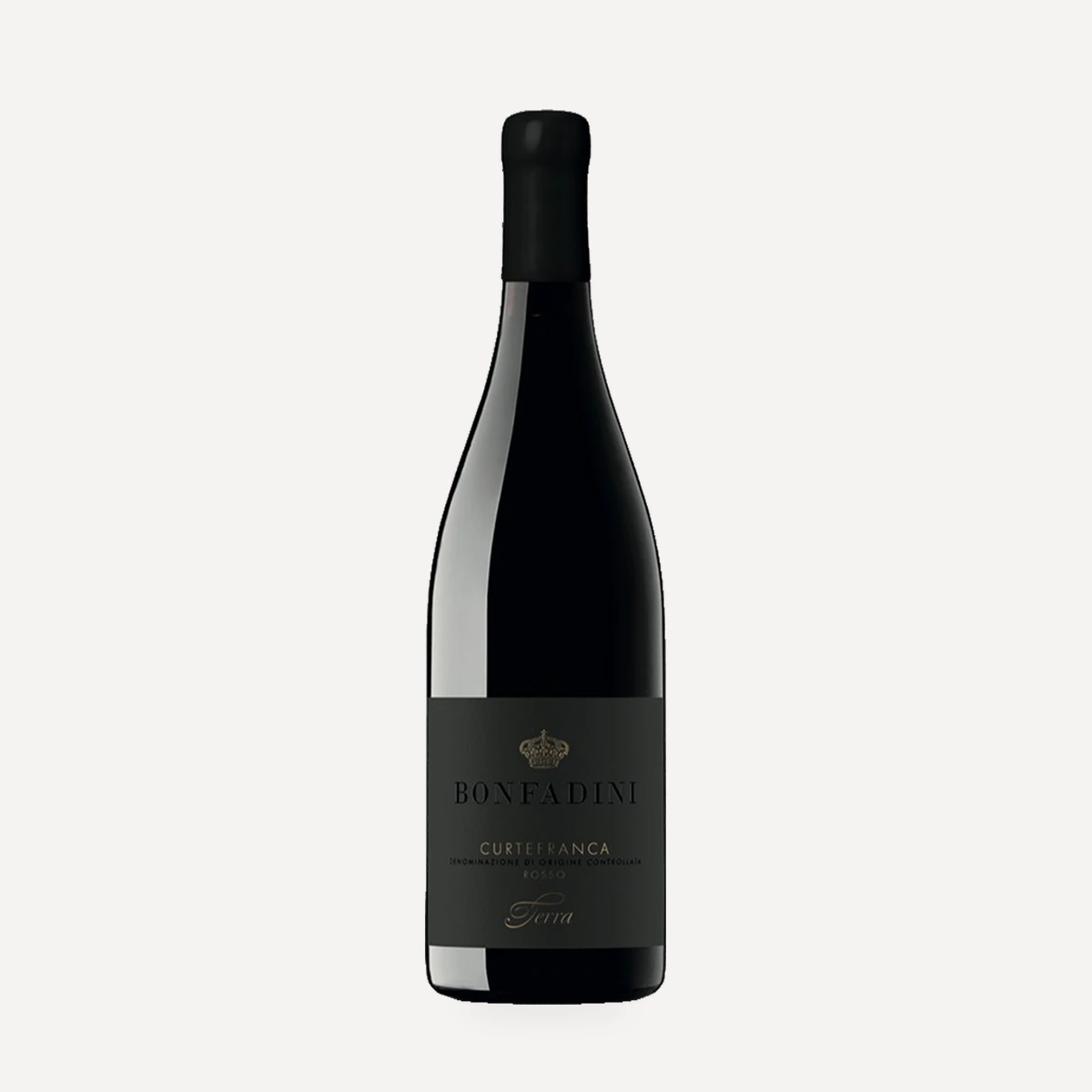
The first result was Nobilium Brut, released in 2010 as Bonfadini’s inaugural Franciacorta DOCG. The range subsequently expanded: Carpe Diem Satèn and Opera Rosé record first production in 2011, followed by Veritas Nature in 2013, Aurora Rosé Millesimato in 2015 and Virgo Nature Riserva in 2016. Terra, the limited Curtefranca red, records its first production in 2019.
A larger family and technical team
Andrea Bonfadini entered the operating team as cellar manager, while oenologist Gianni Gasperi joined in 2013. Together with Francesca, they developed a range spanning Brut, Satèn, Rosé, Nature, vintage and reserve Franciacorta, alongside Curtefranca Rosso.
Vineyard expansion
Ten additional hectares were planted in 2021. This expansion and the planned introduction of further Franciacorta types were intended to support an increase from approximately 120,000 to 200,000 bottles per year without changing the family’s quality objective.
The vineyard base is described as approximately 20 ha when owned and supplied areas are considered together. The business remains in the hands of third-generation family members Francesca and Andrea Bonfadini.
Terroir
Bonfadini is based at Clusane d’Iseo in Franciacorta, in the province of Brescia. Franciacorta extends west of Brescia between the Mella and Oglio rivers. Its northern boundary is formed by the hills of Brione, Polaveno and Monticelli Brusati and by Lake Iseo; the upper Po plain lies to the south.
The principal vineyard material is associated with hilly, glacial-morainic terrain. Morainic stones absorb solar heat during the day and release it at night, while the gravelly component drains excess water away from vine roots.
The named S. Afra site occupies hilly glacial-morainic ground and contains Chardonnay and Pinot Nero with an average vine age of 20 years. The vineyard used for Terra Curtefranca Rosso is distinct, with clay soil and vines averaging 40 years old.
Lake Iseo and the Torbiere are prominent elements of the surrounding landscape. Montisola rises to approximately 600 m above sea level within Lake Iseo.
Vinificazione
A substantial portion of the approximately 20-hectare vineyard base is managed with precision-farming techniques. High planting density, spurred-cordon pruning, targeted grassing between the vines and pre-harvest bunch thinning are used to limit the number of bunches and concentrate work on fruit quality.
Training is adapted to the grape material: Chardonnay is documented under Guyot, while Pinot Nero is trained to spurred cordon. The principal Franciacorta vineyards have a representative density of 5,500 vines/ha. Average vine age is approximately 10 years in the broadly used material and 20 years at S. Afra. The separate clay-soil red-wine vineyard averages 40 years and is trained to double Guyot.
Franciacorta grapes are picked manually during the first and second ten-day periods of August. They are carried in crates, with older cellar specifications setting a maximum load of 16 kg per crate. Recorded yields range from 80 quintals/ha for the S. Afra reserve selection to 90–95 quintals/ha for other Franciacorta material. The red varieties for Curtefranca are picked manually in the final ten days of October at 50–60 quintals/ha.
Ten additional hectares were planted in 2021 as part of the family’s planned expansion.
Reception and pressing
Hand-harvested grapes arrive in crates; a cellar specification sets a maximum of 16 kg per crate. Whole bunches are pressed gently with pneumatic presses to preserve the characteristics of separately handled lots. For rosé base wine, Pinot Nero remains in contact with its skins for several hours; technical specifications record ten hours for certain lots.
Must fractioning and primary fermentation
The must is separated into four fractions, each fermented independently. Temperature-controlled stainless-steel tanks and oak barriques are both used. The broader cellar protocol keeps the initial cycle at no more than 18–20°C, while individual base-wine protocols specify 14–16°C or 16–18°C.
Following alcoholic fermentation, selected base wines may undergo malolactic fermentation. Some lots then receive bâtonnage, resuspending the lees to develop aromatic richness.
Oak maturation
Parts of the Chardonnay and Pinot Nero base wines ferment and mature in 225-litre oak barrels. Documented protocols employ French-oak barriques with medium, medium-long or heavy toast, generally for seven months. The component used in barrel depends on the intended blend: Chardonnay, Pinot Nero or both may receive oak treatment.
Terra Curtefranca Rosso follows a separate process: the grapes are destemmed, macerated on their skins for 15 days and matured entirely in American-oak barriques for 48 months, followed by 12 months in bottle.
Bottle fermentation and ageing
Franciacorta completes its second fermentation in bottle. Core wines mature in bottle for at least 24 months. Veritas Nature receives at least 30 months, Aurora Rosé Millesimato 40 months and Virgo Nature Riserva 80 months. Satèn undergoes its bottle fermentation at a controlled maximum pressure of 5 bar.
Dosage
Barrel-aged Chardonnay is used in the liqueur d’expédition for several cuvées. Nature wines are finished without added sugar, while other styles receive measured dosage according to their intended profile. Barrel-aged Pinot Nero may also form part of the finishing wine for selected rosé or reserve cuvées.
Filosofia
Bonfadini’s identity is based on continuity across three generations. Francesca’s decision to vinify the family’s grapes was conceived as a continuation of the agricultural work begun by Giovanni and carried forward by Graziano.
The production approach combines accumulated practical experience with modern cellar technology and precision farming. Vineyard work seeks a limited number of high-quality bunches, while must fractioning and separate fermentation allow individual lots to be handled according to their character.
The family’s declared objective is to create wines with a recognisable personality while maintaining its quality standard during growth. This principle underpins the planting of ten additional hectares in 2021 and the plan to increase annual output from approximately 120,000 to 200,000 bottles.
The range explores several expressions of Franciacorta—Brut, Satèn, Rosé, Nature, vintage and reserve—through extended bottle ageing, measured or zero dosage and selective use of oak.
Vini
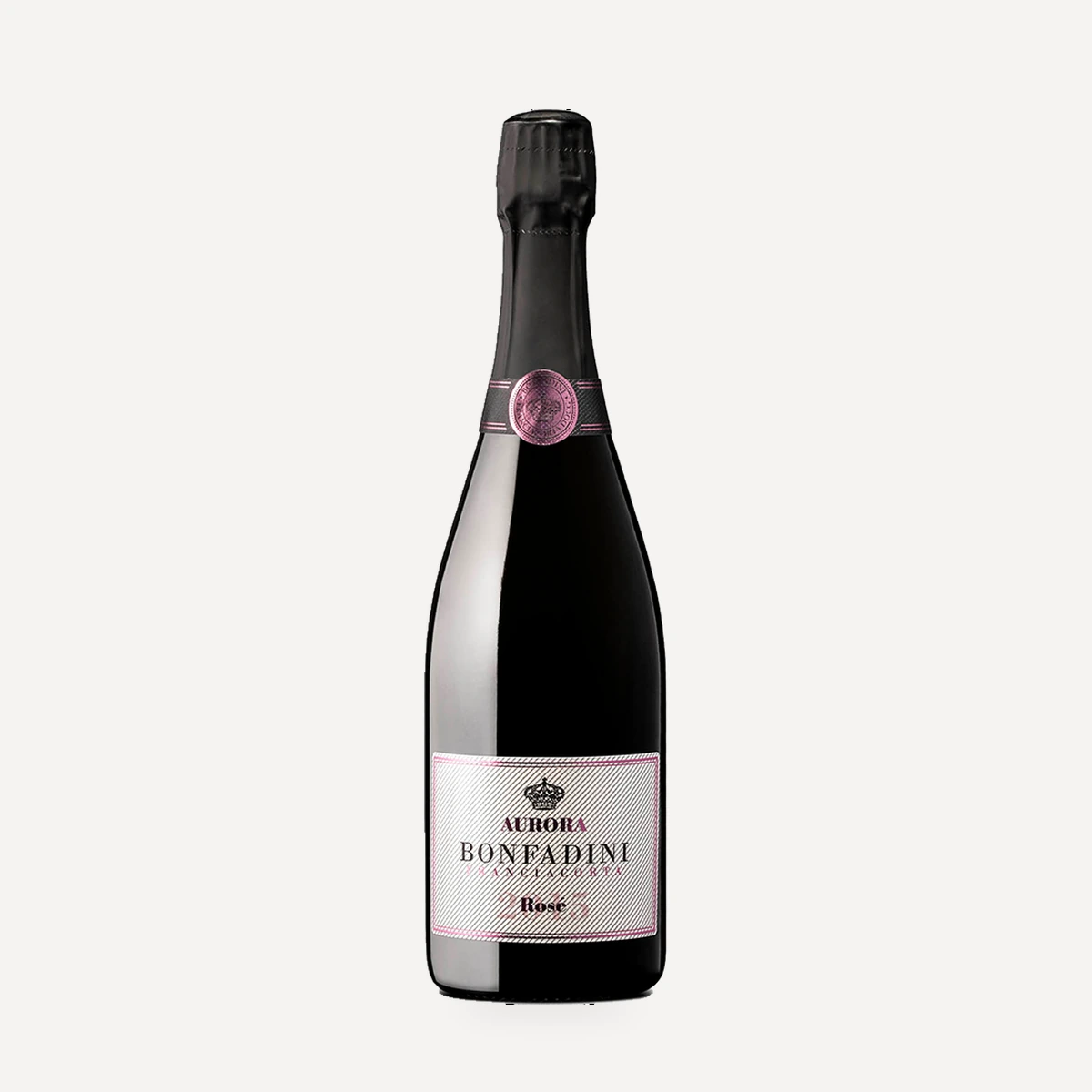
Franciacorta Aurora Rosé Millesimato 2015 DOCG
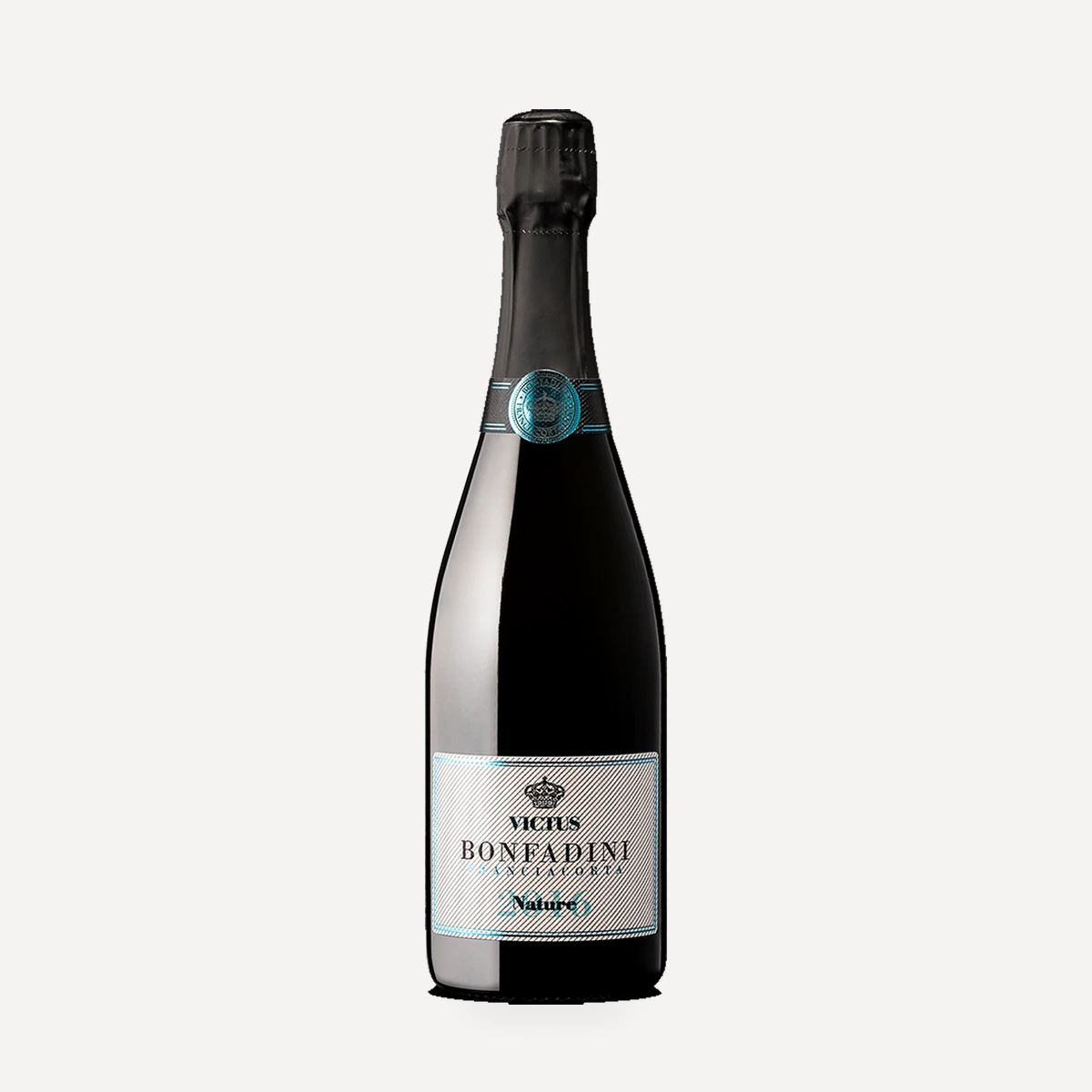
Franciacorta Victus Nature Millesimato 2016 DOCG
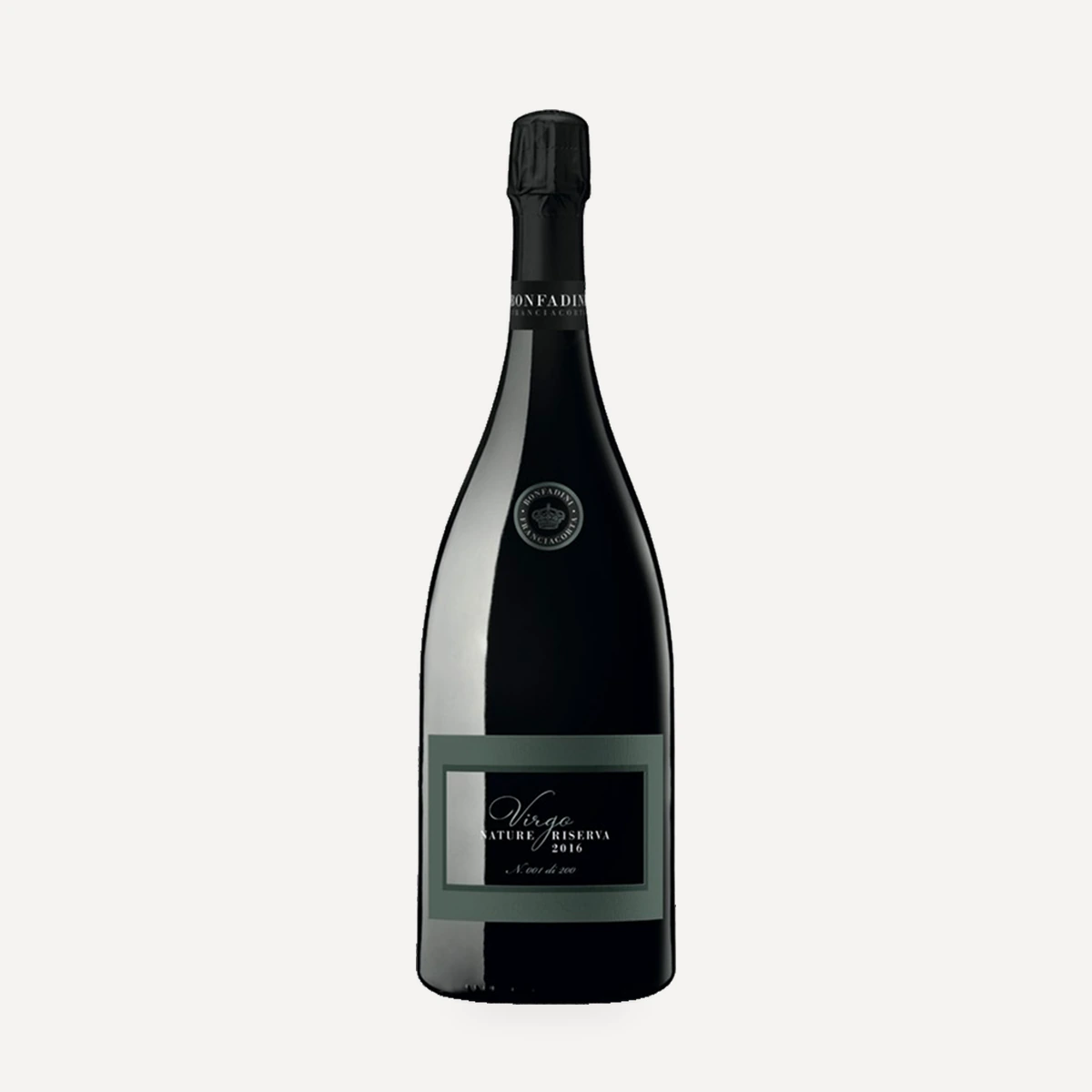
Franciacorta Virgo Nature Riserva 2016 DOCG
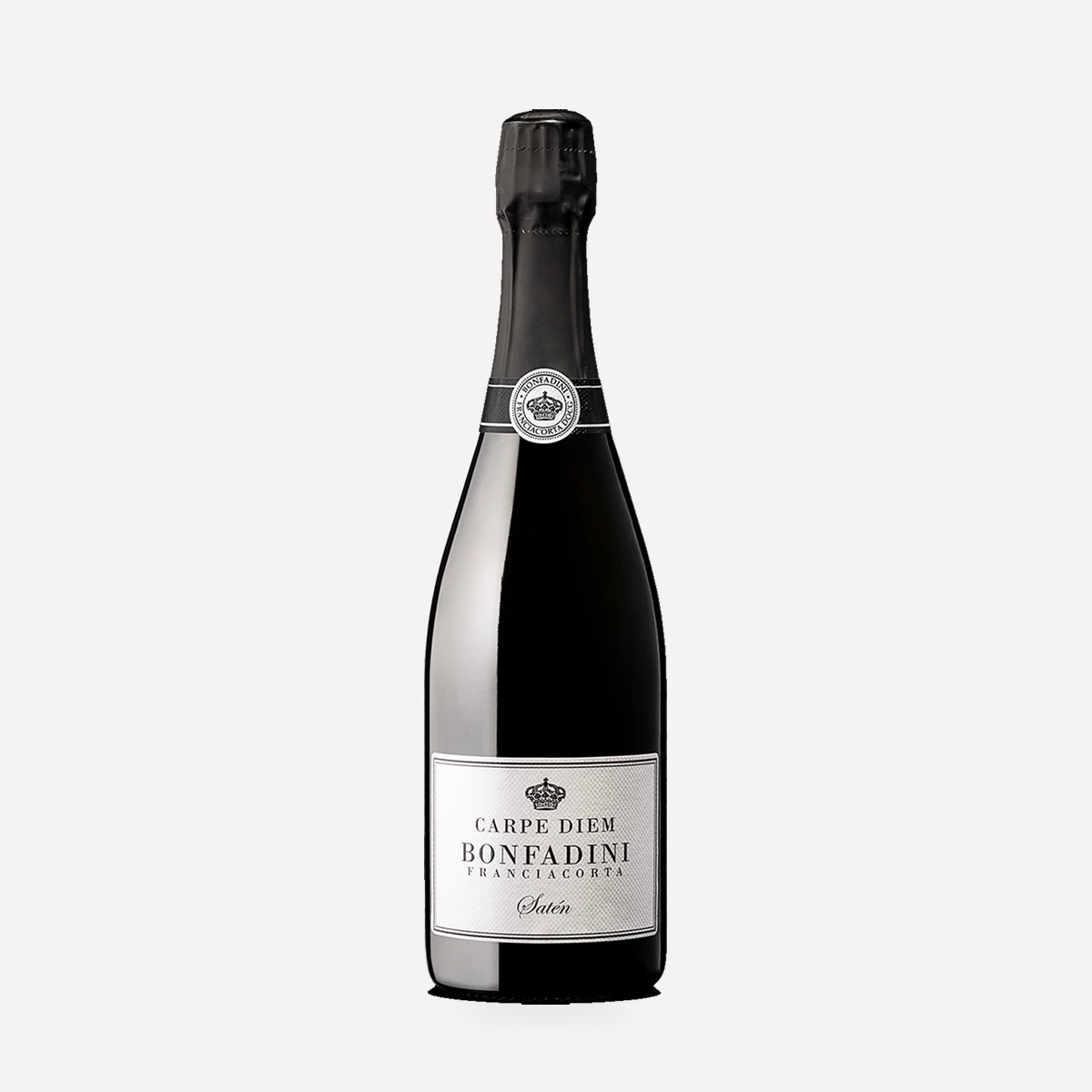
Franciacorta Carpe Diem Satèn DOCG
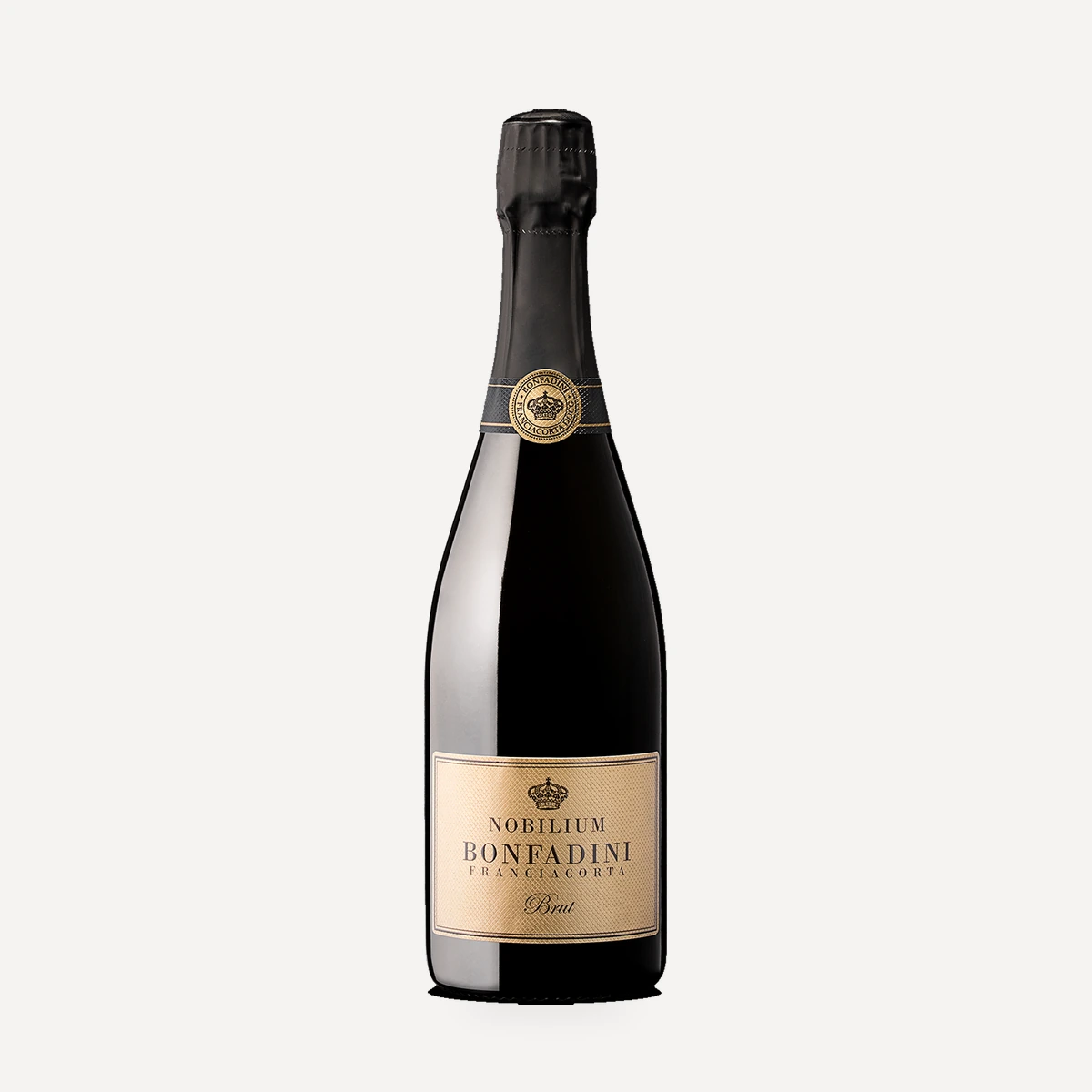
Franciacorta Nobilium Brut DOCG
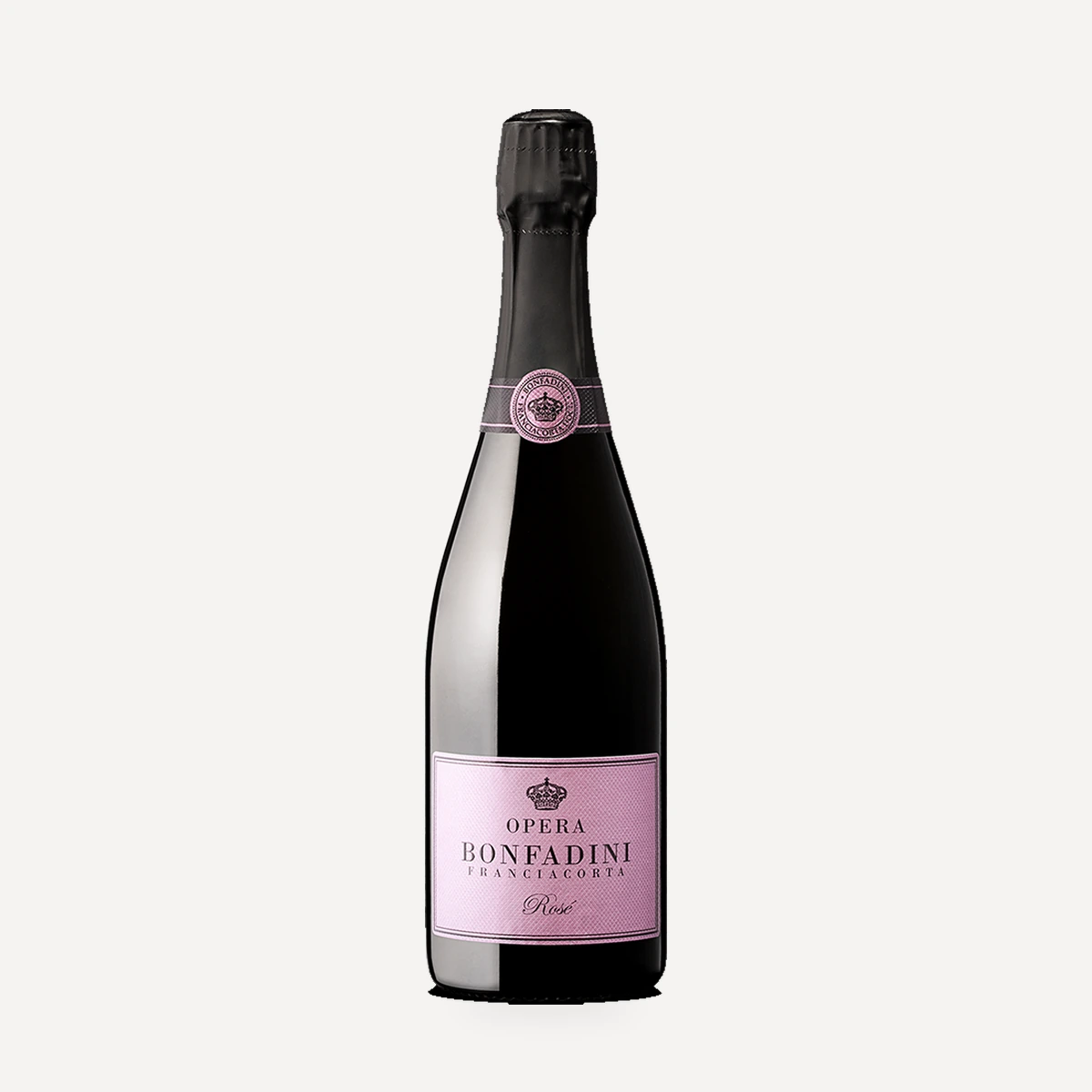
Franciacorta Opera Rosé DOCG
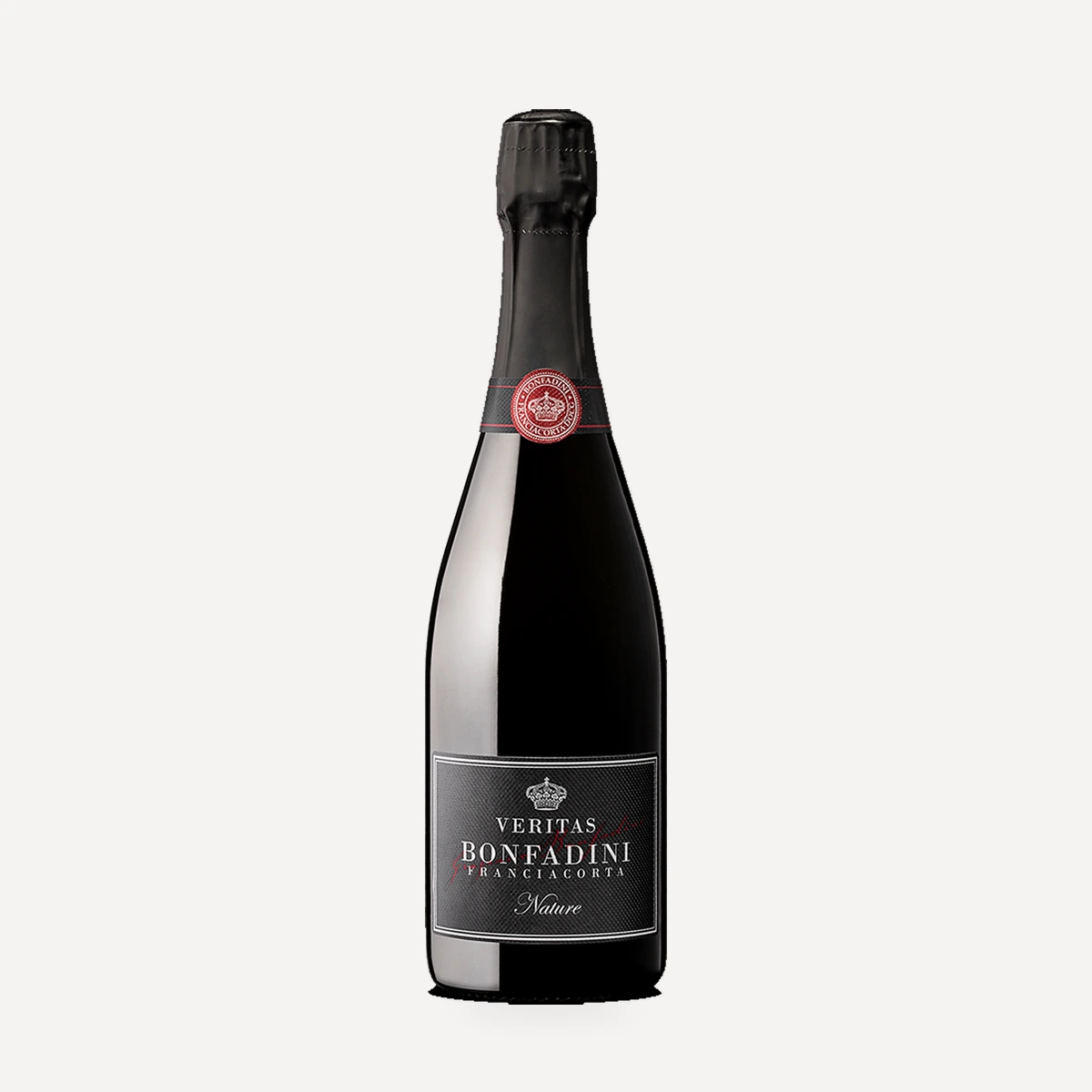
Franciacorta Veritas Nature DOCG