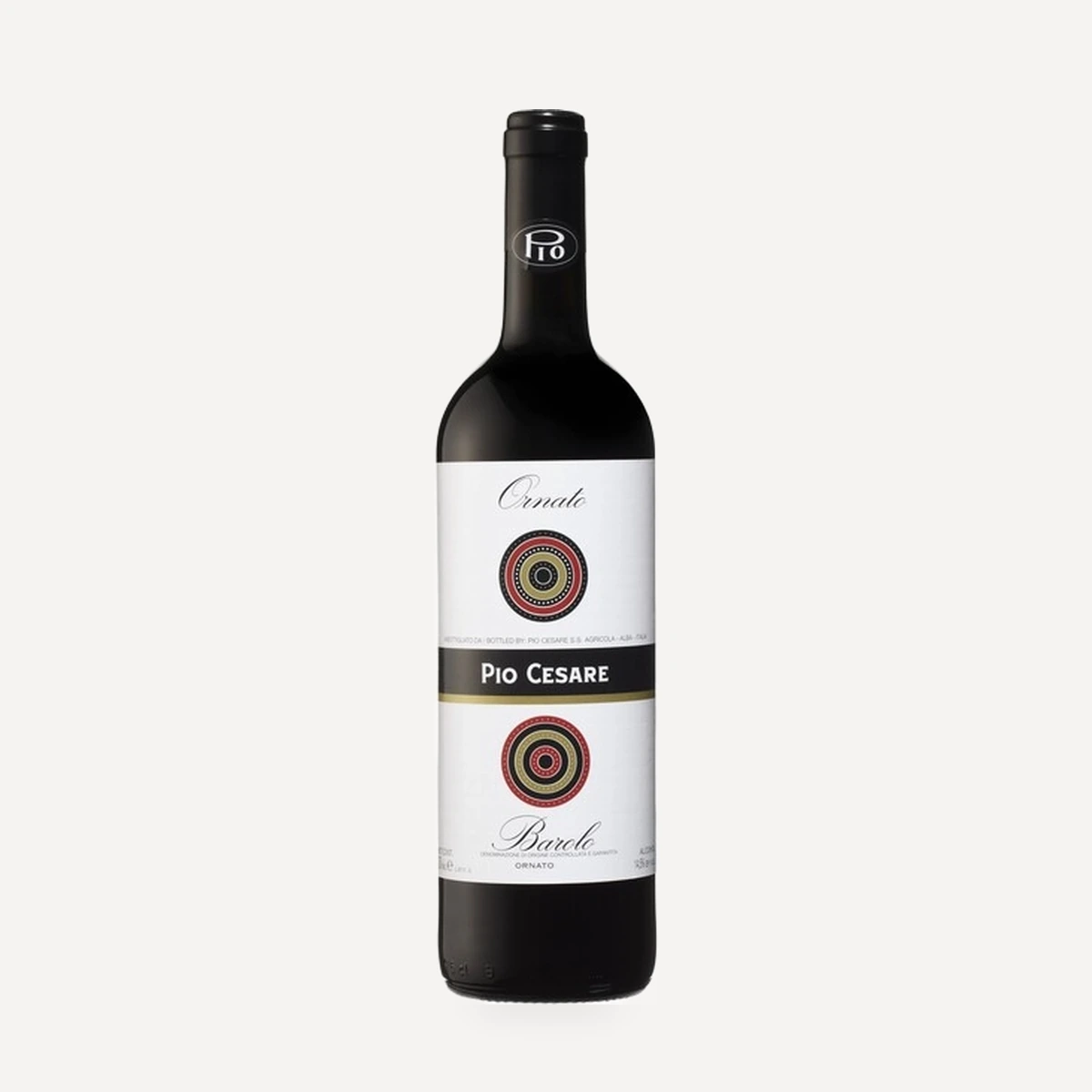
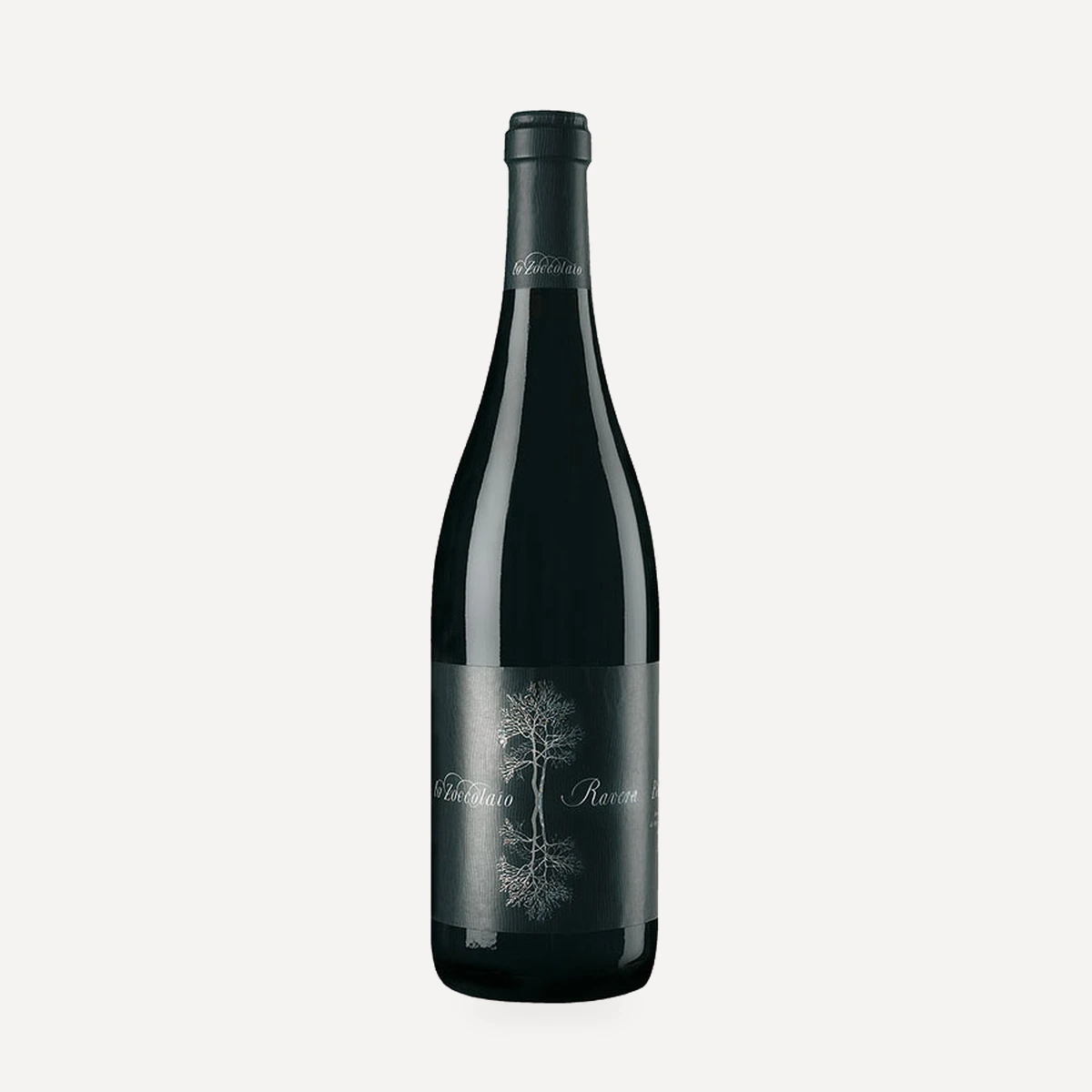
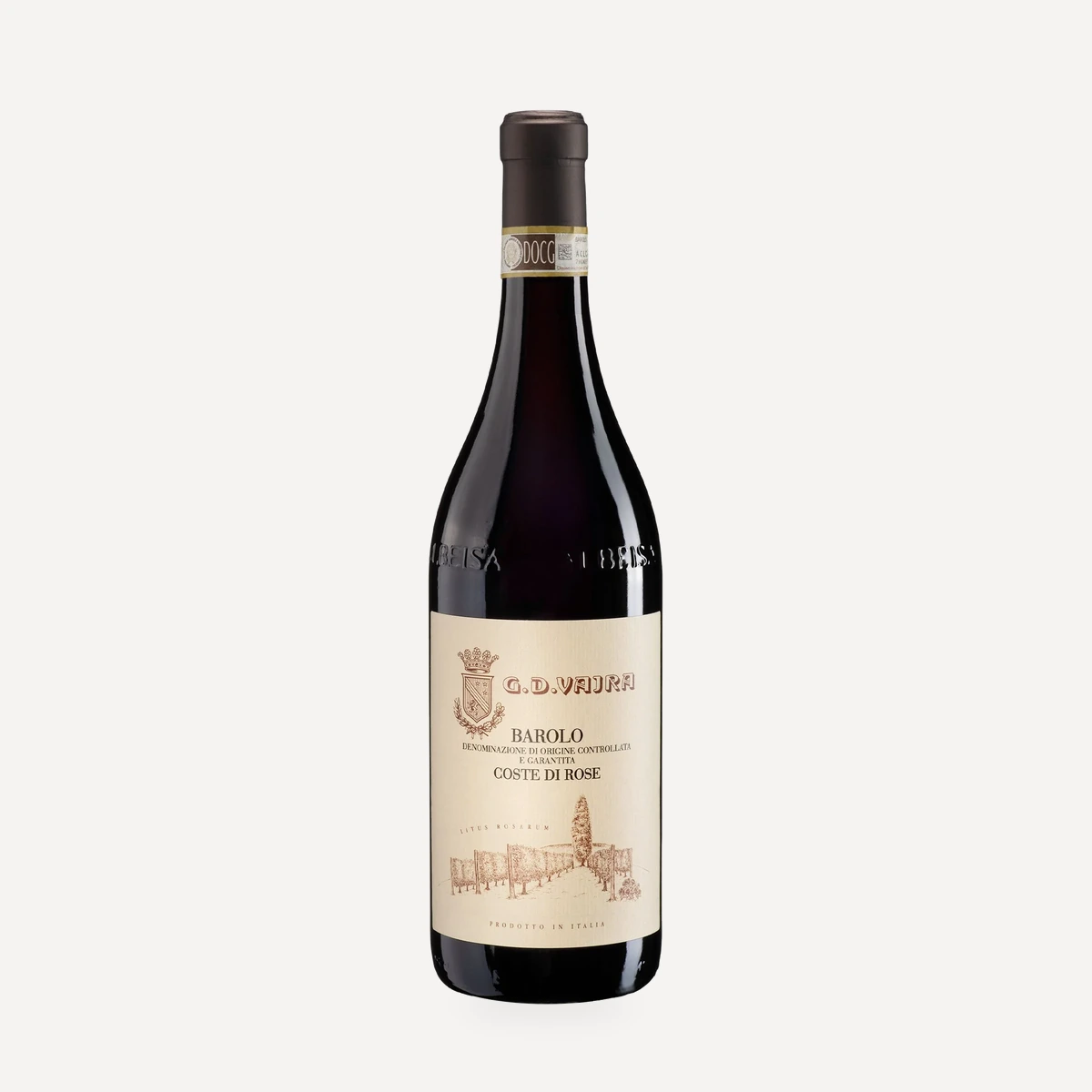
Questo vino
Vineyard and terroir
This village Barolo is assembled from selected, zoned micro-parcels in Castiglione Falletto. The vineyards face east, west and southwest, while a separate passage highlights south/southwest exposures. Soils are clay and limestone with traces of sand. Castiglione Falletto’s relatively high proportion of east-to-west-facing vineyards contributes to a balance of power and elegance.
Grapes
Nebbiolo.
Vinification
Harvest normally occurs around mid-October and is carried out entirely by hand, with grapes placed in small crates. The vineyards are divided into micro-parcels according to cluster ripeness and picked separately to maintain uniform fruit. Each parcel may therefore yield several micro-cuvées. These lots remain separate during vinification and maturation. Fermentation takes place in stainless steel at controlled temperature, followed by submerged-cap maceration for up to 30 days; the skins are maintained approximately 40–50 cm below the surface.
Ageing
Each micro-cuvée matures separately in wood for at least 18 months. The lots are then blended, bottled in June or July, and held until the following year before release.
Tasting profile
The 2022 has a broad bouquet of ripe cherry and raspberry, dried rose, liquorice and sweet tobacco, with subtle balsamic and mineral accents. It is structured and deep on the palate, with dense but integrated tannins and freshness. The finish is long, savoury and balanced, echoing ripe fruit and spice. A broader description gives the wine a garnet-red colour with orange reflections and notes of dog rose, raspberry, blood orange and gardenia; the palate is savoury and dense, with velvety, linear tannins and a precise, persistent finish.
Vintage notes
The warm, dry 2022 season produced small clusters and berries with a high skin-to-pulp ratio. Nebbiolo reached complete phenolic maturity around 20 September, and harvest took place from 25 to 30 September. The concentrated, healthy fruit produced a structured Barolo with notable ageing potential. Production comprised 6,866 standard bottles and 100 bottles in a larger format.
Label / history
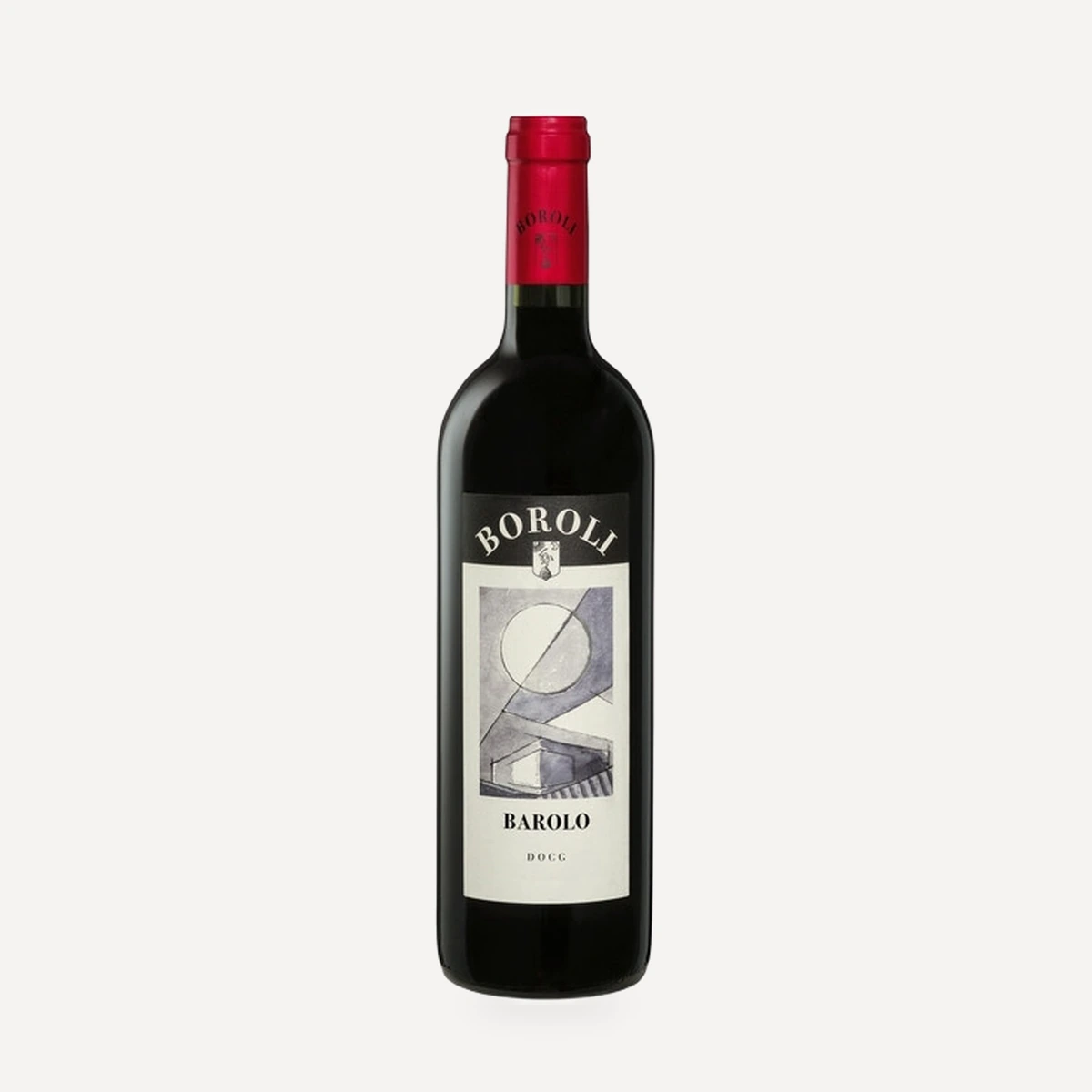
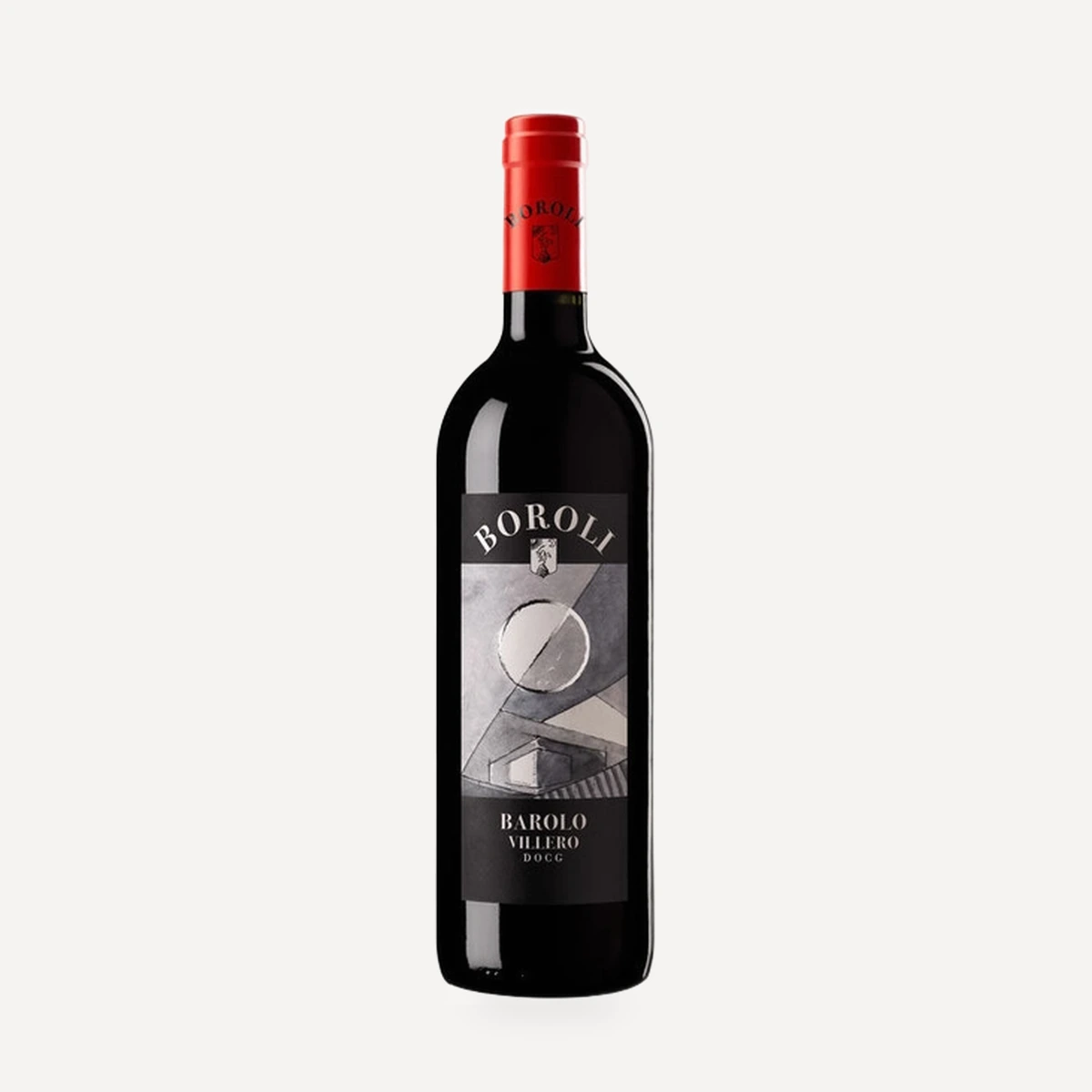
The project grew from vineyard zoning and parcel study within Castiglione Falletto. A historical document reproduced on the label records local grape and wine production in 1624 and the long relationship between the Brunella vineyards and the village.