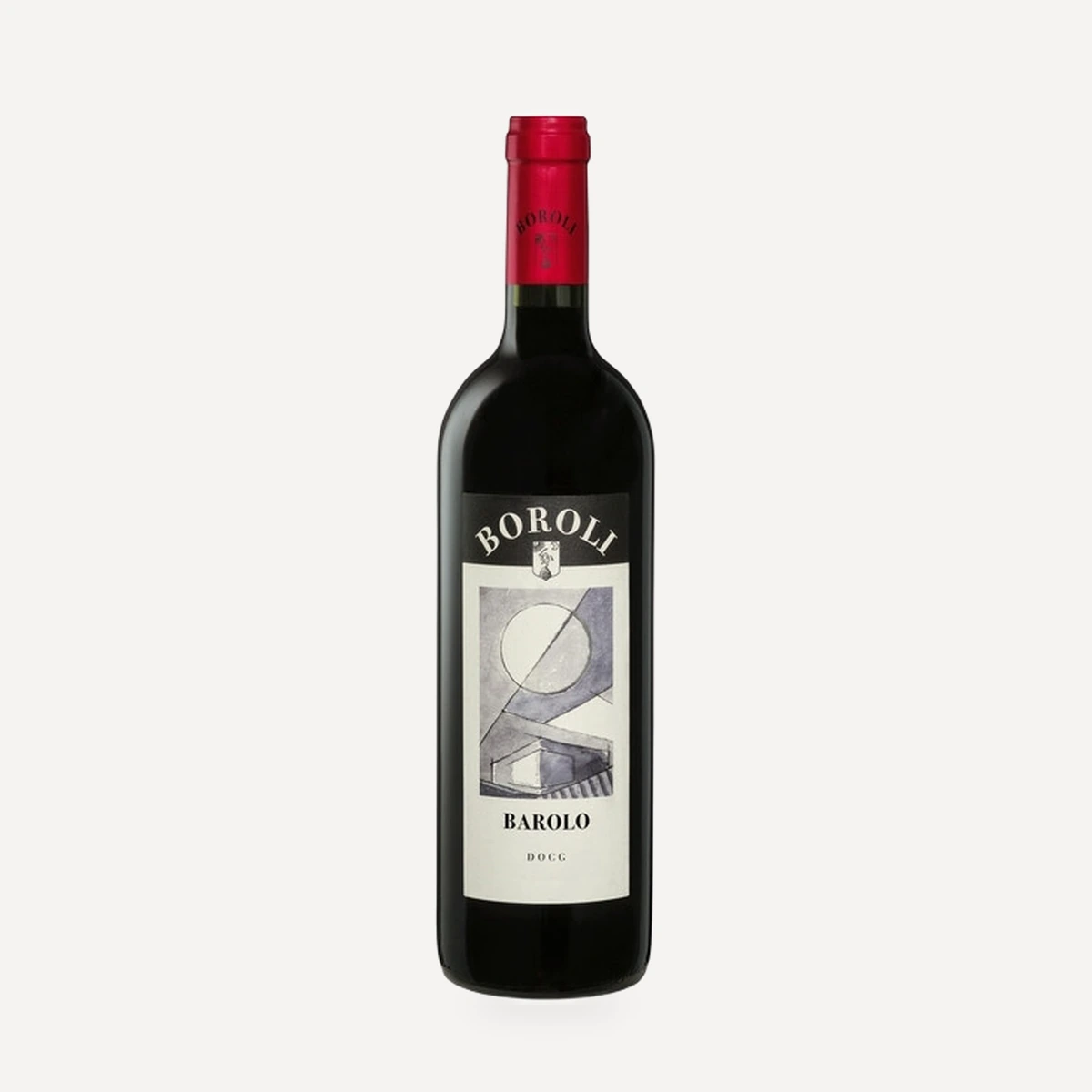
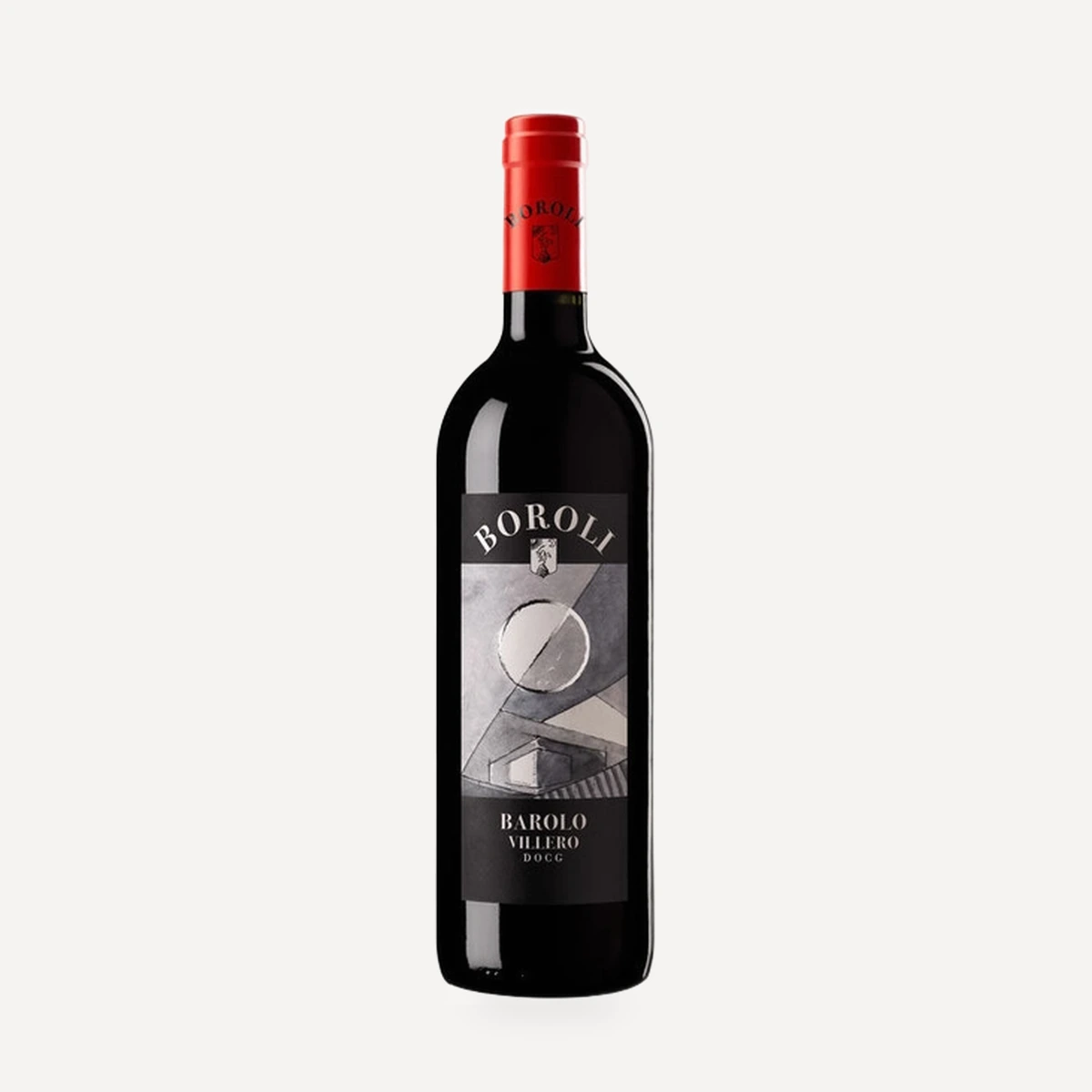
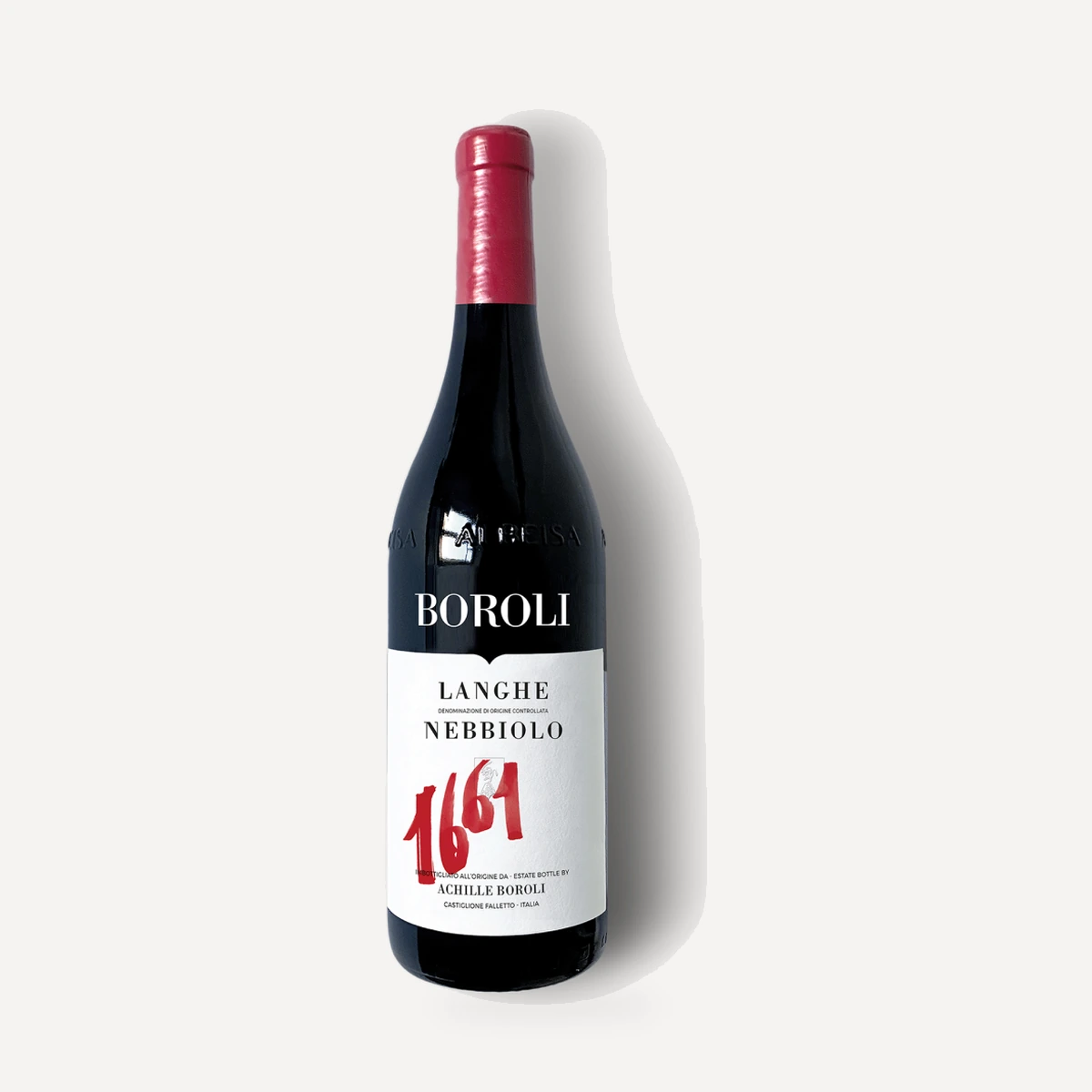
Questo vino
Vineyard and terroir
The wine comes from 0.73 ha in Cerequio, in the Comune di Barolo. The cru extends across two opposing slopes that form a recognizable basin and enjoys constant ventilation and a warm microclimate traditionally nicknamed the “Langhe Riviera.” Snow melts rapidly here.
The Boroli parcel lies approximately 300–350 m above sea level. Its exposure is described as east to southeast, while the wine page uses south/southeast. The soil combines clay, moderately sandy limestone, blue and Sant’Agata marls, with bedrock at roughly 1–1.5 m. Texture is 25% sand, 50% silt and 25% clay. Planting density is 4,300 vines/ha on Kober/SO4 rootstock; the vines are approximately 25–30 years old. Crop rotation and natural fertilization are part of the vineyard practices.
Grapes
100% Nebbiolo.
Vinification
Harvest normally begins in the first days of October and is entirely manual, using small crates. Micro-parcels are picked separately according to cluster ripeness, and their lots remain separate during vinification and maturation.
The grapes are crushed and destemmed. Alcoholic fermentation lasts 10–12 days in stainless-steel tanks at controlled temperature, followed by 20–25 days of submerged-cap maceration. Malolactic fermentation takes place in temperature-controlled stainless steel.
Ageing
Maturation lasts 18 months in large oak casks of 1,000–1,500 and 2,500 L, followed by at least one year in bottle before release.
Technical data
Alcohol: 14%. Residual sugar: 0.48 g/L. Total acidity: 5.32 g/L. Non-reducing extract: 28.4 g/L.
Tasting profile
Clear ruby red. The nose is intense and fruit-led, with floral nuances including chamomile. The palate is structured and full-bodied, with berry flavours, fully integrated tannins and a long finish. The cru is associated with lively acidity, vibrant structure, elegance and consistent capacity for ageing.
Label / history
Cerequio was recognized in the nineteenth century by agronomist Lorenzo Fantini as a particularly choice area for Barolo and was later classified as a first-class cru. The first vintage bottled separately was 2003.