Storia
The early property and its chapel
The origins of the name are tied to the hill on which the vineyards are grouped. When the property still comprised only a small number of vines, a votive chapel was built at the summit. It was dedicated to San Grato, traditionally regarded as the protector of crops from storms and, in particular, hail. The combination of the hill—a bricco—and the small chapel gave rise to the name Bricco della Cappelletta.
Four generations of winegrowing
Bricco della Cappelletta developed through four generations of the Carlin de Paolo family. Over this period, the means used for production, wine storage and deliveries changed, while the family continued its winegrowing activity through both easier and more difficult times. Personal relationships with customers became part of the inherited family culture: cellar tastings, direct explanations of a wine’s origin and storage, home deliveries and word-of-mouth allowed relationships to continue across generations of customers.
As the property grew, its wines came under DOC and DOCG controls and guarantees. Bricco della Cappelletta is now a CARLINdePAOLO-owned brand and represents the most prestigious vineyards of Tenuta Carlin de Paolo.
2009: recognition of Terre Alfieri
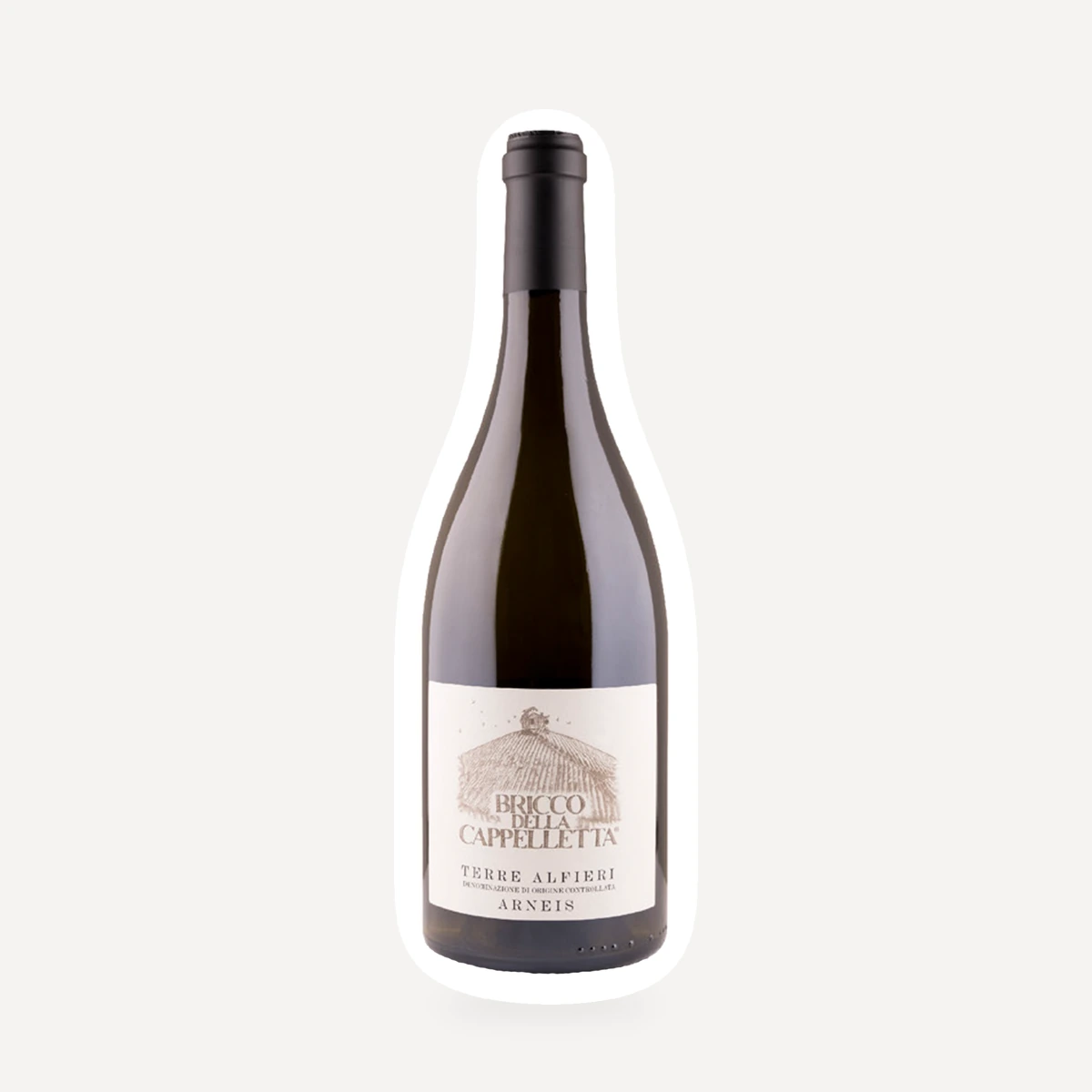
In 2009, the local winegrowing area was formally identified as Terre Alfieri. The territory is centred on San Damiano d’Asti at the meeting point of Monferrato, Roero and Langhe. Terre Alfieri Nebbiolo and Terre Alfieri Arneis became central denominations for the estate.
The present generation
The current project is associated with the four brothers Giancarlo, Davide, Lorenzo and Paolo. Their work combines inherited practices with innovation. From the estate’s 15 hectares, they reserve 2 hectares for four Bricco della Cappelletta crus based respectively on Barbera, Nebbiolo, Croatina and Arneis. Production from these selected vineyards is deliberately restricted, with each cru bottled as a single, limited lot.
Terroir
Location
The vineyards lie in Monferrato, among the hills of Terre Alfieri and within the commune of San Damiano d’Asti, on the side facing toward Asti. Terre Alfieri occupies the meeting point of Monferrato, Roero and Langhe and is centred on San Damiano d’Asti.
The wider Terre Alfieri denomination encompasses Antignano, Celle Enomondo, Cisterna d’Asti, Revigliasco, San Damiano d’Asti, San Martino Alfieri and Tigliole in the province of Asti, together with parts of Castellinaldo, Govone, Magliano Alfieri and Priocca in the province of Cuneo.
Hill and exposure
All the estate vineyards are grouped on a single hill. The property occupies the hill’s highest and sunniest position—the bricco—with south and southwest exposures. A small votive chapel stands at the summit.
Soils
The vineyards grow in clay-and-tuff soils distinguished by their red earth. The combination of these soils, the elevated position on the hill and the south to southwest exposure underpins the selection of the estate’s four cru vineyards.
Vinificazione
Cultivation follows EEC environmental rules. When a new vineyard is established, the first fertilization applied during soil preparation uses organic fertilizer. Later fertilization is targeted and carried out to correct specific soil deficiencies.
Plant protection follows agricultural-production methods intended to remain compatible with environmental protection. Treatments are used only when necessary, at minimum doses, with products selected for their lower impact on people and the environment.
Herbicides are not used. Weed growth is controlled mechanically with a flail mower and supplemented by manual work. Crop quantities are deliberately restricted in pursuit of quality. Harvesting is manual and incorporates rigorous bunch selection.
Filosofia
Bricco della Cappelletta places deliberate limits on crop quantity and presents quality, rather than volume, as the objective of its vineyard work. Manual harvesting and strict selection support this approach.
The current generation seeks to combine inherited winegrowing traditions with innovation. Environmental responsibility is expressed through restrained plant-protection treatments, avoidance of herbicides, organic fertilizer at vineyard establishment and targeted correction of soil deficiencies.
Family continuity also extends to relationships with customers. Direct contact, cellar visits, tastings and explanations of provenance and storage are treated as part of the identity of each wine rather than as purely commercial transactions.
Vini
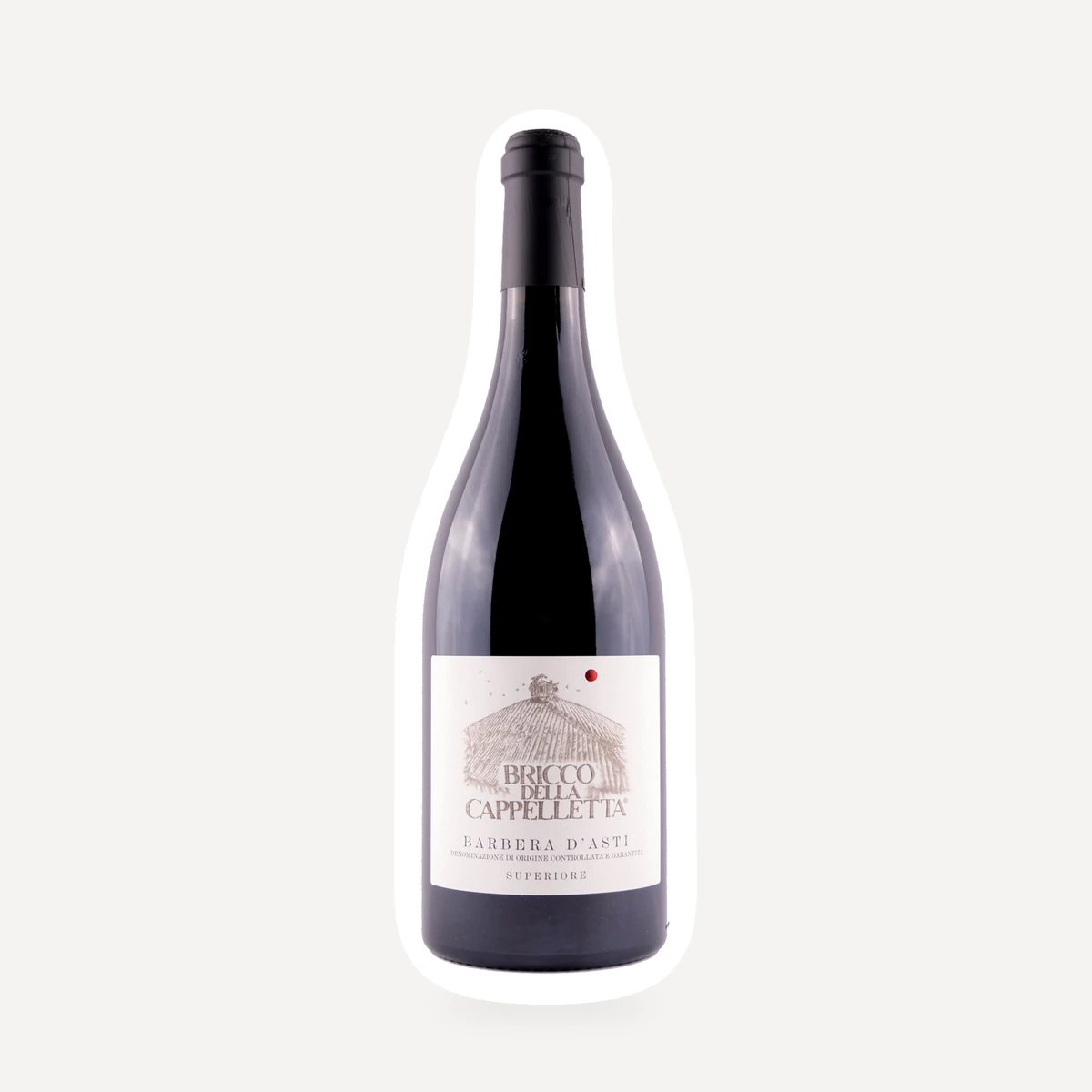
Barbera d’Asti DOCG Superiore
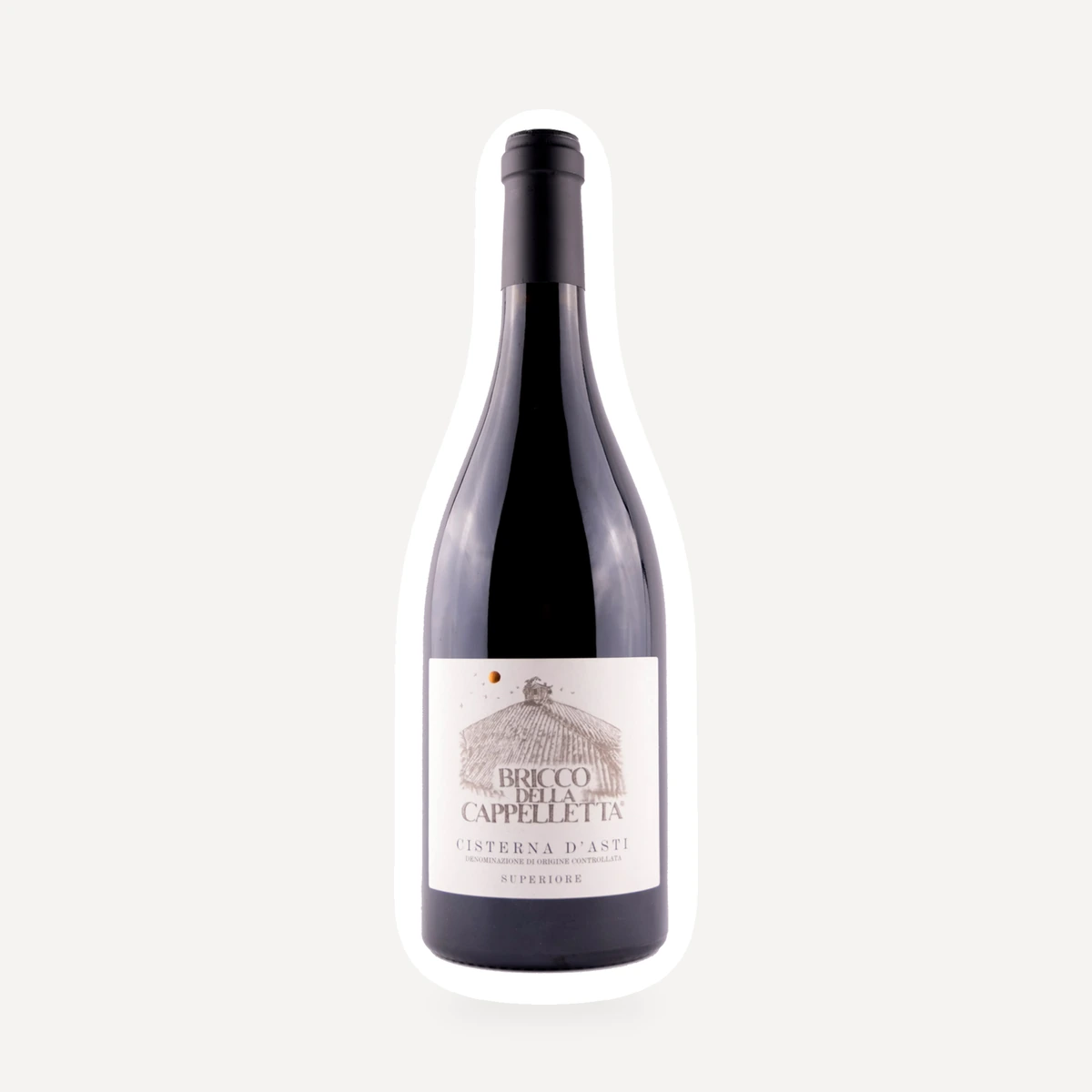
Cisterna d’Asti DOC Superiore